
Work carried out without building regulations approval usually surfaces when the property is sold. It is generally resolvable, and the cost and difficulty depend on what was done and how long ago.
The regularisation route
Local authorities operate a regularisation procedure for unauthorised work.
You apply retrospectively, the authority assesses what was built, and if it can be shown to comply, a regularisation certificate is issued.
The application applies to work carried out after November 1985.
The fee is typically higher than a normal application, since more work is involved.
What it involves
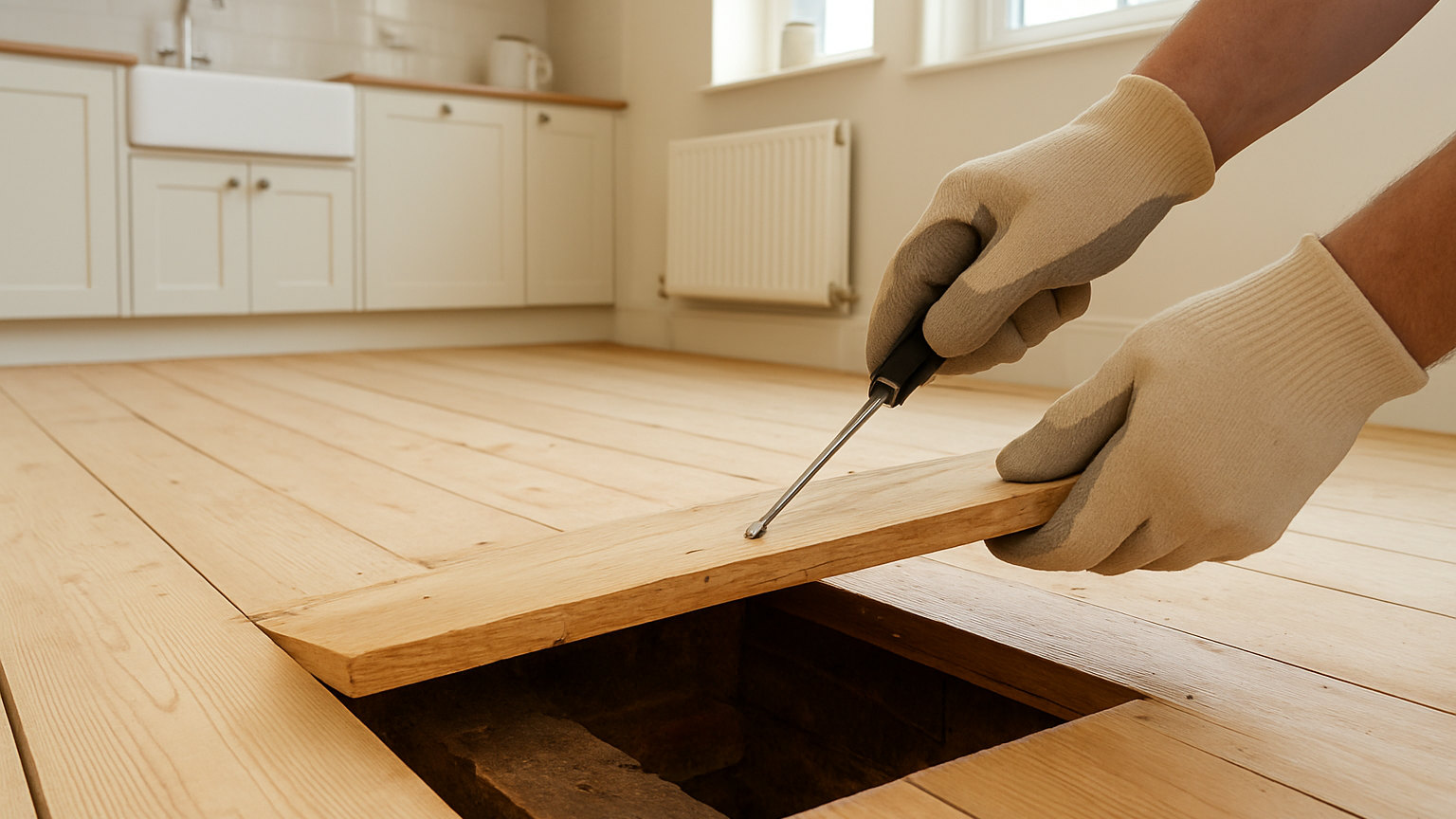
Opening up. The authority cannot assess what it cannot see, so they may require parts of the work to be exposed: floors lifted, plasterboard removed, foundations exposed by trial holes.
This is the part that costs money and causes disruption.
Evidence can reduce it. Photographs taken during construction, invoices, structural calculations and specifications may satisfy the inspector without exposing everything.
Remedial work where something does not comply. This can range from adding an alarm to replacing a beam.
Where the work cannot be shown to comply and cannot reasonably be corrected, a certificate will not be issued.
What is issued
A regularisation certificate, which is not identical to a completion certificate but serves the same purpose in a sale.
It confirms that, so far as could be ascertained, the work now complies.
The enforcement position
Worth understanding, because it is frequently misstated.
A local authority can prosecute for a contravention, subject to a time limit running from the completion of the work.
Separately, the authority can serve a notice requiring the work to be altered or removed, subject to its own time limit from completion.
In addition, an authority can seek an injunction to remove or alter work that contravenes the regulations, and this is not subject to the same time limits.
In practice, enforcement against old domestic work is uncommon. The practical consequence is almost always at sale rather than enforcement.
That said, dangerous work is a different matter and can be dealt with at any time.
Indemnity insurance
The common shortcut when selling.
A policy covering the risk of enforcement action, bought as a one-off premium.
What it does not do is confirm the work is safe or compliant. It covers a financial risk; it does not fix anything.
It becomes void if the council is approached about the work, which is why solicitors advise not contacting the authority once indemnity is being considered.
Buyers and their lenders increasingly resist it, particularly for structural work or anything affecting safety.
It is a reasonable answer for an old, minor, evidently sound piece of work, and a poor answer for a loft conversion with no fire precautions.
Deciding what to do
If you are selling and the work is old and minor, indemnity may be proportionate. Take your solicitor's advice.
If the work is structural or safety related, regularisation is the better answer, since the underlying question is whether it is safe.
If you are buying, be cautious about accepting indemnity for substantial work. The reason the certificate is missing may be that the work was never inspected because it would not have passed.
Consider a structural survey of the specific element.
Where the work was recent
If it was done in the last few years and the builder is contactable, pursue them.
Obtaining the certificate was frequently their contractual responsibility.
Avoiding the situation
Apply before starting, notify the inspection stages, photograph everything before it is covered, and hold a retention until the certificate arrives.
None of that costs anything material, and it removes a problem that otherwise surfaces at the worst possible moment.
Work you inherited
Where a previous owner did the work, you may have no documents and no knowledge of what was done.
The council's records will show whether an application was ever made.
Where there is nothing, and the work is substantial, it is worth establishing the position before you come to sell rather than at the point of an offer.
Take advice first, since making enquiries can affect the availability of indemnity insurance.
Dangerous work
Where unauthorised work appears unsafe, the position changes entirely.
A missing beam, an unsupported chimney breast or a loft conversion with no fire precautions is a safety matter first and a paperwork matter second.
Have it assessed rather than insured against.


