Sanding and Finishing Floorboards
Hired sanders remove timber alarmingly fast and the dust is a real hazard. Preparation, grit sequence, and choosing between oil and lacquer.
By DIY Guides Editorial
20 Dec 2025

Laminate, engineered wood, vinyl and tile, plus subfloors, underlay and expansion gaps.
Hired sanders remove timber alarmingly fast and the dust is a real hazard. Preparation, grit sequence, and choosing between oil and lacquer.
The floor covering decides how well underfloor heating works. Tog limits, maximum surface temperatures, and which floors suit which system.
The trim covers the expansion gap and must not pin the floor down. Mitres, scribes, fixing to uneven walls, and which order to work in.
A squeak is movement, usually a board against a nail or a joist. Finding the source, and the fixes that work from above and below.
A ridge lifting across the middle of a room means the floor had nowhere to expand to. How much gap is needed, where, and how to fix a buckled floor.
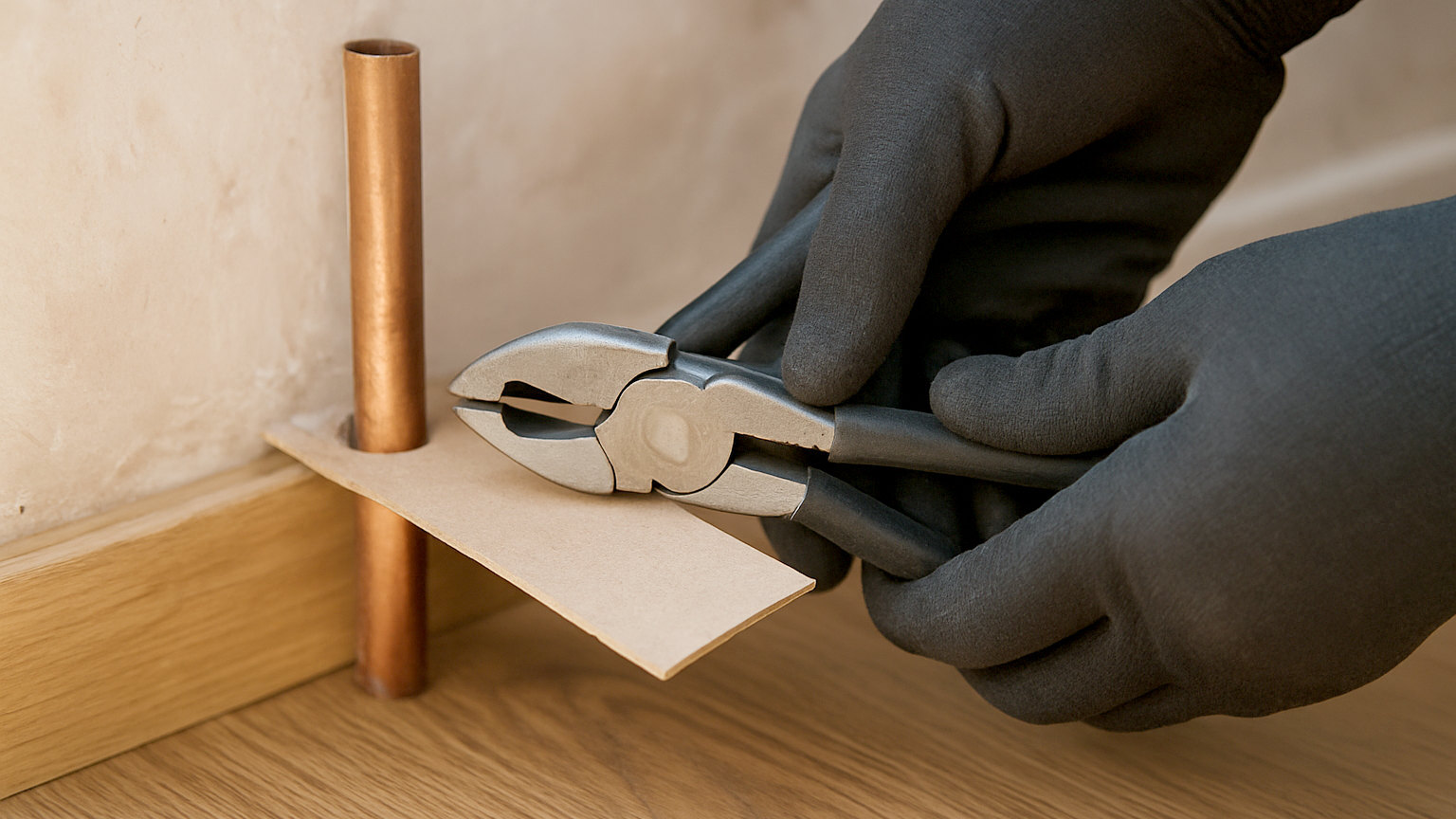
Door frames, pipes, toilets and awkward corners are what separate a neat floor from an obviously amateur one. Templates, undercutting and the tidy methods.
Floating, glued or secret nailed, and the choice depends on the subfloor. What differs from laminate, and why acclimatisation matters more here.
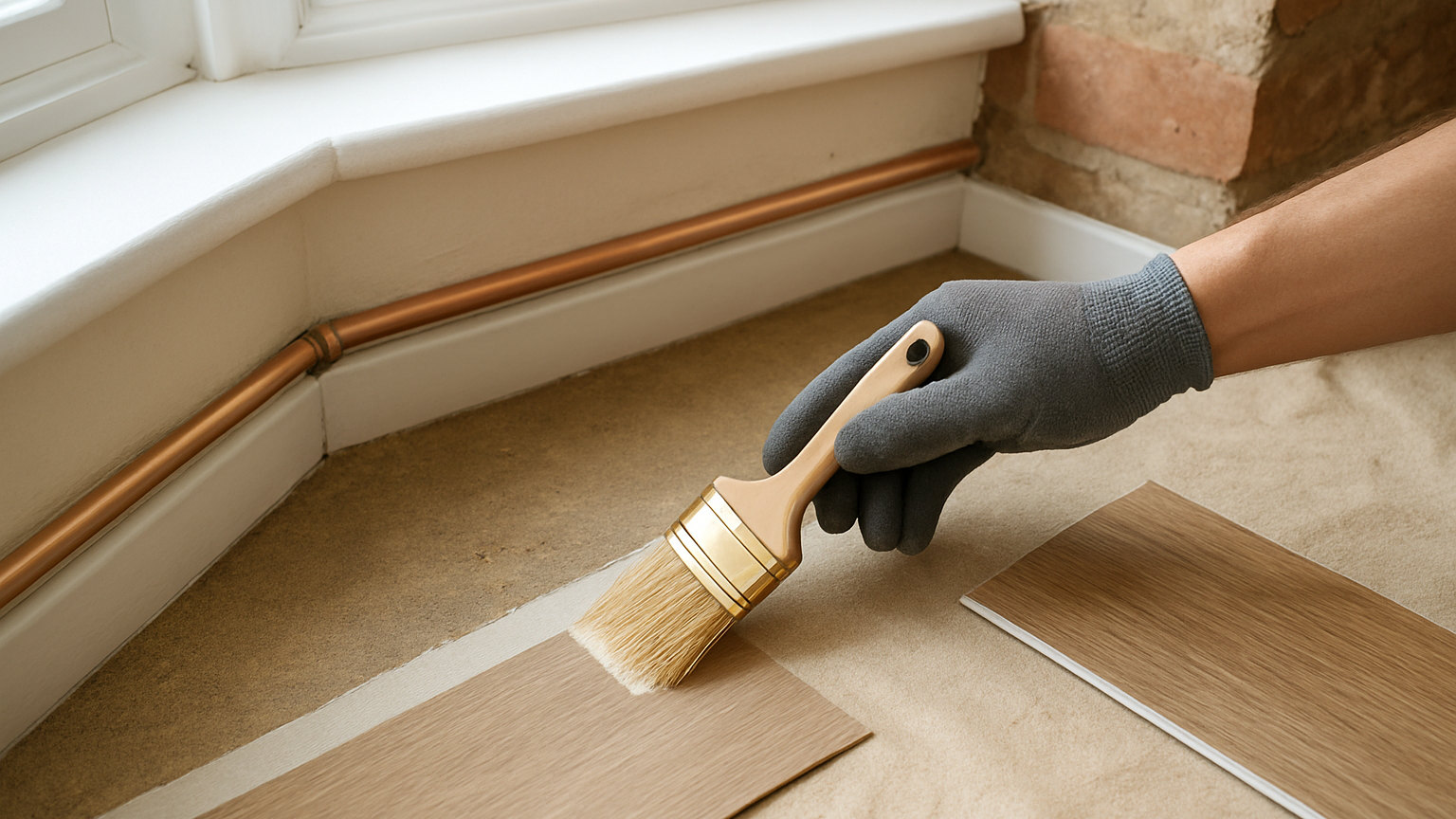
Both need a genuinely flat subfloor, since any imperfection shows through. Templating sheet vinyl, setting out LVT, and adhesive open times.
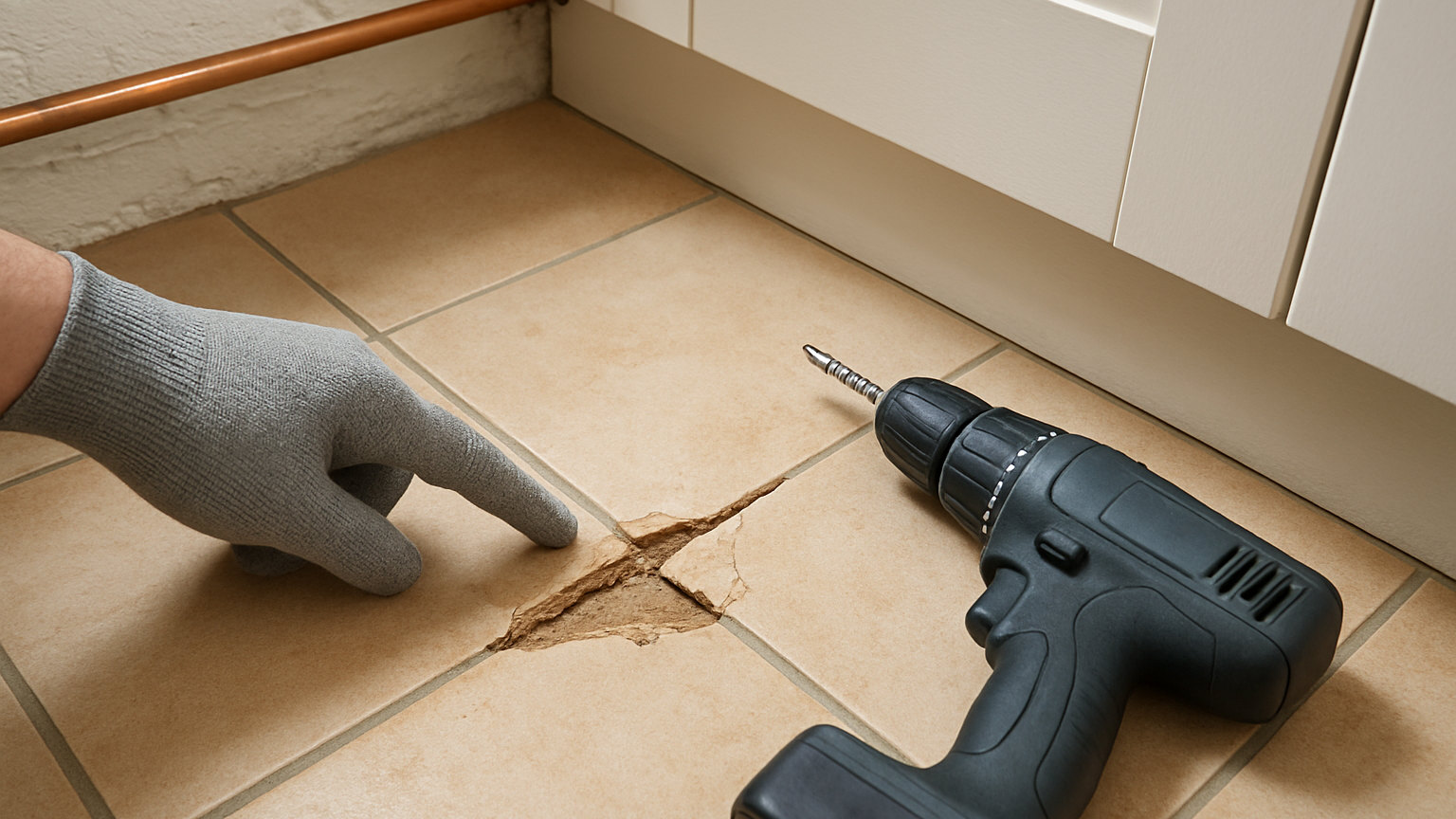
A floor that flexes cracks tiles, so the substrate matters more than the tiling. Overboarding, setting out from the centre, and getting tiles level.
Underlay absorbs small irregularities, quietens the floor and can carry a moisture barrier. Matching it to the covering, and where it is the wrong idea.
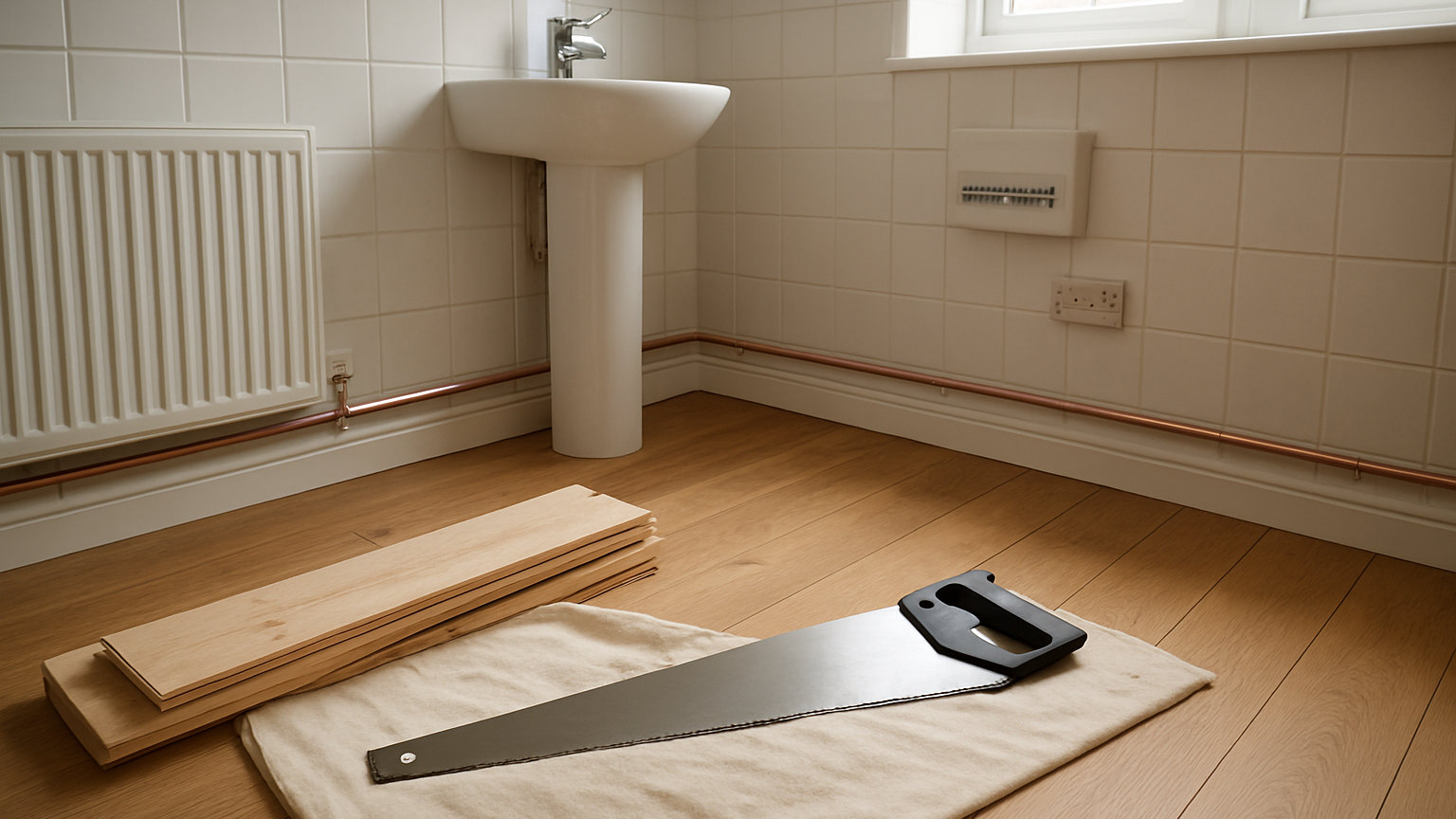
Acclimatise it, leave the expansion gap, and stagger the joints properly. The method, and the mistakes that cause a floor to lift or click.
Every flooring failure that is not water is a subfloor failure. Checking for flatness, movement and damp, and what each covering needs underneath.