Wall Repair Tools and Mistakes
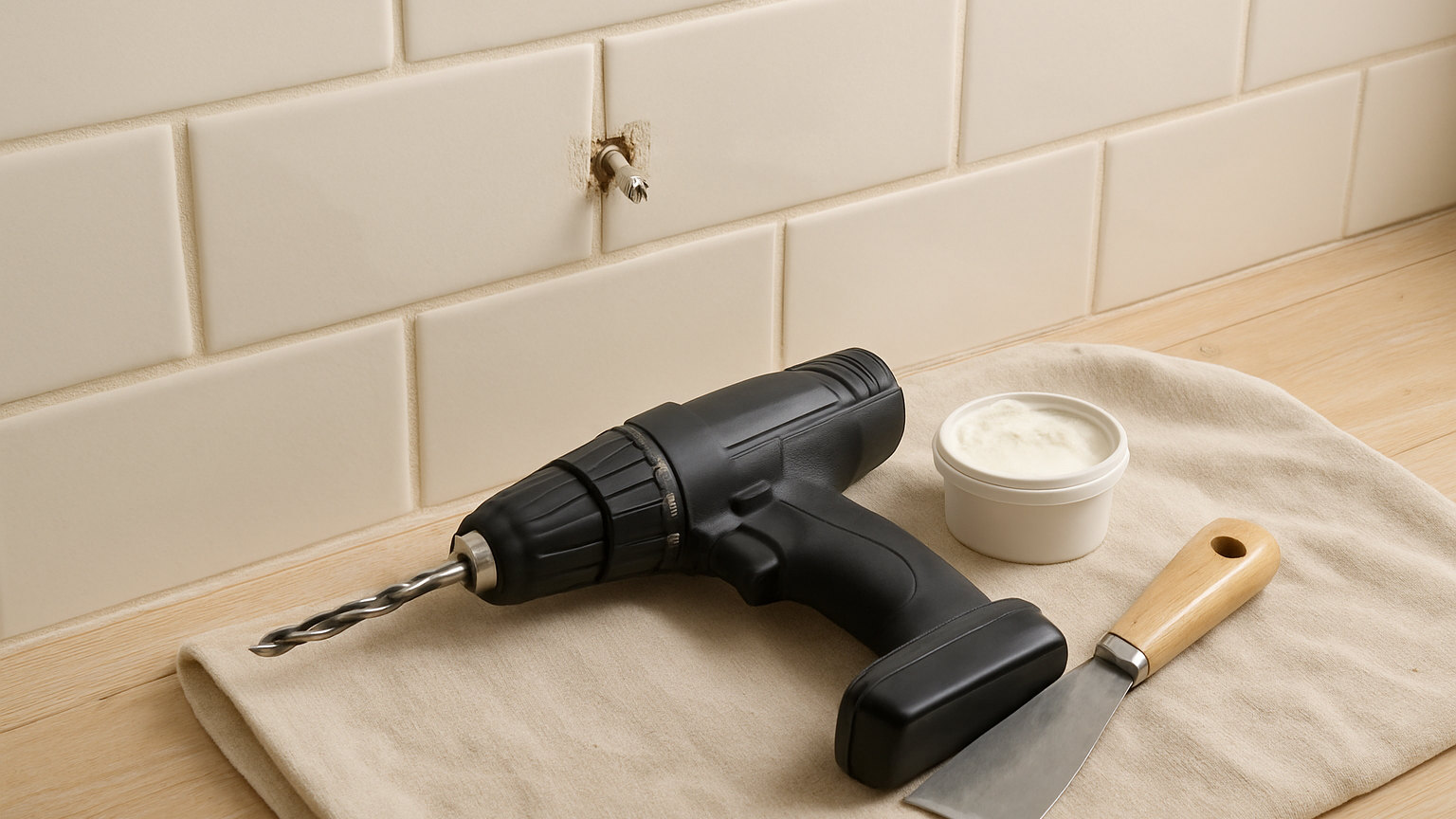
The kit for filling and patching, and the handful of errors that account for most repairs that show. Worth reading before starting.
By DIY Guides Editorial
10 Mar 2026

Filling holes, cracks, blown plaster and patch repairs, and knowing what the wall is made of.
The kit for filling and patching, and the handful of errors that account for most repairs that show. Worth reading before starting.
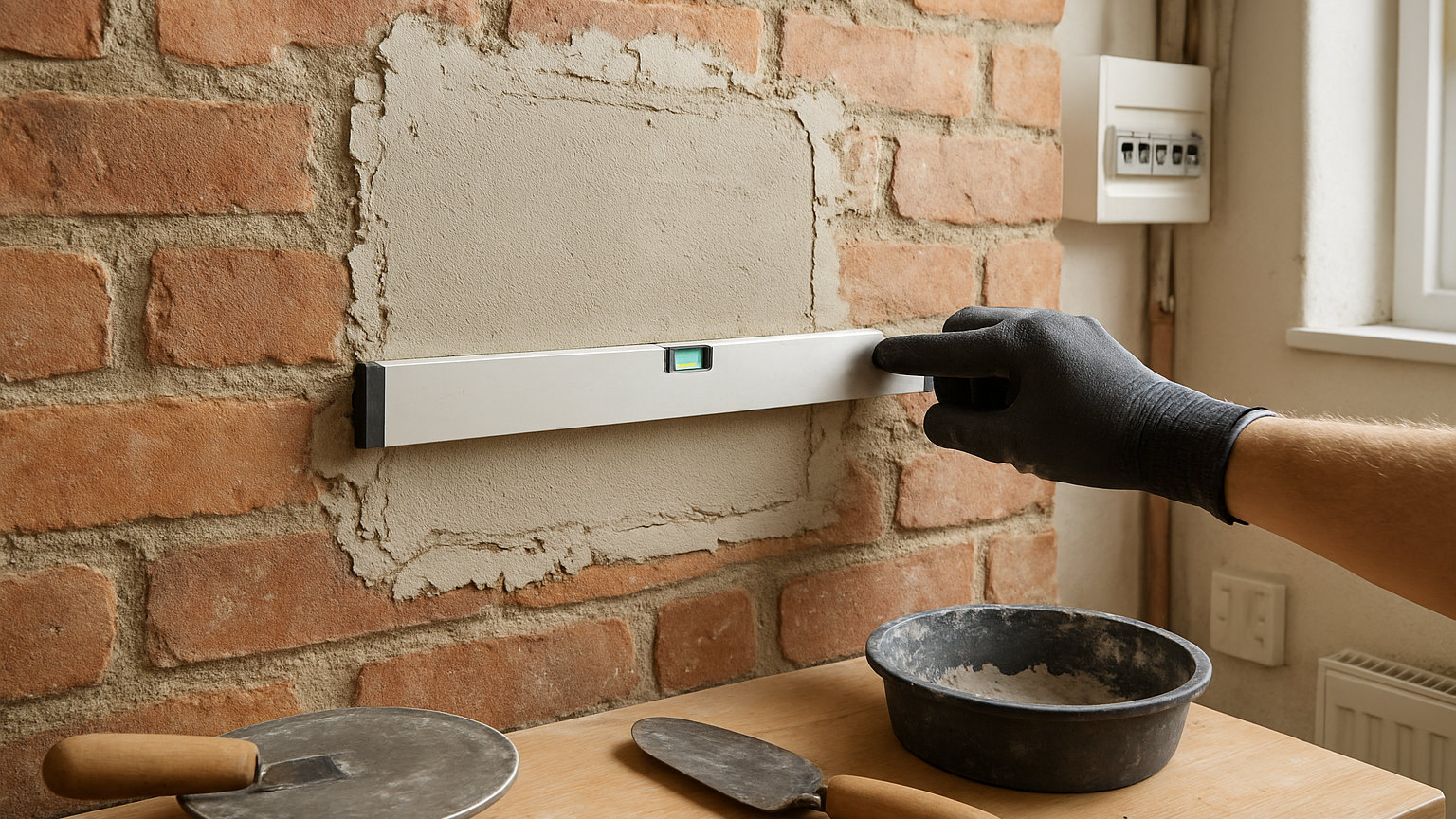
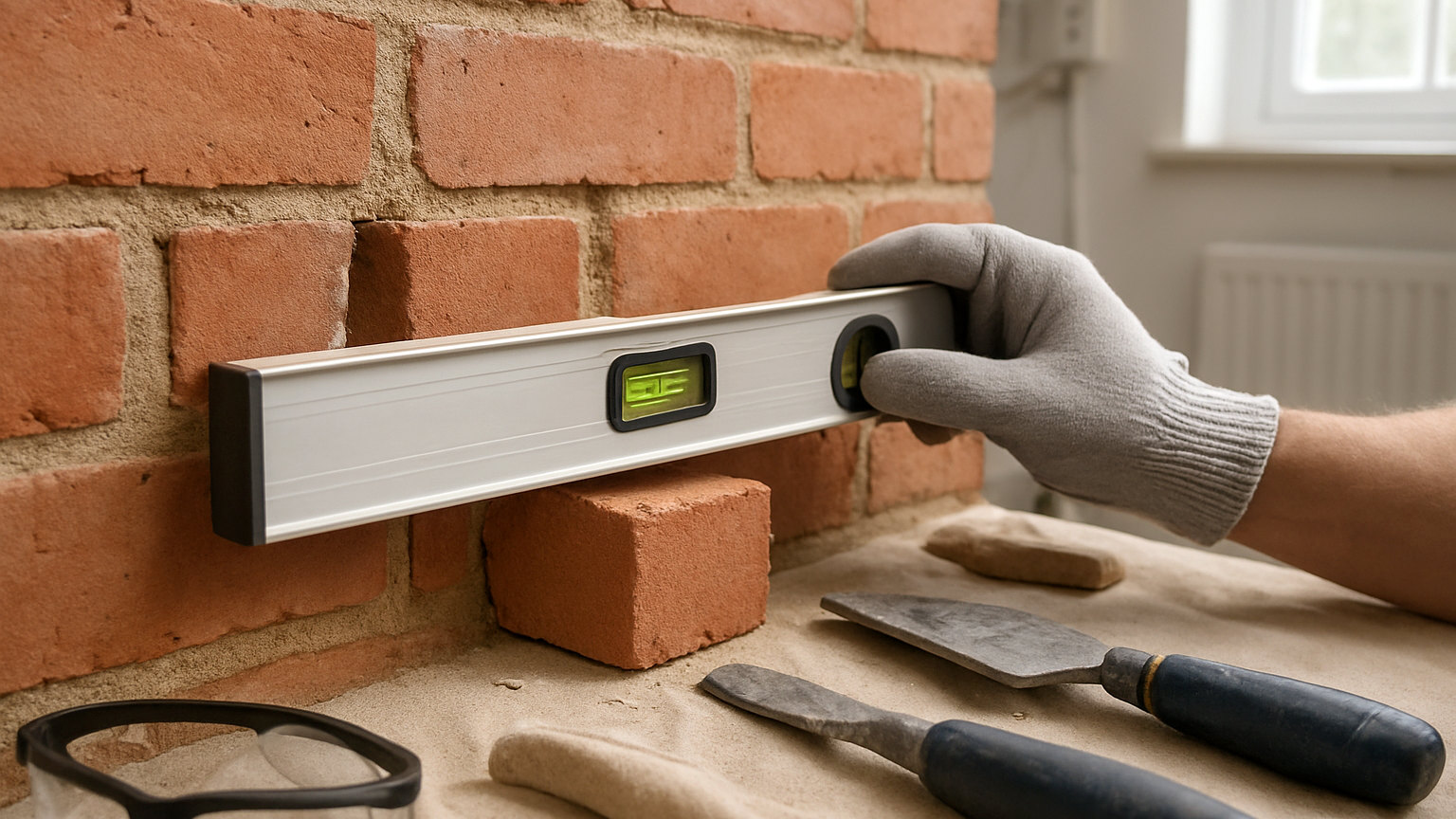
Check how bad it is with a straight edge before deciding. Filling, skimming, lining or overboarding, and which is worth the effort.
Timing is what makes plastering hard, and a small patch is where to learn it. Mixing, the two coats, and the trowelling passes as it sets.
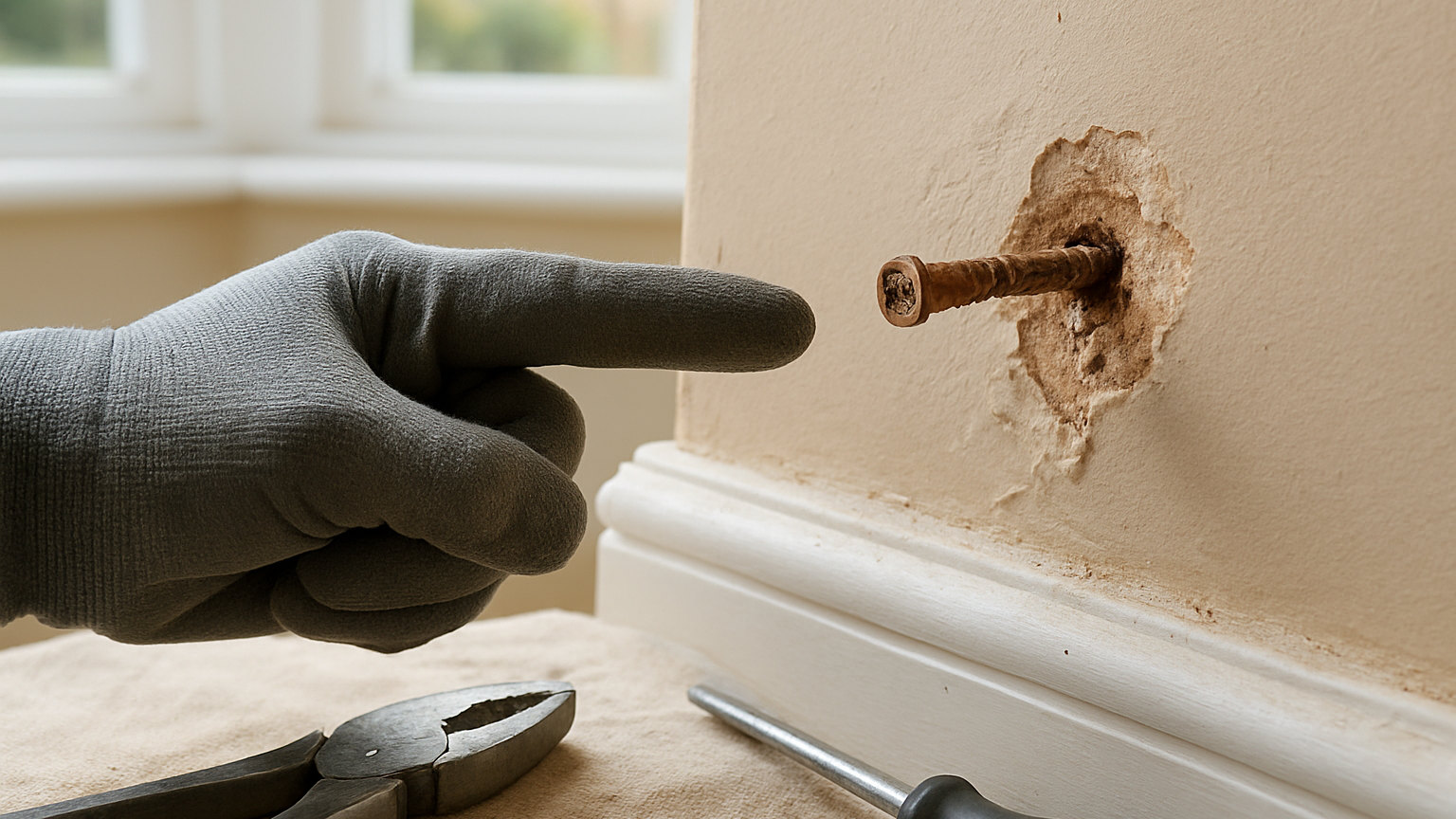
Plugs, plasterboard anchors, rawlbolts and rusted screws all come out differently. Getting them out without taking the wall with them.
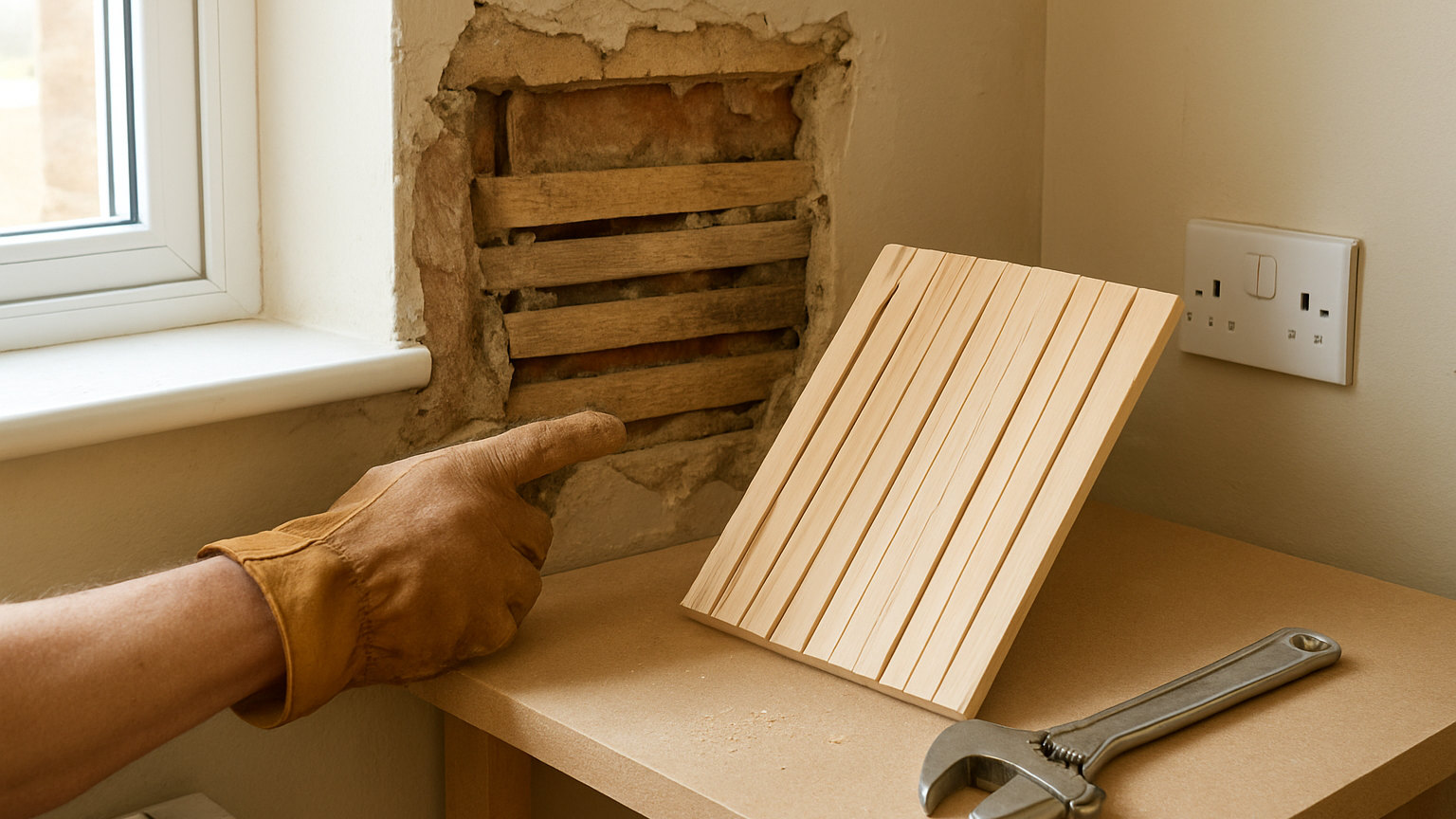
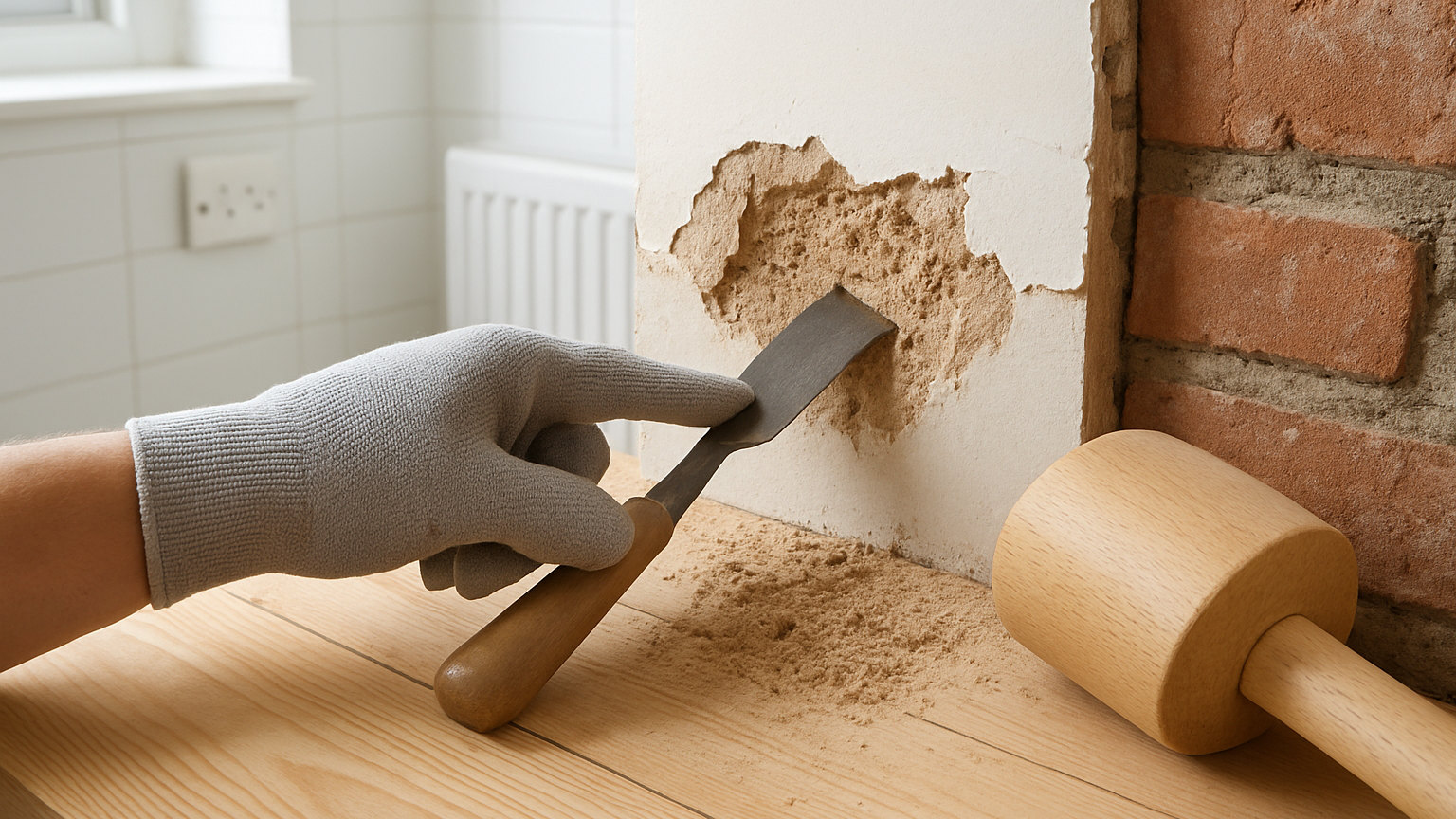
Old plaster holds on by nibs squeezed through the laths, and it fails when they break. Working gently, and the repairs that suit period walls.
Fix the leak, dry it properly, then decide what is salvageable. Saturated plasterboard never recovers; gypsum plaster sometimes does.
Cut back to sound plaster, build out with bonding coat, then finish. The sequence for a patch on a solid wall that does not show.
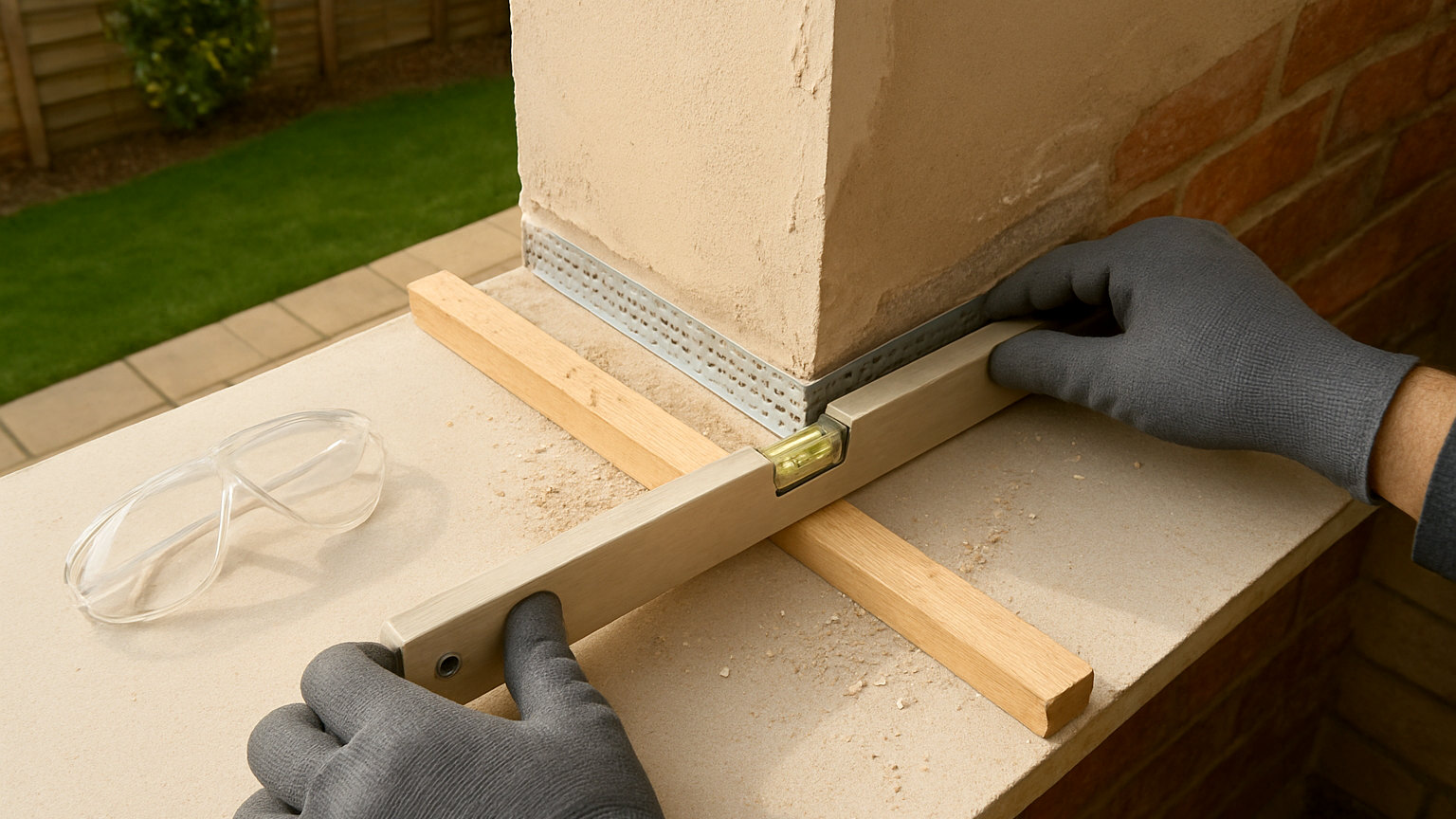
External corners take all the knocks and are the hardest to repair straight. Using a batten as a guide, and when to fit a corner bead.
Plaster that sounds hollow has lost its bond and will come off eventually. How to find the full extent, cut it back, and rebuild it.
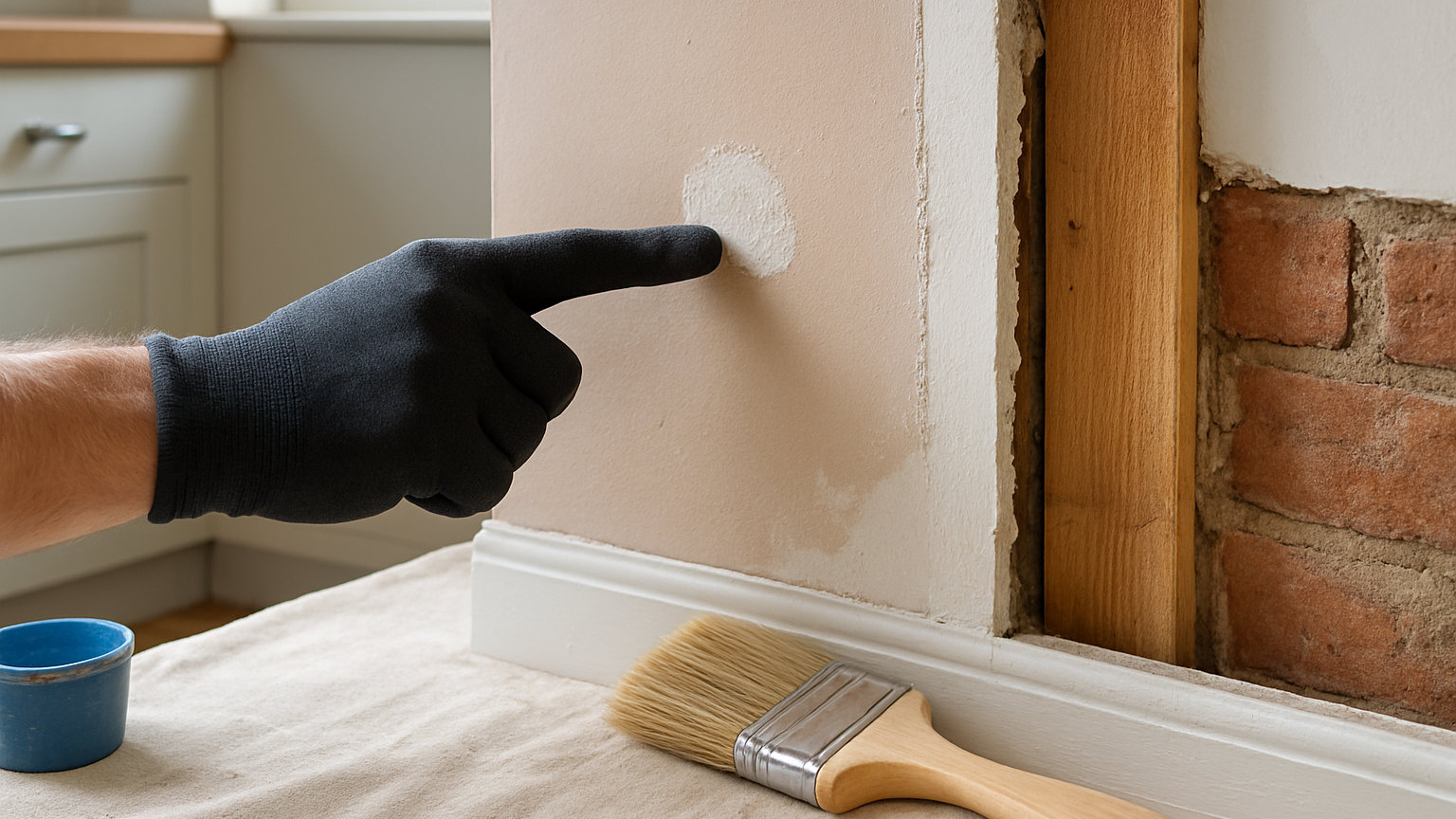
Small holes are quick and easy to get wrong. Removing the plug, dealing with the raised lip, and filling so nothing shows through the paint.
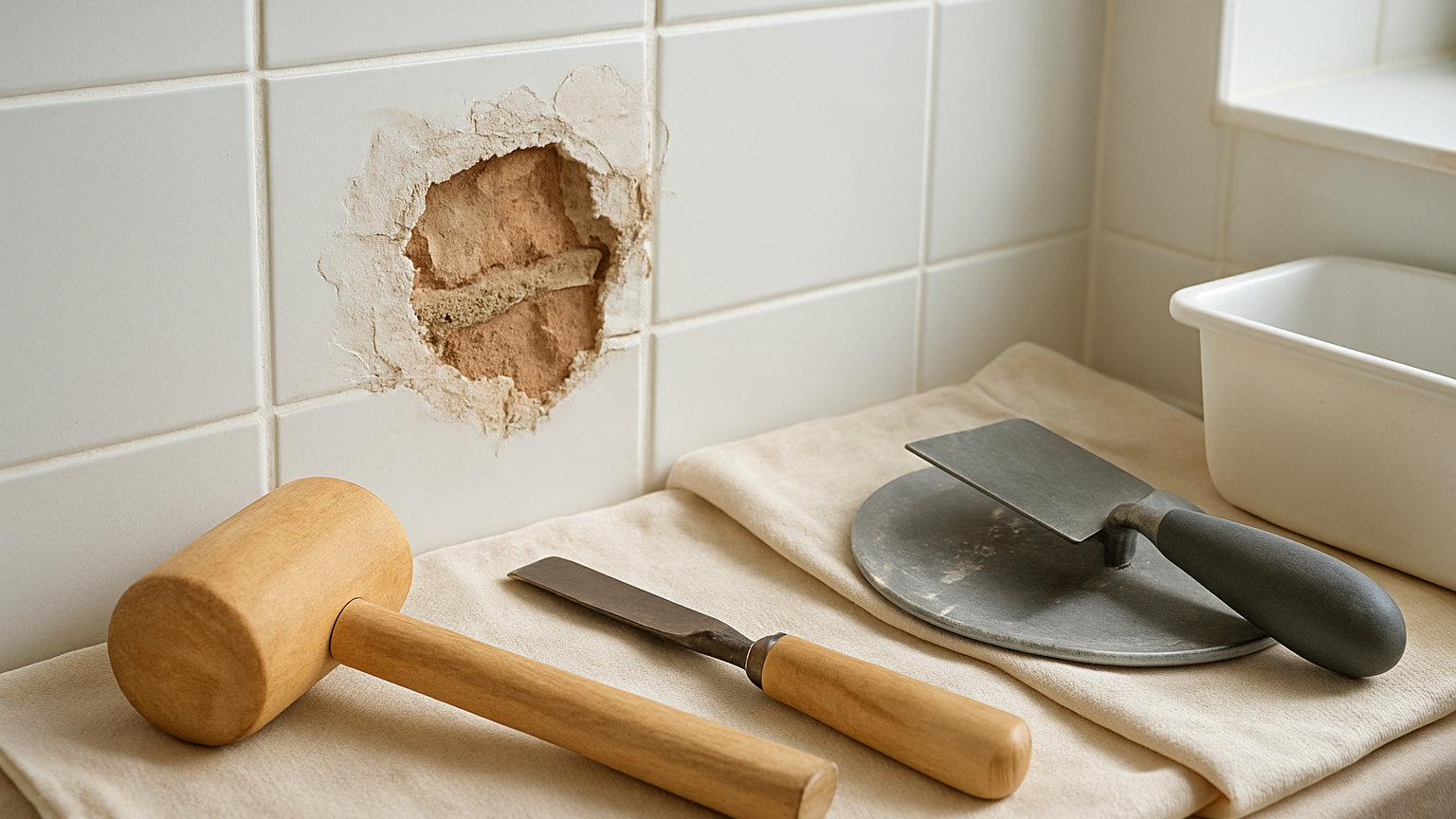
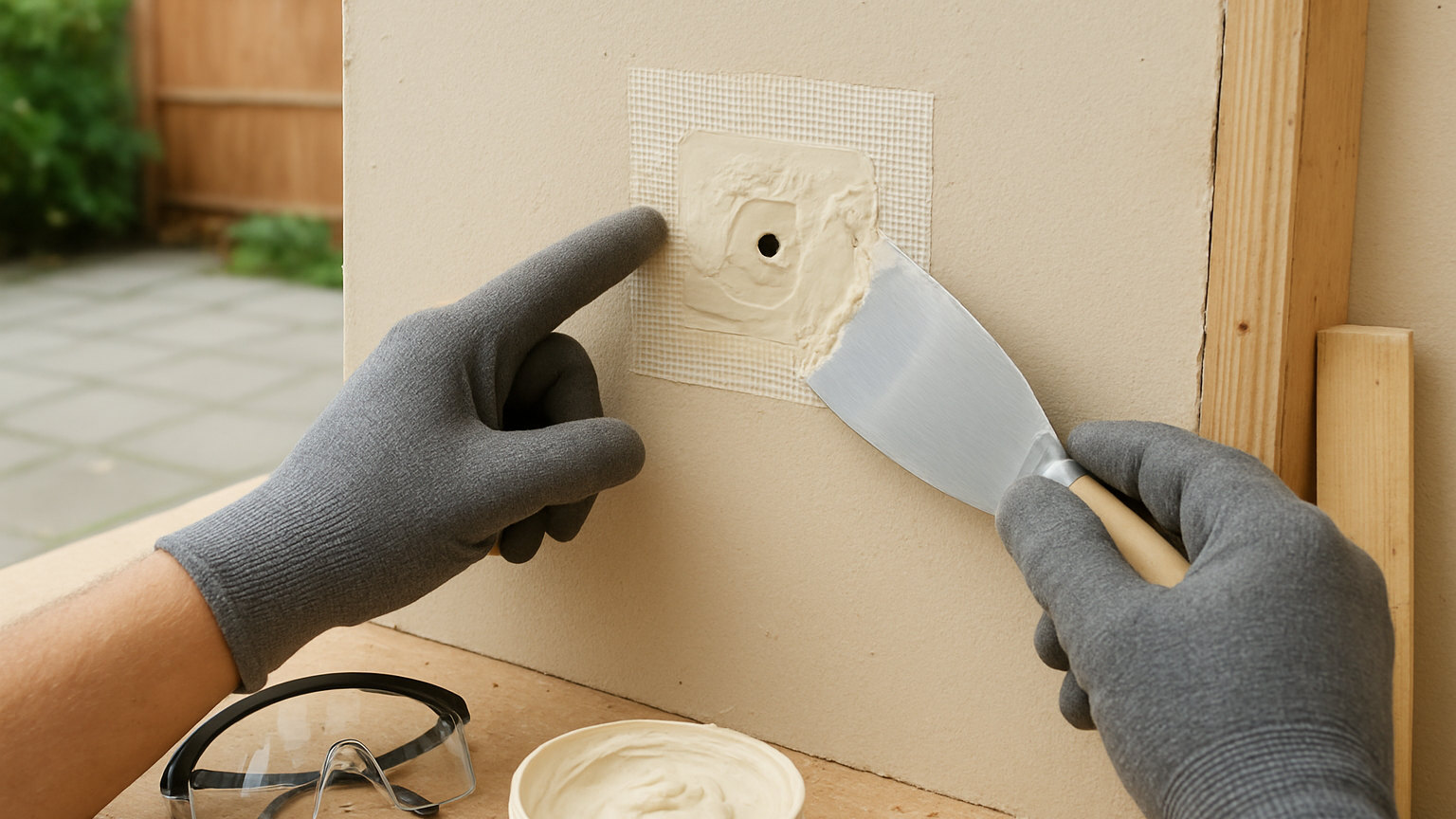
Three methods depending on size: filler and tape, a paper-flange patch, or a cut-in board section. The one that gives an invisible repair.
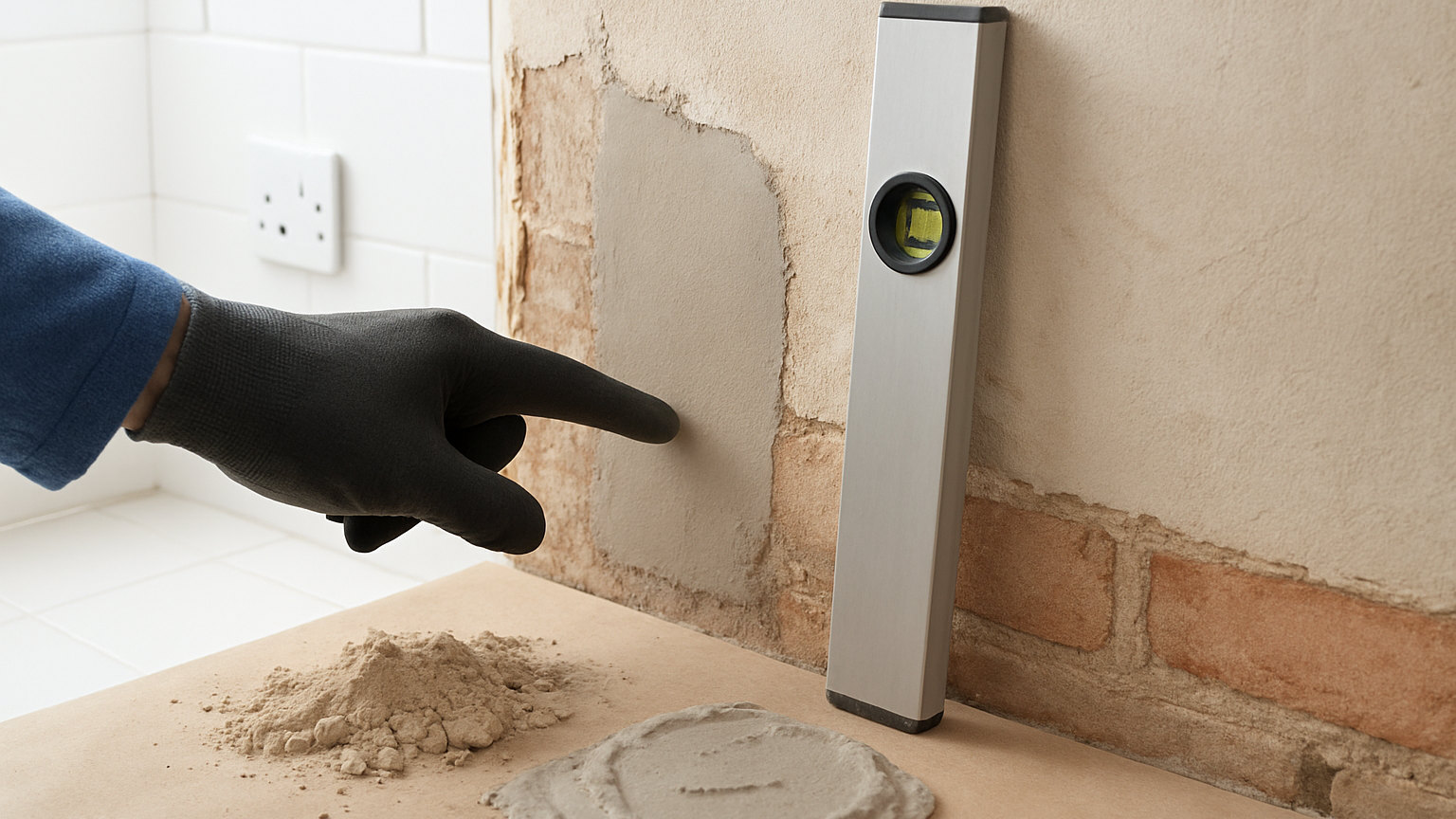
Two thin applications beat one thick one, and the sanding matters more than the filling. Mixing, applying, and getting a repair that disappears.