Clearing Up and Waste Disposal
Plasterboard cannot go in general waste and paint cannot go down the drain. What each type of DIY waste needs, and skips versus the tip.
By DIY Guides Editorial
28 May 2026

Benches, lighting, power, dust control and tool storage, plus how to work properly without a workshop at all.
Plasterboard cannot go in general waste and paint cannot go down the drain. What each type of DIY waste needs, and skips versus the tip.
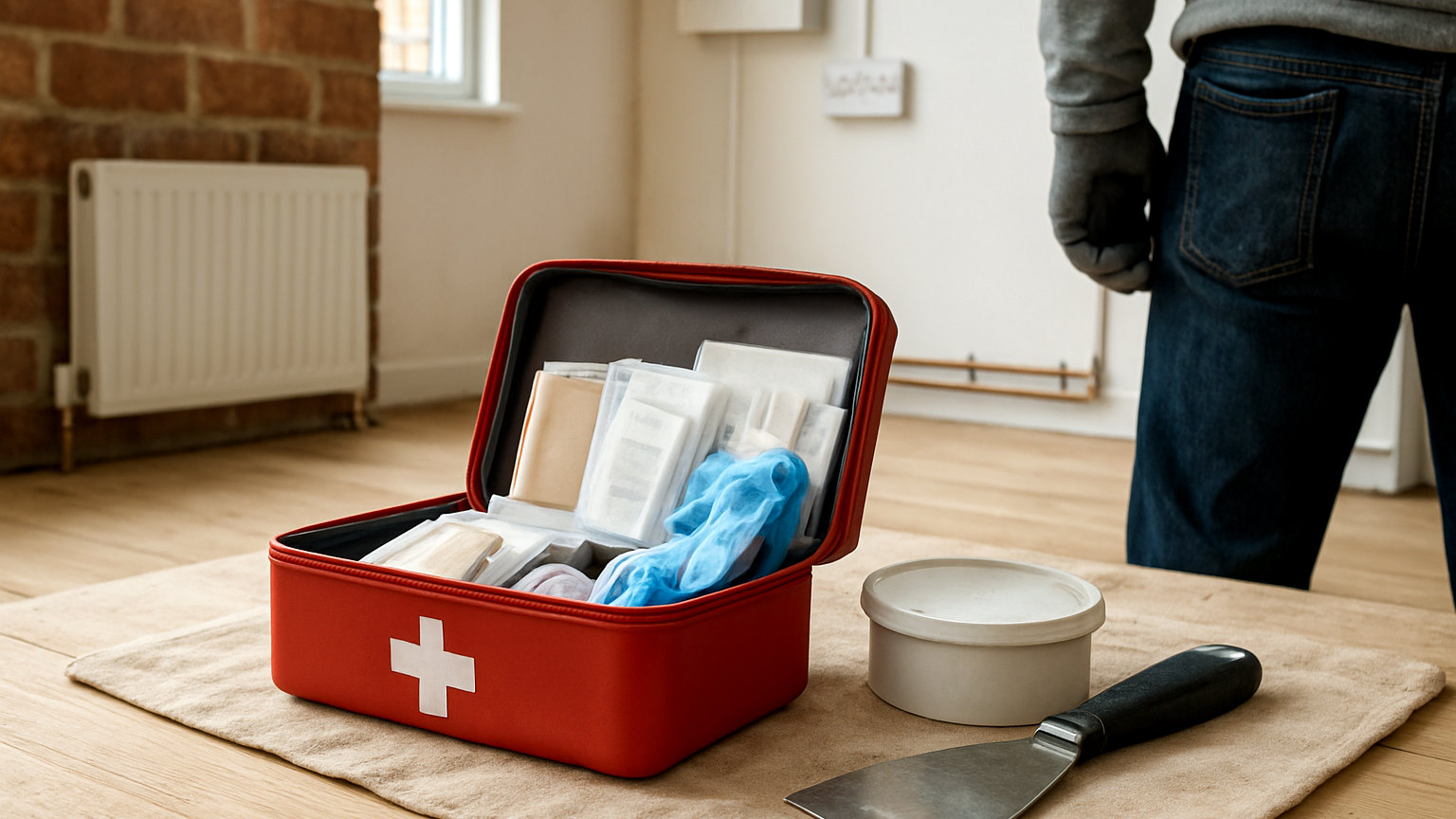
A kit in the workshop, not in the house, and a phone on you rather than on the bench. What to have and what to do.
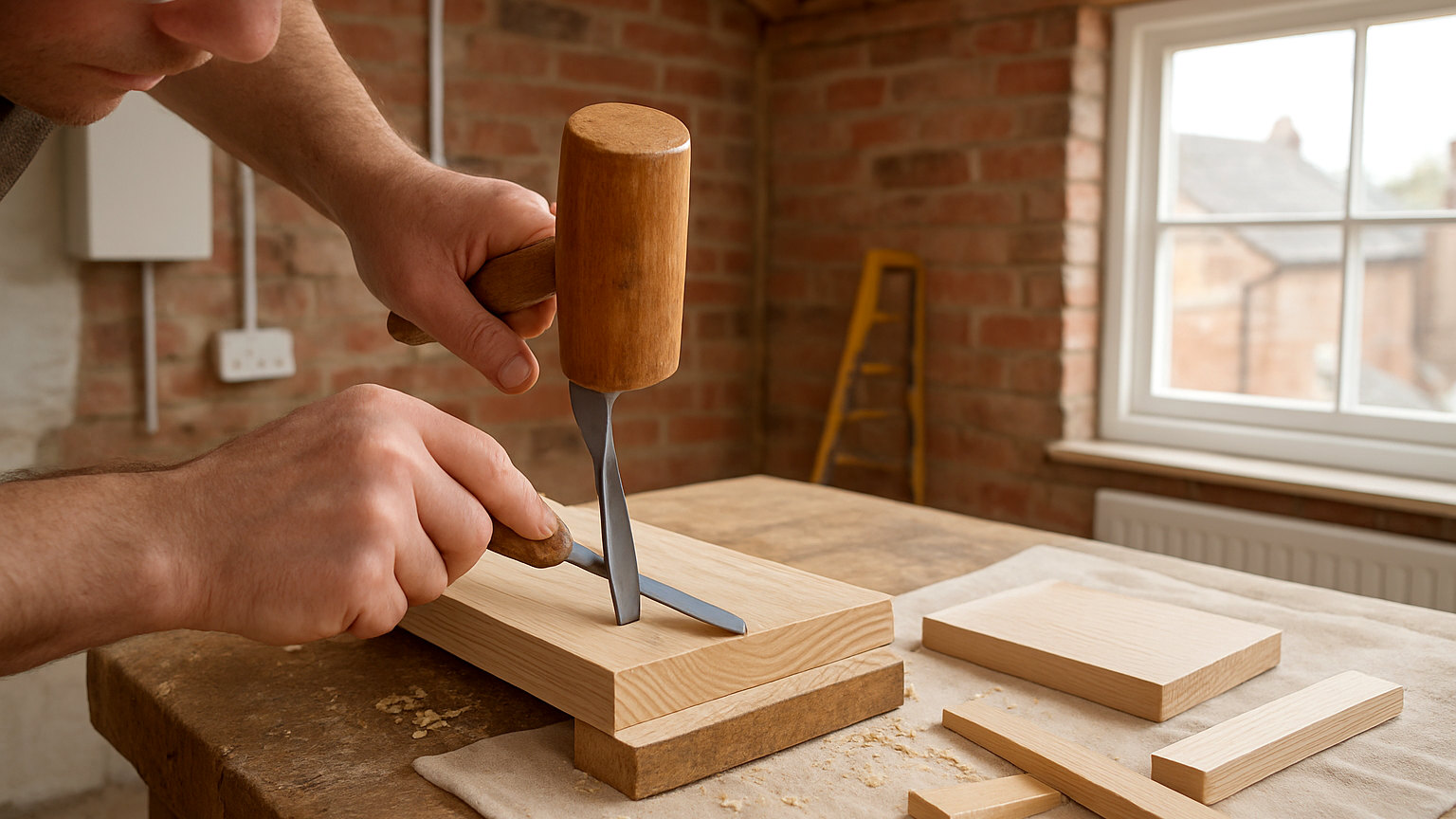
A jig turns a difficult cut into a repeatable one. Bench hooks, shooting boards, straight edge guides and story sticks, all from offcuts.
Ten minutes at the end of a session, an hour twice a year. What to do when, so tools work when you pick them up.
A flat, a small house or a shared garage. Portable benches, dust containment indoors, and doing more than you would expect.
Oil-soaked rags catch fire on their own, and that is not a myth. Storing flammables, extinguisher types, and controlling ignition sources.
Arrange the space around how work actually moves through it. Infeed and outfeed, reach zones, and getting everything off the floor.
Timber moves with moisture, so how it is stored decides whether it stays straight. Stickering, acclimatising and storing sheets flat.
Walls are the free space in a workshop. Load ratings, bracket spacing, and building shelving that will not sag under paint tins.
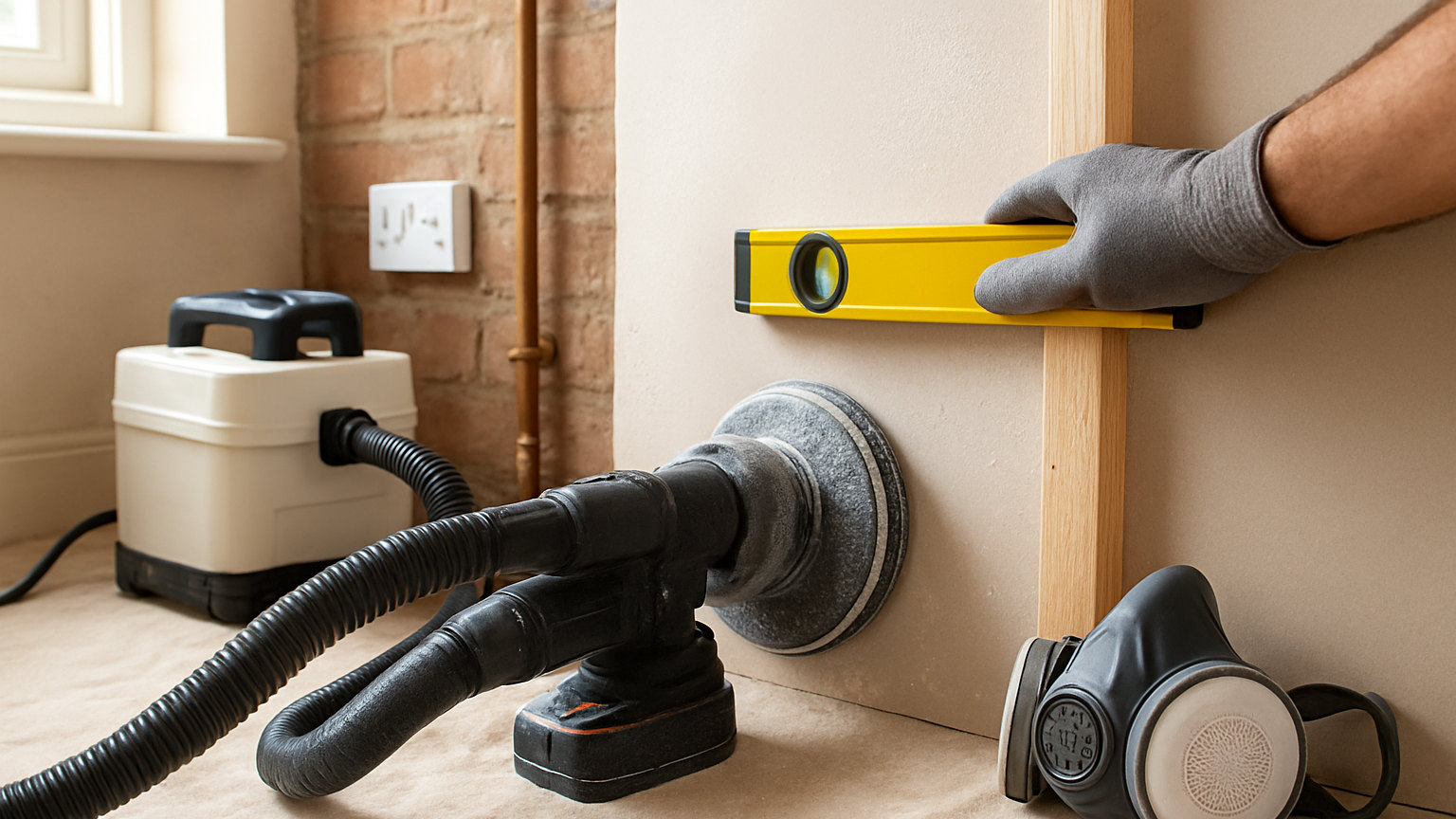
Extraction at source, then air filtration, then a respirator. Chip extractors and vacuums do different jobs and are not interchangeable.
Condensation forms on cold steel every time warm damp air meets it. Insulating, ventilating and keeping the temperature above the dew point.
One bulb in the middle is not lighting. Levels, colour temperature, shadow control, and the stroboscopic effect worth knowing about.