The commonest and most expensive mistake in home improvement is doing the right jobs in the wrong order. New carpet laid before the walls are plastered gets ruined; a kitchen fitted before the electrics are moved has to come out again.
The basic principle
Work from the outside in, from the top down, and from the messiest job to the cleanest.
Everything that involves dust, water or structural change happens before anything that involves a finish.
Anything hidden inside a wall or under a floor goes in before the surface that covers it.
The sequence
1. Make the building watertight. Roof, gutters, flashing, external walls, windows and doors. There is no point plastering a wall that is being rained on.
2. Deal with damp and rot. Find and fix the cause before anything else. Treating the symptom under a new finish wastes the finish.
3. Structural work. Removing or altering walls, steel beams, new openings, underpinning. This needs building regulations approval and usually a structural engineer.
4. Rewiring and pipework, known as first fix. Cables and pipes are run through walls, floors and ceilings while they are open. Decide now where every socket, switch, light, radiator and tap will go, because moving them later means opening the wall again.
5. Plastering. Once everything is buried, the walls and ceilings are skimmed. This is wet and messy and must dry fully before decorating.
6. Second fix. Sockets, switches, light fittings, radiators, sanitaryware, taps and internal doors go on.
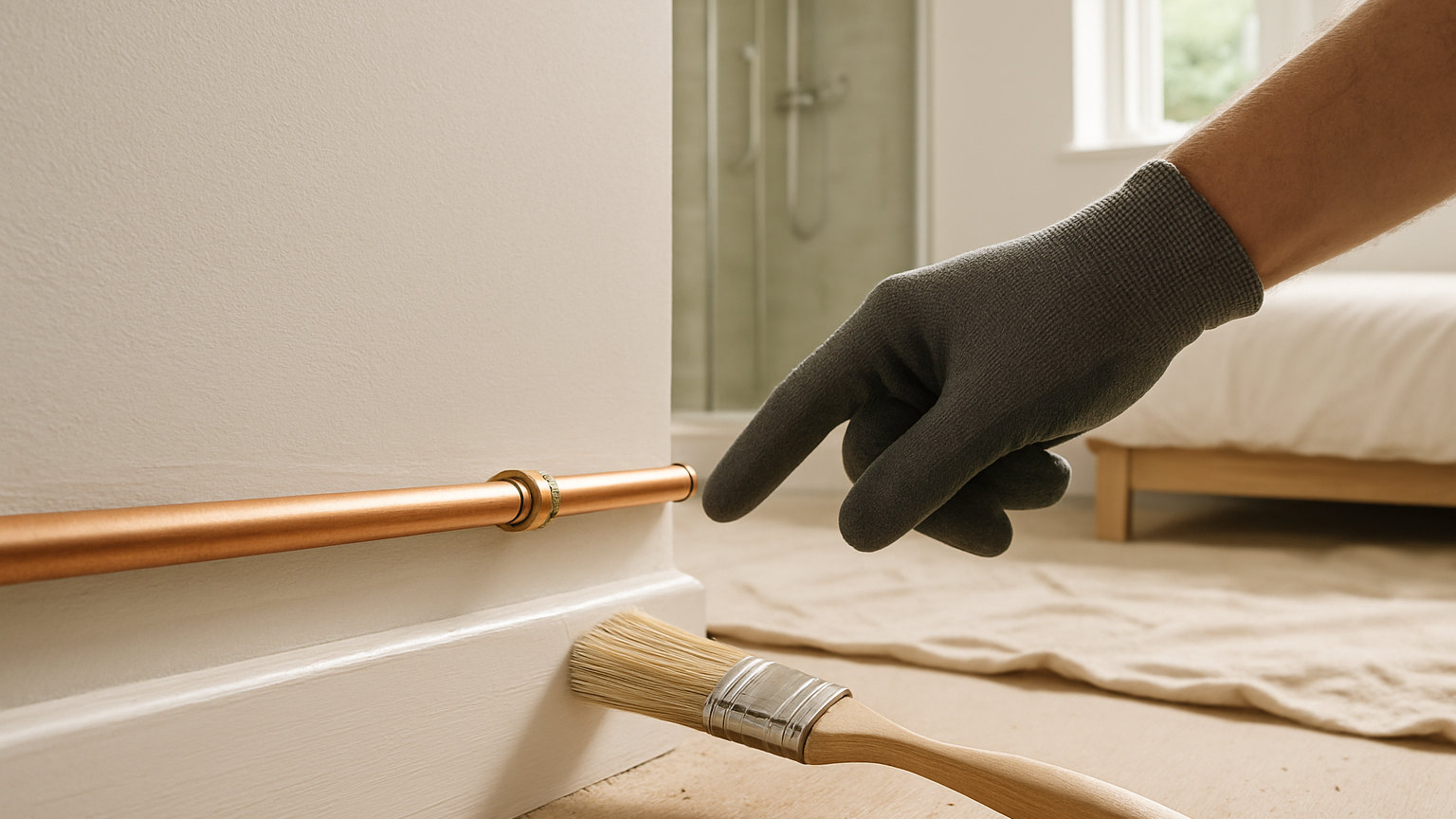
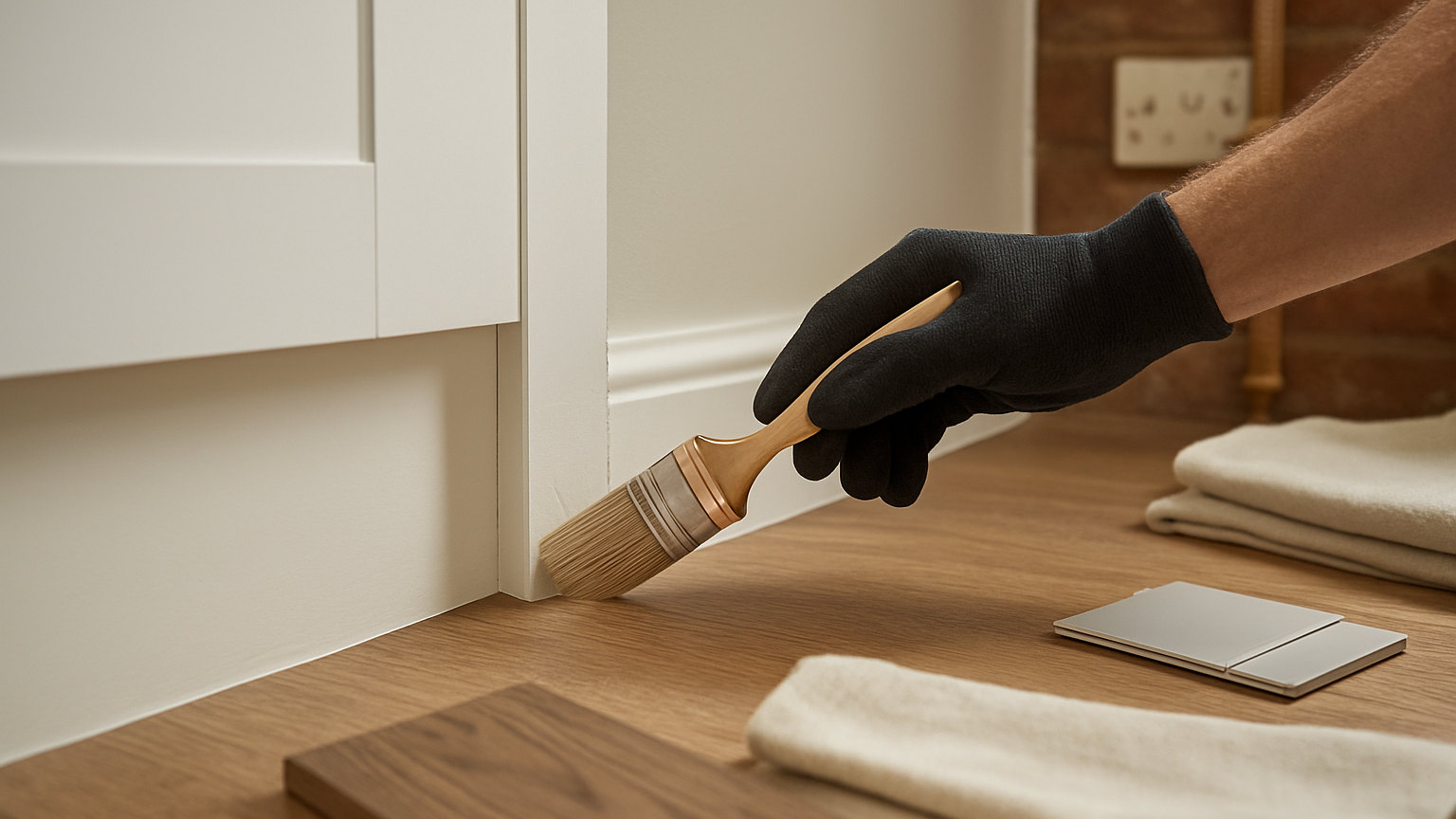
7. Joinery. Skirting, architrave, window boards, built-in cupboards.
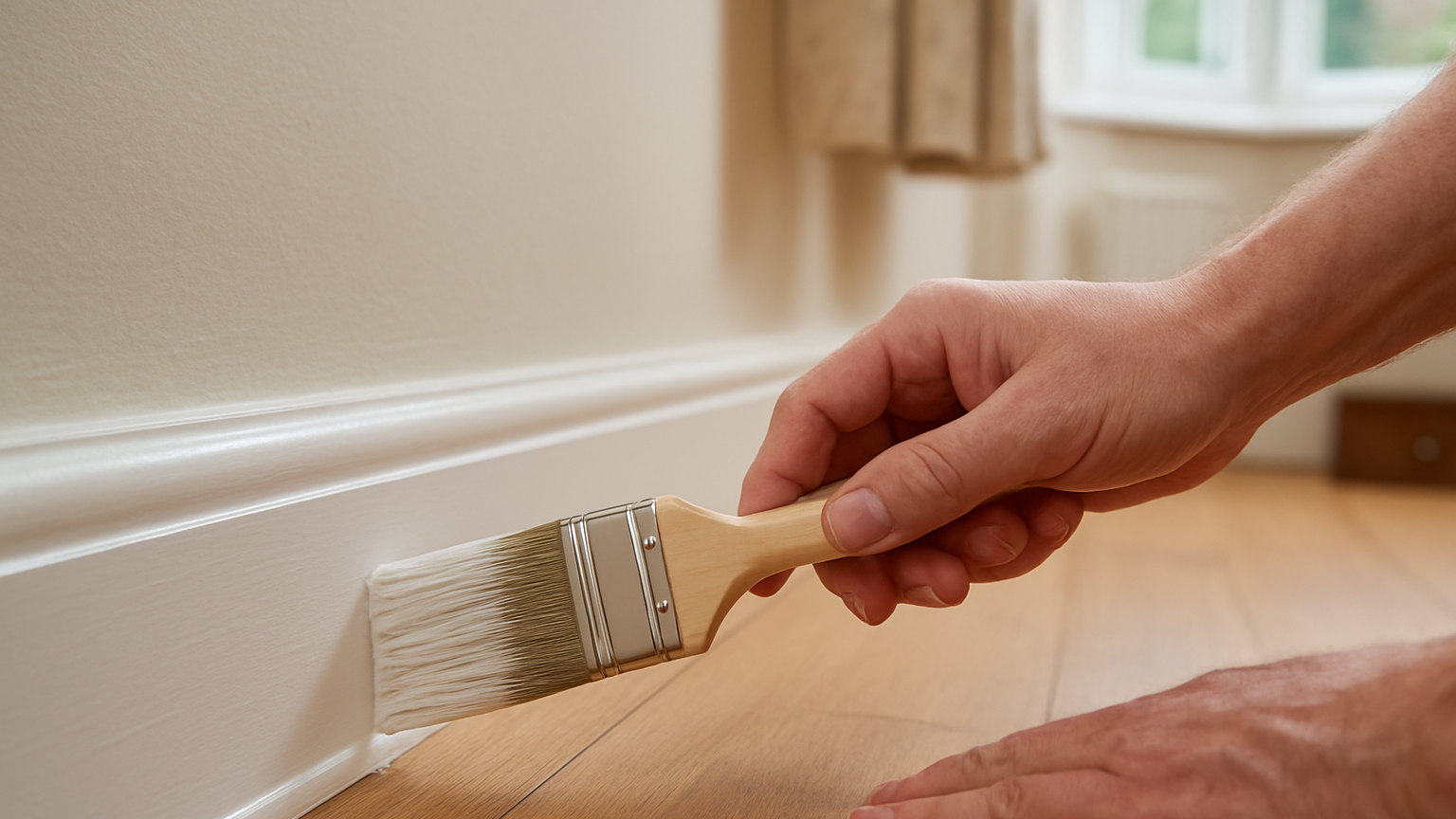
8. Decorating. Filling, sanding, priming and painting. Ceilings first, then walls, then woodwork.
9. Flooring. Almost always last, or nearly last, so it is not damaged by everything above.
10. Carpets, blinds, curtains and furnishings.
The arguments about flooring
Some trades fit hard flooring before skirting, so the skirting sits on top of it and no beading is needed. Others fit skirting first and lay flooring up to it with an expansion gap covered by beading.
Both work. Decide before either is ordered, since it affects the door clearances and the quantity of flooring.
Carpet always goes last.
Kitchens and bathrooms
These have their own sequence within the main one.
Strip out, then first fix plumbing and electrics, then plaster, then floor if it is going under the units, then units, then worktop, then appliances, then tiling and splashback, then sanitaryware and taps, then decorating.
In a bathroom, tanking and waterproofing goes on before tiling and is not optional in a shower area.
Where people go wrong
Decorating before the plaster has dried. New plaster needs weeks to dry and takes a mist coat first, not ordinary emulsion.
Fitting a kitchen before deciding on the appliances. Sizes and services vary, and a cabinet built for the wrong oven is scrap.
Laying flooring before the walls are finished.
Not deciding socket positions early enough, which is the single most common regret after a rewire.
Leaving the windows until after decorating, since fitting them makes a mess of new paint.
Room order in a whole-house project
Work on one room at a time if you are living there, and keep one clean room to retreat to.
Do the dirtiest rooms first: kitchen and bathroom before bedrooms.
Leave a room you can shut the door on and use as storage.
Before you buy anything
Check whether the work needs building regulations approval or planning permission. Structural alterations, new drainage, most electrical work in certain areas, and window replacement all engage the regulations.
In a property built before 2000, assume asbestos may be present in textured coatings, insulation board, floor tiles and cement sheets. Do not sand, drill or break anything suspect. Have it tested first.
Write the sequence down and book trades in that order, since a plasterer who arrives before the electrician is a wasted day for both of you.
Sequencing when money is tight
Where the work has to be spread over years, get the hidden and structural things done first even though they show nothing for the money.
Roof, damp, wiring and pipework before kitchens and bathrooms; kitchens and bathrooms before decorating; decorating before soft furnishings.
A finish applied over a problem has to come off again, which is the most expensive way to do anything.