Building a Curved Garden Wall
Curves are stronger than straight walls and harder to set out. Striking the radius, choosing a bond and keeping the joints even.
By DIY Guides Editorial
19 Aug 2026

Simple brick and block walling, foundations, mortar mixes, and heights that need approval.
Curves are stronger than straight walls and harder to set out. Striking the radius, choosing a bond and keeping the joints even.
Find out whether it is still moving before deciding anything. What can be stitched and rebuilt, and when a wall needs taking down.
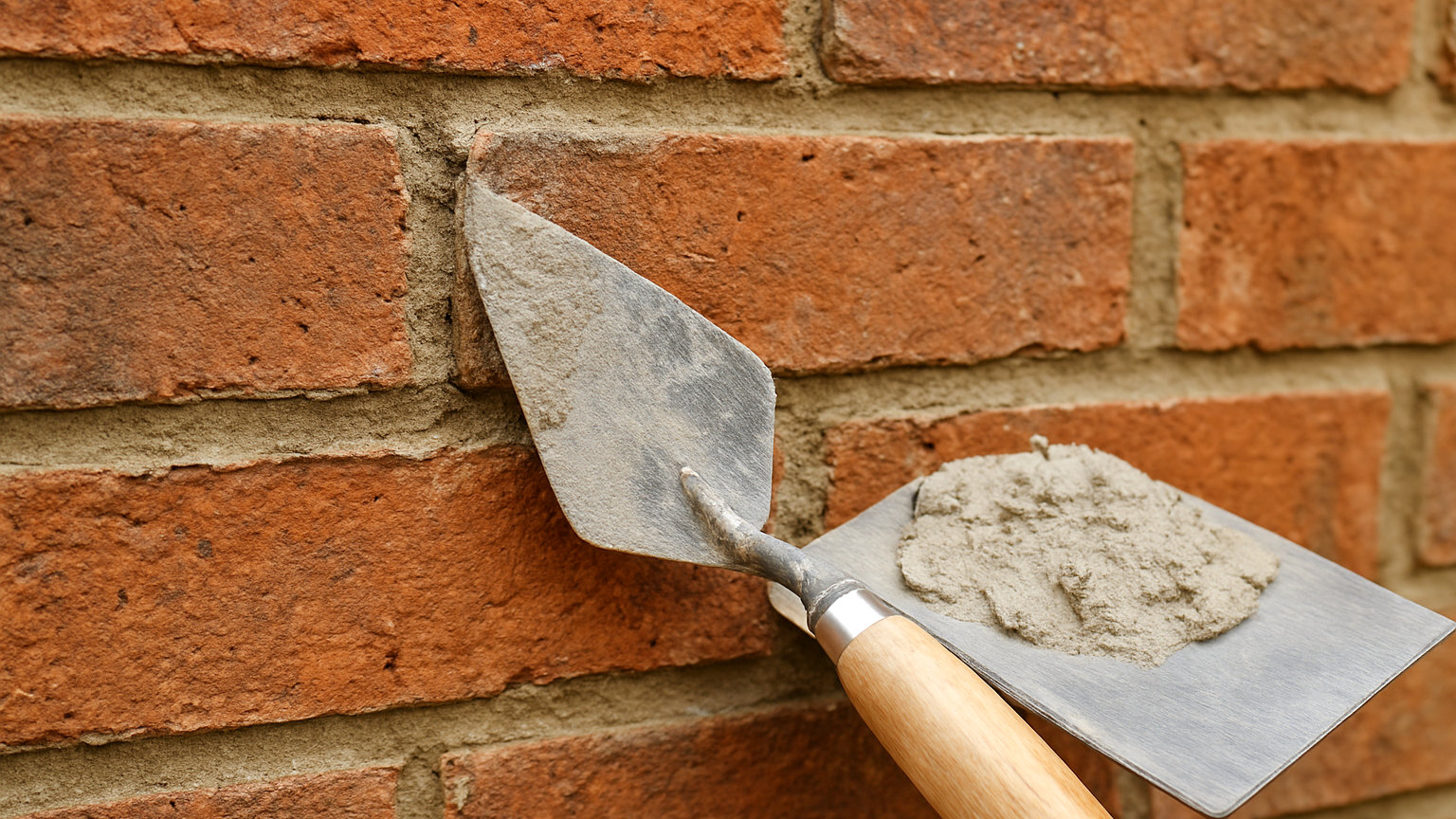
Raking out properly is most of the job, and a mortar stronger than the brick does more harm than the weather did. Method and mix.
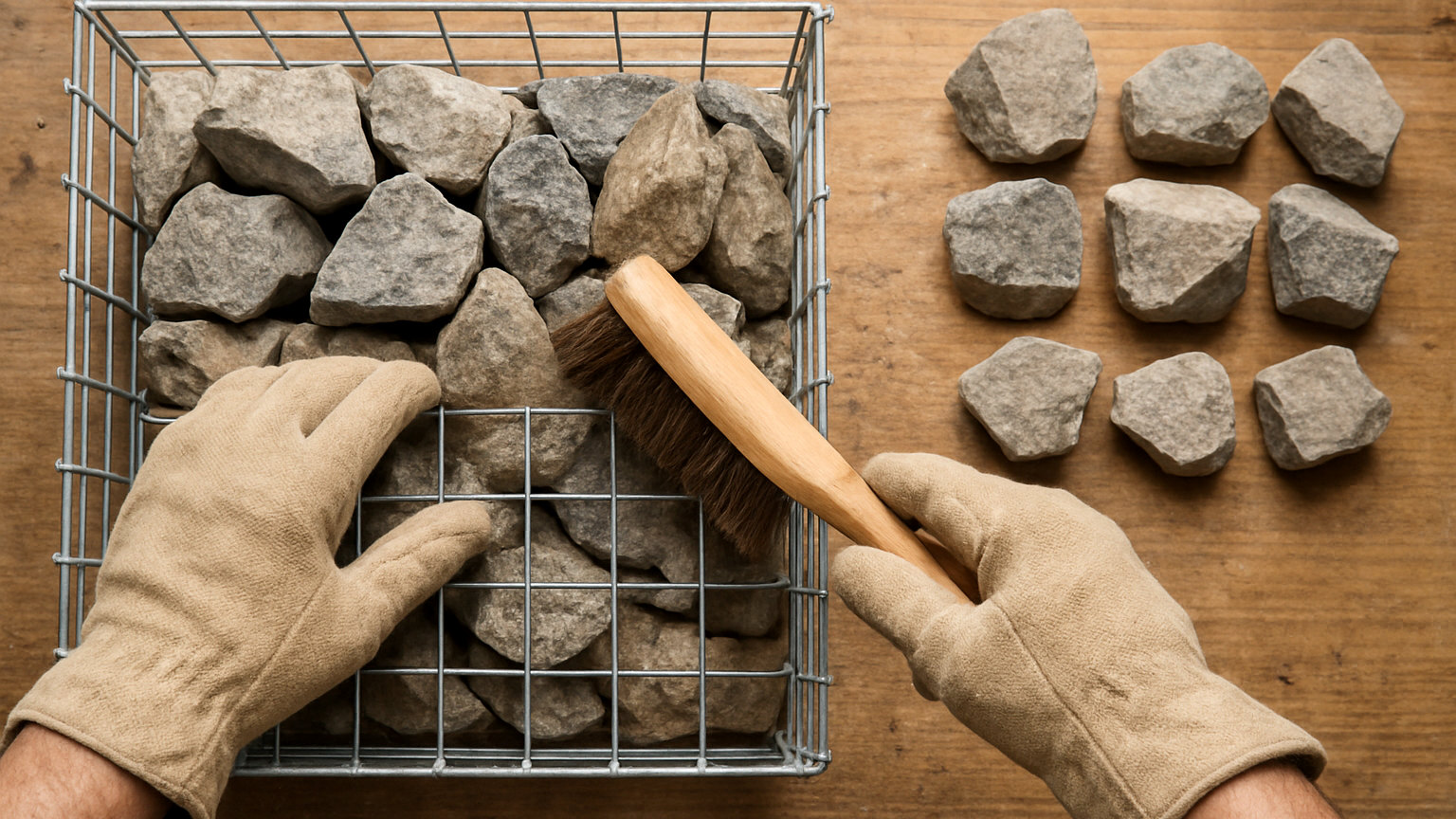
No mortar, no foundation in the usual sense, and no drainage problems. Two very different ways of building a wall from loose stone.
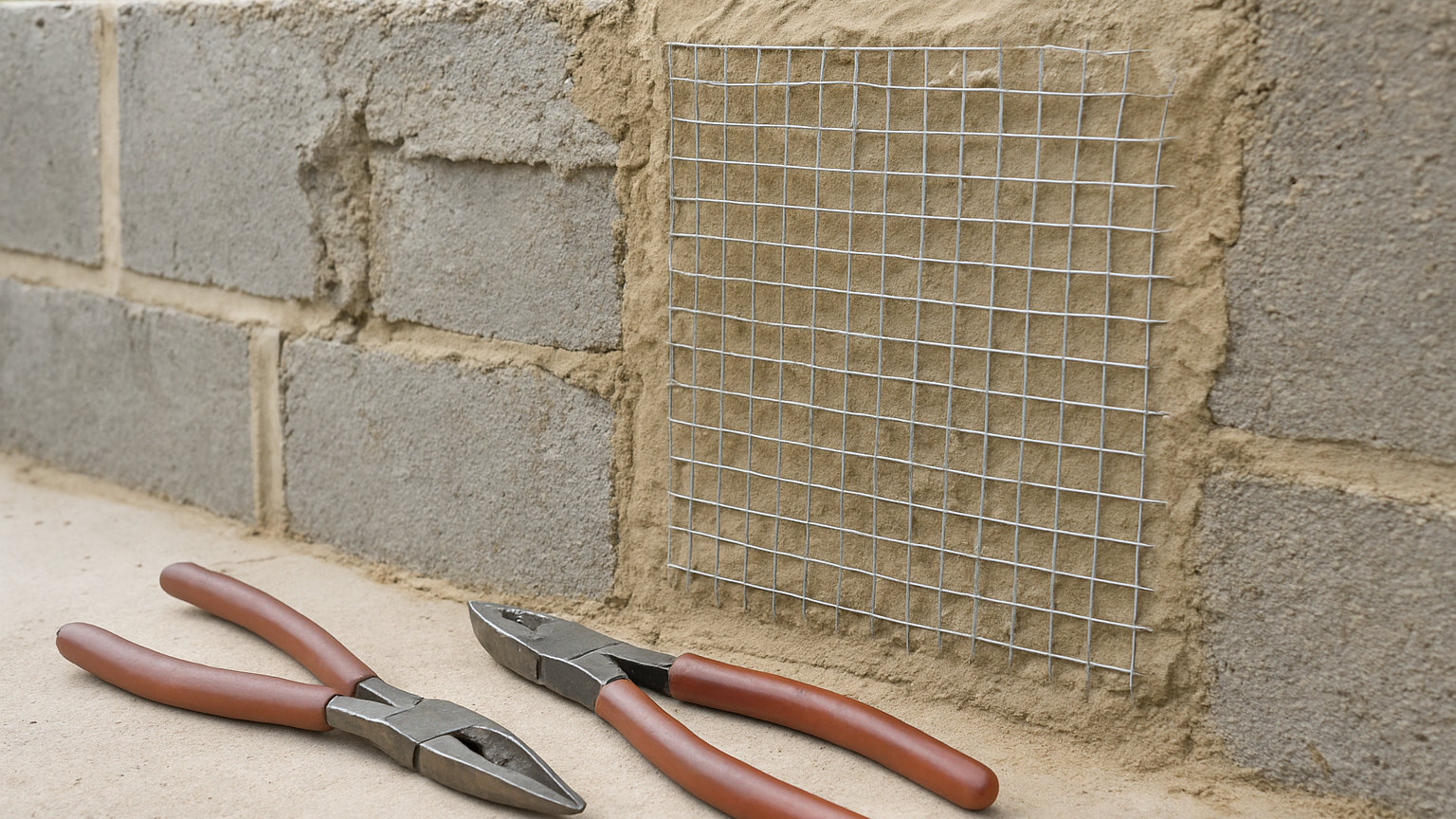
Faster and cheaper than brick, and it has to be rendered to survive. What blocks suit outdoor walls and how to render one that lasts.
Ground pressure is far greater than people expect and water behind a wall multiplies it. Where DIY stops and design begins.
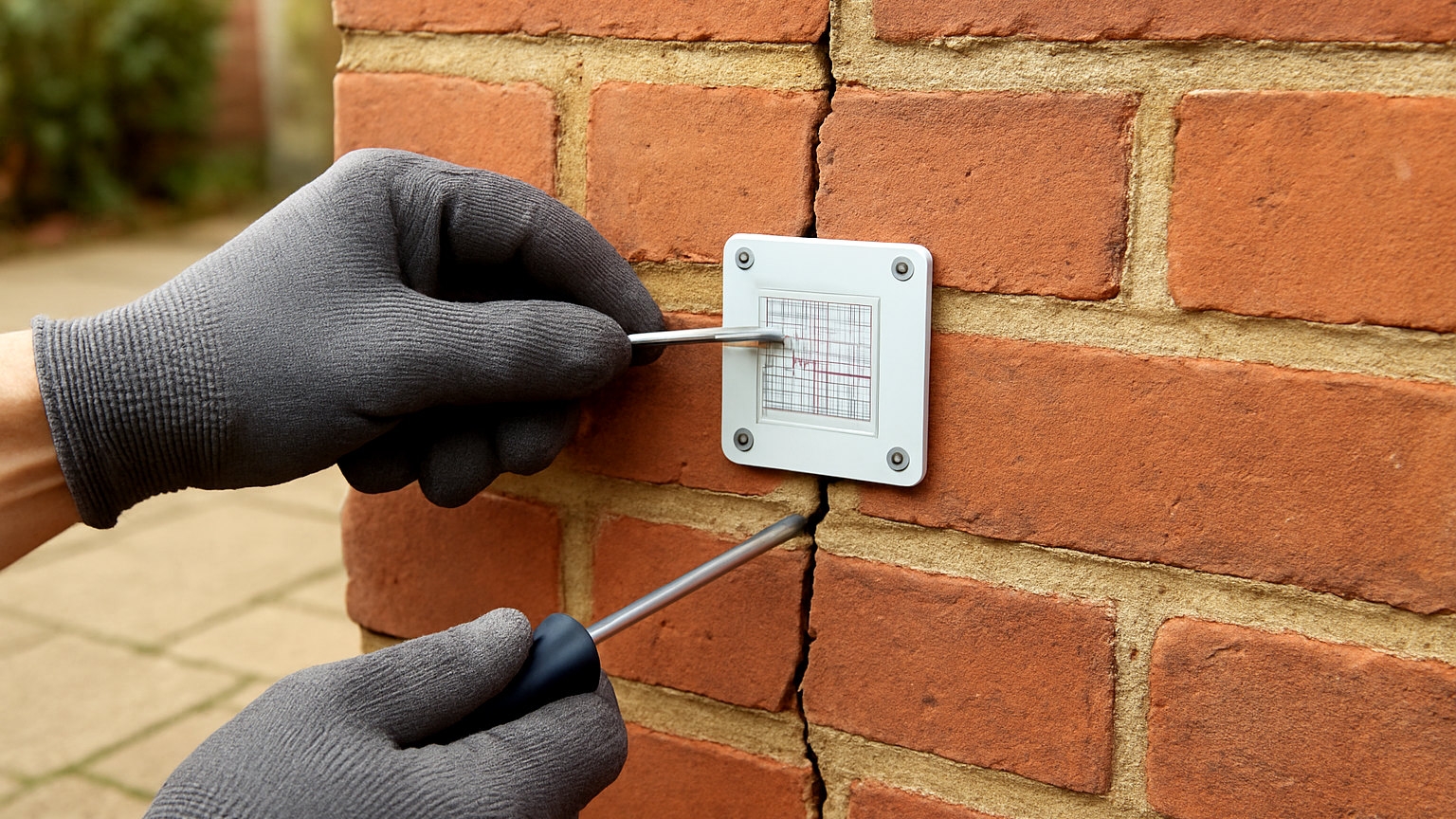
Long walls crack because brickwork expands and nothing lets it. Where to put a movement joint and how to read a crack that has already appeared.
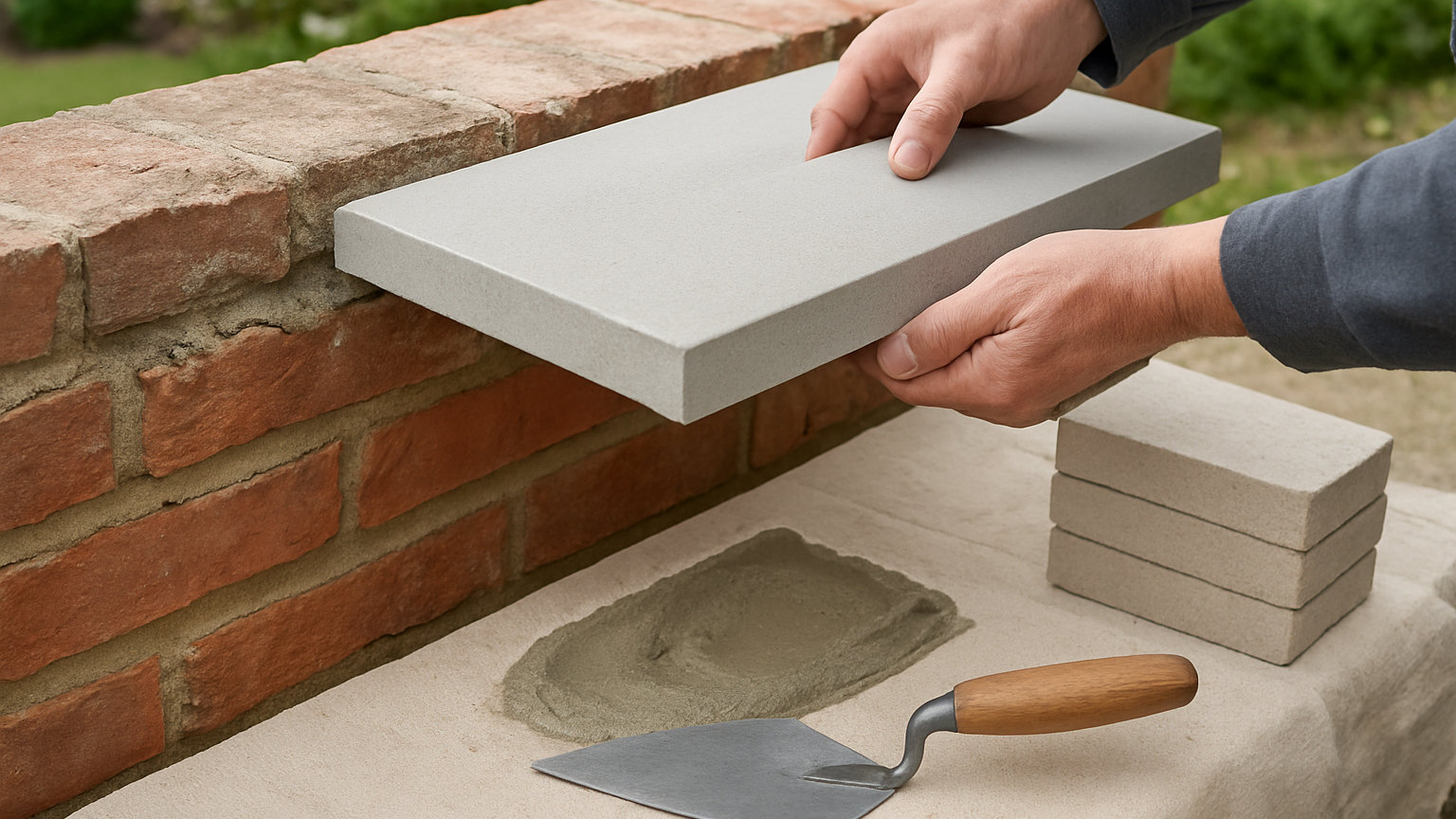
The top of a wall takes more weather than either face. What a coping does, why the drip groove matters, and the options compared.
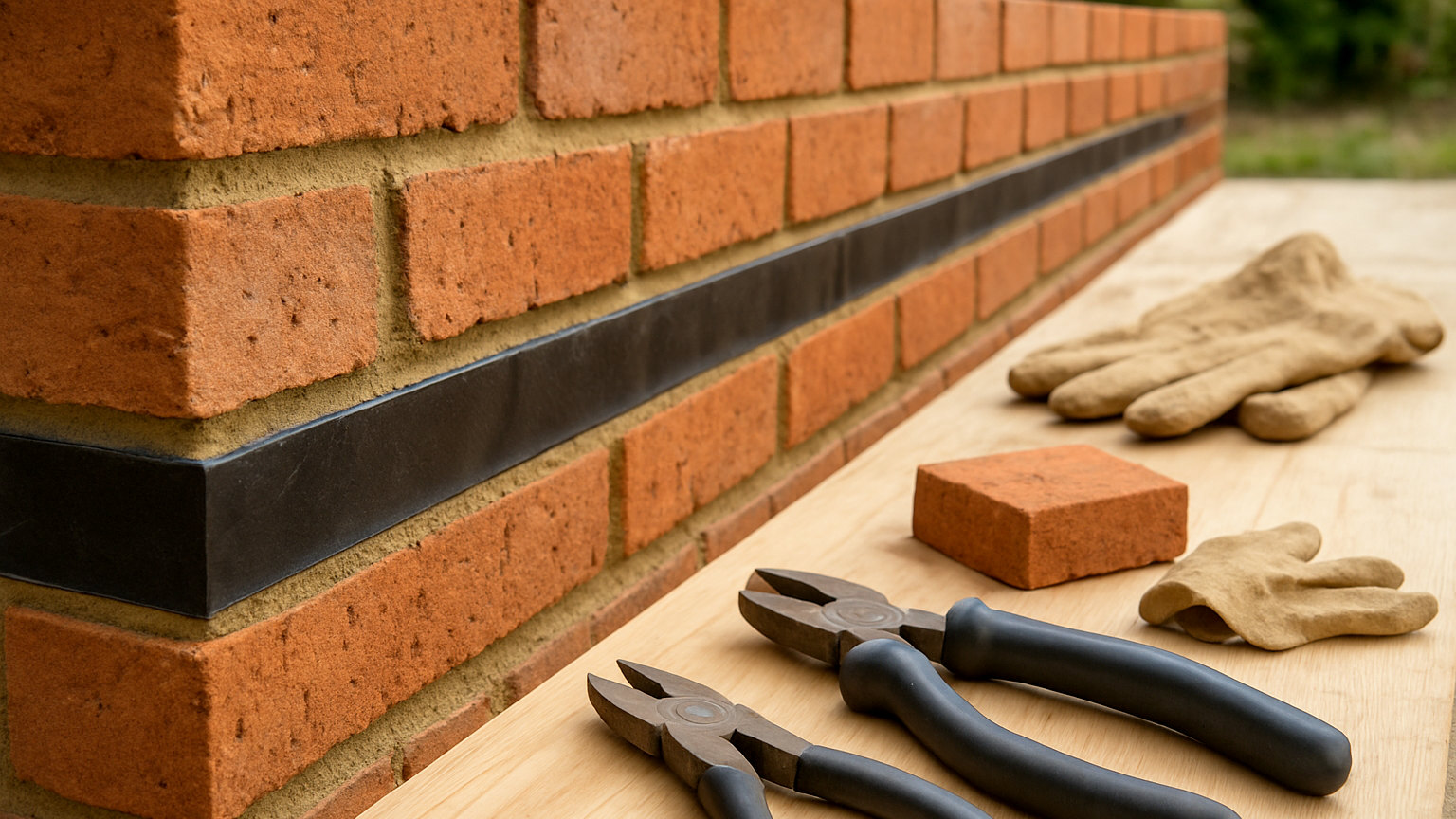
Free standing walls take water from below and above. Where the damp course goes, and why one at the top matters as much as one at the bottom.
A single skin wall has almost no resistance to being pushed over. How piers change that, and how far apart they need to be.
Stretcher, English, Flemish and header bond are not just patterns. What each one does structurally and which suits a garden wall.
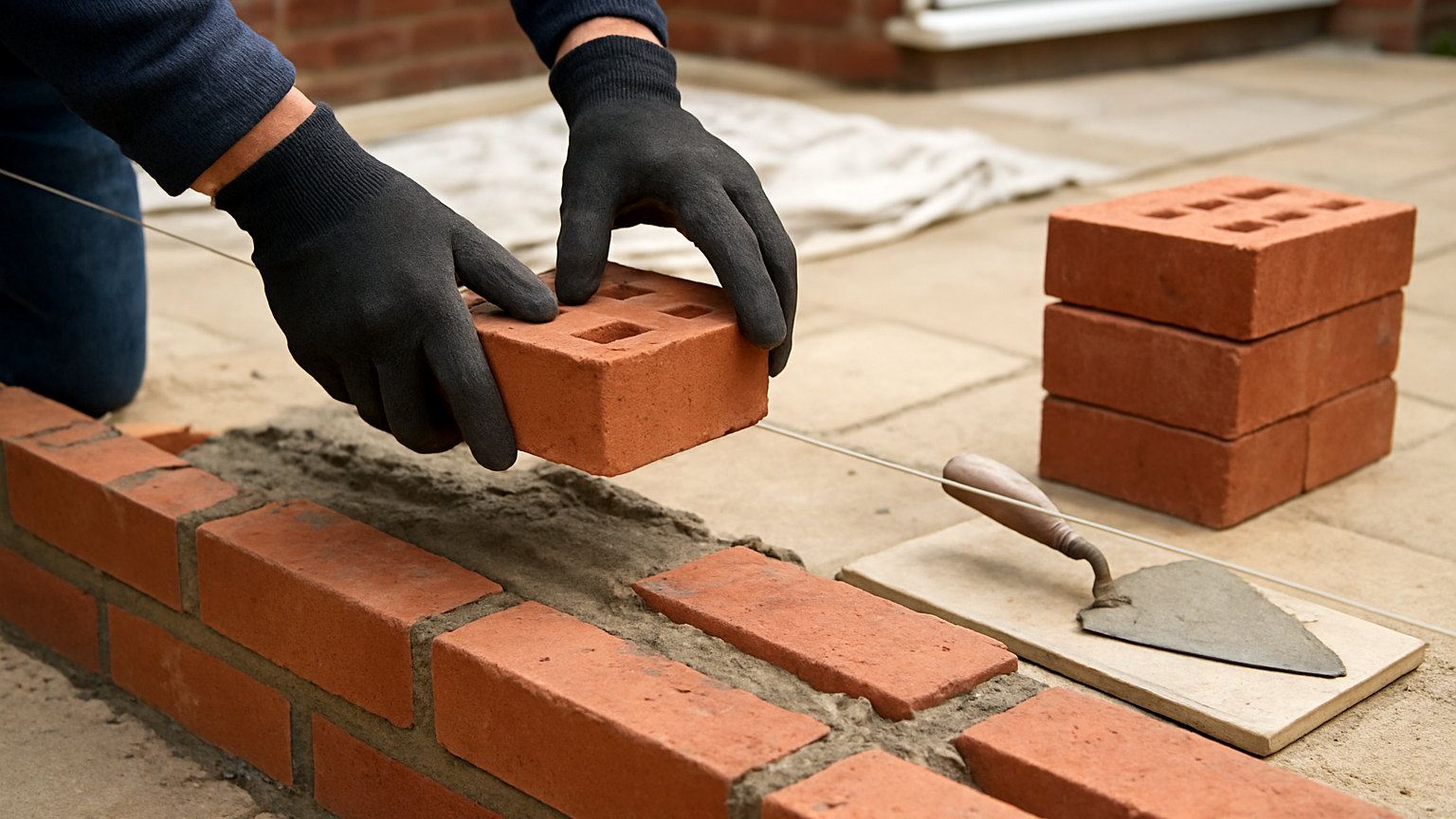
A gauge rod, a line and a consistent bed of mortar. The technique that makes brickwork level, plumb and the right height without measuring each course.