Fitting a Cat Flap or Letterplate
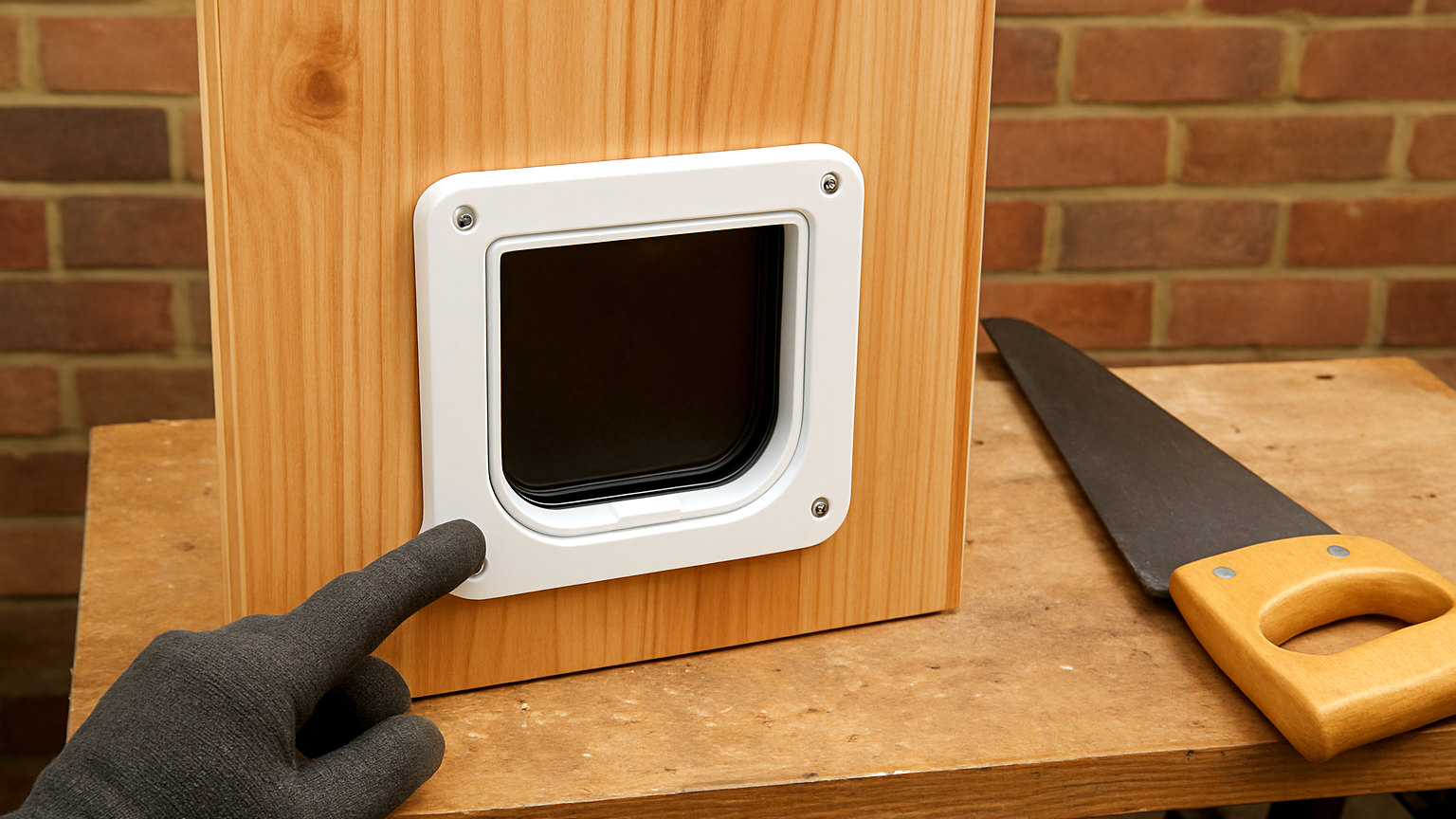
Cutting a hole in a door affects its strength, its weather resistance and, in one case, its fire rating. Marking out, cutting cleanly, and where not to.
By DIY Guides Editorial
3 Jan 2026

Hanging and easing doors, architrave, sills and sealing, and what needs a certified installer.
Cutting a hole in a door affects its strength, its weather resistance and, in one case, its fire rating. Marking out, cutting cleanly, and where not to.
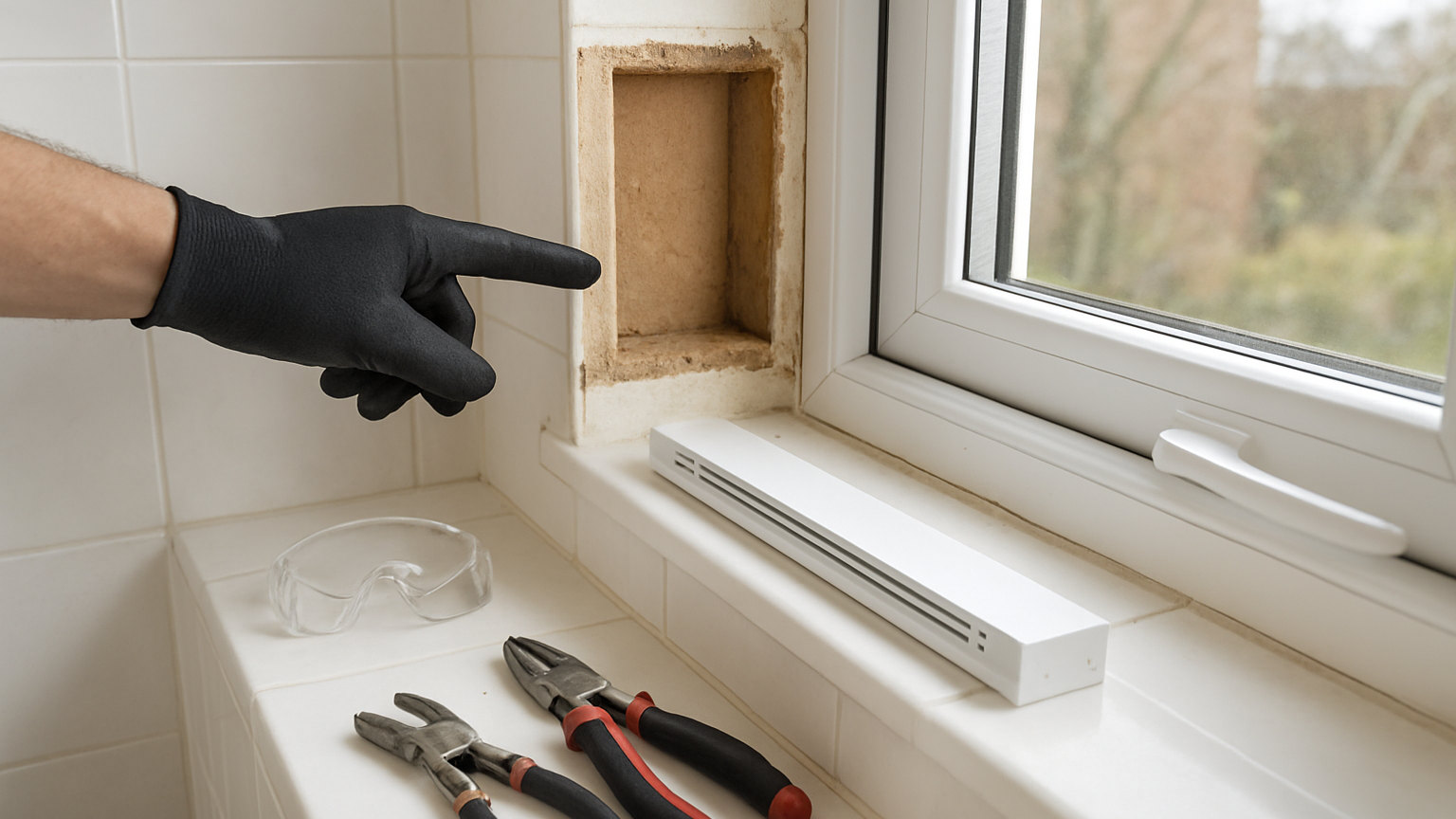
Background ventilation is what stops a sealed house filling with moisture. Why trickle vents matter, when they are required, and retrofitting them.
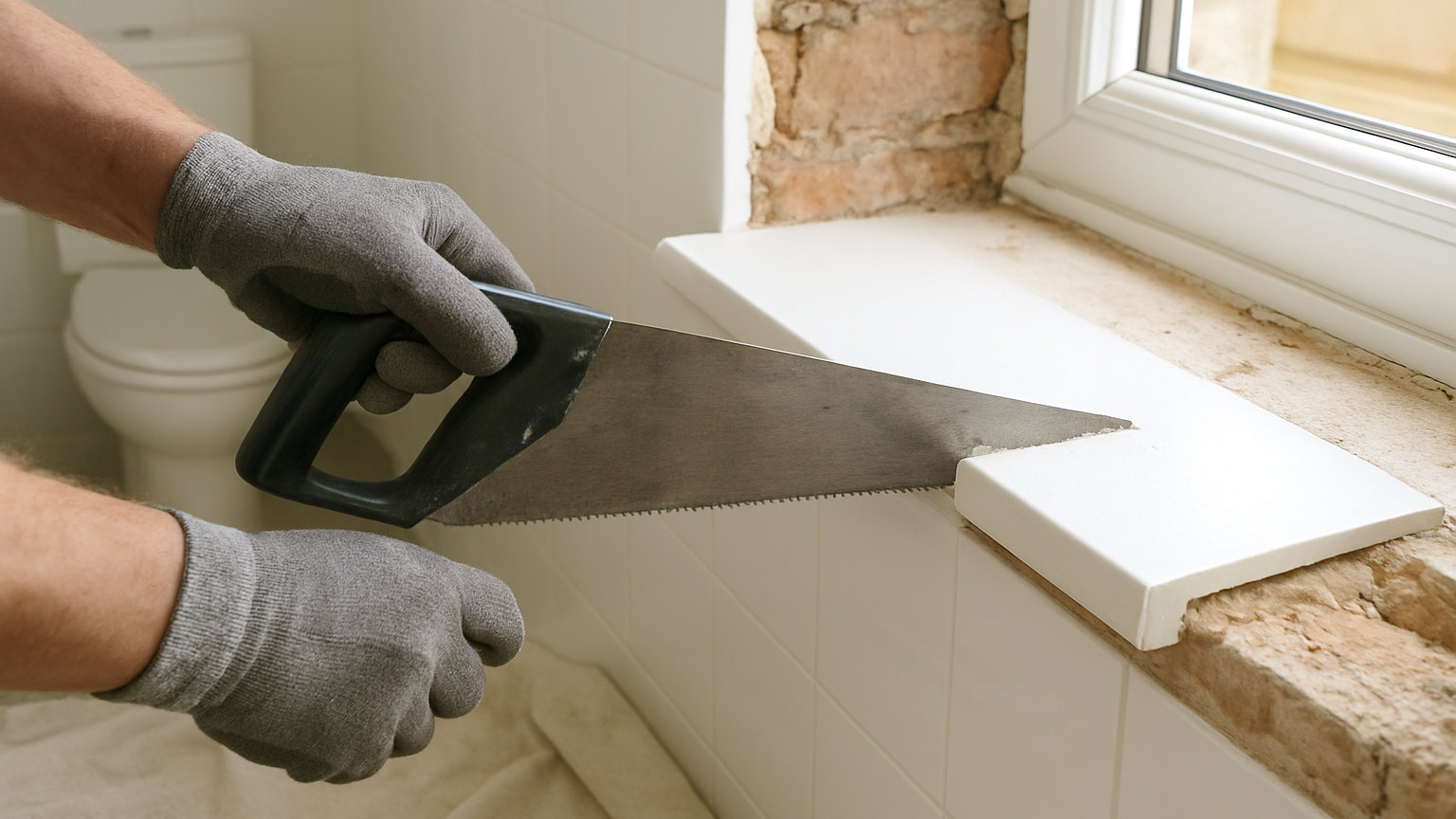
The internal sill takes knocks, condensation and plant pots. Measuring the reveal, scribing to uneven plaster, and fixing without it lifting.
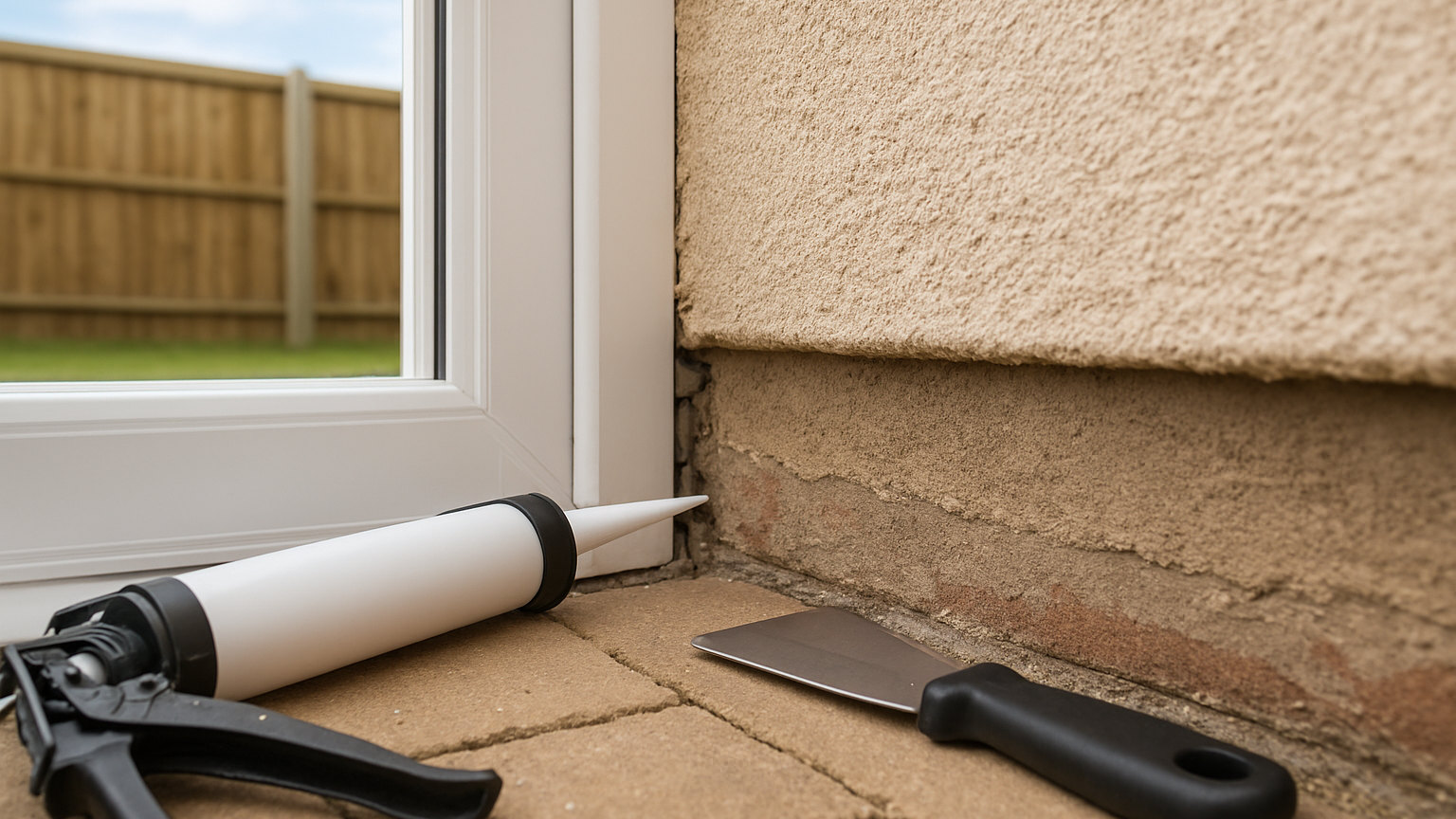
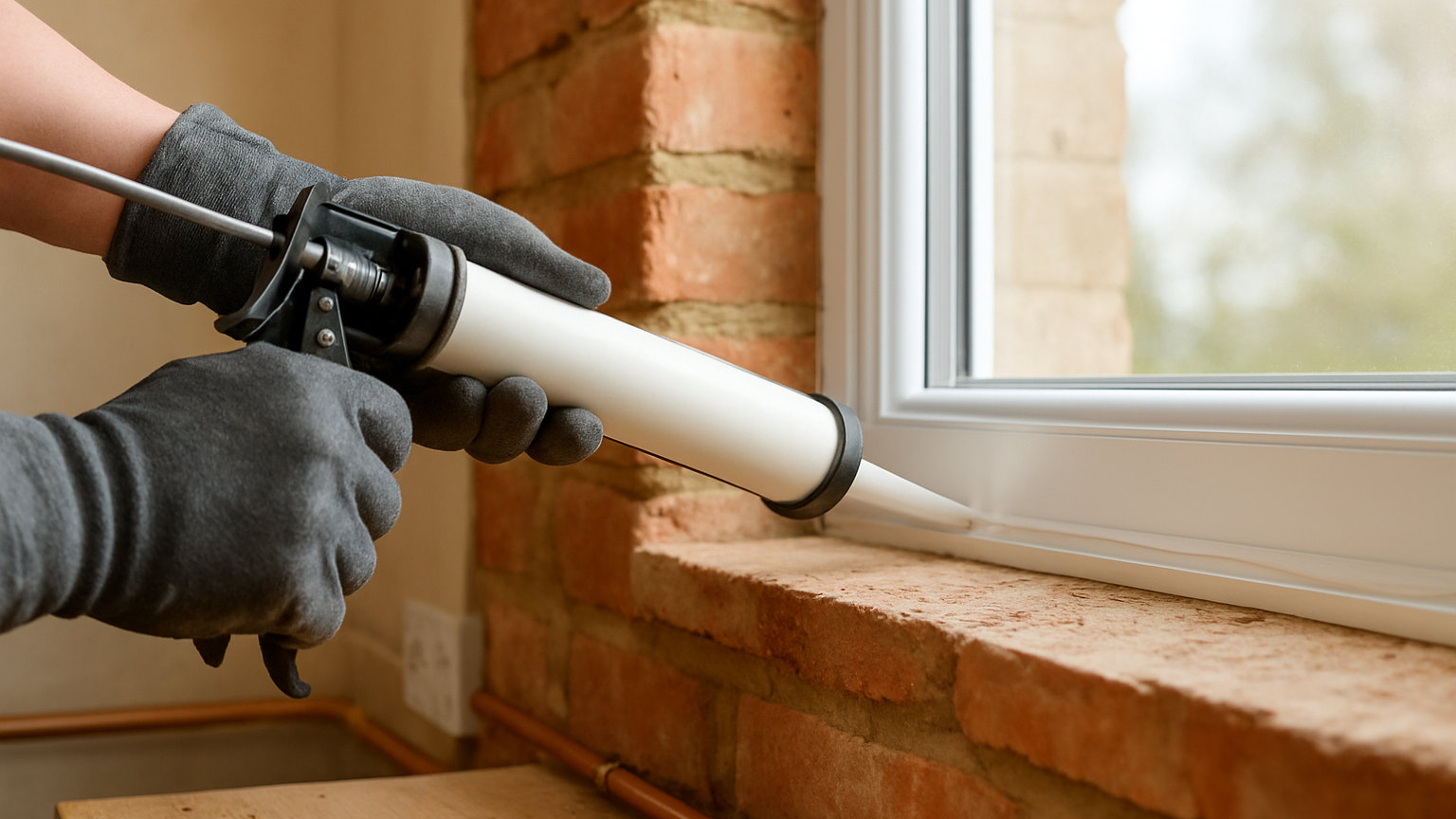
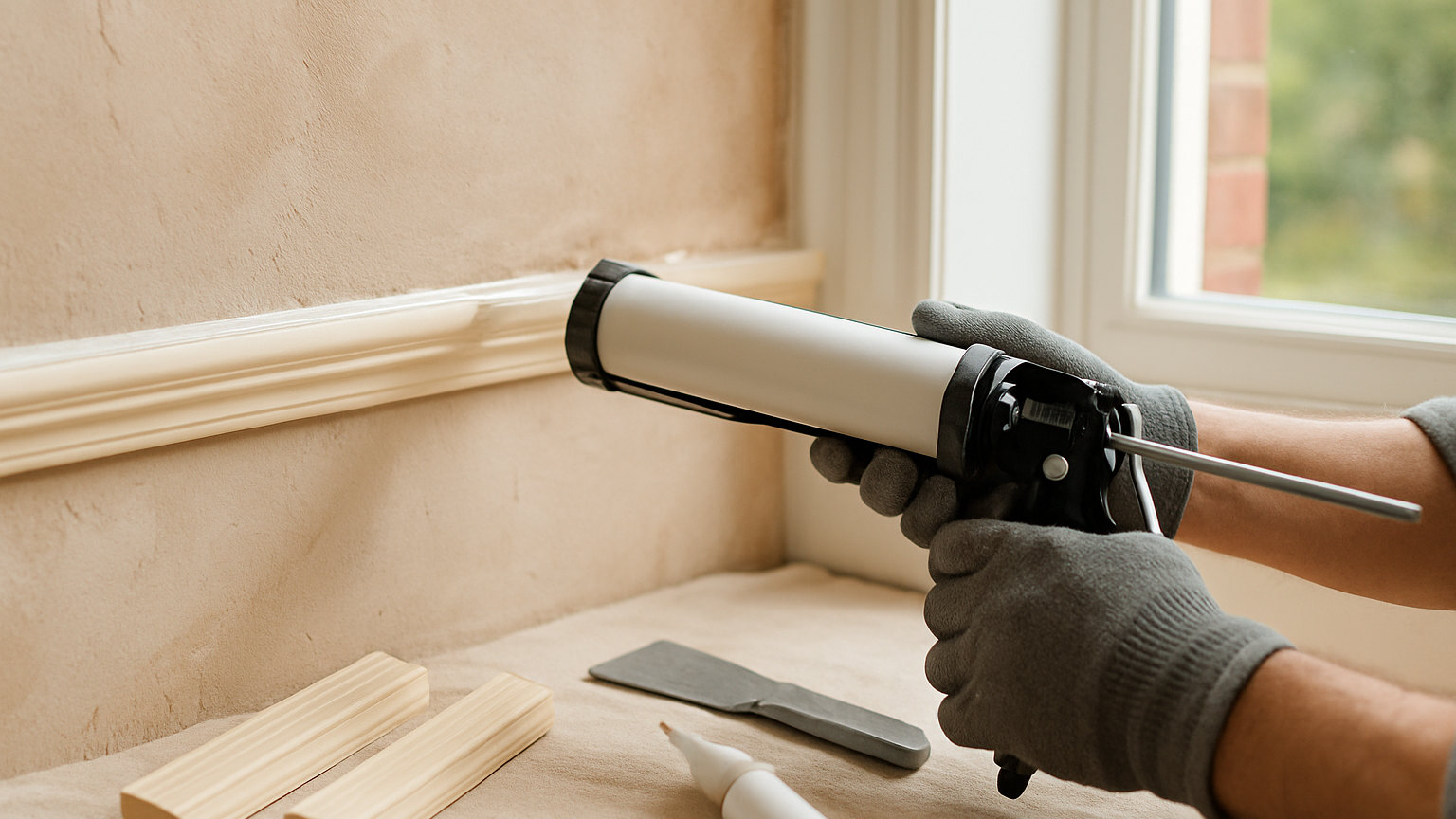
The joint between frame and wall moves, so it needs a flexible sealant rather than filler. Choosing the right product inside and out, and applying it neatly.
Glass low down, in doors and beside them, has to be safety glass and marked as such. The critical locations, the types, and checking existing glazing.
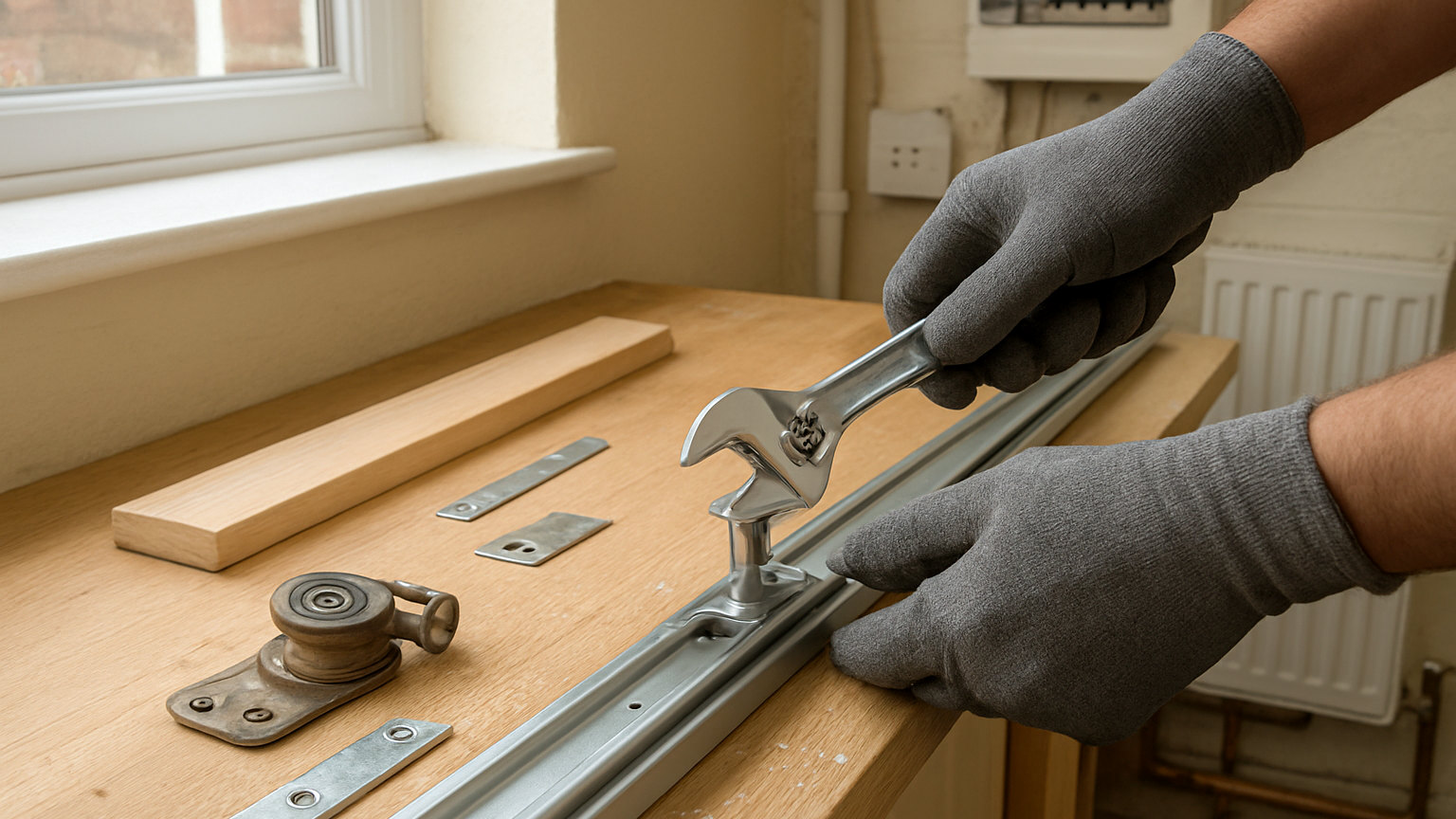
Where a swing door will not fit, sliding or folding gear recovers the space. Track fixing, headroom, and the compromises each type brings.
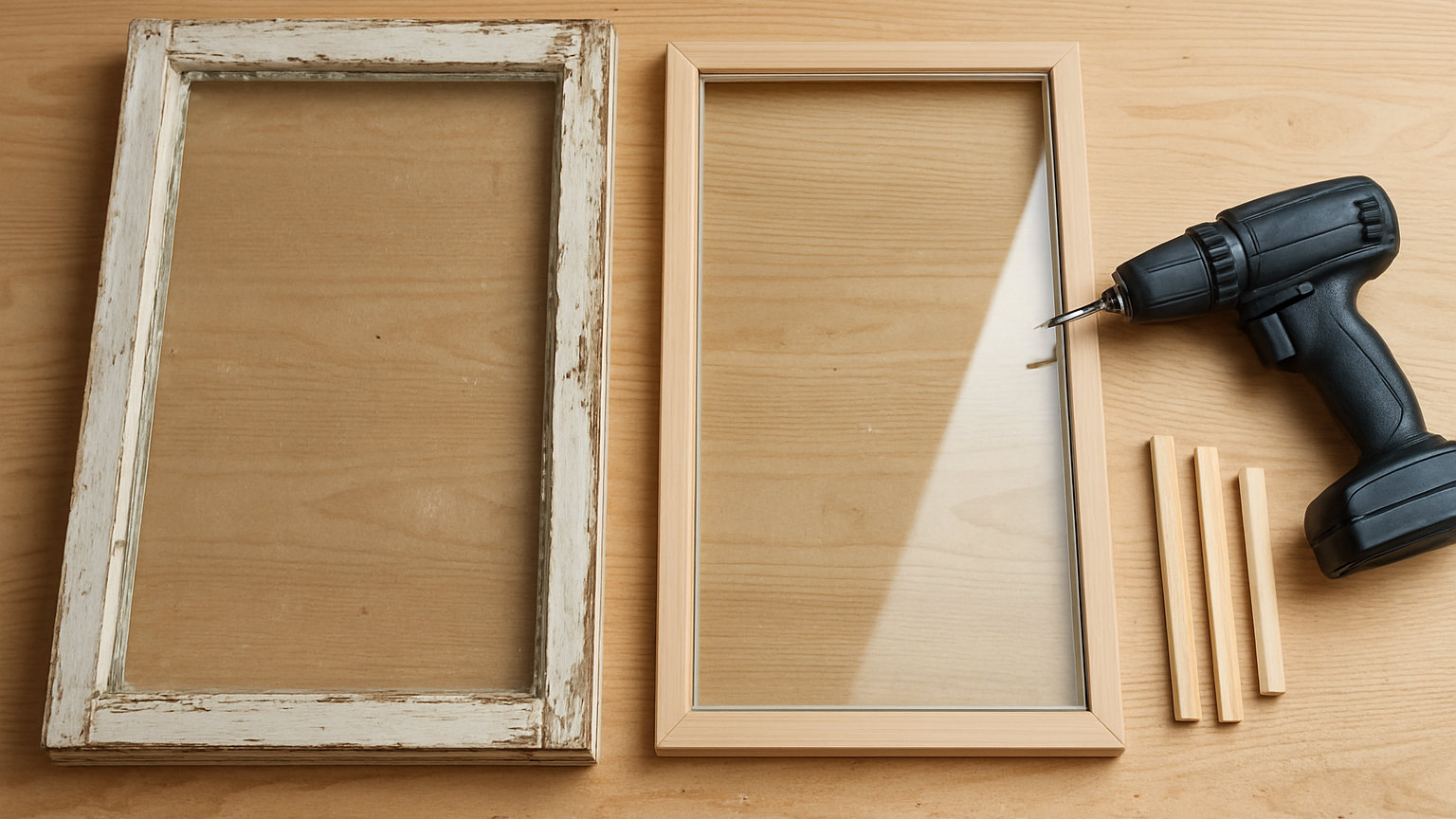
Replacement windows are controlled work and need certifying. What that means, the performance required, and why the certificate matters when you sell.
Mitres open up when the wall is not flat and the corners are not square. Setting the margin, cutting accurate mitres, and dealing with uneven walls.
Weather, security and building regulations all apply here in a way they do not indoors. Frames, thresholds, sealing and what needs certifying.
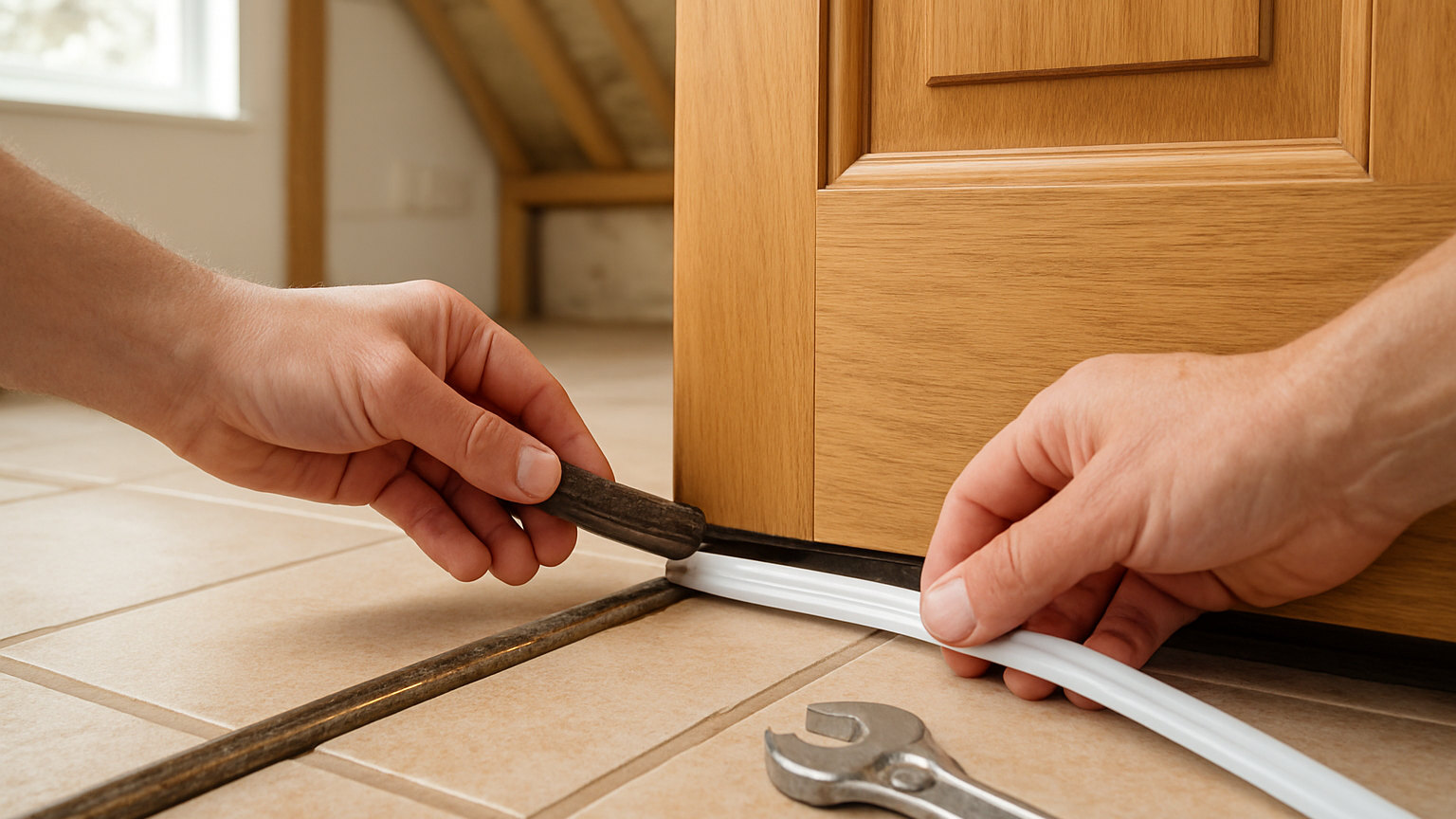
A fire door only works as a complete assembly, and small alterations invalidate it. Where they are required, gaps, seals and what not to do.
Drilling the latch mortice square is the whole job. Backsets, spindle heights, marking the striker plate and getting the latch to close smoothly.
The lining decides whether the door hangs true, so it has to be plumb, square and rigid. Assembling, packing and fixing without twisting it.