Tool Brands and What the Marketing Means
Trade colours, voltage claims, piece counts and guarantees. Reading past the packaging to what is actually being sold.
By DIY Guides Editorial
19 Aug 2026

Tool advice is mostly written by people selling tools, which is why every list runs to forty items. These guides work out what genuinely earns a place in a domestic toolbox, where buying cheap is a false economy and where it makes no difference at all, and what to hire rather than own. There is also a straight guide to fixings, because using the wrong plug in the wrong wall is behind a remarkable number of failed jobs.
Trade colours, voltage claims, piece counts and guarantees. Reading past the packaging to what is actually being sold.
Where to spend the limited money, what to borrow, and why hiring beats buying for the one big job.
What to have in the house from day one, including the things that are not tools at all. A checklist for moving in.
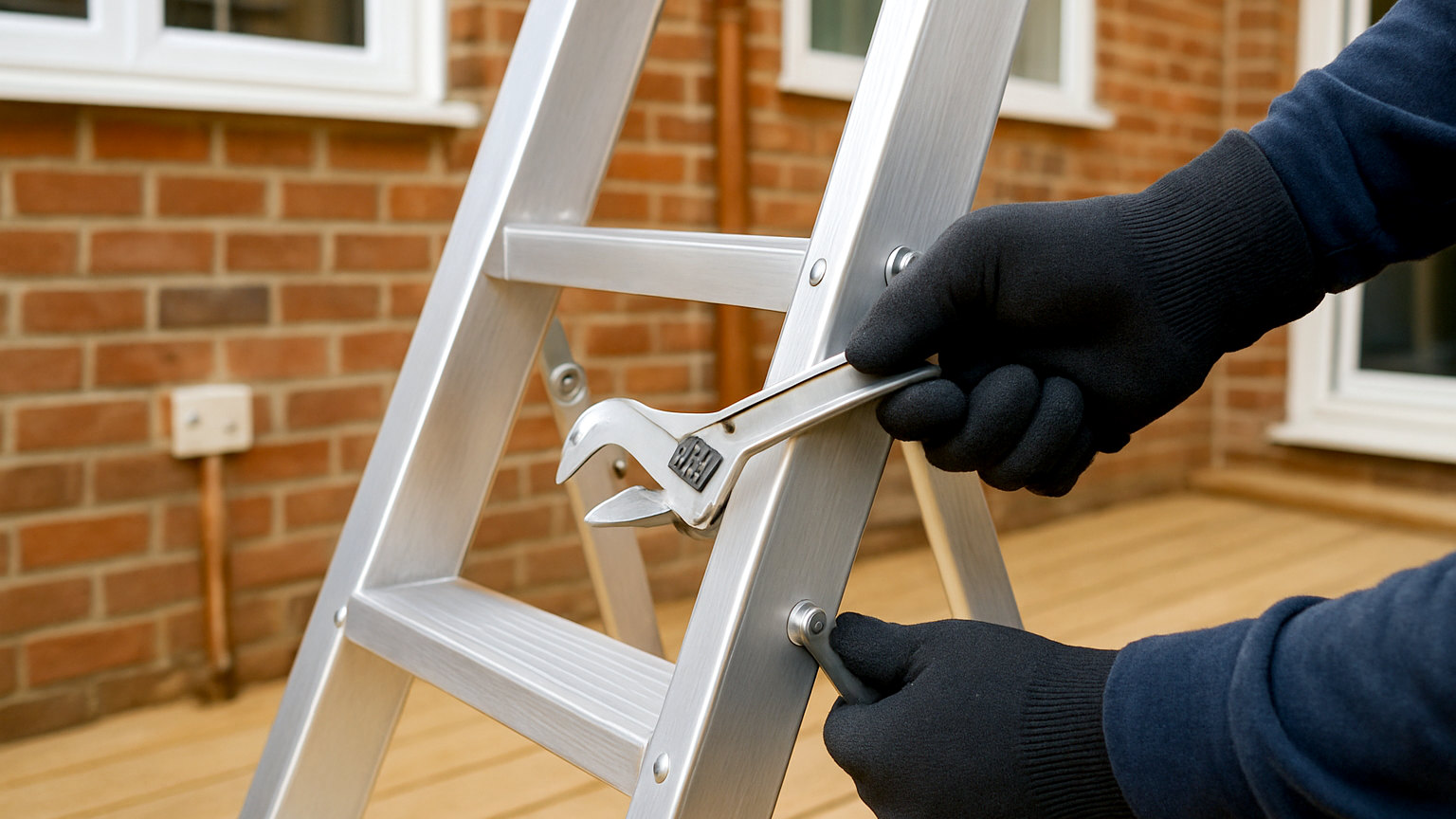
Falls from height are the most serious DIY injuries. Choosing the right access for the job and the standard to look for.
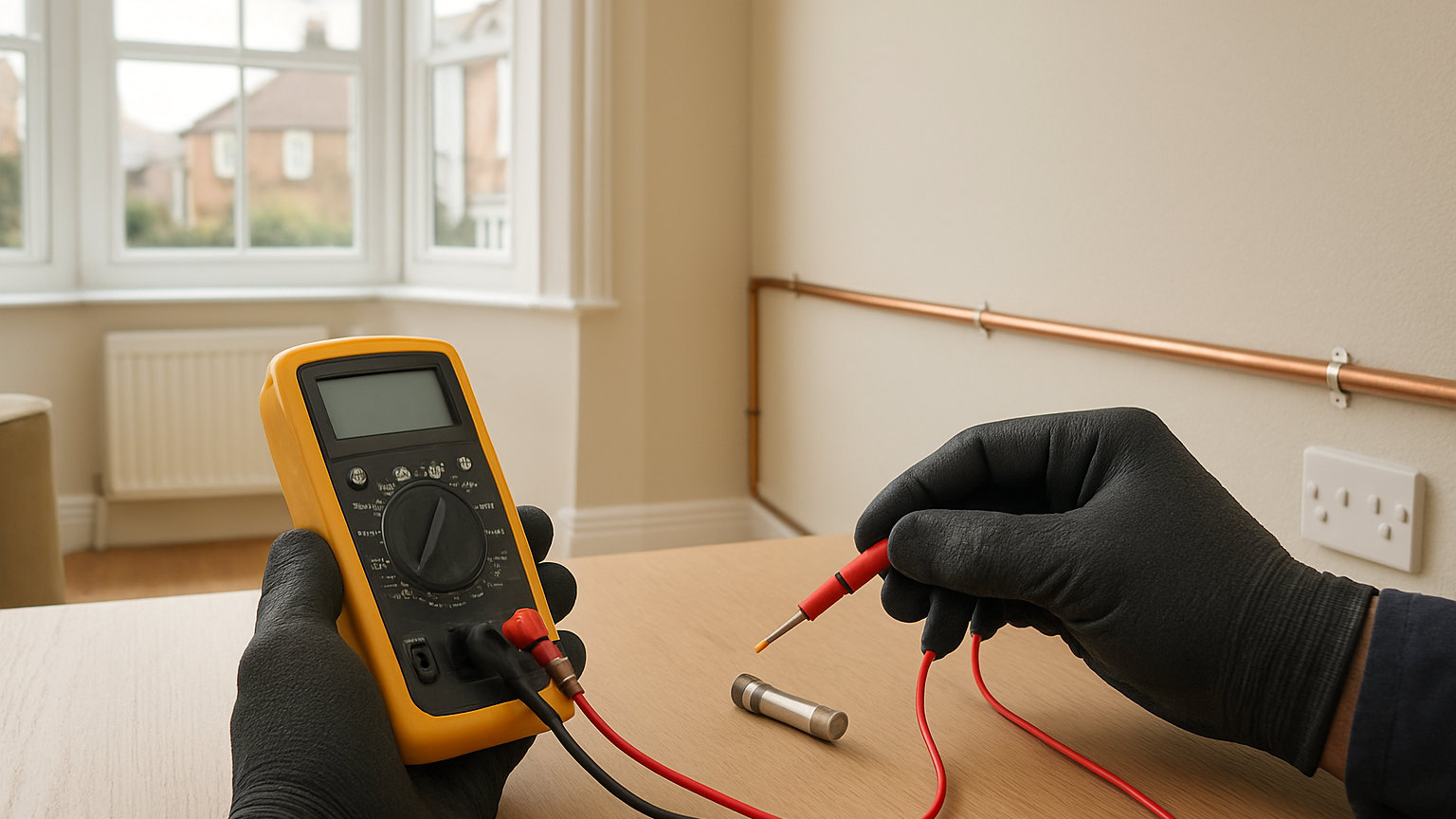
Useful for batteries, fuses and continuity, and not a substitute for an electrician. What it does and where the line sits.
Matching the glove to the job, protecting knees that do not repair, and the one situation where gloves are dangerous.
Both injuries are permanent and both are easy to prevent. Ratings, when each is needed, and why comfort decides whether they get worn.
Silica dust is the serious one, and the mask only works if it seals. Ratings explained, and how to check the fit.
Match the bit to the plug, not to the screw, and drill deeper than you think. The sizes that go together and the ones that do not.
The kit that has to be in the house before the job starts, because nobody stops halfway to go and buy goggles.
Digging tools, cutting tools and the few things that make outdoor work bearable. What to buy well and what to hire.
A handful of tools covers taps, traps and isolating valves. What to own, and the jobs that are not yours to do.