How Much Does Rewiring a House Cost?
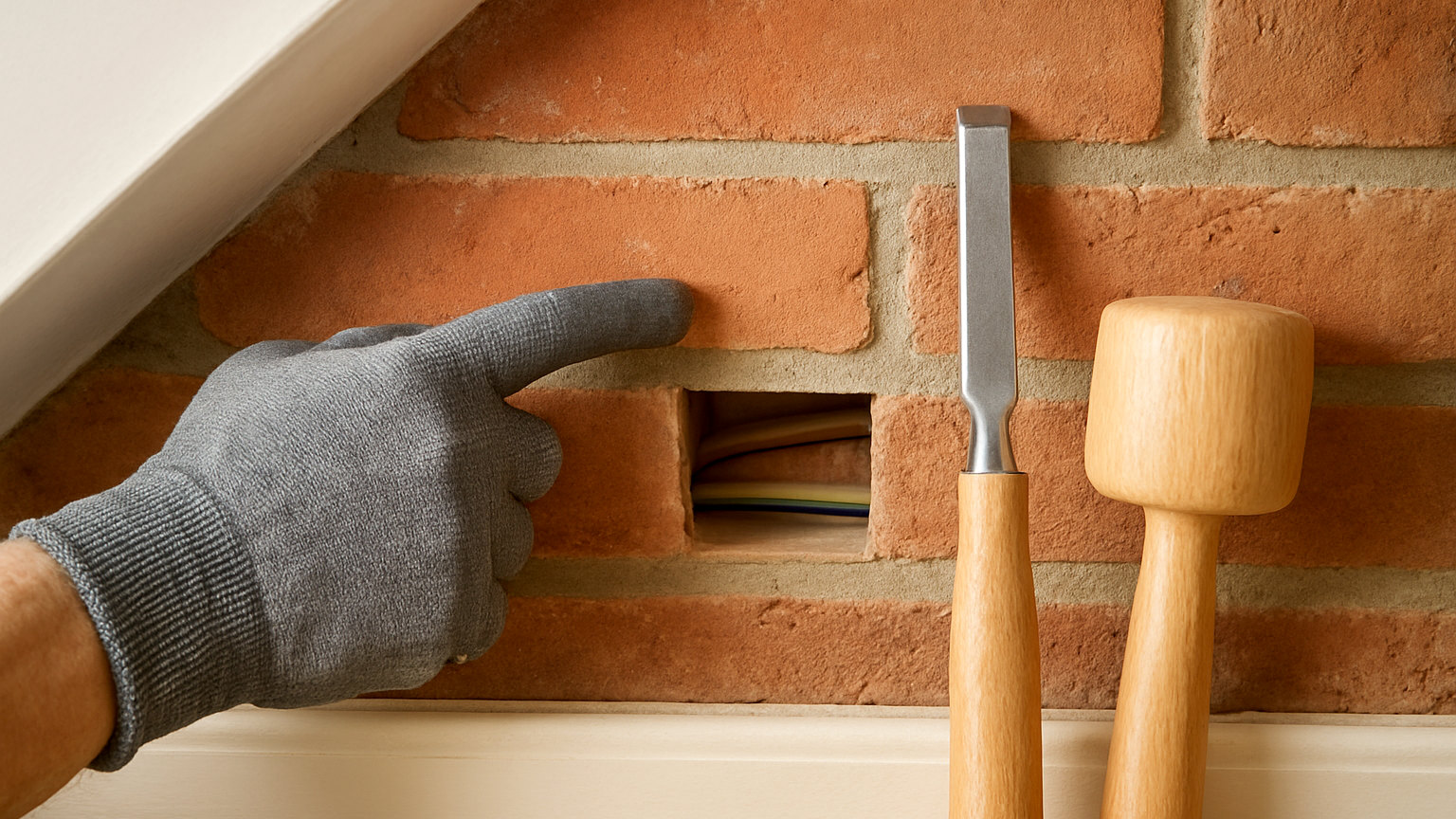
A rewire is mostly labour and making good, not cable. What drives the price, and how to tell whether you actually need one.
By DIY Guides Editorial
27 Jul 2026

What you may legally do yourself, what is notifiable, and why most of it needs an electrician.
A rewire is mostly labour and making good, not cable. What drives the price, and how to tell whether you actually need one.
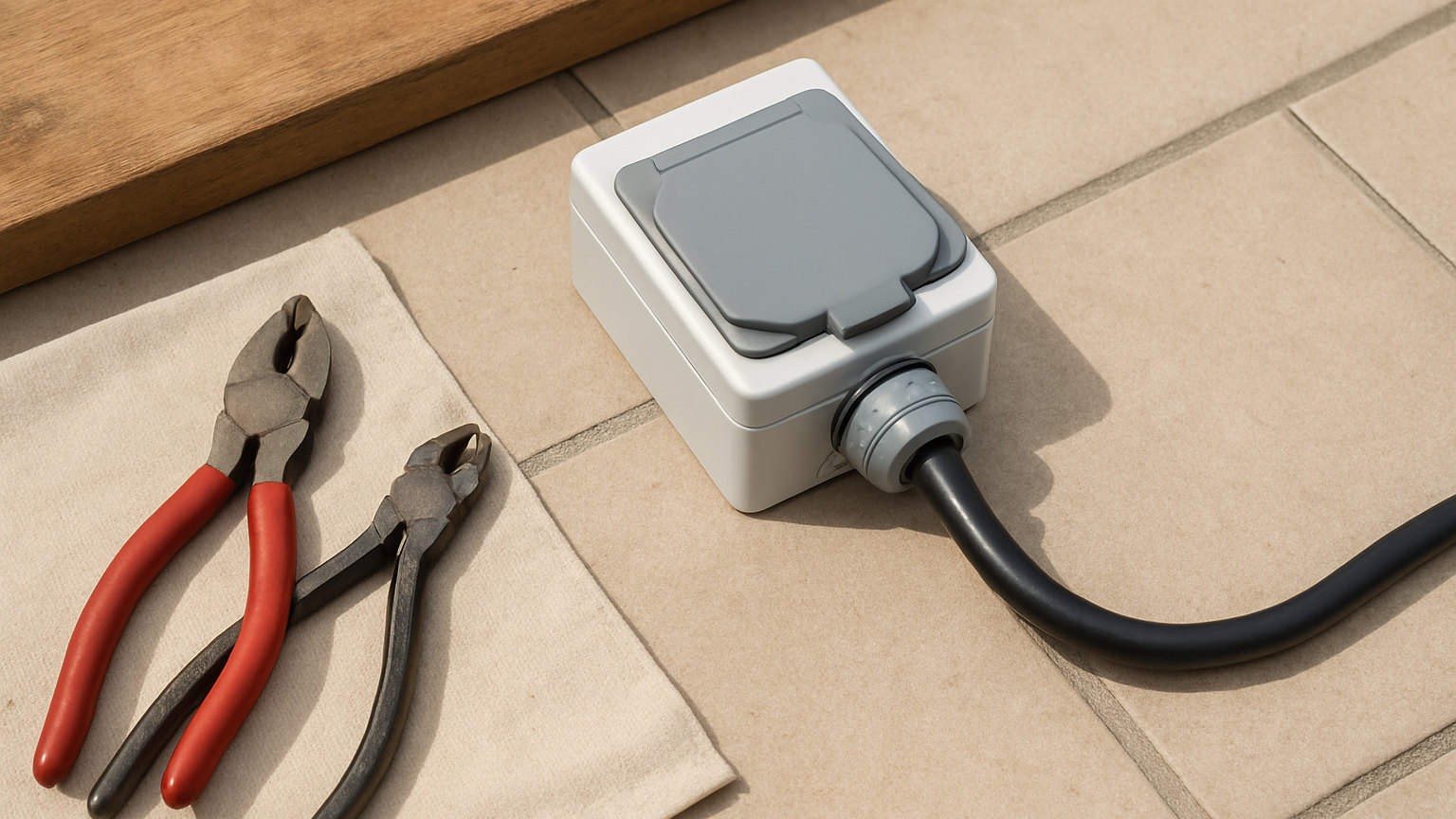
Wet ground and a trailing lead is the highest-risk everyday use of electricity. RCD protection, IP ratings, and what needs an electrician.
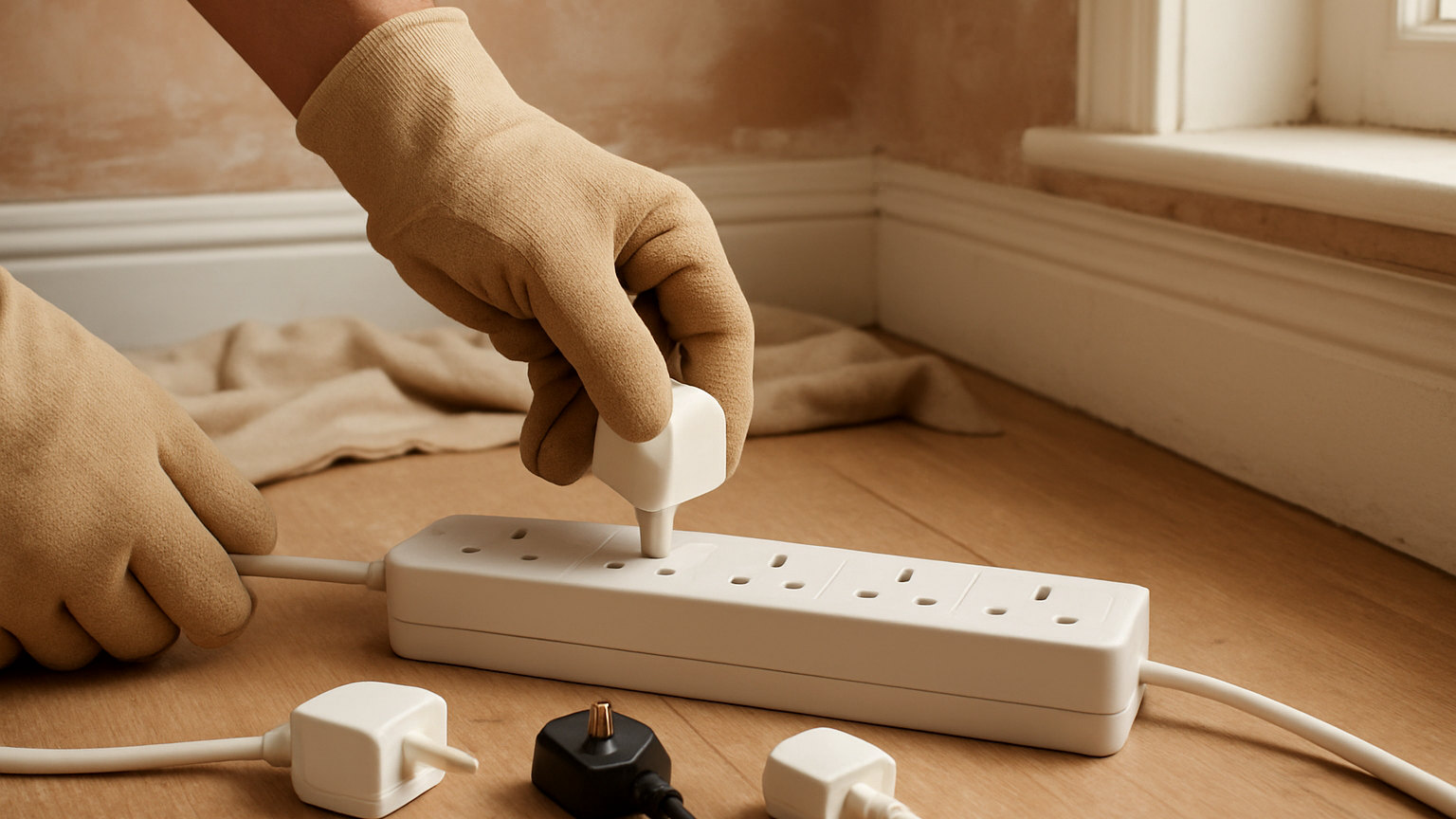
A four-way lead is rated 13 amps in total, not 13 amps per socket. Adding up the load, and the practices that cause fires.
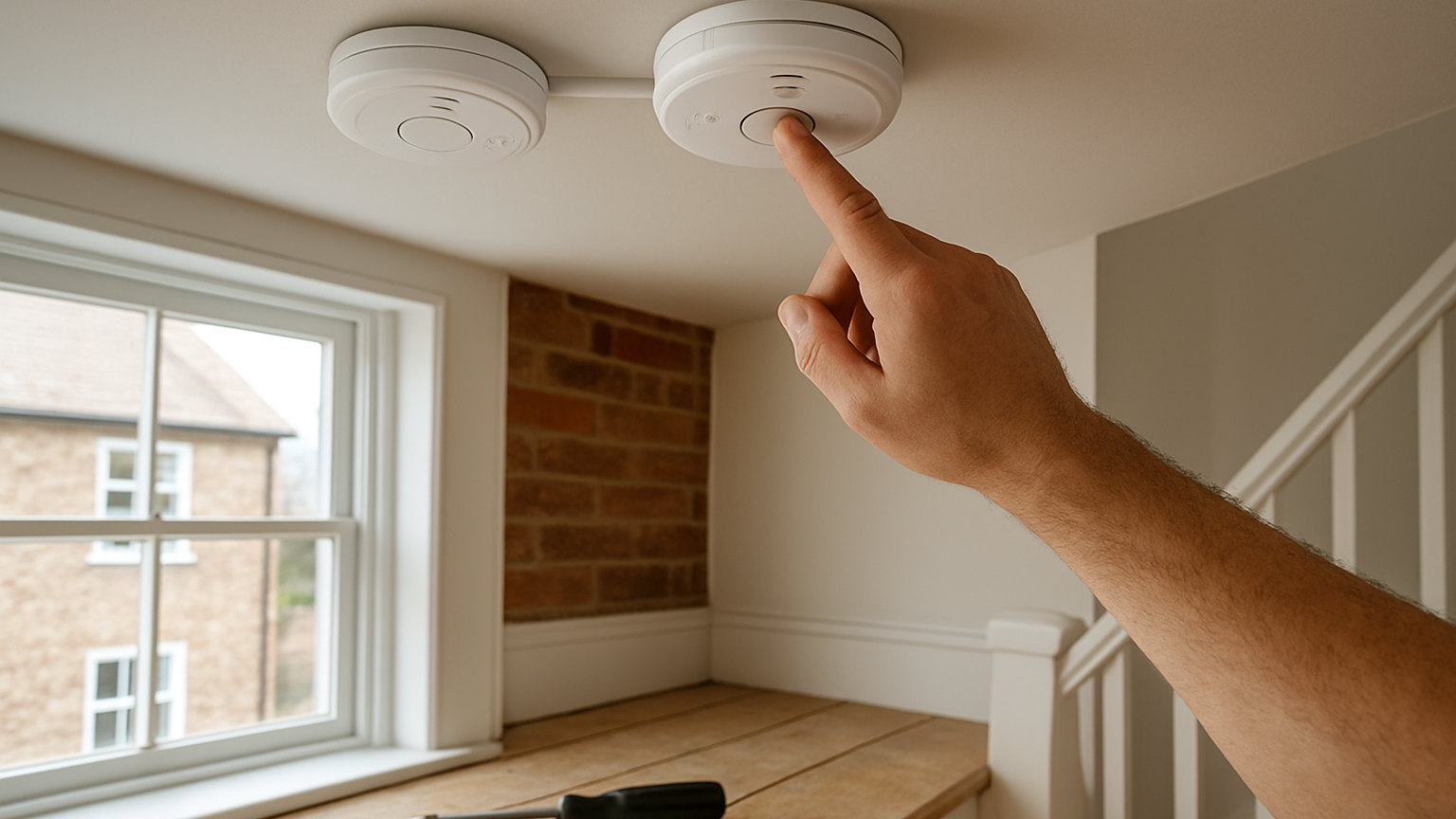
Interlinked alarms on every storey, tested weekly. Where they go, what the rules require, and why the ten-year sealed type is worth it.
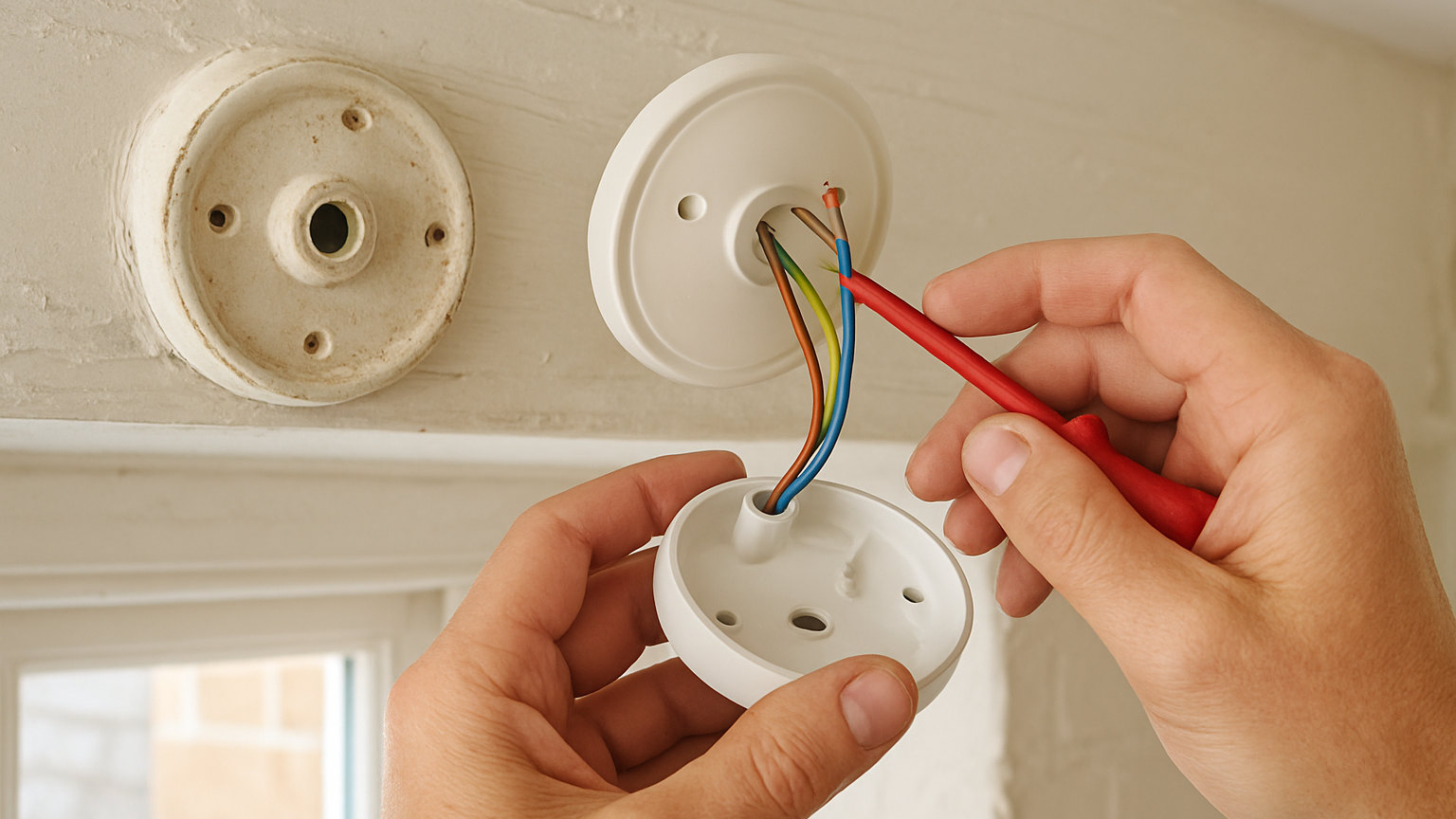
The loop-in ceiling rose is where people go wrong, because the reds are not all the same. Identifying the terminals before disconnecting.
Bathrooms are special locations and all circuit work in them is notifiable. What the zones mean, what is permitted where, and why.
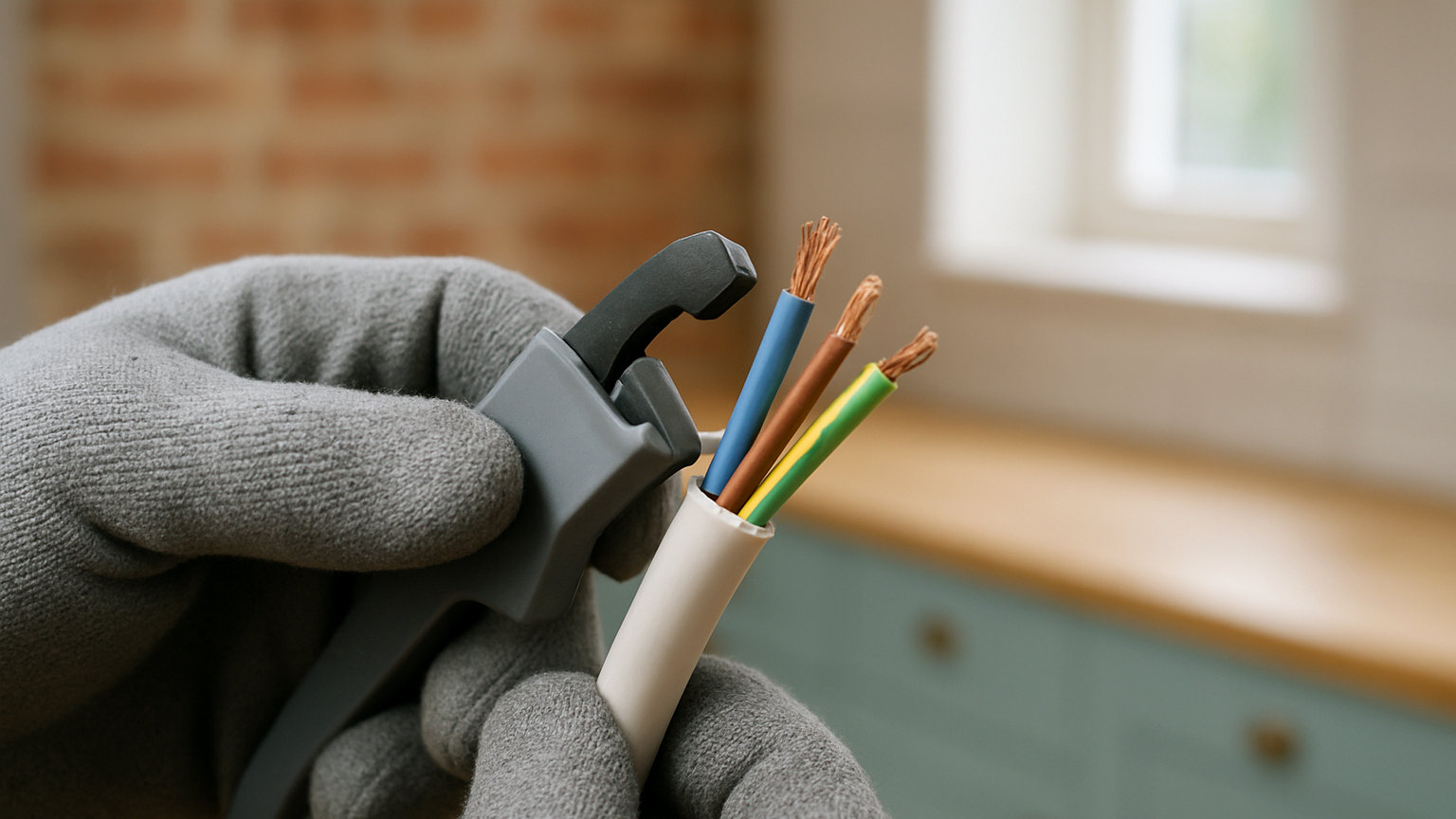
The colours changed in the mid 2000s and both sets are still in houses. What each means, and the trap of the old black and blue.
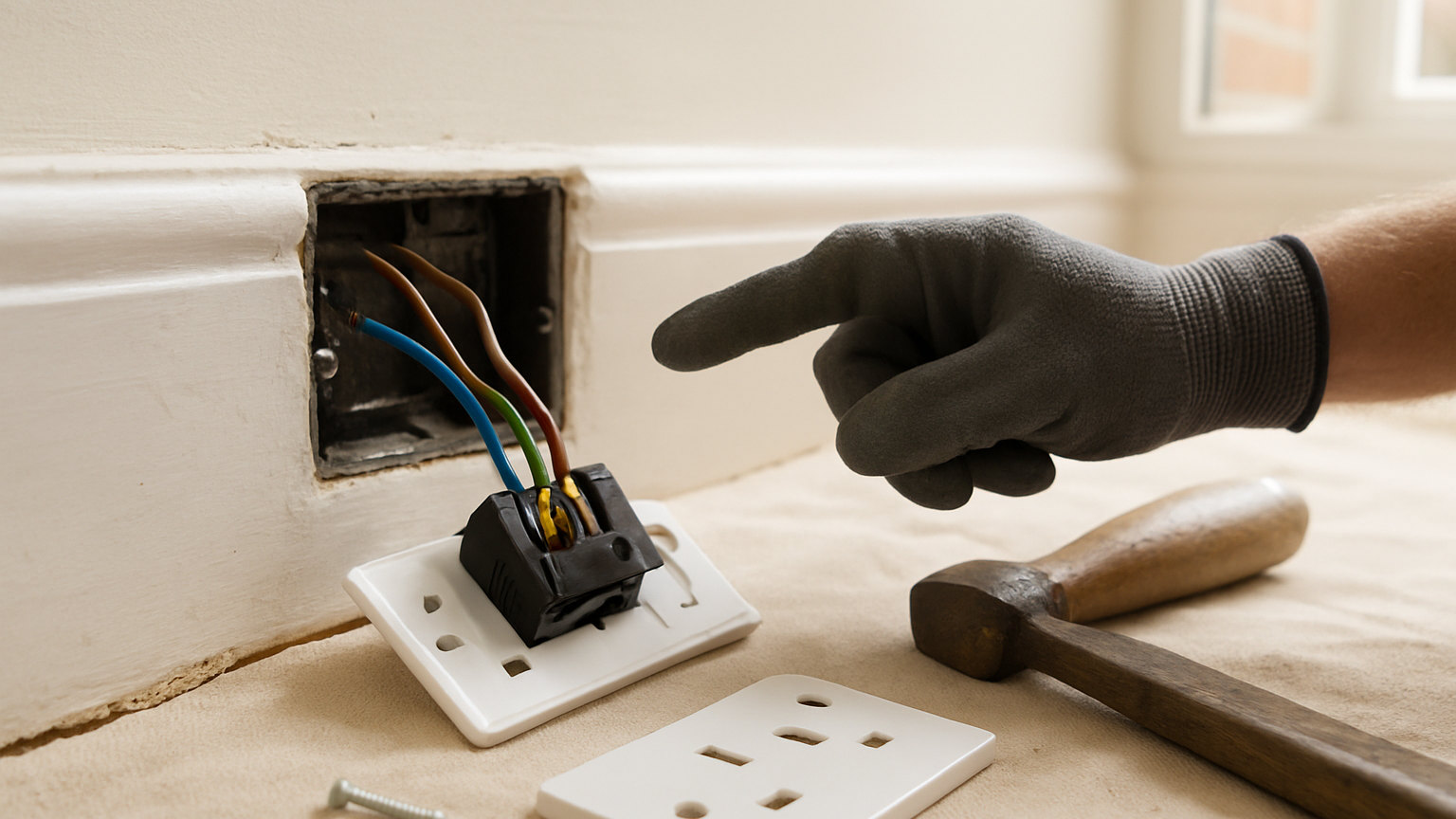
Like-for-like replacement on an existing circuit, done properly. Isolating, photographing, and the earth arrangements that catch people out.
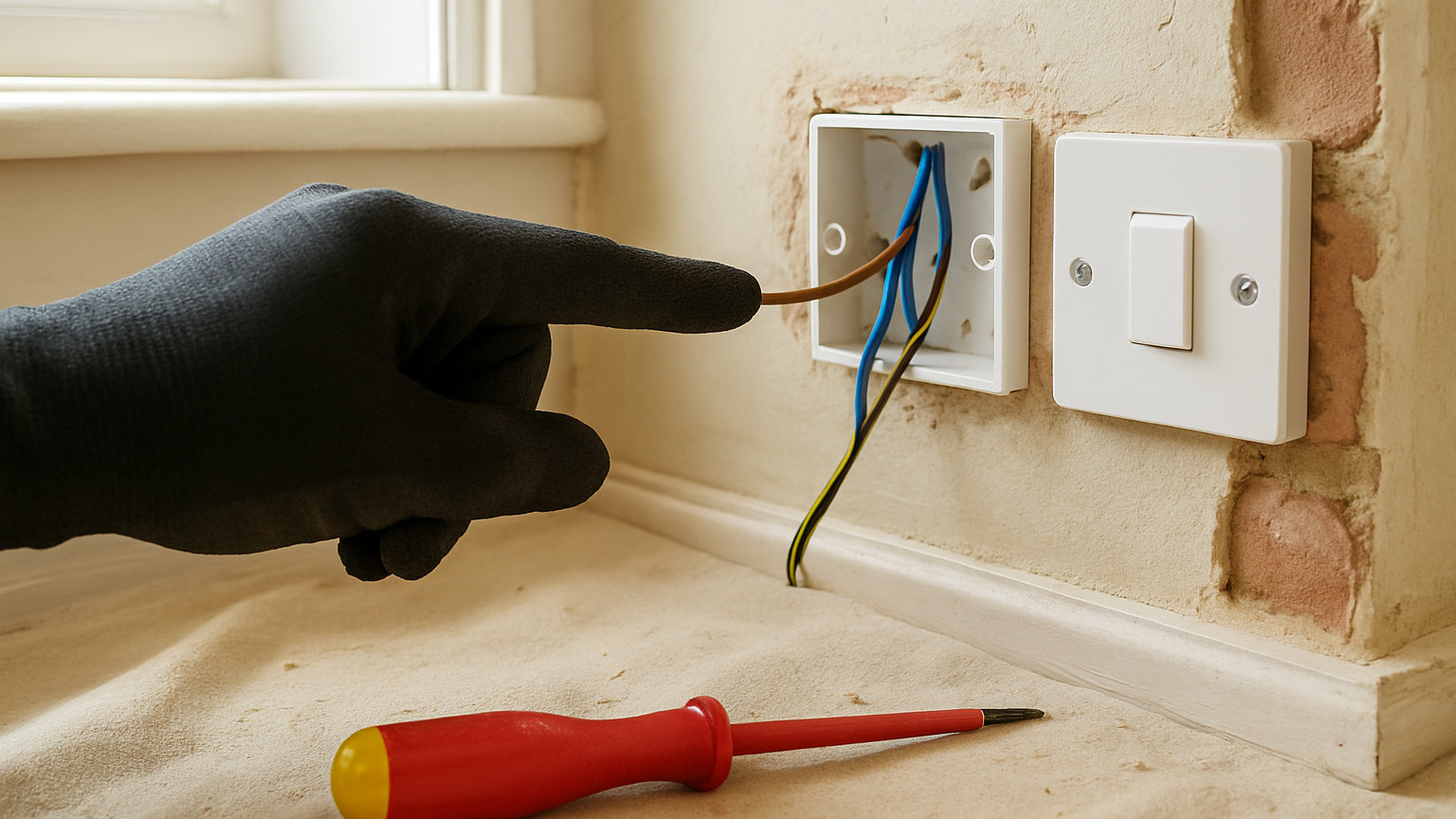
The blue conductor at a switch is a live, not a neutral. One-way, two-way and intermediate wiring, and why the photograph matters.
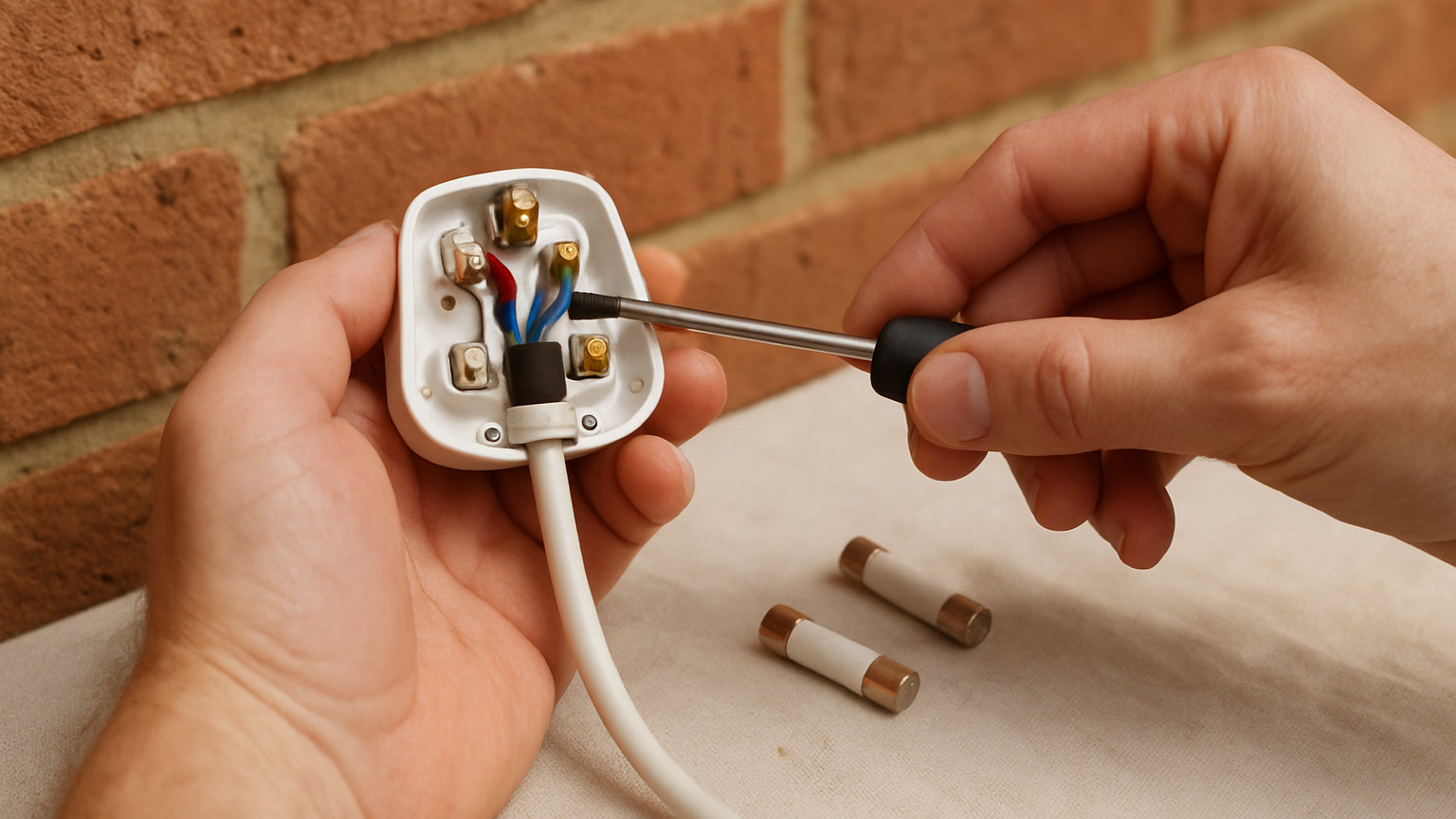
Three amp or thirteen, and never anything else. Choosing the right rating, wiring a rewireable plug, and what a repeatedly blowing fuse means.
Cables run in predictable zones, and a detector confirms rather than replaces that knowledge. Where to expect them before you drill.
A trip is a protective device doing its job. The elimination method that finds which appliance is at fault, and what a repeated trip means.