Coving Tools and Common Mistakes
The kit list for ceilings and coving, and the errors that cause most of the problems. Worth reading before ordering anything.
By DIY Guides Editorial
24 Feb 2026

Painting overhead without covering the room, fitting and mitring coving, plus stains, cracks and old textured finishes.
The kit list for ceilings and coving, and the errors that cause most of the problems. Worth reading before ordering anything.
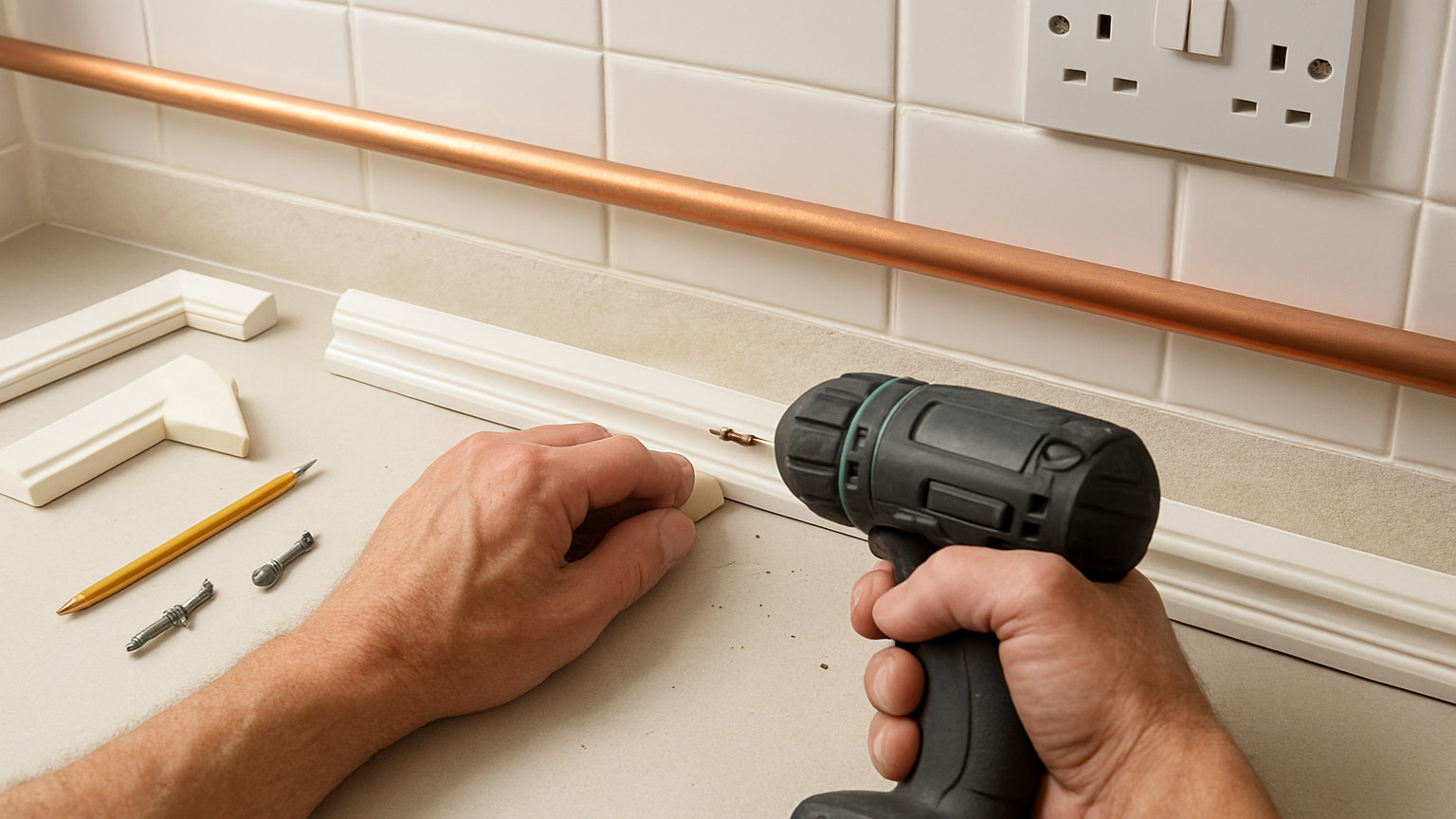
Fixed into the studs or the masonry, not glued. Setting the height, finding the fixings, and cutting the corners so the joints close.
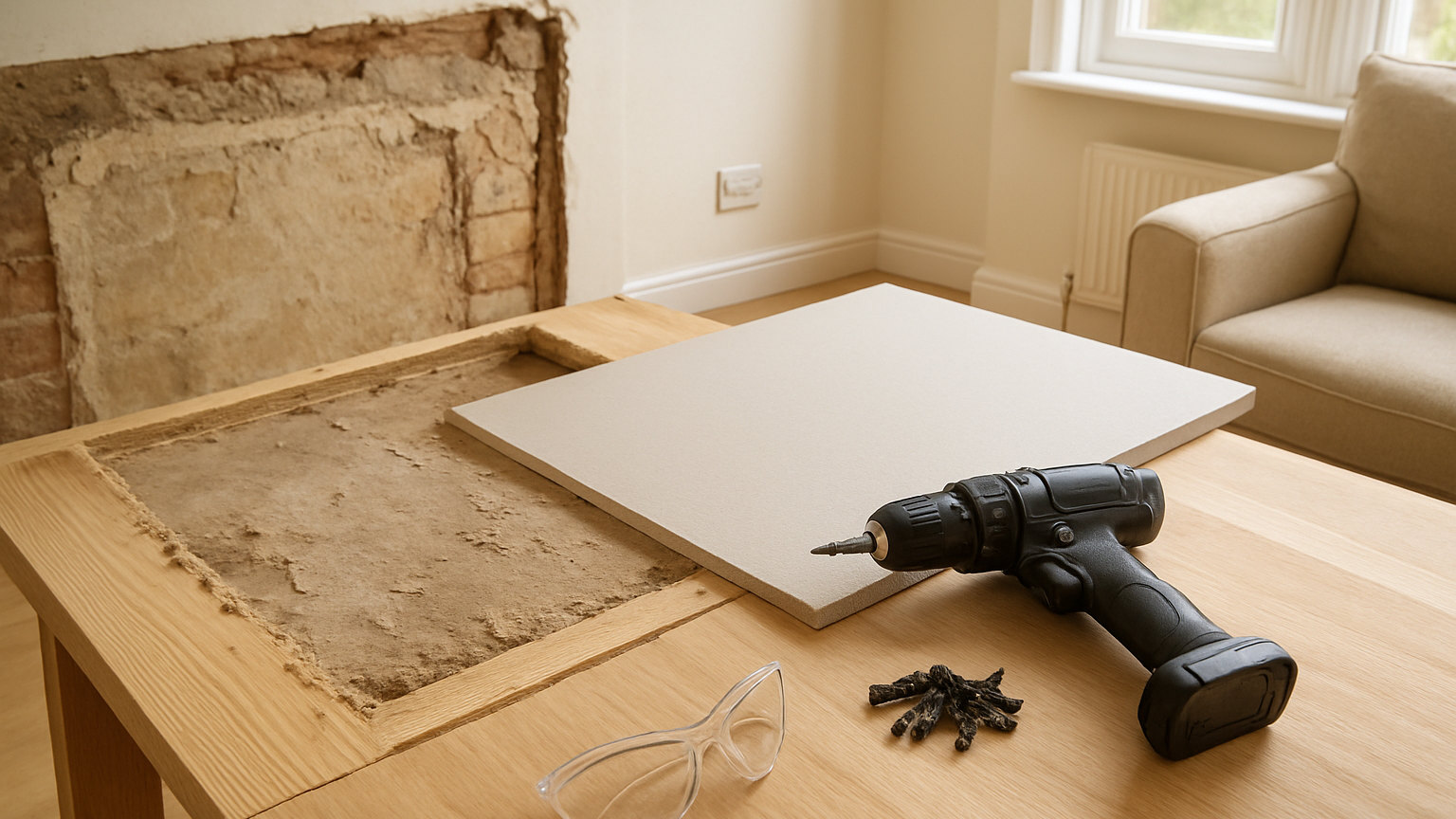
Plasterboard screwed through into the joists gives a new flat ceiling. Locating the joists, board thickness and screw length, and lifting safely.
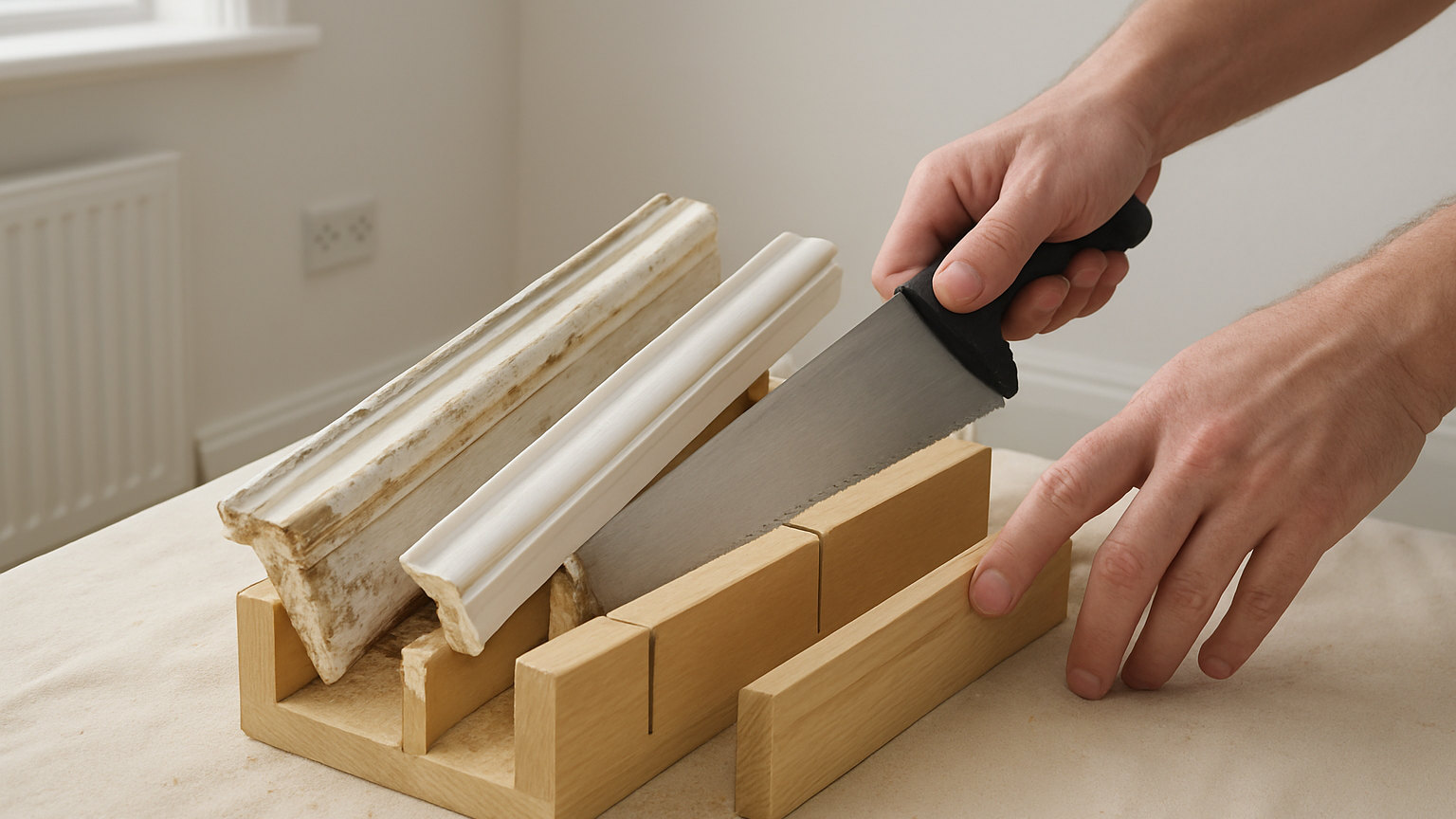
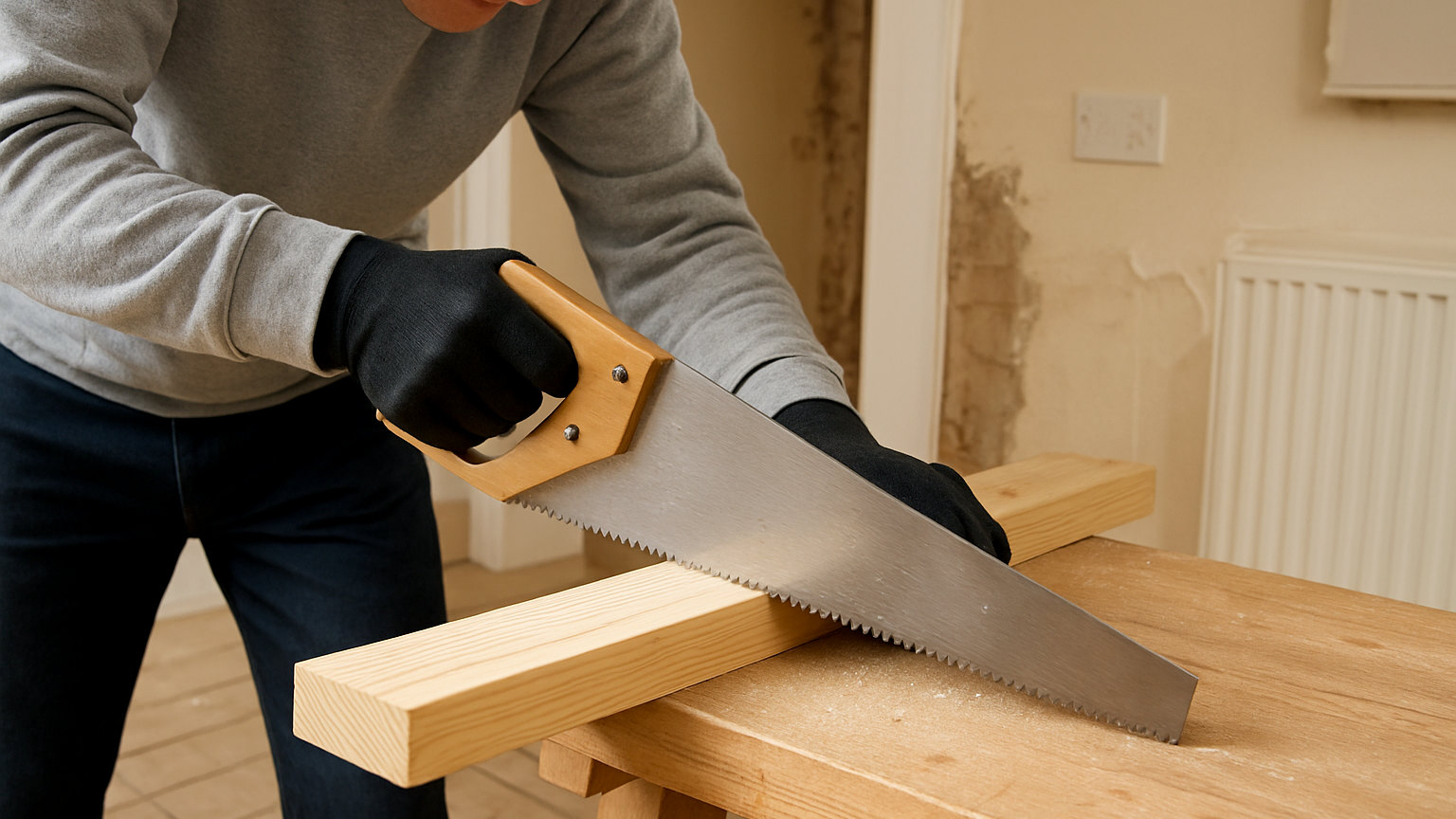
Coving is cut upside down in the mitre box, which is the part everyone gets wrong. Internal and external mitres, and marking directly instead.
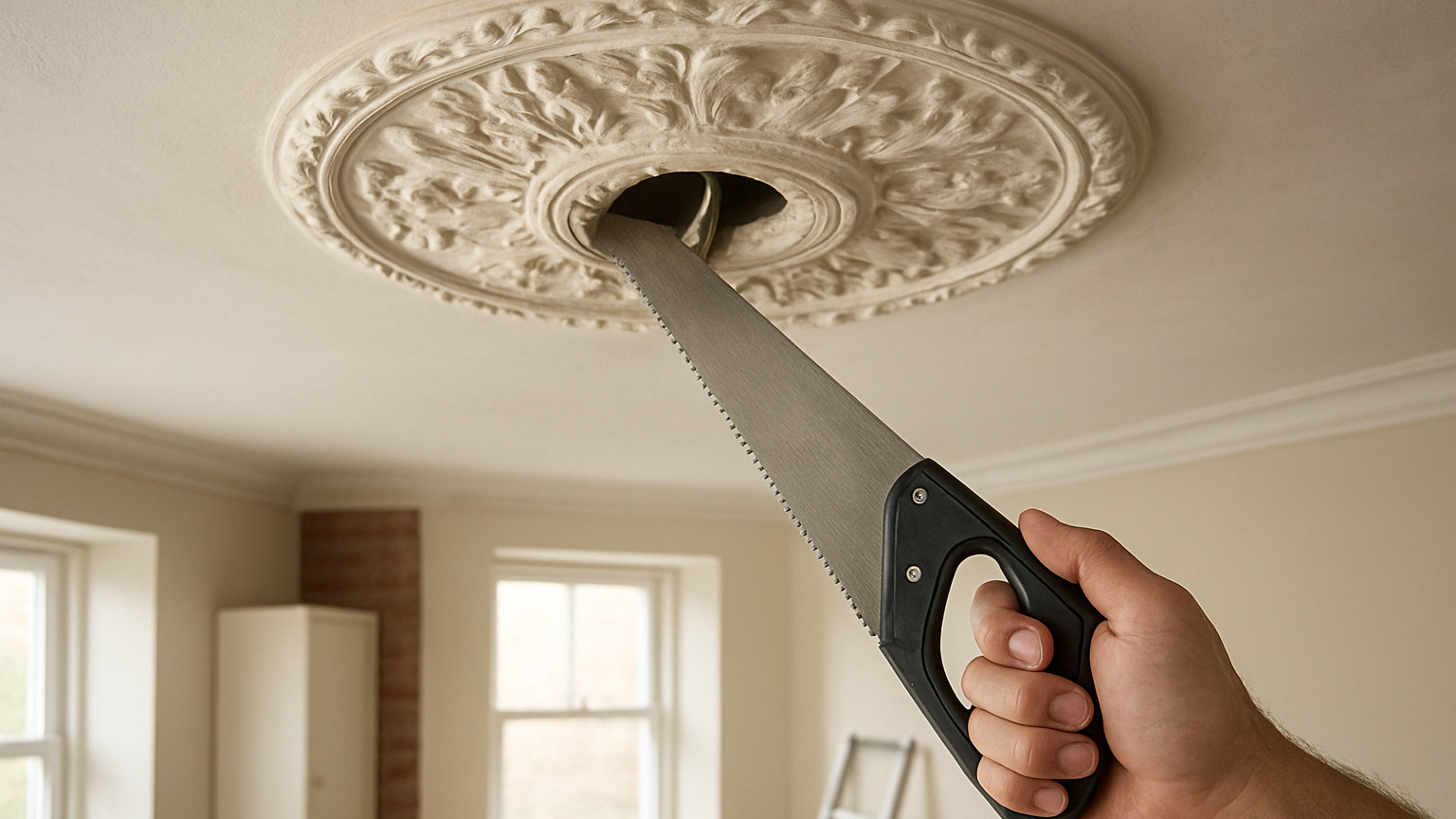
The decorative plaster rose around a light fitting. Centring it in the room, fixing it over an existing rose, and getting the flex through cleanly.
Old lath and plaster fails when the nibs break off the laths. How to test what you have, and the three routes: re-fixing, overboarding or replacing.
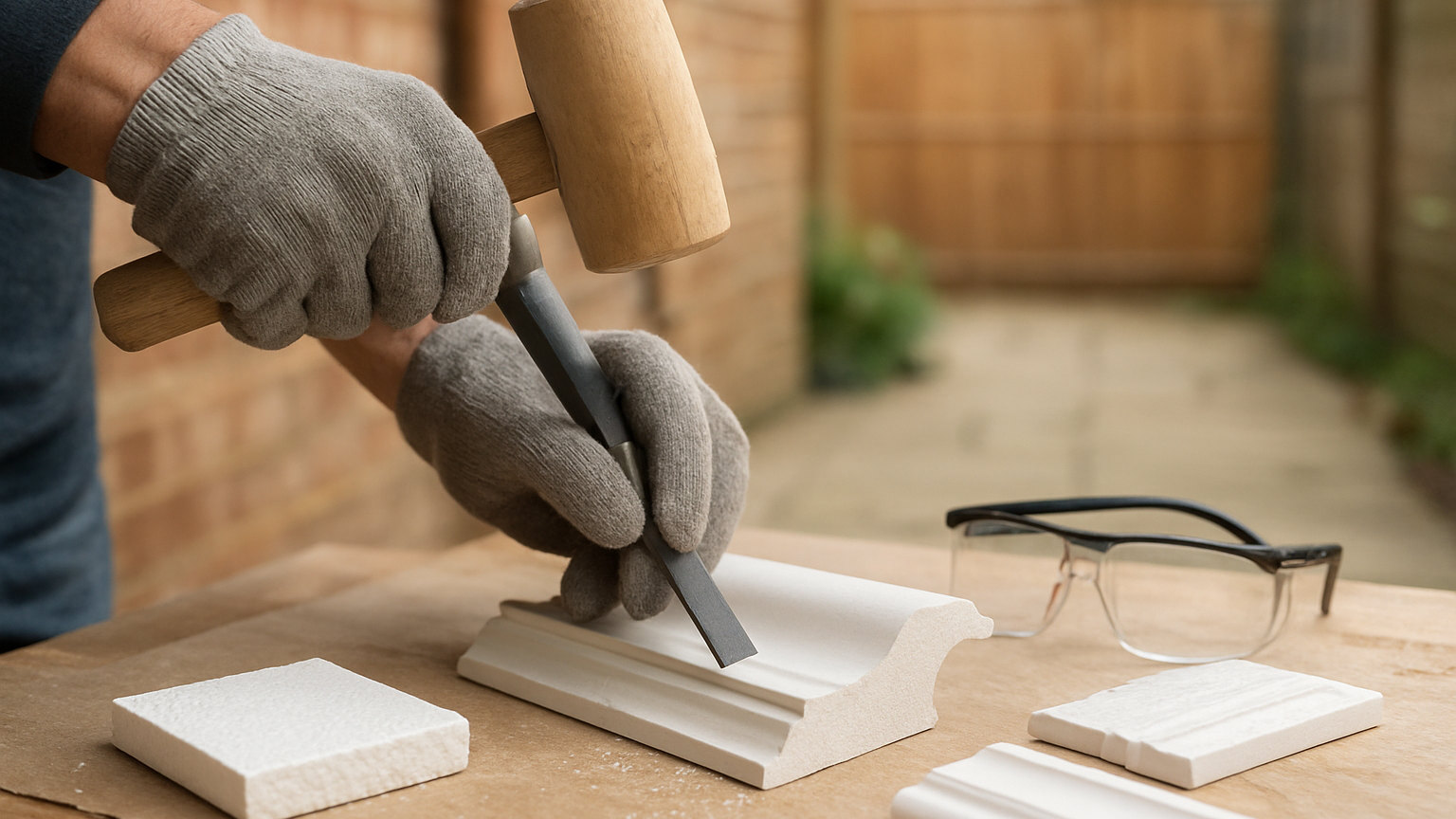
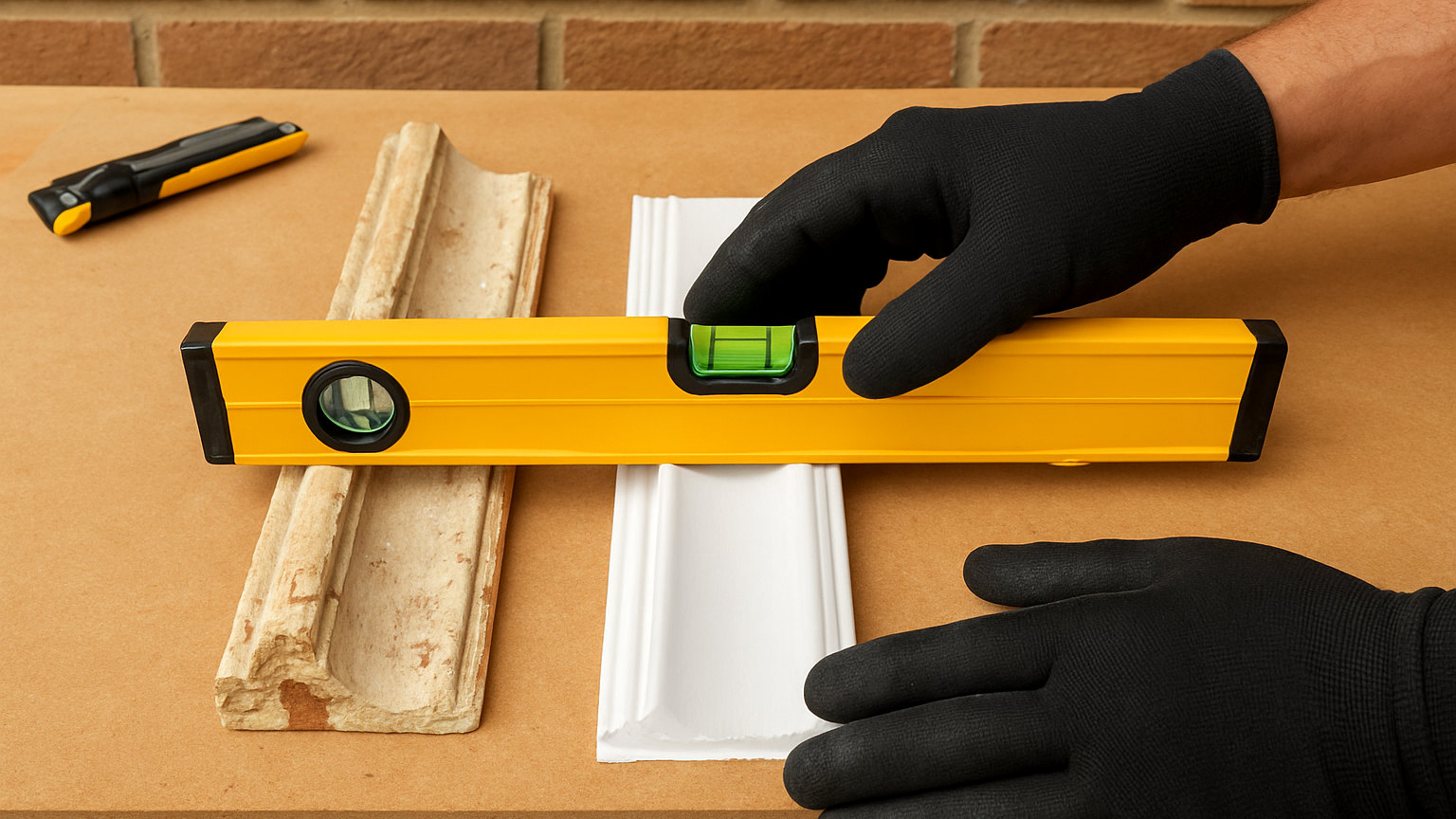
Plaster, polystyrene and duropolymer each behave differently on the wall. Matching the profile to the house, and sizing it to the room.
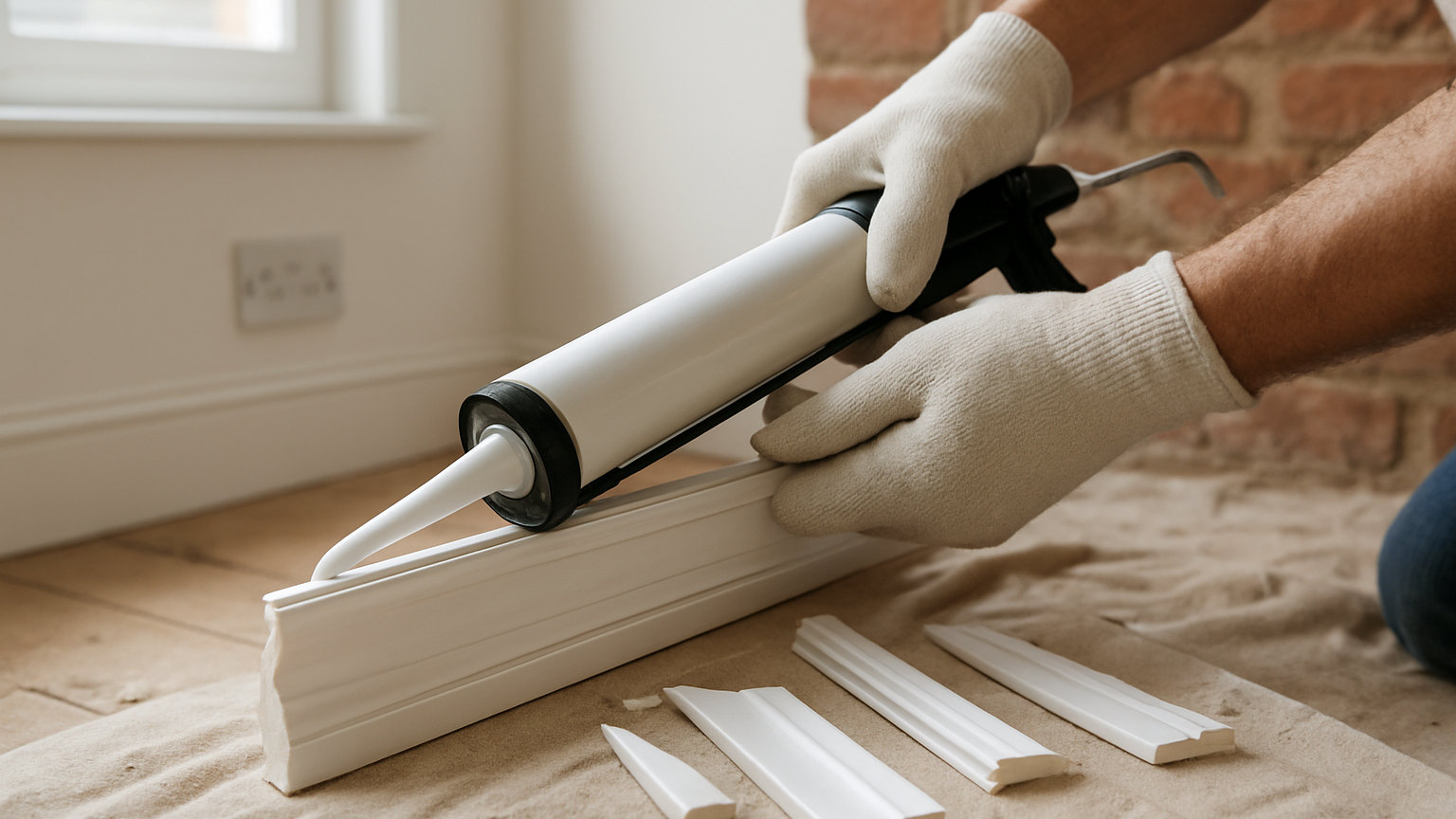
Mark the lines, key both surfaces, butter both edges and support it while it sets. The sequence from marking out to filling the joints.
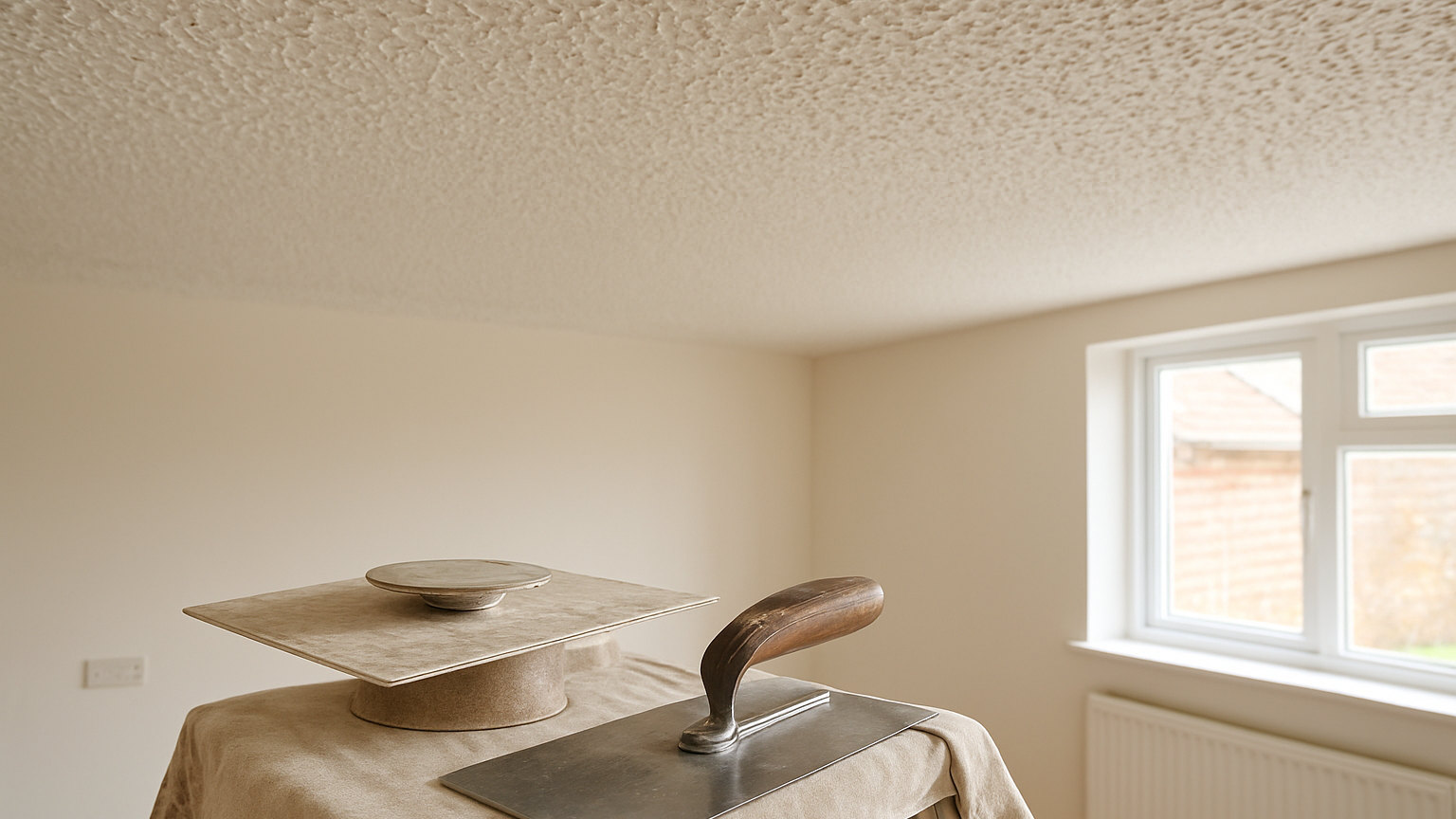
Textured coatings in pre-2000 homes may contain asbestos and must be tested before anything disturbs them. What is safe, and what is not.
Skimming or overboarding gives a flat ceiling without disturbing the coating. The options compared, and what each involves.
The hardest line in the room, because neither surface is straight. Caulking first, the two-pass brush method, and when masking helps rather than hinders.
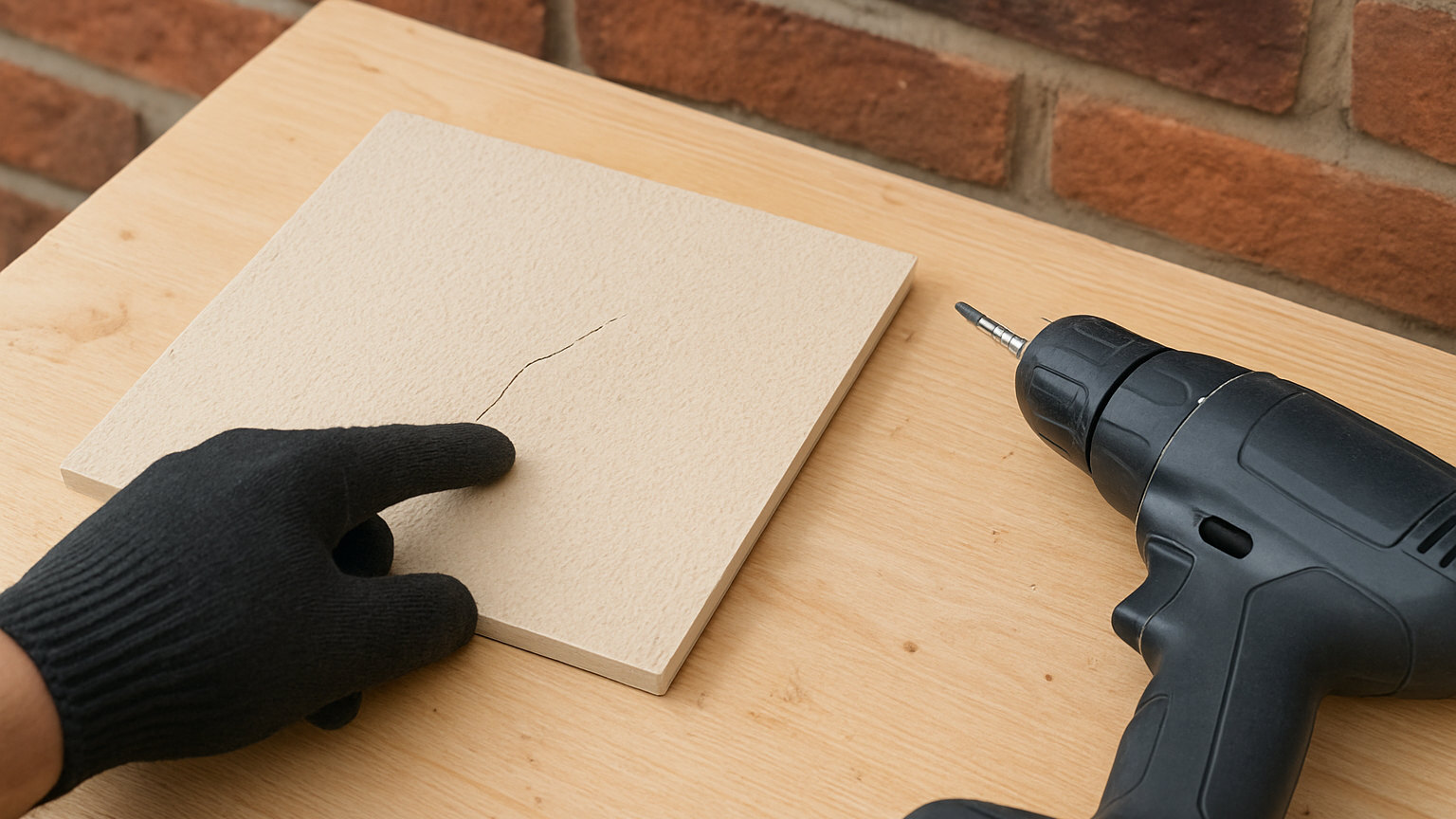
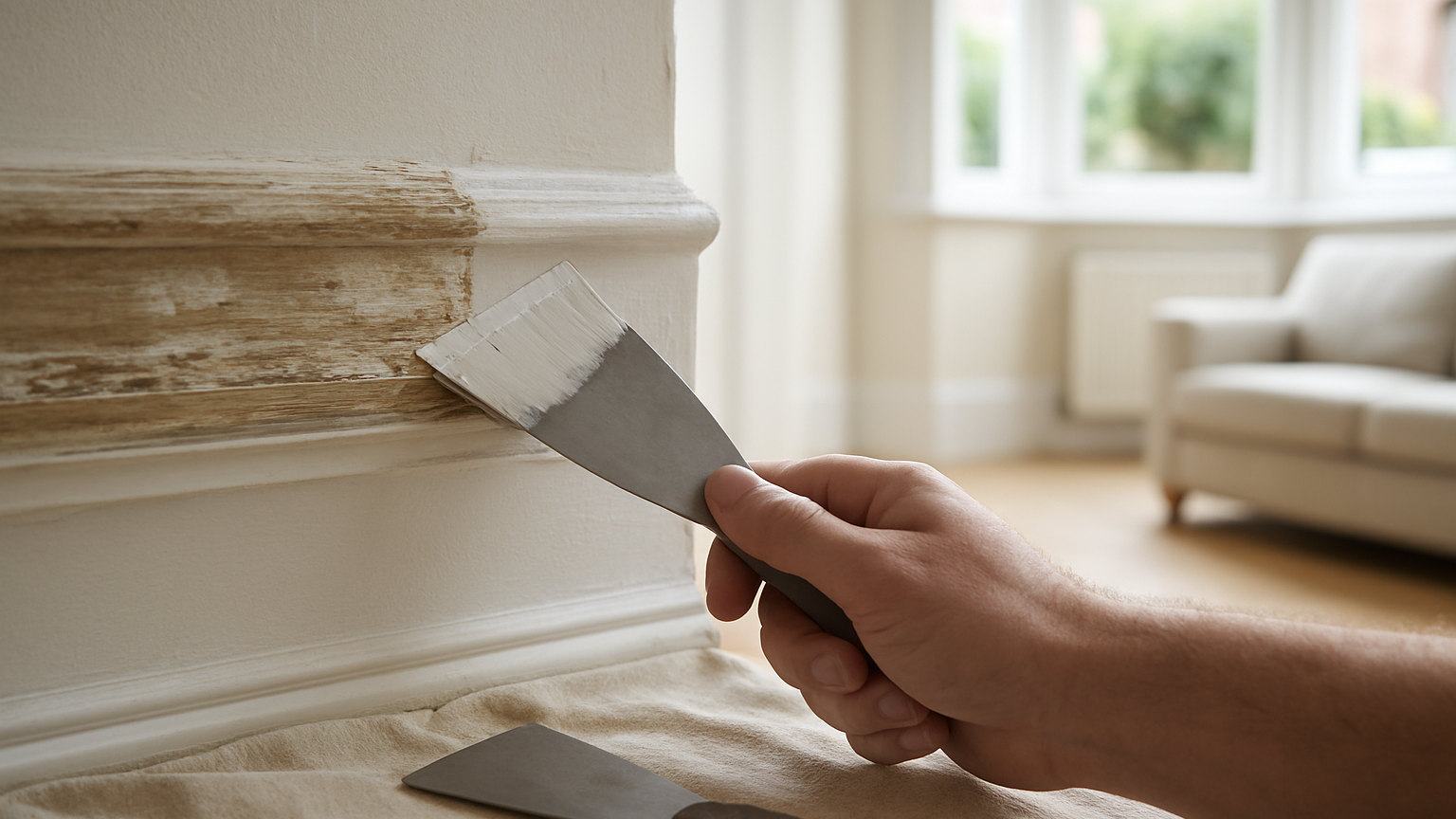
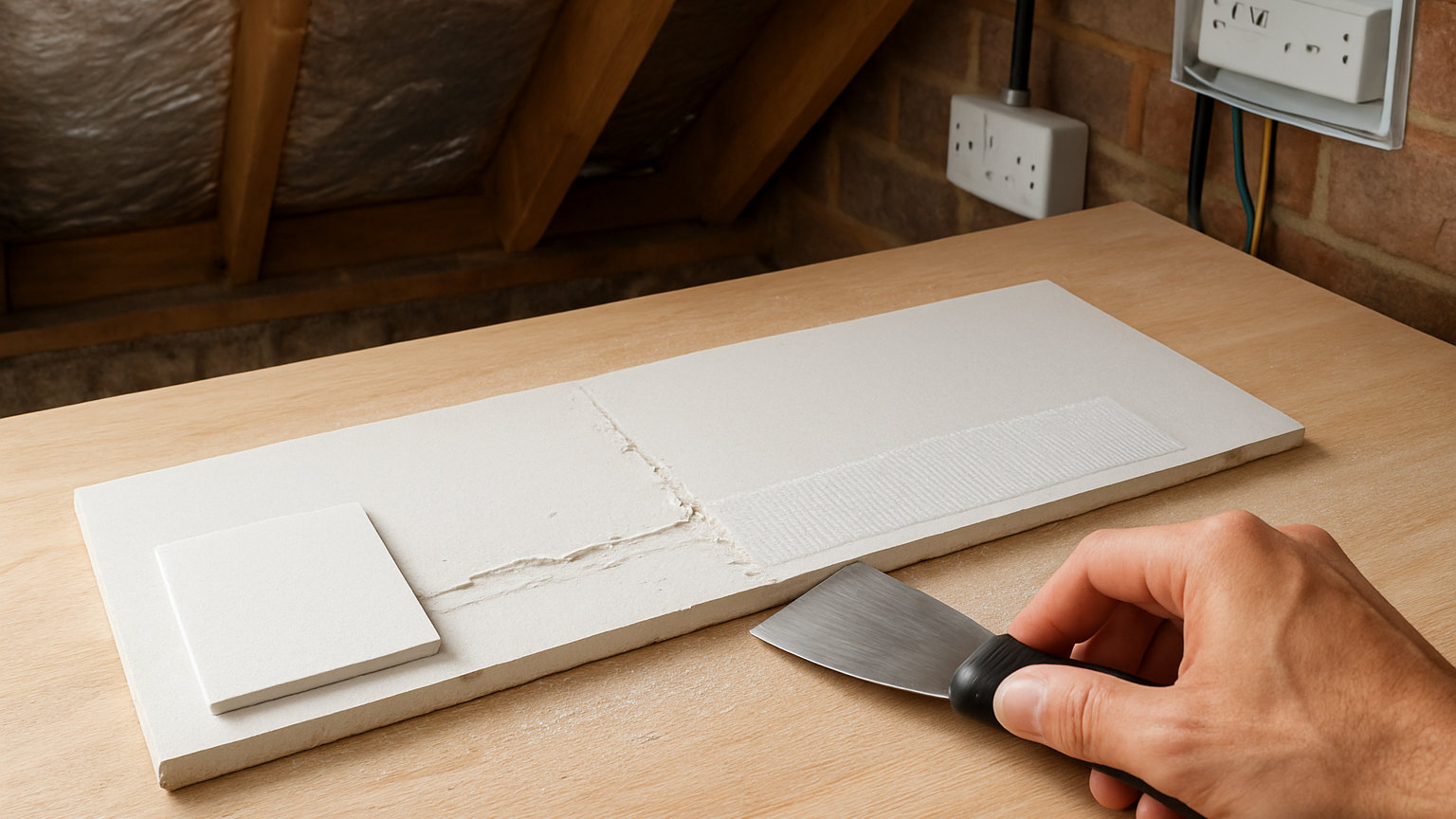
A crack along a board joint needs scrim tape, not filler. Reading what the crack is telling you, and the repair that will not reopen.