Wet Rooms: What's Involved
The whole floor is the shower tray, so the waterproofing and the falls have to be right everywhere. What a wet room actually requires.
By DIY Guides Editorial
13 Dec 2025

Suites, showers, waterproofing and ventilation, and why tanking matters more than tiles.
The whole floor is the shower tray, so the waterproofing and the falls have to be right everywhere. What a wet room actually requires.
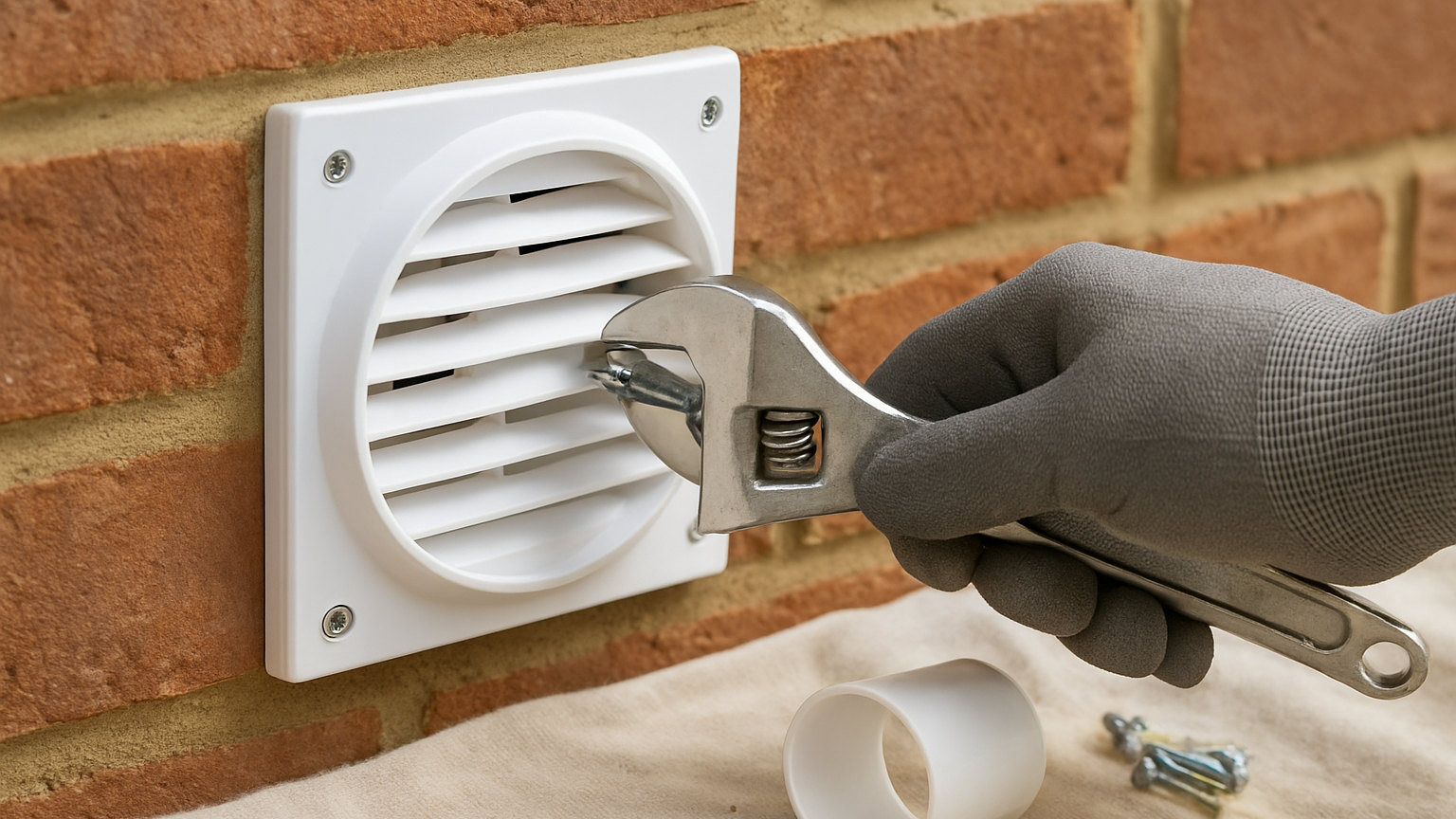
Extraction removes the moisture that causes mould everywhere else in the house. Required rates, duct routes, and why running the fan longer matters.
Water reaches the floor whatever you do, so the perimeter matters as much as the material. What survives a bathroom, and preparing the subfloor.
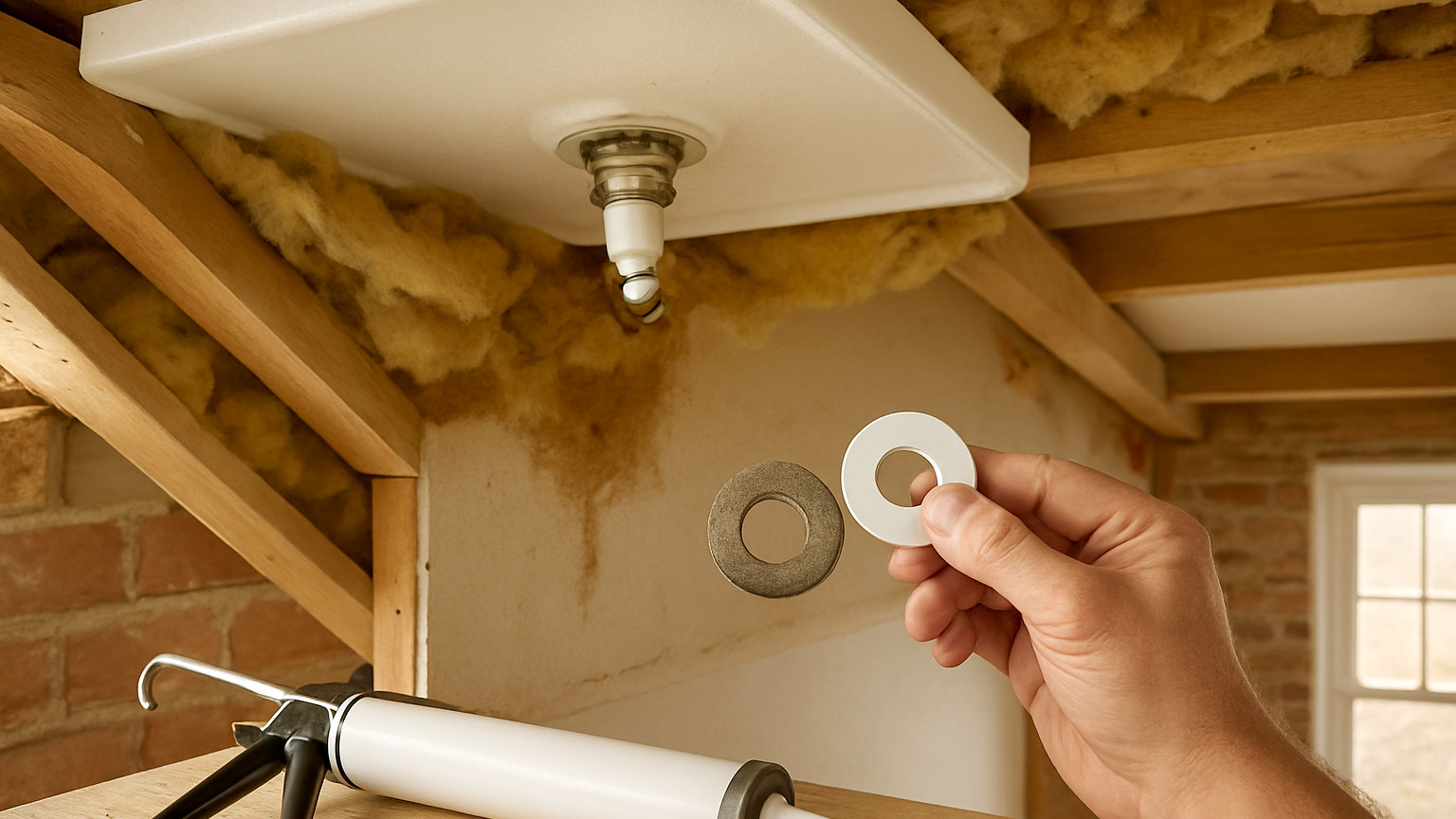
A stain on the ceiling below rarely appears under the leak. How to trace where water is actually getting in, and the usual culprits in order.
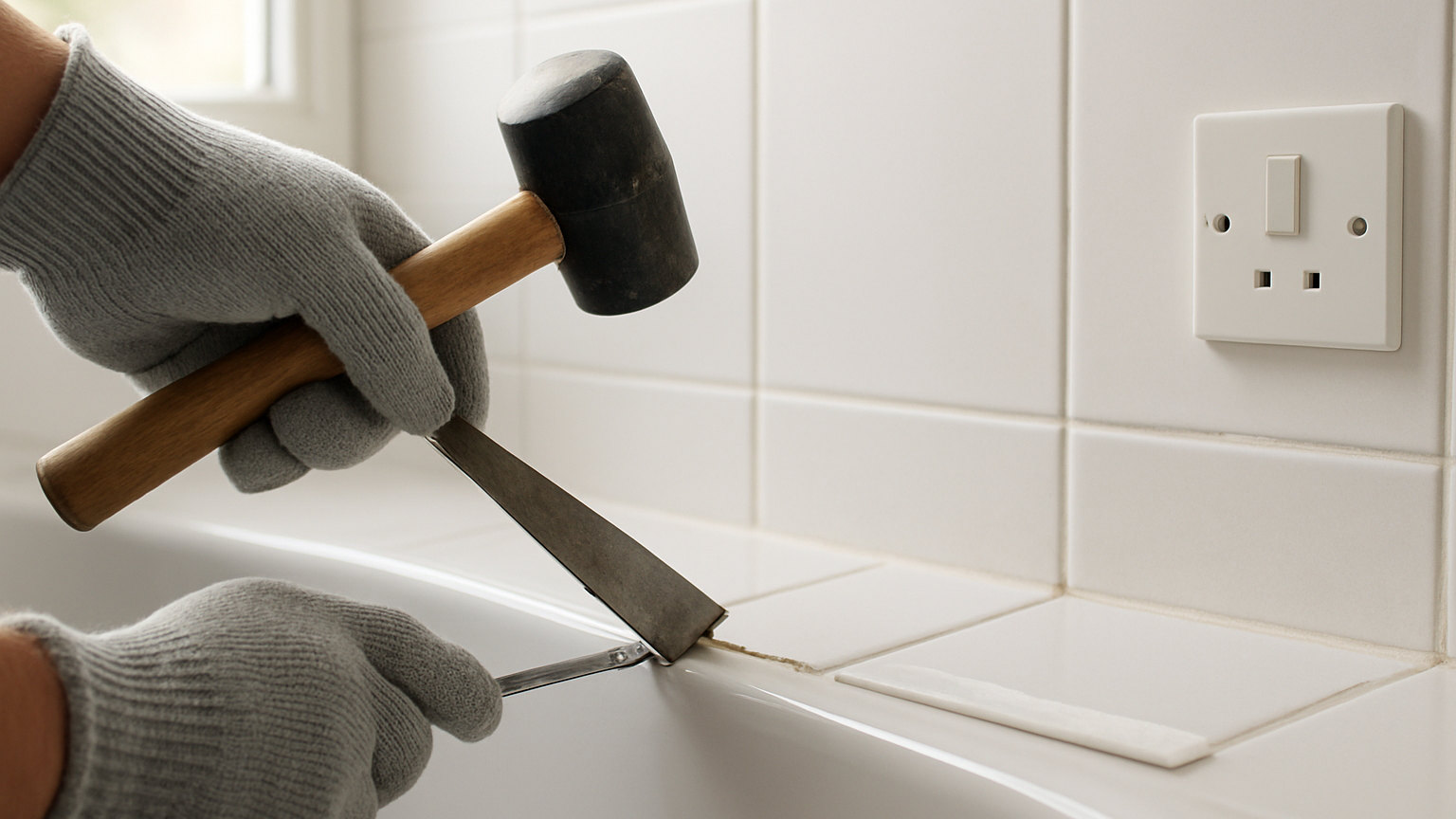
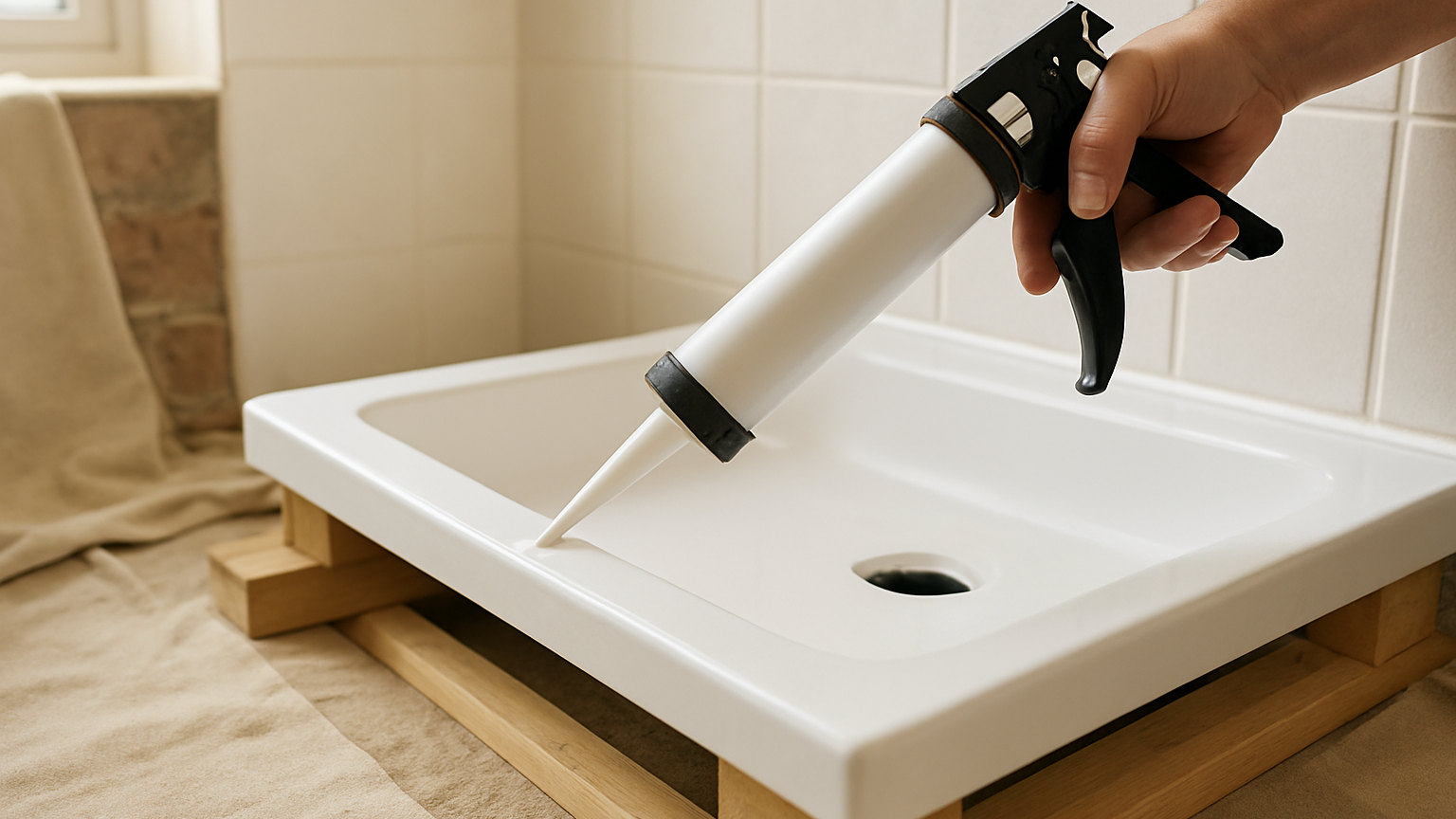
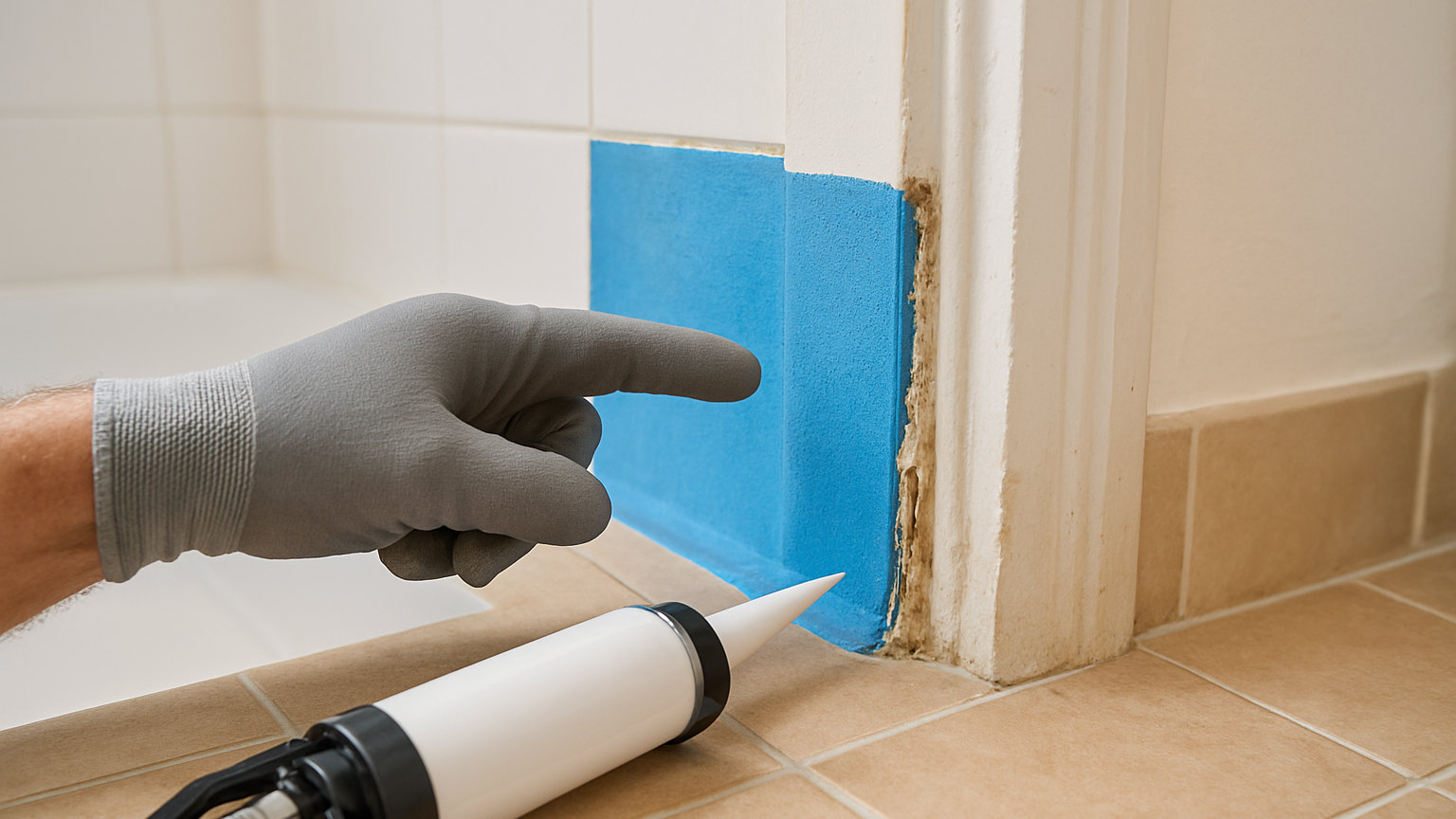
Silicone fails because the old sealant was not fully removed or the surface was damp. How to strip, prepare and apply a bead that lasts.
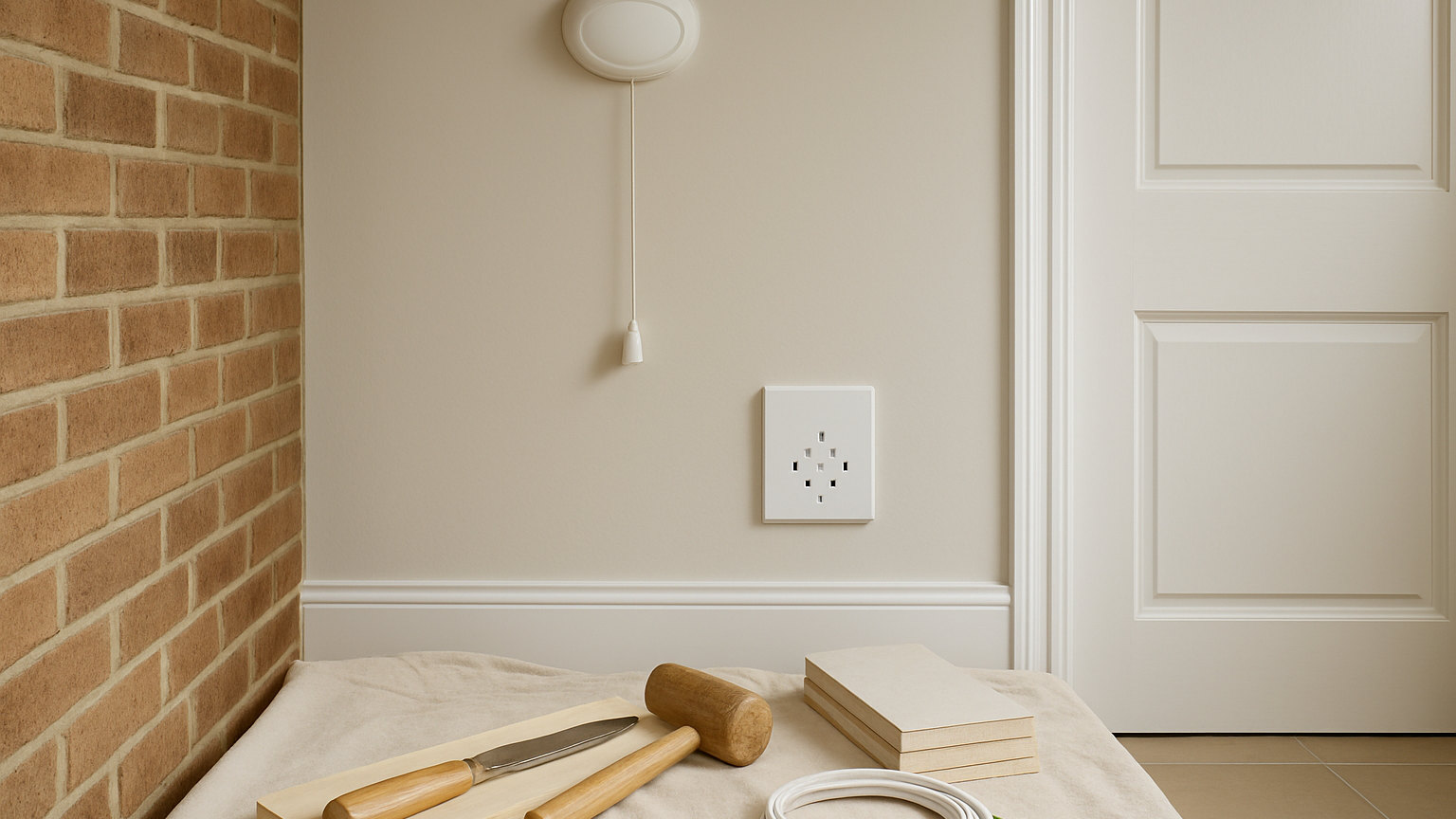
Water and electricity share a small room, so the rules are strict. What the zones mean, what may be fitted where, and why this is notifiable work.
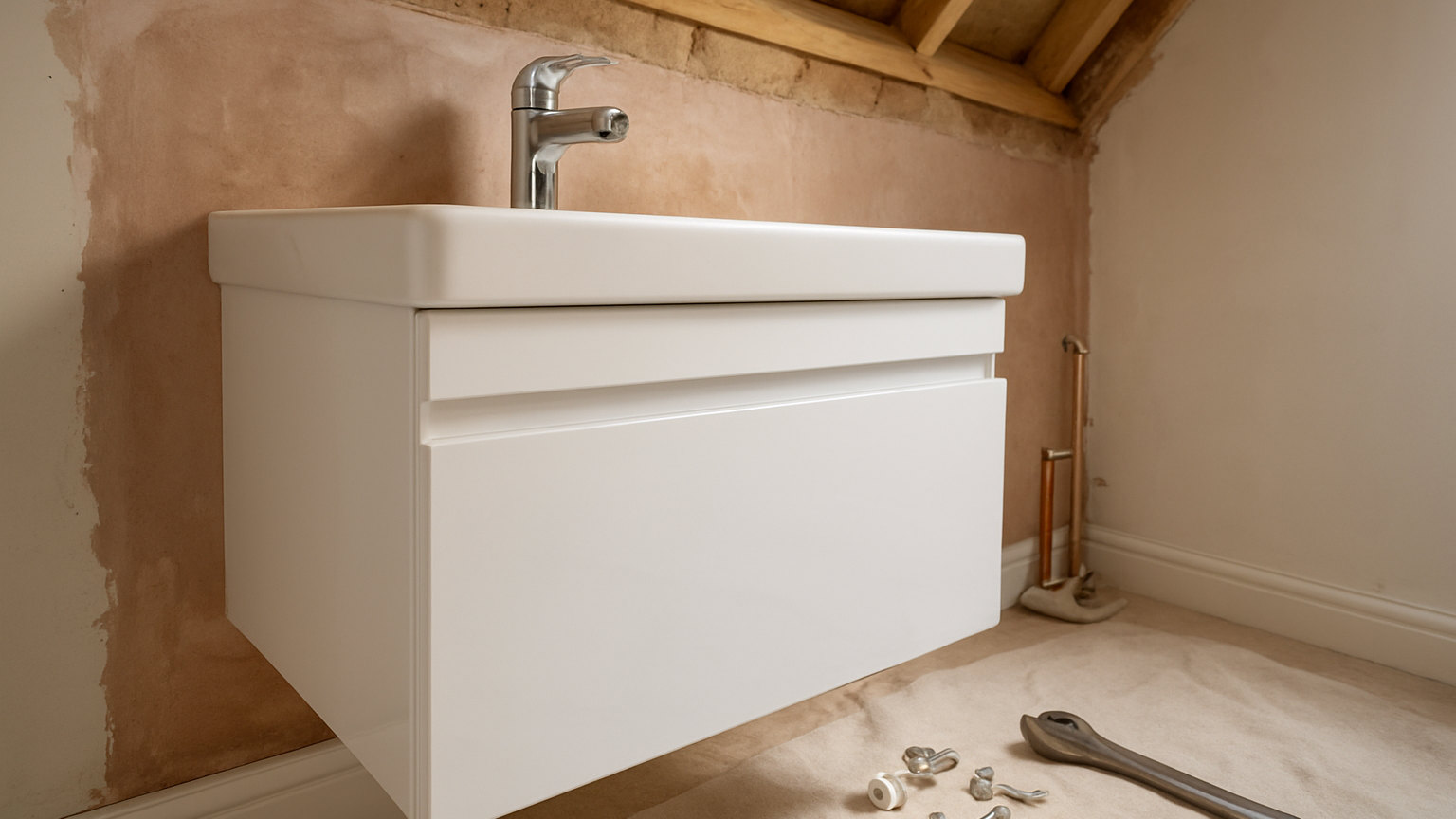
A wall-hung basin needs a fixing that will take a person leaning on it. Heights, fixings, and assembling the tap and waste before it goes up.
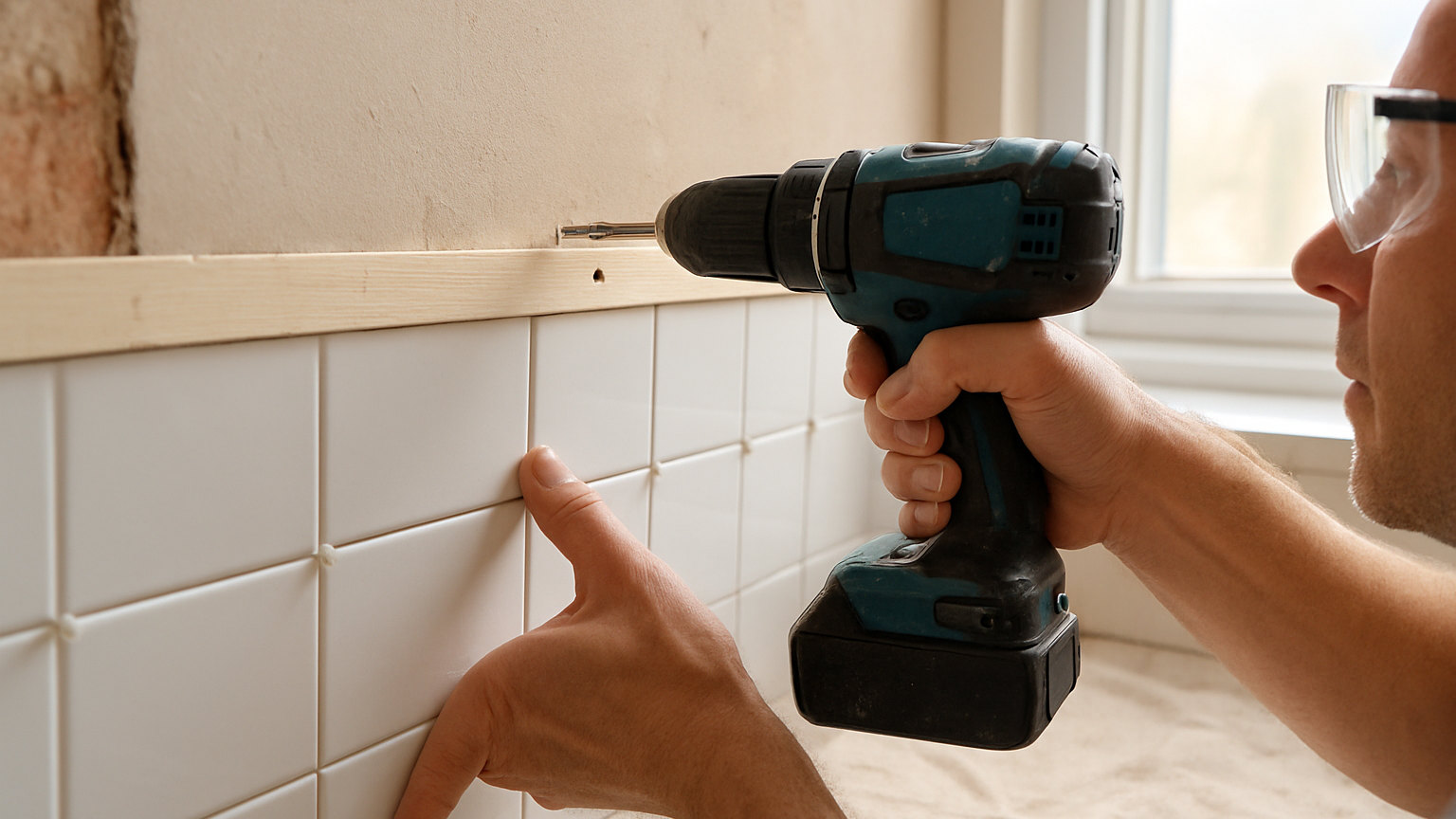
Setting out decides how a tiled wall looks, and it is done before any adhesive is mixed. Finding the centre, using a batten, and cutting neatly.
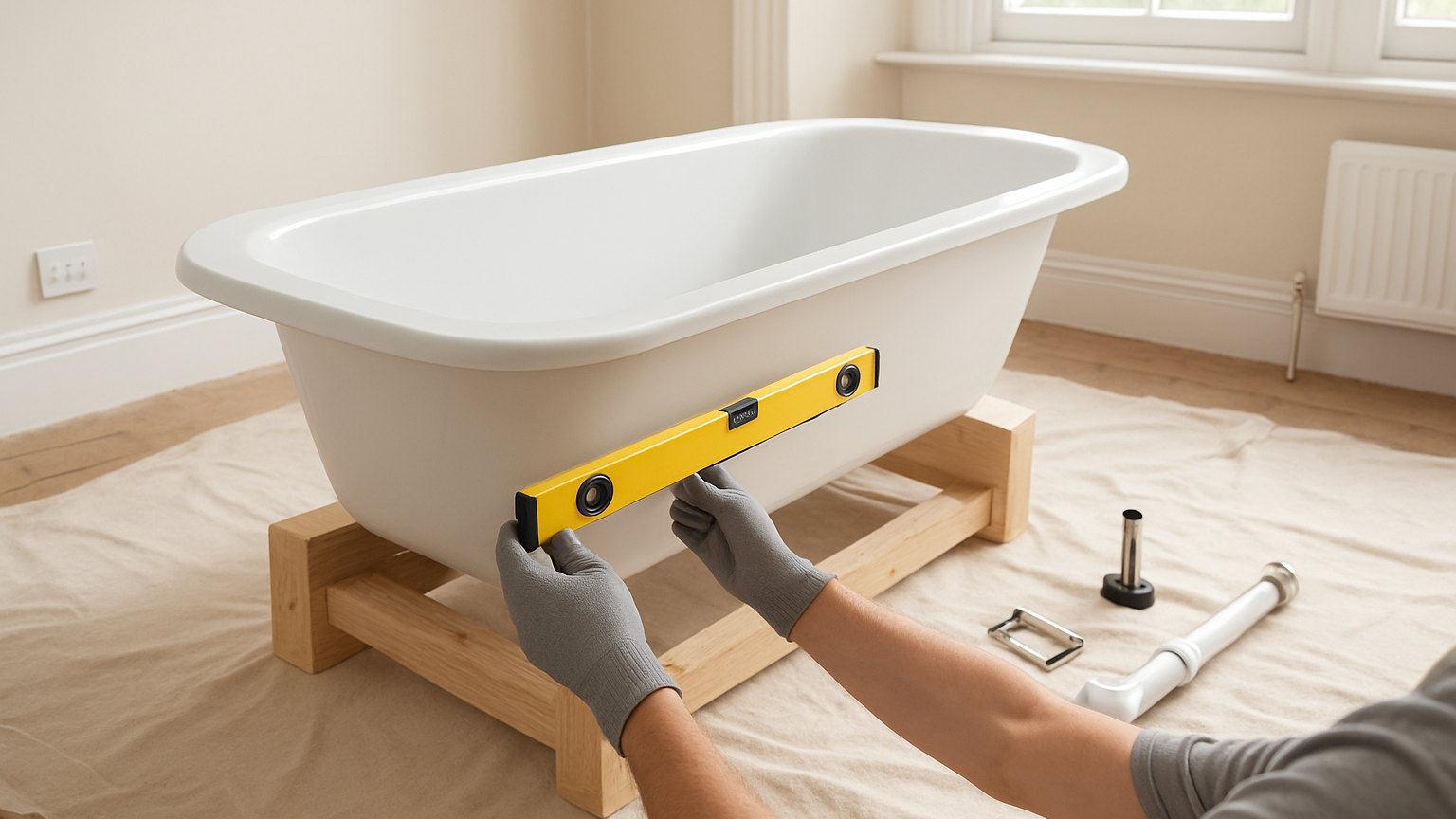
Support the cradle properly, connect the waste before it goes against the wall, and fill the bath before sealing. The sequence that avoids leaks.
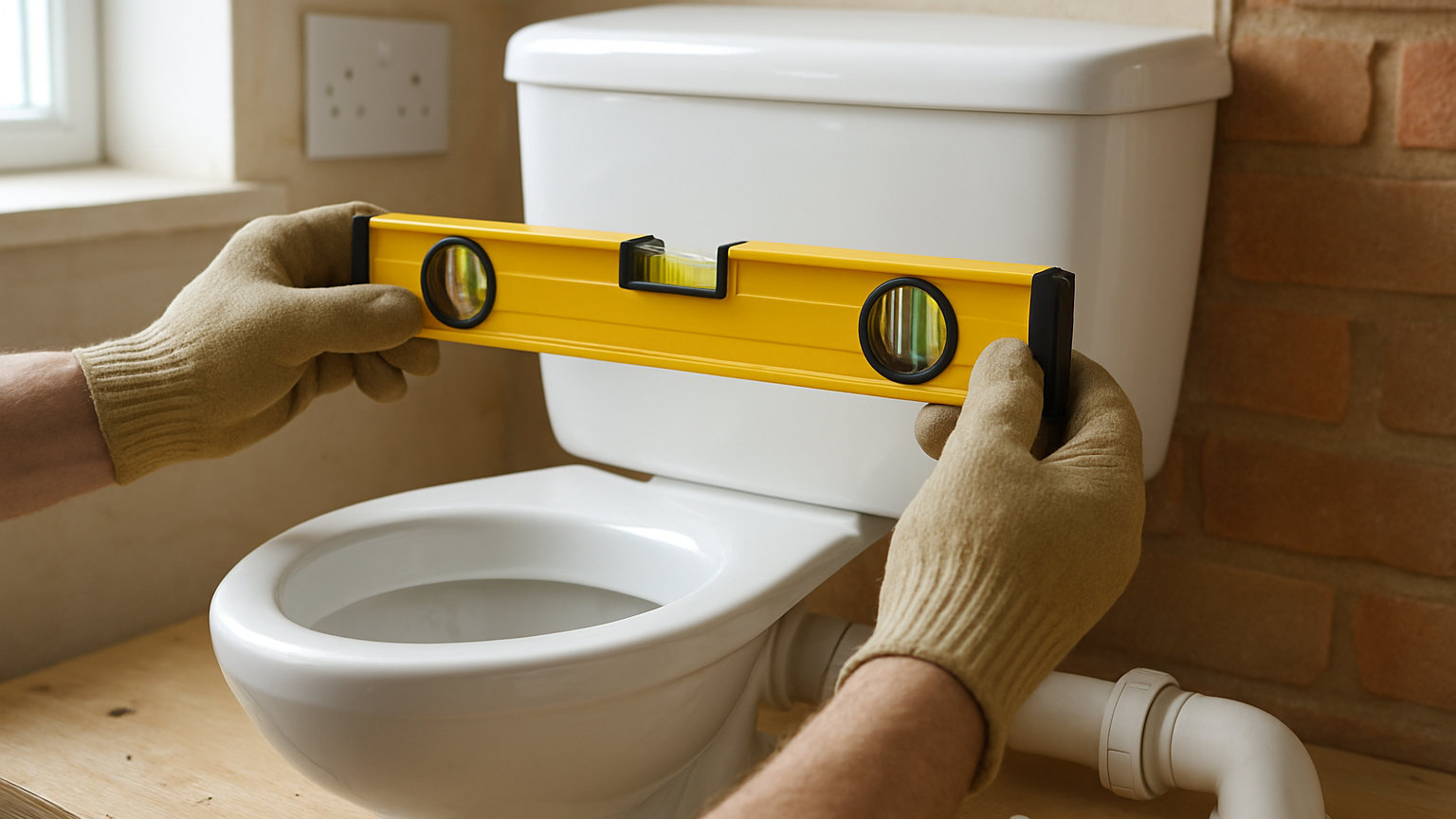
The pan connector does the work and the fixings must not crack the pan. Connecting to the soil pipe, fitting the cistern, and setting the flush.
A tray must be level and fully supported, and the waste has to be reachable. Bedding the tray, setting out the enclosure, and sealing in the right order.
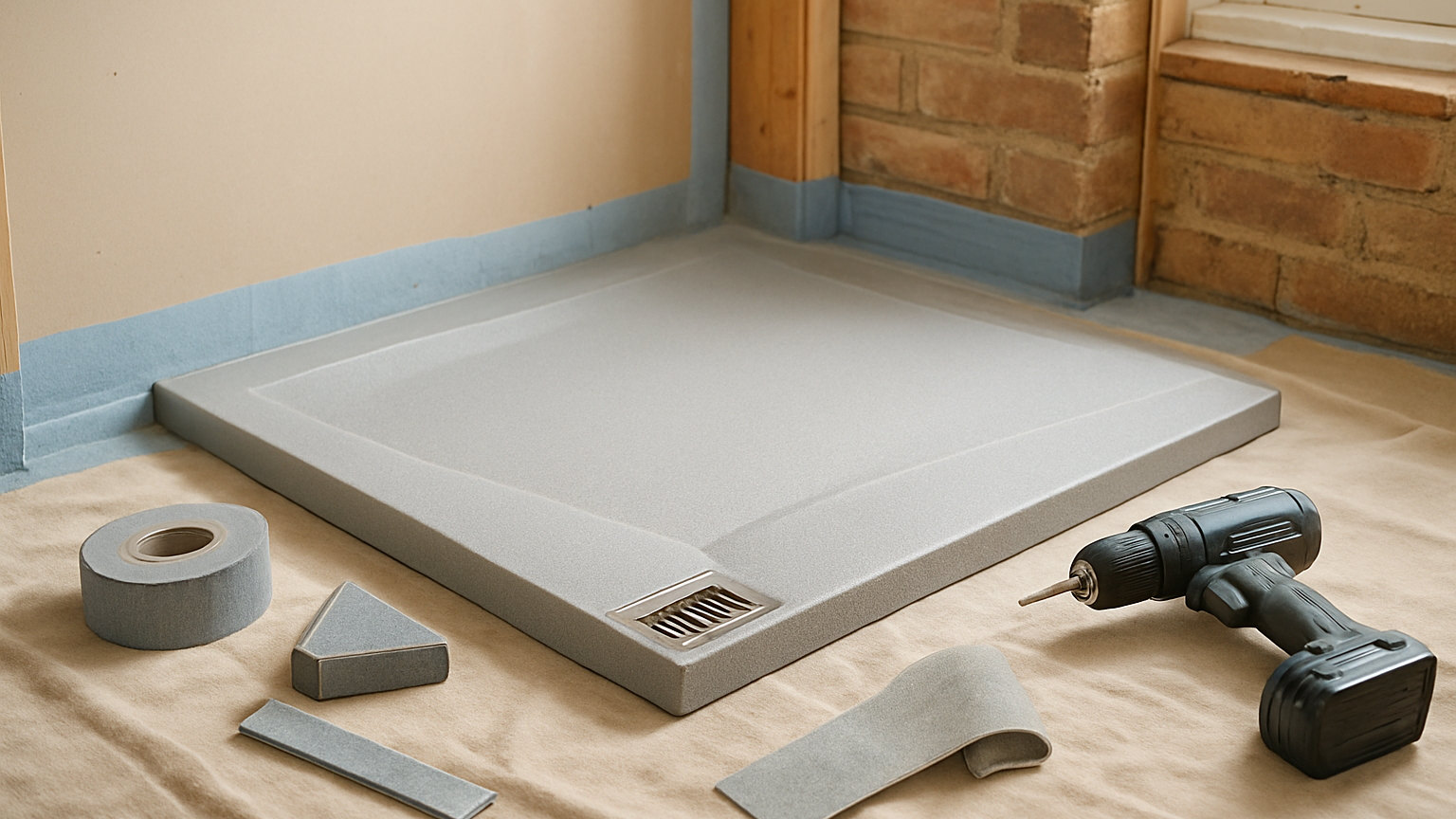
Tiles and grout are not waterproof, which surprises people. What tanking is, where it is essential, and how to apply a system properly.