Hand Tool Safety
Sharp is safer than blunt, held is safer than gripped, and mushroomed steel breaks off at speed. The rules that prevent most injuries.
By DIY Guides Editorial
29 Apr 2026

Saws, chisels, hammers, planes and measuring tools, and where quality genuinely shows.
Sharp is safer than blunt, held is safer than gripped, and mushroomed steel breaks off at speed. The rules that prevent most injuries.
Rust ruins more tools than use does. Keeping edges protected, keeping steel dry, and being able to find what you own.
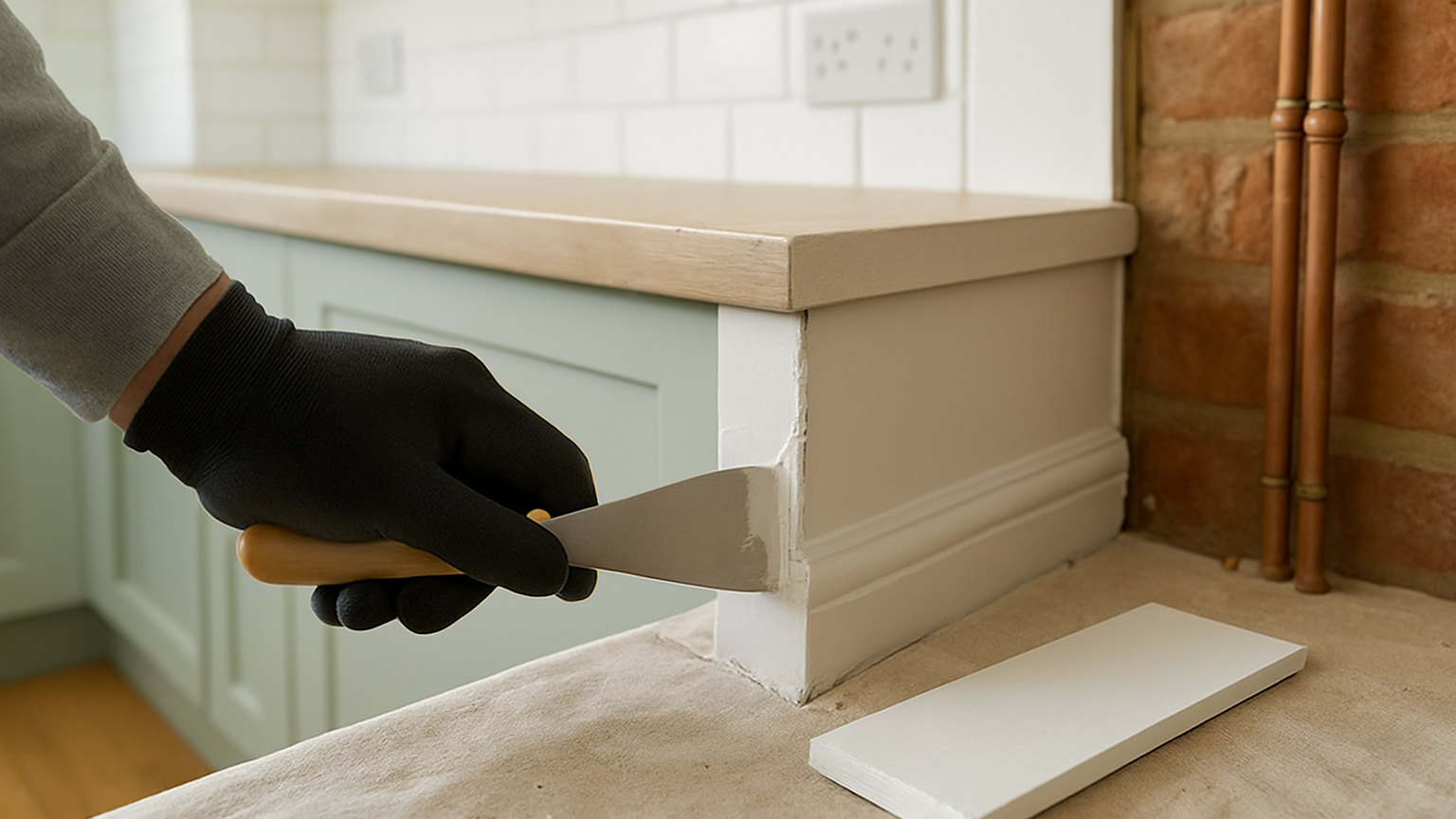
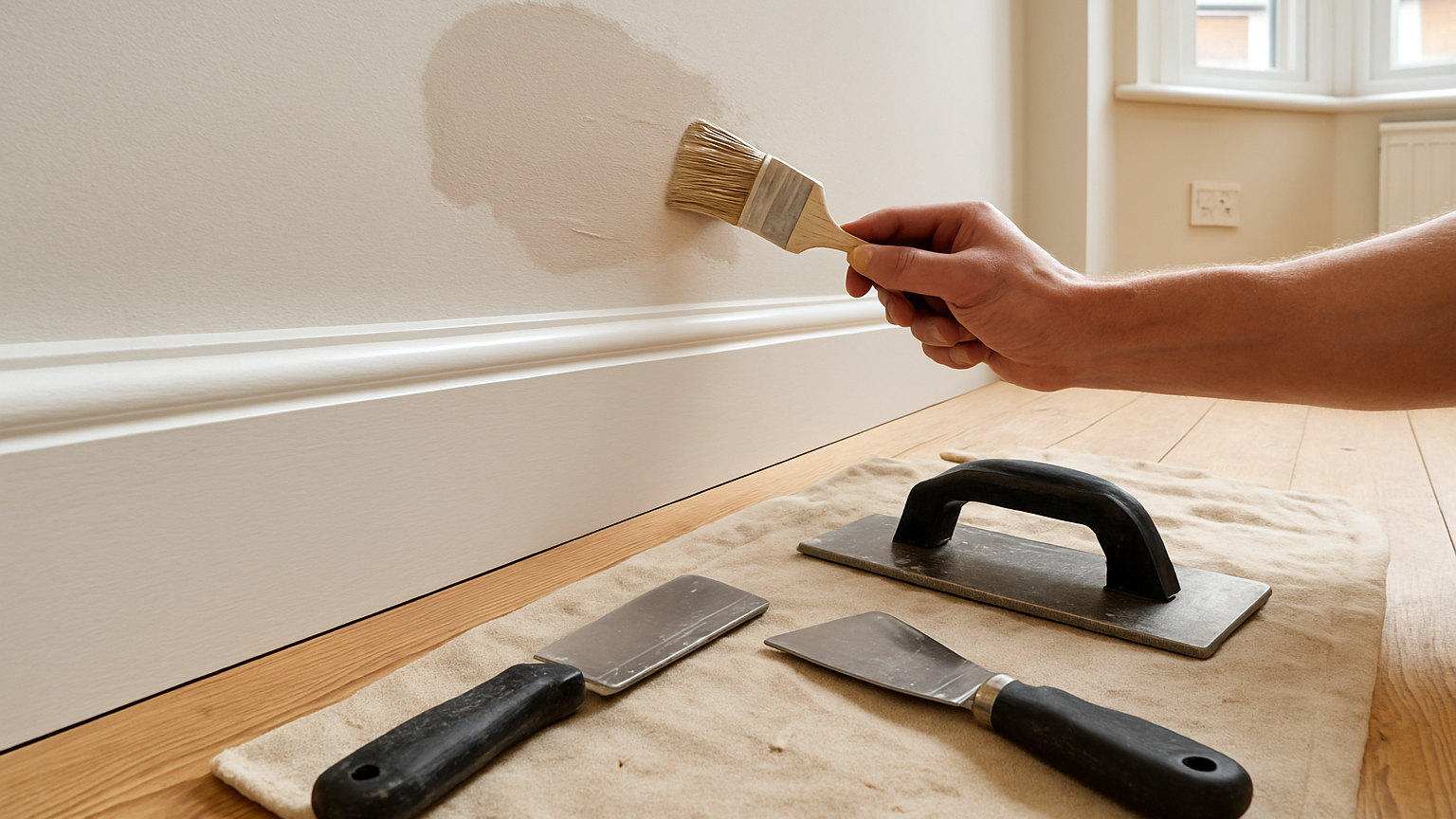
Flexible for filling, rigid for plastering, and a hawk for carrying. The tools that decide whether a repair is invisible.
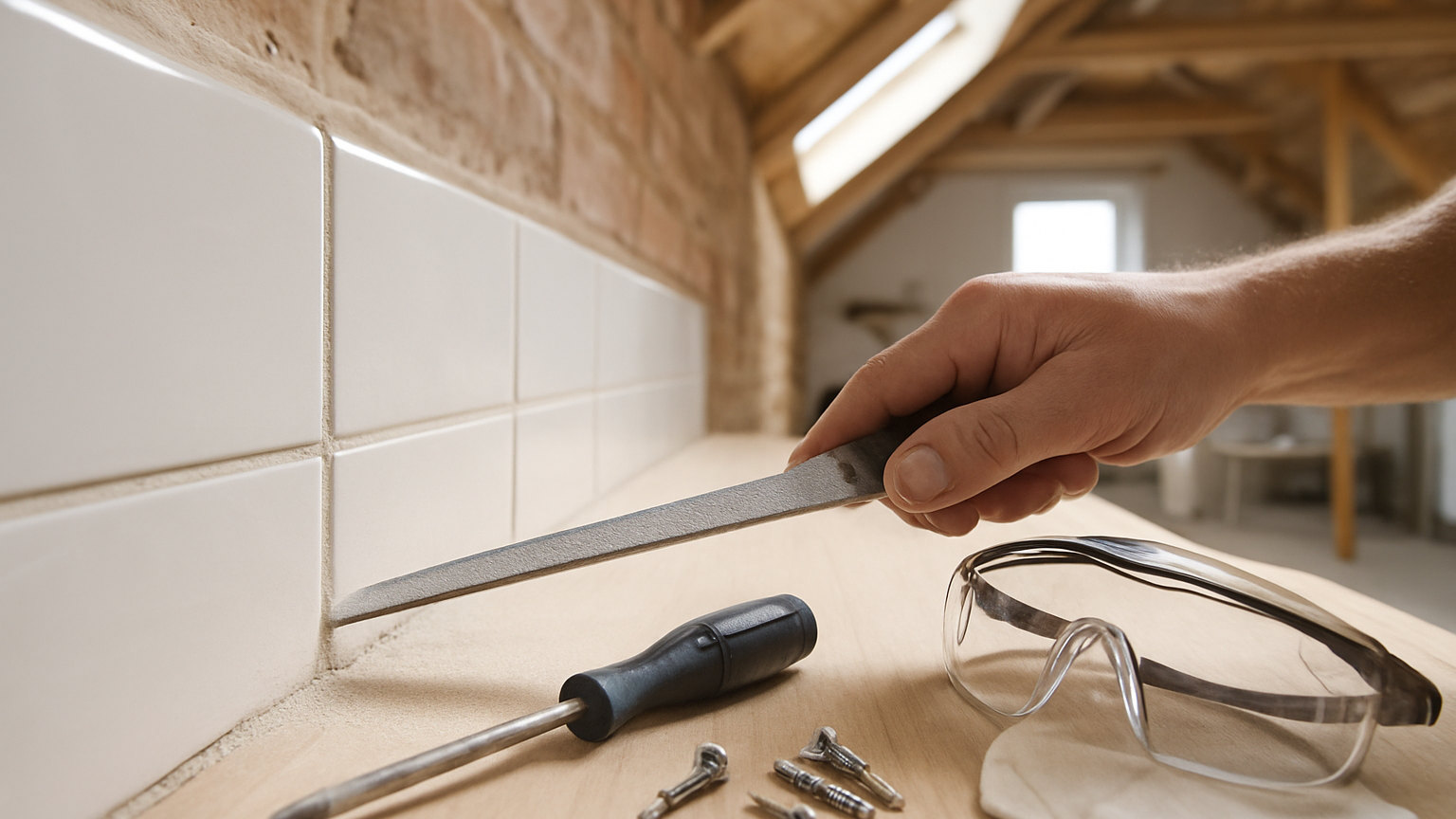
Cuts on the push stroke, and never use a file without a handle. Grades, shapes, and working through grits without skipping.
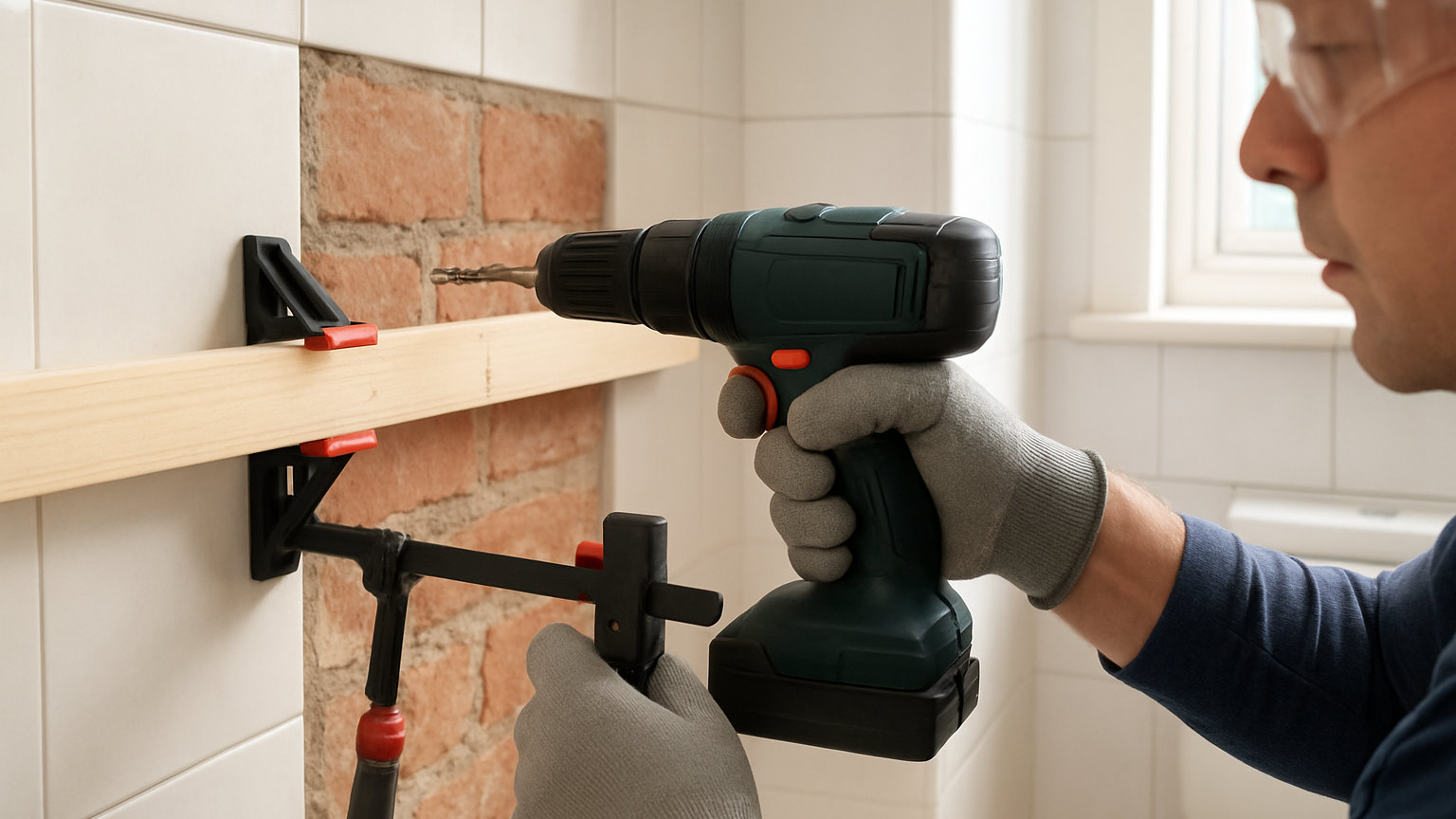
You cannot have too many clamps, and holding the work properly is a safety measure as much as an accuracy one.
A blunt blade needs force and slips, which is why it causes worse injuries than a sharp one. Change blades far more often than feels necessary.
Leverage, a fulcrum and patience. Wrecking bars, bolsters and nail pullers, and taking things apart without wrecking what stays.
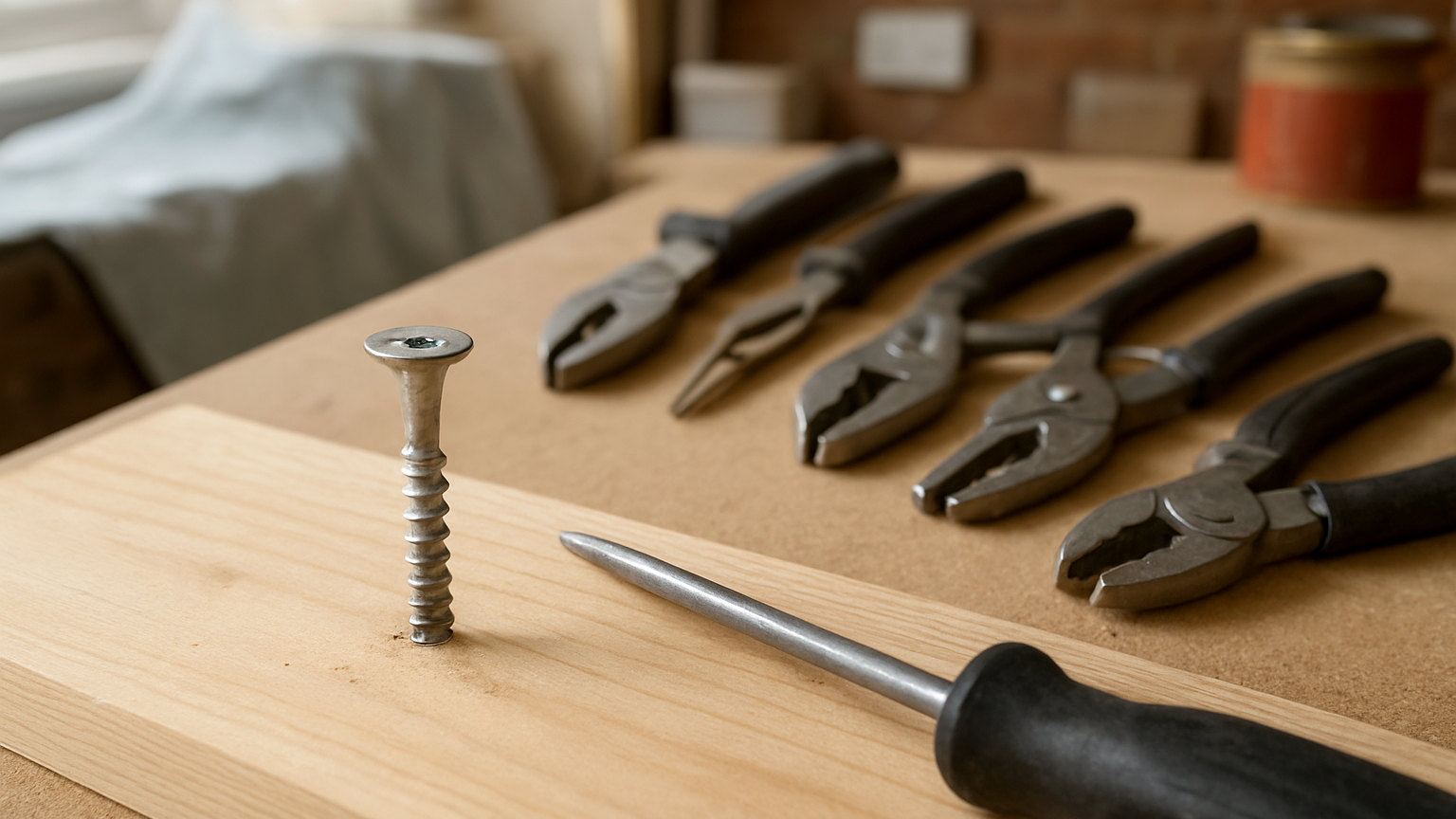
Combination, long nose, water pump and locking grips, and what each is actually for. Plus why pliers are not a spanner.
Six-point sockets grip better than twelve, and the right size beats the nearly right size every time. Drive sizes and torque.
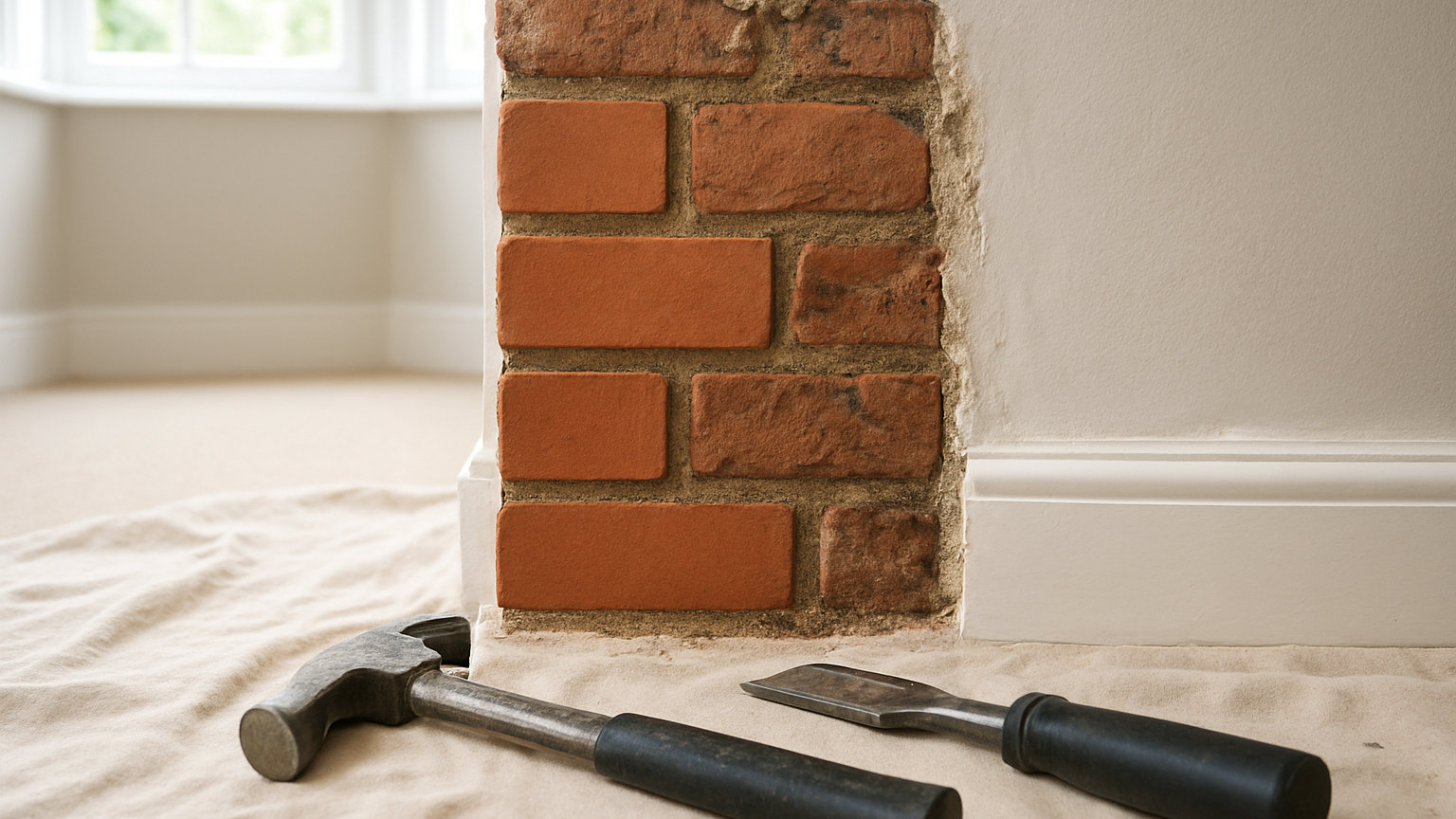
Bevel down to remove waste, bevel up to pare. Both hands behind the edge, and a sharp chisel is the safe one.
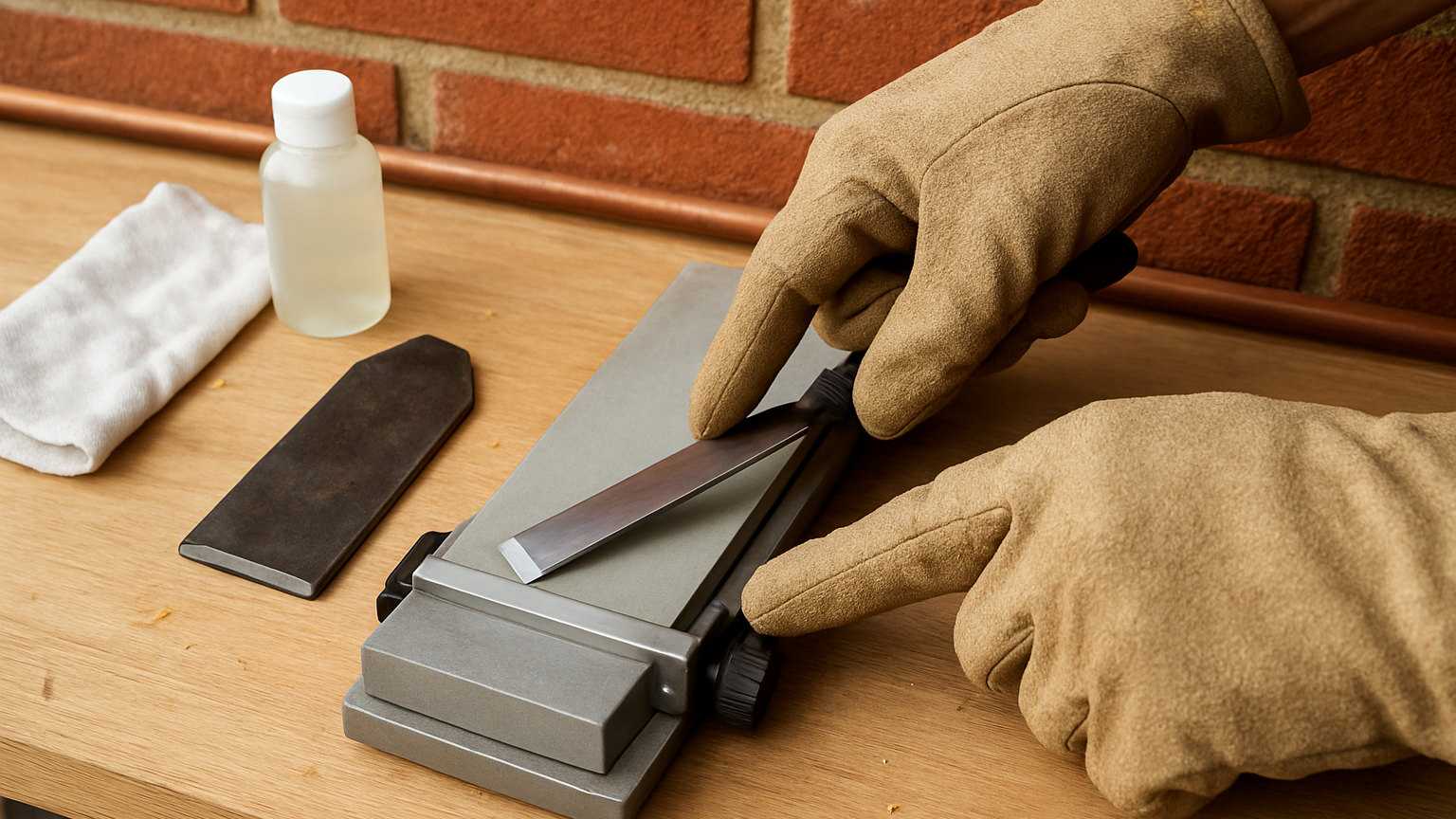
Flatten the back once, then hone the bevel often. Twenty-five and thirty degrees, a honing guide, and the test that tells you it is sharp.
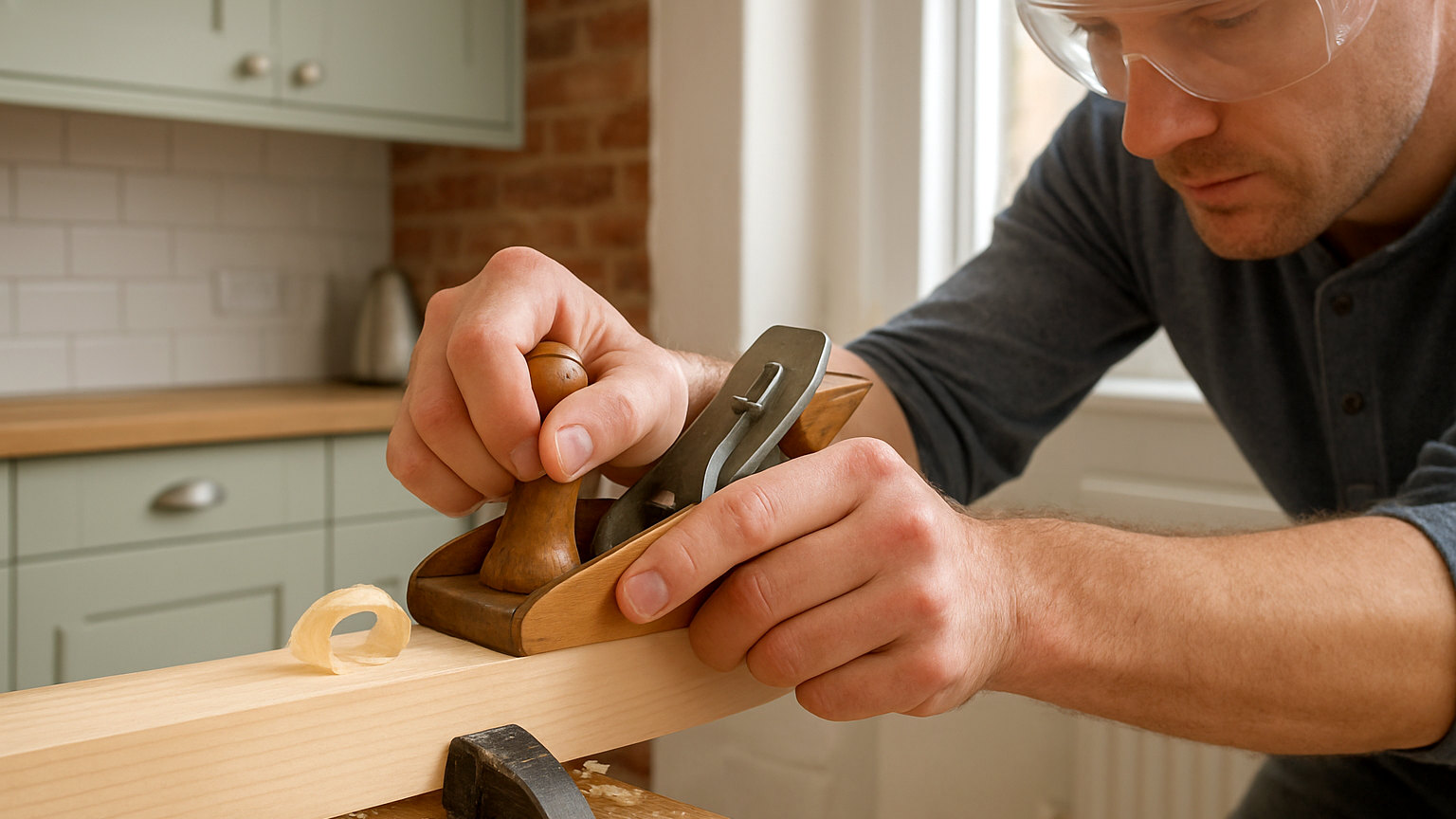
A plane is a chisel held at a fixed depth. Setting the iron, reading the shaving, and which plane actually earns its place.