Decking Over an Existing Patio
A sound patio makes a good base and a cheap shortcut ruins a deck. Where this works, where it does not, and how to keep air moving underneath.
By DIY Guides Editorial
13 Aug 2026

Groundwork, joists, spacing and fixings, timber versus composite, and keeping it non-slip.
A sound patio makes a good base and a cheap shortcut ruins a deck. Where this works, where it does not, and how to keep air moving underneath.
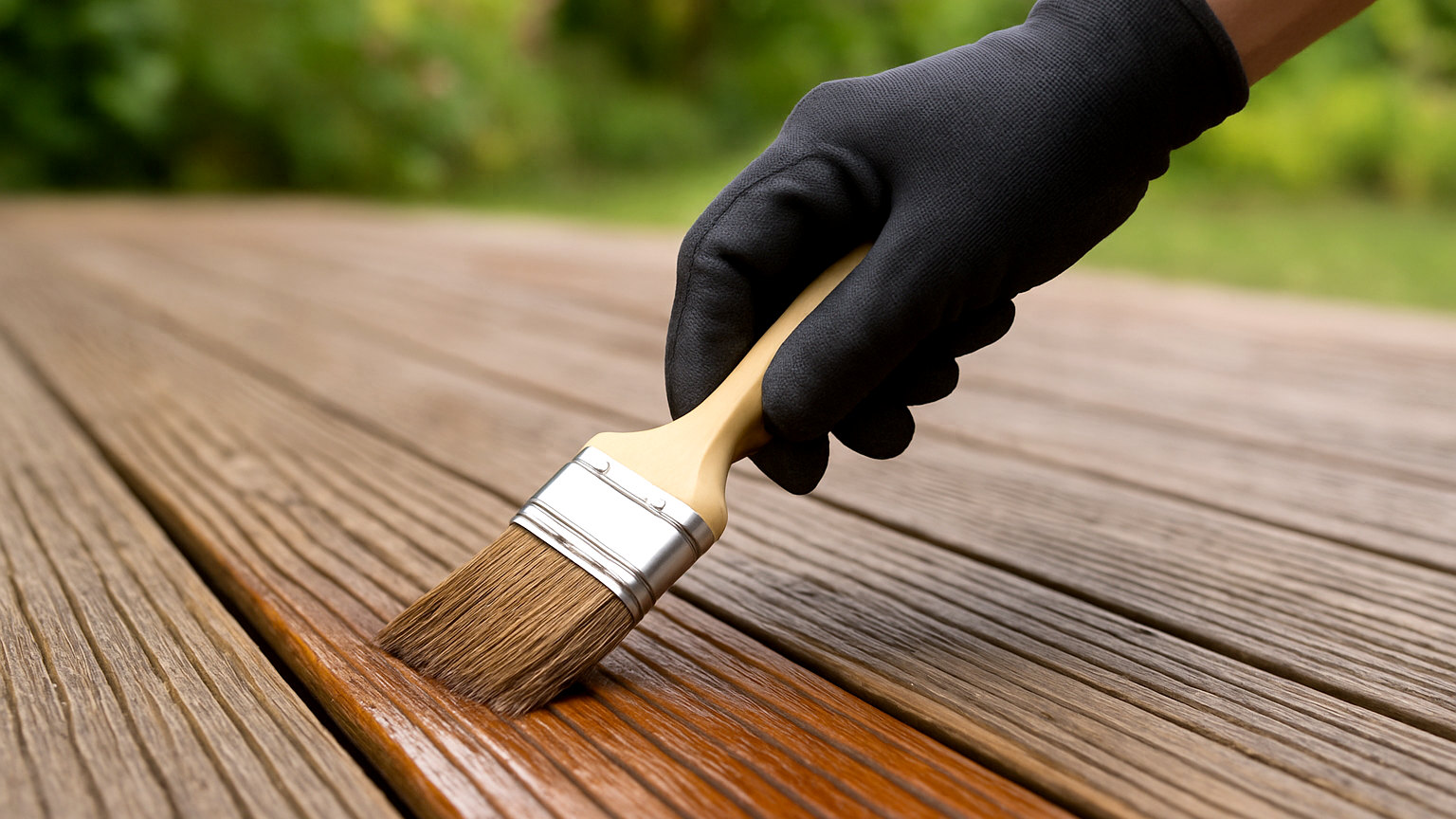
Oil, stain and paint behave completely differently on decking, and one of them commits you to stripping it later. Choosing and applying properly.
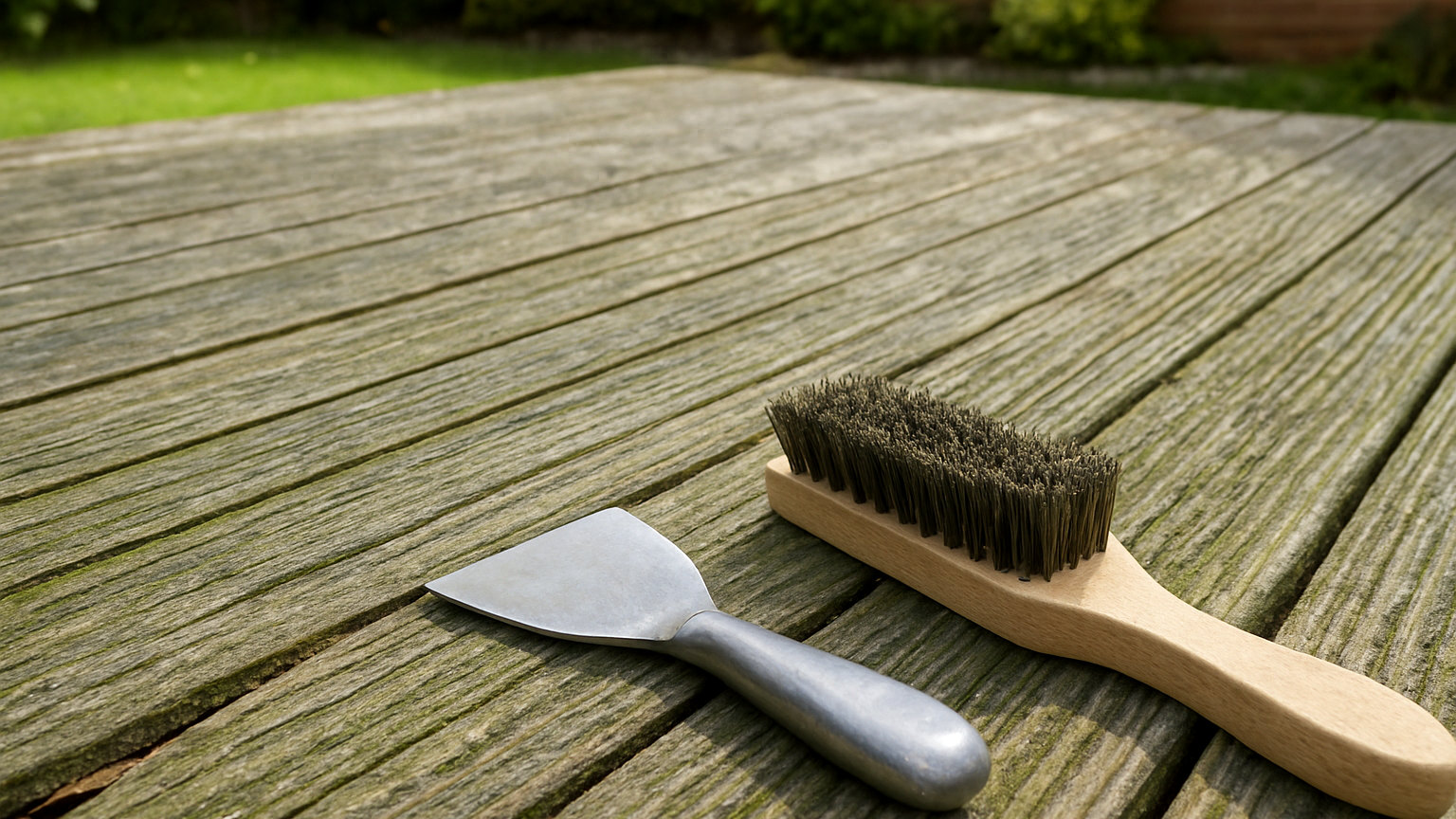
Grey, furry and green does not mean finished. How to tell what is salvageable, and the order of work that brings a tired deck back.
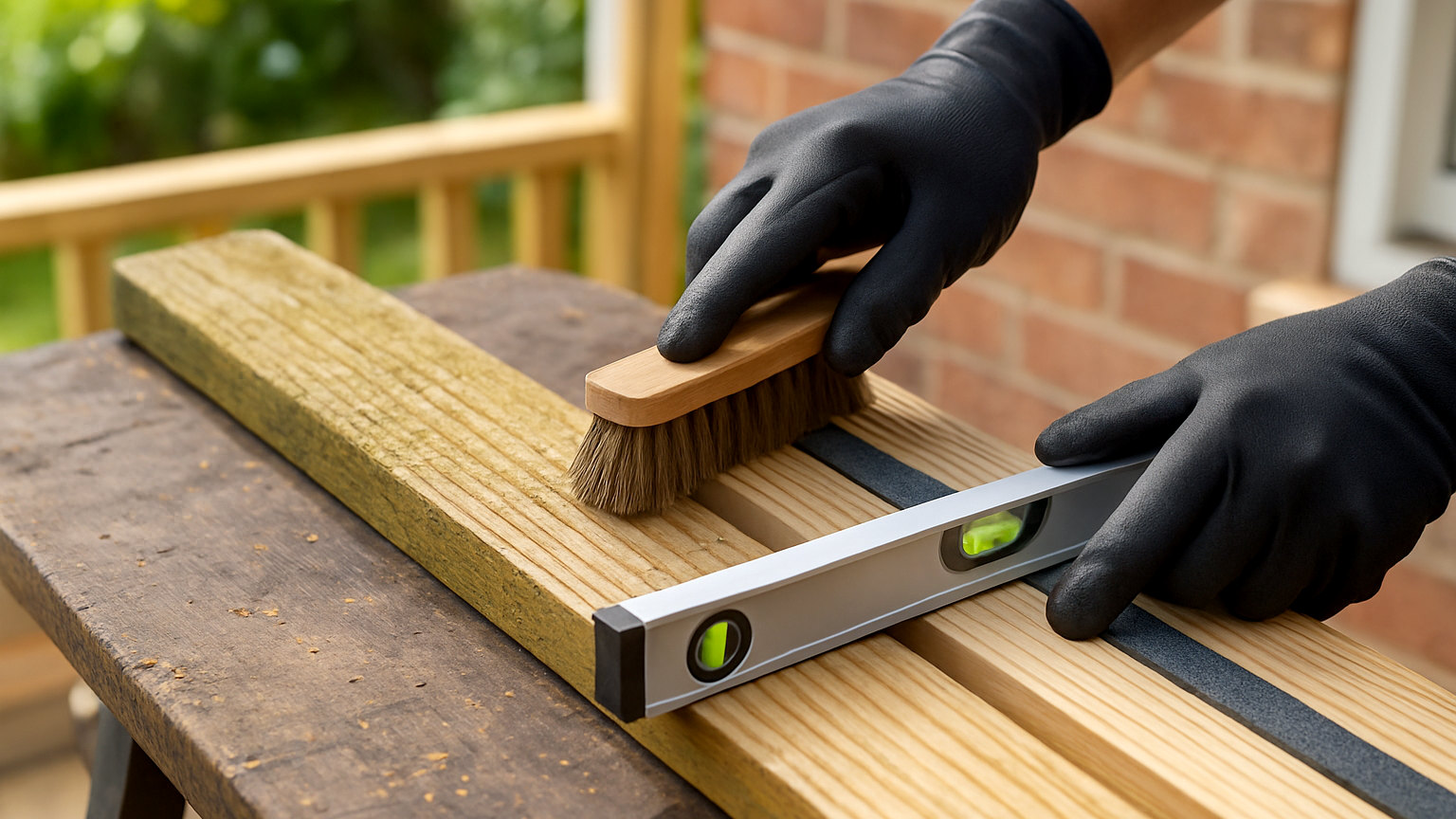
Algae is the cause, not the timber. What actually removes it, what stops it coming back, and where anti-slip strips genuinely earn their place.
Steps are where people fall, and the rules on rise, going and guarding exist for a reason. Setting out stringers and building a rail that holds.
The grooved side is not the anti-slip side, and it never was. What the ridges are actually for and which way round most people should lay them.
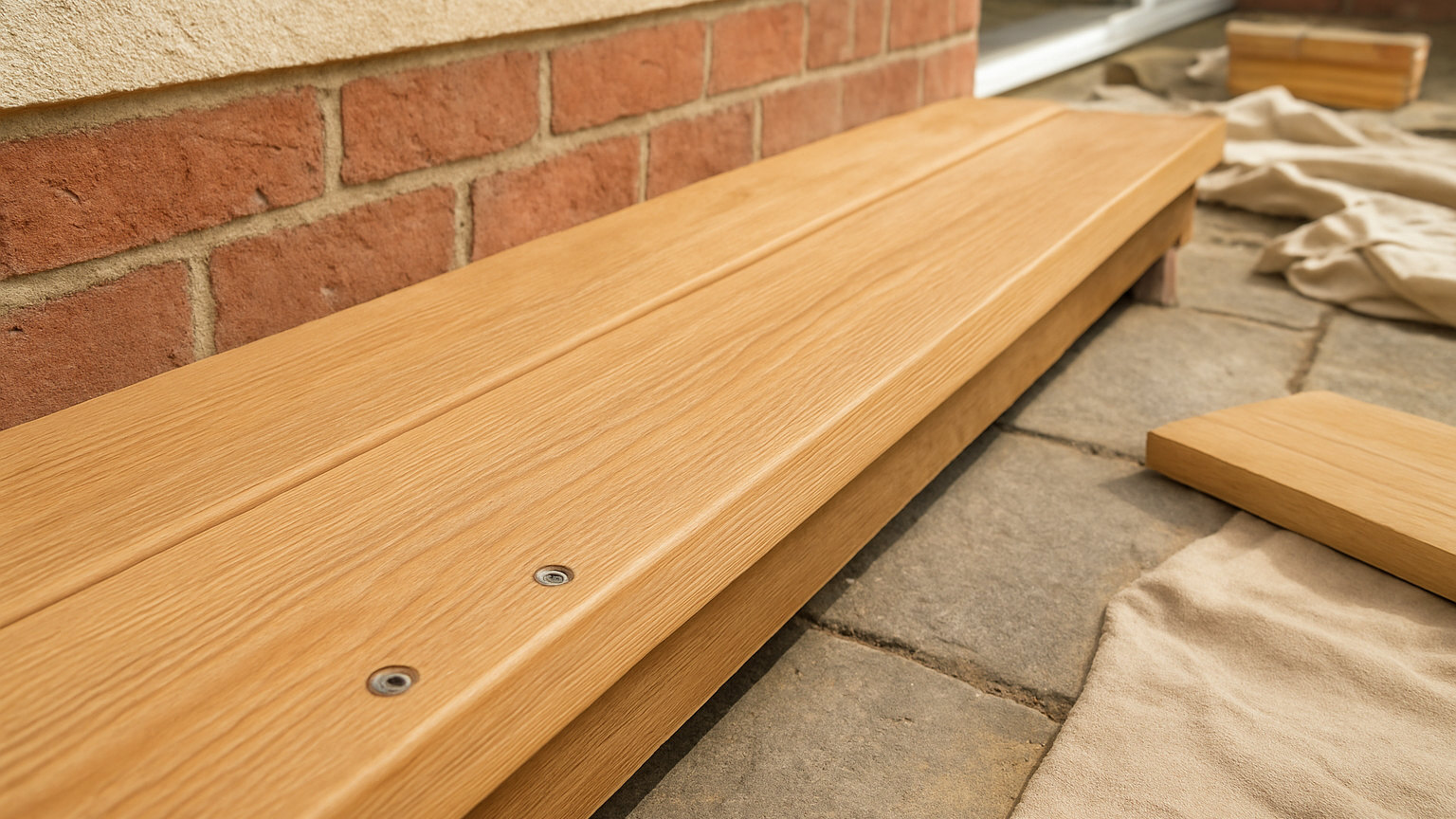
Start from the house and work out, keep the first board dead straight, and leave the gaps the manufacturer asks for. The method, step by step.
Plain steel corrodes within a couple of seasons in treated timber. Which fixings survive, and whether hidden clips are worth the money.
400mm for timber, often 300mm for composite, and less again on a diagonal. Why spacing and span are two different questions.
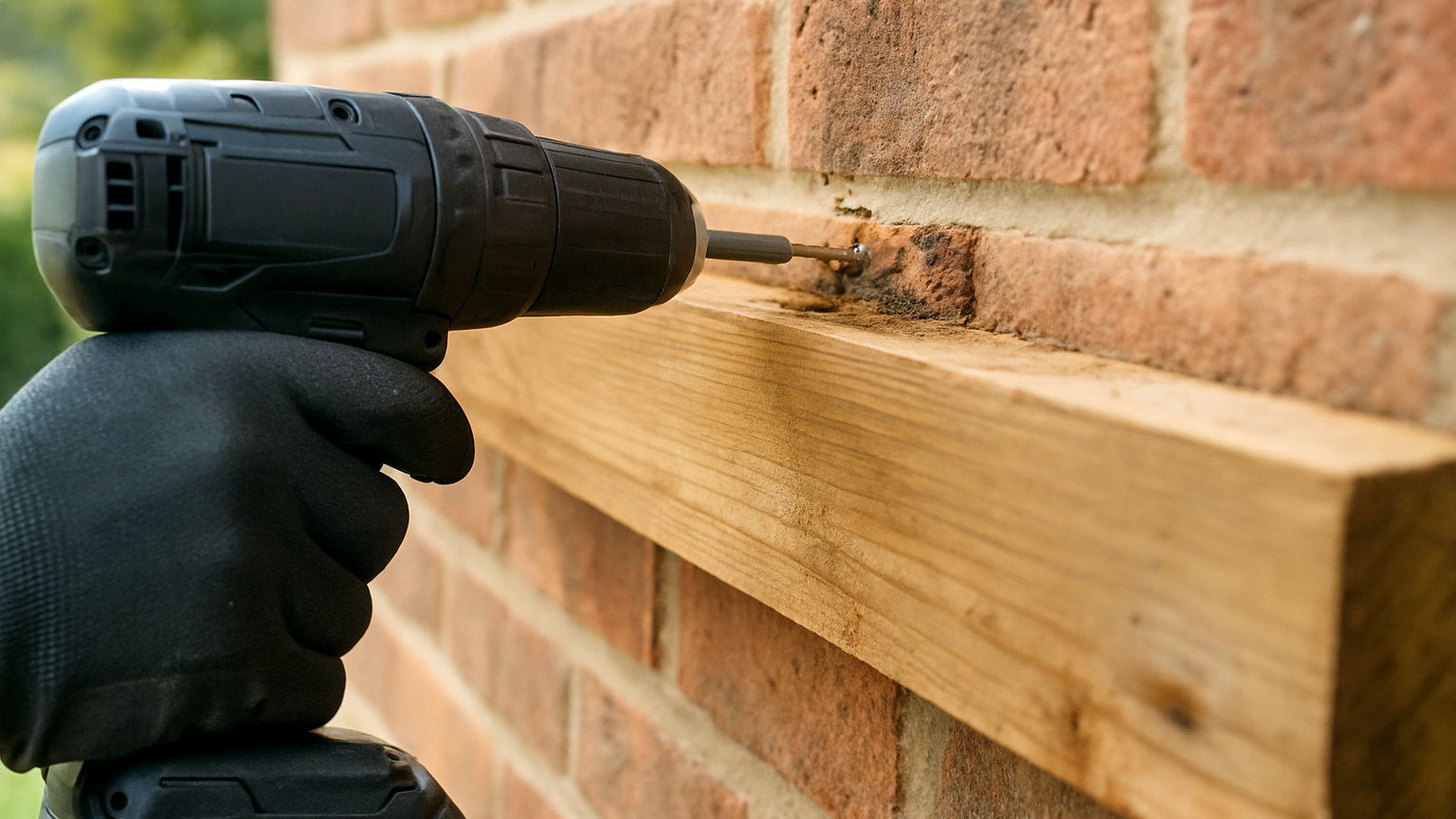
The frame is the deck. How to support it, how to fix it to the house safely, and the detailing that decides whether it rots in eight years or thirty.
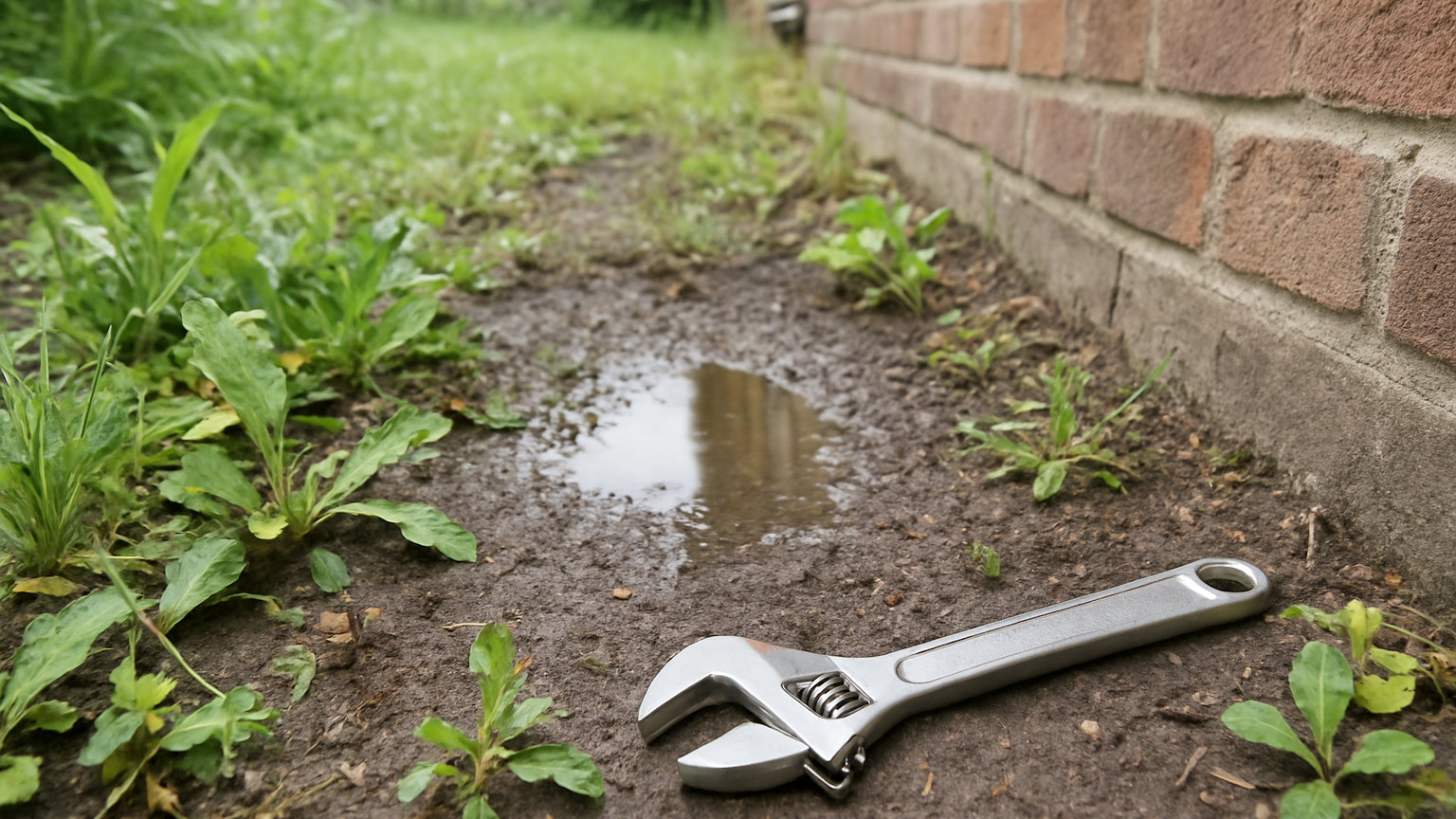
Weeds, damp air and standing water are what kill a deck frame. What to do with the ground before any timber goes near it.
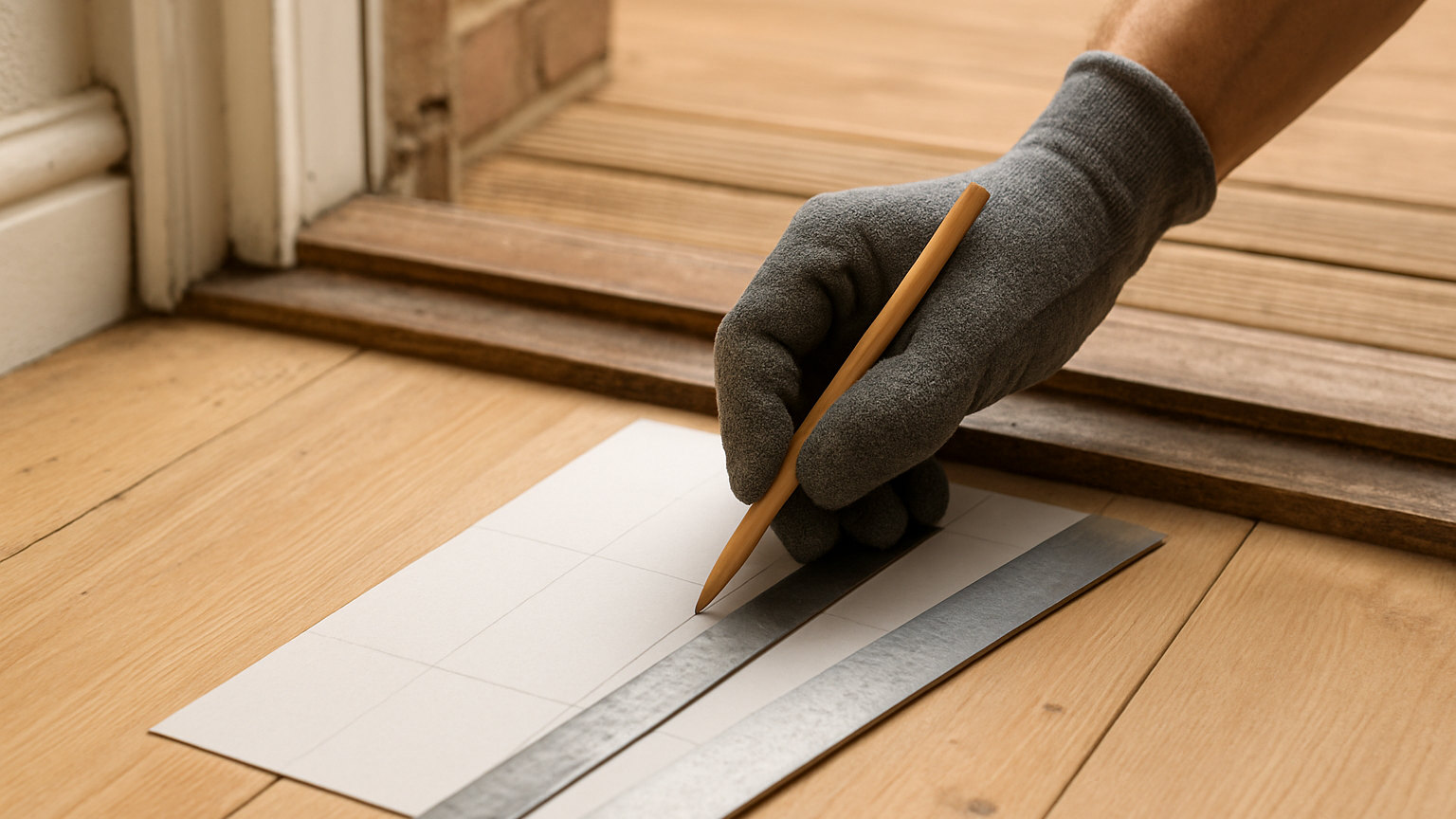
Board direction, door thresholds and drainage all have to be settled before the first post hole. Getting the layout right on paper first.