Tiling Over Existing Tiles
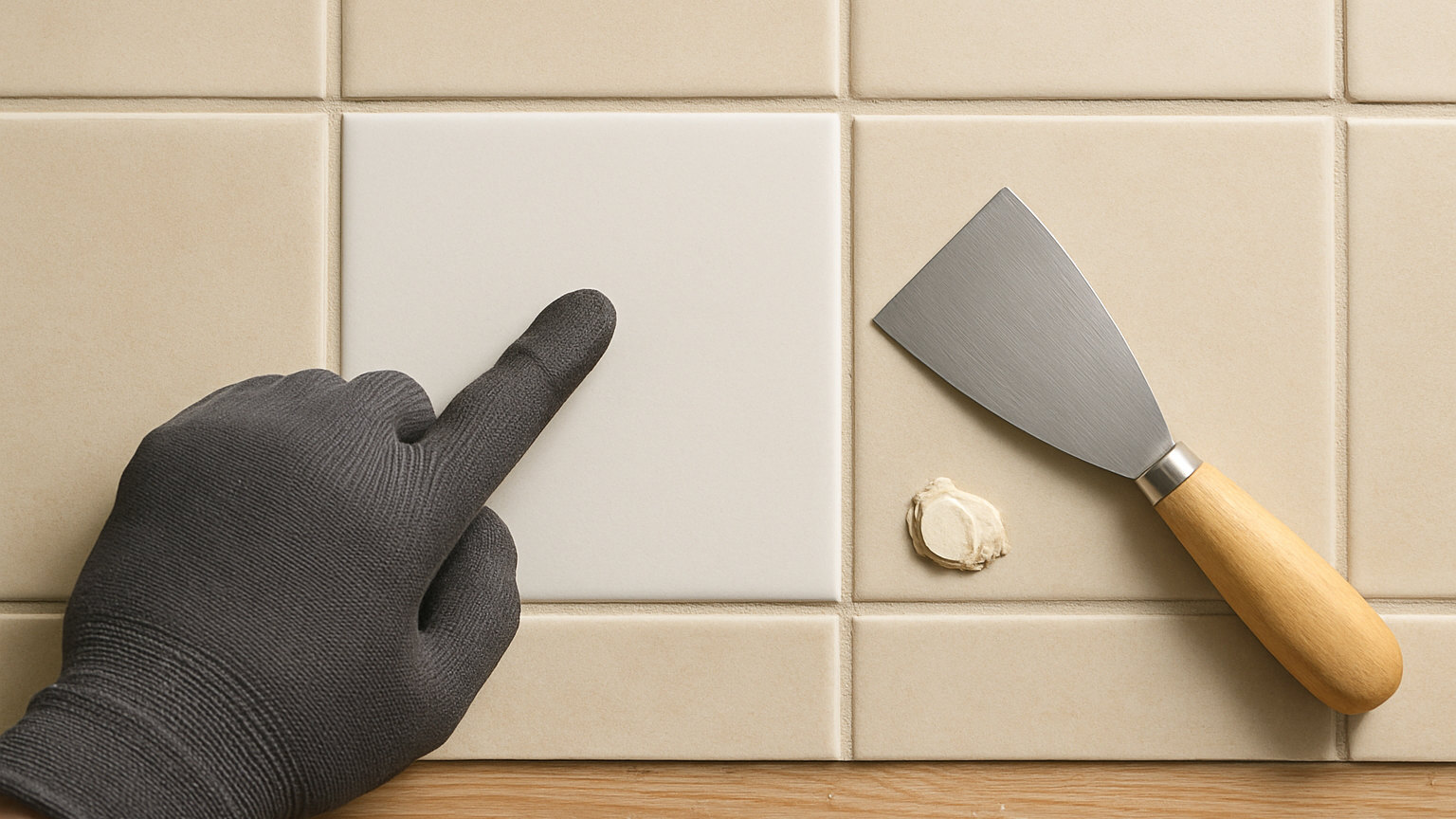
Possible if the existing tiles are genuinely sound, and it adds weight and thickness. How to test adhesion, key the glaze, and when to strip instead.
By DIY Guides Editorial
16 Feb 2026

Setting out, adhesive and grout, cutting, and tiling a wall or floor that is not square.
Possible if the existing tiles are genuinely sound, and it adds weight and thickness. How to test adhesion, key the glaze, and when to strip instead.
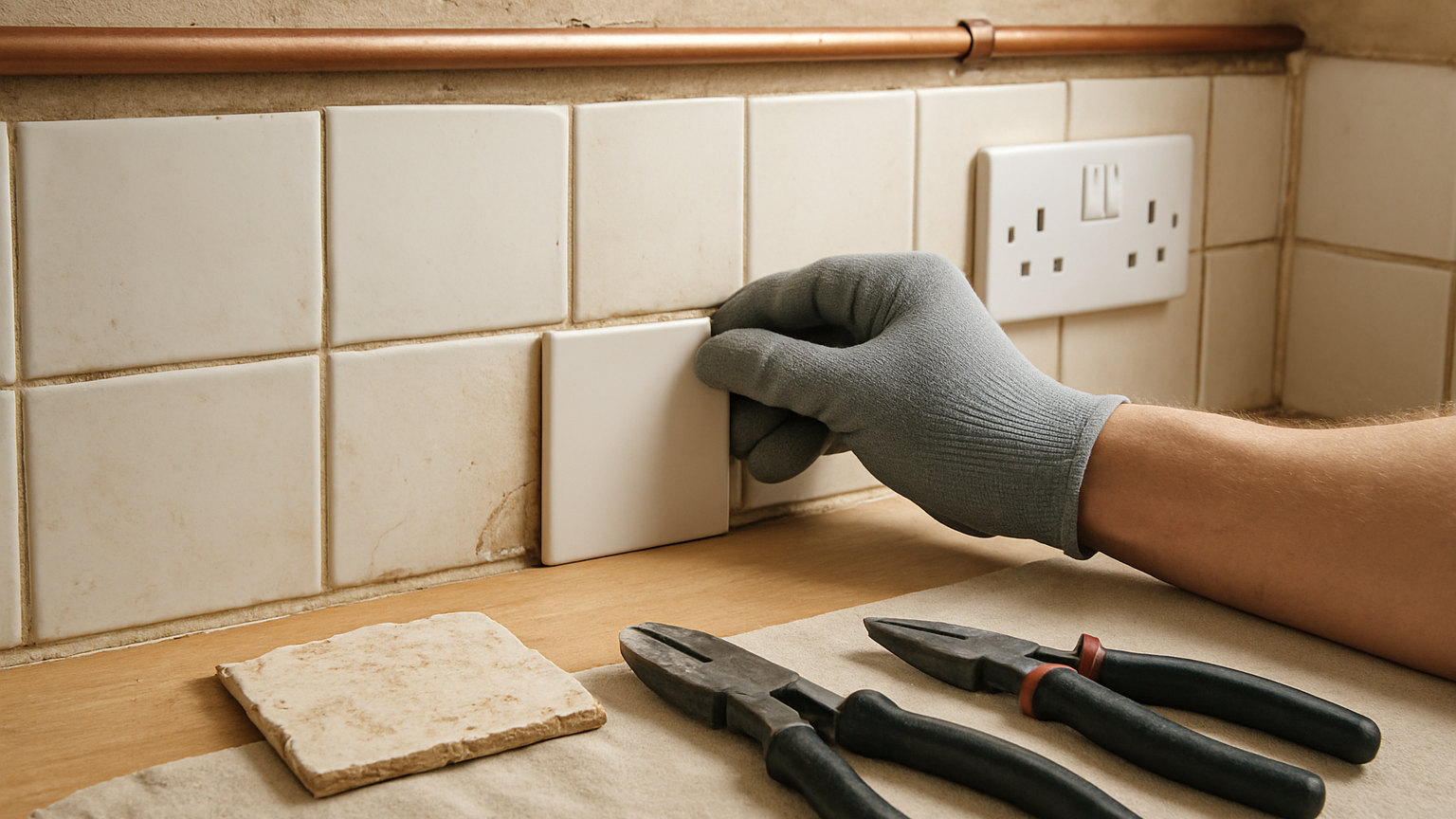
Rake the grout out first, break the tile from the centre, and clear the bed back to the substrate. Replacing one tile without cracking its neighbours.
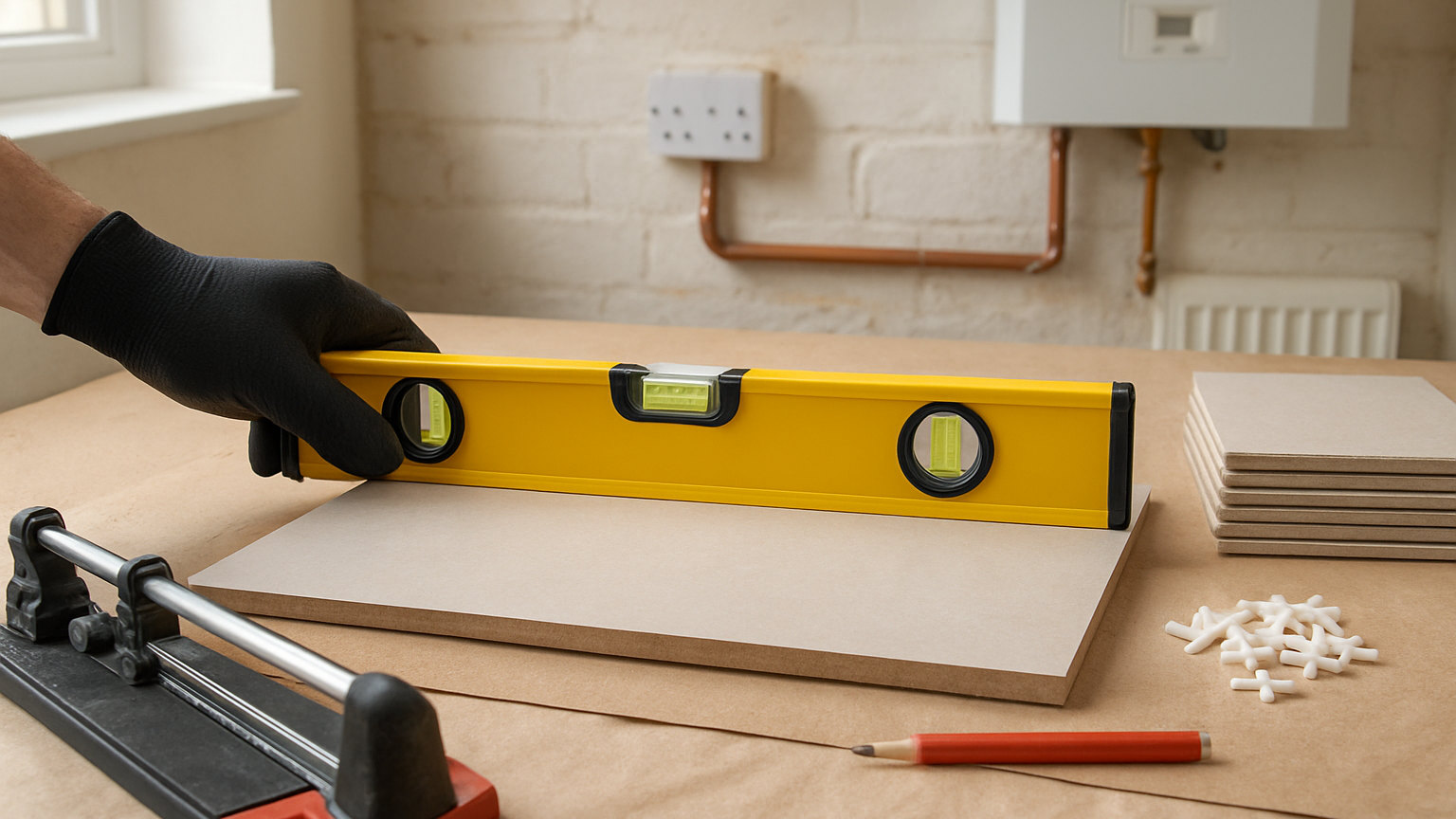
The kit list, what each tool actually does, and the errors that account for most failures. Worth reading before the first tile goes on.
Deflection cracks tiles, so the substrate comes first. Overboarding, setting out from the centre, solid bed fixing and working yourself out of the room.
A small job with tight tolerances, since everything is at eye level. Setting out to the worktop, working around sockets, and finishing the edges.
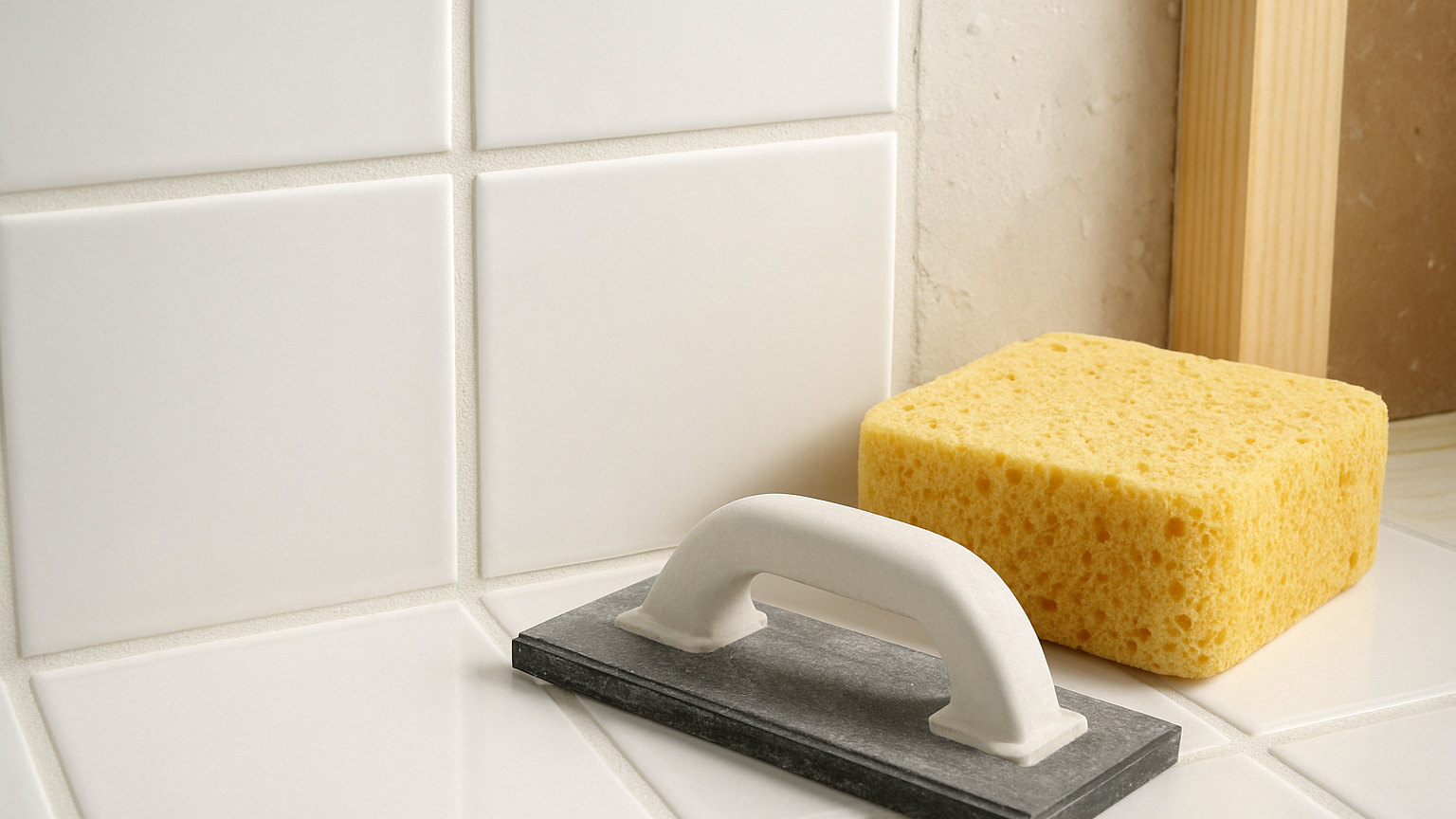
Worked in diagonally, shaped with a finger or a tool, then polished off before the haze sets. Timing is everything with grout.
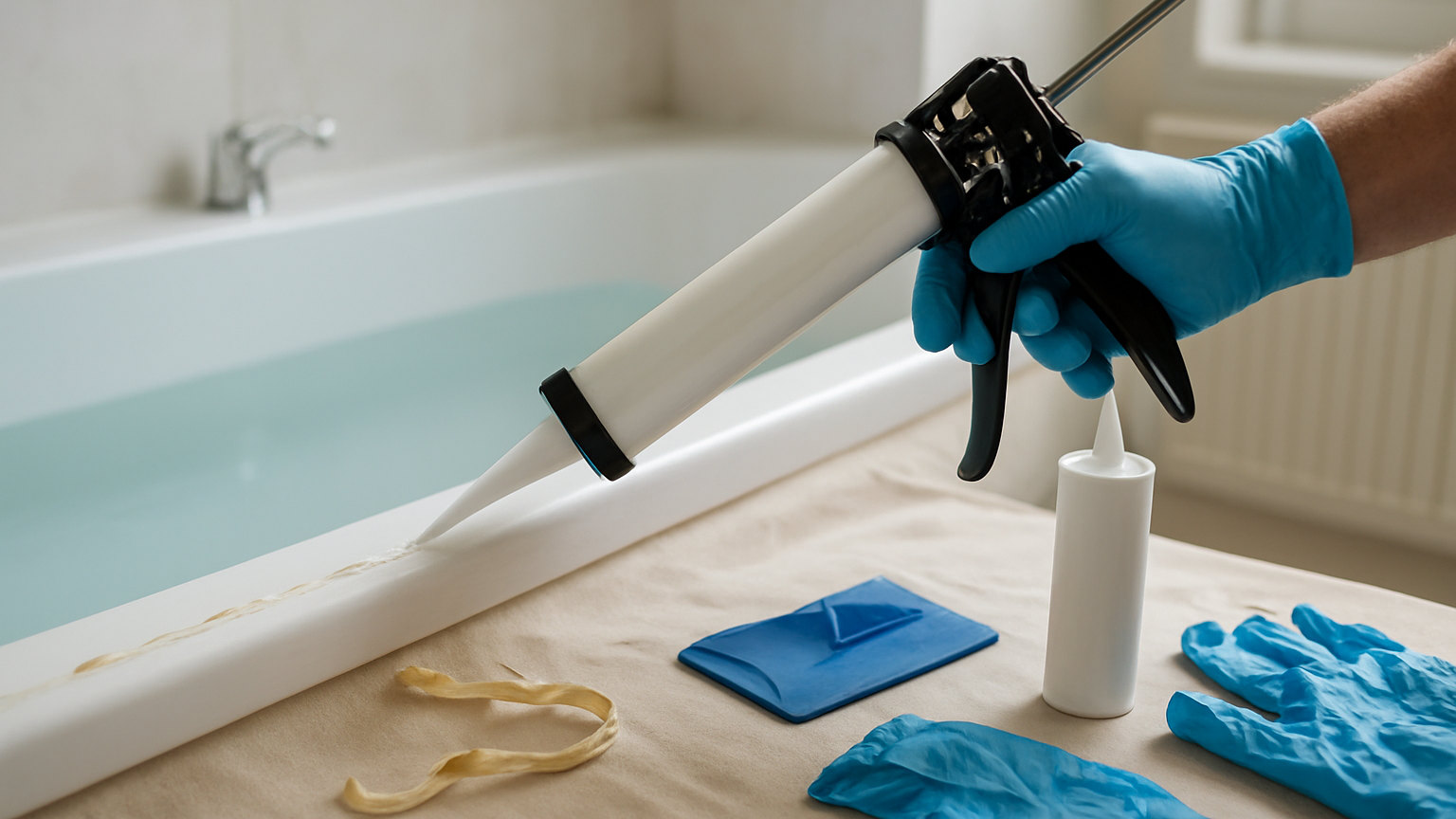
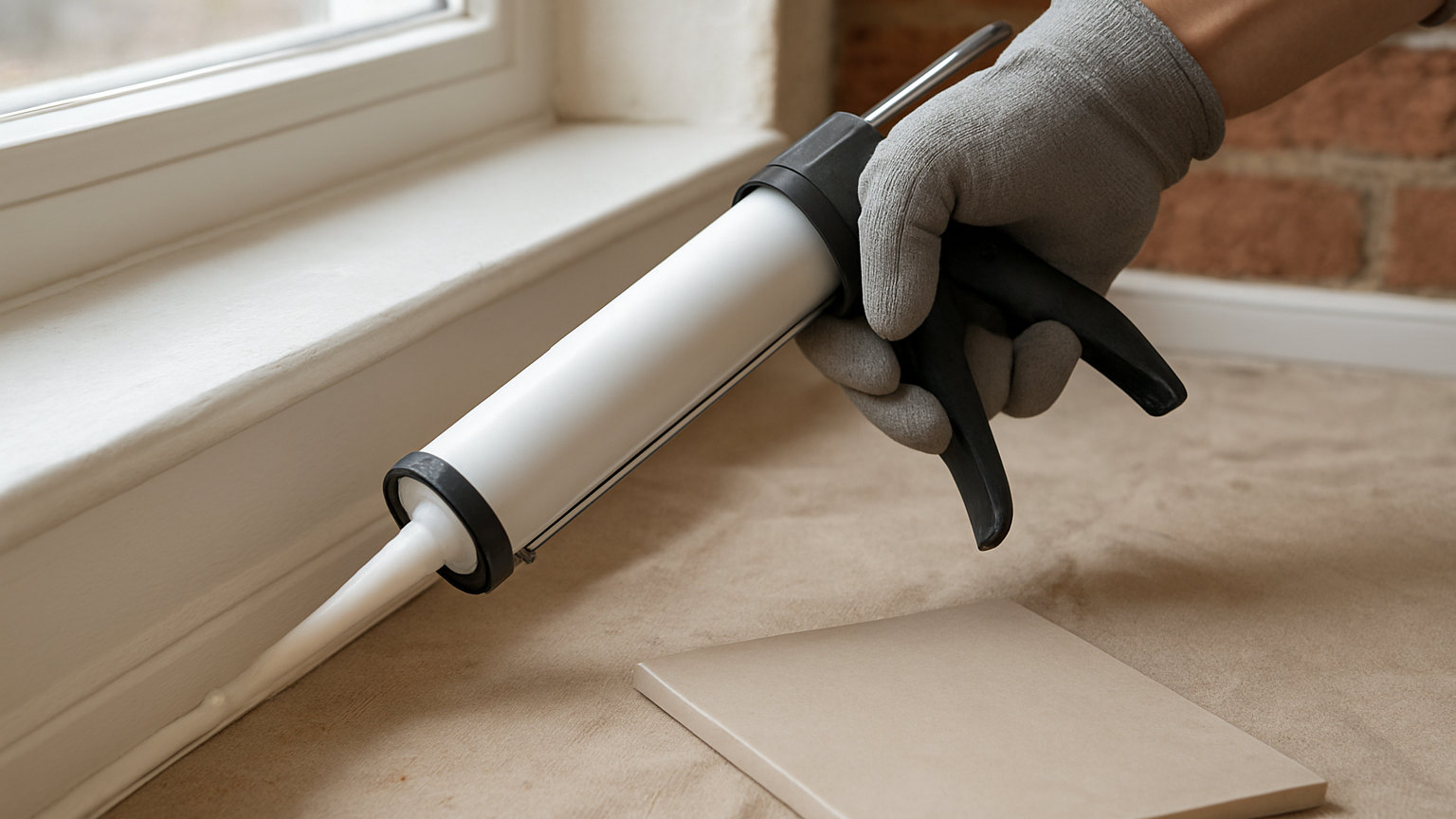
Fill the bath with water before you seal it, so the joint is at its widest. Removing the old bead, applying a clean line, and tooling it off.
A manual cutter will not snap porcelain. Which cutter for which tile, scoring and snapping cleanly, and getting a straight edge every time.
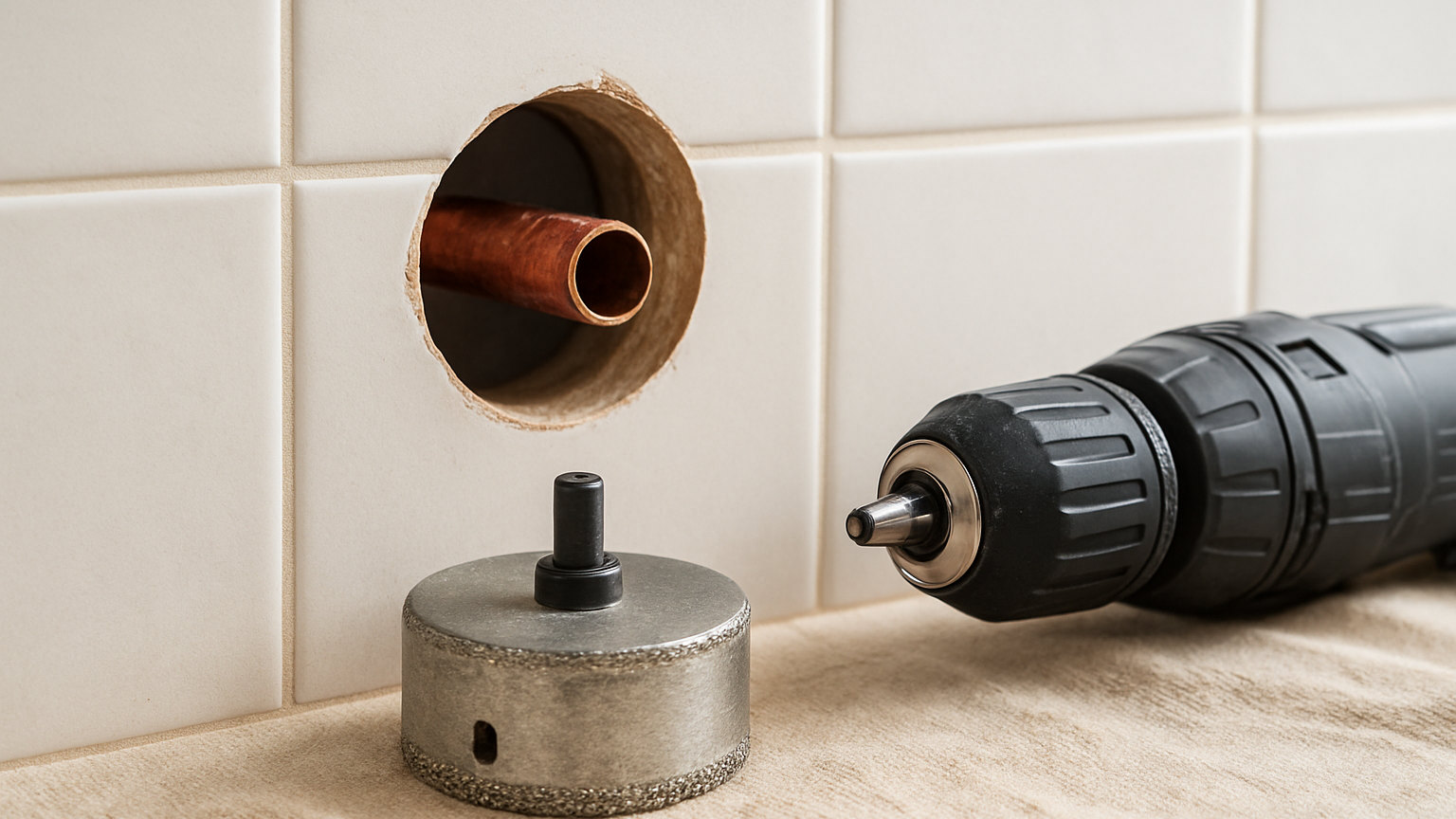
Diamond hole cutters go through porcelain where a masonry bit will not. Marking accurately for pipes, and the two-tile method for a large hole.
Trim is bedded into the adhesive as you tile, not added afterwards. The profiles available, mitring corners, and the alternative of a mitred tile edge.
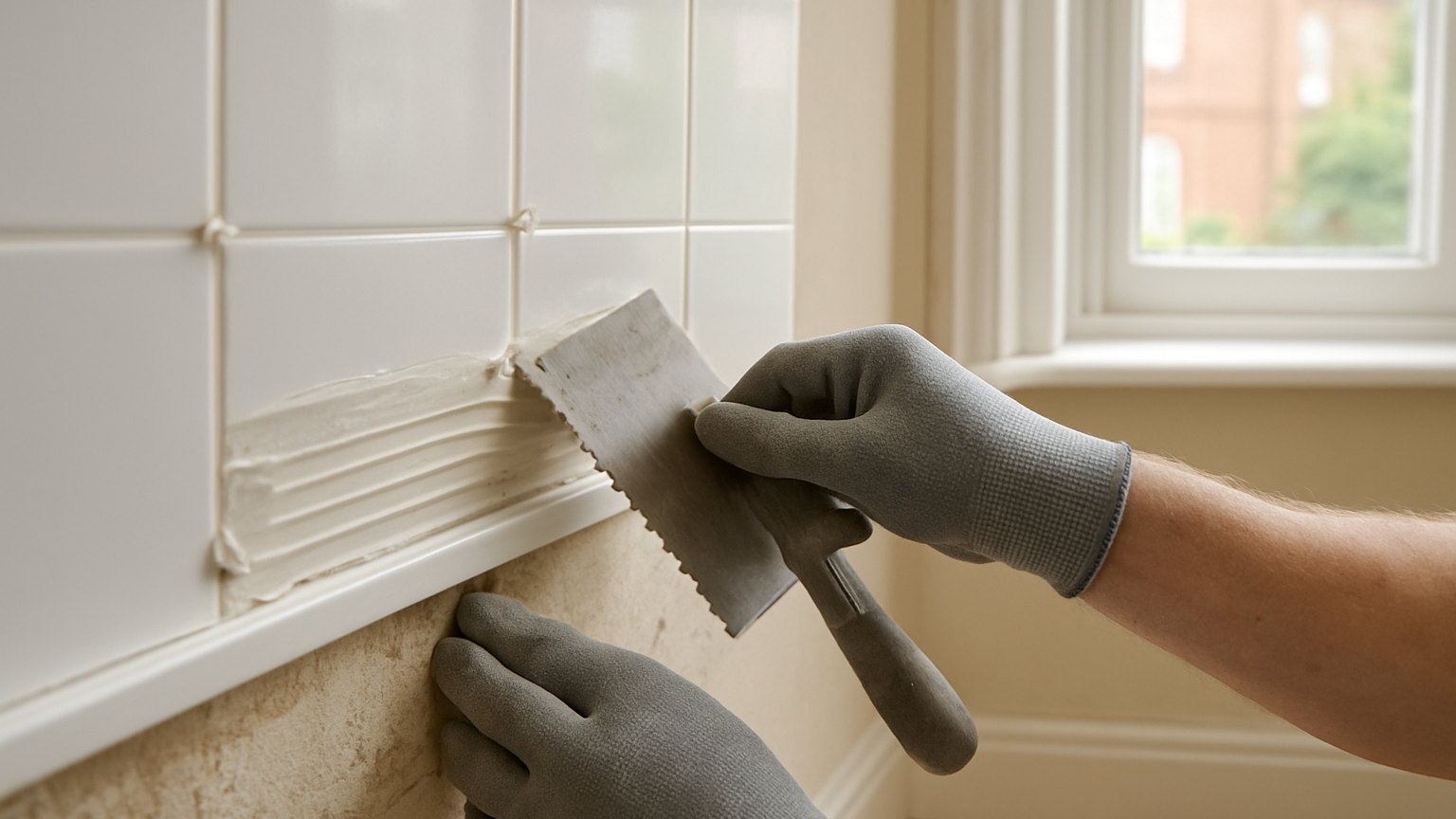
Ready-mixed is only for dry walls; anything wet, heavy or on timber needs powdered cement-based. Trowel sizes, coverage and flexible grades.
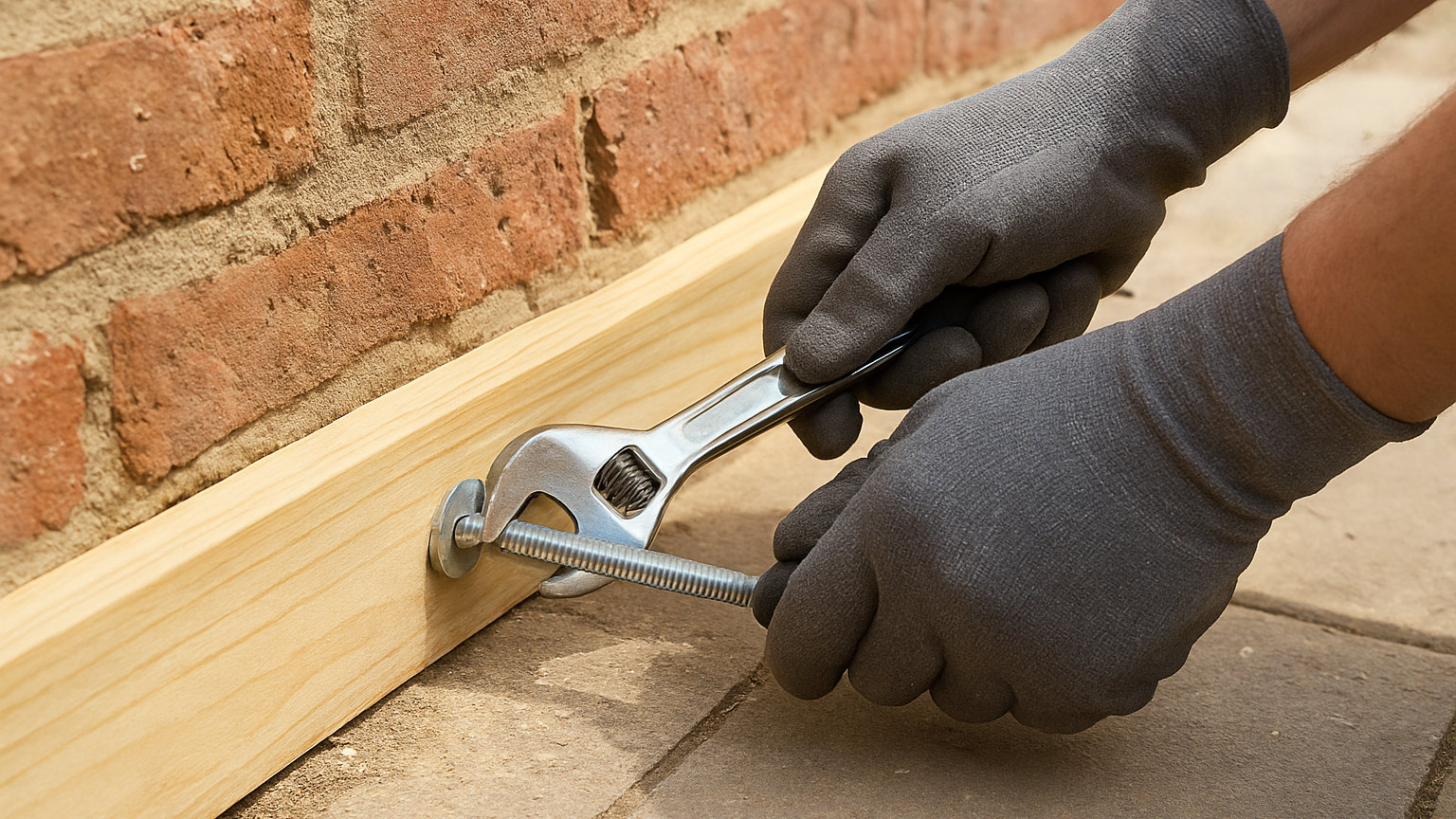
Batten fixed, adhesive combed, tiles pressed home with a twist. The full sequence from the first tile to removing the batten and cutting the bottom row.