Building a Curved Garden Wall
Curves are stronger than straight walls and harder to set out. Striking the radius, choosing a bond and keeping the joints even.
By DIY Guides Editorial
19 Aug 2026

Outdoor work is more forgiving than indoor work in some ways and much less forgiving in others - the weather sets the timetable, the ground is never level, and anything you build has to survive a British winter. These guides cover the projects most people take on themselves, with honest notes on groundwork, drainage and the boundary rules that cause more neighbour disputes than anything else in DIY.
Curves are stronger than straight walls and harder to set out. Striking the radius, choosing a bond and keeping the joints even.
Primer bonds, undercoat builds and blocks colour, and they are not interchangeable. Which one each surface needs, and when to use both.
A butt on every downpipe takes pressure off the drains and the tap. Sizing, fitting a diverter, and keeping the water usable.
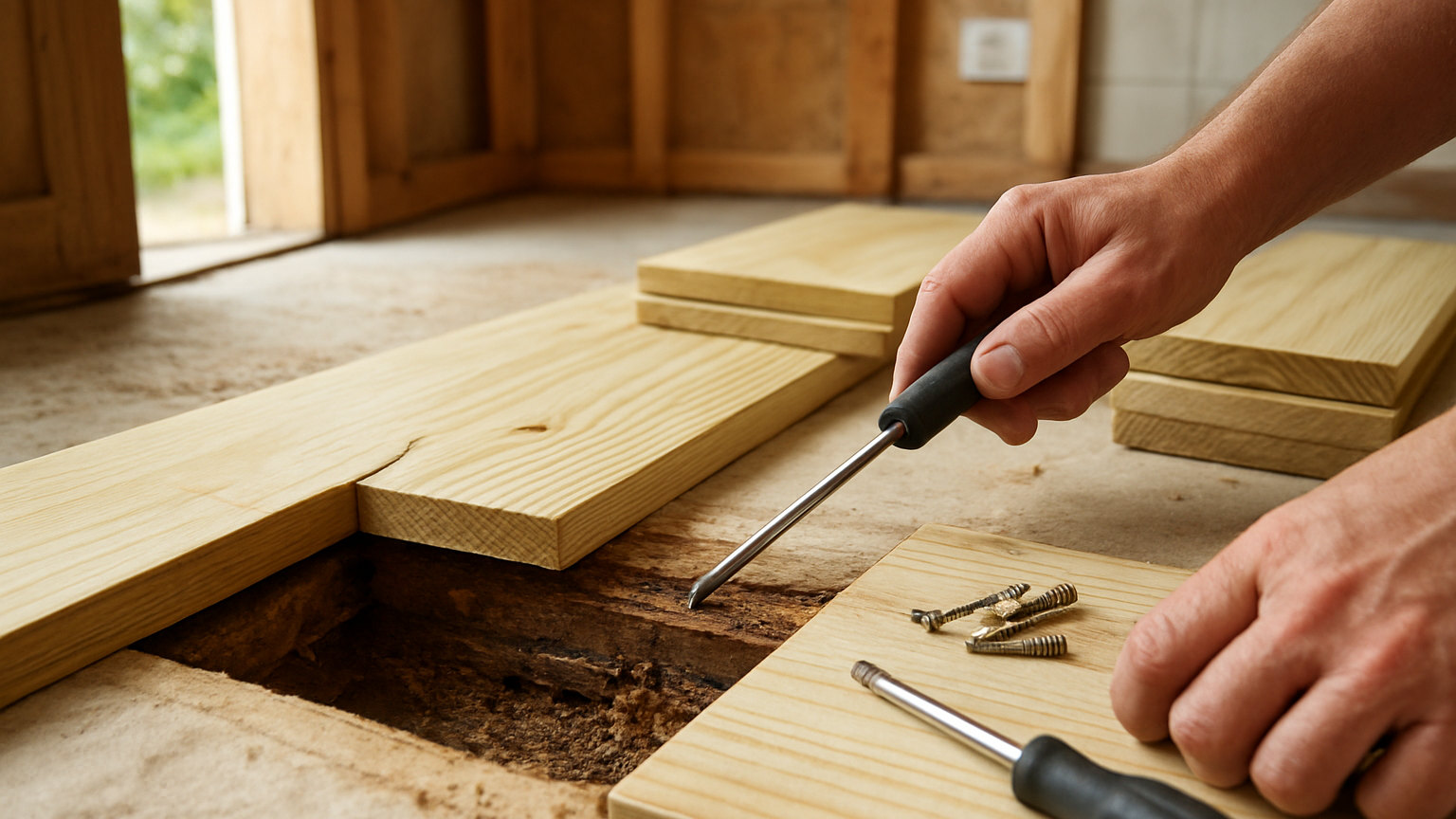
Most sheds rot in the same three places. How to judge what is worth saving, and how to replace boards and bearers without dismantling everything.
Consistent rise, generous going, and a foundation that does not move. Setting out garden steps so every tread feels the same.
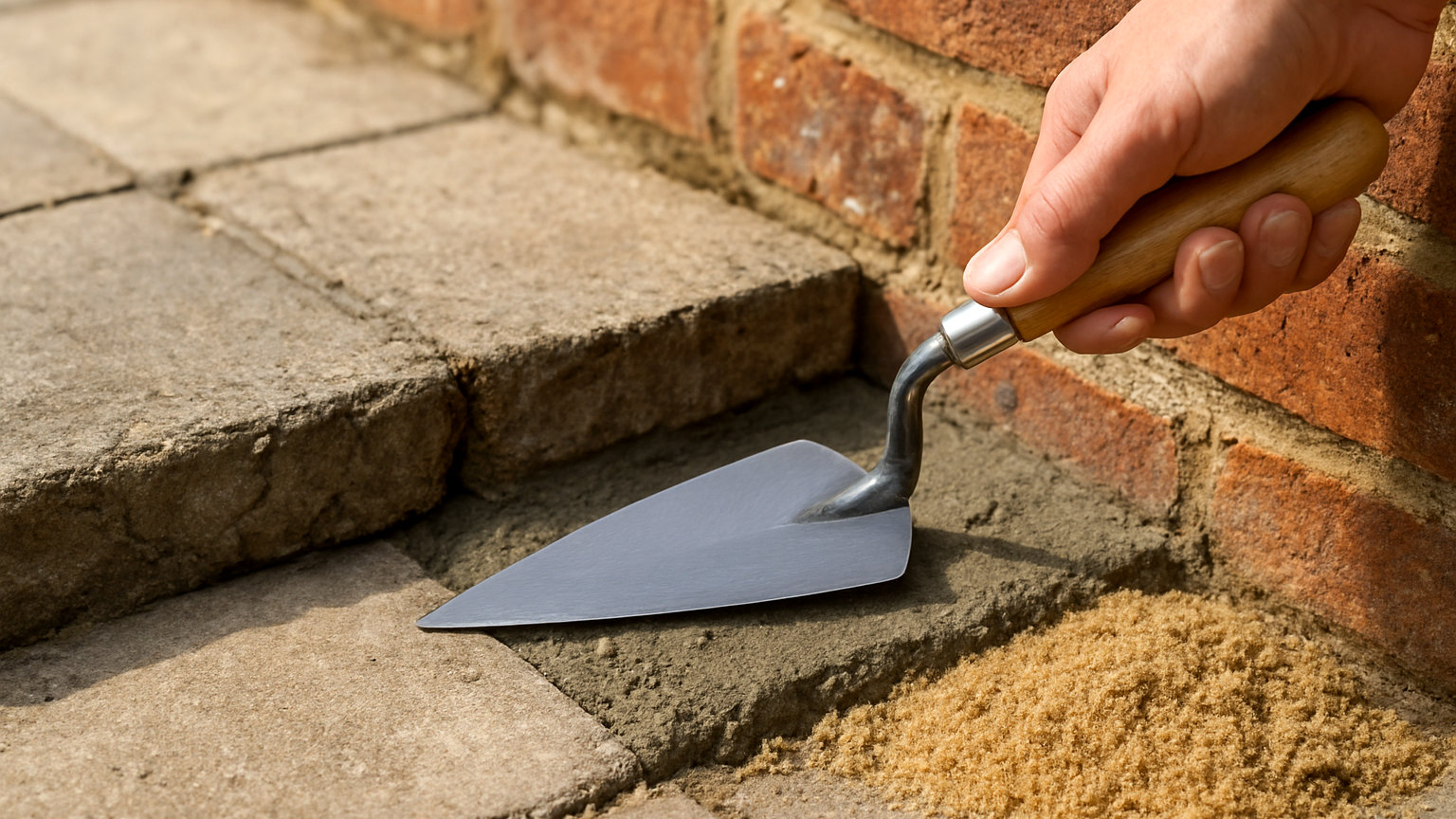
Patios fail at the edges first because there is nothing holding the construction in. What restraint does and which type suits which job.
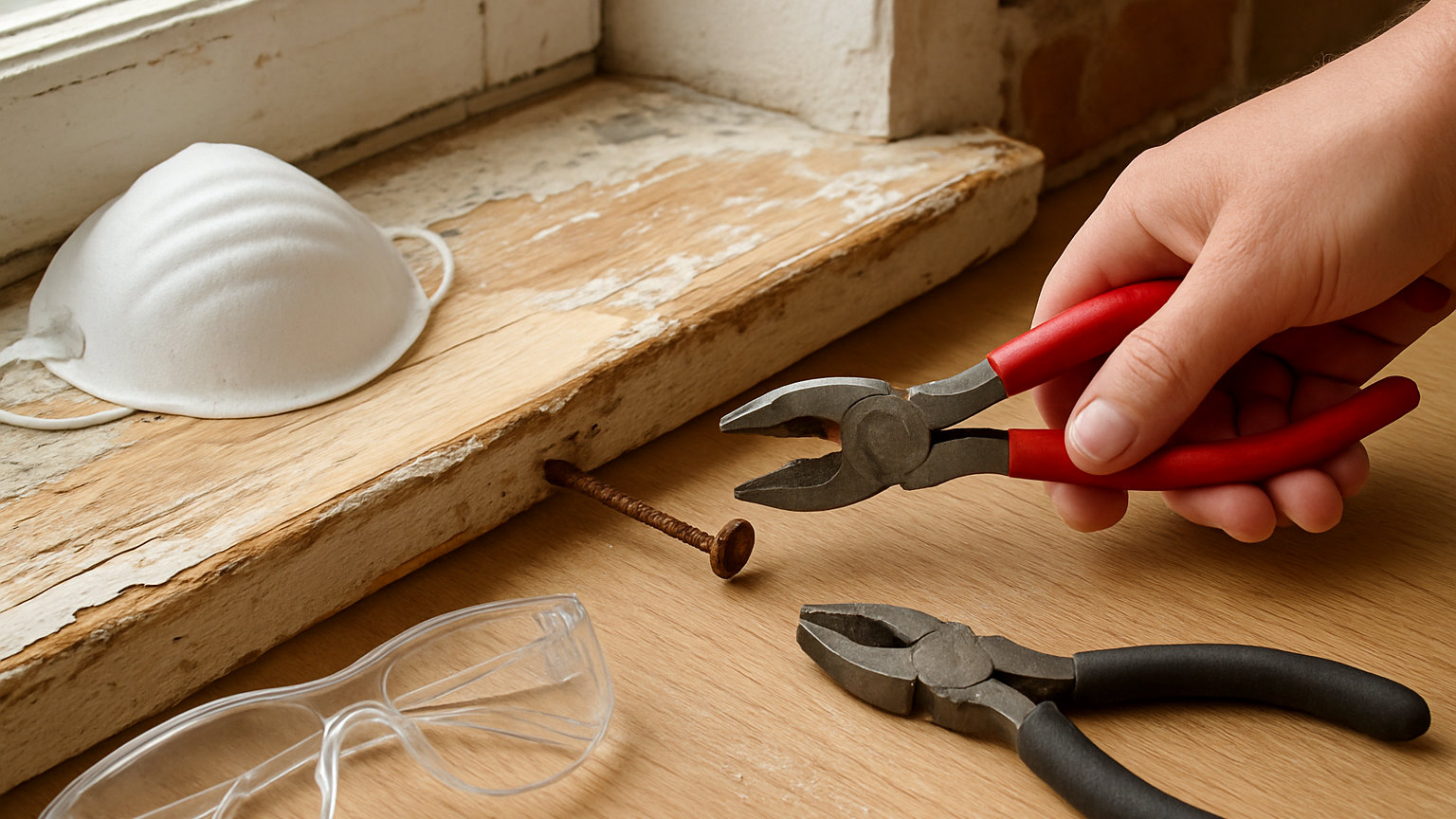
Blistering, flaking, chalking and cracking each point to a different cause. Reading the failure before deciding on the repair.
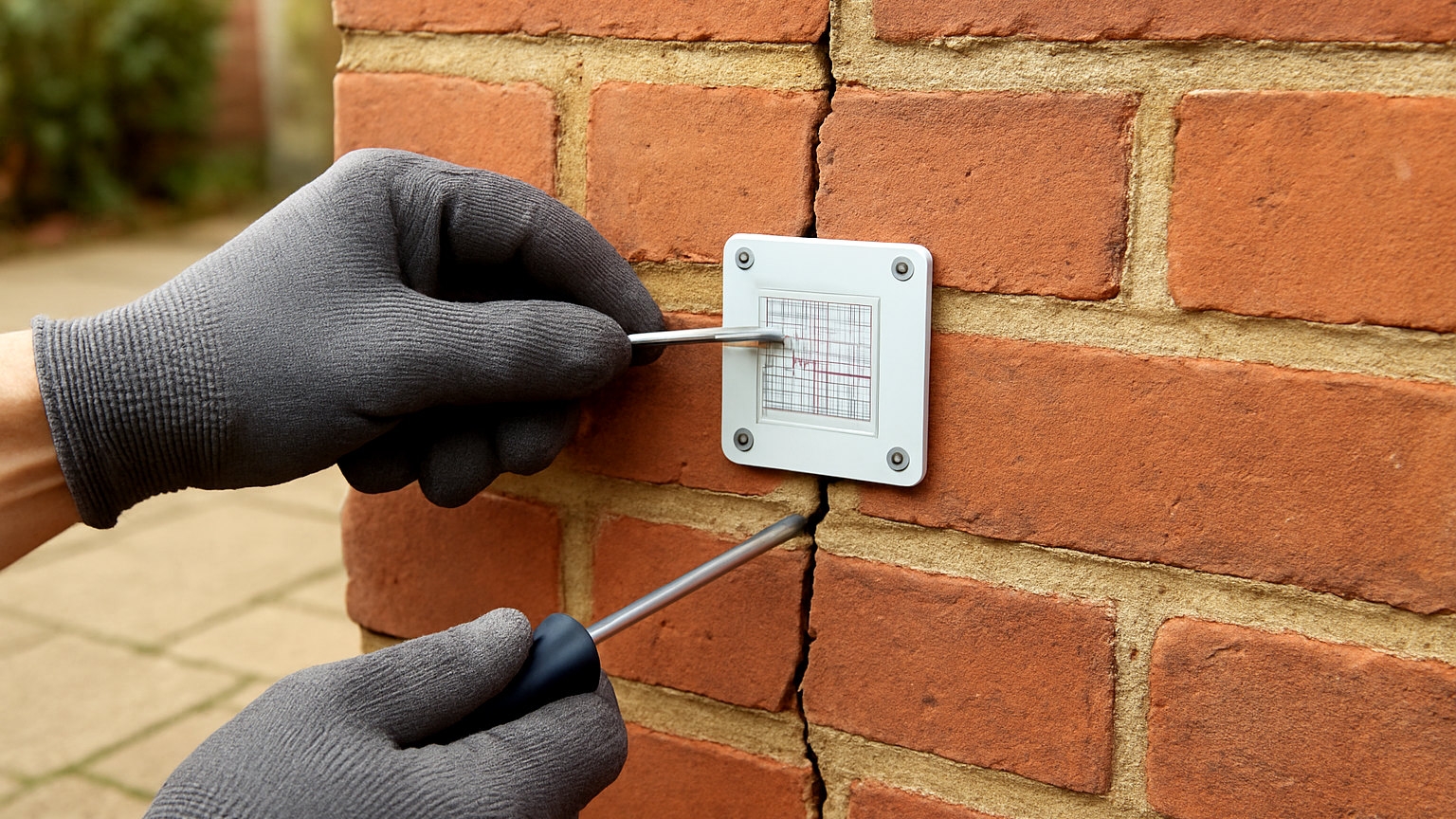
Find out whether it is still moving before deciding anything. What can be stitched and rebuilt, and when a wall needs taking down.
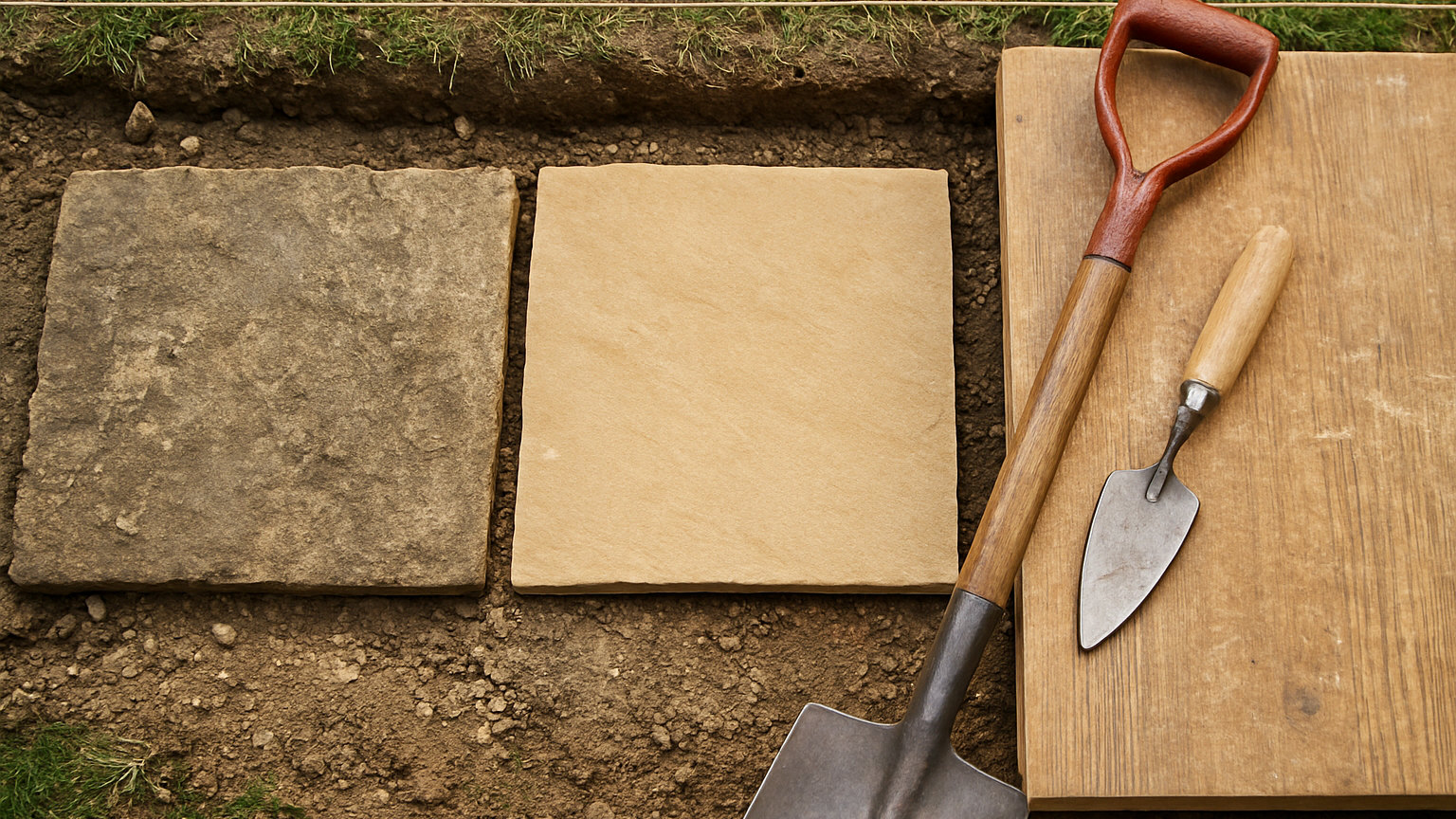
Spacing them to a natural stride and bedding them so they never rock. The lightest way to make a route through lawn or planting.
The cheapest path there is, and it needs edging and membrane to stay a path. Depth, material choice and how often to top it up.
The slabs are the part people price and rarely the biggest cost. Groundwork, disposal and labour are where the money goes.
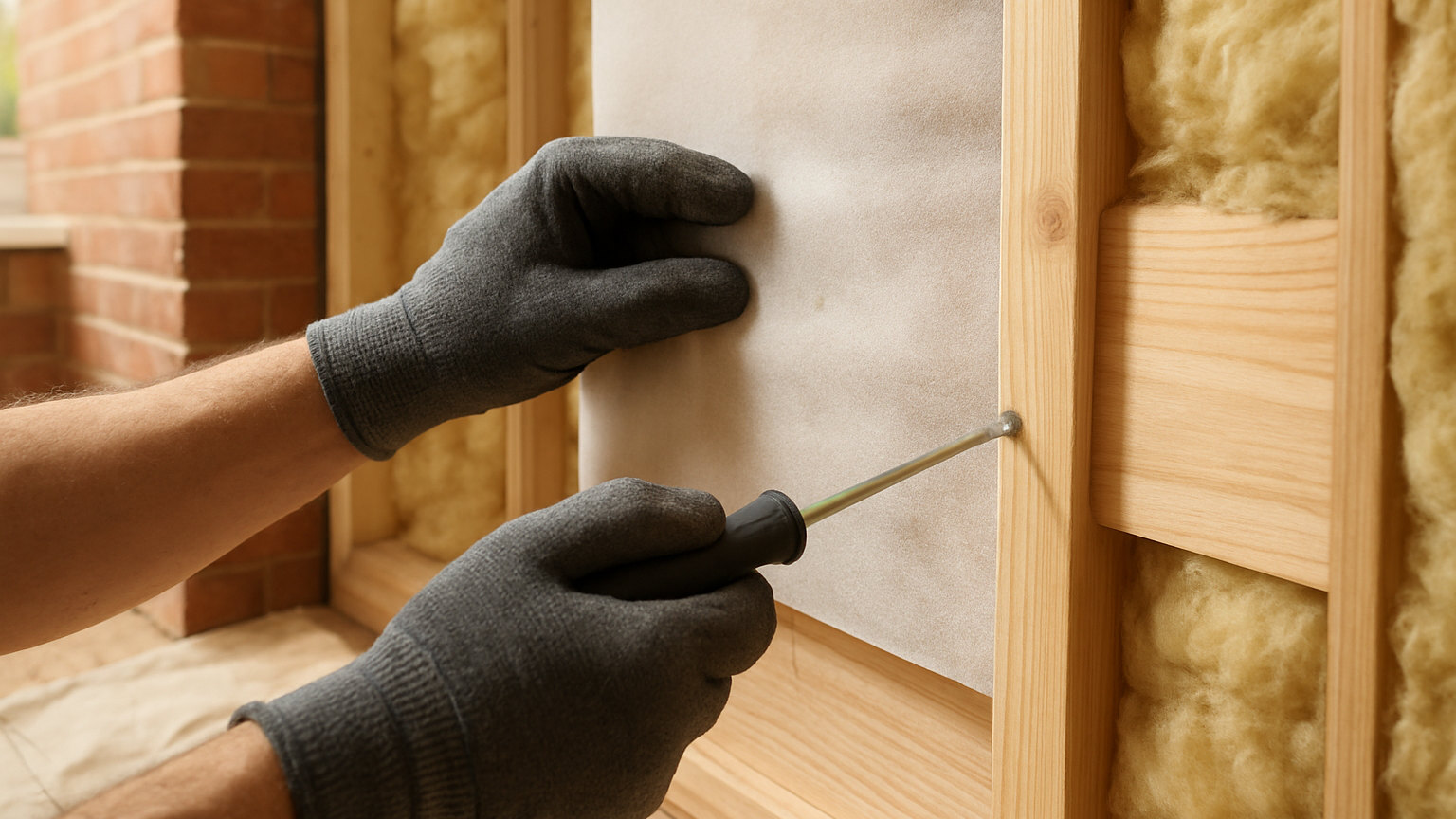
Worth doing for a workshop or an office, and easy to get wrong. Where the vapour control goes and why ventilation still matters.