Preparing a Room: The Right Order
Doing preparation in the wrong sequence means repeating steps. The full order from clearing out to the final vacuum, and where each stage fits.
By DIY Guides Editorial
19 Jan 2026

Filling, sanding, caulking, priming and masking - the nine tenths that decides the finish.
Doing preparation in the wrong sequence means repeating steps. The full order from clearing out to the final vacuum, and where each stage fits.
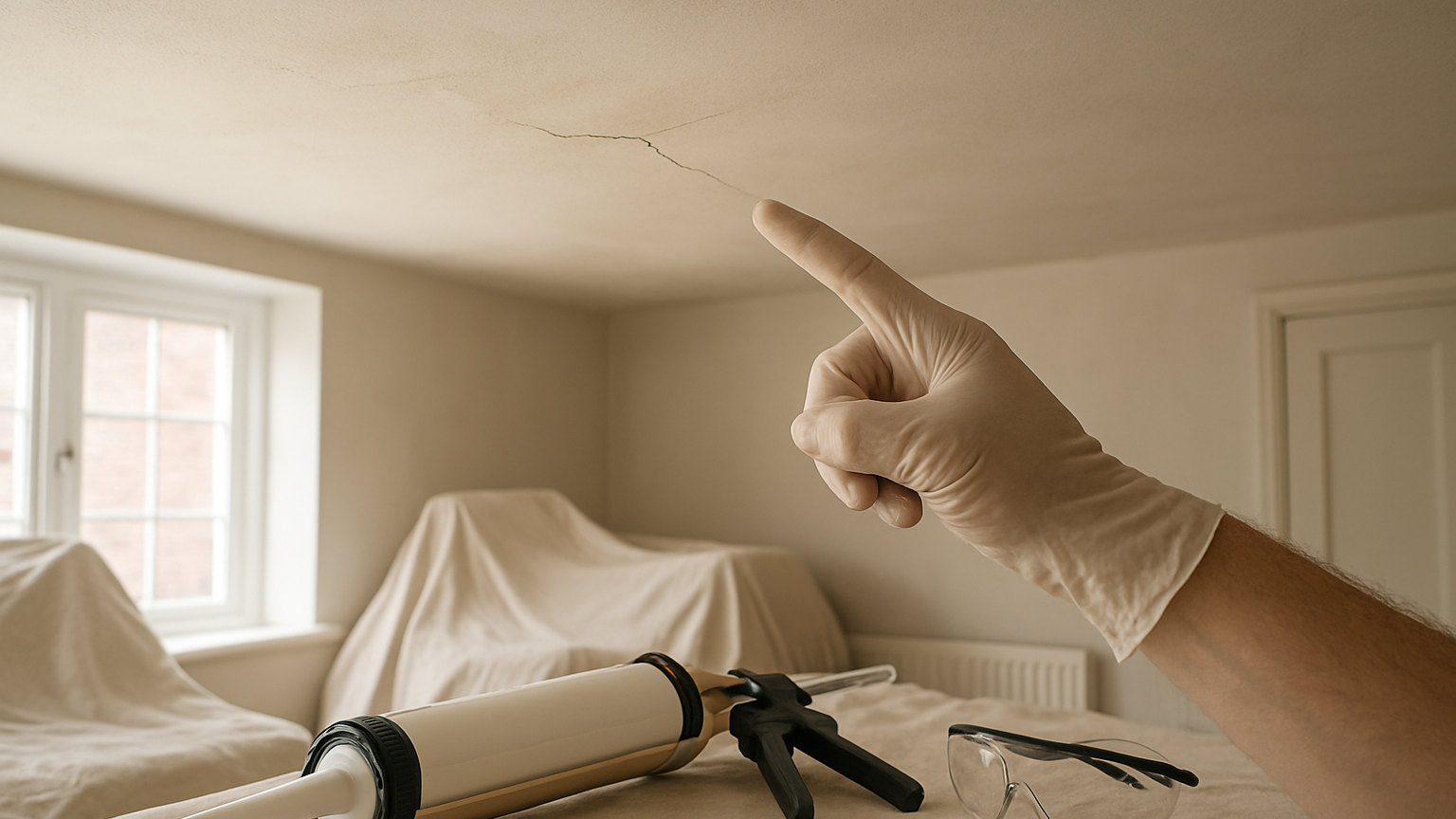
Working overhead with a pole saves your neck and gives a better finish. Dealing with cracks, stains and old textured coatings, including the asbestos check.
The quickest preparation job, and the one where people skip the two steps that matter. Testing what is on there, and keying it properly.
Heat, chemicals or abrasion, each suiting different situations. How to use each safely, and the lead paint check that comes before any of them.
Water marks, nicotine and pen bleed through emulsion however many coats you apply. Which sealer stops which stain, and how to apply it.
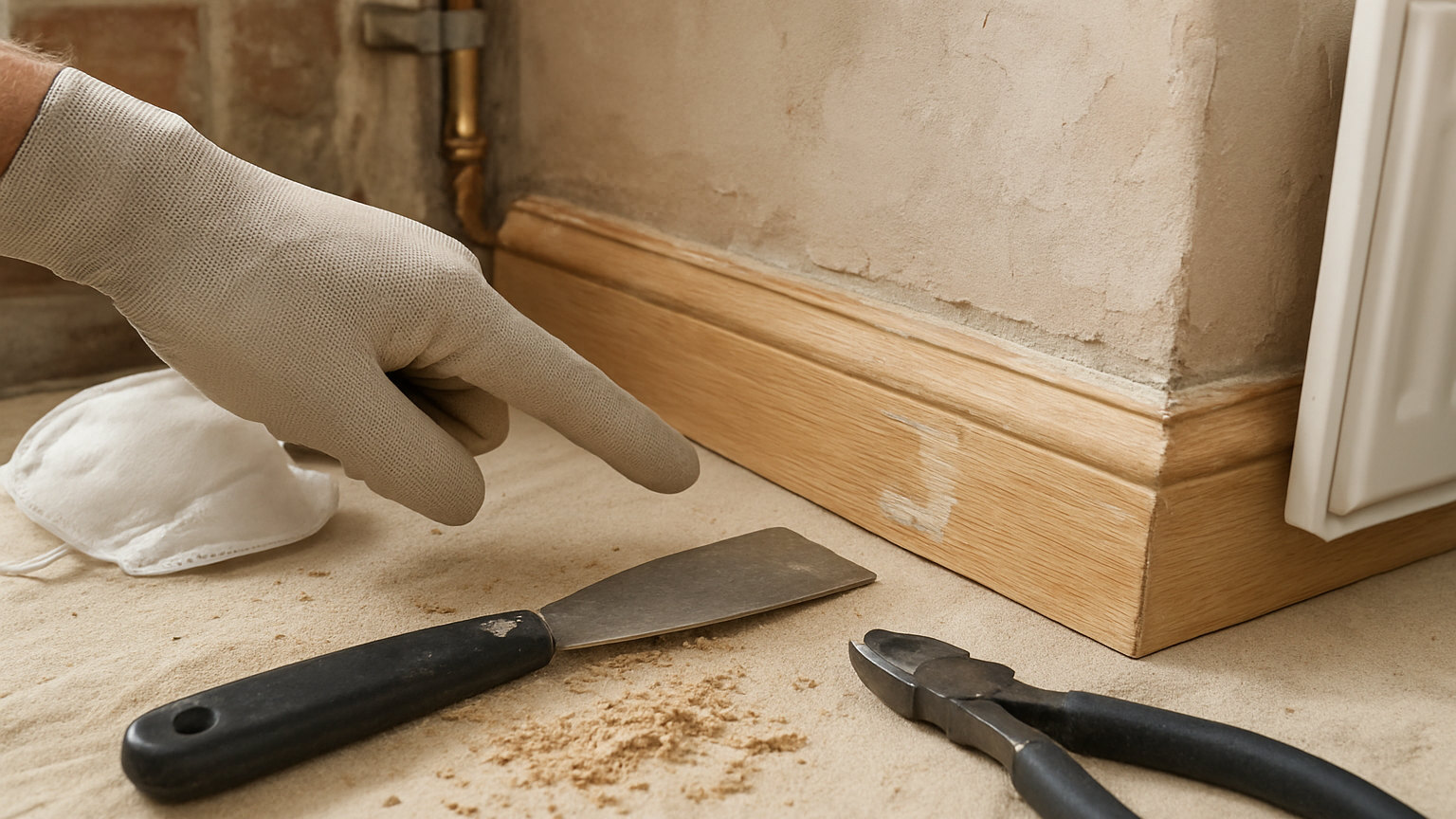
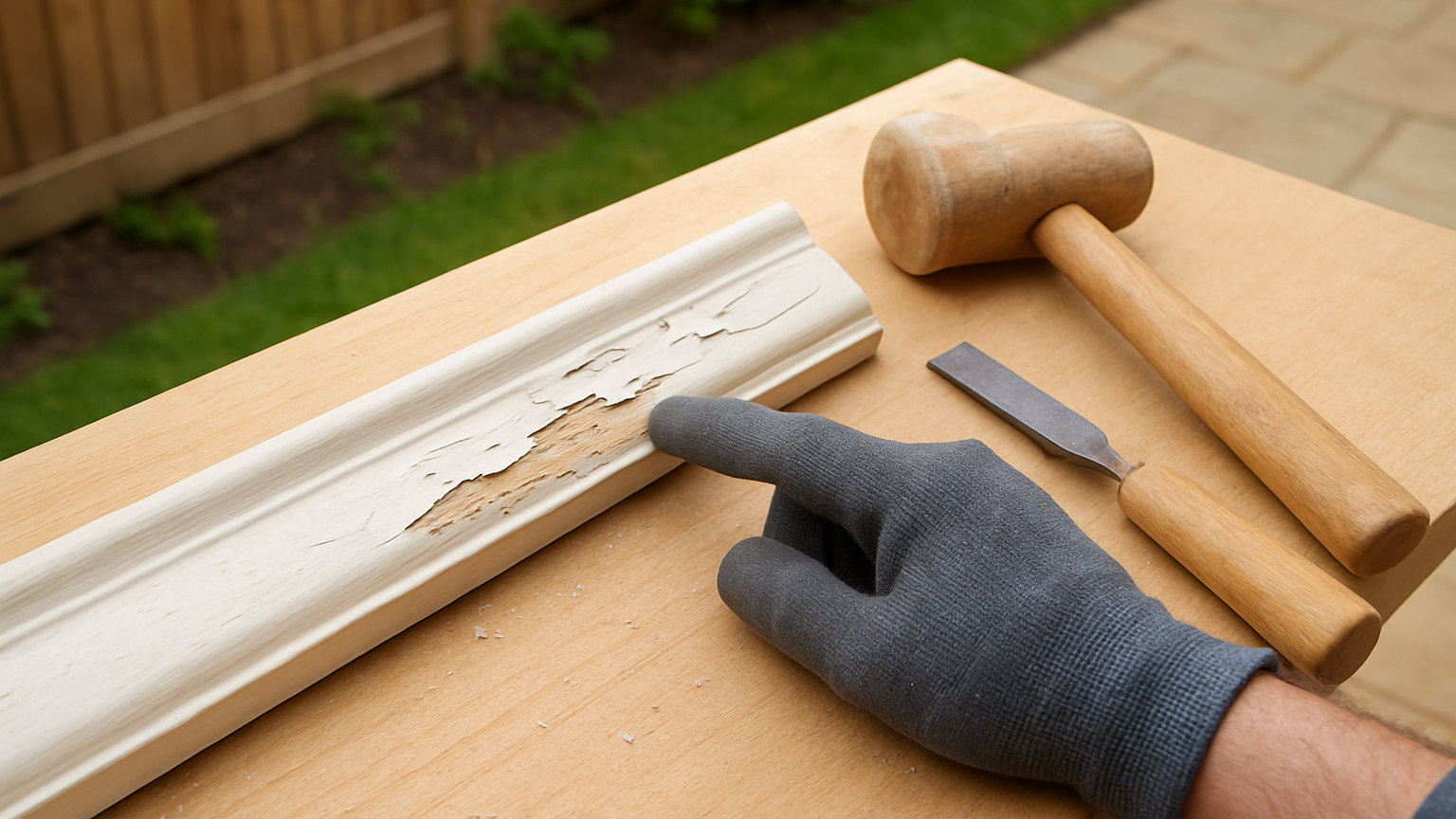
Open mitres, gaps behind skirting and split architrave all have their own fix. Which filler for which gap, and getting a joint that stays closed.
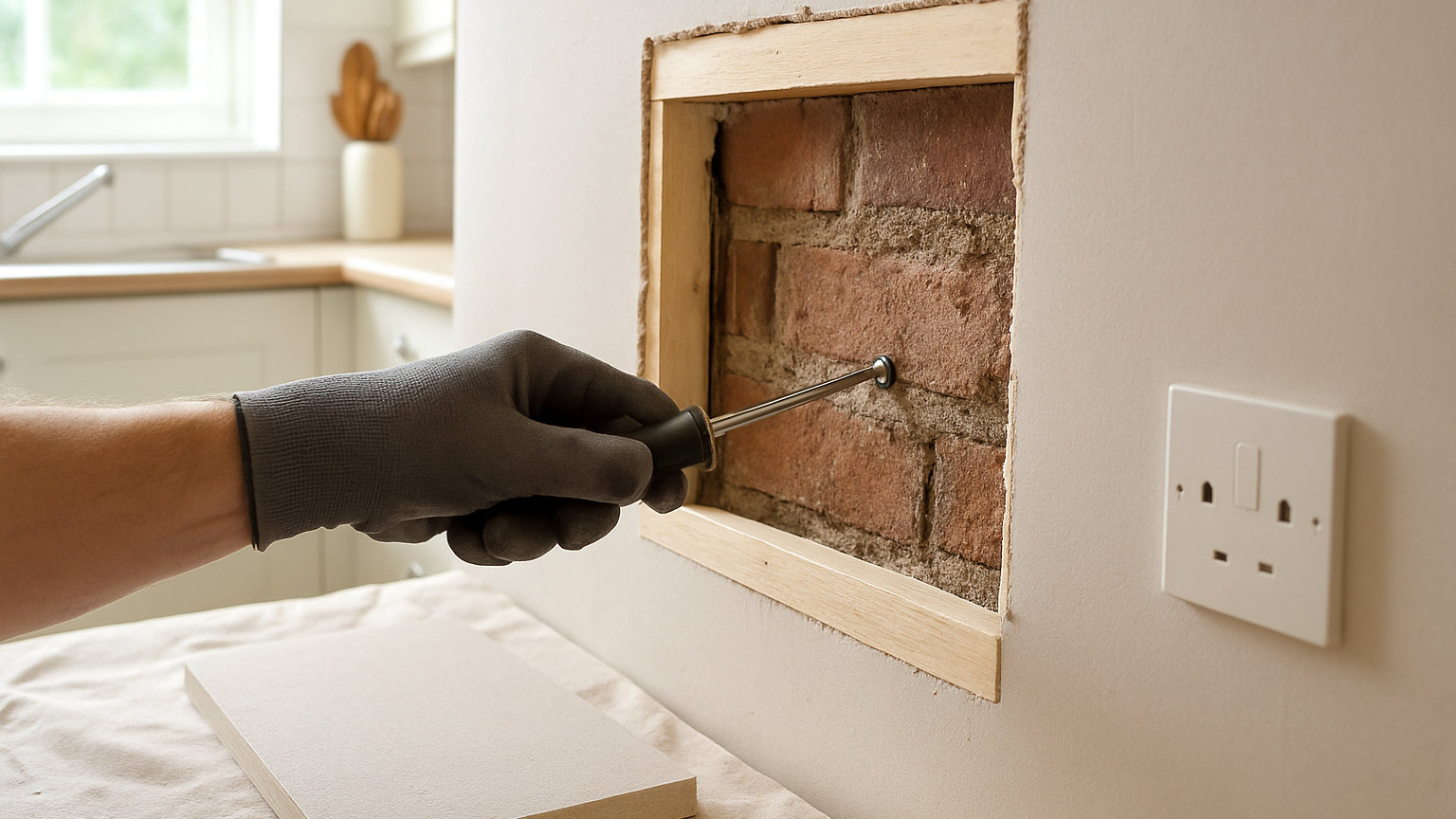
Small dents fill; anything bigger needs backing. Three repair methods by hole size, from a doorknob dent to a hole you can put a fist through.
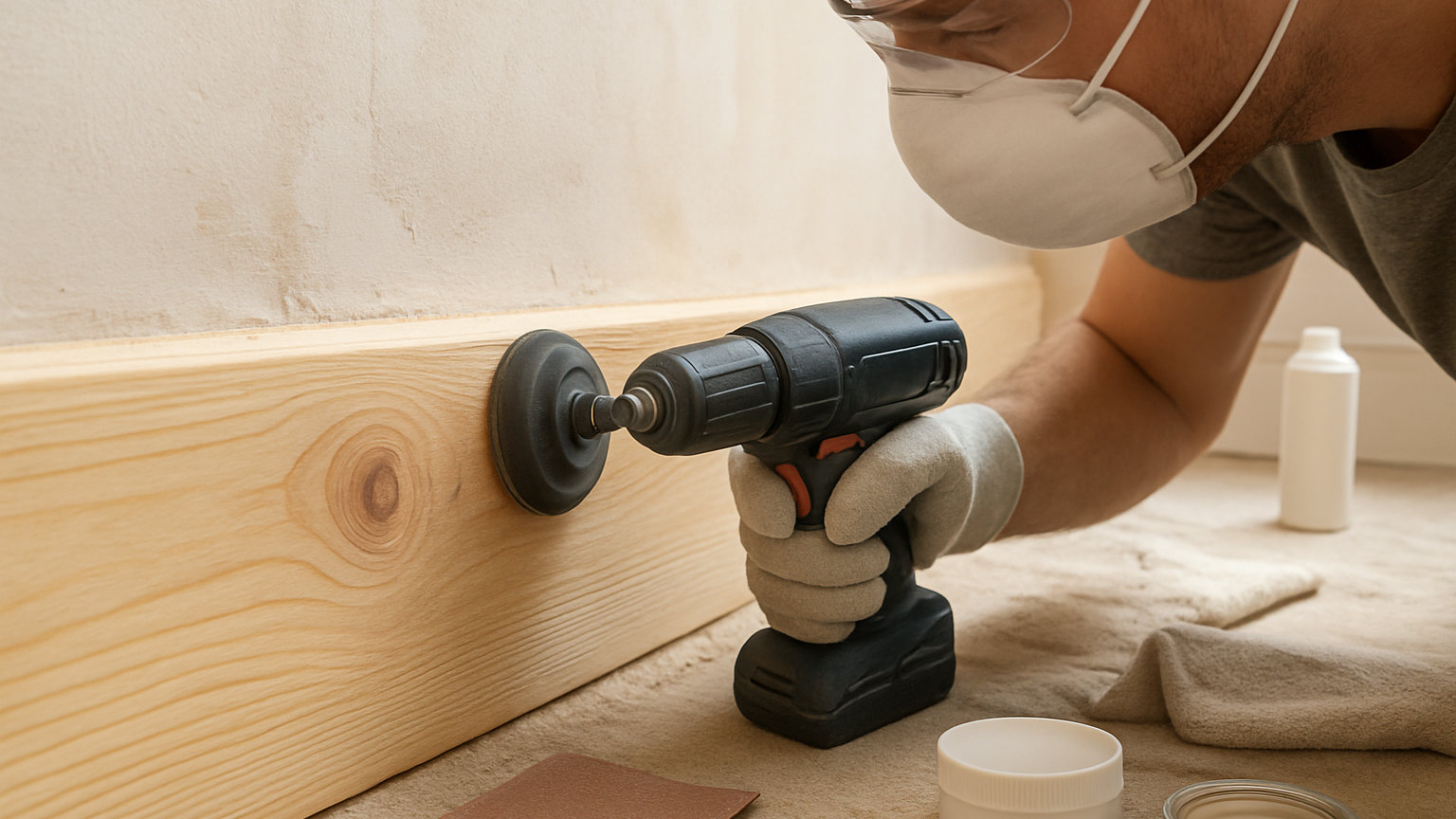
Knots bleed resin through paint for years unless they are sealed first. The full sequence from sanding to primer, and the products that actually work.
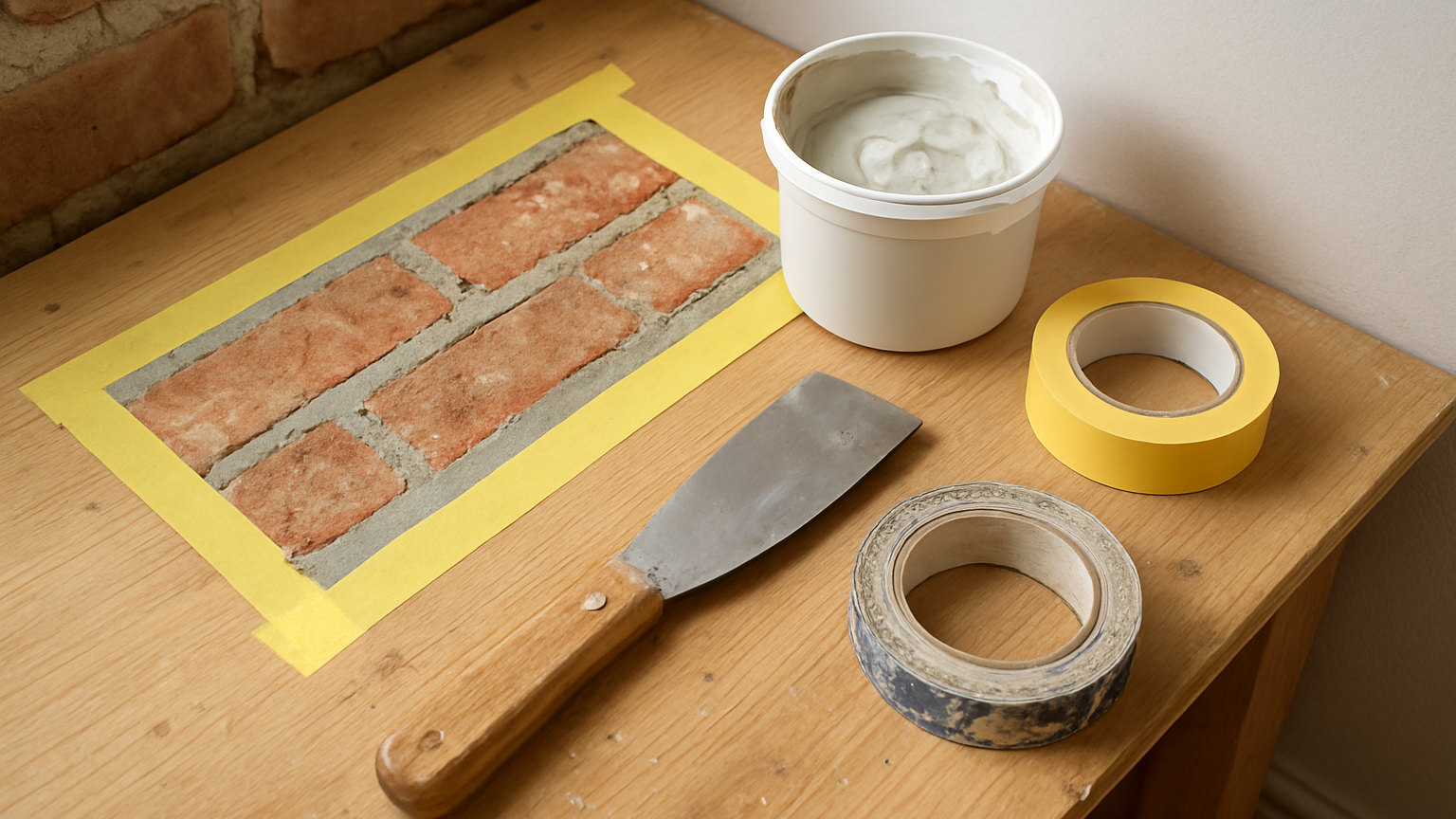
Which tape for which surface, how to seal the edge so paint cannot bleed, and when to pull it off. Masking badly is worse than not masking at all.
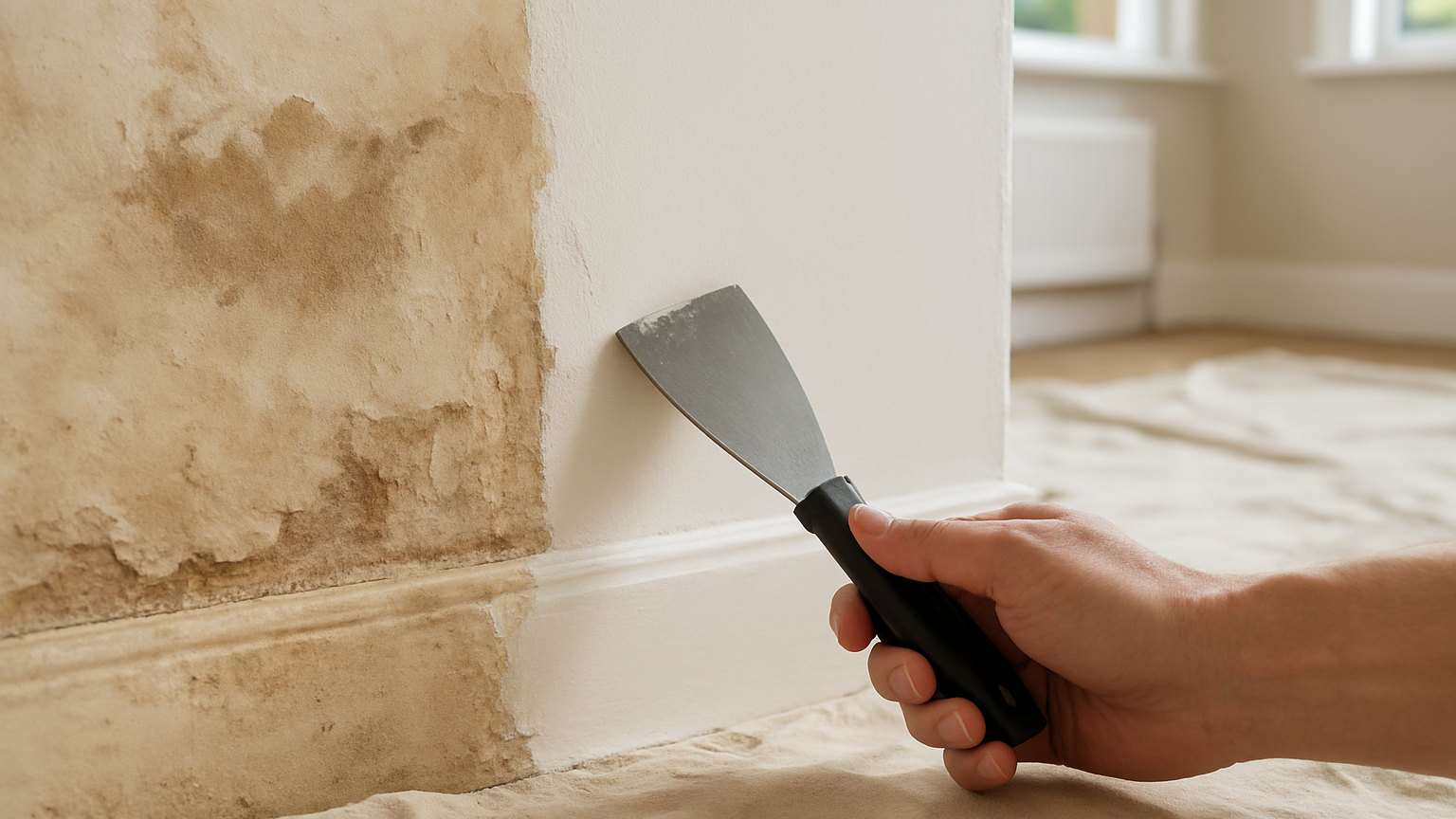
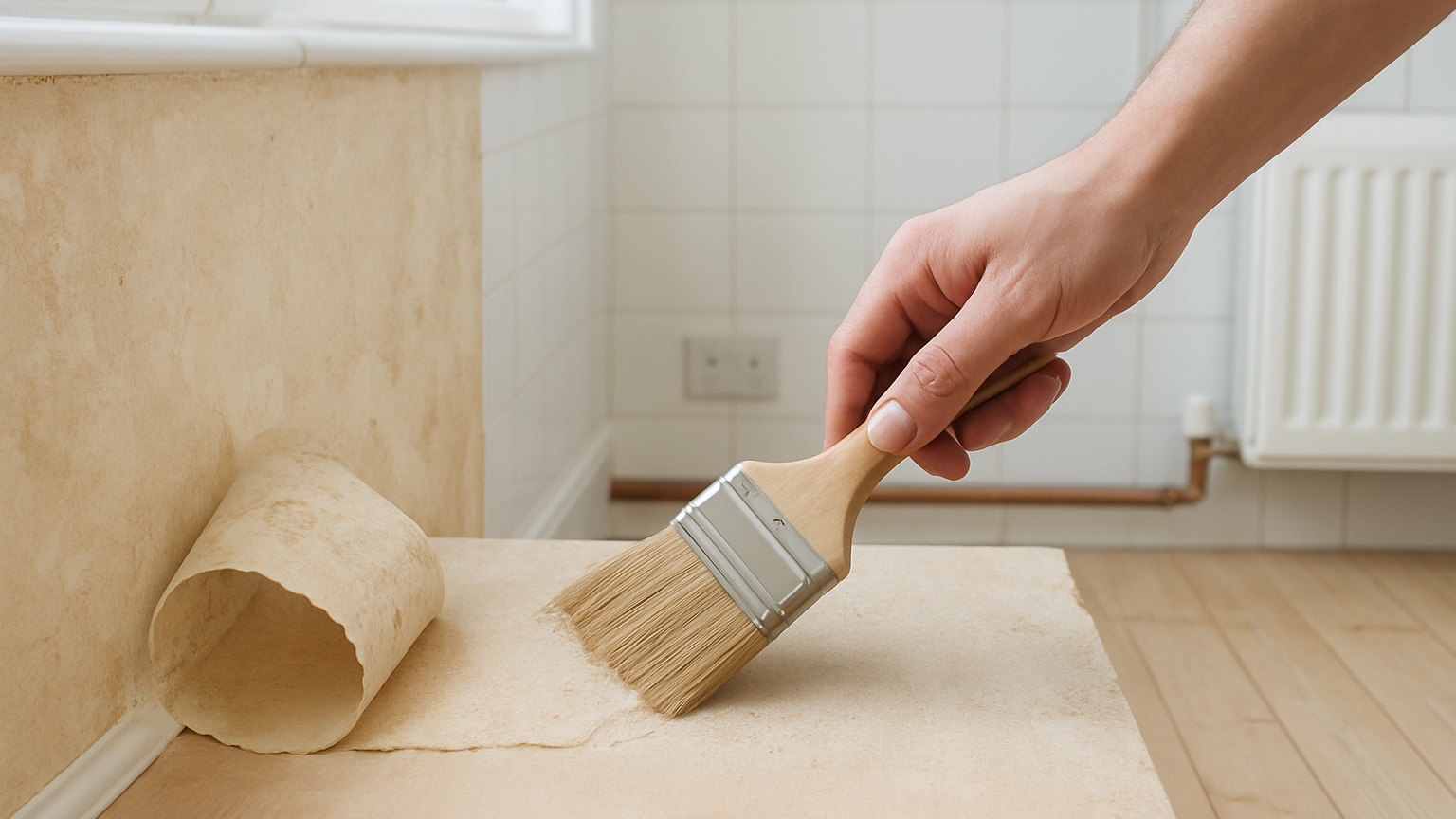
Score, soak, and scrape at the right angle. Using a steamer without damaging plasterboard, and dealing with paper that will not shift.
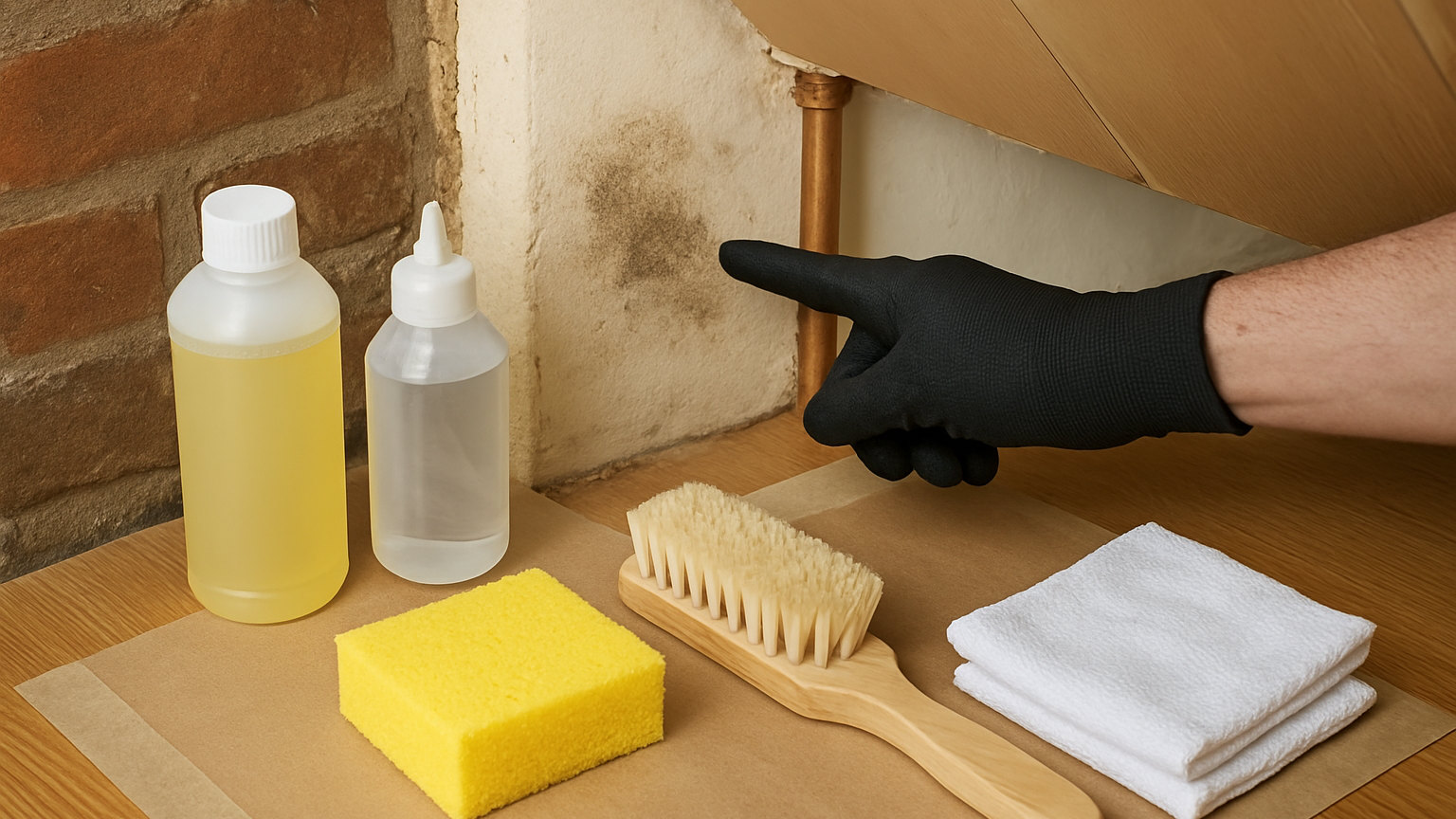
Paint will not stick to grease, nicotine or dust. Mixing sugar soap correctly, working bottom to top, and why rinsing matters as much as washing.
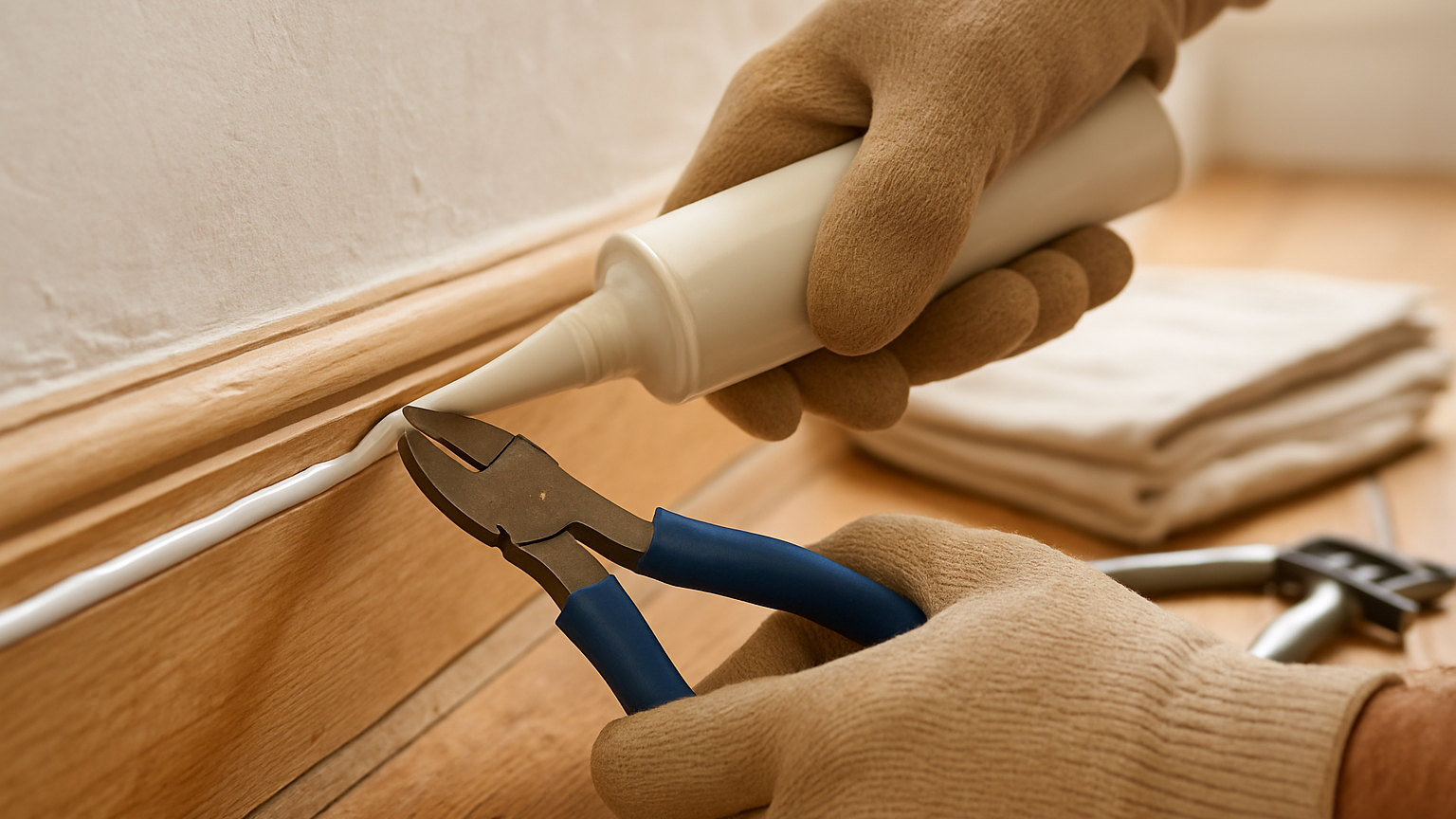
The single technique that makes decorating look professional. Cutting the nozzle, running a bead without stopping, and smoothing it in one pass.