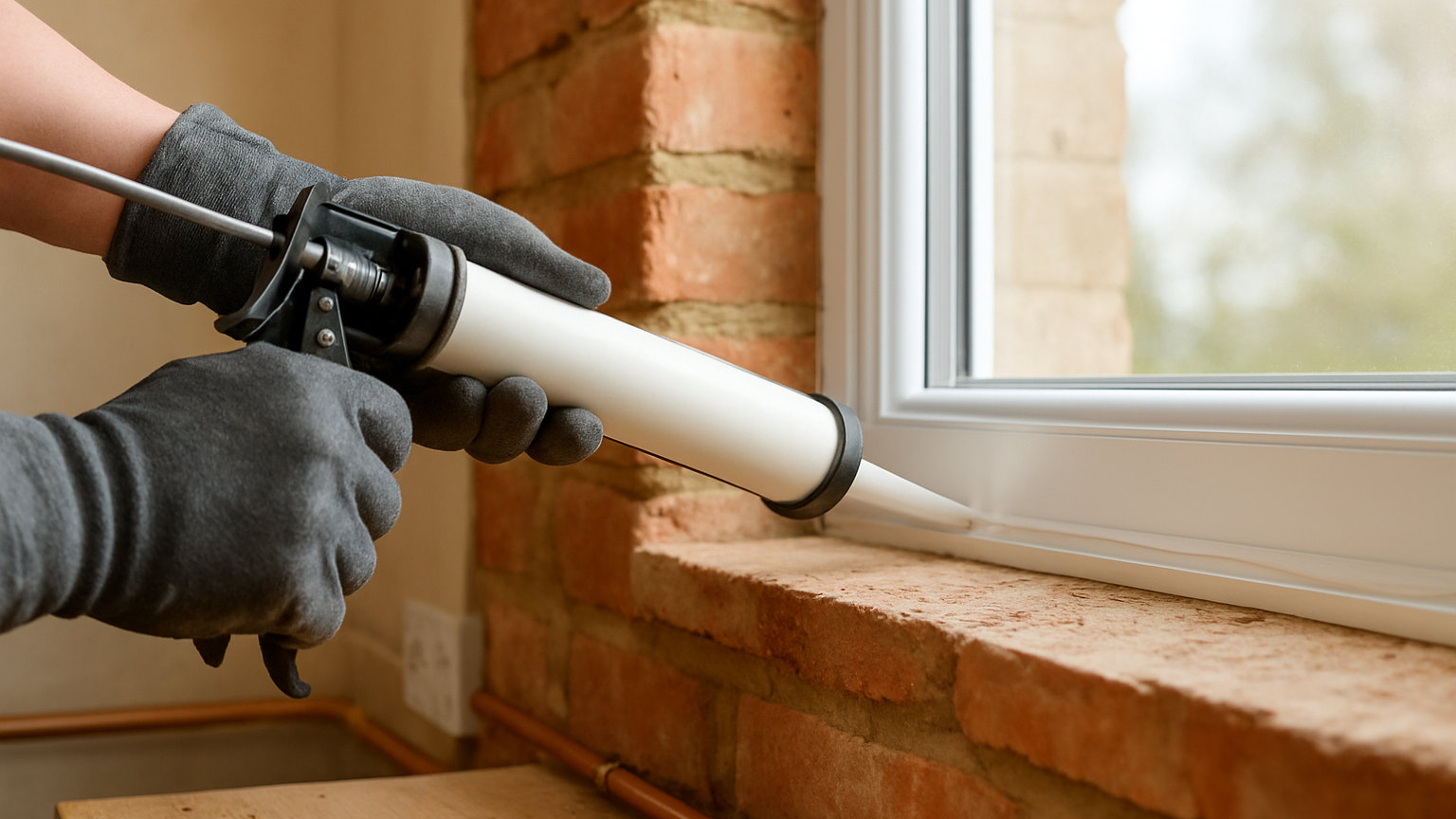
Replacing a window is not simply a purchase. It is controlled work under the building regulations, and the paperwork matters as much as the product.
Why it is controlled
Replacement windows affect several things the regulations cover: thermal performance, ventilation, safety glazing, and in some rooms means of escape.
Since 2002 in England and Wales, replacement windows and external doors have been controlled work.
Two routes to compliance
Use an installer registered with a competent person scheme, such as FENSA or CERTASS. They self-certify the work and register it, and you receive a certificate.
Or make a building control application to the local authority, who inspect and issue a completion certificate. This is the route if you fit the windows yourself or use an unregistered installer.
There is no third option of doing it and saying nothing.
The certificate matters
When you sell, the buyer's solicitor will ask for the certificate for any windows replaced since 2002.
Not having it causes delay and expense: usually either a retrospective regularisation application, or indemnity insurance, which buyers increasingly resist.
Keep the certificate with the deeds and the other property paperwork.
If you are buying a house, check that certificates exist for any replaced windows.
Thermal performance
Replacement windows must meet a minimum standard, expressed either as a U-value or a Window Energy Rating band.
The figures are tightened periodically, so check the current requirement rather than an older one.
The whole window is assessed, not just the glass.
Ventilation
Frequently overlooked and now more significant.
Replacement windows generally need to provide background ventilation, normally through trickle vents.
The requirement was strengthened in England in 2022, and in most cases a replacement window must include trickle ventilation whether or not the old window had any.
Removing trickle vents when replacing windows is a common cause of condensation and mould appearing in a house that was previously fine.
Check the current requirement, since this is an area that has changed recently.
Safety glazing
Glazing in critical locations must be safety glass, permanently marked as such.
Critical locations broadly include glazing in doors and within 300mm of a door edge up to 1500mm from the floor, and glazing in walls below 800mm from the floor.
This applies to replacement glazing as well as new.
Escape windows
Rooms on upper floors, and any room formed by a loft conversion or an extension, may need an escape window.
These have minimum dimensions for the openable area and limits on the cill height above floor level.
If the existing window is an escape window, the replacement must be too. Fitting a smaller opening light removes the escape route, which is a serious matter and one that is easily done accidentally.
Check before ordering.
Planning permission
Separate from building regulations.
Replacing windows is normally permitted development in a house, and it is not in a listed building, and may be restricted in a conservation area or where permitted development rights have been removed by condition or by an Article 4 direction.
Flats do not have the same permitted development rights, and the lease usually restricts alterations.
Check before ordering, since unauthorised replacement of windows in a listed building is a criminal offence.
Choosing an installer
Check the scheme registration on the scheme's own website, not just on the company's literature.
Check the guarantee, whether it is insurance backed, and what it covers.
Get the specification in writing, including the U-value, the glazing type, trickle vents and which lights open.
Do not pay the balance until the certificate is received.
Doing it yourself
You may fit your own windows, and you must then make a building control application before starting.
Building control will inspect and issue a completion certificate, and there is a fee.
Given the cost of the application, the inspection and the risk of getting the specification wrong, most people use a registered installer.
Repairs and single panes
Replacing a broken pane in an existing frame is generally repair rather than replacement, and the safety glazing requirement still applies in critical locations.
Replacing a failed sealed unit is likewise usually treated as a repair, and misting between the panes means the unit has failed and needs replacing rather than cleaning.