
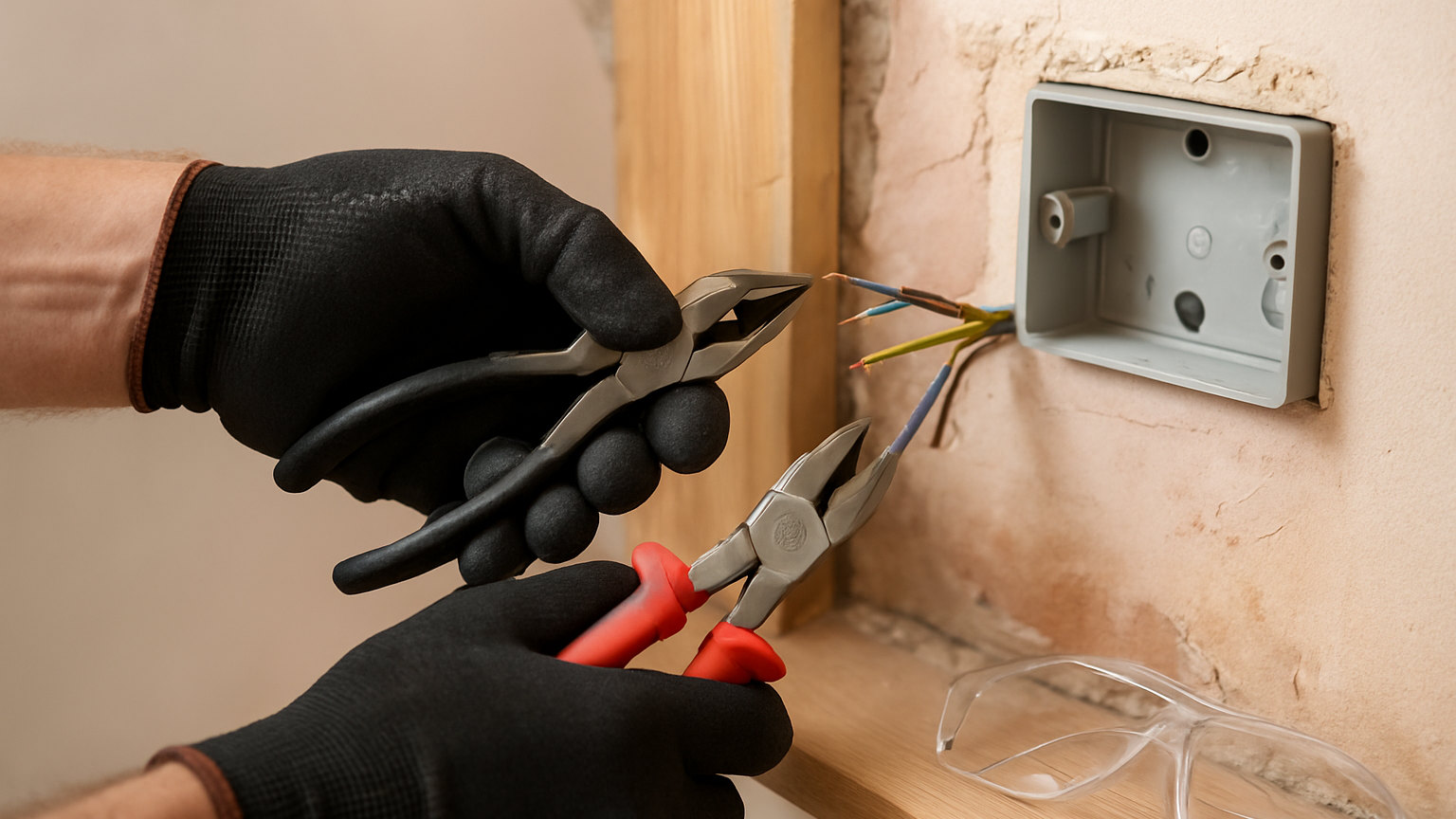
There are three separate questions here, and they get muddled. Is it legal to do yourself? Is it safe? And is it actually within your ability?
Jobs you must not do yourself
Gas work of any kind. It is a criminal offence for anyone not Gas Safe registered to work on gas appliances, pipework or flues. This includes moving a gas hob, fitting a cooker and altering a boiler. There is no DIY exemption.
Work on the mains water supply pipe before the stopcock, which belongs to the water company.
Anything on a shared or party structure without agreement.
Removing asbestos beyond very limited circumstances. Licensed work must be done by a licensed contractor.
Electrical work
The position is more nuanced and frequently misunderstood.
In England and Wales, certain electrical work is notifiable under the building regulations, which broadly means new circuits, consumer unit work, and work in bathrooms and outdoors.
Notifiable work must be either carried out by a registered competent person who self-certifies, or notified to building control in advance and inspected.
Non-notifiable work such as replacing a socket or a light fitting on an existing circuit may be done by a competent person, and competent means genuinely competent.
Scotland and Northern Ireland have different rules, so check locally.
Beyond legality, uncertified electrical work causes problems when selling, and insurers ask questions after a fire.
Jobs that need building regulations approval
Regardless of who does them: structural alterations, new openings, drainage changes, replacement windows, loft conversions, new heating appliances and much more.
Some can be self-certified by a registered installer. Others need a building control application.
Check before starting, because retrospective regularisation is expensive and sometimes impossible.
Jobs best left to a trade even where legal
Roof work at height. Falls from height are among the most common causes of serious injury in home improvement.
Anything structural, including removing a wall that might be load bearing.
Plastering a whole room. Legal, achievable, and genuinely difficult to do to a good standard. Many capable DIYers do everything else and pay a plasterer.
Tree work needing a chainsaw or a ladder.
Anything where a mistake floods the house, unless you are confident about isolating and testing.
Judging your own ability
Ask three questions.
What happens if I get it wrong? A badly painted wall is repainted. A badly plumbed waste pipe rots a floor for a year before anyone notices.
Can I put it right? Reversible mistakes are low risk. Cutting a joist, drilling a cable or breaking a tiled surface is not.
Is it visible? Standards matter more on things at eye level. Loft boarding nobody sees is a good place to learn.
A reasonable division
Usually fine to do yourself: painting, wallpapering, filling, sanding, laying laminate, assembling and fitting flat-pack units, shelving, draughtproofing, fence panels, decking, painting outside, simple tiling, replacing taps and washers, changing locks.
Depends on you: full tiling, kitchen fitting, plastering, hanging doors, patios, garden walls, loft boarding.
Get someone in: gas, notifiable electrics, structural work, roofing, main drainage, asbestos, anything at height.
A middle course
Many projects split well. Do the strip-out, the preparation, the donkey work and the decorating yourself, and pay for the skilled and notifiable parts.
That frequently saves a large proportion of the cost while leaving the critical work certified and guaranteed.
Be honest with a trade about what you have done, since they are being asked to work on top of it.
Learning safely
Practise on something that does not matter: a spare piece of plasterboard, the inside of a cupboard, the shed.
Start with the least visible example of a job, such as the smallest bedroom rather than the hall.
Watch someone do it properly if you can, since the small habits are what separate a good finish from a poor one.
Insurance
Tell your home insurer before any substantial work, since major alterations and periods when the house is unoccupied or open can affect cover.
Check that any trade working on the property carries public liability insurance, and ask to see the certificate.
The hidden cost of doing it yourself
Your own time has a value, and a job that takes six weekends is six weekends not spent otherwise.
That is a fair trade for many people and worth acknowledging honestly when deciding what to take on.


