
Overruns are so common they should be planned for rather than treated as bad luck. The causes are consistent and most are predictable.
What is hidden until you open up
The largest single cause, and the least avoidable.
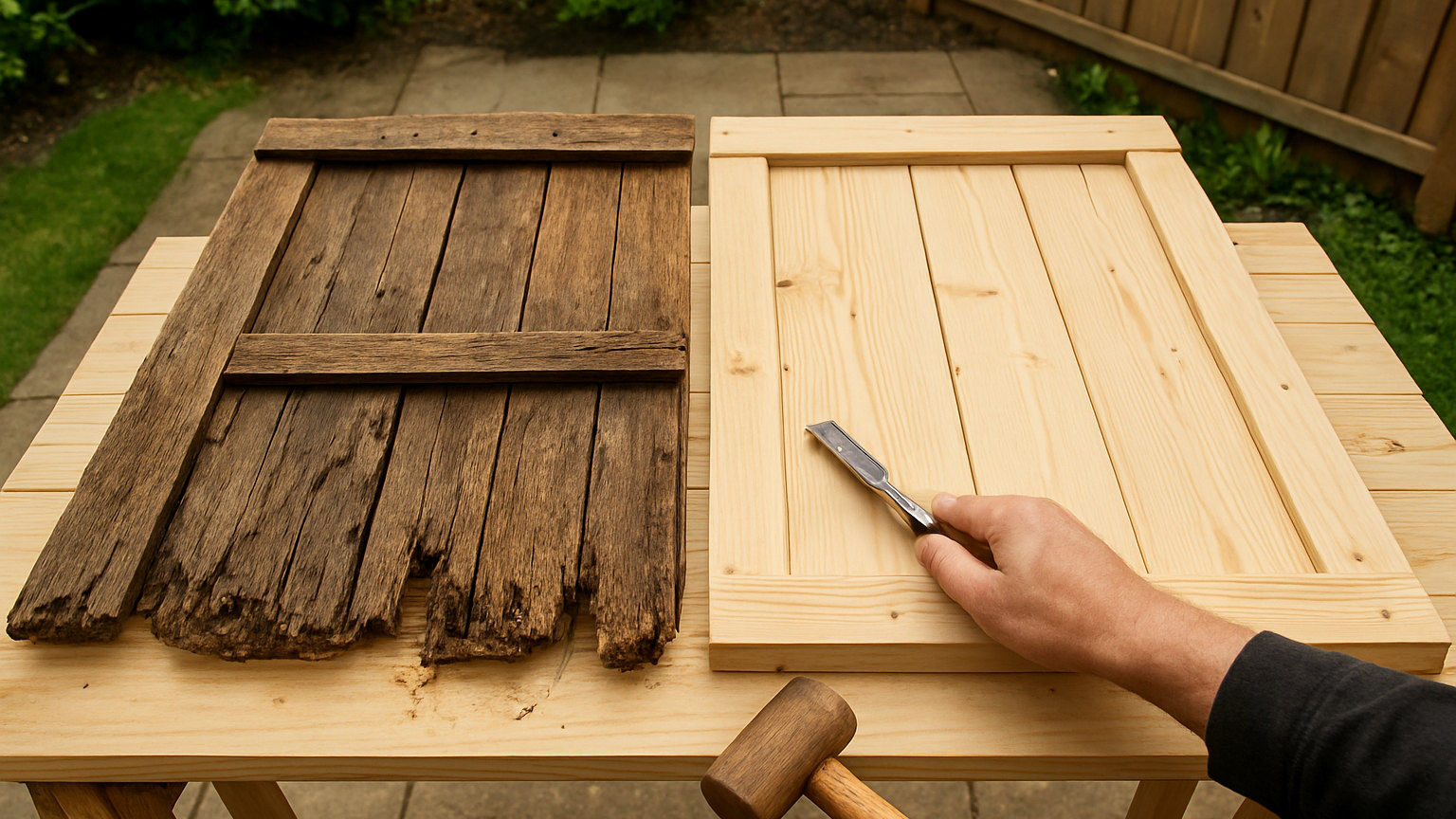
Lifting a floor or opening a wall in a house of any age commonly reveals rotten or notched joists, old plumbing in poor condition, wiring that does not meet current standards, no insulation where there should be some, damp, woodworm, or previous work done badly.
None of this can be quoted for in advance, which is why a good trade gives an estimate with a stated basis for extras rather than a fixed price for unknown work.
Older properties overrun more. A pre-war house should carry a larger contingency than a new one.
Specification creep
The second largest cause and entirely self-inflicted.
The tiles that were fine become the better tiles. The taps get upgraded. Since the wall is open anyway, the sockets are moved. While the floor is up, the pipework may as well be replaced.
Each decision is individually reasonable and they compound.
Decide the specification before work starts and write it down. Then judge each proposed change against the contingency rather than against enthusiasm.
The since-we-are-here effect
Related and worth naming separately.
Work exposes adjacent problems, and dealing with them while access exists is genuinely cheaper than returning later.
That logic is sound and it is also how a bathroom refit becomes a first-floor refurbishment.
The question to ask is whether the extra work would otherwise need doing within a few years. If yes, do it. If not, note it and move on.
Small extras
Individually trivial, collectively substantial.
Consumables, fixings, adhesives, sealants, blades, sandpaper, brushes, dust sheets and cleaning materials.
Extra trips to the merchant, each of which costs fuel and an hour.
Replacement door furniture, sockets and switches that no longer match once one is changed.
Making good: filling, decorating and reinstating what was disturbed, which is frequently excluded from quotations.
Add a line in the budget for consumables rather than absorbing them, since on a substantial job they are a real figure.
Measurement and ordering errors
Under-ordering means a second delivery charge and possibly a batch mismatch.
Over-ordering on something non-returnable is money spent.
Wastage underestimated, particularly on tiles laid diagonally, patterned wallpaper and flooring in an irregular room.
Time as a cost
A job that runs long costs money even when nobody is being paid.
Skip hire extended, tool hire extended, eating out while the kitchen is unusable, storage, and sometimes accommodation.
Trades booked for a date who arrive to find the previous stage unfinished may charge for the wasted day, and will certainly not return quickly.
VAT and fees
Quotes excluding VAT are twenty per cent more than they look, and merchant prices frequently exclude it.
Building regulations and planning fees, structural engineer's fees, and certification are all real and easily forgotten.
Limiting the damage
Carry a genuine contingency of ten to fifteen per cent, and twenty or more on an older property.
Fix the specification before starting and resist changing it.
Get quotations rather than estimates where the work is definable.
Agree in writing how variations will be priced and authorised before any arise.
Investigate before committing: lift a floorboard, open a small area, get a survey where it matters.
Track spending as you go against the budget, so adjustments happen while there is still room to make them.
Order accurately and keep receipts for returns.
Deciding what to cut
When the budget tightens, protect the hidden work and the structure and trim the finishes.
Reduce the area rather than the quality.
Phase the remainder rather than doing all of it badly.
A project finished properly to a simpler specification is a better outcome than an ambitious one abandoned at the plaster stage.
Investigating before committing
A small amount of exploratory work removes a large amount of uncertainty.
Lift a floorboard and look at the joists and the pipework. Take off a socket faceplate, with the circuit isolated, and look at the cable type. Open a small patch of plaster in an inconspicuous place.
On anything substantial, a survey or a structural engineer's opinion costs a fraction of the work and frequently changes the design.


