A garage fills from the floor upwards and stops being usable at about the point the car will not fit. Wall and overhead storage is what recovers the space.
Find out what the walls are
Garage walls are frequently not what house walls are.
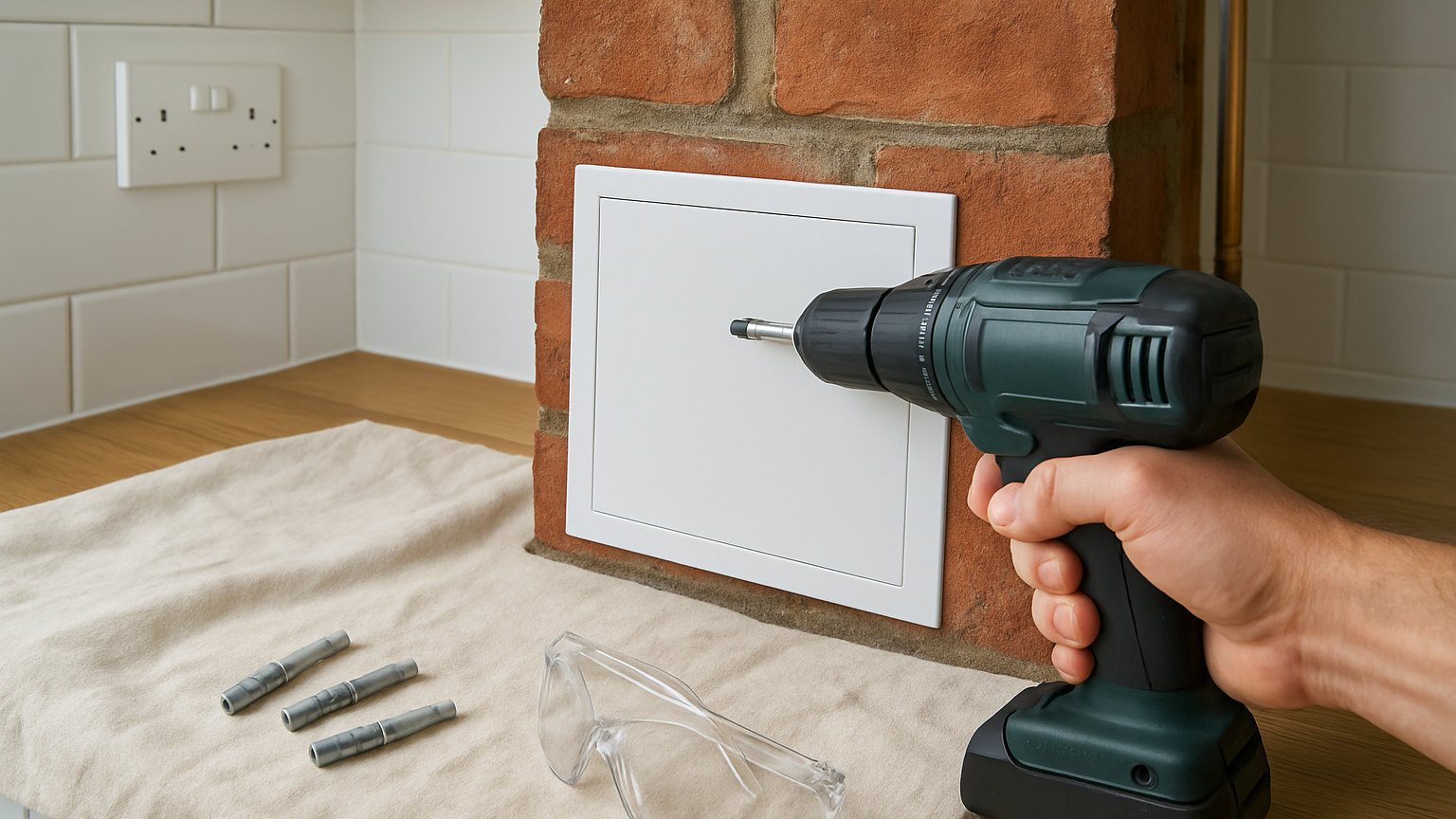
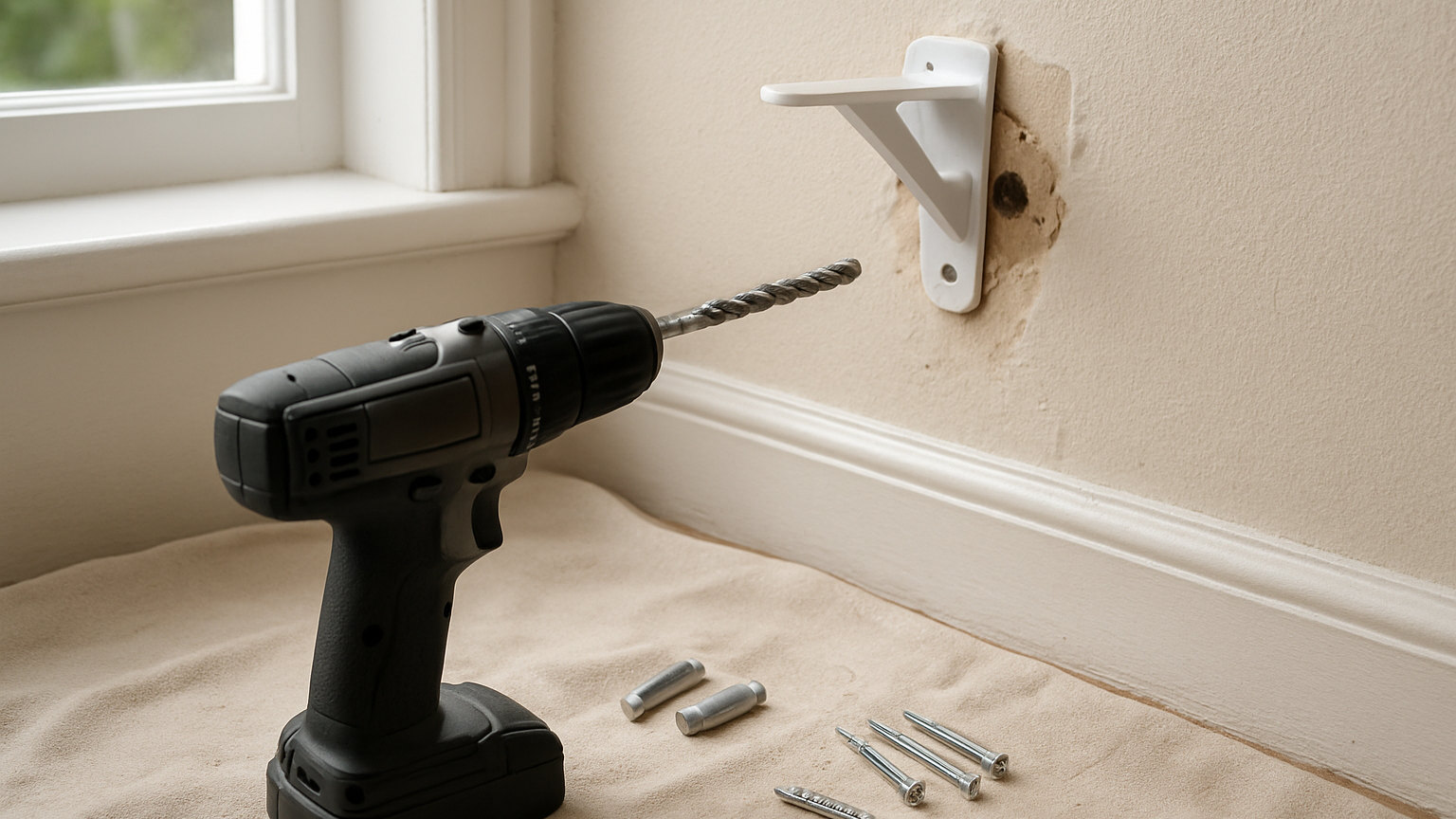
Single skin blockwork is common, often lightweight aerated block, which is soft and crumbles under an ordinary plug. Use fixings designed for aerated block, which are longer and coarser.
Dense concrete block takes ordinary masonry fixings well.
Timber frame with cladding means fixing into the studs.
Test drill and look at the dust before committing to a fixing.
For anything heavy, spread the load across several fixings and consider a timber batten fixed at multiple points, with the racking fixed to that.
Getting off the floor
The principle that recovers most space.
Wall racking systems with a rail and hooks are excellent for bikes, ladders, tools and garden equipment. The rail spreads the load across several fixings.
Heavy-duty steel shelving is cheap, quick to assemble and carries a great deal. Bolt it to the wall so it cannot topple.
Timber shelving on battens is cheaper again and easily made to fit.
Overhead platforms above the car bonnet or against the back wall, for things used rarely. These must be fixed into something structural, and the ceiling or roof structure of a garage may not be suitable.
Check what any overhead structure is fixed to before loading it, and never hang storage from a roof truss.
Depth and reach
Keep shelves shallow enough to see the back, around 300 to 400mm.
Deep shelving becomes a place where things are lost.
Leave a clear walkway and check the car door can open.
Mark the car position on the floor before planning, since the usable wall depth is what remains.
Storing things safely
A garage frequently holds the most hazardous things in the house.
Petrol must be kept in approved containers, and there are limits on the quantity that may be stored domestically. Store it in a well-ventilated place away from ignition sources and never in the house.
Gas cylinders should be stored upright, outdoors or in a well-ventilated place, never in a cellar or under stairs.
Paint, solvents and adhesives in original labelled containers, closed, off the floor, frost free and out of reach of children.
Garden chemicals locked away.
Batteries, including lithium tool batteries, stored at moderate temperature and not on a concrete floor in a freezing garage. Charge them where a fire would be noticed, not unattended overnight.
Keep a fire extinguisher and know what is in the garage.
Damp and cold
Garages are unheated, often damp, and condensation forms on cold surfaces.
Keep boxes off the concrete floor on pallets or a low shelf.
Use plastic boxes rather than cardboard.
Do not store anything that matters, or anything paper, in a damp garage without protection.
Ventilate rather than sealing, since an airtight damp garage is worse.
Making it usable
Fit good lighting, which transforms a garage more than any shelf.
Put a bench somewhere with power, at a comfortable height.
Group things by use rather than by size.
Label boxes on the end that faces out.
Electrical work in a garage is subject to the building regulations, and outdoor and garage circuits require RCD protection. New circuits are notifiable.
Bikes and long items
Bikes take a great deal of floor space and almost none on a wall or ceiling hook.
Ladders, timber and pipe suit horizontal brackets high on a wall, spanning several fixings.
Check the load rating of any hook or bracket, and fix into something substantial rather than into a single block.
Utility rooms
The same principles apply in a smaller space: shelving above the machines, a tall cupboard for cleaning equipment, and hooks on the back of the door.
Leave access to the machines, the stopcock and any valves.
Allow for the appliance doors to open fully, which is frequently forgotten in a narrow utility.
Making a start
Clear the whole space first and sort what is there before building anything.
Most garages contain a substantial quantity of things nobody wants, and storage built around them is wasted.
Then measure, plan the zones, and fix the racking.