A shelf is one of the first jobs most people attempt and one where the load is easy to underestimate. A metre of books weighs a great deal more than it looks.
Work out the load
Books, tools and crockery are heavy. Ornaments are not.
A metre of paperbacks can weigh in the region of twenty kilograms, and hardbacks considerably more.
Every fixing has a stated load rating, and the rating is for a specified wall material.
Allow a generous margin, and remember that a shelf is loaded gradually until one day it fails.
Match the fixing to the wall
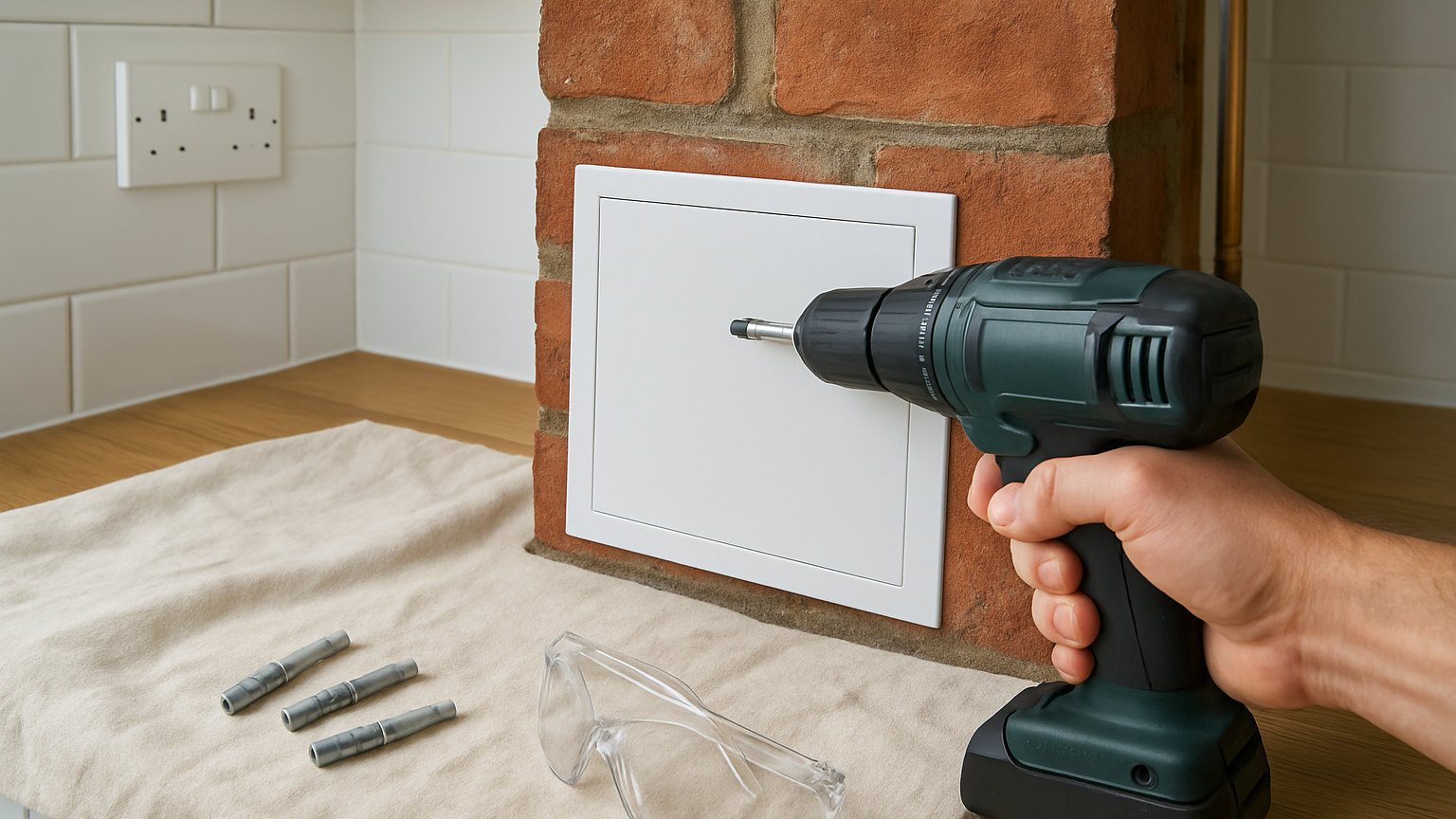
Solid brick or block: a good quality plug and screw. Drill into the brick rather than the mortar joint for anything heavy, since mortar is much weaker. Use a masonry bit and hammer action.
Timber stud: screw directly into the stud, which is by far the strongest option. Use a screw long enough to penetrate the stud by at least 35 to 40mm.
Dot and dab: the board is up to 30mm off the masonry. Use a long screw and plug that reaches and grips the brick behind, and do not overtighten and crush the board.
Plasterboard with a void, no stud available: use a proper hollow-wall fixing rated for the load. Spring toggles and metal toggle fixings carry far more than plastic plugs.
Lath and plaster: fix into the studs. The lath itself carries almost nothing.
Plasterboard fixings compared
Plastic plasterboard plugs: light duty only. Fine for a picture, not for a loaded shelf.
Self-drive metal anchors: moderate loads, quick to fit.
Spring toggles and gravity toggles: the strongest hollow-wall option, spreading the load across a wide area behind the board. Need a larger hole and cannot be removed and reused.
Proprietary heavy-duty plasterboard anchors: good ratings, and read the figures and note whether they are pull-out or shear.
Whatever the rating, plasterboard has limits. For anything genuinely heavy, find a stud or fit a timber batten spanning two or more studs.
Marking out
Decide the height and mark one point.
Use a spirit level, ideally a long one, to mark the line. A short level over a long shelf magnifies any error.
Check the level against the ceiling and the skirting, since a shelf that is truly level can look wrong in a room that is not, and a compromise sometimes reads better.
Hold the bracket against the line and mark the fixing holes through it.
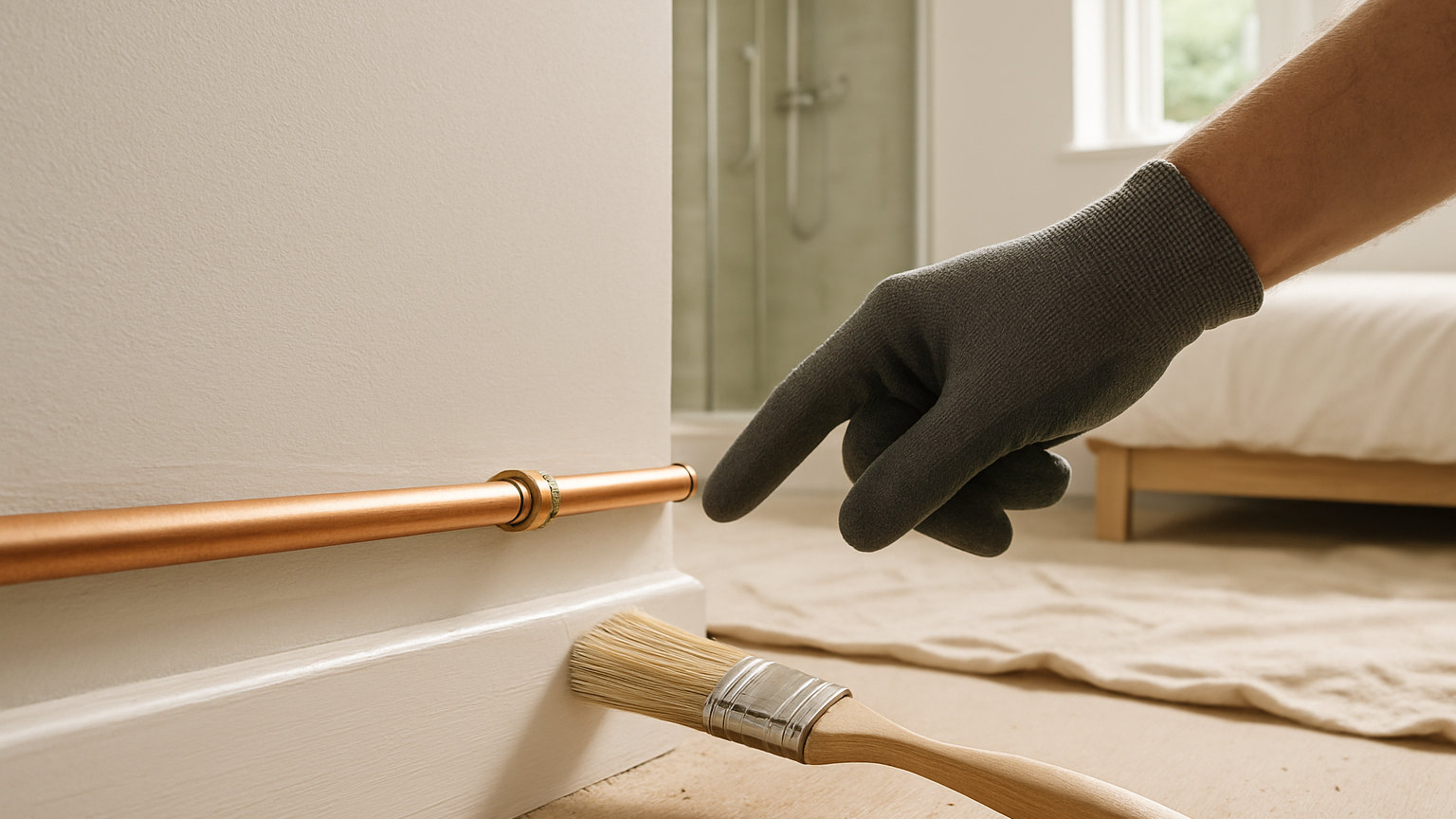
Check the marks with a detector before drilling.
Drilling
Use the drill bit size the fixing specifies, not the nearest one to hand.
Mark the depth on the bit with tape so you do not go too deep.
Drill square to the wall.
Start slowly to stop the bit wandering, and use hammer action only on masonry.
Vacuum the dust out of the hole, since a hole full of dust stops the plug seating properly.
Fixing and checking
Tap the plug in flush and drive the screw until the bracket is tight.
Fit the first bracket, then use the shelf itself and a level to position the second, which is more accurate than measuring.
Check the shelf sits level and does not rock.
Test before loading. Pull down firmly on each bracket.
Bracket spacing
Support at no more than the span the shelf material allows, and closer for heavy loads.
Keep the overhang beyond the end brackets modest, no more than around a quarter of the bracket spacing.
Choose a bracket that supports most of the shelf depth, since a short bracket under a deep shelf allows the front to tip.
Common mistakes
Using the plug that came in the pack without checking it suits the wall.
Drilling into a mortar joint on a masonry wall.
Relying on plastic plasterboard plugs for a loaded shelf.
Not vacuuming the dust out of the hole.
Drilling without checking for cables and pipes.
Overtightening on plasterboard until the board crushes.
Brackets
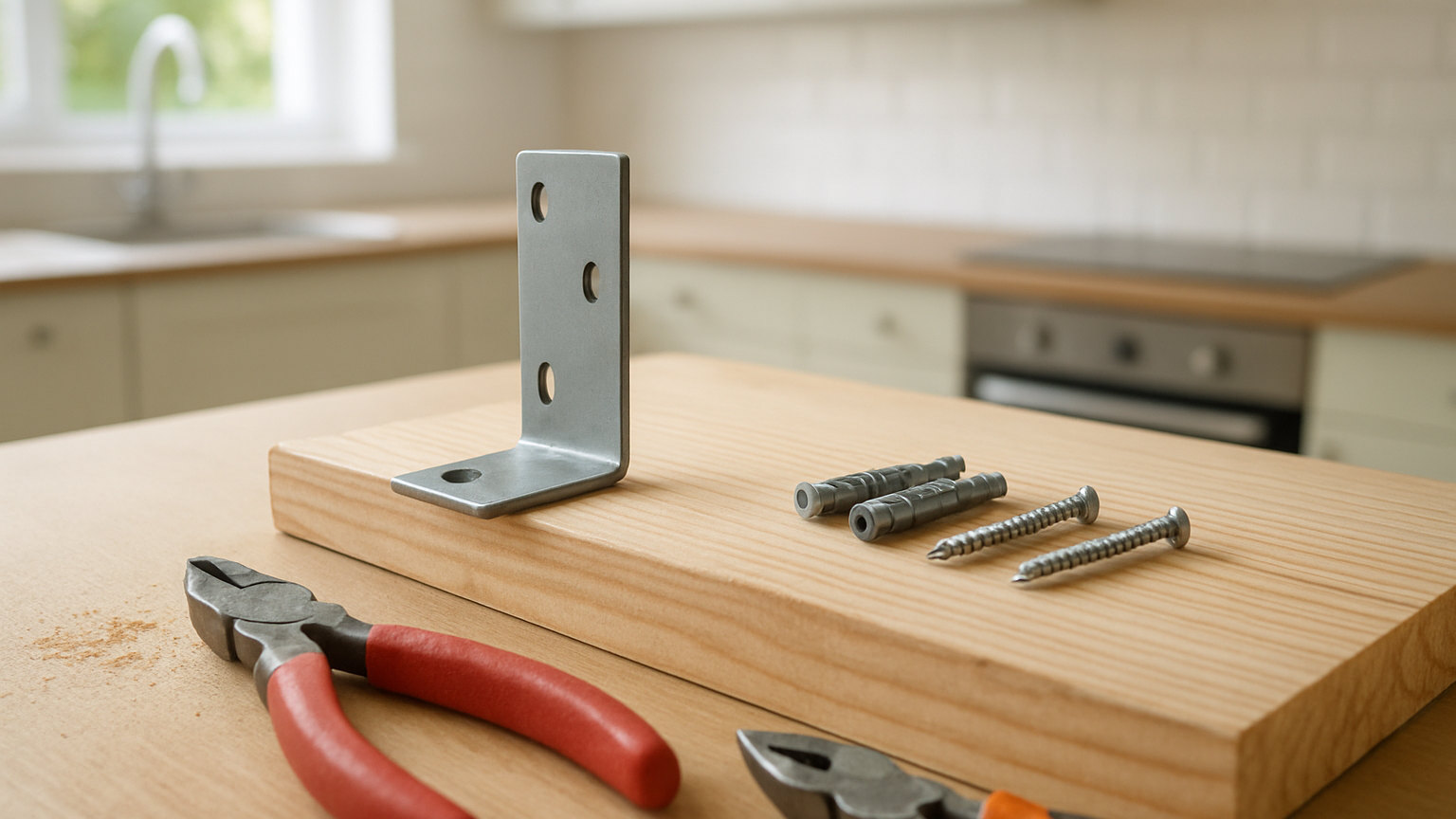
Choose a bracket rated for the load, and note that decorative brackets are frequently rated far lower than plain ones.
Two fixings per bracket is a minimum; three or four is better on anything heavy.
The upper fixing takes the outward pull and the lower takes the downward push, so both matter.