Renting changes the tool question. Storage is limited, drilling may be restricted, and anything you do has to be reversible at the end of the tenancy.
What you are allowed to do
Check the tenancy agreement before anything else, since terms vary considerably.
Most agreements permit minor maintenance and prohibit alterations without consent. Putting up a shelf is usually an alteration.
Get permission in writing, by email if nothing else, before drilling or decorating. A verbal agreement with a letting agent is worth very little at check out.
Report anything that is the landlord's responsibility rather than fixing it yourself, particularly heating, plumbing and electrics. Doing their repairs can complicate the deposit position rather than help it.
Never attempt anything on the gas supply or the fixed electrical installation.
The drawer sized kit
This fits a kitchen drawer or a small box and covers most of what a tenant needs.
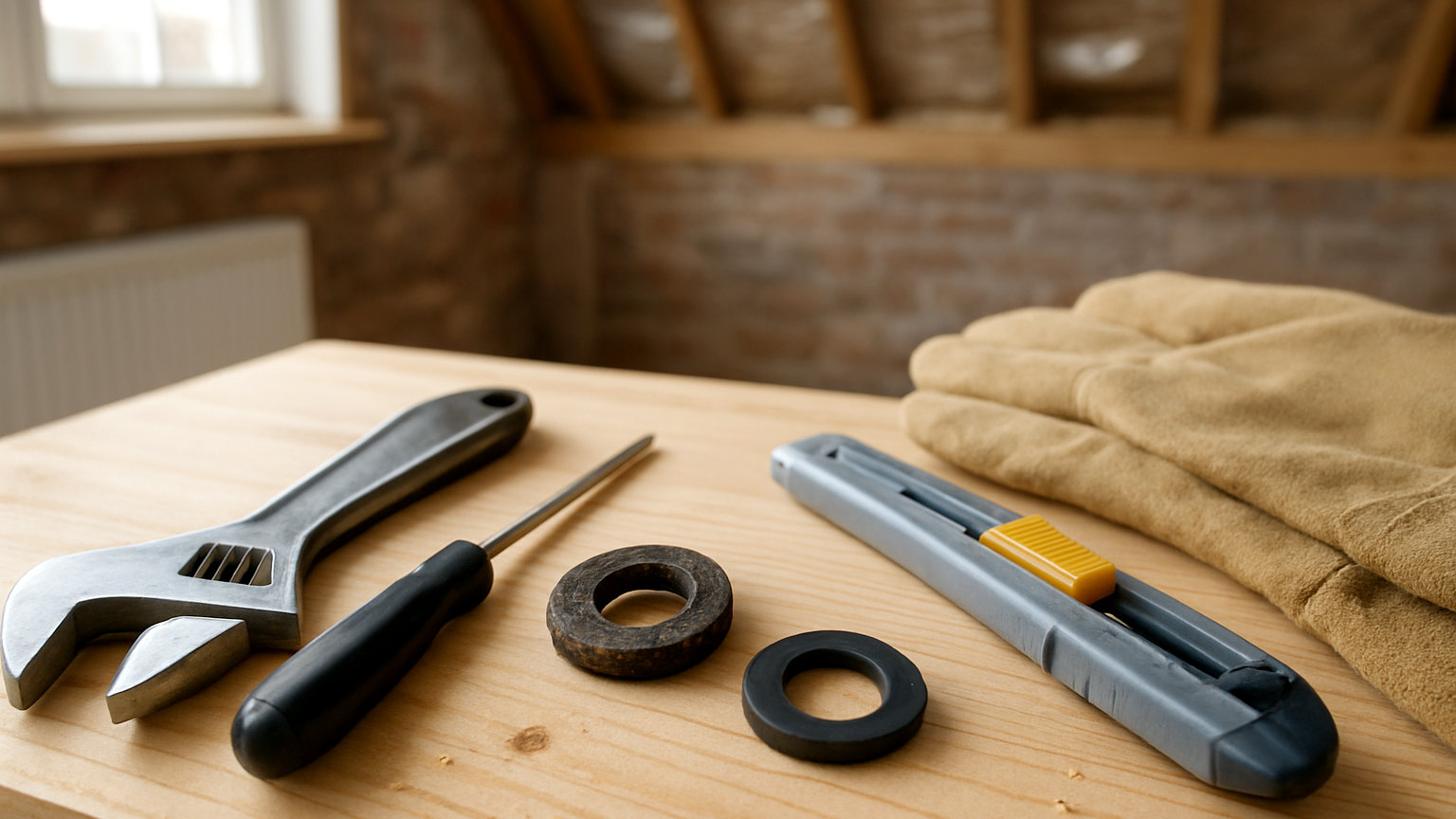
A driver handle with a bit set, which handles furniture, appliance panels and loose fittings.
A small claw hammer.
A 5 metre tape measure.
A 300mm spirit level, or a level app as a poor substitute.
A utility knife with spare blades.
Combination pliers.
An adjustable spanner.
A set of hex keys for flat pack furniture.
Assorted picture hooks, adhesive strips and a few screws and plugs.
A small torch.
Whether to buy a drill
A compact cordless drill driver is genuinely useful and takes little space.
Where drilling is not permitted, it still drives screws for furniture assembly and takes a sanding or mixing attachment.
If the tenancy is short and drilling is out, borrowing or hiring for a single job is more sensible than owning one.
Noise matters in a flat. Drilling masonry is loud and carries through a building, so keep to reasonable hours and warn neighbours.
Fixing things without drilling
This is where renters need to know more than homeowners.
Removable adhesive strips and hooks hold surprising weight and come off cleanly if removed correctly, which usually means pulling the tab straight down slowly rather than peeling.
They do not work well on textured wallpaper, freshly painted surfaces or in bathrooms.
Tension rods for curtains and shelving in alcoves.
Freestanding furniture instead of fitted, which is the main strategy.
Picture rails, where they exist, which were designed for exactly this.
Where drilling is permitted, use the smallest fixing that will do the job, since a 6mm hole is far easier to make good than a 10mm one.
Making good at the end
Start this well before the final week.
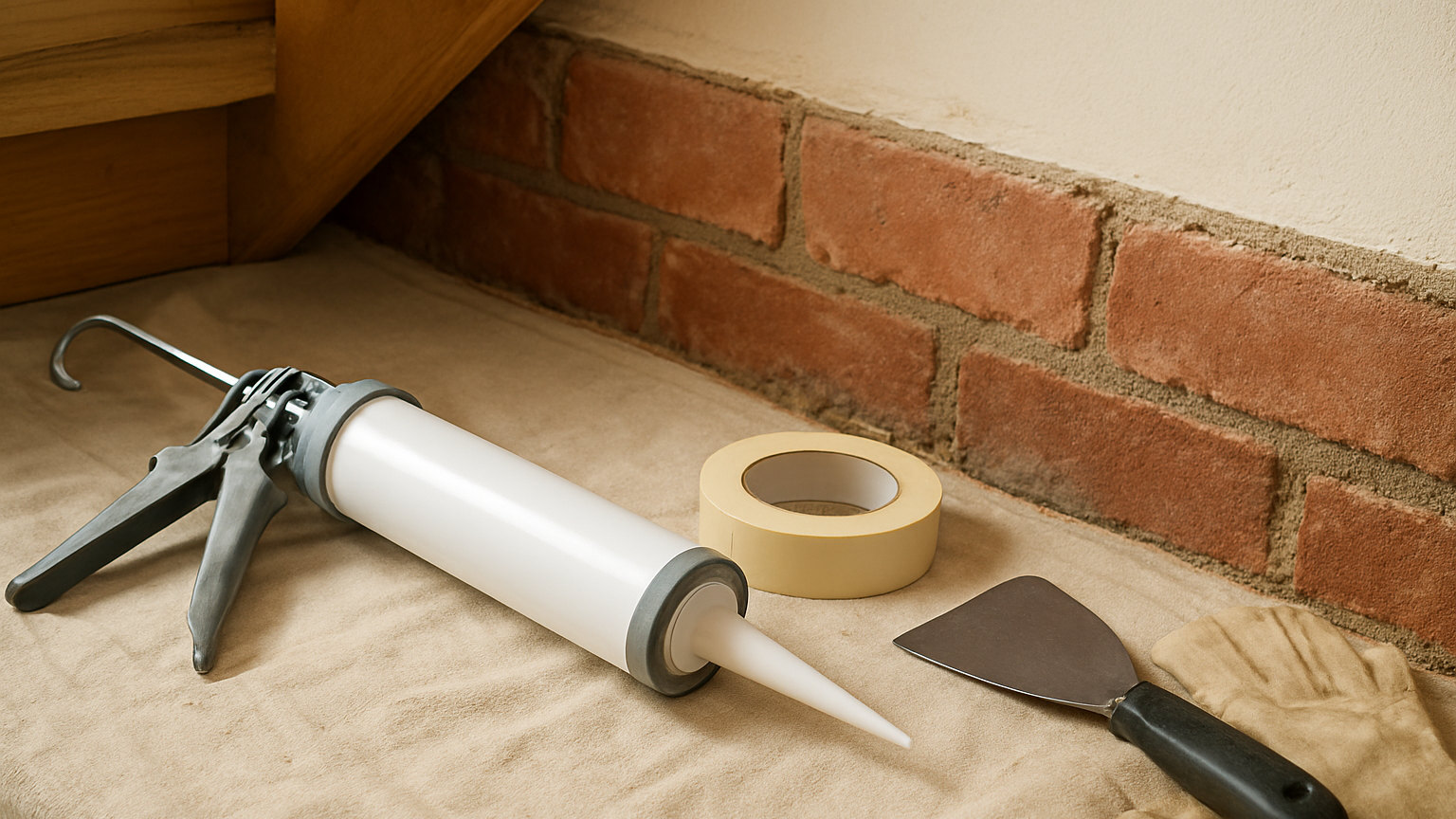
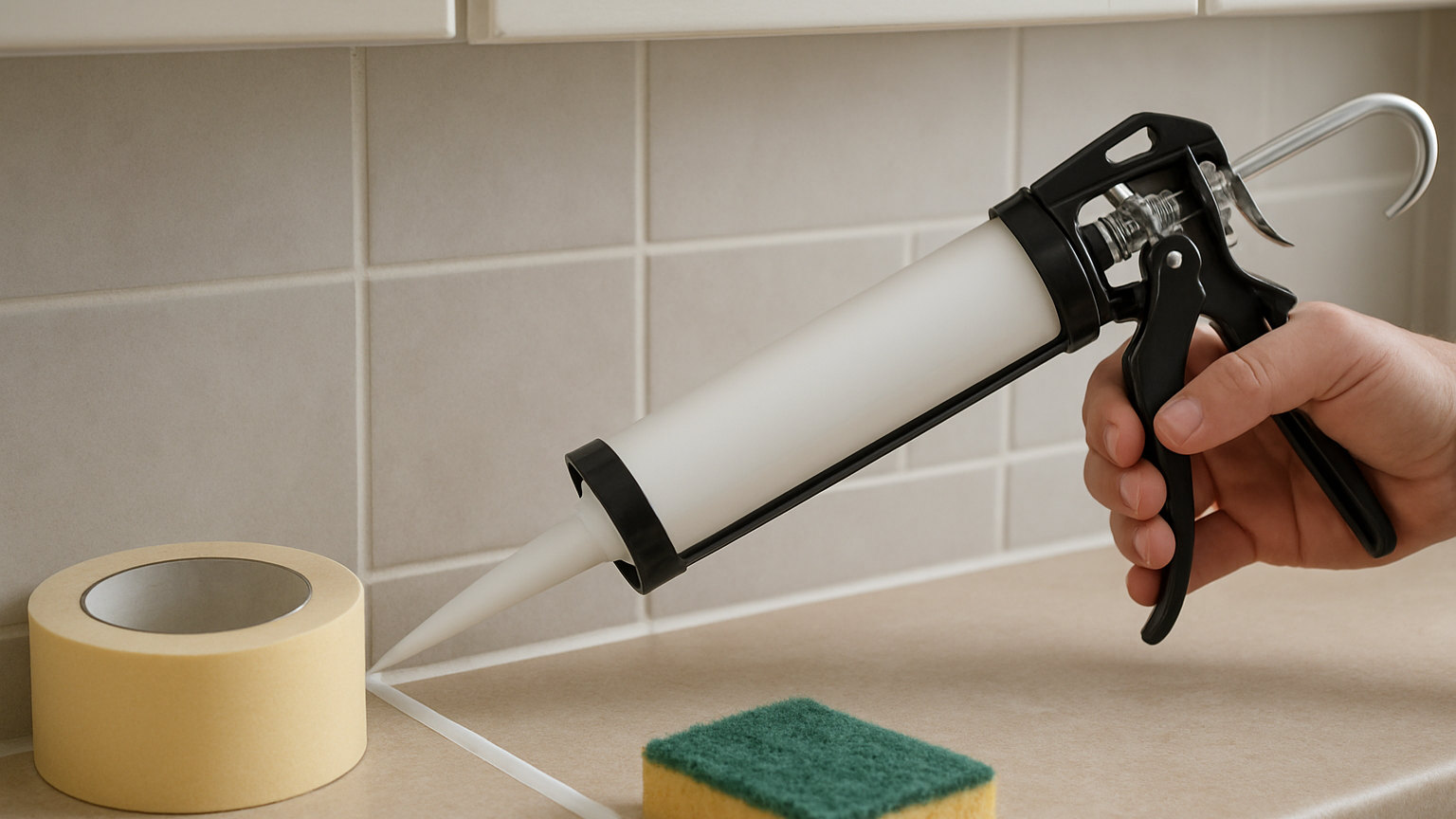
Fill screw holes with a small tube of ready mixed filler, pressing it in and scraping flush rather than leaving a proud blob.
Let it dry, sand lightly, and touch in with matching paint.
Photograph the property at the start of the tenancy, in detail, which is the single most useful thing you can do for the deposit.
Ask the landlord or agent for the paint colour when you move in, and note it down.
Storage in a small flat
A shallow toolbox that fits under a bed or on top of a wardrobe.
A roll up tool wrap takes less space than a box and protects edges.
Keep consumables in a separate small box, since screws and plugs loose in a toolbox are unfindable.
What not to buy
Anything large, loud or single purpose.
A workbench, unless there is genuinely space for it.
Masonry tools, unless drilling is permitted and you have a reason.
Hire for a one off job rather than owning, since storage costs more than hire in a small flat.
Jobs worth doing yourself
Bleeding radiators, replacing a light bulb or a shower head, tightening loose handles and hinges, clearing a slow plug with a plunger, and resetting a tripped breaker.
These are ordinary maintenance rather than alterations, and doing them keeps the flat comfortable without involving anyone.
Anything structural, gas or fixed electrical belongs to the landlord, and reporting it in writing creates the record that protects you.