Having the right fixing at the moment you need it is the difference between finishing a job and stopping halfway. A modest stock covers most household work.
Screws worth keeping
The core, in a compartment box:
- 4 x 30mm: light fixings, hinges, small brackets
- 4 x 40mm: general light work
- 4 x 50mm: the most used size in most households
- 5 x 60mm: heavier fixings, battens
- 5 x 80mm: into joists and studs through board
- 5 x 100mm: heavy work
Plus:
- Drywall screws, 32mm and 38mm, for fixing plasterboard only
- Long screws, 75 or 100mm, for hinge repairs into the frame structure. Genuinely useful and always missing
- A small box of stainless A4 in 4 x 50 and 5 x 70 for anything outdoors
- A few brass screws for visible traditional work
Buy the larger box. The unit price is far lower and you will use them.
Plugs and wall fixings
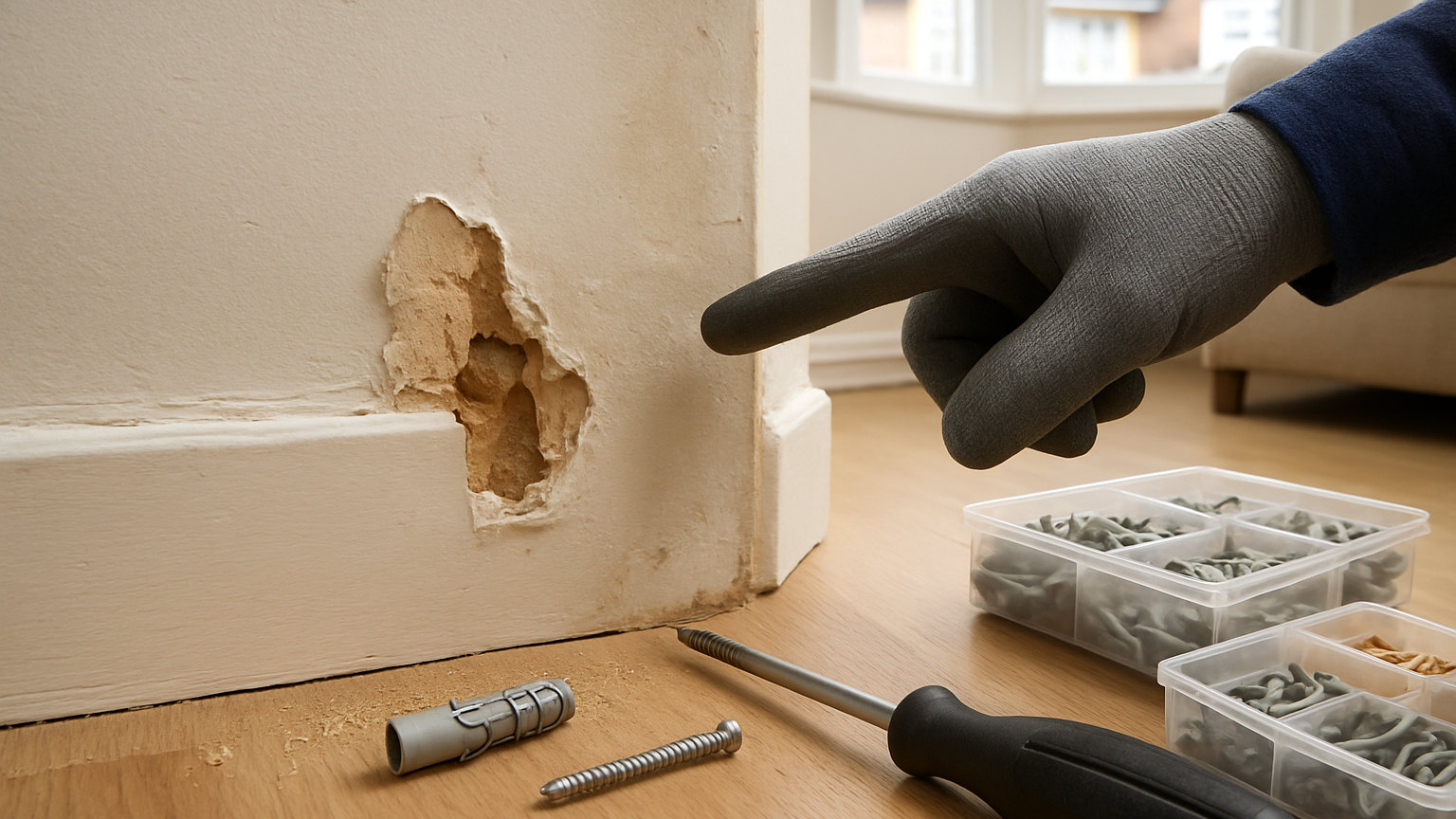
- Red plugs, 6mm, the most used
- Brown plugs, 7mm
- Yellow plugs, 5mm
- Plasterboard self-drill plugs, metal for preference
- Hollow wall anchors in a couple of sizes
- A packet of spring toggles
- Frame fixings, 8 x 100 and 8 x 120, which save a great deal of time
Nails and pins
- Panel pins, 25mm and 40mm
- Oval nails, 50mm and 65mm
- Round wire nails, 75mm and 100mm
- Clout nails for felt and sheet
- A few masonry nails
- Galvanised versions of anything used outside
Bolts and washers
- M6, M8 and M10 bolts in a couple of lengths
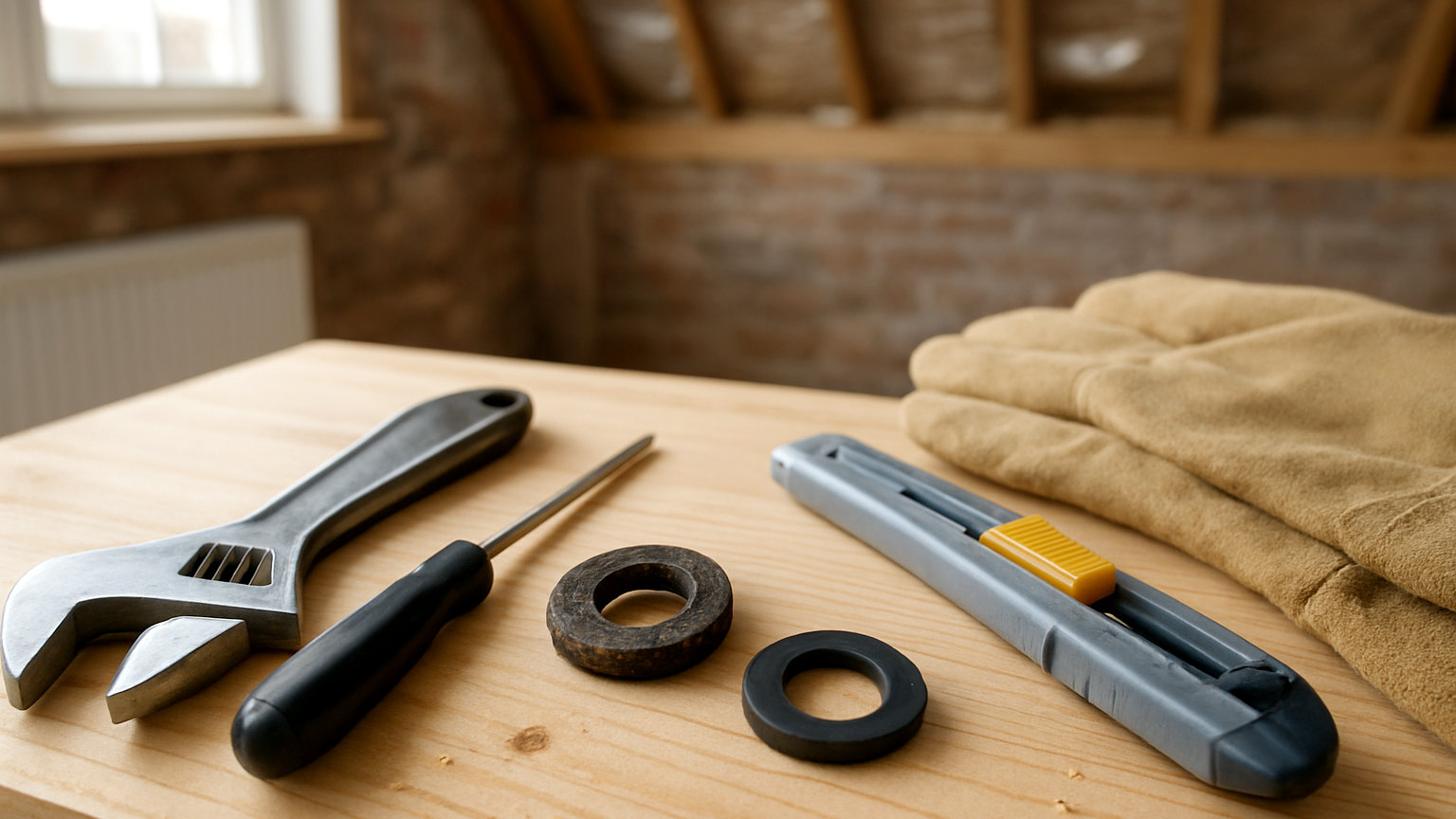
- Matching nuts, nyloc nuts, flat washers and penny washers
- Coach screws, M8 x 80 and M10 x 100, with washers
- Coach bolts for timber
Consumables
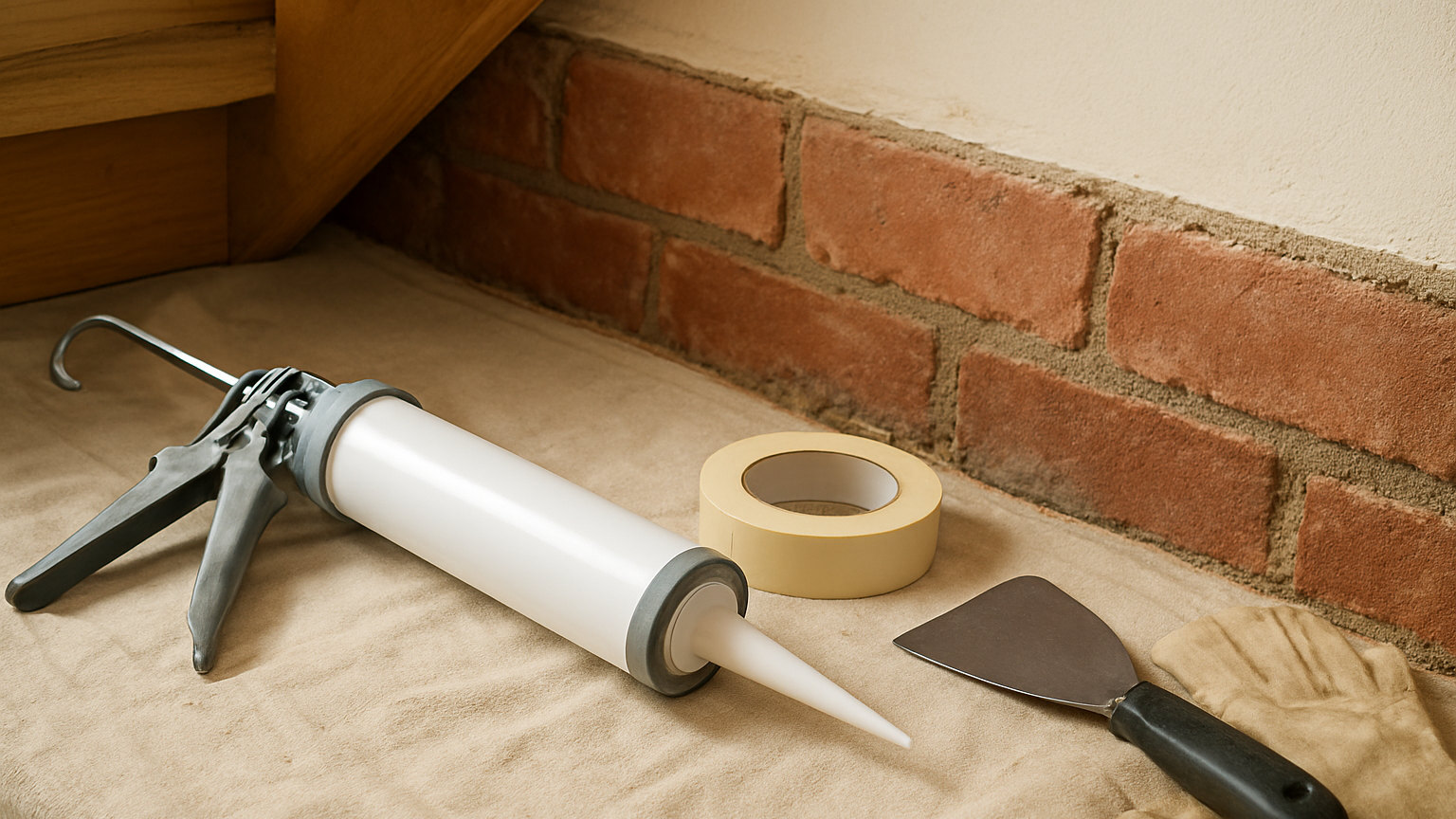
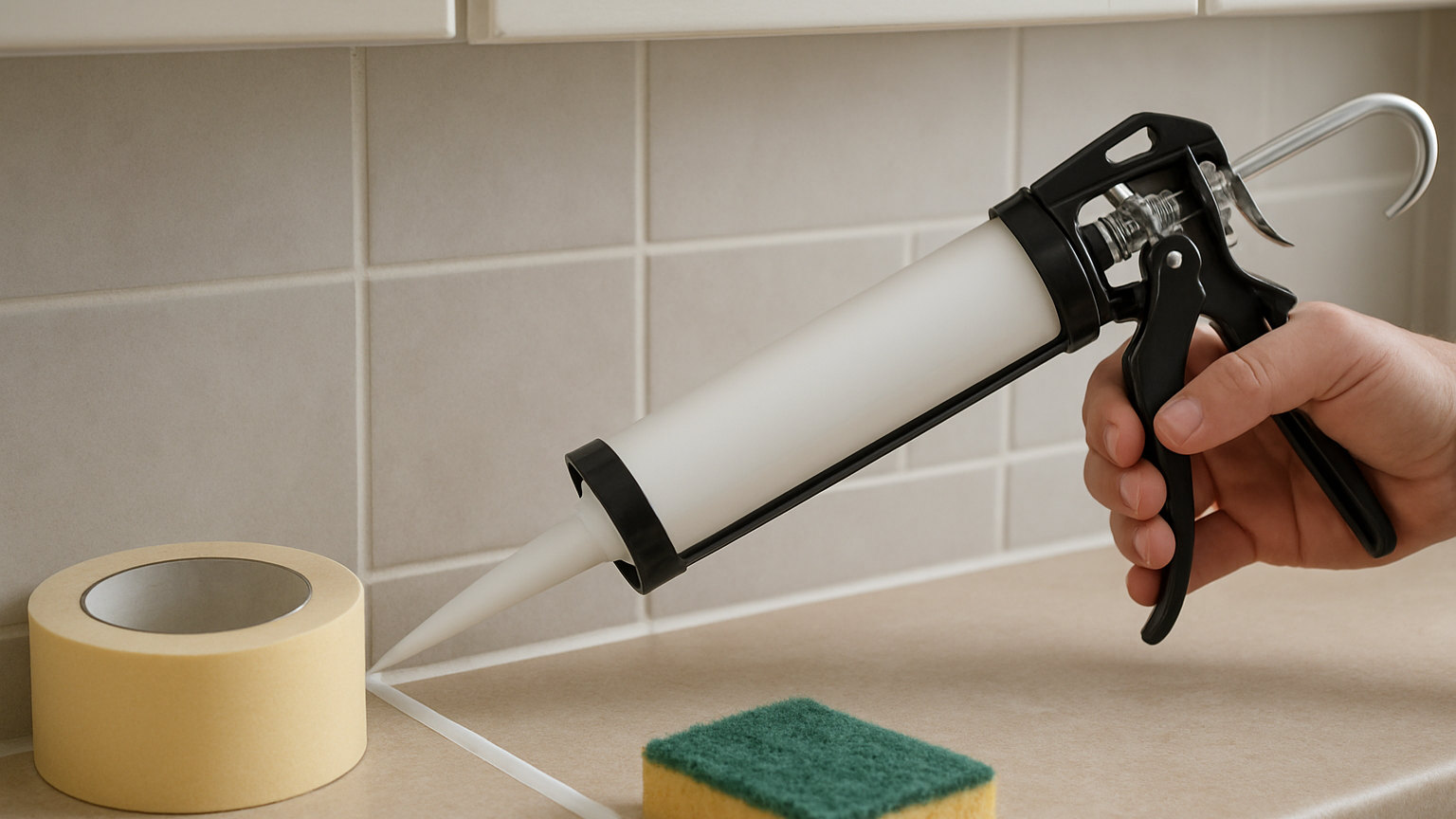
- Decorator's caulk, several tubes, used constantly
- Sanitary silicone, white and clear
- Hybrid sealant, for anything needing waterproof and paintable
- PVA wood glue, D3
- Grab adhesive
- Ready-mixed filler and powder filler, which behave differently
- Two-part exterior wood filler
- Masking tape, in two widths
- PTFE tape
- Abrasive paper, 80, 120, 180 and 240
- Cable ties in a couple of sizes
Buy per job rather than stocking
- Resin anchors, which have a shelf life and are expensive
- Through bolts and expansion anchors, sized for the specific job
- Joist hangers, connectors and their nails
- Specialist fixings for particular materials
- Anything where the exact size matters and the job dictates it
Storage
Compartment organiser boxes with clear lids and adjustable dividers are the best answer.
- One box for screws, sorted by size
- One for plugs and wall fixings
- One for nails and pins
- One for bolts, nuts and washers
- One for miscellaneous: hooks, clips, catches, hinges
- Label every compartment, including the size
- Keep a screw of each size taped to the outside of the lid, or stuck in the label, for instant matching
Alternatives: a wall of small drawers, labelled; clear jars on a shelf, where you can see the contents; or the original boxes in a larger crate, which works if the labels stay legible.
Keeping it usable
- Put leftovers back in the right compartment at the end of a job, rather than in a jar of mixed fixings
- A jar of mixed fixings is a jar of things you will never use
- Sort the mixed jar occasionally, with a magnet and a tray
- Note what you have run out of, immediately
- Keep a running list on the wall or in your phone
- Restock before starting a job, not during it
Storing it dry
- Damp is what ruins stored fixings. Steel rusts in an unheated garage or shed
- Keep boxes off the floor and away from external walls
- Add silica gel packs to boxes and drawers
- Do not store in a sealed plastic box in an unheated space, which traps moisture
- Store outdoor-grade fixings separately, so damp does not spoil the internal ones
Shelf lives that catch people out
Consumables expire, and expired product does not work properly.
- Resin anchors: a definite shelf life, usually a year or two. Expired resin may not cure or reach strength
- Silicone and sealants: typically 12 to 18 months. They stiffen and lose adhesion
- Grab adhesive: similar, and cures in the cartridge
- PVA: around a year once opened, and it is ruined by freezing
- Polyurethane adhesive: cures in the bottle as moisture enters. Short life once opened
- Epoxy: long, and it thickens with age
- Fillers: ready-mixed dries out; powder absorbs moisture and goes lumpy
Write the date on every cartridge and bottle when you open it. Check dates before starting a job that depends on one.
Keeping records
- Note the paint colours, batch numbers, brands and finishes used in each room
- Keep spare tiles, flooring offcuts and a roll of wallpaper, labelled with the room
- Keep manuals and certificates with the house papers
- Photograph inside walls and floors before closing them up
- Keep a note of what type of wall each room has, and where the studs and services run
Ten minutes of record keeping saves hours later, and it is worth a great deal to whoever owns the house next.
If it goes wrong
Ran out mid-job: keep a running list and restock before starting.
Sealant will not cure: check the date on the cartridge.
Fixings rusted in storage: move them somewhere drier and add silica gel.
Cannot find anything: sort into labelled compartments with a sample on the lid.
Jar of mixed fixings: sort it once, then always put leftovers back properly.