
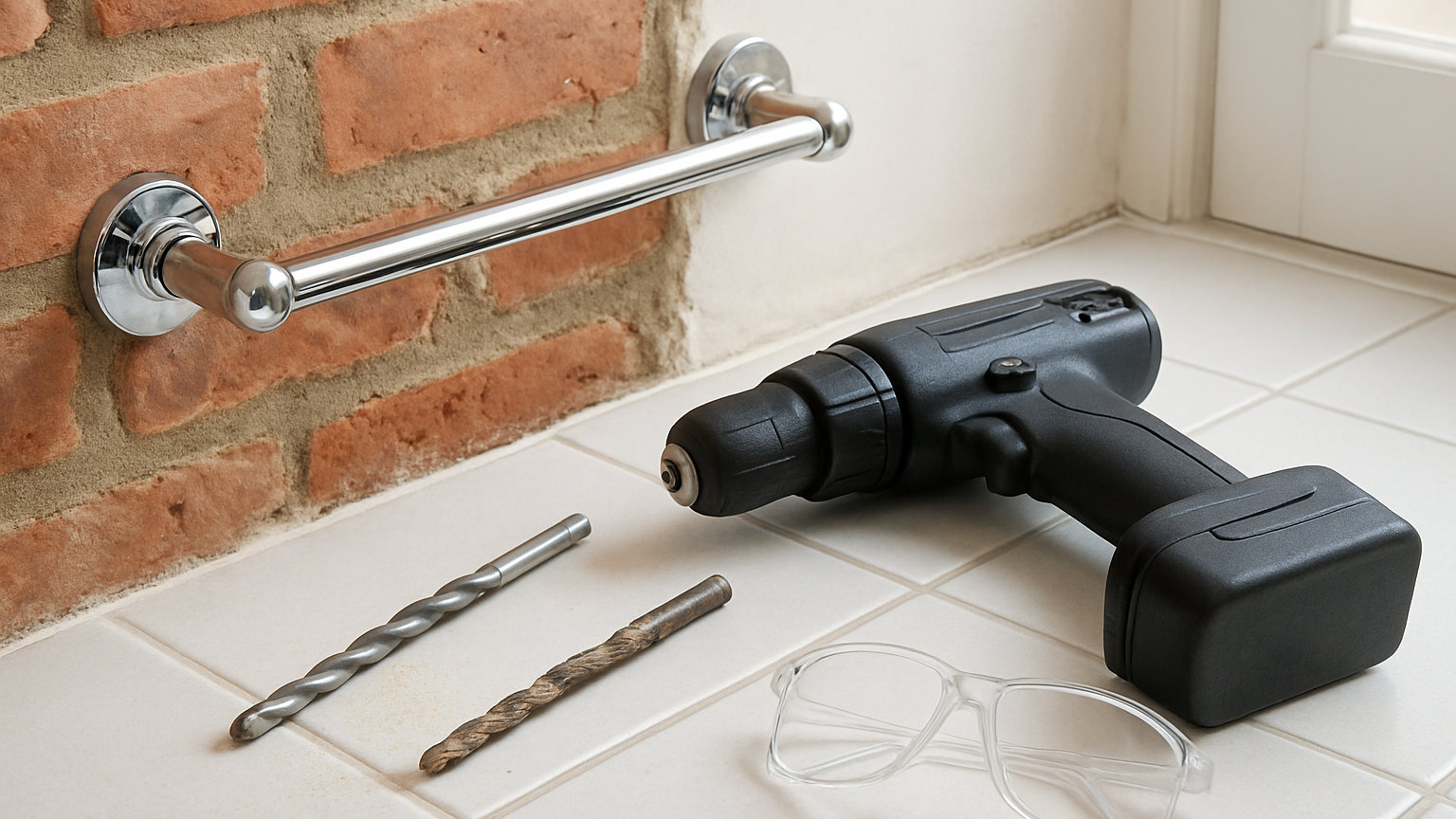
Hand tools cause more DIY injuries than power tools, mostly because people treat them as harmless. A small number of habits prevent nearly all of them.
The four rules
1. Sharp is safer than blunt. A blunt tool needs force. Force plus a slip is a serious injury. A sharp tool cuts where you put it with modest pressure.
2. Clamp the work. Nearly every chisel and knife injury involves one hand holding the work and the other holding the tool.
3. Both hands behind the edge. Cut away from your body, and never towards the hand holding anything.
4. Use the right tool. A screwdriver used as a chisel, a chisel used as a lever, or pliers used as a spanner all fail suddenly.
Eye protection
The single most important item, and the least worn.
Wear it for:
- Any hammering, especially on masonry nails or hardened steel
- Cutting wire, cable ties or any springy material
- Chiselling, chipping and scraping
- Anything overhead
- Sanding, filing and grinding
- Snapping a knife blade
- Any work with springs or anything under tension
Ordinary spectacles are not eye protection. Use goggles or glasses marked to the relevant standard, and choose a comfortable pair you will actually wear.
Mushroomed heads
Worth knowing about, because it is a genuine hazard people do not recognise.
When a struck tool such as a cold chisel, a bolster or a punch is repeatedly hit, the struck end spreads and forms a burred lip, called mushrooming.
- That spread metal is work-hardened and brittle
- A further blow can break a fragment off at very high speed
- The fragments are small, sharp and travel far
- Grind a mushroomed head back to a clean chamfer, or replace the tool
- Inspect struck tools before every use
The same applies to a hammer face: a chipped or spread hammer face should be replaced.
Matching hammers to tools
- Never strike a cold chisel or a bolster with a claw hammer. A claw hammer face is hardened for nails, and striking hardened steel can chip it, throwing fragments
- Use a club hammer for chisels and bolsters
- Use a mallet on a wooden-handled chisel
- Never strike two hammers together
- Never use a hammer with a loose head
Before starting any job
- Check for cables and pipes before drilling, cutting or chiselling into anything
- Isolate electrical circuits, and prove dead where relevant
- Know where the stopcock is
- Consider asbestos in any pre-2000 building: textured coatings, ceiling tiles, insulation board, floor tiles, cisterns and rainwater goods. Do not disturb suspect material; get it tested
- Consider lead paint in any pre-1992 building. Do not dry sand or dry scrape it
- Check the work area is clear and the lighting is adequate
- Have a first aid kit accessible
Personal protection
- Eye protection: always, for anything striking, cutting or abrading
- Gloves: for handling rough material and demolition. Not near rotating tools, where they can be caught
- Dust mask: FFP2 minimum, FFP3 for MDF, hardwood, plaster and masonry dust
- Ear protection: hammering in a confined space is louder than people realise
- Footwear: stout boots, steel toecap for demolition
- Knee pads for floor work
Tie back long hair, remove rings and watches, and avoid loose sleeves and cords.
Cutting and edge tools
- Cut away from the body, every time
- Retract knife blades whenever you put the tool down
- Change blades far more often than feels necessary
- Dispose of blades in a sharps container or a taped tin
- Never leave an edge tool face up on a bench
- Fit guards for storage
- Never carry an unsheathed edge tool in a pocket
- Never test an edge with a finger drawn along it
Working position
- Work at a comfortable height. A bent back tires and mistakes follow
- Keep good footing and never overreach
- Position yourself so a slip takes the tool away from you
- Anticipate the sudden release when a fixing gives way while levering
- Keep the floor clear; trips cause a large share of injuries
- Take breaks. Most accidents happen when tired or rushing
Lifting
- Assess the weight before lifting, and get help
- Keep the load close, bend the knees, keep the back straight
- Do not twist while carrying
- Plan where it is going before you pick it up
- Sheet materials, doors and cast iron are two-person lifts
Working alone
- Tell someone what you are doing and how long you expect to be
- Keep a phone on you, not on the bench
- Avoid working alone at height or on anything heavy
- Have a first aid kit within reach, not in another room
If someone is injured
- Bleeding: apply firm direct pressure with a clean dressing and raise the limb. Seek medical attention for anything deep, bleeding heavily, or not stopping
- Eye injury: do not rub, do not attempt to remove anything embedded. Cover lightly and get medical help immediately
- Deep puncture wound: seek medical attention. Check tetanus status, particularly with rusty or dirty tools
- Crush injury: ice and elevation, and medical attention if a bone may be broken
- Anything serious, or any doubt: call 999
If it goes wrong
Tool slipped: it was blunt, or the work was not held.
Chisel head spread: grind it back or replace the tool.
Something in your eye: do not rub. Get medical help.
Job needing more force than seems right: stop. It is usually the wrong tool or a blunt one.
Tired and rushing: stop and finish tomorrow.


