
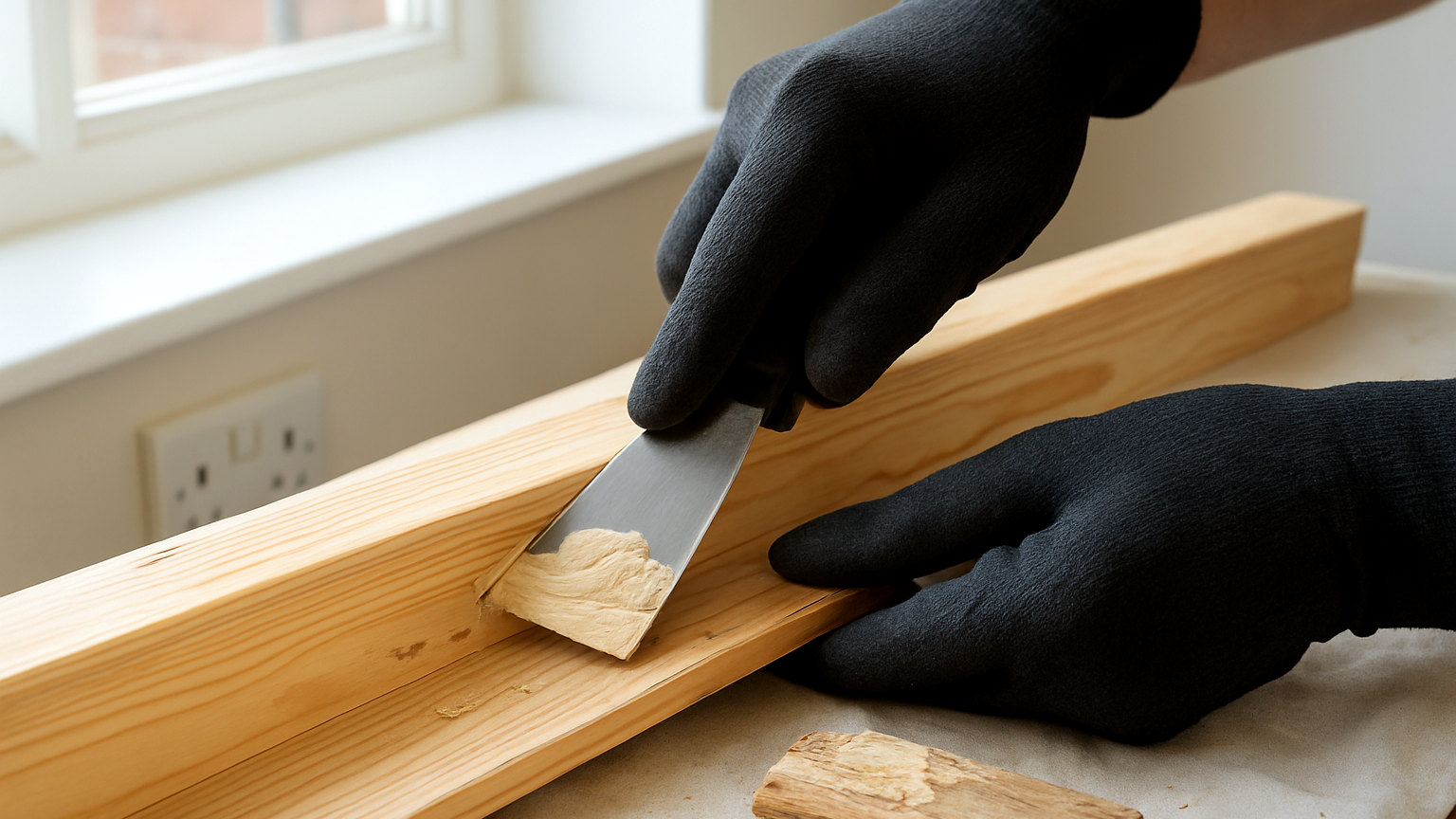
Reclaimed materials are frequently better quality than new, always more characterful, and sometimes cheaper. They also need more checking.
Why reclaimed is worth considering
- Old timber is frequently slow grown and dense, with tight growth rings and few knots, and better than modern equivalents
- It is thoroughly seasoned and dimensionally stable
- Essential for matching in older buildings: bricks, tiles, ironmongery, floorboards
- Character that new materials do not have
- Very low embodied carbon, since the material already exists
- Sometimes cheaper, and sometimes more expensive where it is sought after
Where to look
- Architectural salvage and reclamation yards: the main source, with knowledgeable staff
- Online marketplaces and local giveaway groups
- Demolition and renovation sites, with permission
- Auction houses for fittings and ironmongery
- Community reuse projects and men's sheds
- Freecycle-type schemes for materials people want moved
- Skip diving, with the owner's permission, since taking from a skip without asking is theft
Step 1: what to check on reclaimed timber
- Check exhaustively for nails, screws and grit. A single hidden nail destroys a blade or a planer cutter instantly
- Use a metal detector, and go over every face
- Check for rot and woodworm: soft spots, flight holes, frass
- Distinguish active from historic infestation: fresh clean holes and powder means active
- Check for splits, shakes and old damage
- Assess how much sound timber remains after cleaning up
- Check for old paint, which may contain lead in pre-1980 buildings
- Check for creosote or preservative treatment, particularly on sleepers
Allow for waste. Reclaimed timber yields less usable material than new, sometimes considerably less.
Step 2: reclaimed bricks
- Check they are frost resistant and suitable for their intended position
- Check old mortar has been cleaned off, or allow time to do it
- Lime mortar cleans off easily; cement mortar frequently does not, and bricks laid in cement are often unsalvageable
- Check for cracks, spalling and frost damage
- Check the size, since old imperial bricks differ from metric and will not course with new work
- Buy plenty; matching later is difficult
- Lay out a sample panel before committing
Step 3: other reclaimed materials
Roof tiles and slates. Check for cracks, delamination and nail hole damage. Sort and discard the poor ones. Buy extra.
Floorboards. Check thickness after sanding, check for woodworm and rot, and check tongues and grooves are intact. Old boards are frequently thicker and better quality than new.
Doors. Check for warping, rot in the bottom rail, and whether the size can be adapted. An old door may not meet current fire requirements where one applies.
Ironmongery. Generally excellent: old hinges, latches and handles are frequently better made than modern equivalents. Check for cracks and missing parts.
Radiators. Check for leaks and internal sludge. Have them pressure tested and flushed before installing.
Sanitaryware. Check for cracks and chips, and whether spares and fittings are available.
Step 4: the hazards
Asbestos. Any pre-2000 material may contain it. Do not buy, break or disturb anything suspect. Get it tested.
Lead paint. Common in pre-1980 buildings.
- Never dry sand or burn it, which releases lead into the air
- Test with a lead testing kit
- Use chemical strippers, or wet methods with an FFP3 respirator
- Particular care where children or pregnant women are present
Creosote. On old sleepers and fence posts. Restricted, unpleasant, and it leaches. Not for raised beds, seating or anywhere in contact with people or food.
Woodworm and rot. Do not bring active infestation into a building. Treat or reject.
Old electrical items. Almost never worth reusing. Old wiring and fittings do not meet current standards.
Step 5: buying at a reclamation yard
- Take measurements and photographs of what you are matching
- Take a sample brick or tile if you can
- Go early, since the good material sells first
- Inspect thoroughly, in daylight
- Ask about the provenance and the age
- Prices are frequently negotiable, particularly for quantity
- Ask about delivery, since reclaimed materials are heavy
- Buy more than you need: matching later is usually impossible
Sustainable choices in new materials
- FSC or PEFC certified timber, indicating responsibly managed forestry
- UK and European grown timber, with lower transport impact
- Natural insulations: wood fibre, sheep wool, hemp, cellulose
- Lime rather than cement where the building suits it
- Low VOC paints and finishes
- Recycled content: recycled aggregate, recycled plastic products, recycled glass insulation
- Materials that can be repaired rather than replaced
Embodied carbon
- The carbon emitted in producing, transporting and installing a material
- Cement, steel and aluminium are high; timber and natural materials are low
- Timber stores carbon for the life of the building
- Reusing an existing material has almost no embodied carbon
- Repairing rather than replacing is usually the lowest impact option by a wide margin
- The most sustainable material is the one already in the building
Step 6: repair before replace
- An old timber window can usually be repaired and draught-proofed, frequently lasting longer than a replacement
- Doors, floors and ironmongery are almost always repairable
- Repair keeps the character of an older building, which is frequently its value
- Splice in new timber rather than replacing a whole component
- Repair is generally cheaper, lower impact and better for anything of quality
Selling and giving away your own surplus
- Offer materials locally before disposing of them
- Reclamation yards buy good materials
- Community projects, schools and scout groups frequently want timber and offcuts
- Scrap metal has value; keep copper, brass and aluminium separate
- Clean, sorted and honestly described material finds a home
- It saves disposal costs as well
If it goes wrong
Hit a nail in reclaimed timber: check again with a detector, over every face.
Reclaimed bricks will not course with new: imperial and metric differ. Check the size before buying.
Woodworm found after installing: identify whether it is active and treat it.
Not enough reclaimed material to finish: matching later is very hard. Buy generously.
Suspect asbestos or lead paint: stop, do not disturb it, and get it tested.


