
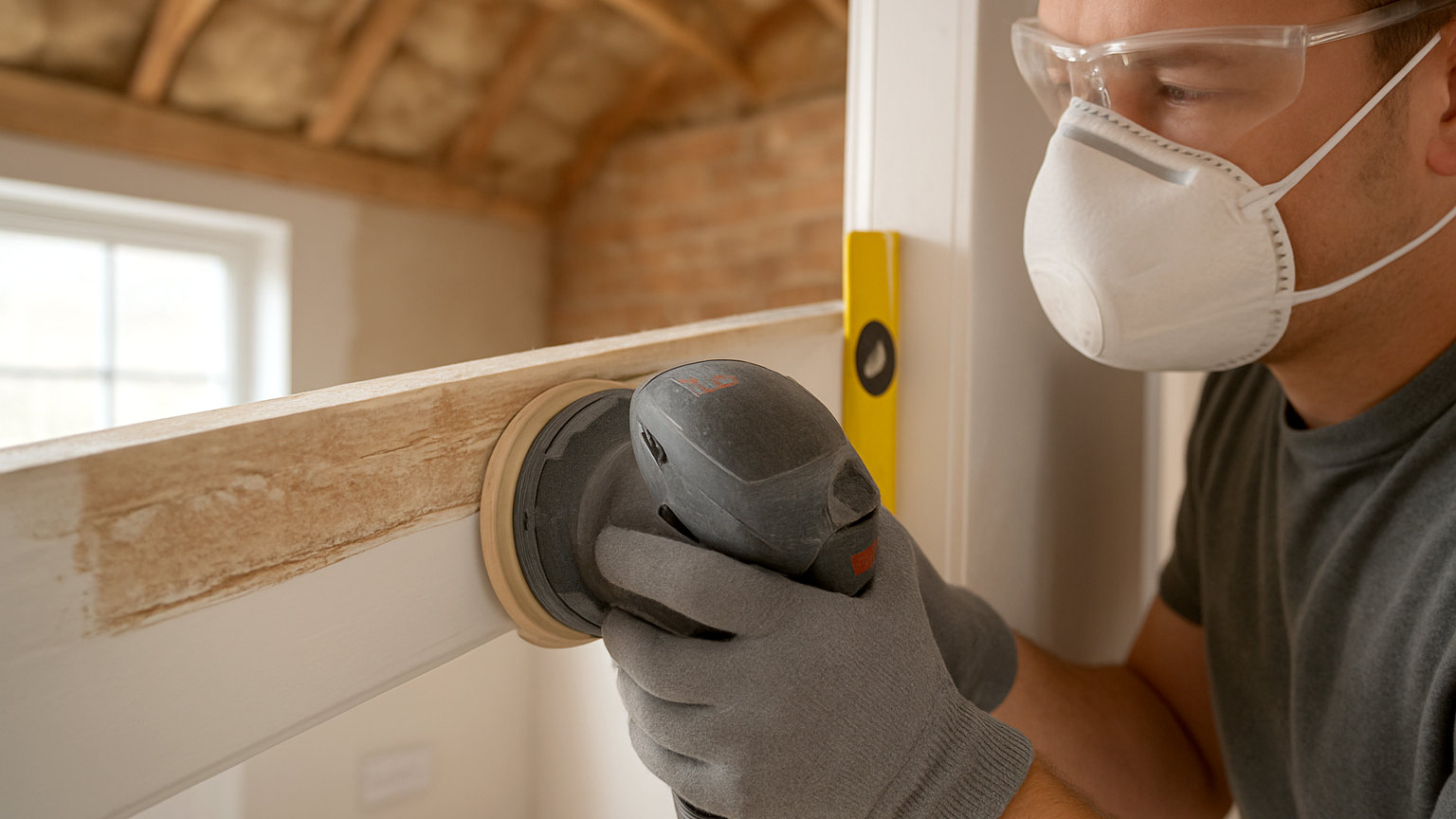
The dust from ordinary building work causes serious, permanent lung damage. It is invisible at the size that matters, does not smell dangerous, and the harm appears decades later.
The three dusts that matter
Respirable crystalline silica. From concrete, brick, block, mortar, stone, tile, grout, screed and sand.
- Released by drilling, cutting, grinding, chasing and sweeping
- Causes silicosis, an irreversible scarring of the lungs, and is linked to lung cancer and COPD
- The dangerous fraction is far too small to see
- A short period of uncontrolled cutting produces a very large exposure
Wood dust. From sawing, sanding, routing and planing.
- Hardwood dust is a recognised carcinogen, associated with nasal cancer
- Softwood dust causes asthma and respiratory sensitisation
- Once sensitised, the reaction is permanent
MDF and composite board dust.
- Very fine, so it stays airborne for a long time and penetrates deeply
- Contains resin binders as well as wood fibre
- Treat it as at least as hazardous as hardwood
Plus: lead from pre-1992 paint, and asbestos from pre-2000 materials. Neither should ever be sanded, cut or disturbed. Get suspect materials tested.
The order of control
Masks come last, not first.
- Avoid the dust: buy material cut to size, use a hand tool, choose a method that does not create dust
- Capture it at source: on-tool extraction is by far the most effective single measure
- Suppress it: cut wet where the tool and the material allow
- Ventilate: work outdoors, or open up and extract to outside
- Then wear a respirator
On-tool extraction
The measure that makes the biggest difference.
- Most power tools have an extraction port. Use it
- Onboard dust bags catch very little of the fine fraction. Connect a proper extractor
- Shrouds and collection attachments are available for drills, grinders and saws
- A vacuum nozzle held just below a drilling position catches most of the dust for almost no effort
- Wall chasers, grinders and cut-off saws should be used with a shroud and an extractor
Extractor classes
A domestic vacuum cleaner is not suitable. It passes fine dust straight through the motor and back into the room, concentrating the hazardous fraction in the air.
- L class: low hazard dust. Suitable for general timber and household debris
- M class: medium hazard. The right choice for silica, hardwood and MDF dust. Filters to a defined efficiency, with a filter cleaning function and a filter warning
- H class: high hazard, including certain specialist applications
An M-class extractor also has automatic filter cleaning and a tool-triggered socket, so it starts with the tool. Both are genuinely useful.
For occasional use, an M-class extractor can be hired.
Respirators
- FFP2: a reasonable minimum for general dusty work
- FFP3: the correct choice for silica, hardwood, MDF and plaster dust. Higher filtration
- Reusable half-mask with P3 filters: more comfortable for extended use, better sealing, cheaper over time
- A powered respirator for long or heavy work
A surgical mask or a nuisance dust mask offers no meaningful protection.
Fit matters more than rating
A respirator only works if it seals against the face.
- Facial hair breaks the seal. A beard or even stubble along the sealing line means the mask does not protect you, whatever its rating
- Fit both straps correctly, one above and one below the ears
- Mould the nose clip to the shape of your nose
- Perform a fit check: cover the filter, breathe in, and the mask should pull in against your face and hold
- Check the seal each time you put it on
- Replace disposable masks; they are not reusable indefinitely
- Replace filters on a reusable mask as directed
Practical measures
- Work outside where you can. Cut sheet material in the garden
- Close internal doors and seal the doorway with plastic sheeting and tape
- Turn off central heating and any air circulation, which distributes dust through the house
- Cover and remove furnishings
- Open windows and set a fan blowing outward
- Keep other people, especially children, out of the area
- Vacuum with an M-class extractor rather than sweeping. Sweeping returns settled dust to the air, where it is far more dangerous
- Damp down surfaces before cleaning
- Wipe surfaces with a damp cloth rather than dusting
After the work
- Do not brush dust off your clothes, which makes it airborne. Vacuum them, or change outside
- Wash work clothes separately from household washing
- Wash hands and face before eating, drinking or smoking
- Do not eat or drink in the work area
- Shower after a dusty day
- Clean up thoroughly before removing the respirator, since the clean-up is frequently the dustiest part
Noise and vibration, while we are here
- Noise damage is permanent and cumulative. If you must raise your voice to be heard at arm's length, hearing protection is needed
- Ear defenders or plugs for grinders, SDS drills, mitre saws, routers, planers and impact drivers
- Hand-arm vibration syndrome causes permanent nerve and circulation damage, from sustained use of hammer drills, grinders, sanders and multi-tools
- Take regular breaks, keep hands warm, use sharp accessories, and do not grip harder than necessary
- Tingling or numbness in the fingers after tool use is a warning sign worth taking to a doctor
If it goes wrong
Dust everywhere after a job: control it before starting, not afterwards.
Mask uncomfortable: try a reusable half-mask, which most people find better.
Beard and need a respirator: a powered hood or a full face powered respirator does not rely on a face seal.
Suspect asbestos: stop, do not disturb it, and get it tested.
Persistent cough or breathlessness after dusty work: see a doctor and tell them what you were exposed to.


