Wood dust causes permanent respiratory harm and hardwood dust is a recognised carcinogen. Fine dust also settles on everything, ruins finishes and creates a fire risk.
The order of control
Masks come last, not first.
- Avoid creating it: hand tools produce shavings rather than dust; buy material cut to size
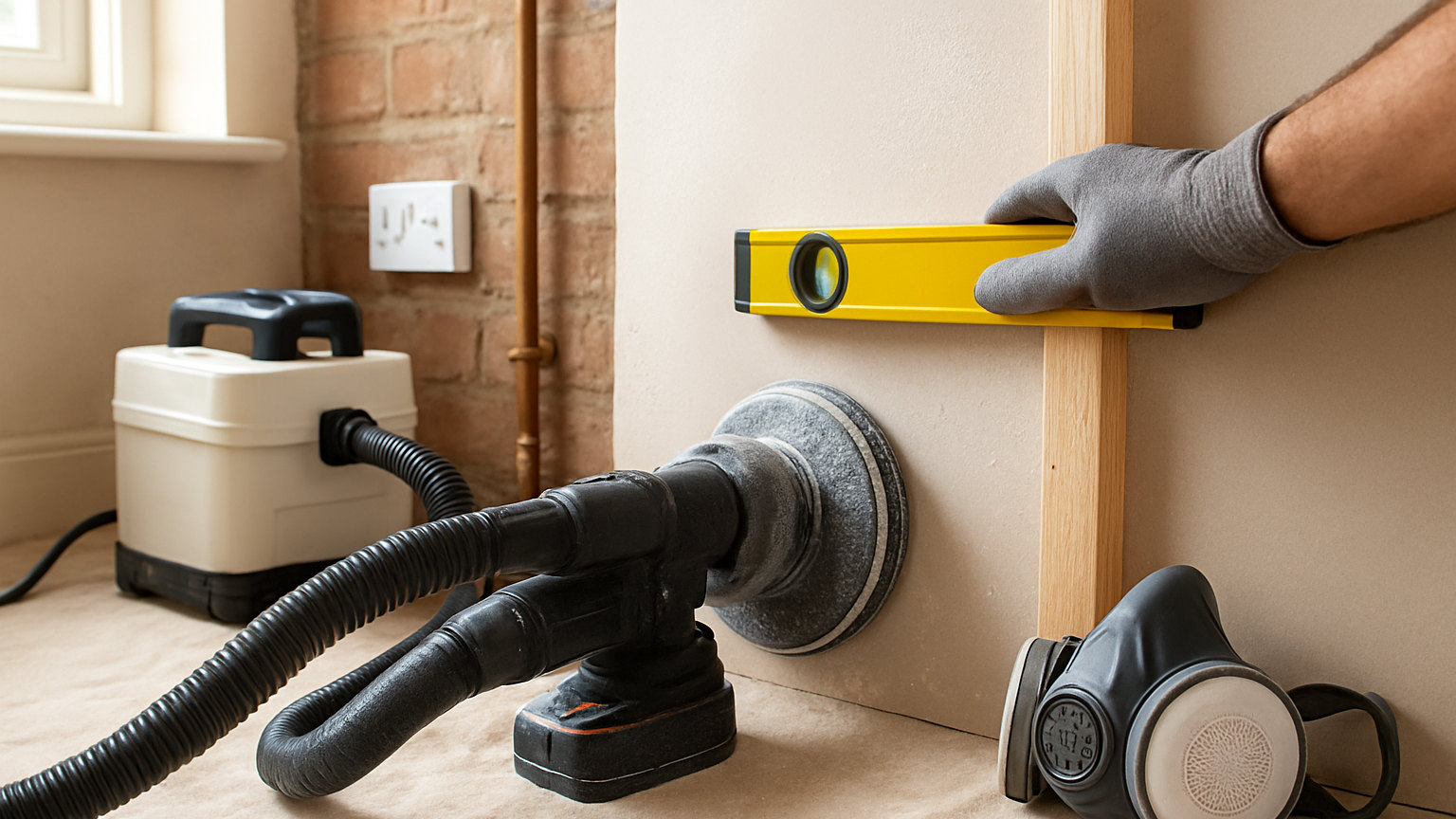
- Capture at source: extraction connected to the tool. By far the most effective single measure
- Filter the air: an ambient air filter catching what escapes
- Ventilate: work outdoors or with the door open
- Then wear a respirator
Two different machines
People confuse these constantly, and they are not interchangeable.
Chip extractor, or dust collector. High volume, low pressure. Moves a large quantity of air at low suction, through a large diameter hose, typically 100mm.
- For machines producing large volumes of chips: planer, thicknesser, table saw, bandsaw, mitre saw
- Cannot generate the suction needed for a small hose
- Bag-type filters on older units pass very fine dust straight through, which is the harmful fraction. A fine cartridge filter is a worthwhile upgrade
Workshop vacuum, or dust extractor. Low volume, high pressure. Strong suction through a small hose, typically 32 to 50mm.
- For hand-held power tools: sanders, routers, jigsaws, circular saws, multi-tools
- For clean-up
- M class for wood, MDF and silica dust: defined filtration efficiency, filter cleaning and a filter warning
- A tool-triggered socket, starting the extractor with the tool, is genuinely useful
A domestic vacuum cleaner is not suitable. It passes fine dust through the motor and back into the room, concentrating the harmful fraction in the air.
Step 1: extraction at source
- Use the extraction port on every tool that has one
- Onboard dust bags catch very little of the fine fraction; connect a proper extractor
- Get the right adaptor for each tool. A universal adaptor set saves a great deal of frustration
- Keep hose runs short and straight; every bend reduces performance
- Use the largest hose the tool will take
- Position the hose so it does not drag the tool or catch on the work
Step 2: hoods and shrouds
- A hood or shroud close to the cutting point captures far more than a distant port
- Above and below a table saw blade, since dust goes both ways
- A shroud on an angle grinder or a wall chaser
- A collection attachment for drilling
- Simple homemade hoods from plywood and a hose connector work well
Step 3: ambient air filtration
The fine dust that escapes source extraction hangs in the air for hours.
- An air filter unit hung from the ceiling circulates and filters the room air
- Catches the very fine fraction that stays airborne longest
- Run it during work and for an hour or two afterwards, which is when it does most good
- Position it to create a circular airflow around the room
- A remote timer is convenient
- It supplements source extraction; it does not replace it
Step 4: respirators
- FFP2 as a general minimum
- FFP3 for MDF, hardwood, plaster and silica dust
- A reusable half-mask with P3 filters is more comfortable for extended use, seals better and is cheaper over time
- A powered respirator for long sessions or where a face seal is not possible
- A surgical or nuisance dust mask offers no meaningful protection
Fit matters more than rating.
- Facial hair breaks the seal. A beard along the sealing line means the mask does not protect you
- Fit both straps, one above and one below the ears
- Mould the nose clip to your nose
- Fit check: cover the filter, breathe in, and the mask should pull against your face and hold
- A powered hood does not rely on a face seal
Step 5: cleaning up
- Vacuum, never sweep. Sweeping returns settled dust to the air where it is far more dangerous
- Use an M-class extractor for the clean-up
- Damp down before cleaning where possible
- Wipe surfaces with a damp cloth rather than dusting
- Do not use compressed air to blow dust off, which creates a serious airborne cloud
- Clean as you go rather than at the end
Step 6: after the work
- Do not brush dust off your clothes, which makes it airborne. Vacuum them or change outside
- Wash work clothes separately
- Wash hands and face before eating or drinking
- Do not eat or drink in the workshop
- Keep the respirator on during clean-up, which is frequently the dustiest part
- Close the door to the house, and do not walk dust indoors
Step 7: fire risk
Fine wood dust in quantity is a genuine fire and explosion risk.
- Accumulated dust on surfaces, beams and light fittings is a fire load
- Airborne fine dust in a confined space can explode given an ignition source
- Empty extractor bags and drums regularly, outside
- Do not let dust accumulate on hot surfaces or light fittings
- Take great care with any hot work, grinding sparks or naked flame
- Keep a suitable extinguisher accessible
Step 8: filters and maintenance
- Clean or replace filters as the manufacturer directs
- A clogged filter dramatically reduces suction, and people frequently blame the machine
- Empty bags and drums before they are full; performance drops well before that
- Check hoses for blockages and splits
- Empty and change filters outside, wearing a respirator
- Antistatic hose or an earthing wire reduces static build-up, which is unpleasant and a minor ignition risk
Realistic priorities
If you cannot do everything:
- An M-class vacuum connected to hand tools. The biggest single improvement
- An FFP3 respirator that fits and that you actually wear
- Open the door and work outside where you can
- Vacuum rather than sweep
- An air filter, if you work indoors regularly
- A chip extractor, once you have machines that need one
If it goes wrong
Suction dropped: a full bag, a clogged filter, or a blocked hose.
Dust everywhere despite extraction: the port is not capturing at source. Add a hood.
Static shocks from the hose: use antistatic hose or fit an earthing wire.
Mask uncomfortable: try a reusable half-mask, which most people prefer.
Persistent cough after workshop sessions: see a doctor and tell them what you have been exposed to.