Coving covers the junction between wall and ceiling. It hides a difficult line, absorbs movement, and in a period house it is part of how the room reads.
Coving or cornice
Coving is a simple concave profile, usually a plain quarter circle.
Cornice is more elaborate: stepped, moulded or decorated with detail such as egg and dart or dentil.
The terms are used loosely in the trade and the distinction is essentially one of ornament.
The materials
Gypsum plaster coving. The traditional choice and the most common in the UK.
- Crisp profile, takes paint well, feels solid
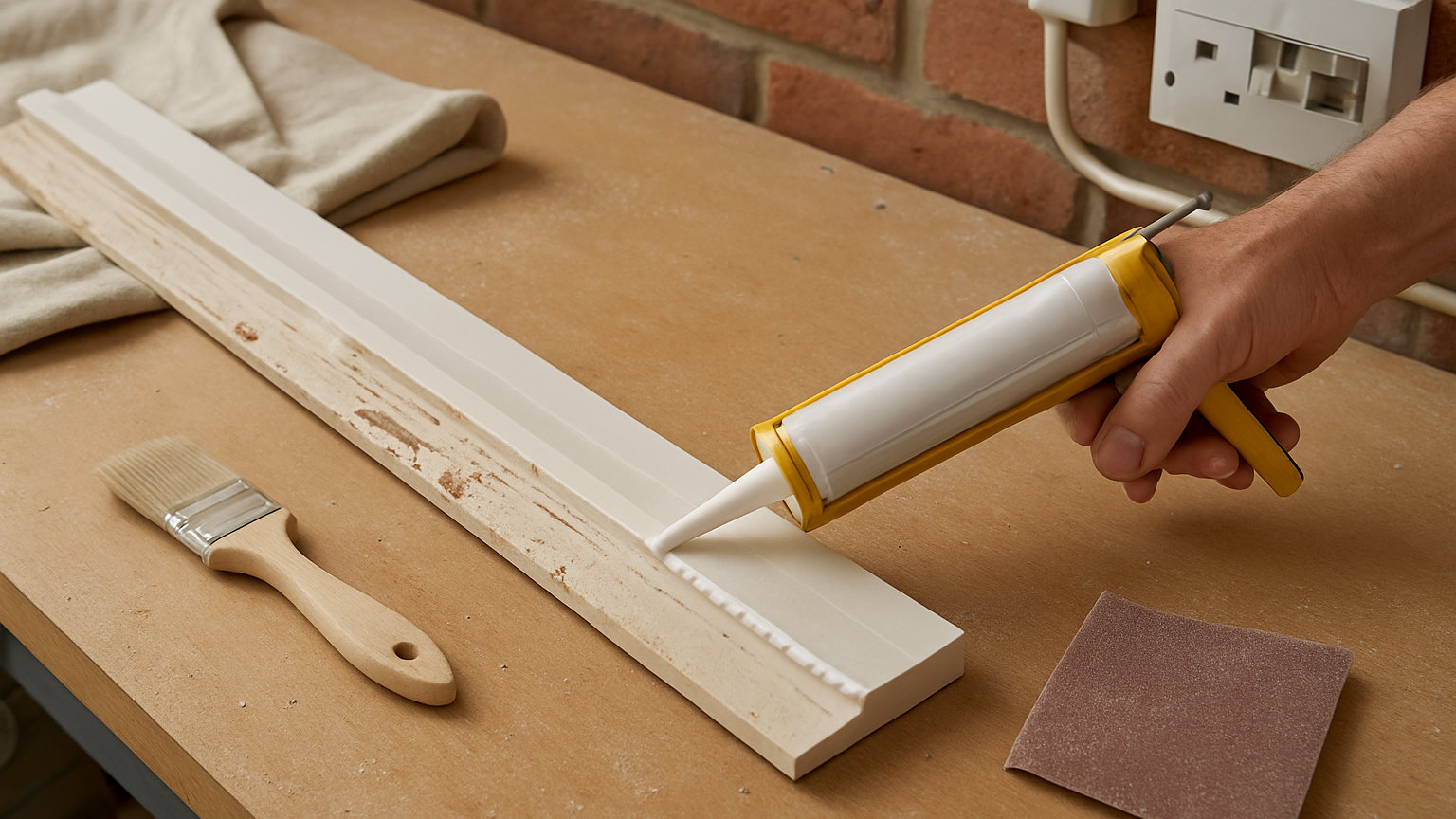
- Fixed with a gypsum-based coving adhesive
- Joints and gaps filled with the same adhesive, so they disappear completely
- Heavy and brittle, and it breaks if dropped or flexed
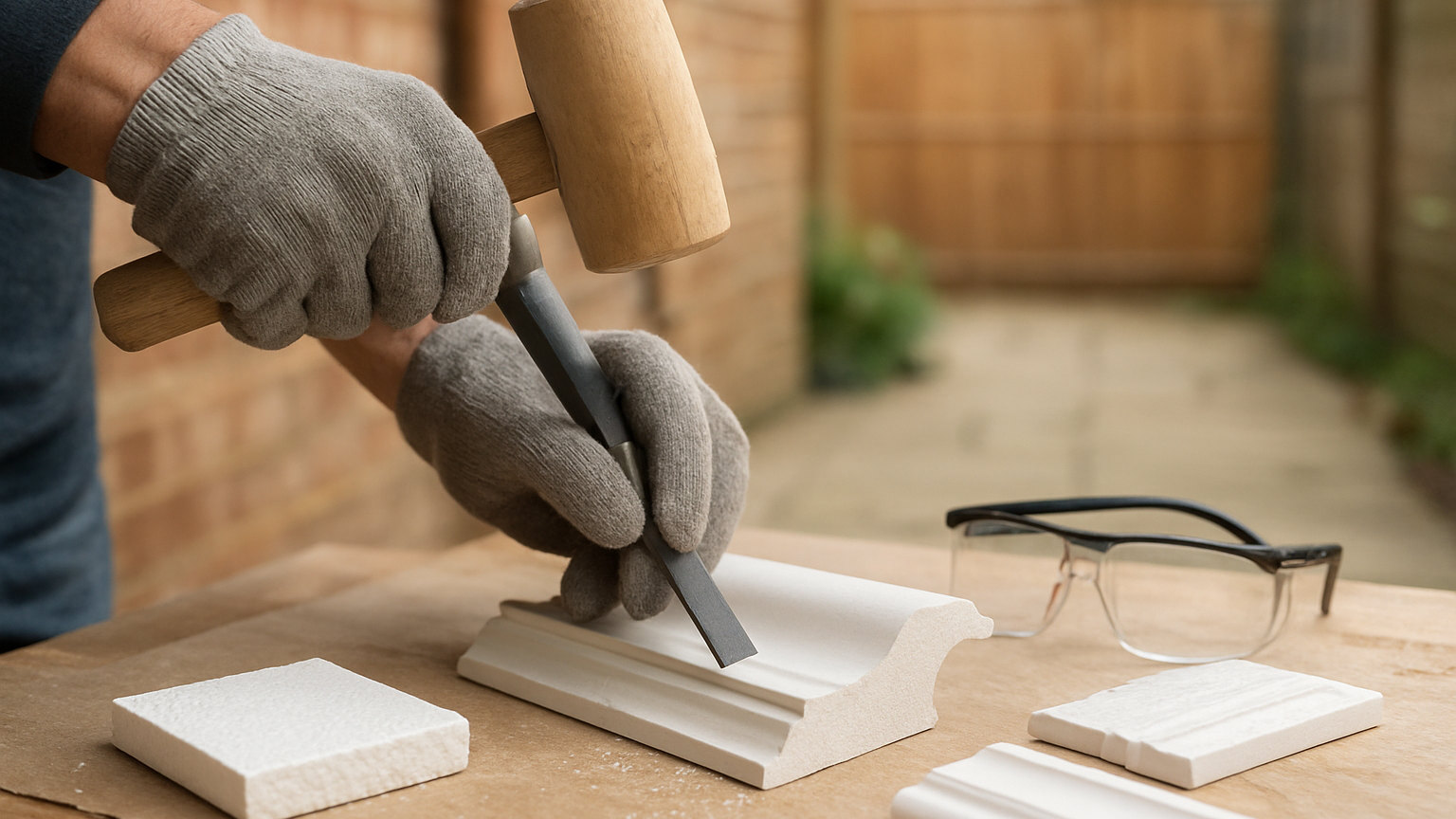
- Cuts with a fine-tooth saw
- Does not follow an uneven wall; the gaps get filled
Polystyrene coving. Very light and cheap.
- Easy to handle and cut with a knife
- Fixed with a proprietary polystyrene adhesive
- Soft, dents easily, and the profile is less crisp
- Needs the correct adhesive: solvent-based products dissolve it
- Adequate in a bedroom, poor where it will be knocked
Duropolymer and rigid polyurethane. Modern, dense foam mouldings.
- Crisp detail, light, strong and impact resistant
- Fixed with an adhesive sealant
- Does not absorb moisture, so suitable for bathrooms
- More expensive than plaster
- Cuts cleanly with a fine saw
MDF and timber. Used for large architectural cornices and picture rails, fixed mechanically, and needs sealing and painting.
Fibrous plaster. Made to order for restoration and elaborate period profiles. Expensive and heavy, and the right answer in a listed or high-quality period interior.
Sizing it to the room
Coving is described by its drop or girth: how far it projects down the wall and across the ceiling.
- 100mm: the standard domestic size, suits ceilings up to about 2.4m
- 127mm: a slightly more generous profile, good for 2.4 to 2.7m
- 150mm and above: for tall rooms, 2.7m and up, and period properties
Coving that is too large makes a low room feel lower. Coving that is too small in a tall Victorian room looks mean and out of proportion.
Hold a sample against the wall before ordering.
Matching the house
- Victorian and Edwardian: a deeper, more decorative cornice, sometimes with a plain frieze below
- 1930s: a simple curved or stepped profile
- Post-war and modern: plain coving, or none at all
- Contemporary: many modern interiors deliberately have no coving, using a shadow gap instead
Where the house has original cornice in other rooms, match it. Suppliers can frequently identify or reproduce a profile from a photograph and a section.
How much to order
- Measure the perimeter of the room
- Add for each internal and external corner, since a mitre wastes material
- Add at least 10 to 15 per cent for cuts and breakages
- Round up to whole lengths, usually 2m or 3m
- Order all of it in one batch
Plaster coving in particular breaks in handling, so the spare is not optional.
Where coving helps most
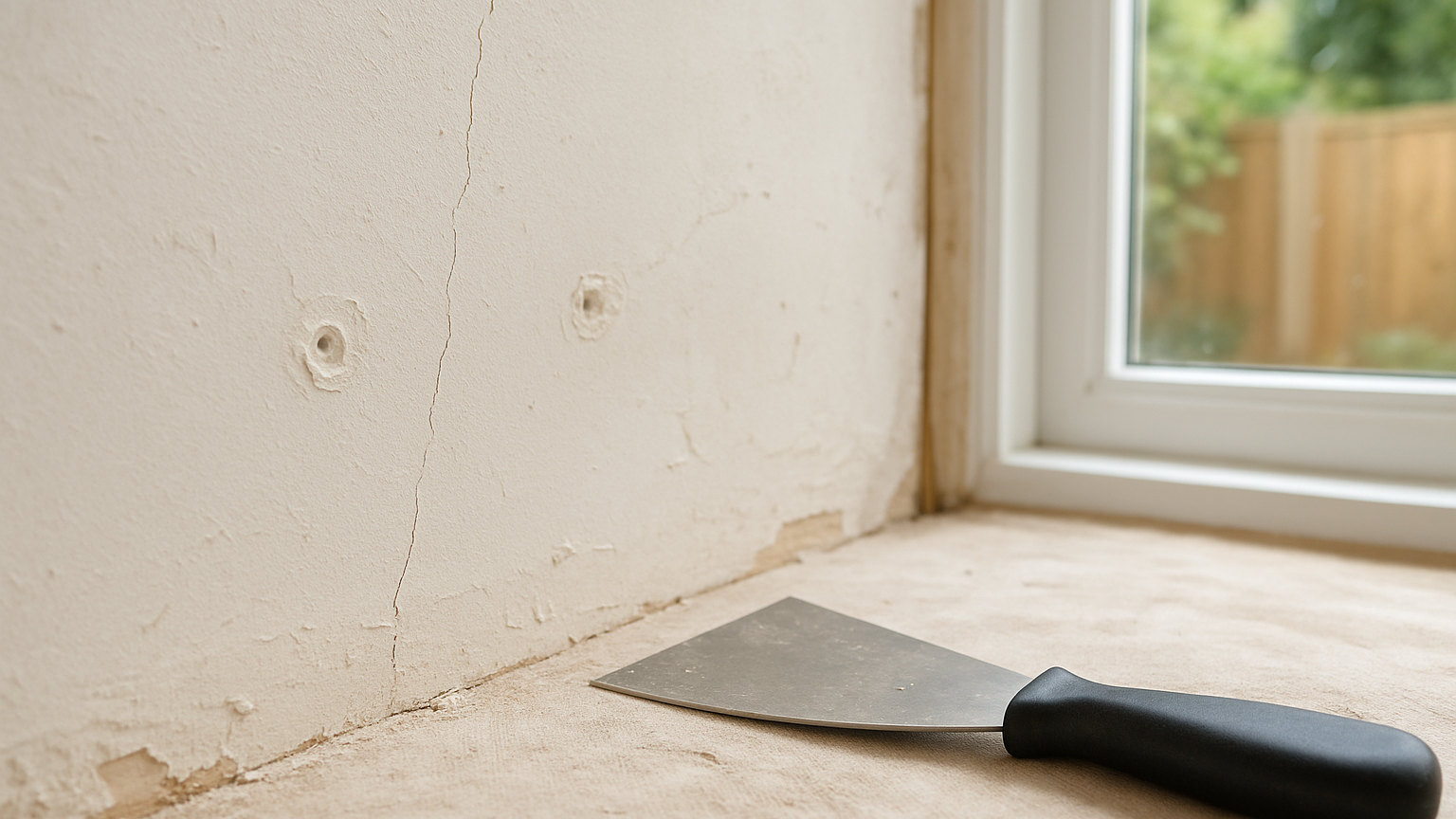
- Where the wall and ceiling junction is cracked or wavy
- Where a crack keeps returning at that junction
- Where a ceiling has been overboarded and the line is untidy
- Where you want to avoid cutting a line between two strong colours
Where it is not right
- Very low ceilings, where it eats into the wall height
- Contemporary interiors designed without it
- Sloping ceilings and dormers, where the mitres become extremely difficult
- A room that already has a picture rail and a shallow frieze, where both together can look heavy
Painting it
Plaster coving is porous and needs a mist coat or a primer before emulsion.
Most people paint coving the same white as the ceiling, which makes the ceiling read as larger.
Painting it the wall colour lowers the apparent ceiling; painting it a contrasting colour picks out the detail on an ornate cornice.
If it goes wrong
Coving looks too big for the room: the drop was not sized to the ceiling height.
Polystyrene coving dissolving: the wrong adhesive. It must be a polystyrene-safe product.
Profile does not match the rest of the house: take a photograph and a section to a specialist supplier.
Ran out mid-room: insufficient allowance for mitre waste and breakages.
Handling and storage
- Plaster coving breaks under its own weight if carried flat. Carry it on edge, supported along its length
- Store it flat on a level surface, not leaning against a wall
- Bring it into the room a day beforehand so it acclimatises
- Keep it dry: plaster coving absorbs moisture
- Check every length for damage before starting
Bathrooms and kitchens
Plaster coving works in a bathroom provided it is painted and the room is ventilated.
Duropolymer or polyurethane is the better choice in a room with real humidity, since it does not absorb moisture at all.
Polystyrene should be avoided in a kitchen, where it stains and marks readily.
Lengths and joints
Coving is usually sold in 2m or 3m lengths.
On a wall longer than a single length, join two pieces with a straight butt joint over the run, which is filled and disappears.
Position the joint away from the centre of the wall and away from the eye line where you can, and never within 300mm of a corner.
Buying it
Take the room dimensions and the ceiling height to the merchant, along with a photograph of any existing profile you are matching.
Check every length for damage when it arrives, since plaster coving is broken in transit more often than not.