Decorating is the job where the gap between doing it yourself and paying someone is widest, because almost all of the cost is labour and almost all of the labour is preparation.
Doing it yourself: the materials
For an average room, the shopping list is fairly predictable.
Paint. Emulsion for walls and ceiling, and a woodwork system for skirting, architrave and doors. Two coats of each as a minimum.
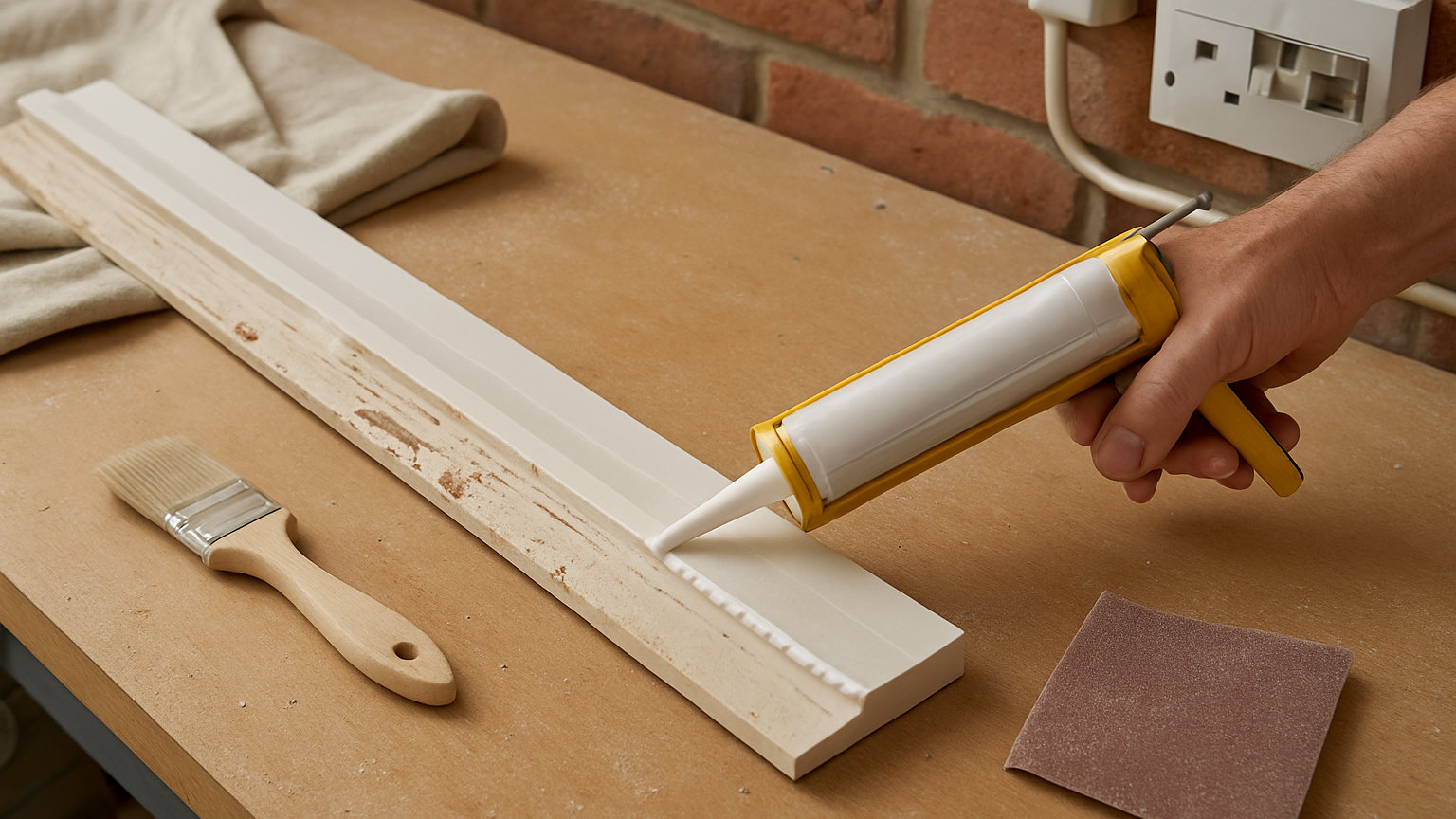
Preparation materials, which people underestimate: filler, decorator's caulk, abrasive papers, stain block and sugar soap.
Tools, if you do not own them: brushes, a roller and sleeves, a tray, a filling knife, a sanding block and a caulking gun.
Protection. Dust sheets, masking tape and plastic sheeting.
The tools are a one off cost that carries into every future room, which changes the arithmetic considerably after the first job.
Where the material budget goes wrong
Buying the cheapest paint. It covers less, needs more coats and frequently costs more overall. Mid range trade emulsion is usually better value than budget retail paint.
Underestimating coverage. Tin figures assume a smooth sealed surface, and bare plaster, strong colour changes and textured walls all use far more.
Forgetting the woodwork, which needs its own primer, undercoat and topcoat.
Buying paint in small tins repeatedly rather than working out the total and buying once, which costs more and risks batch variation.
Paying a decorator
Decorators price on time, and time is driven almost entirely by the condition of the room rather than its size.
Most will quote a day rate or a price for the room, and a straightforward room in sound condition is commonly quoted in days rather than weeks.
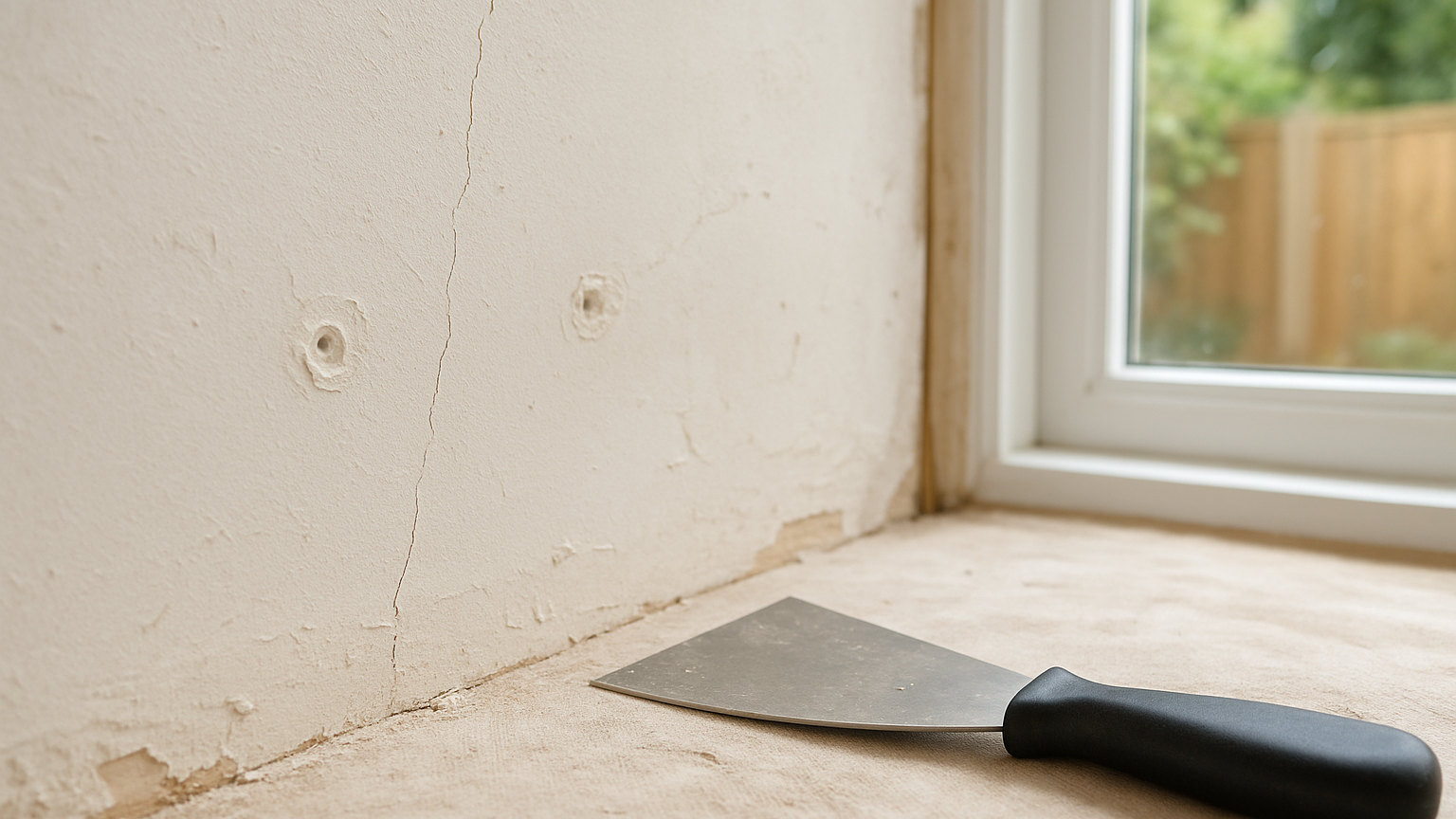
What pushes the price up is preparation: cracked or blown plaster, layers of old wallpaper, heavy textured surfaces, previous bad work, and woodwork that needs stripping.
Also stairwells, which need proper access equipment and take disproportionately longer than a flat room.
Ask whether materials are included, since quotes vary on this and it makes comparison difficult.
Getting comparable quotes
Write down exactly what you want done: which surfaces, how many coats, what happens to the woodwork, who supplies the paint and which product.
Give every decorator the same document.
Three quotes is the usual advice and remains sensible.
A price far below the others is information rather than a bargain. Go back and ask what it includes, since the difference is almost always preparation.
The hidden costs of doing it yourself
Time, which is the real cost. An average room takes a weekend for walls and ceiling, and three to four days spread over two weekends if woodwork is included, because of drying between coats.
The room being unusable while you work.
The things you discover, such as plaster that needs repairing once the wallpaper comes off.
The second trip to the merchant, which almost always happens.
Where to save
Do the preparation yourself and pay someone for the finish, which is a common and sensible split.
Keep the same colour, or go darker, which needs fewer coats than covering dark with light.
Buy paint when it is on offer and buy the whole quantity at once.
Reuse tools properly by cleaning brushes and rollers rather than throwing them away.
Where not to save
Preparation materials, since the finish depends entirely on them.
Brushes, which shed bristles and leave marks when cheap.
Access equipment for stairwells, where the alternative is a serious fall.
The number of coats. Two thin coats look better and last longer than one heavy one, whatever the tin claims.
Rooms that cost more than they look
Kitchens and bathrooms, where surfaces need washing thoroughly and the paint has to cope with moisture.
Stairwells and hallways, because of access rather than area.
Rooms with a lot of woodwork, since panelled doors, spindles and detailed skirting are slow to cut in and slow to paint.
Rooms where wallpaper is coming off, which frequently reveals plaster needing repair before anything can be painted.
Look at the room honestly before budgeting, since the wall area matters far less than what is on it.