A north-facing room in the UK receives indirect light with a blue cast, fairly constant through the day and never direct sun. It changes colours more than any other aspect.
What north light does
- Cools everything. Colours read several degrees colder than on the card
- Greys colours down, so pale shades lose their character and go flat
- Emphasises blue and purple undertones, sometimes dramatically
- Makes brilliant white look grey and slightly blue
- Flattens pale greys into something that reads as institutional
The commonest disappointment in British decorating is a fashionable pale grey in a north-facing room, which arrives looking cold, flat and blue.
Strategy one: add warmth
Counteract the cool light rather than reinforcing it.
- Warm whites and creams rather than brilliant white
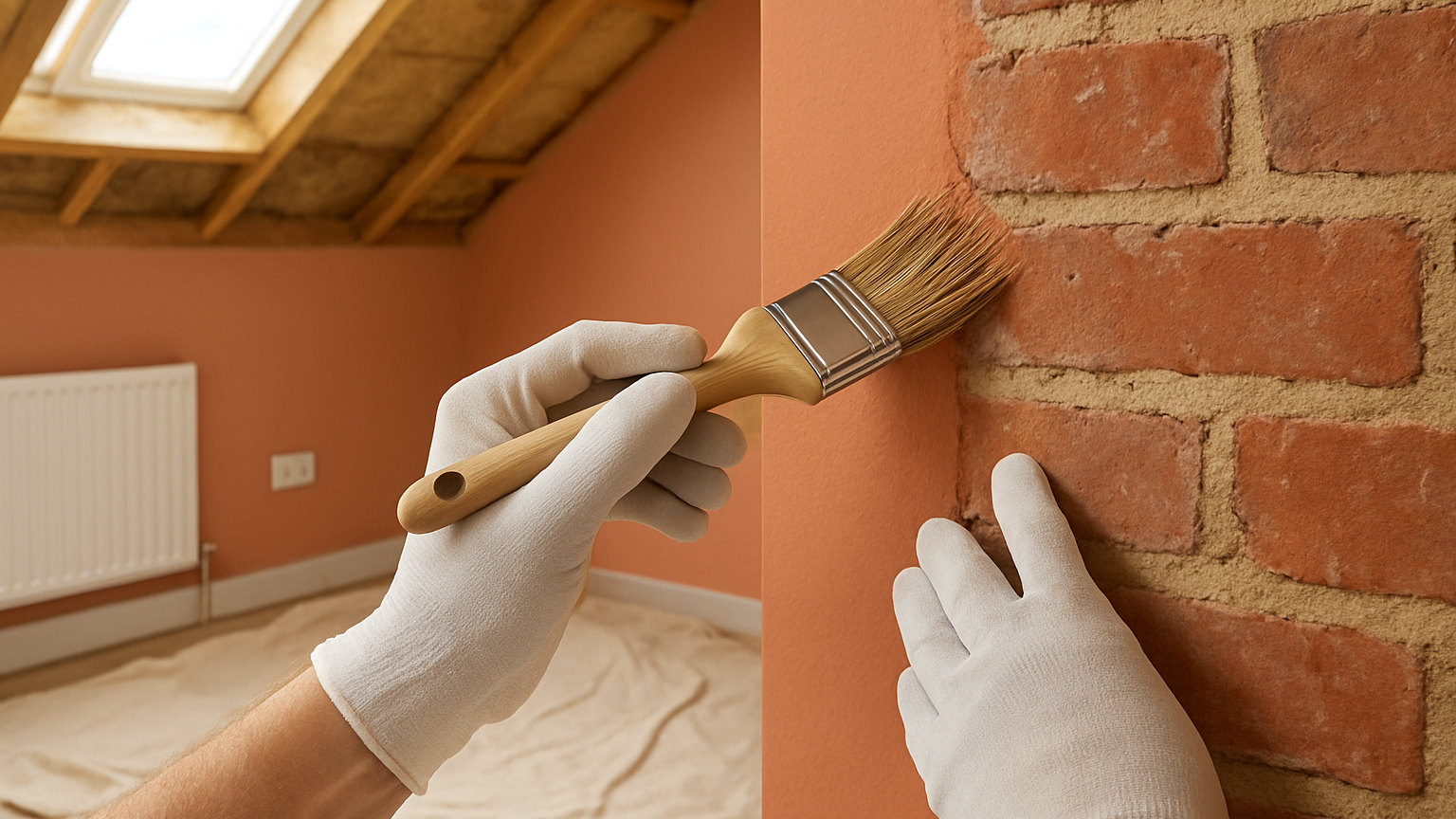
- Colours with a yellow, red or brown base: soft clay, warm stone, muted terracotta, mushroom
- Greens with a yellow base, such as olive or sage, rather than blue-greens
- Greige, which is grey with a warm base, rather than a pure cool grey
The aim is a colour that looks slightly too warm on the card, since the room will cool it.
Strategy two: embrace the depth
The alternative, and frequently the more successful.
A north-facing room will never be bright. Fighting that with pale colours produces flatness. Leaning into it produces atmosphere.
- Deep, rich colours: dark green, ink blue, plum, charcoal, deep terracotta
- These look intentional rather than washed out
- They work particularly well in a sitting room, dining room or snug used in the evening
- Combine with warm lighting and the room becomes comfortable rather than cold
A dark colour in a dark room reads as a decision. A pale cold colour reads as a mistake.
What to avoid
- Pale cool greys, particularly those with blue or purple undertones
- Brilliant white, which goes grey and lifeless
- Icy blues and pale lilacs, which become genuinely cold
- Anything that already looks slightly cool on the card, since the room will cool it further
How to test in a north-facing room
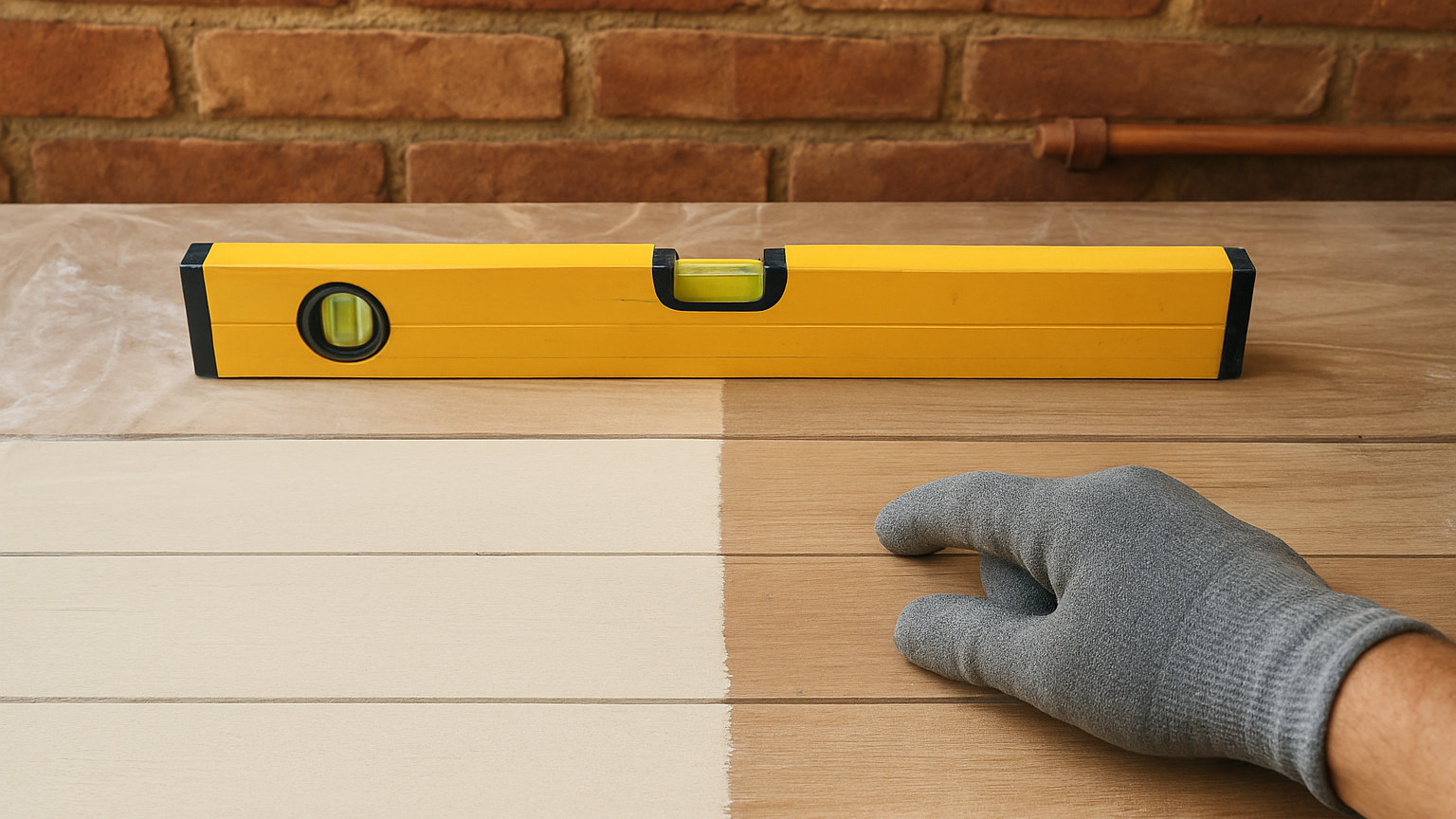
- Paint two coats onto white card, at least A2
- Place samples on the window wall, the opposite wall and in the darkest corner
- Look at them in the morning, at midday and in the afternoon
- Look at them at night under the room's own lights, which is when the room is mostly used
- Compare with a sheet of white paper to reveal the undertone
- Leave the samples up for several days
Working with the lighting
Lighting matters as much as paint in a north-facing room.
- Use 2700K warm white bulbs, which add the warmth the daylight lacks
- Avoid 4000K and above, which reinforces the coldness
- Use several lamps at different heights rather than one central pendant
- Wall lights and table lamps produce pools of warm light that make a cool room feel comfortable
- Check the bulbs are all the same colour temperature; mixed bulbs look unsettled
Other things that help
- Warm materials: timber, brass, wool, natural fibres
- A mirror opposite the window, which bounces what light there is
- Keeping the window clear of heavy curtains during the day
- Cutting back planting outside that blocks or greens the light
- A pale ceiling, even with dark walls, which lifts the room
The other aspects, briefly
- South-facing: warm, bright, direct light. Handles cool colours well. Strong warm colours can become intense
- East-facing: warm early, cooler later. Suits rooms used in the morning, such as a kitchen
- West-facing: cool early, warm and golden in the evening. Good for sitting rooms
If it goes wrong
Grey looks blue or lilac: a cool undertone amplified by north light. Move to a green or yellow-based shade.
White looks grey and dead: brilliant white. Use a warm white.
Room feels cold whatever the colour: check the bulb colour temperature and add lamps.
Pale colour looks flat and characterless: north light has greyed it down. Go deeper rather than paler.
Colour looked warm on the card: cards are viewed under different light. Always test in the room.
Which rooms tend to face north
Worth checking with a compass or a phone rather than guessing.
In many British houses the rear of the property is one aspect and the front the other, so two rooms on the same floor can behave completely differently.
A room can also have windows on two aspects, which changes the light through the day.
Colours that work well
- Soft clay, plaster pink and warm stone
- Olive, sage and other yellow-based greens
- Warm greige rather than cool grey
- Deep green, ink blue and plum, if going dark
- Warm whites and creams for woodwork and ceilings
North-facing kitchens and bathrooms
These need to be practical as well as comfortable.
- A warm white or a soft warm neutral keeps them light without going cold
- Warm bulbs matter as much as the paint
- Timber, brass and warm-toned tiles do a great deal of the work
- Avoid cool grey tiles with a cool grey wall, which compounds the problem
How long to test for
Longer in a north-facing room than anywhere else, because the light changes least and the colour has nowhere to hide.
Leave the samples up for a week, and pay particular attention to how they look on a dull day, which is the condition the room will most often be in.
A summary of what works
- Choose colours that look slightly too warm on the card
- Avoid pale cool greys and brilliant white
- Consider going deep rather than pale
- Use 2700K warm bulbs and several lamps
- Test large samples over a week, including at night