Sheen level is the main difference between emulsions, and it decides two things: how much light the wall reflects, and how easily it can be cleaned. Those two pull in opposite directions.
How to choose
- Establish how much wear the surface will take: a ceiling takes none, a hallway takes a lot
- Look at the wall in raking light and judge how flat it is
- Pick the lowest sheen that will survive the wear, since sheen is what reveals defects
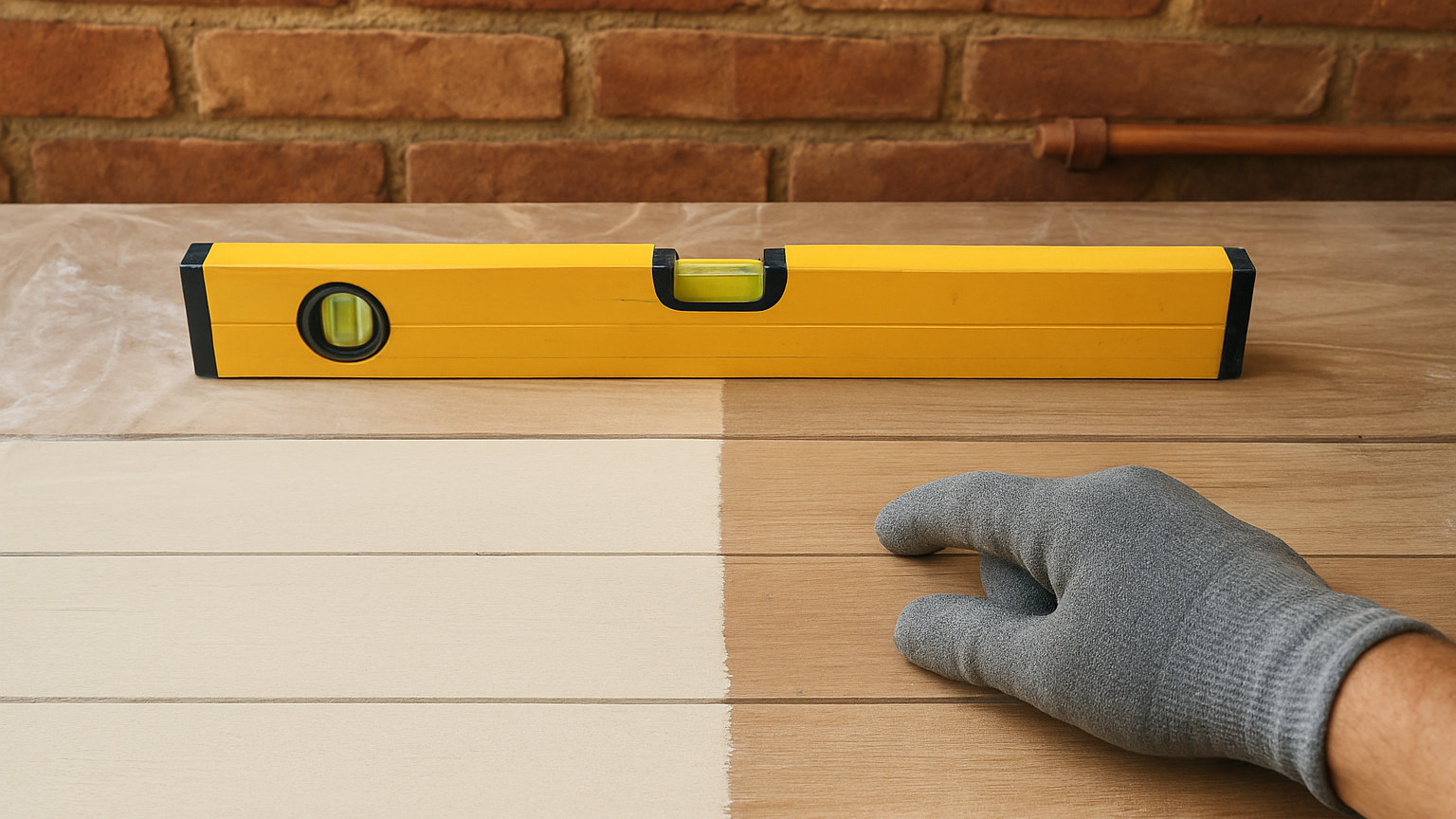
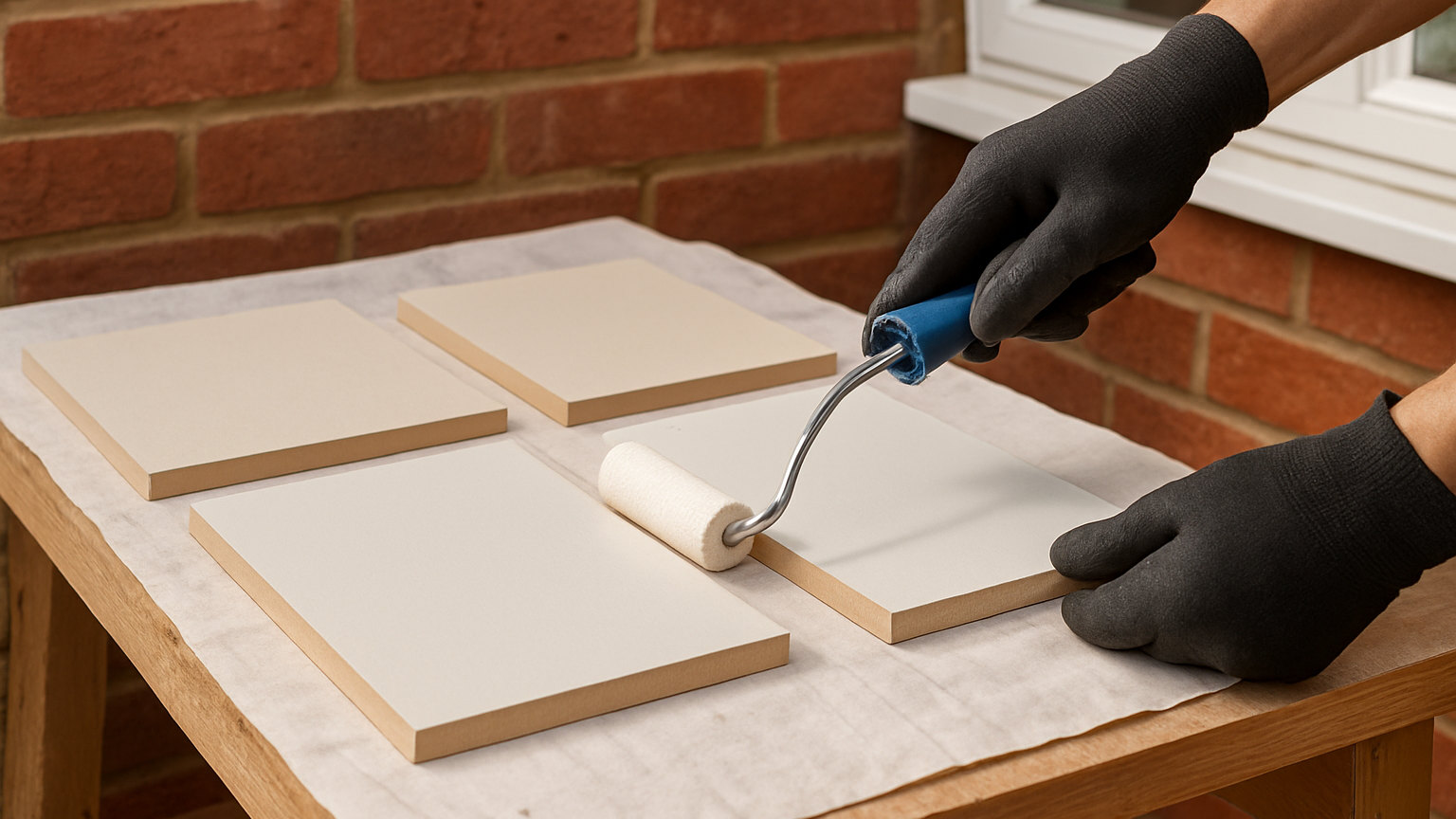
- Buy a tester and paint a patch at least A4 size
- Let it dry fully, then look at it at an angle to a window
- Check it under artificial light in the evening as well
The finishes
Flat matt. The least reflective. Hides imperfections best, gives the deepest colour, and marks easily and cannot be scrubbed. Best for ceilings and low-traffic rooms.
Matt. The standard wall finish. Very little sheen, hides most defects, and wipes gently at best. Suits bedrooms, living rooms and ceilings.
Durable or washable matt. A matt appearance with a tougher resin, so it can be wiped and scrubbed lightly. Slightly more sheen than standard matt and considerably more practical. The best general choice for halls, kitchens and family rooms.
Soft sheen. A low sheen, more wipeable again, and it starts to show wall imperfections.
Silk. A noticeable sheen, easily cleaned, and it reflects light across the surface and shows every ripple, roller mark and filled repair.
Eggshell for walls. A low sheen, hard-wearing finish, available in water-based and oil-based versions. Suits kitchens, bathrooms and high-wear areas.
Bathroom and kitchen paints. Formulated with moisture and mould resistance. Worth using in a bathroom, and no substitute for ventilation.
The trade-off
The more sheen a paint has, the tougher and more washable it is, and the more it shows what is underneath.
Sheen reflects light along the wall, which throws a shadow off every bump and hollow.
Matt scatters light in all directions, so defects disappear.
This is why silk on an old, uneven wall looks worse than matt on the same wall, even though both were applied identically.
Which finish for which room
- Ceilings: flat matt or matt. Never silk
- Bedrooms: matt
- Living rooms: matt, or durable matt if there are children or pets
- Hallways and stairs: durable matt. High traffic, scuffs, bags against the wall
- Kitchens: durable matt or eggshell. Grease and steam
- Bathrooms: a bathroom-specific paint, or eggshell
- Children's rooms: durable matt, so marks can be washed off
- Woodwork: not emulsion. Use eggshell, satinwood or gloss
Reading the tin
Manufacturers use their own names, and the same word means different things between brands.
Look for the sheen level as a number where it is quoted, or judge by the description.
Buy a tester and look at the dried patch at an angle to a window, which is the only reliable way to judge sheen.
Water-based or oil-based
Almost all wall emulsion is water-based.
Water-based: low odour, dries fast, cleans up in water, does not yellow, less durable in extreme wear.
Oil-based: harder and more durable, strong smell, slow drying, cleans in white spirit, yellows over time in low light.
Water-based paints have improved considerably and are now the default for most situations, including woodwork.
Painting one finish over another
Matt over silk: possible and it must be keyed first. Sand the whole wall with 180 grit until no sheen remains, wash, then paint. Without that, the matt will peel.
Silk over matt: straightforward, and be aware that the silk will show every defect the matt was hiding. Fill and sand thoroughly first.
Emulsion over oil-based eggshell: needs sanding and usually an adhesion primer.
Coverage differences
Sheen finishes generally cover slightly less well per coat than matt, since the resin content is higher and the pigment proportion lower.
Durable and washable paints usually cover well.
Cheap contract matt covers poorly and is intended as a builder's finish rather than a final coat.
If it goes wrong
Wall looks bumpy and uneven after painting: the sheen is too high for the state of the wall. Fill, sand, and use a matt finish.
Paint marks when wiped: standard matt in a high-traffic area. Use durable matt.
Mould returning in a bathroom: paint alone will not fix it. Treat the mould, fix the ventilation, then repaint with a bathroom paint.
New matt peeling off: applied over silk without keying. Strip back, sand, and start again.
Patchy sheen across the wall: uneven absorption underneath, or uneven application. Seal and apply another full coat.
Choosing for a room with poor walls
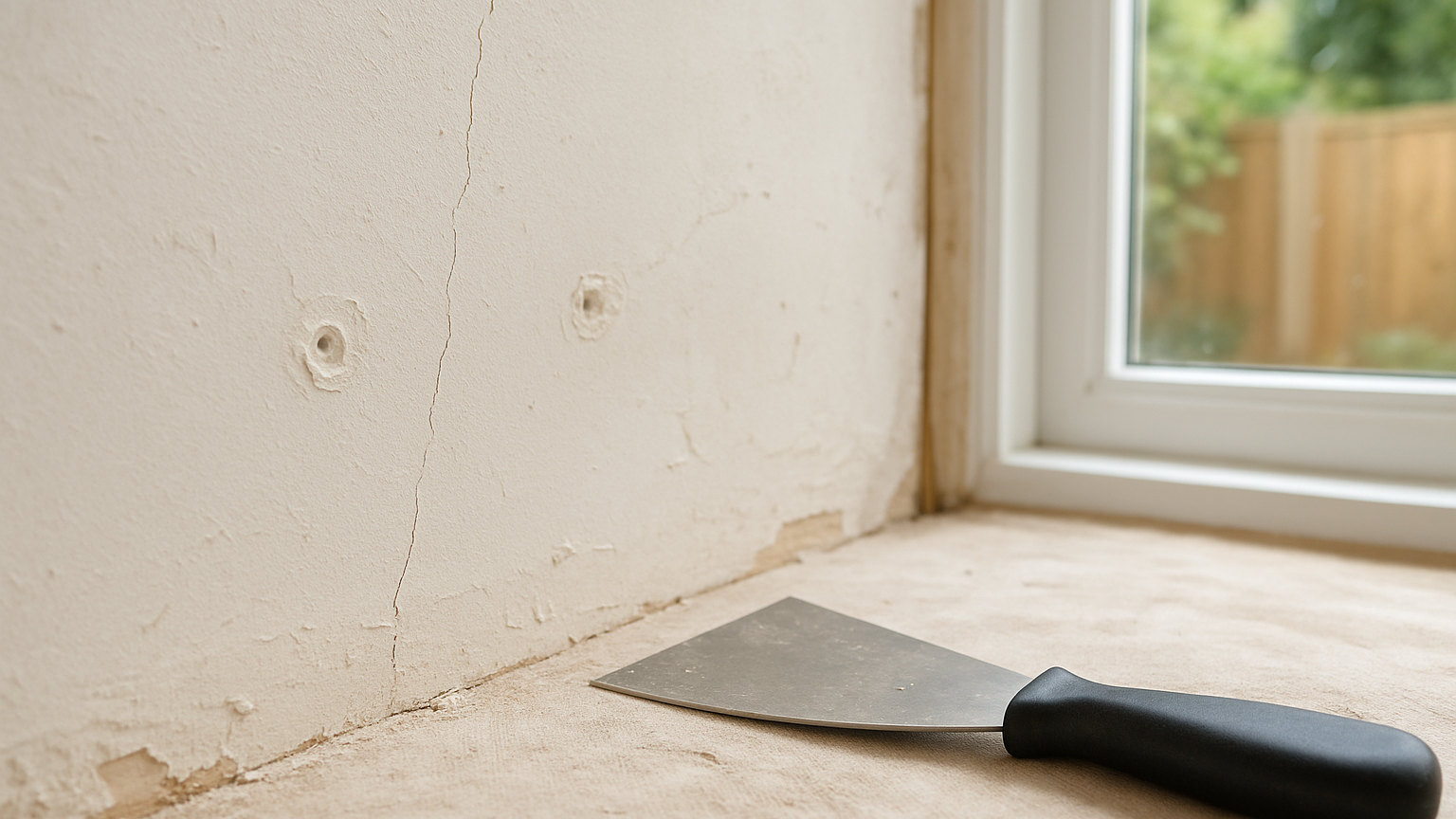
Older houses frequently have walls that are sound but far from flat.
The lower the sheen, the less of that shows.
Flat matt on an uneven wall looks calm; silk on the same wall looks like a relief map.
Where durability is also needed, durable matt is the compromise worth paying for.
Ceilings and sheen
Ceilings catch light at the worst possible angle, so always use flat matt or matt.
A ceiling in silk shows every joint, roller mark and undulation in the plasterboard.
Special-purpose emulsions
- Anti-mould paints for bathrooms, which contain a fungicide. Useful, and not a substitute for extraction
- Stain-blocking emulsions, less effective than a dedicated shellac blocker
- Contract matt, a cheap builder's finish with low opacity, intended for new-build first coats
- Breathable and mineral paints for older solid-wall houses, which let damp walls dry out
In a period property with solid walls and no cavity, a breathable finish is worth researching, since modern vinyl emulsions trap moisture in the wall.