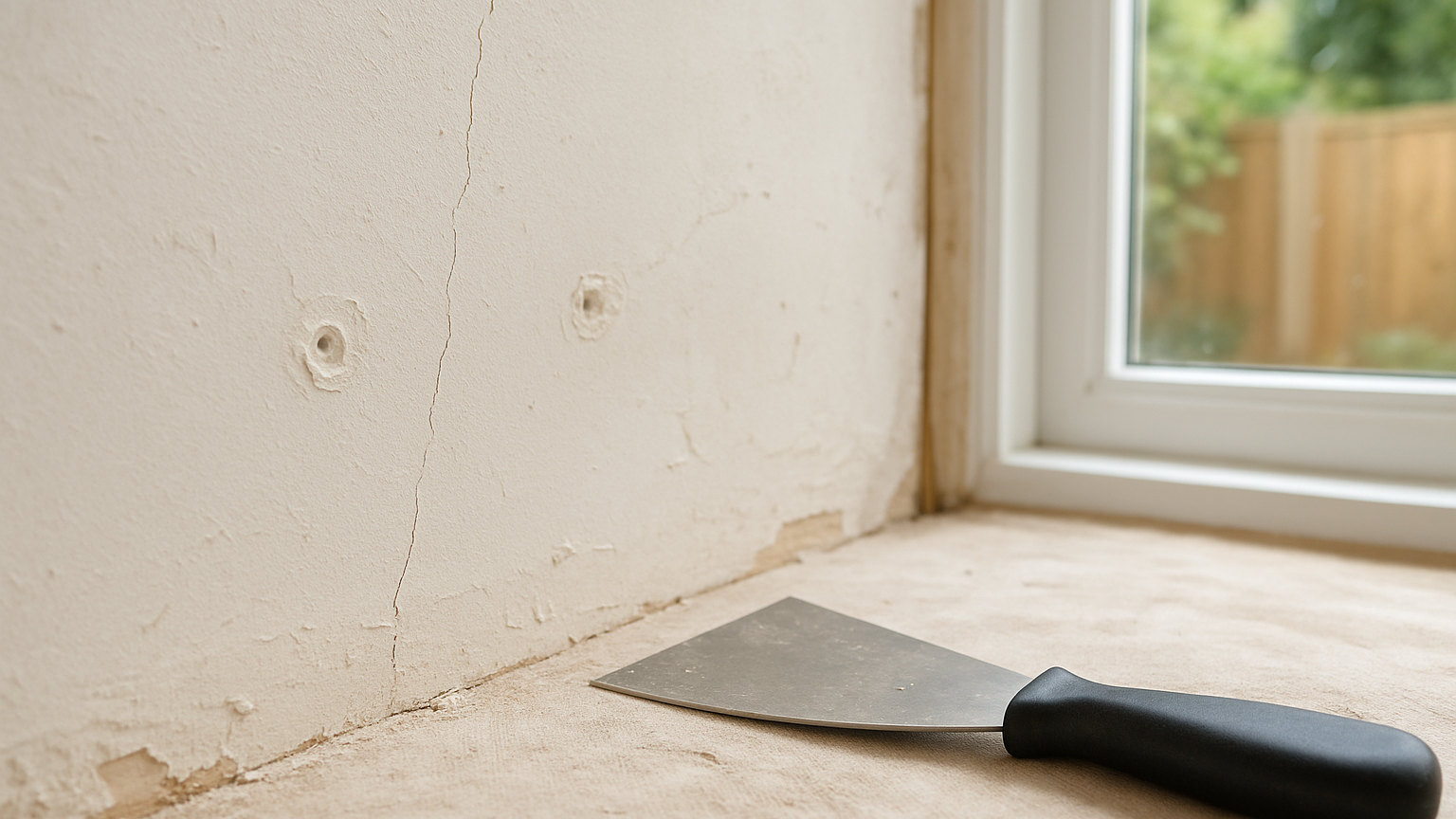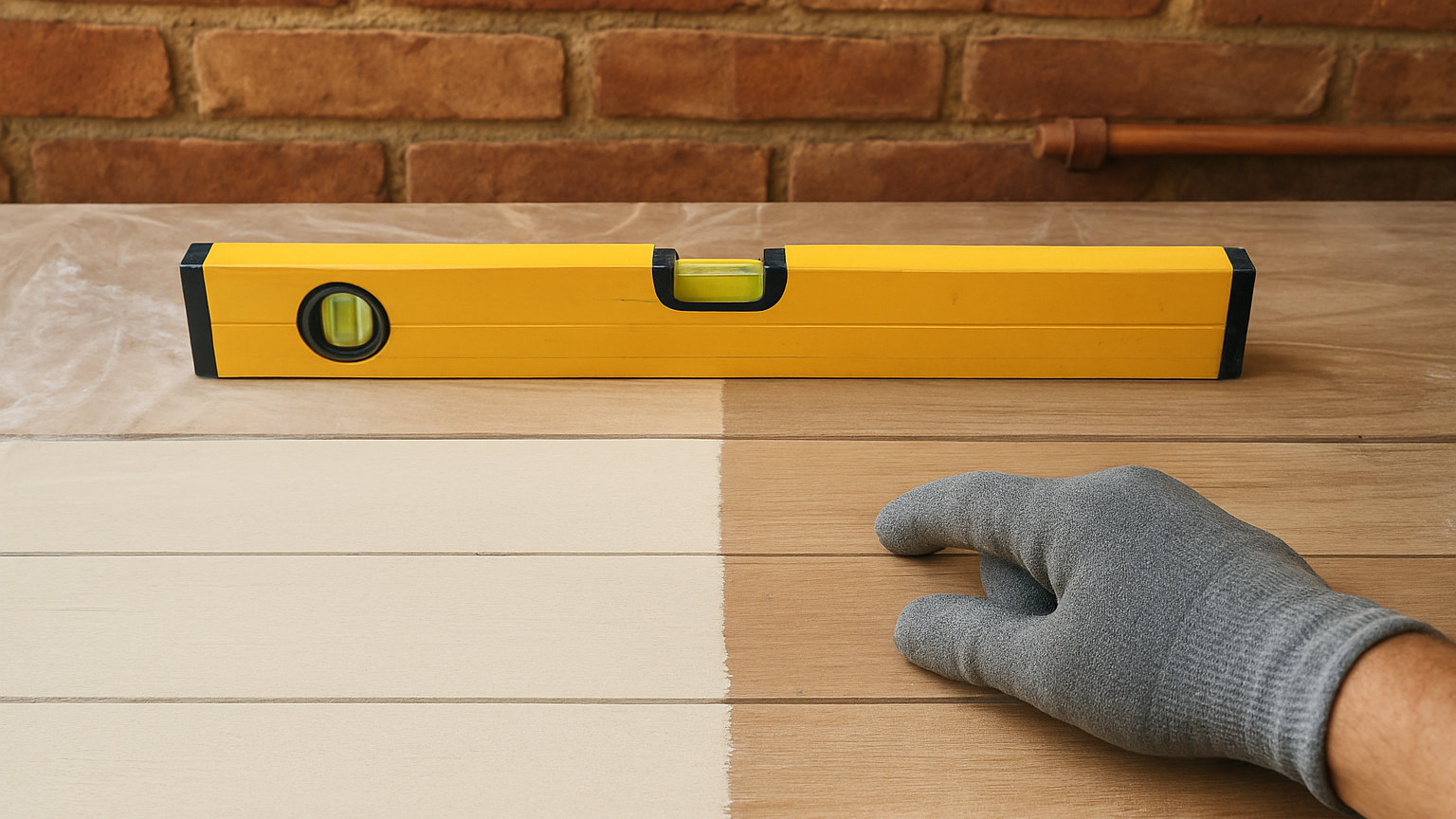
These are the same kind of paint at different sheen levels. The choice affects durability, how easy it is to clean, and how much of the woodwork's condition shows.
The sheen levels
Gloss. The highest sheen, around 80 to 90 per cent. Hardest wearing, easiest to wipe, and it shows every ripple, dent and brush mark.
Satinwood. A mid sheen, roughly 30 to 40 per cent. The most popular modern choice. Durable, wipeable, and considerably more forgiving than gloss.
Eggshell. A low sheen, around 10 to 20 per cent. Soft, flat appearance. Hides imperfections best of the three, and marks more easily.
Flat or dead flat. Almost no sheen. Used for a period look and on high-quality joinery, and it is the least practical.
How to choose
- Look at the woodwork in raking light with a torch and judge how flat and sound it is
- Decide how much wear it will take: a front door and a skirting take a lot, a picture rail takes none
- Choose the lowest sheen that will survive the wear, since sheen reveals defects
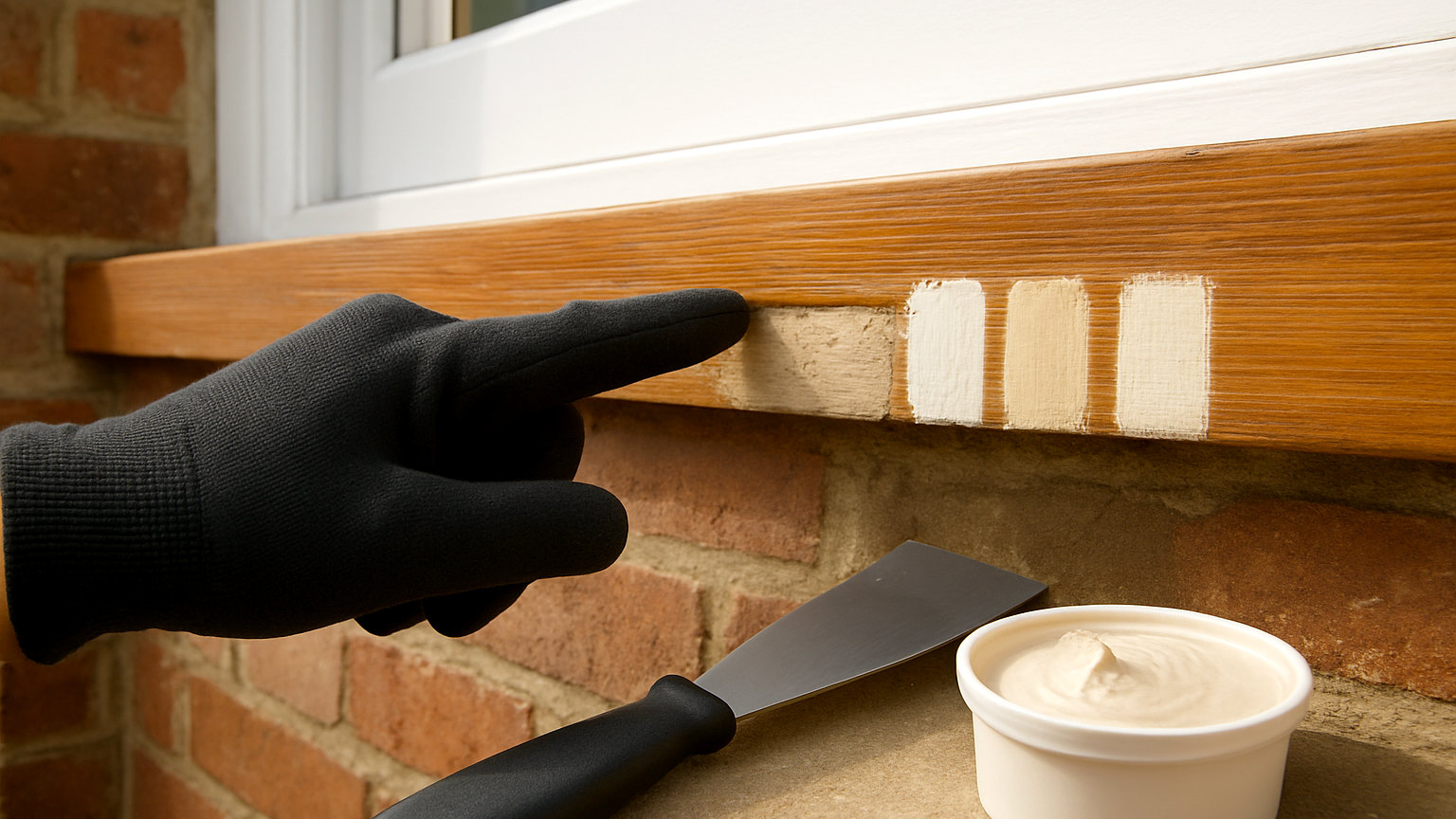
- Buy a tester and paint a section of the actual woodwork
- Let it dry fully and look at it in daylight and at night
Which finish for which woodwork
- Skirting boards: satinwood. Takes knocks from vacuums and shoes, and hides the condition of old timber
- Architrave and door linings: satinwood, to match the skirting
- Internal doors: satinwood or eggshell. Gloss if you want the traditional look and the doors are in good condition
- Window frames inside: satinwood or gloss. Gloss sheds condensation better
- Exterior joinery: gloss or a modern exterior satin, using a full exterior system
- Built-in furniture and shelving: eggshell or satinwood
- Kitchen cabinet doors: a specialist cabinet or furniture paint
- Panelling and period joinery: eggshell or flat, which suits older houses
- Radiators: radiator paint or an appropriate eggshell
The trade-off
Higher sheen means a harder, more washable film, and more of what is underneath on display.
On old, uneven woodwork in a period house, gloss looks worse than eggshell even though both were applied identically. The light running along the surface throws a shadow off every hollow.
If the timber is in poor condition and you are not going to fill and sand it properly, choose a lower sheen.
Modern preference
Full gloss on interior woodwork has fallen out of fashion in most homes, largely because satinwood looks softer and is far more forgiving.
Gloss remains the practical choice for exterior joinery, where the harder film and better water shedding matter, and for anything that gets heavy handling.
Preparation by sheen
The higher the sheen, the more preparation is required.
- Gloss: fill everything, sand to 240, undercoat, sand flat, sand between finish coats with 320
- Satinwood: fill, sand to 180 or 240, undercoat, light sand between coats
- Eggshell: fill obvious defects, sand to 180, undercoat, two coats
Water-based or oil-based
Each sheen is available in both.
Water-based versions do not yellow and dry fast; oil-based versions are harder and flow out better.
For anything white, water-based is the sensible choice, since oil-based white yellows noticeably in low light.
Matching existing woodwork
If you are painting one room in a house, look at the sheen of the woodwork elsewhere.
A satinwood door beside a gloss architrave looks like a mistake, and the difference is obvious in a hallway.
Sheen is harder to match than colour, so note what you used.
Coverage
All three cover similarly, in the region of 12 to 16 square metres per litre per coat on a prepared surface.
Woodwork uses far less paint than walls: around a litre of each of undercoat and finish covers the woodwork in an average room.
If it goes wrong
Woodwork looks lumpy after painting: the sheen is too high for the condition of the timber. Fill, sand, and use a lower sheen.
Finish marks easily: sheen too low for the wear. Move up to satinwood or gloss.
Sheen inconsistent along a run: uneven absorption or film thickness. Sand and apply another full coat.
New paint does not match the next room: different sheen level. Check the tin description rather than the colour.
Sheen and cleaning
- Gloss: wipes clean readily, tolerates repeated cleaning
- Satinwood: wipes clean, avoid abrasive cleaners
- Eggshell: wipe gently only; scrubbing burnishes it and leaves a shiny patch
In a house with children or pets, this is a genuine consideration on skirting and door edges.
Testing on the actual woodwork
Colour cards do not show sheen usefully.
Paint a section of real skirting or a door edge, let it cure, and look at it in the light the room actually has.
What looks subtle on a card can look plastic across a whole hallway.
Sheen and colour
The same colour appears different at different sheens.
Higher sheen makes a colour look deeper and richer; lower sheen makes it look softer and slightly lighter.
If you are matching an existing colour, match the sheen as well.
Where a very low sheen suits
Period houses with panelling, shutters and moulded joinery frequently look better in eggshell or flat.
The timber is usually old and uneven, and a flat finish reads as appropriate to the age of the building rather than exposing every defect.
Modern flat and dead flat woodwork paints are more durable than they once were, though still not a choice for a busy family hallway.
How much you need
All three sheens cover similarly, around 12 to 16 square metres per litre per coat.
An average room's woodwork takes roughly a litre of undercoat and a litre of finish for two coats.