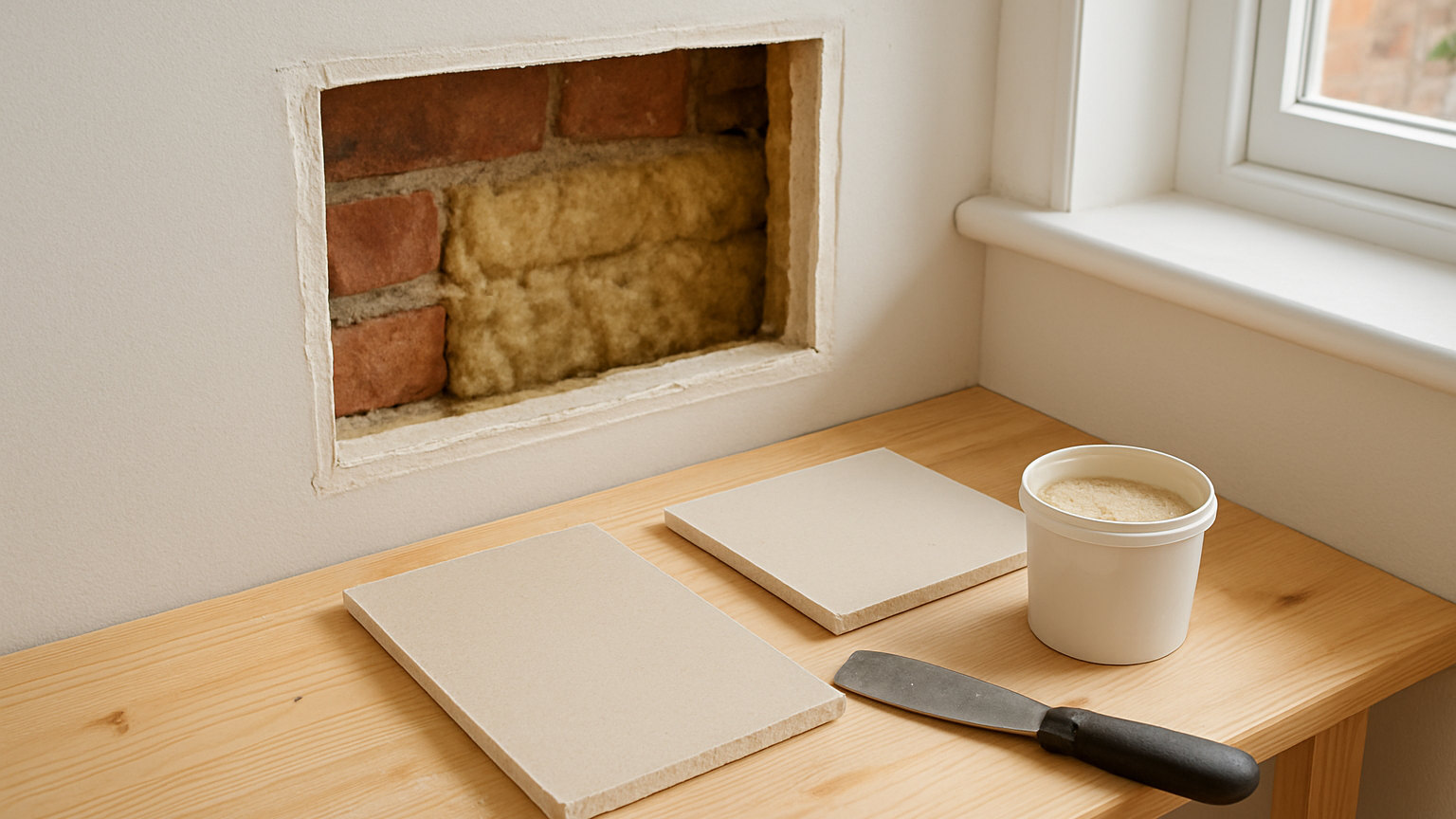
Rewiring is one of the most disruptive jobs a house can have and one of the most variable in price, because the cable is trivial and everything around it is not.
Do you actually need one
Age alone is not the test. Plenty of installations from the 1980s are perfectly serviceable.
Signs that suggest a rewire is due:
Rubber, lead or fabric covered cable, which indicates wiring from the 1960s or earlier and is genuinely unsafe.
A fuse box with rewireable fuses rather than breakers.
No RCD protection anywhere in the consumer unit.
Round pin sockets, or very few sockets per room.
Green corrosion on cable sheathing, or cable that has gone brittle.
Repeated tripping, scorch marks, or a burning smell.
The way to find out is an Electrical Installation Condition Report, carried out by a registered electrician. It grades faults and tells you what actually needs doing, and it costs a fraction of a rewire.
Frequently the answer is a new consumer unit and some remedial work rather than a full rewire.
Where the money goes
Cable and accessories are a small part of the bill.
Labour is the largest line by far. A rewire is days of work by two people in a whole house.
Chasing out walls for cables and back boxes, which is dusty destructive work.
Lifting floors and getting into the loft.
The consumer unit, which is replaced as part of the job.
Making good: plastering the chases, filling, and redecorating afterwards. This is frequently excluded from electrical quotes and is a substantial cost in its own right.
Certification and notification under the building regulations.
What drives the price up
House size and the number of circuits, obviously.
Solid walls, which are far harder to chase than stud walls.
Concrete floors, which cannot be lifted, so cables have to be routed differently.
Lath and plaster, which is fragile and makes good work slow.
Living in the property during the work, which slows everything and requires the job to be staged.
The number of sockets and lights you want, which is where scope creep happens. Adding sockets is cheap while the walls are open and expensive afterwards.
Full or partial
A full rewire replaces everything from the consumer unit outwards.
A partial rewire replaces specific circuits, commonly the kitchen, bathroom or a particular floor.
Partial work is cheaper and can leave you with a mixed installation, which an electrician will want to test as a whole.
A consumer unit replacement alone is a much smaller job and is frequently what an older house actually needs, provided the existing wiring tests sound.
The legal position
Most rewiring work is notifiable under the building regulations in England and Wales.
It must either be done by an electrician registered with a competent person scheme, who self certifies it, or be notified to building control in advance and inspected.
Scotland and Northern Ireland have their own arrangements.
You should receive an Electrical Installation Certificate and a building regulations compliance certificate. Keep both, since a buyer's solicitor will ask.
Uncertified electrical work causes problems on sale and questions from insurers after a fire.
Getting comparable quotes
Write down exactly what you want: the number of sockets per room, lighting points, outside supplies, and whether making good is included.
Give every electrician the same document.
Ask explicitly whether plastering and decorating are in the price, since this is the commonest difference between quotes.
Check registration with the scheme, not just a logo on a van.
Timing it well
Rewire before you decorate, never after.
Do it while a kitchen or bathroom is out, or during any period the house is empty.
Decide socket and switch positions before work starts, since moving them later means opening the wall again. This is the single most common regret after a rewire.
Living with it
A full rewire in an occupied house typically means power off in sections for days at a time, dust throughout, and floors and walls opened up.
Plan which rooms are done when, keep one room clean to retreat to, and expect to lose use of the kitchen at some point.
Tell your home insurer before substantial work begins, since major alterations can affect cover.
Agree in writing who is responsible for making good, because that assumption is where most disputes on a rewire begin.