
Ventilation is the single most effective measure against condensation. A house that cannot exchange its air holds the moisture the household produces.
Why it got worse
Older houses ventilated themselves, through draughty windows, open chimneys, suspended floors and unsealed doors.
Double glazing, draught-proofing, blocked-up fireplaces and modern insulation have removed nearly all of that.
The moisture a household produces has not reduced. The routes out have.
The three kinds of ventilation
Background ventilation: a small continuous air exchange. Trickle vents, air bricks, passive vents.
Extract ventilation: removing moisture at source. Extractor fans in bathrooms, kitchens and utility rooms.
Purge ventilation: opening a window wide to clear the air quickly.
All three are needed. Extract fans alone do not ventilate a bedroom.
Step 1: check what you already have
- Look at the top of every window frame for trickle vents, and check whether they are open
- Check every extractor fan works: hold a sheet of tissue paper to the grille and see if it holds against the fan
- Look outside for air bricks and check none is blocked by soil, paving, render or a shrub
- Check whether any fireplace has been blocked without a vent
- Check whether any vent has been covered over by decorating or by furniture
Blocked and closed vents are the commonest single cause of condensation in an otherwise sound house.
Step 2: use the trickle vents
Small slot vents in the head of a window frame, with a slider that opens and closes them.
- Leave them open all year, including winter
- They lose very little heat and provide continuous background ventilation
- Clean them: they clog with dust and insects
- Where windows have none, vents can sometimes be retrofitted to the frame, or a through-wall vent fitted
Closing trickle vents to keep warm is the most common false economy in a modern house.
Step 3: get the extract right
Where fans should be: bathrooms, shower rooms, kitchens, utility rooms and internal WCs.
Building Regulations set minimum extract rates for new installations in England and Wales:
- Bathroom: 15 litres per second
- Kitchen: 30 litres per second if over the hob, or 60 litres per second elsewhere
- Utility room: 30 litres per second
- WC: 6 litres per second
Practical points:
- Run the fan during and for at least 15 minutes after showering or cooking
- An overrun timer does this automatically
- A humidity-sensing fan runs when it needs to
- The fan must duct to outside, not into a loft or a void
- Keep ducting short, straight and insulated where it passes through cold space
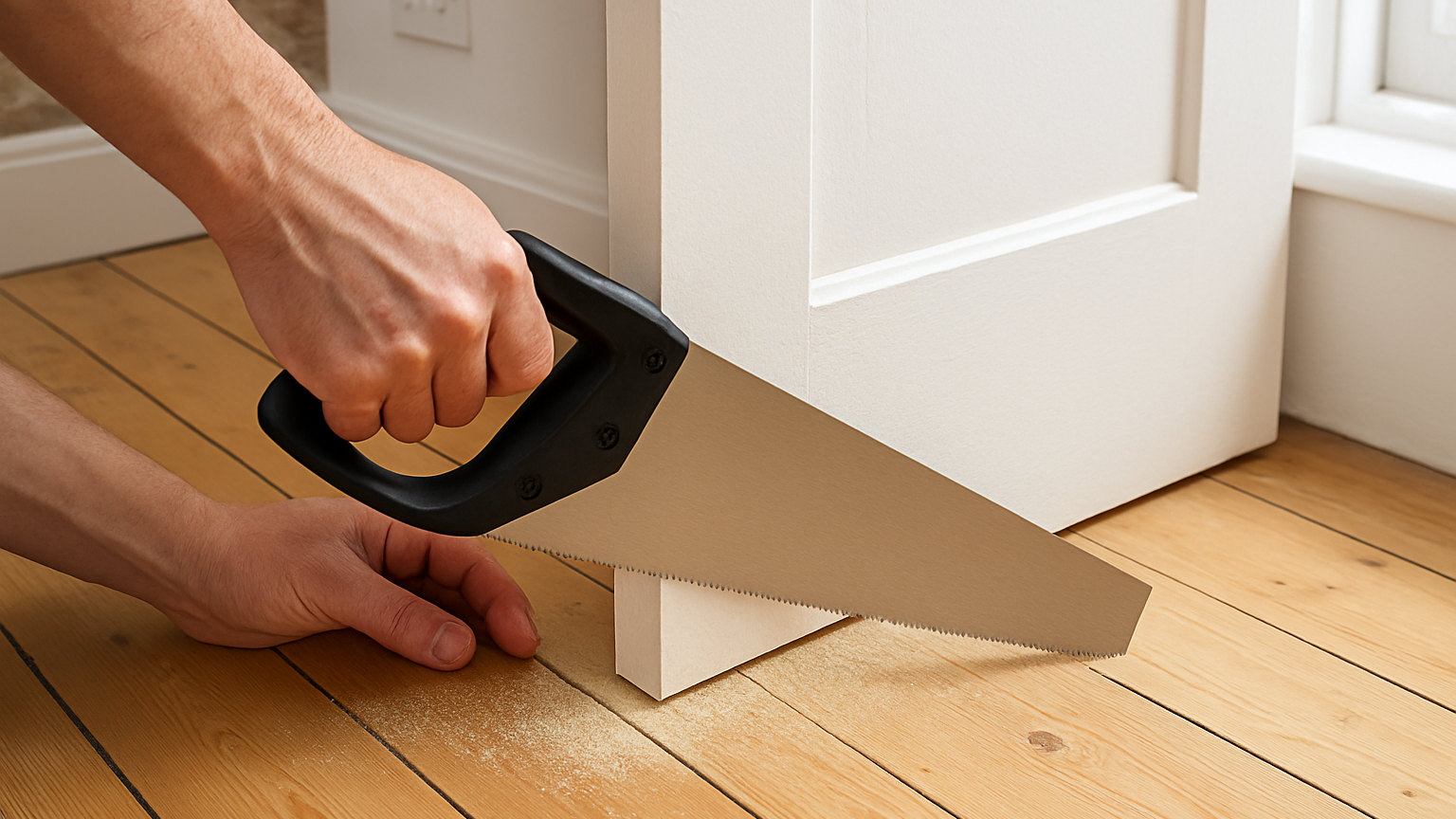
- Leave a gap under the door so replacement air can get in, or the fan cannot move air
Step 4: purge ventilation
Opening a window wide for 10 to 15 minutes exchanges the air in a room with very little heat loss, because the fabric of the room stays warm.
- Do it in bedrooms every morning, particularly in winter
- Open windows on opposite sides of the house for a few minutes to cross-ventilate
- Far more effective than leaving one window ajar all day
Step 5: unblocked air bricks and subfloor ventilation
A suspended timber ground floor needs air moving under it, or the joists rot.
- Check every air brick is clear of soil, paving, render and planting
- Clear any that are blocked
- Never block an air brick to reduce draughts
- Where a patio or path has been laid over them, periscope vents can restore the airflow
Step 6: disused chimneys
A blocked-up fireplace with no ventilation traps moisture in the flue, which then shows as damp on the chimney breast.
- A disused flue needs ventilating at both ends: a vented cap or cowl at the top and an air vent at the bottom
- Never seal a flue completely at both ends
Step 7: consider mechanical systems
- Continuous low-rate extract fans: run quietly all the time and boost on demand
- Positive input ventilation: a loft unit gently pushing filtered air into the landing, diluting moist air throughout the house. Effective where condensation is widespread
- Mechanical ventilation with heat recovery: a whole-house system that recovers heat from the extracted air. Usually only practical in a new build or a full refurbishment
Balancing warmth and ventilation
Ventilation and heating work together rather than against each other.
A ventilated house is drier, and dry air heats more cheaply and feels warmer than damp air at the same temperature.
Steady low background heat plus continuous background ventilation beats intermittent high heat in a sealed house.
If it goes wrong
Fan running but no effect: check it ducts outside, and check the duct is not crushed or disconnected in the loft.
Fan will not draw: no replacement air. Leave a gap under the door.
Condensation worse since new windows: the house is more airtight. Open the trickle vents.
Damp on the chimney breast: the flue is sealed at both ends and needs ventilating.
Draughty and cold once vents are open: background ventilation should be barely noticeable. A strong draught suggests a different problem.
A quick checklist
- Open every trickle vent and leave them open
- Test every extractor fan with a sheet of tissue
- Check every fan ducts to outside, not into a loft
- Clear every air brick outside
- Leave a gap under bathroom and kitchen doors
- Air bedrooms for 15 minutes each morning
- Check any blocked fireplace is vented at both ends
That list costs almost nothing and resolves a large proportion of household condensation.
Ventilation and heat loss
The common objection is that ventilating a house wastes heat.
Background ventilation through trickle vents loses very little, and dry air is cheaper to heat than damp air and feels warmer at the same temperature.
Purge ventilation, opening a window wide for a quarter of an hour, exchanges the air while the fabric of the room stays warm, so the room reheats quickly.


