How Much Masonry Paint Do You Need?
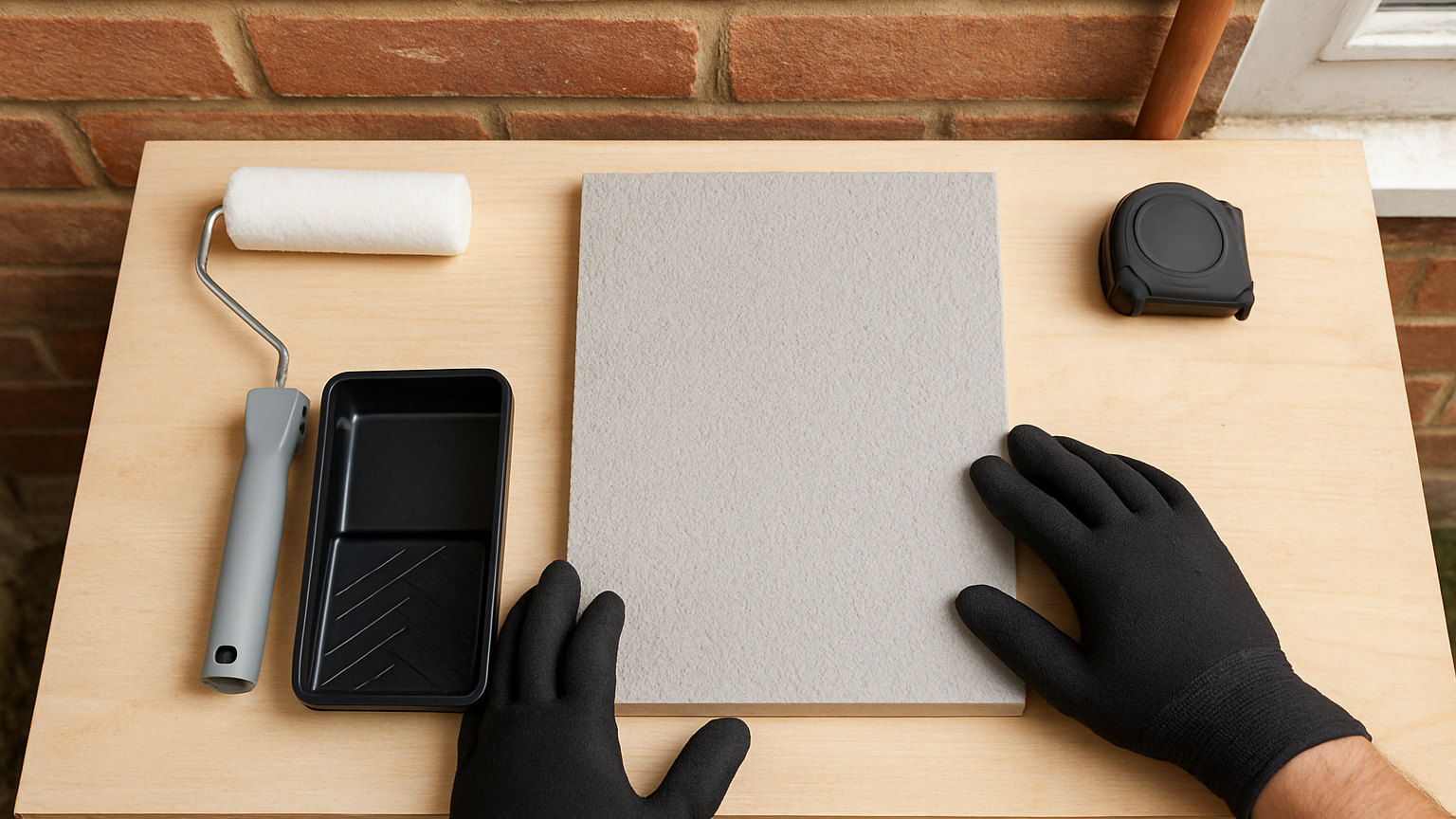
Tin coverage figures assume a flat sealed wall, which no exterior has. Measuring the area and adjusting for texture, porosity and coats.
By DIY Guides Editorial
14 Aug 2026

Outdoor work is more forgiving than indoor work in some ways and much less forgiving in others - the weather sets the timetable, the ground is never level, and anything you build has to survive a British winter. These guides cover the projects most people take on themselves, with honest notes on groundwork, drainage and the boundary rules that cause more neighbour disputes than anything else in DIY.
Tin coverage figures assume a flat sealed wall, which no exterior has. Measuring the area and adjusting for texture, porosity and coats.
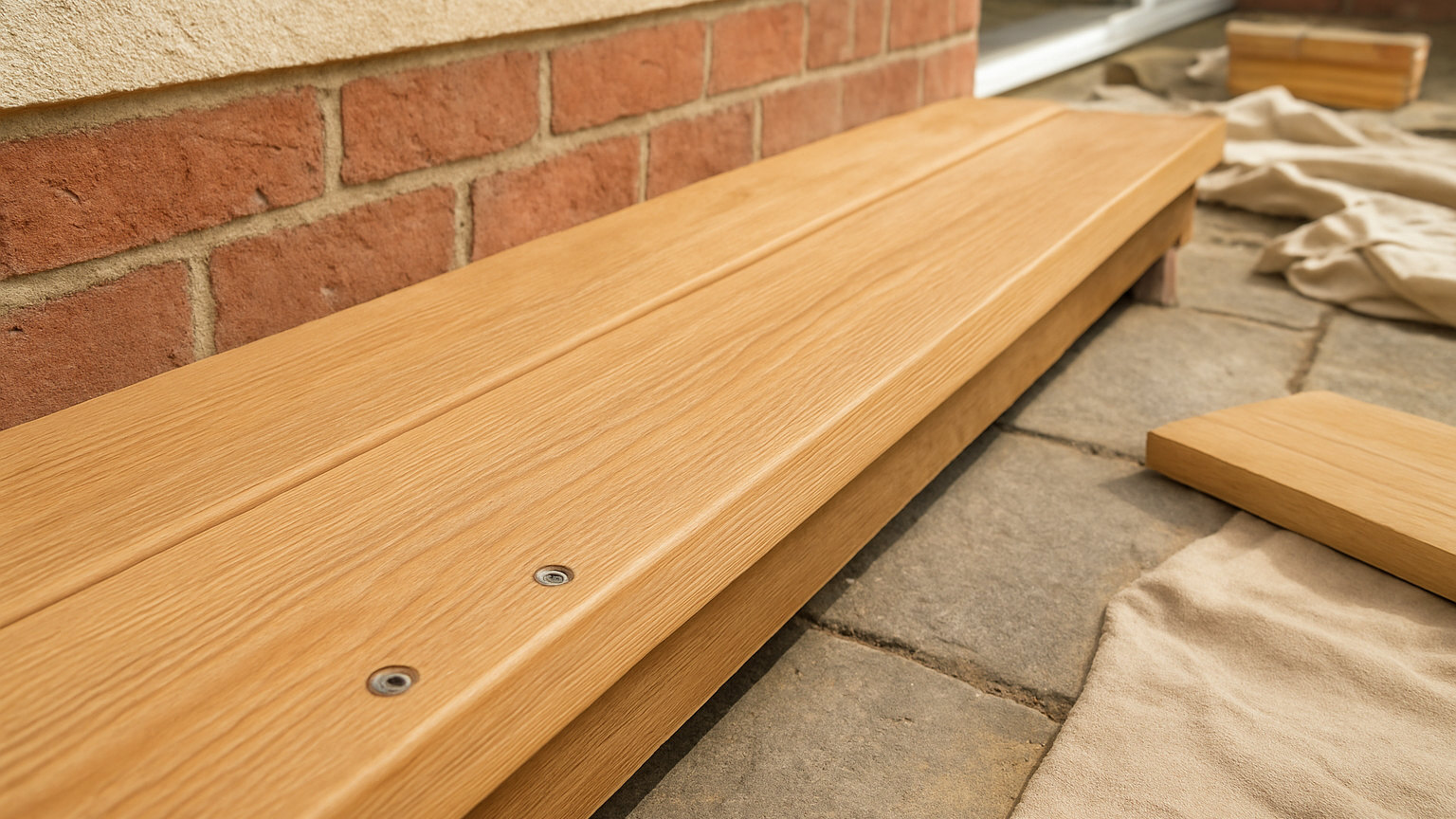
A sound patio makes a good base and a cheap shortcut ruins a deck. Where this works, where it does not, and how to keep air moving underneath.
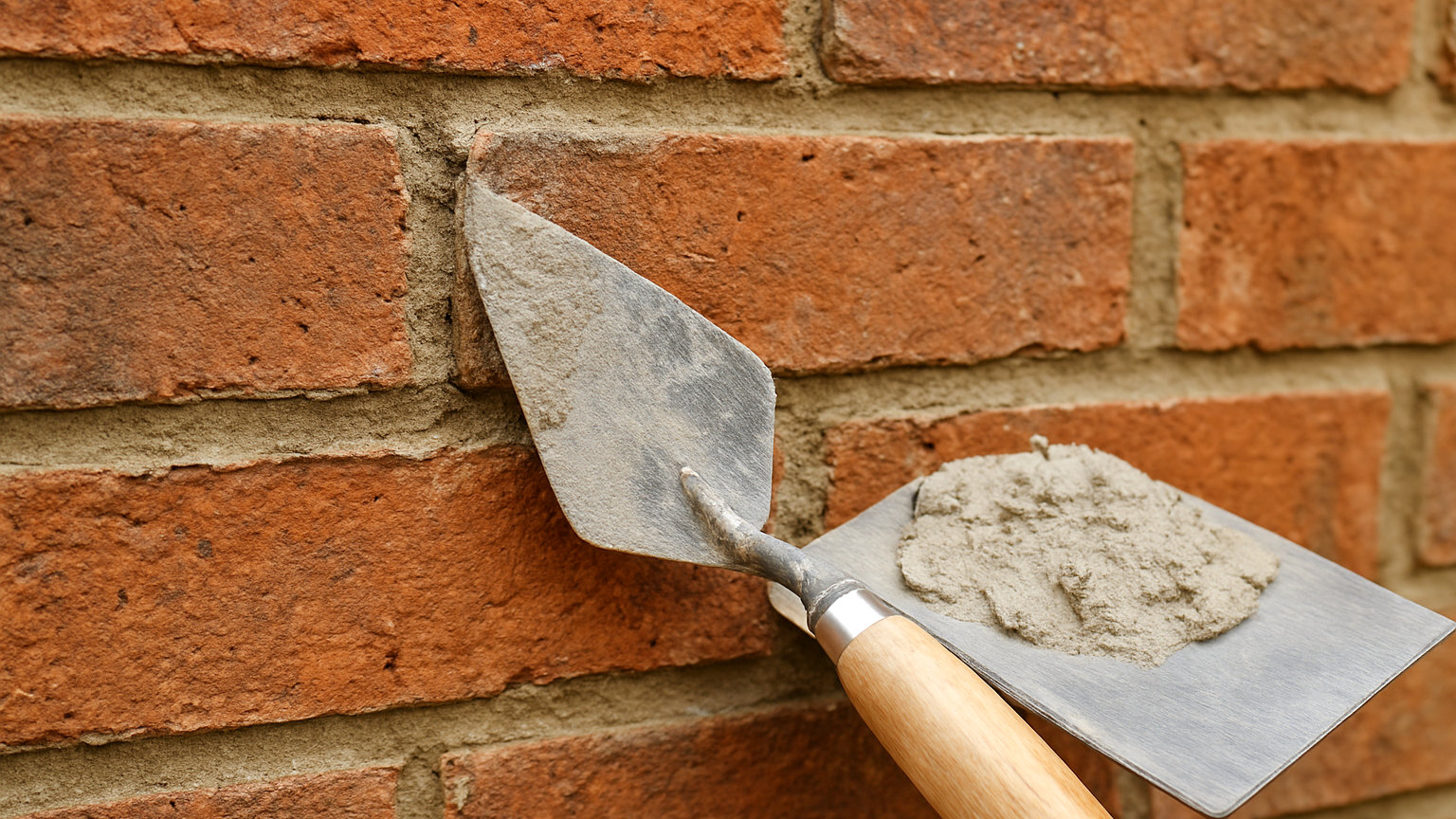
Raking out properly is most of the job, and a mortar stronger than the brick does more harm than the weather did. Method and mix.
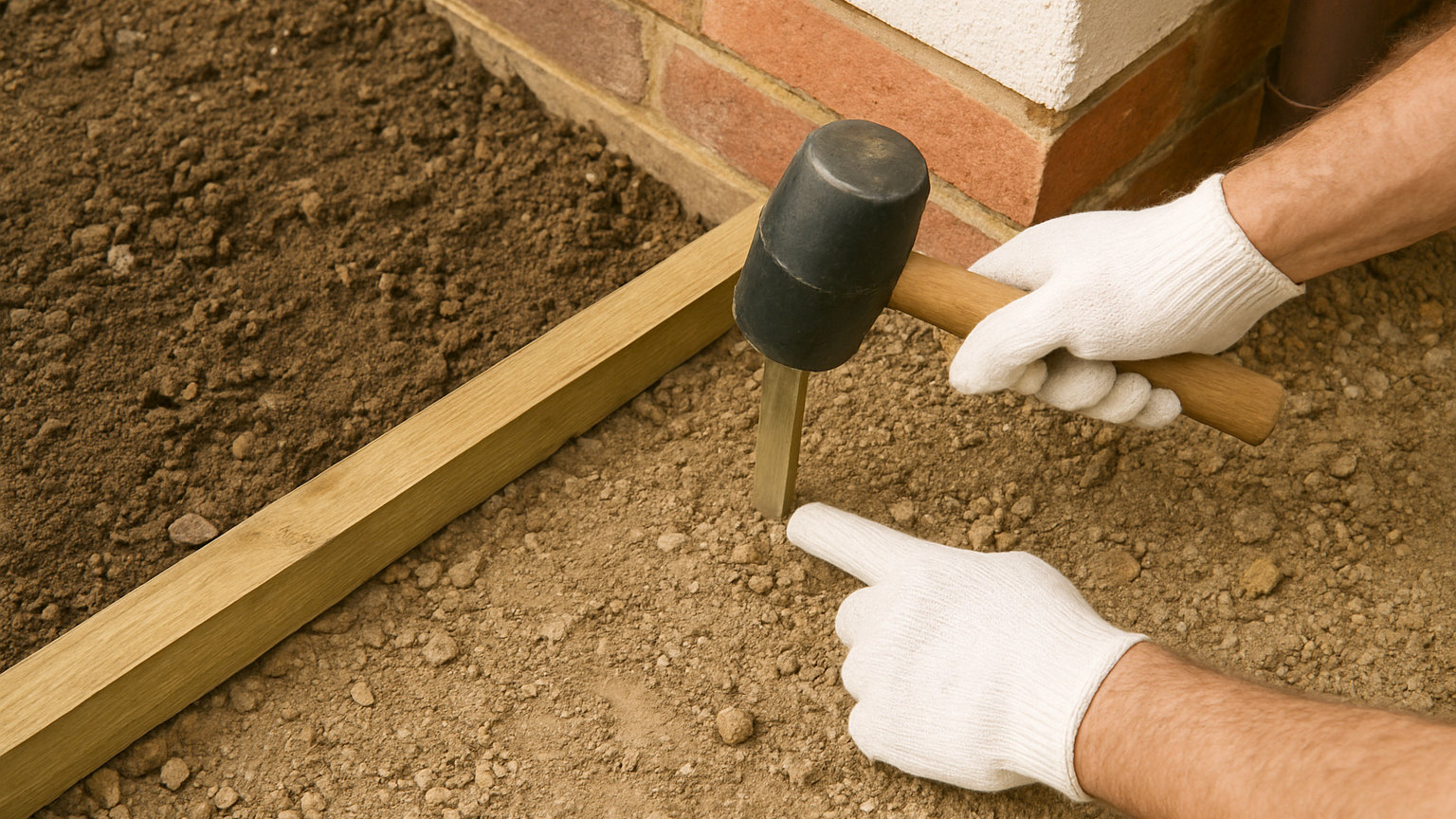
The same construction as a patio at a smaller scale, and the same reasons it fails. Excavation, compaction, edging and laying.
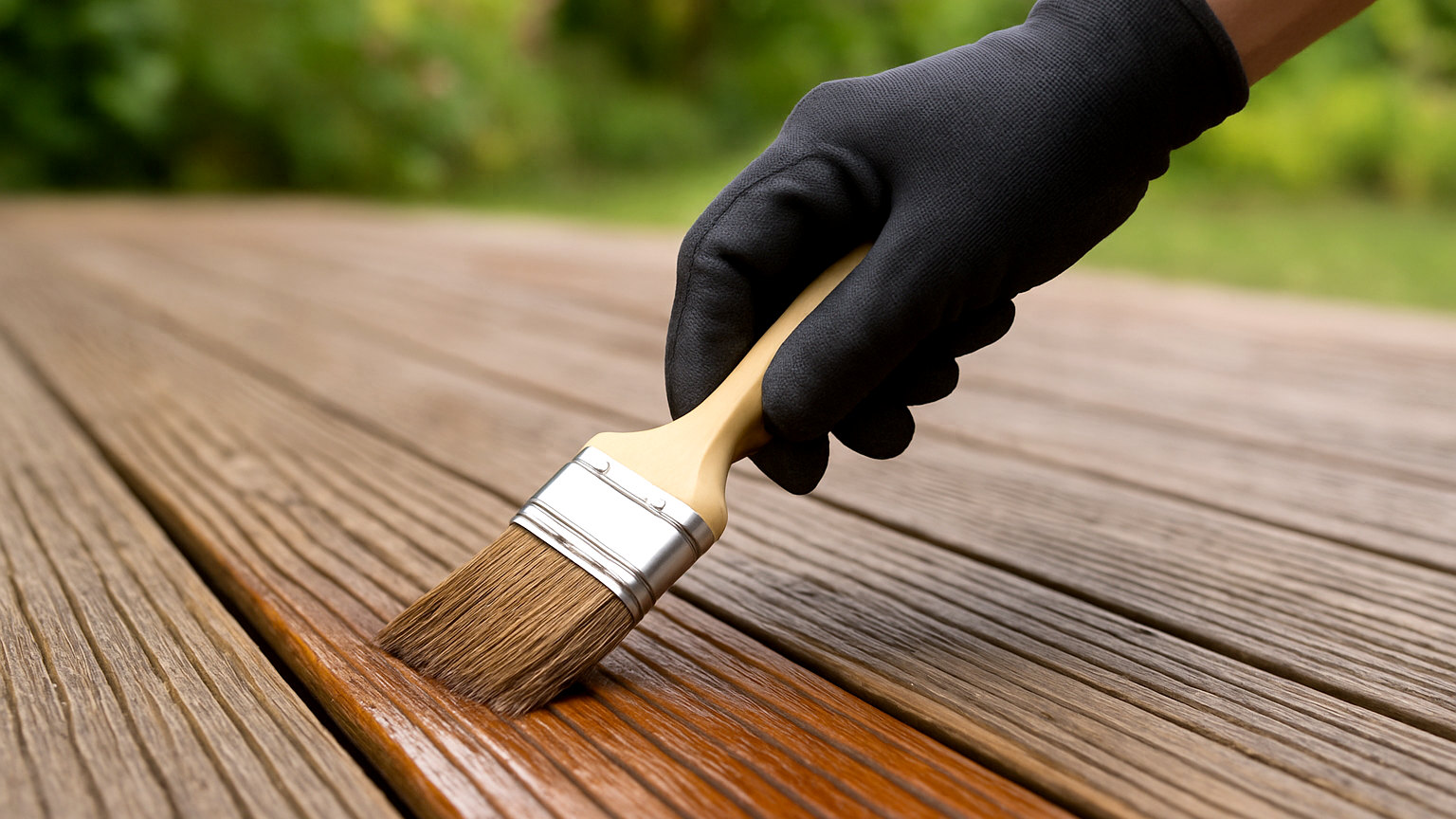
Oil, stain and paint behave completely differently on decking, and one of them commits you to stripping it later. Choosing and applying properly.
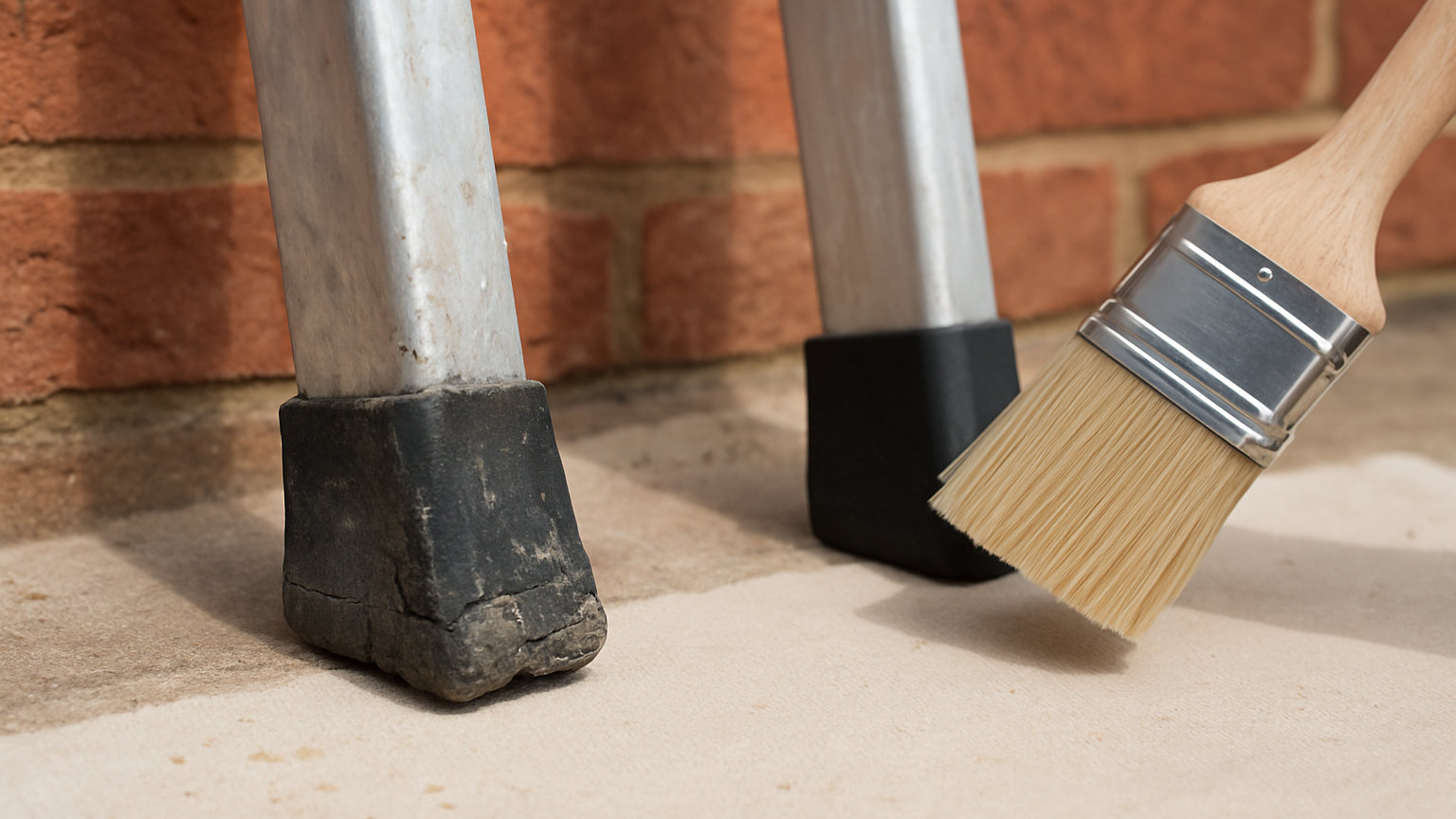
Most serious DIY injuries are falls, and painting puts people at exactly the wrong height for hours. Choosing access and using it properly.
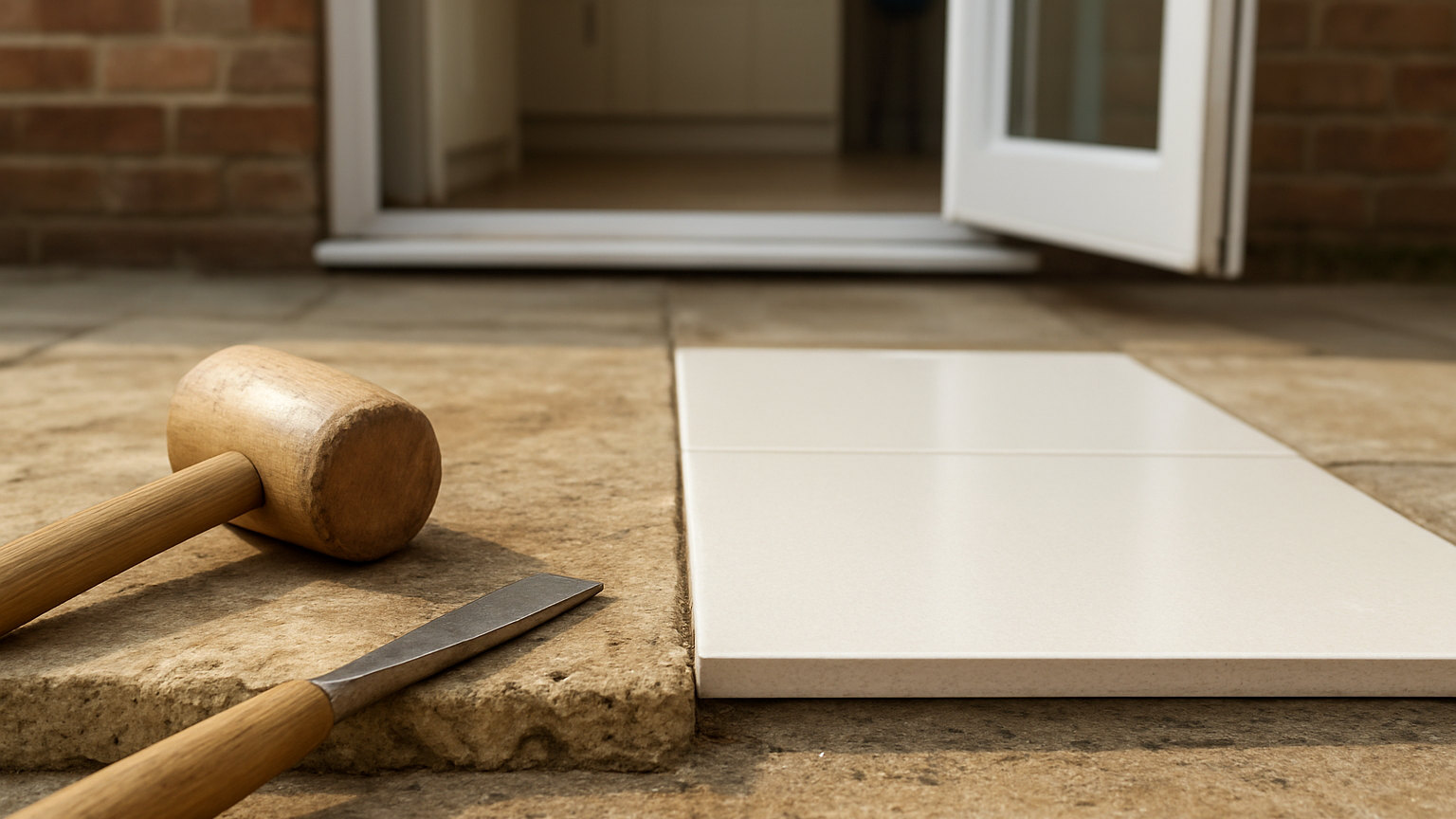
Useful on porous stone, pointless on porcelain, and a commitment once started. What sealers do and what they do not.
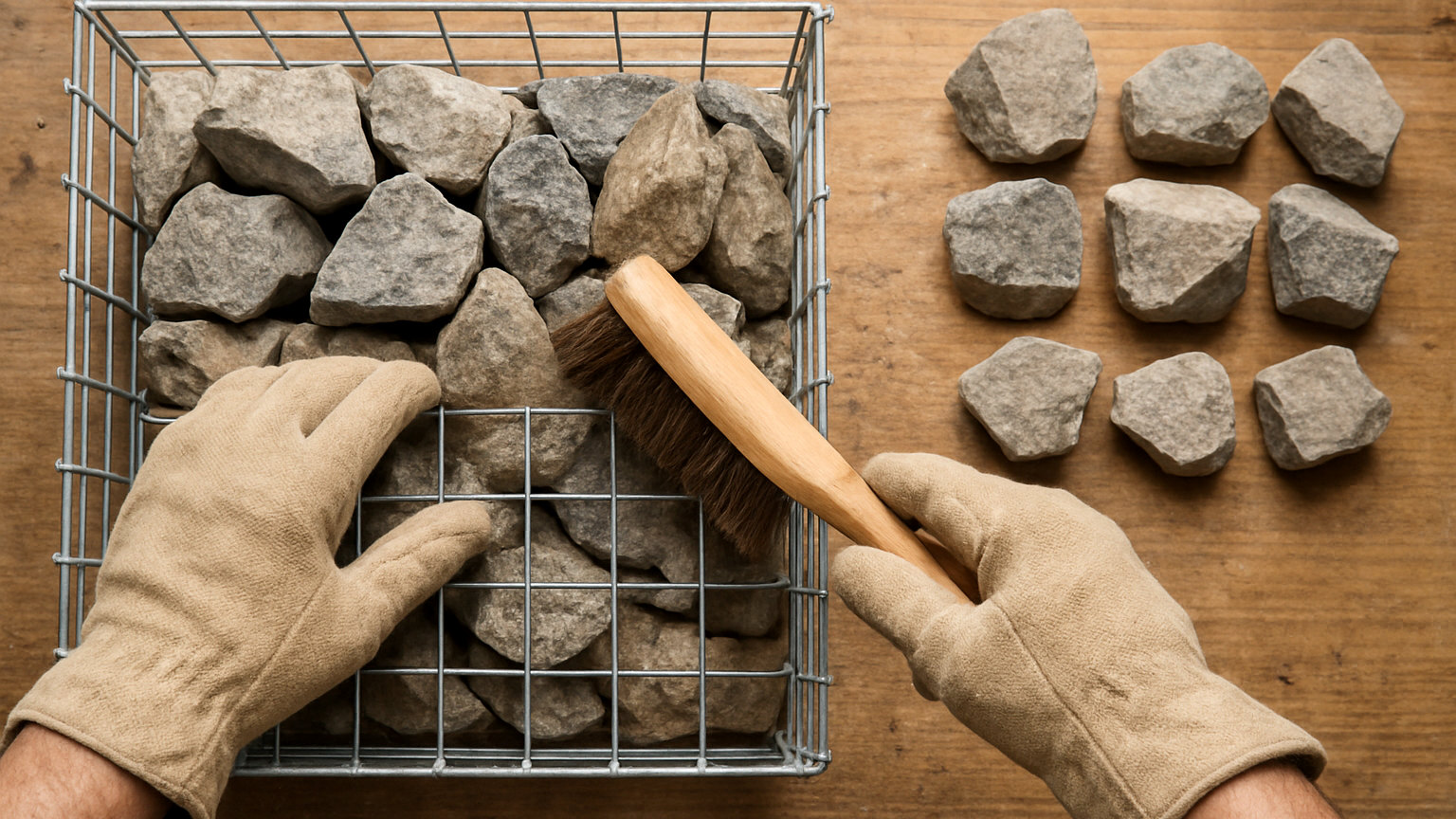
No mortar, no foundation in the usual sense, and no drainage problems. Two very different ways of building a wall from loose stone.
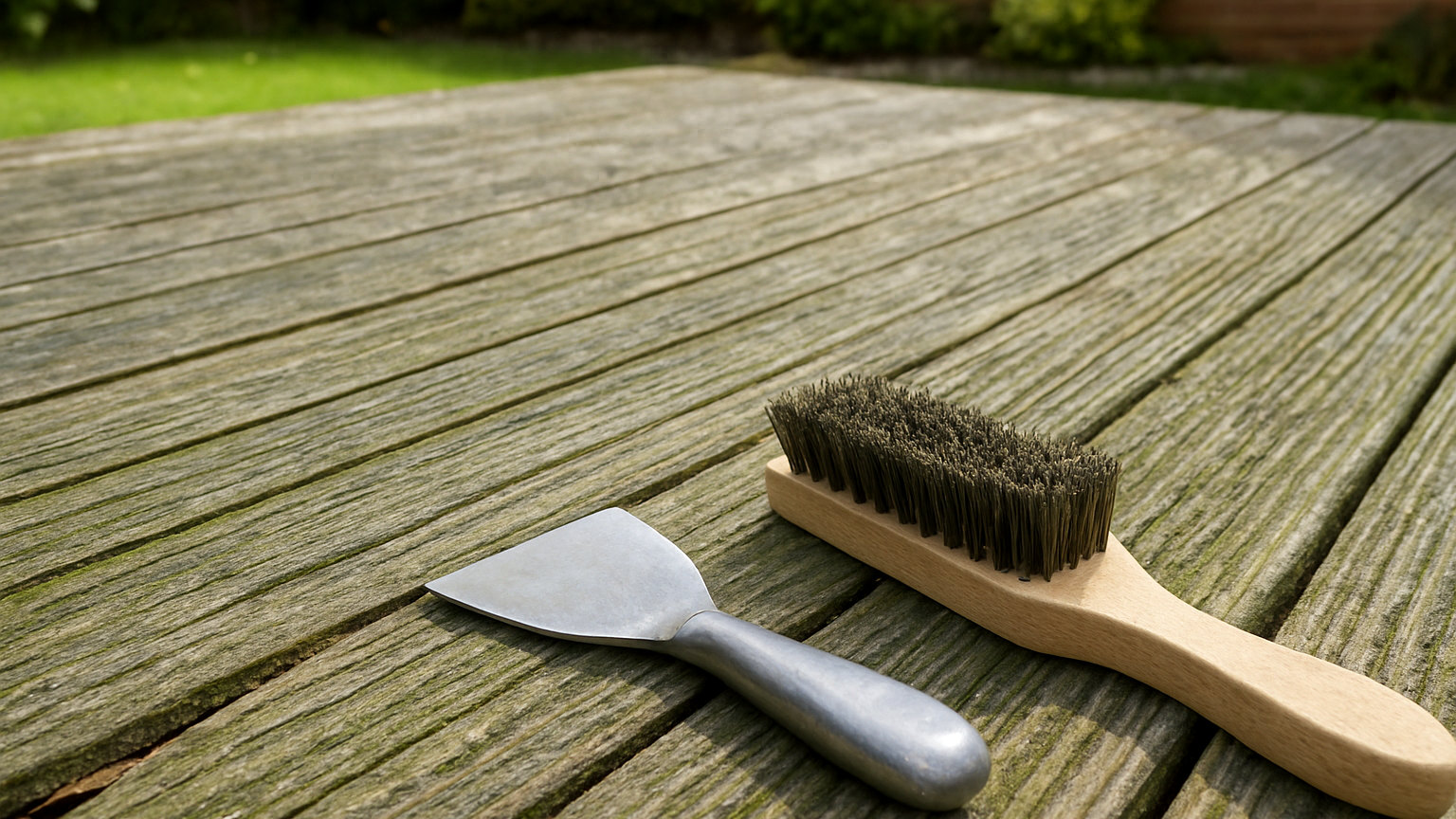
Grey, furry and green does not mean finished. How to tell what is salvageable, and the order of work that brings a tired deck back.
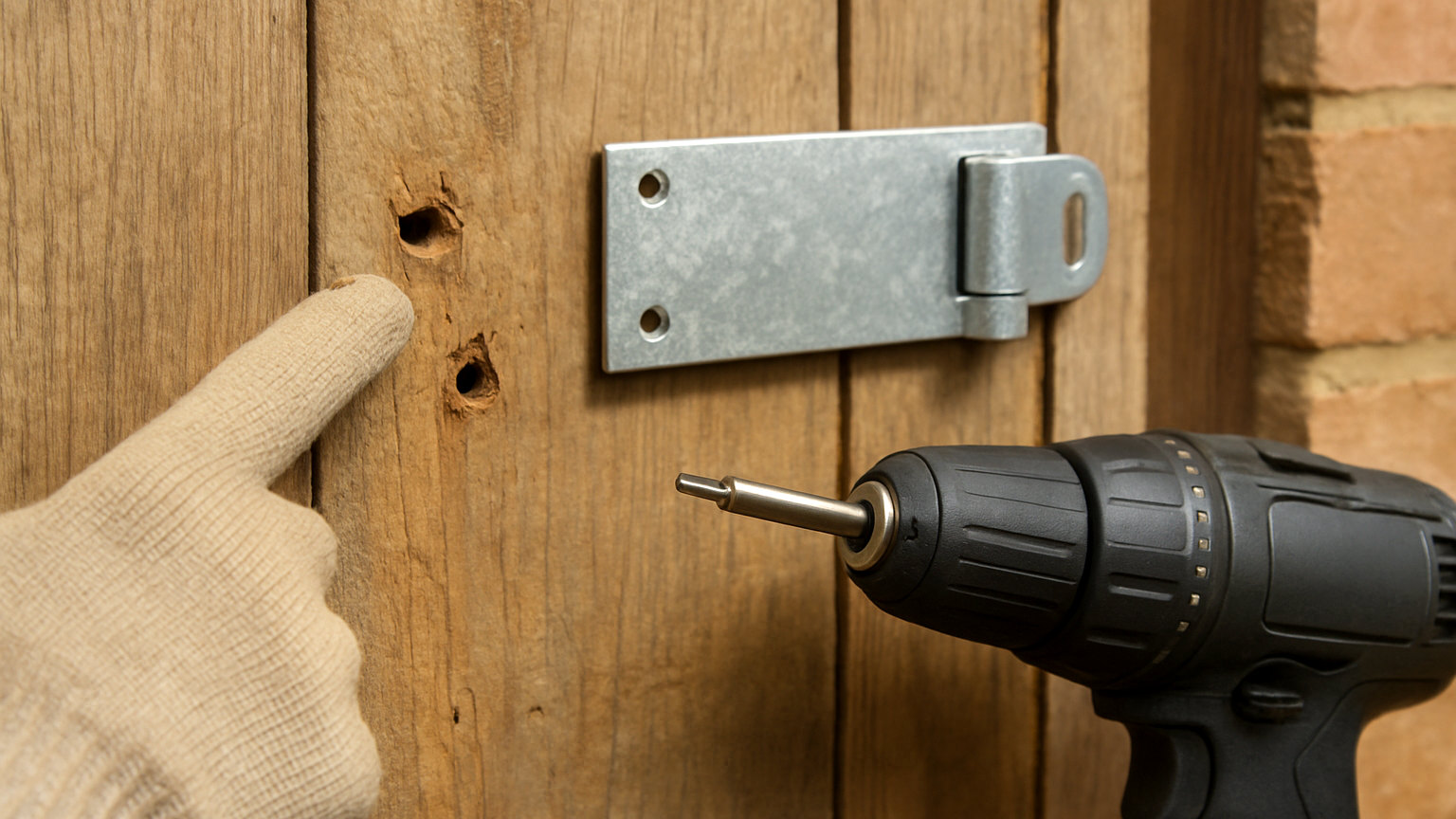
The supplied hasp is the weak point on almost every shed. Cheap upgrades that make a real difference, starting with the screws.
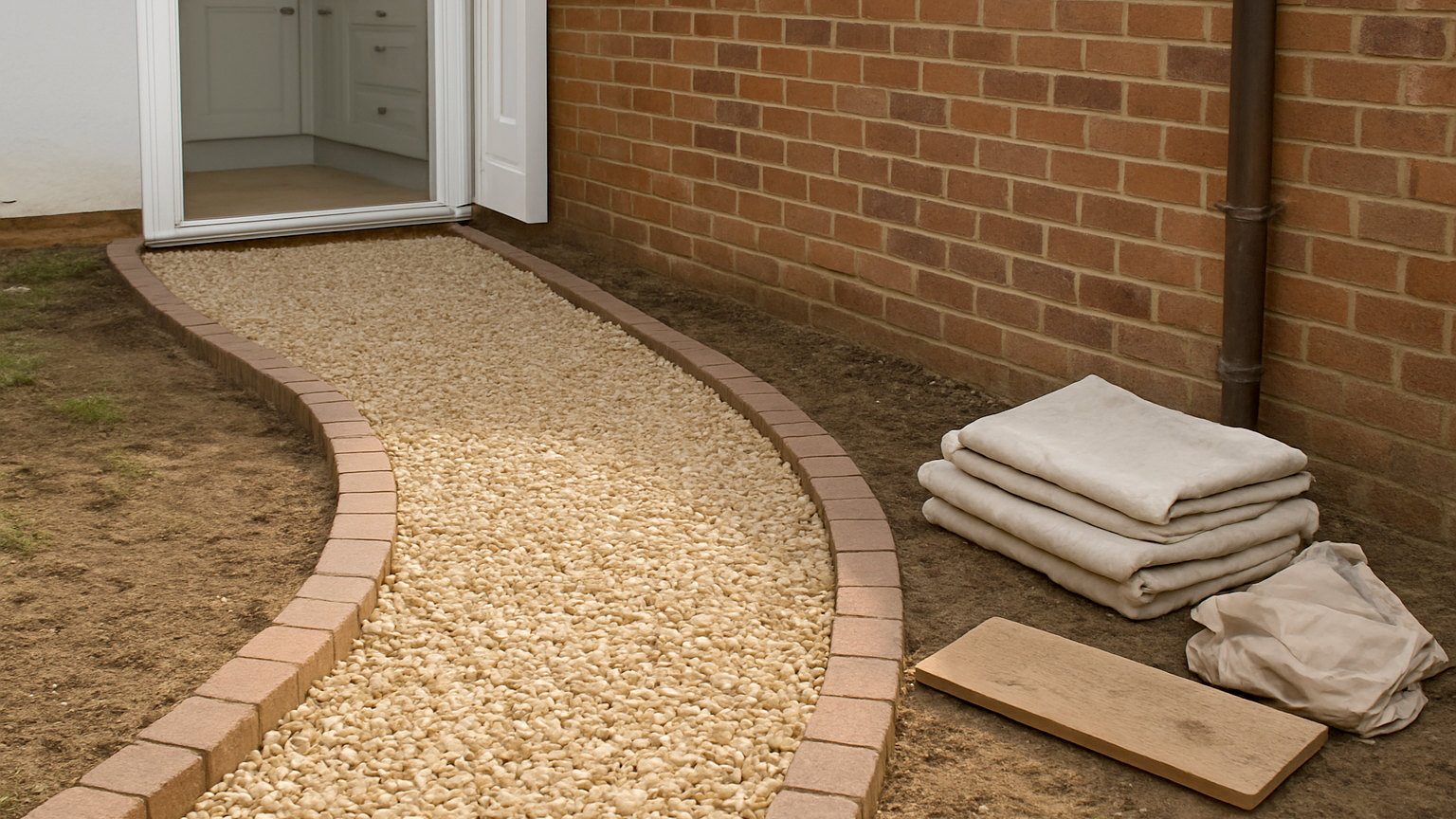
Width, route and surface decided together, and the desire line matters more than the drawing. Getting a path people actually use.
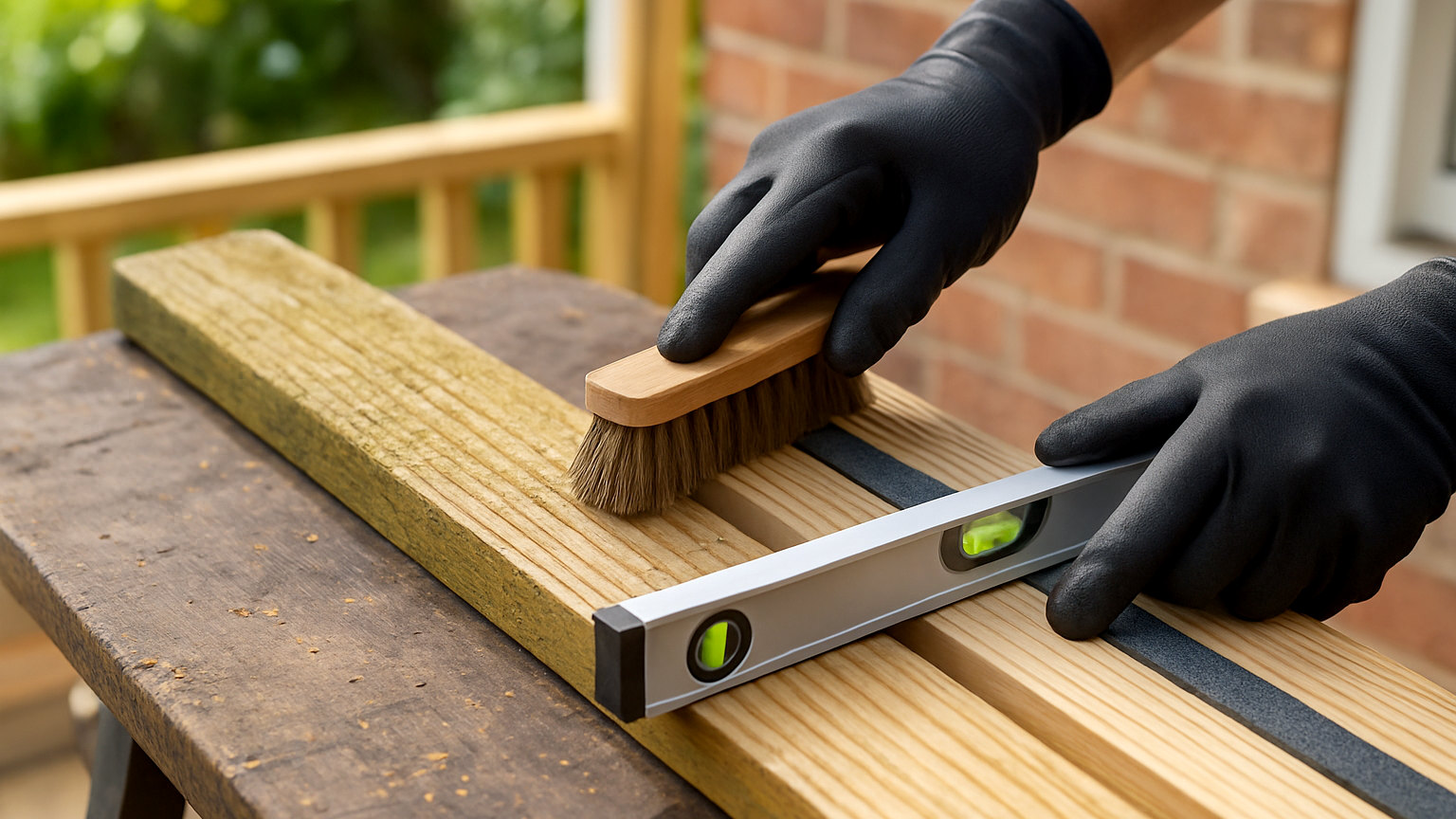
Algae is the cause, not the timber. What actually removes it, what stops it coming back, and where anti-slip strips genuinely earn their place.