Postcrete or Concrete: Which Should You Use?
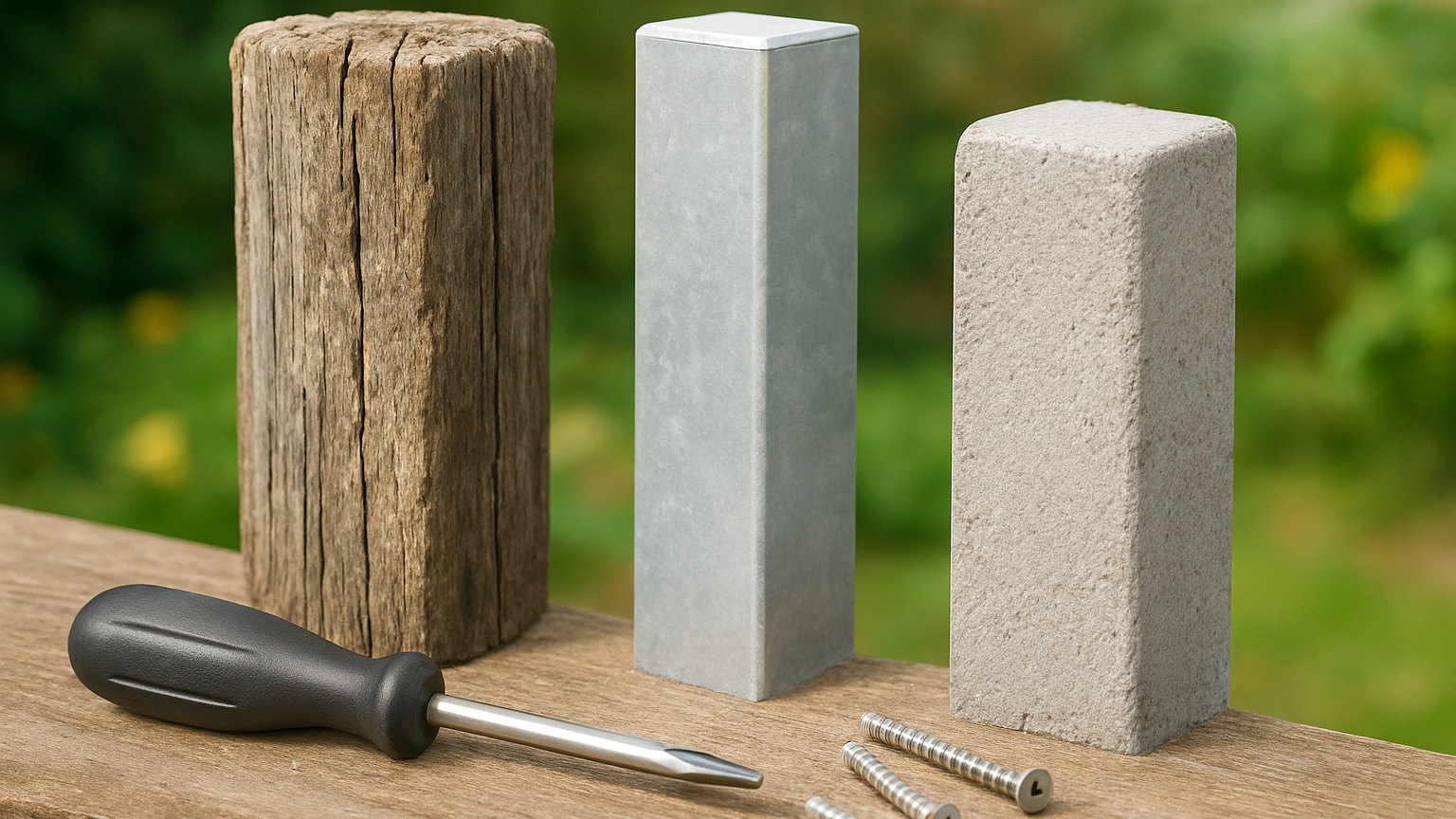
One sets in ten minutes and costs more per post. The other is cheaper by the bag and needs mixing. Where each genuinely makes sense.
By DIY Guides Editorial
20 Jun 2026

Outdoor work is more forgiving than indoor work in some ways and much less forgiving in others - the weather sets the timetable, the ground is never level, and anything you build has to survive a British winter. These guides cover the projects most people take on themselves, with honest notes on groundwork, drainage and the boundary rules that cause more neighbour disputes than anything else in DIY.
One sets in ten minutes and costs more per post. The other is cheaper by the bag and needs mixing. Where each genuinely makes sense.
Too shallow and frost lifts it, too narrow and it settles. Working out the depth and width before a single brick is bought.
A shed on soft ground twists, the doors stop closing and the floor rots. The options compared, and why level matters more than material.
A third in the ground is the rule, and it changes with height, soil and exposure. Working out the depth before you buy posts that are too short.
The invisible layer that decides whether a patio is still level in ten years. Depth, material and why compaction matters more than thickness.
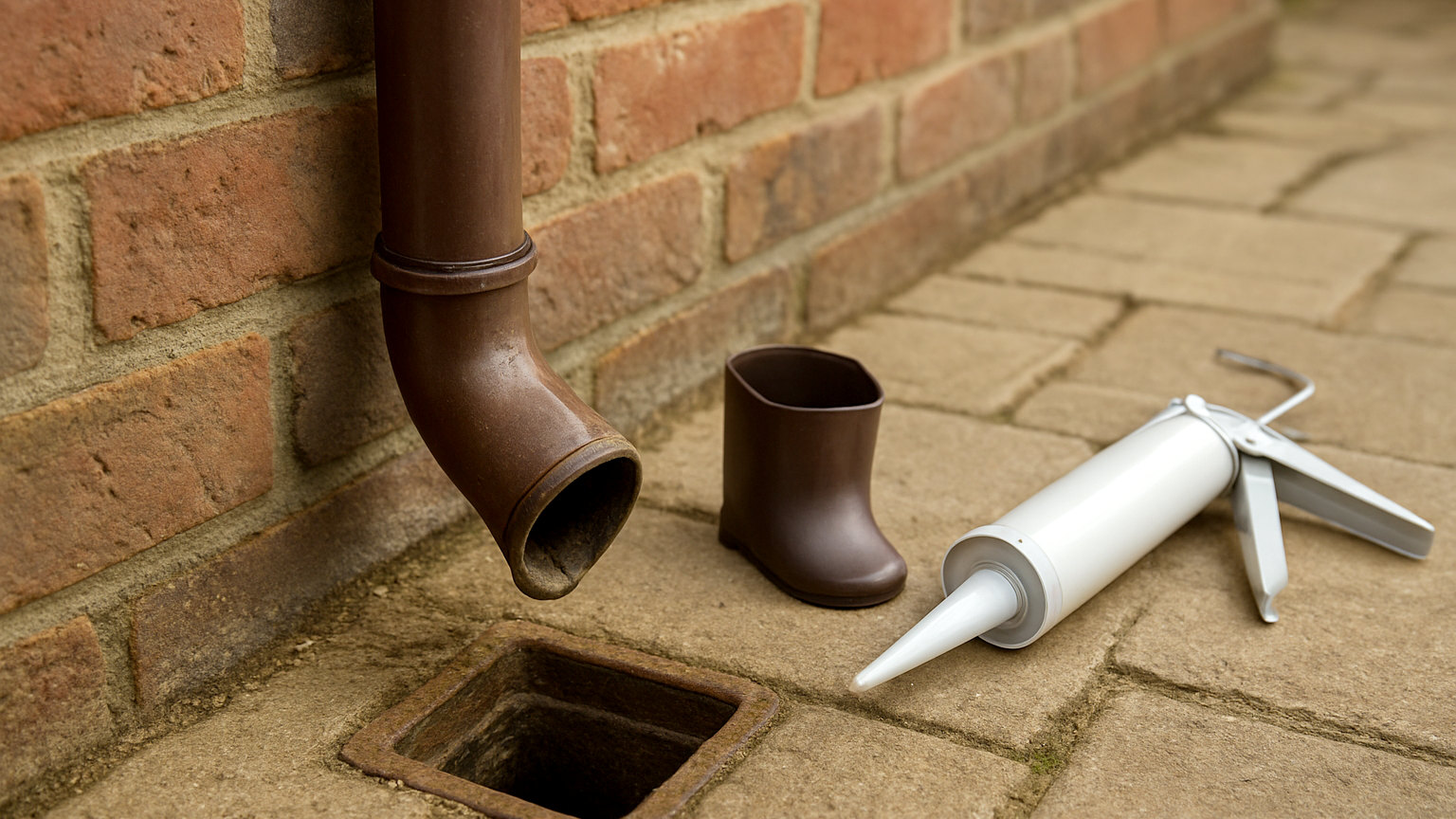
Two systems doing different jobs, sometimes sharing one pipe. What separates them, who owns which, and why cross connections cause trouble.
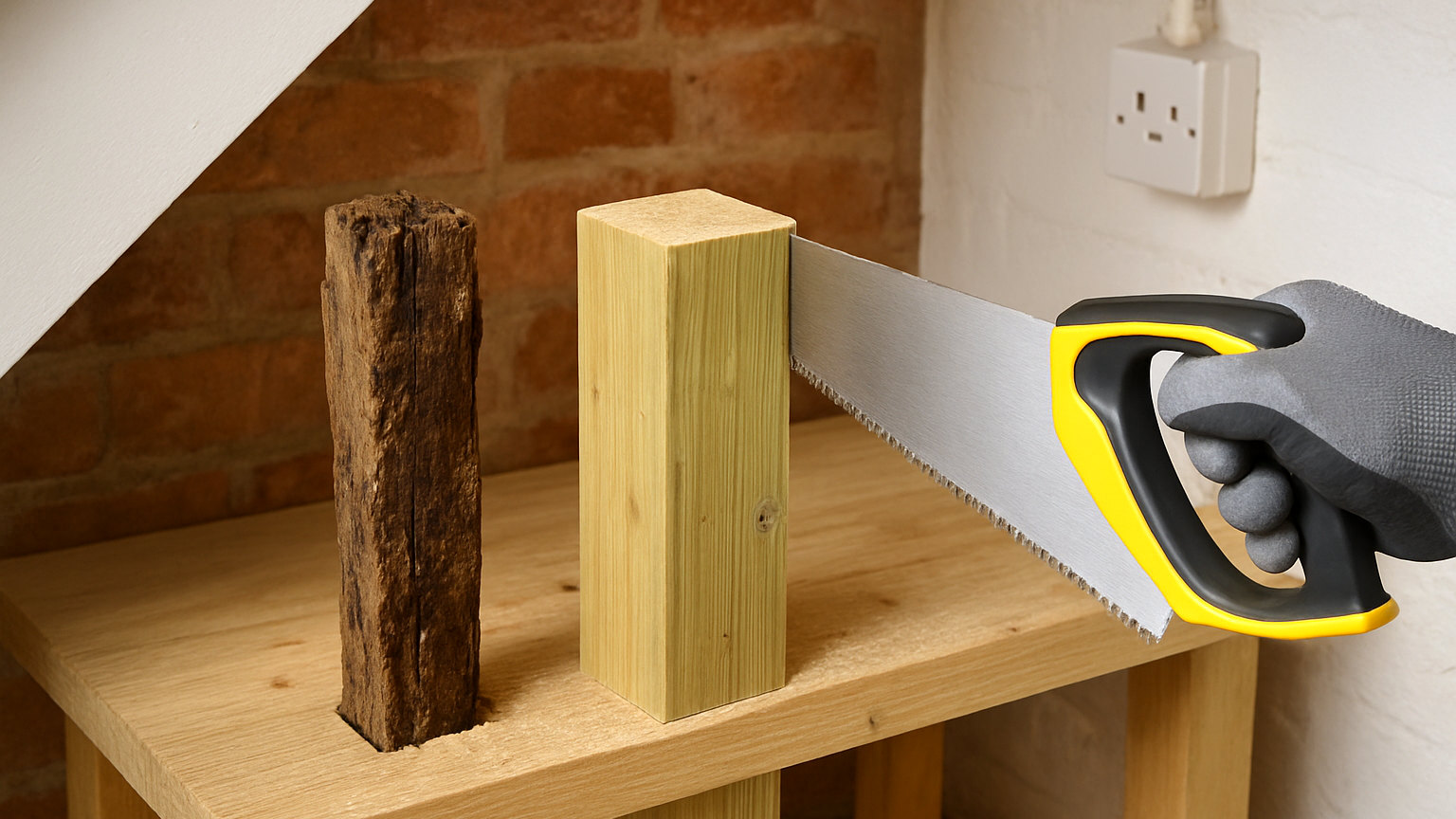
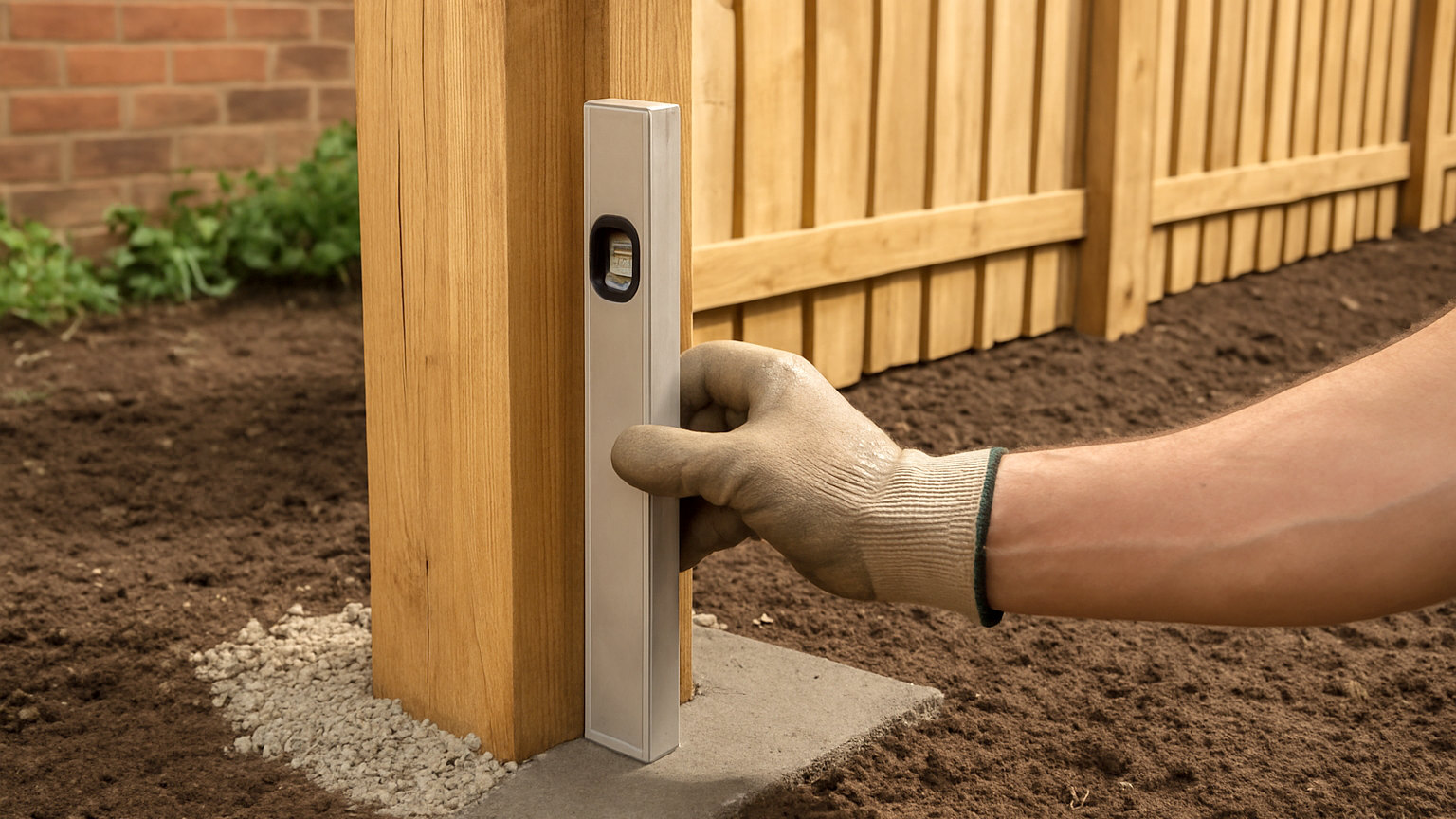
Most fences fail at the post, and most posts fail because of what happened in the first ten minutes. Setting one so it stays plumb and stays dry.
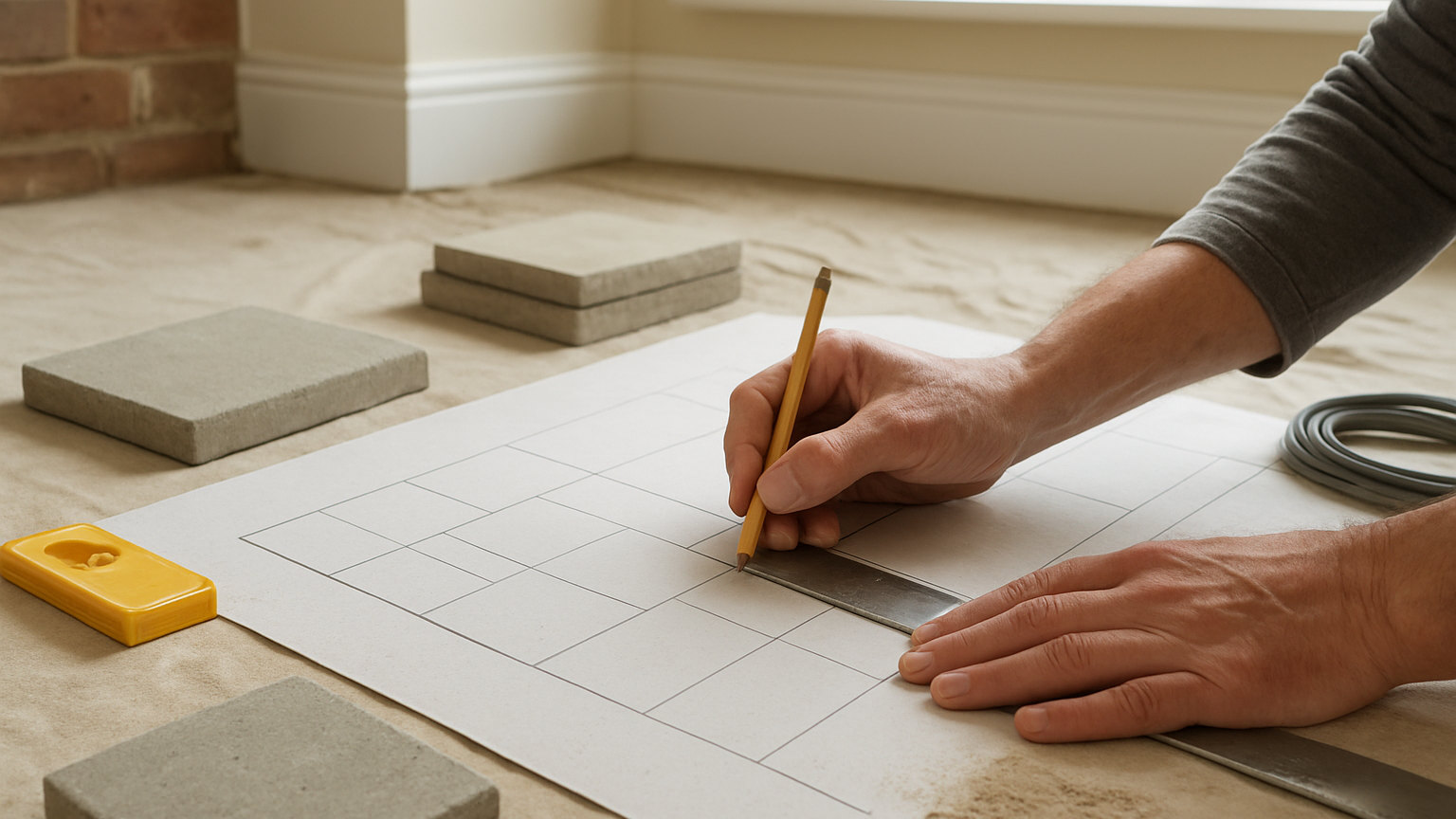
Slab size, joint width and the fall away from the house all have to be settled before a spade goes in. Working the layout out on paper first.
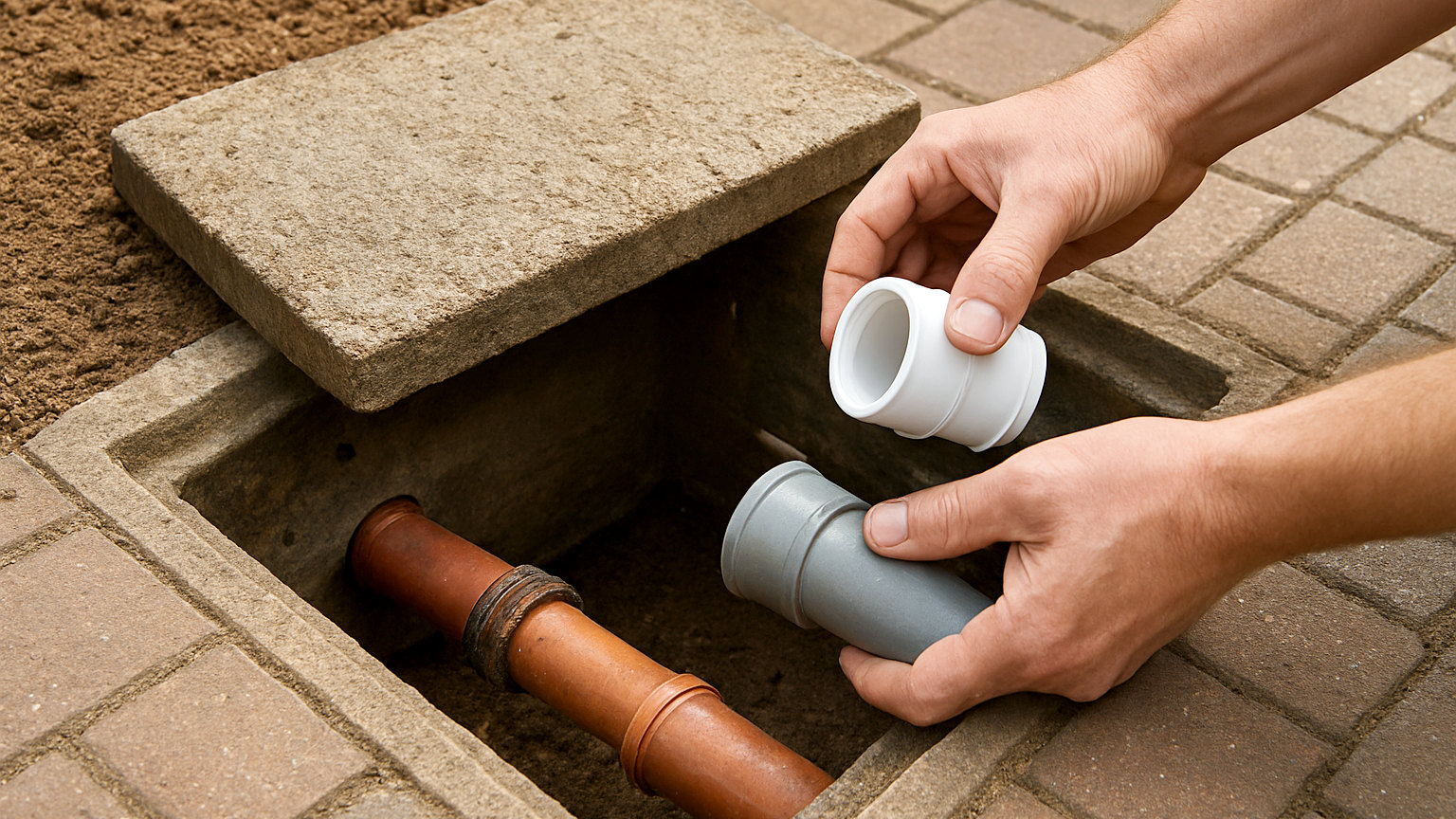
Most people have no idea, and it matters the moment you pave something or add a downpipe. How to work out what drains where.
The post is what fails, not the panel. How the three types compare on lifespan, cost, repairability and what happens in a storm.
Temperature, dew point and the forecast for tomorrow all matter. The conditions that let exterior paint cure, and the ones that ruin it.
Two metres generally, one metre next to a road, and retaining walls are a separate question entirely. What engages planning and building control.