Removing Old Wall Fixings
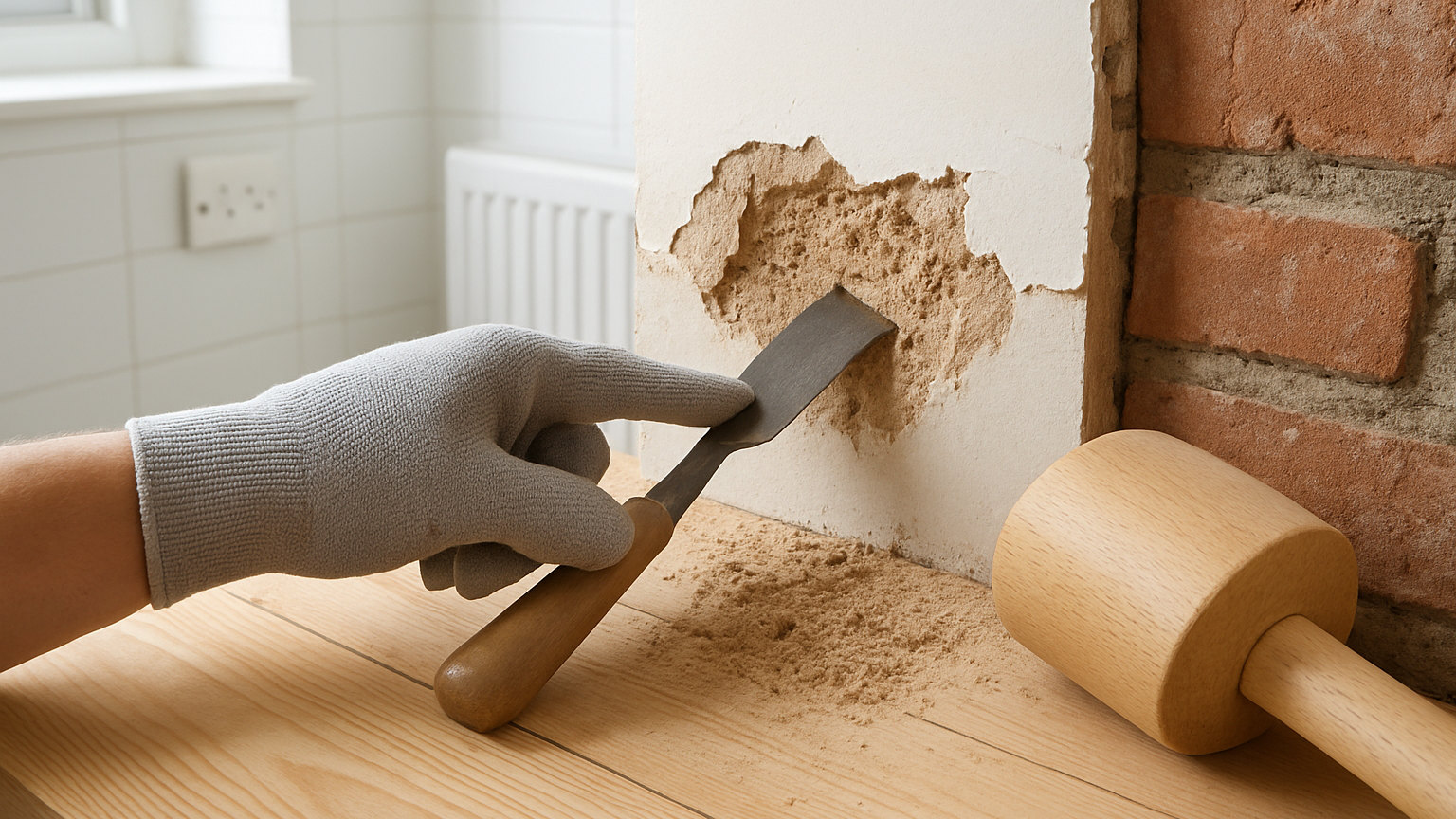
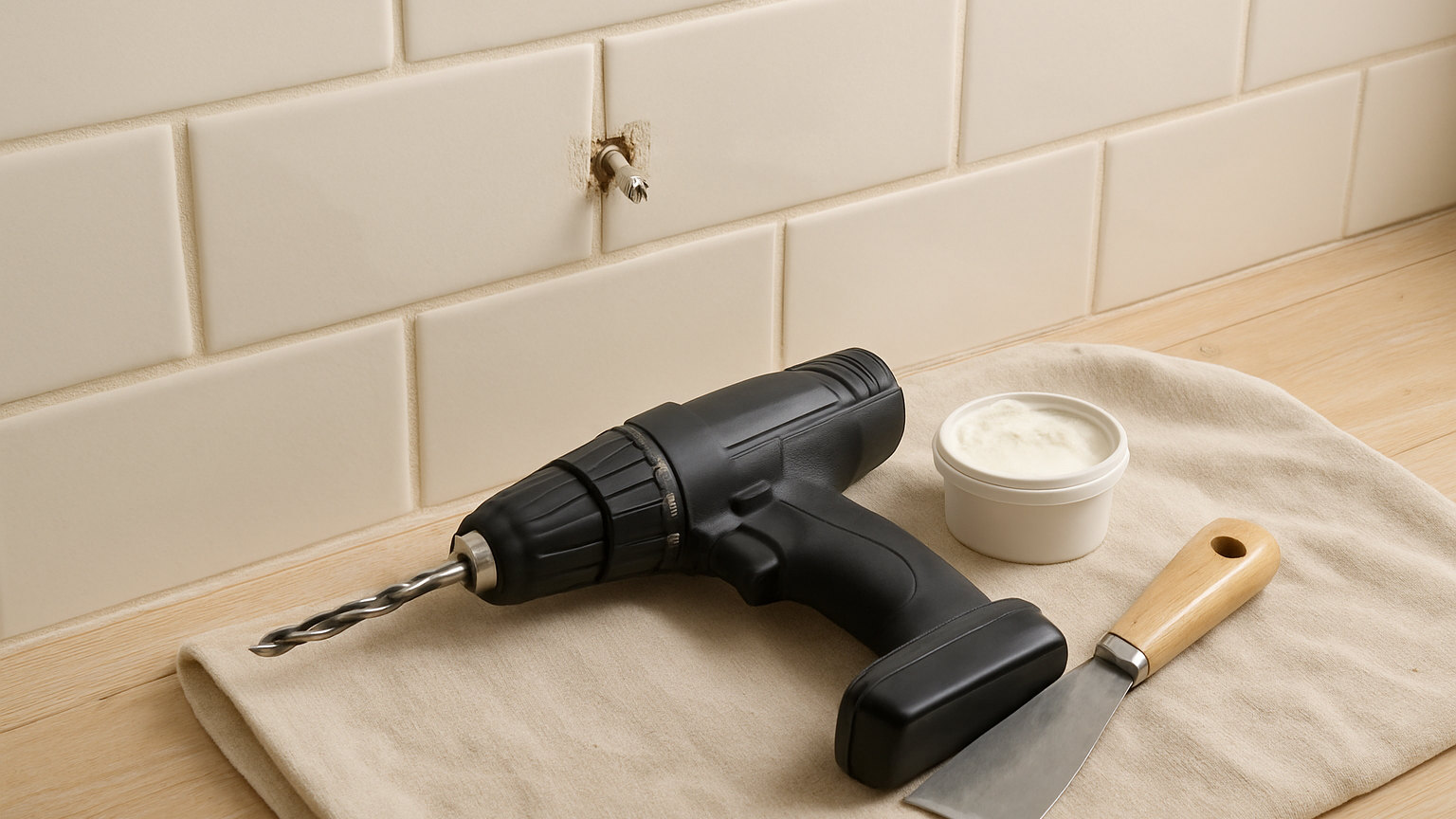
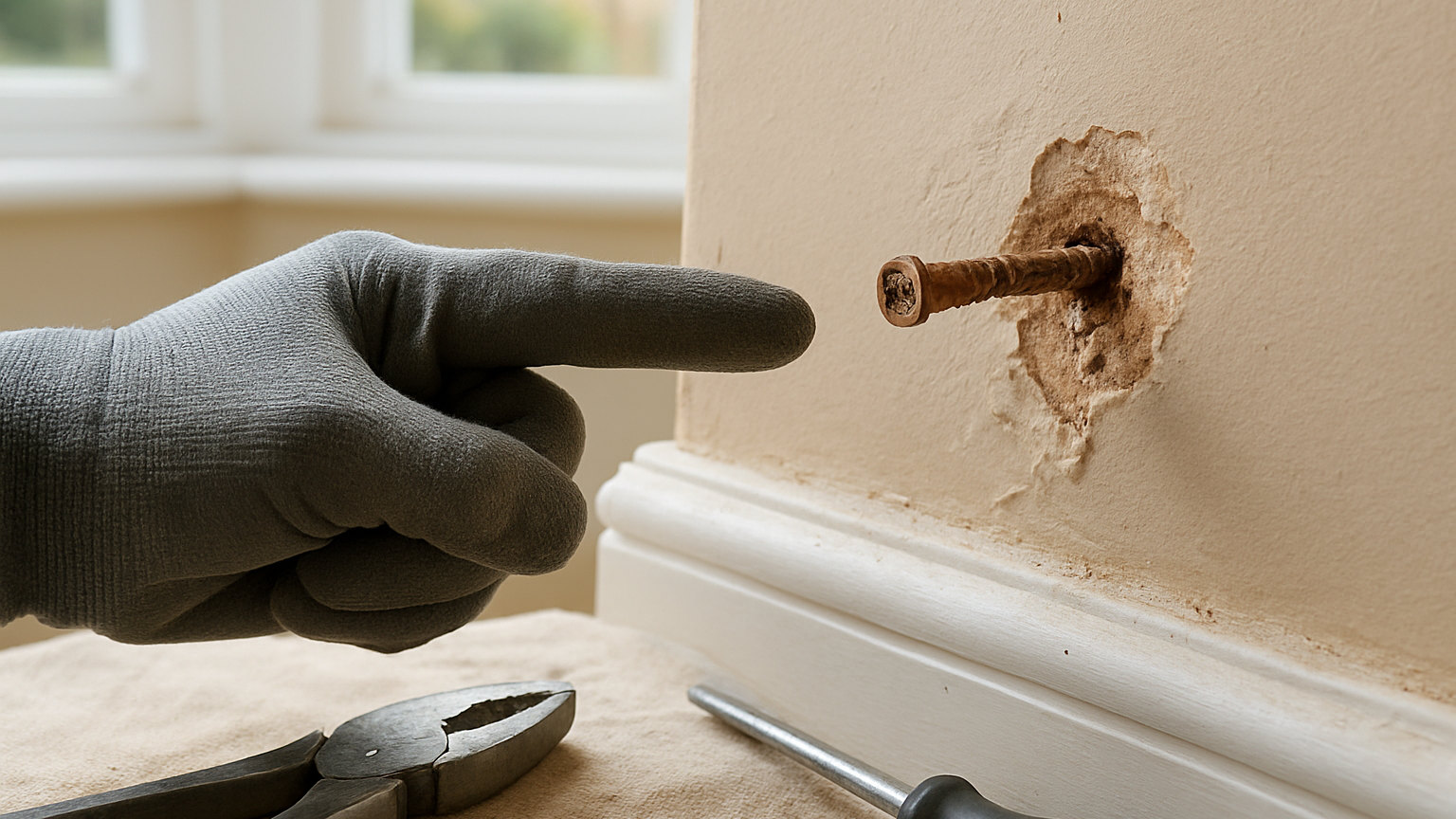
Plugs, plasterboard anchors, rawlbolts and rusted screws all come out differently. Getting them out without taking the wall with them.
By DIY Guides Editorial
9 Mar 2026

Most household repairs are smaller than they look, and a few are considerably more serious than they look. These guides deal with the ordinary run of things that go wrong, in the order of what to check first - and they are explicit about the line where a job stops being DIY. Anything involving gas, most electrical work, structural walls and roof work at height belongs to someone qualified, and we say so plainly each time.
Plugs, plasterboard anchors, rawlbolts and rusted screws all come out differently. Getting them out without taking the wall with them.
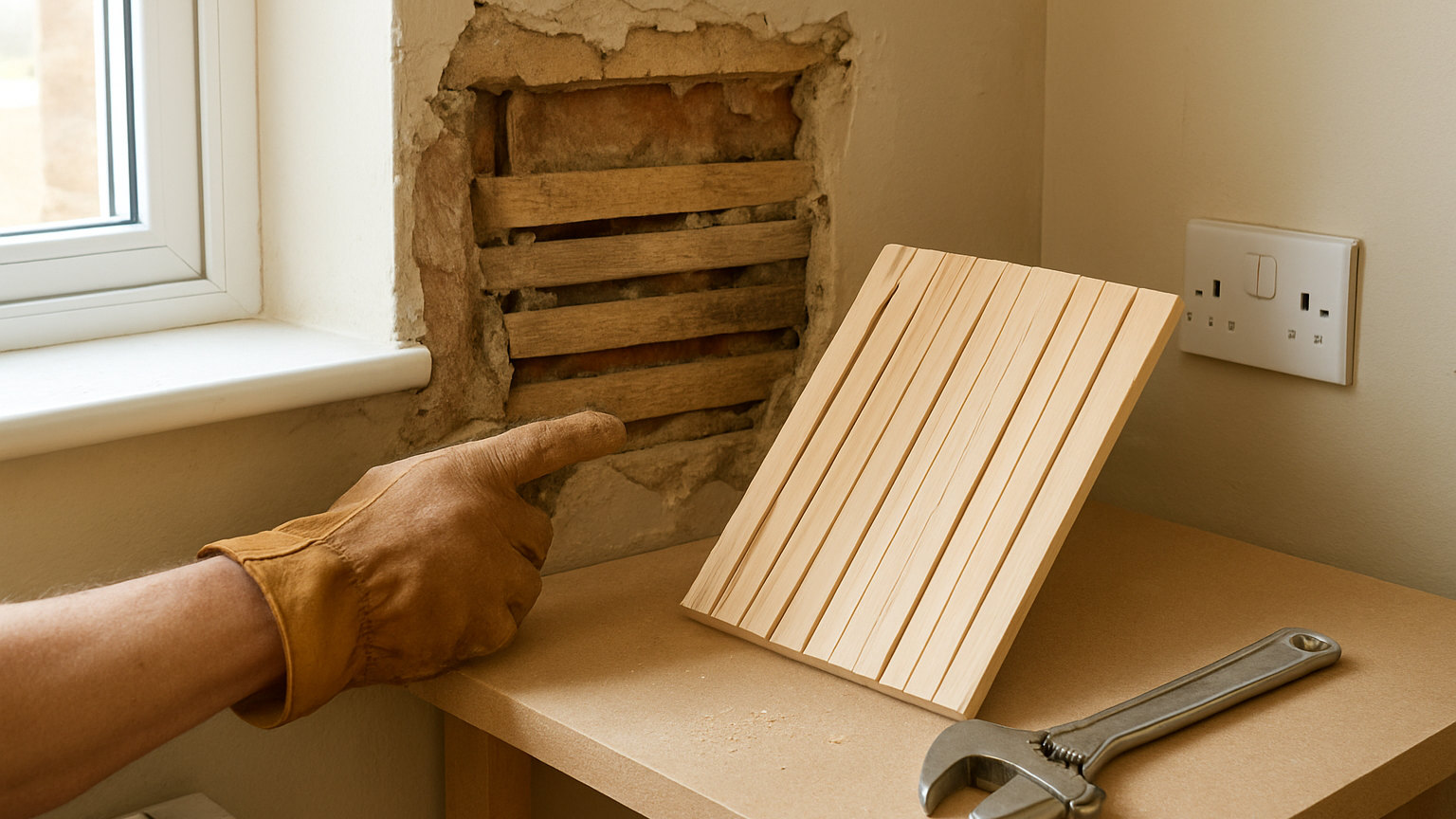
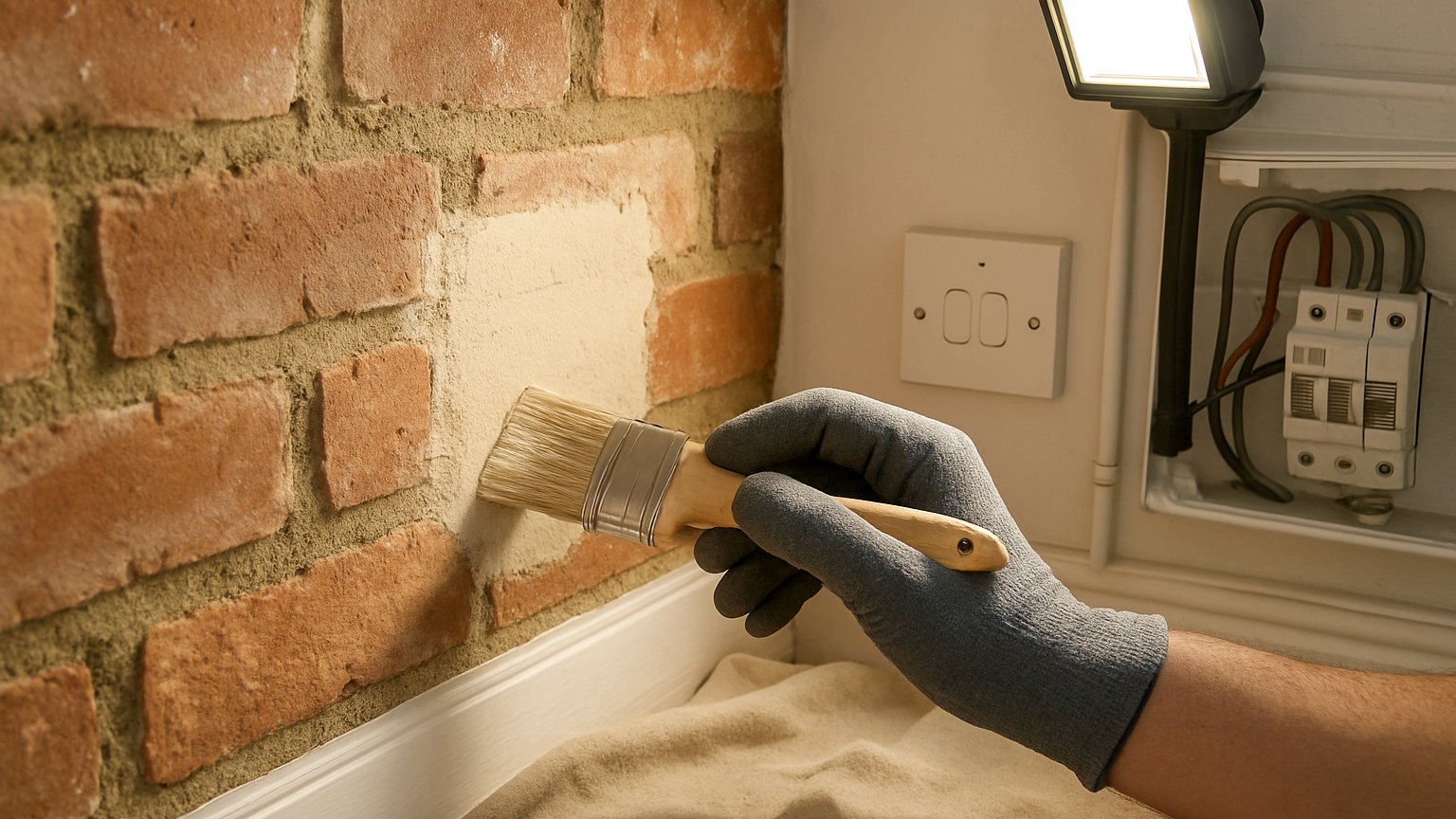
Old plaster holds on by nibs squeezed through the laths, and it fails when they break. Working gently, and the repairs that suit period walls.
Fix the leak, dry it properly, then decide what is salvageable. Saturated plasterboard never recovers; gypsum plaster sometimes does.
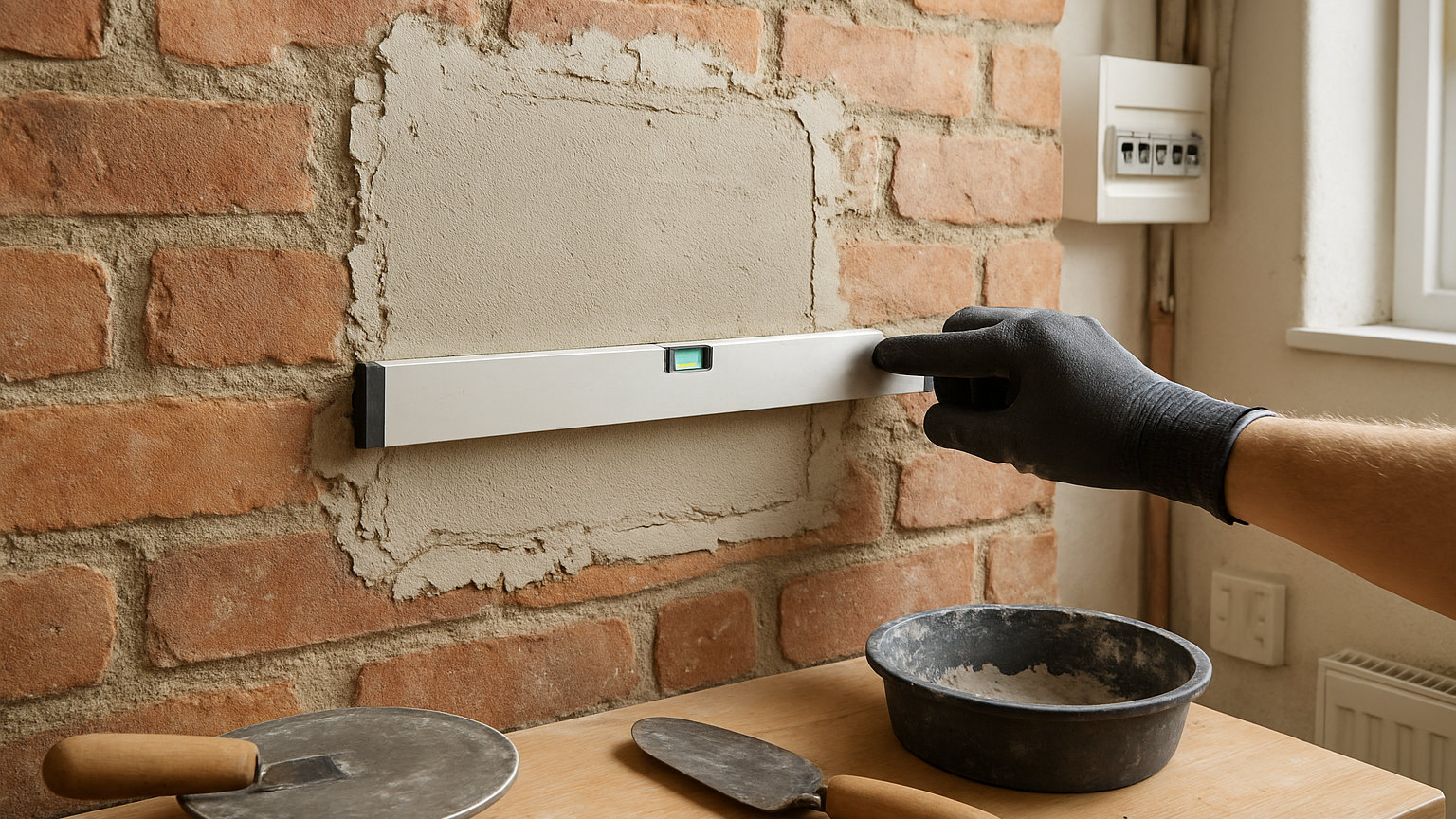
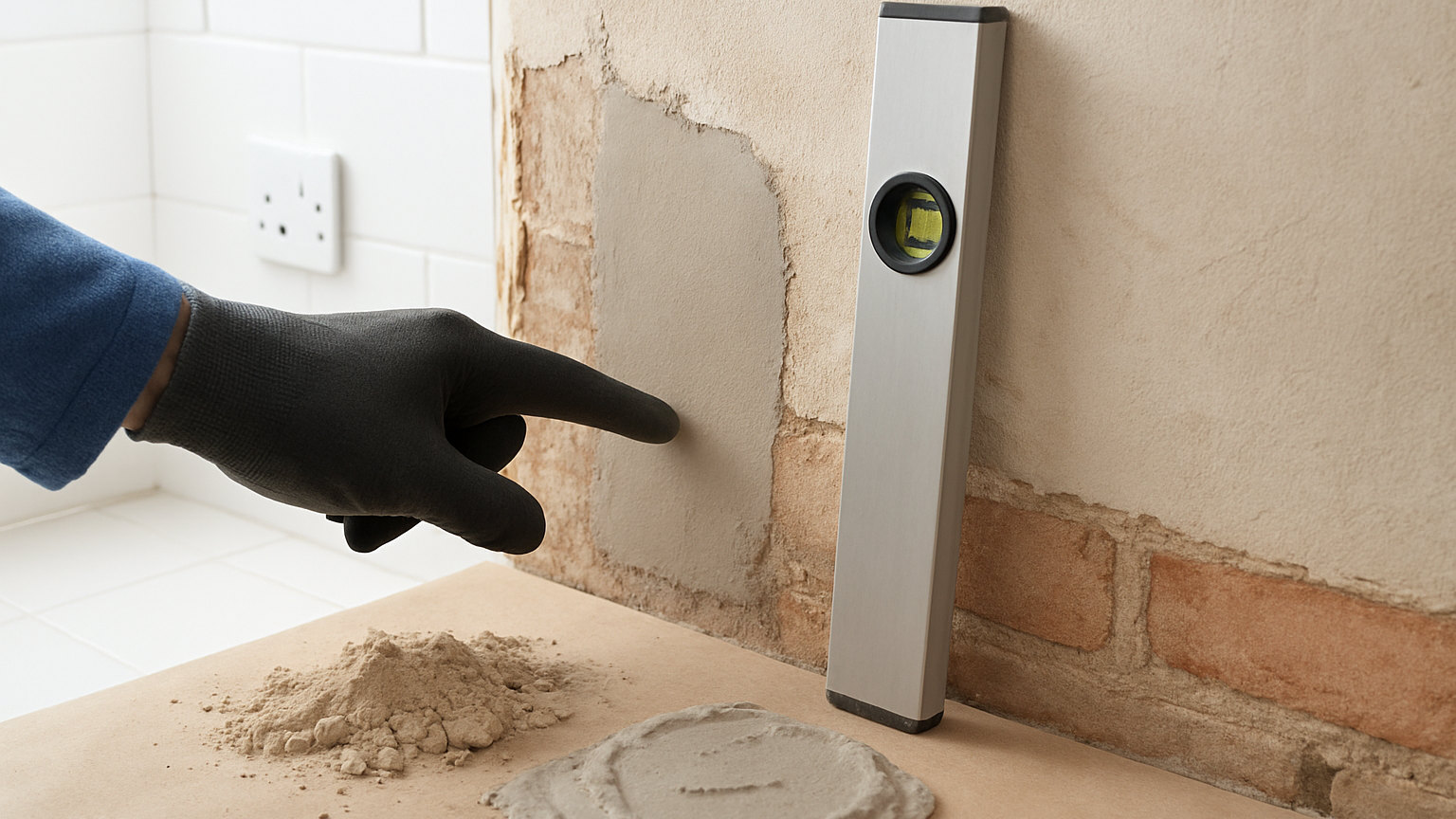
Cut back to sound plaster, build out with bonding coat, then finish. The sequence for a patch on a solid wall that does not show.
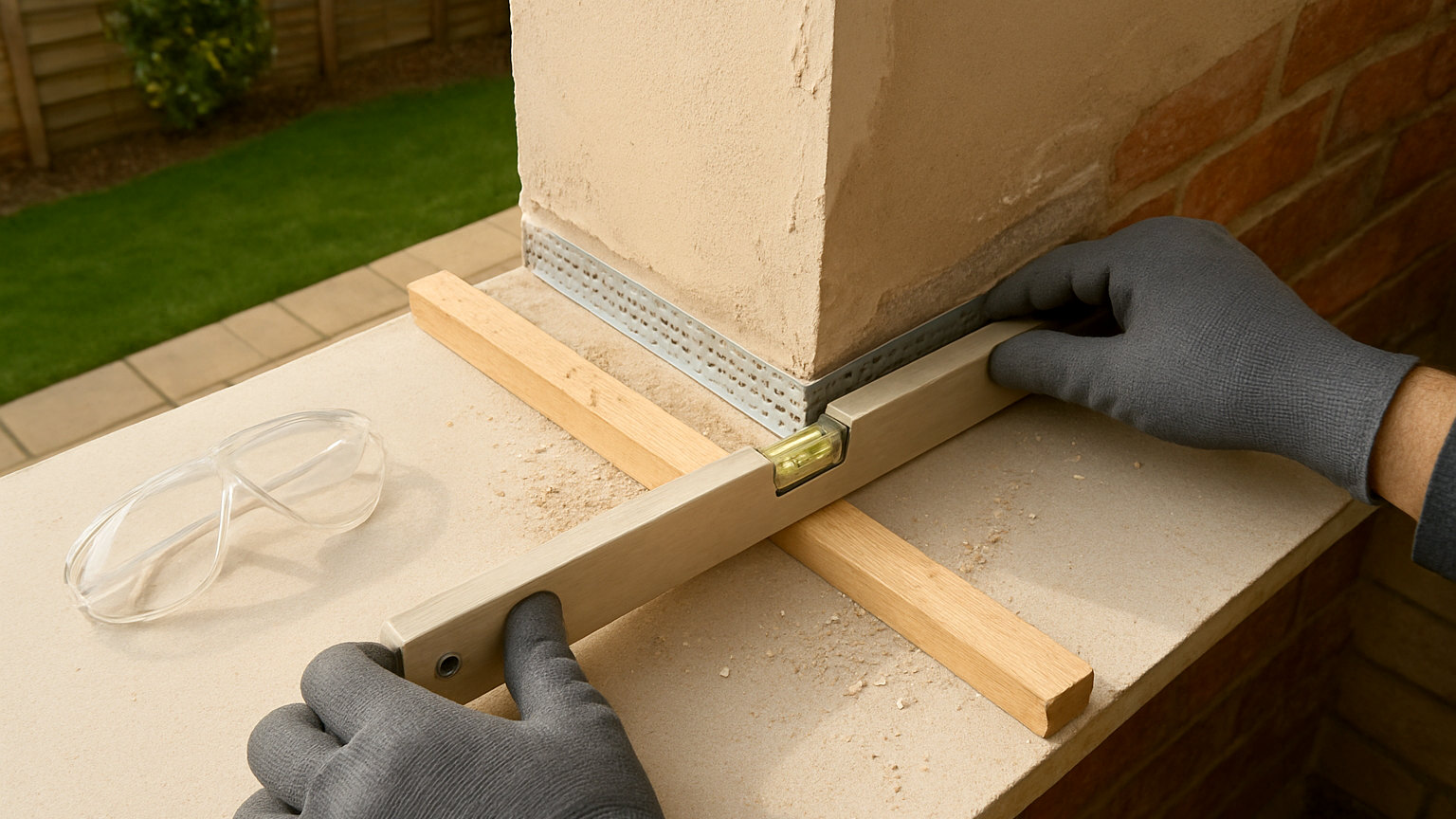
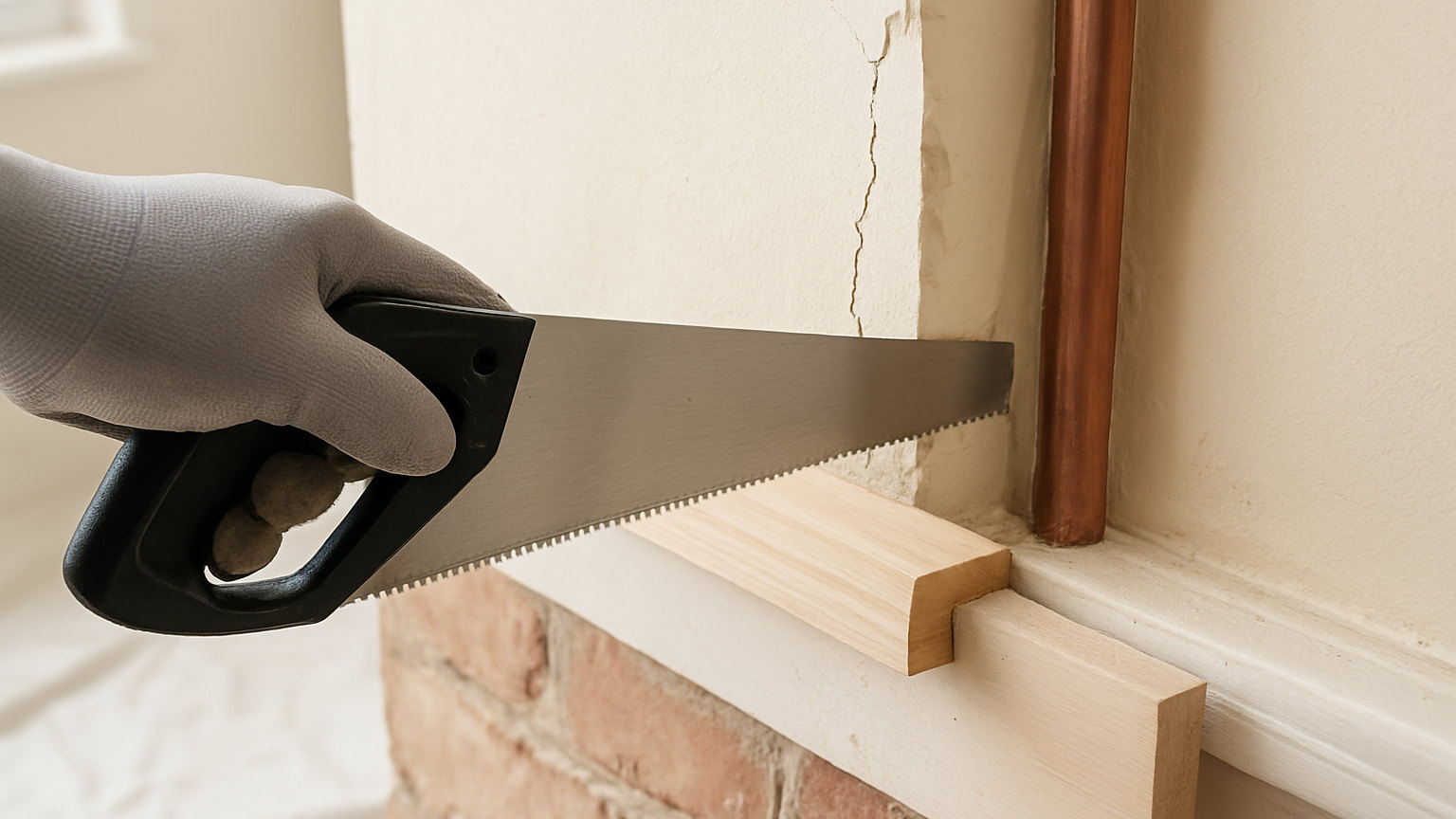
External corners take all the knocks and are the hardest to repair straight. Using a batten as a guide, and when to fit a corner bead.
Plaster that sounds hollow has lost its bond and will come off eventually. How to find the full extent, cut it back, and rebuild it.
Small holes are quick and easy to get wrong. Removing the plug, dealing with the raised lip, and filling so nothing shows through the paint.
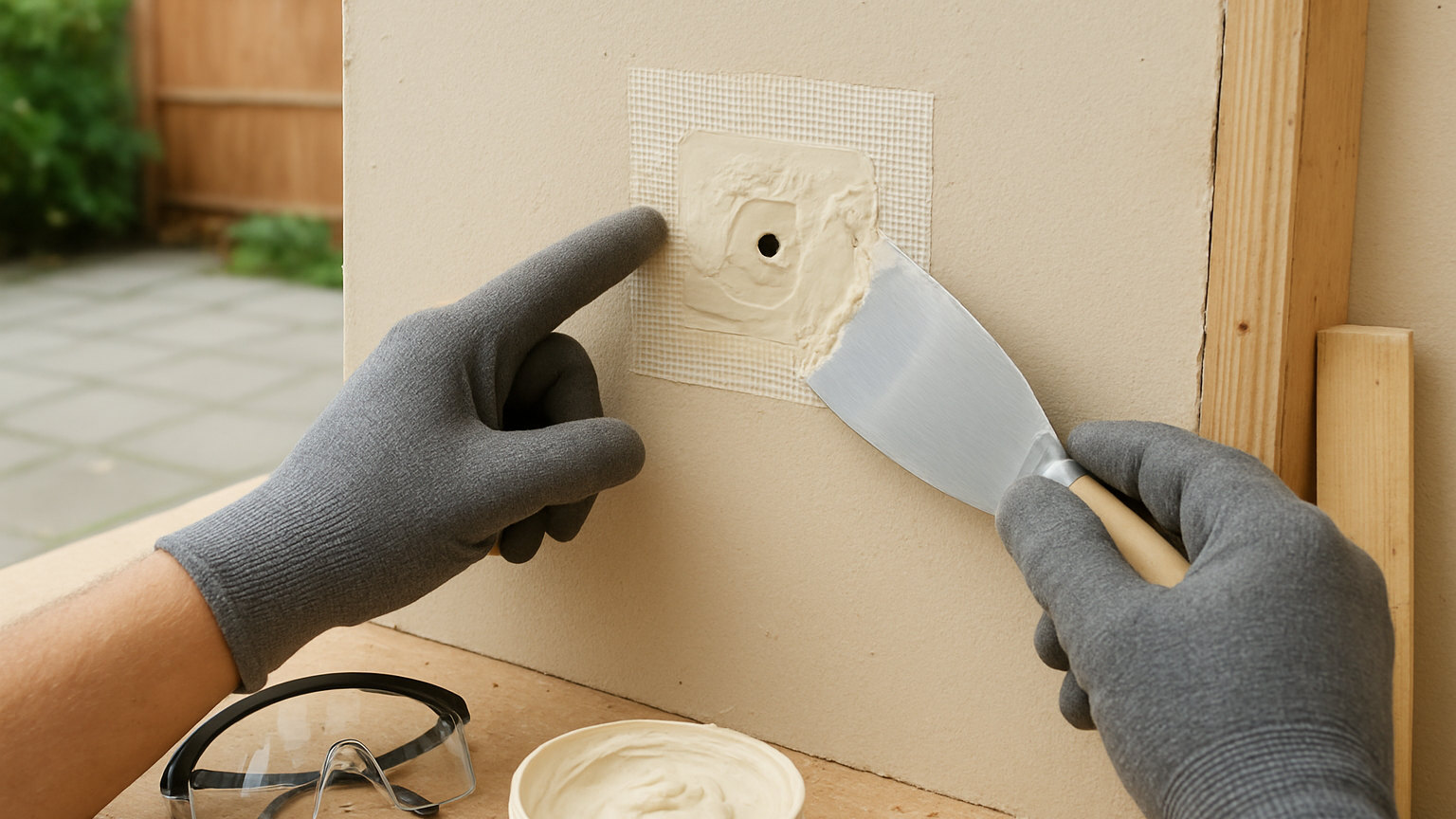
Three methods depending on size: filler and tape, a paper-flange patch, or a cut-in board section. The one that gives an invisible repair.
Two thin applications beat one thick one, and the sanding matters more than the filling. Mixing, applying, and getting a repair that disappears.
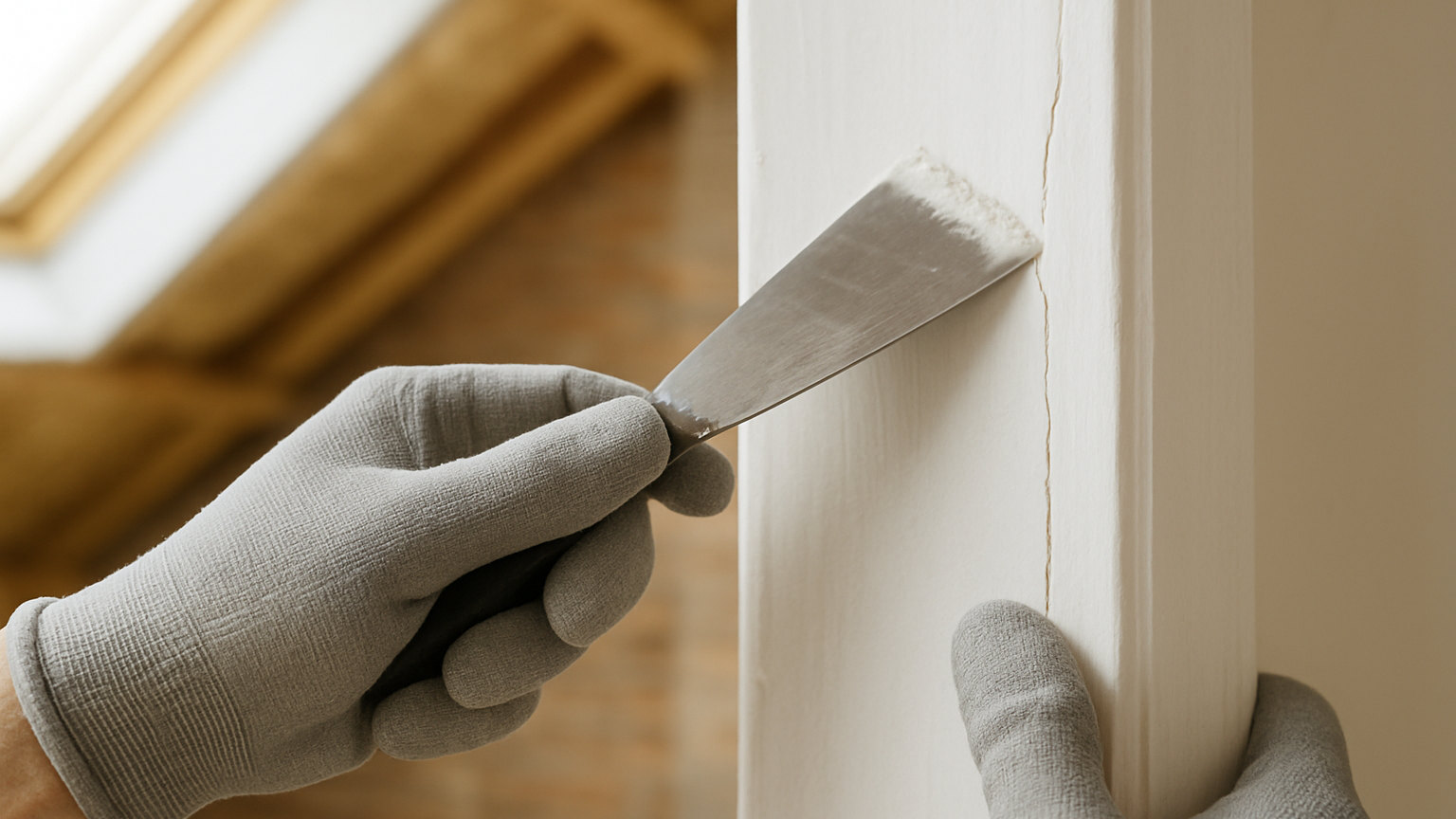
Rake the crack open before filling, or it comes straight back. Reading what the crack means, and the repair that holds.
A crack that comes back is moving, and filler cannot bridge movement. Taping, flexible products, and knowing when it needs a surveyor.
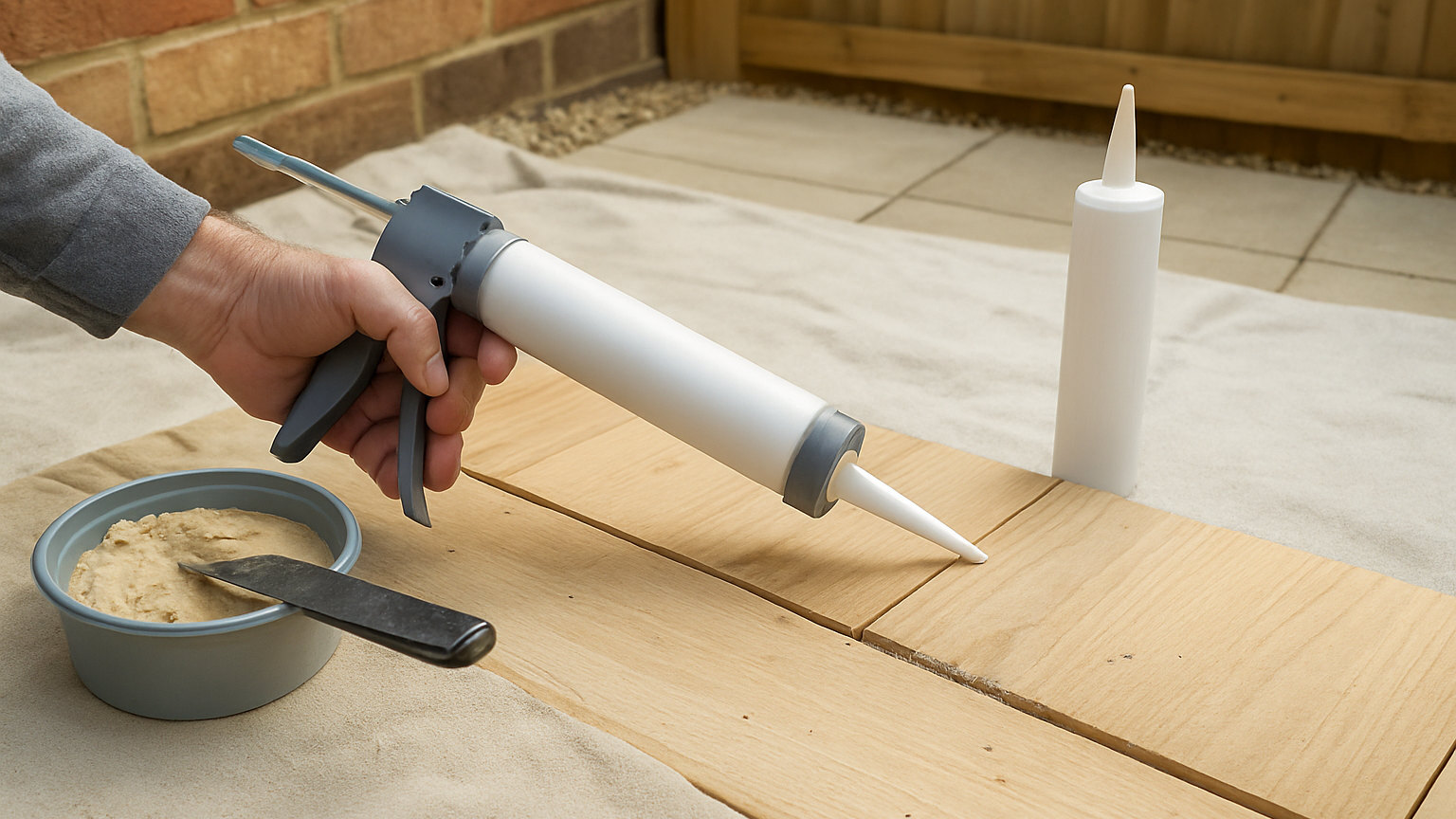
Ready-mixed shrinks and will not take depth; powder is stronger and needs mixing. Which product for which repair, and where caulk belongs instead.