Fixing a Weak or Failed Flush
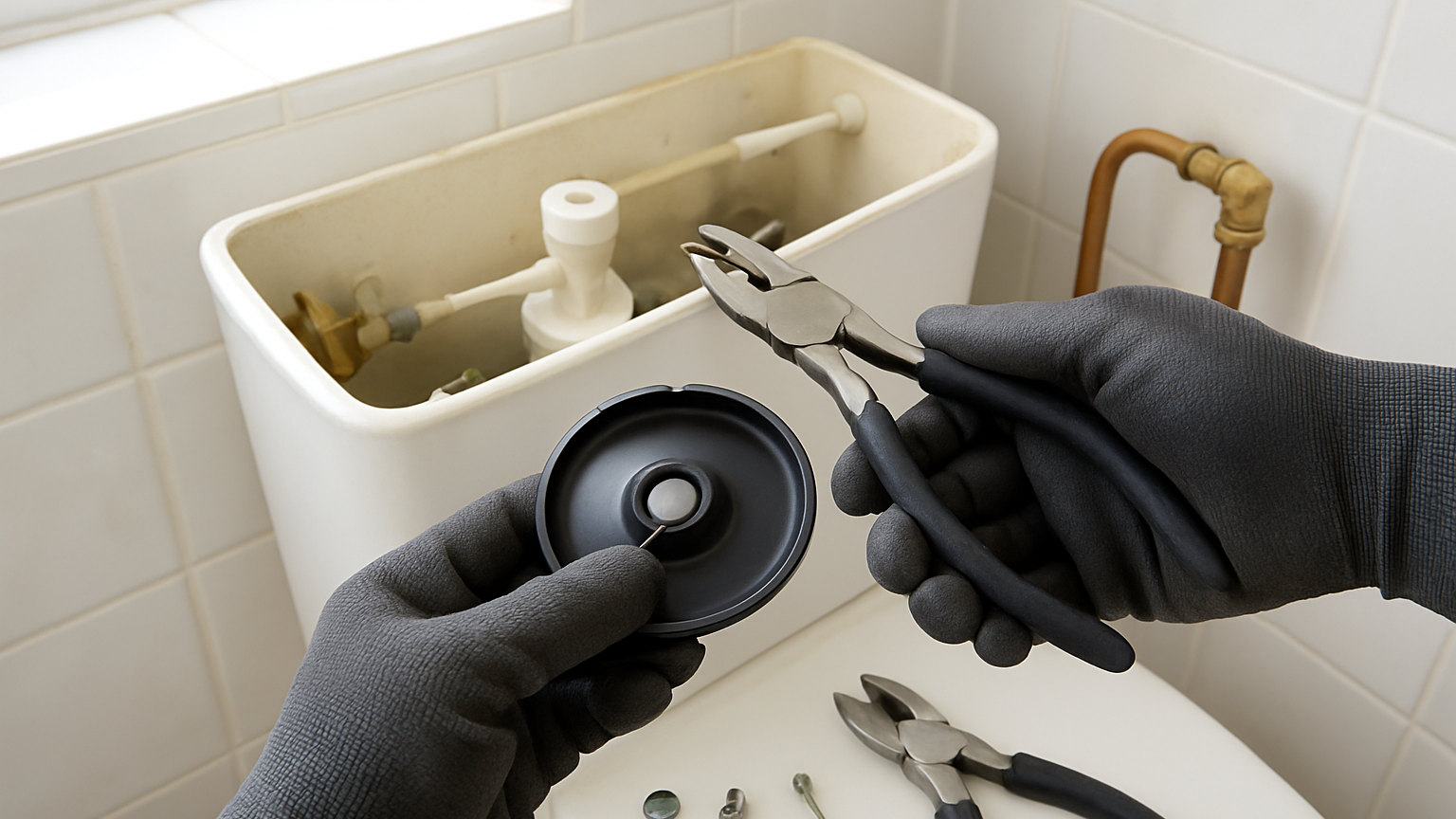
A toilet that needs two goes usually has a split siphon diaphragm or a low water level. Working through the causes in order.
By DIY Guides Editorial
20 Mar 2026

Most household repairs are smaller than they look, and a few are considerably more serious than they look. These guides deal with the ordinary run of things that go wrong, in the order of what to check first - and they are explicit about the line where a job stops being DIY. Anything involving gas, most electrical work, structural walls and roof work at height belongs to someone qualified, and we say so plainly each time.
A toilet that needs two goes usually has a split siphon diaphragm or a low water level. Working through the causes in order.
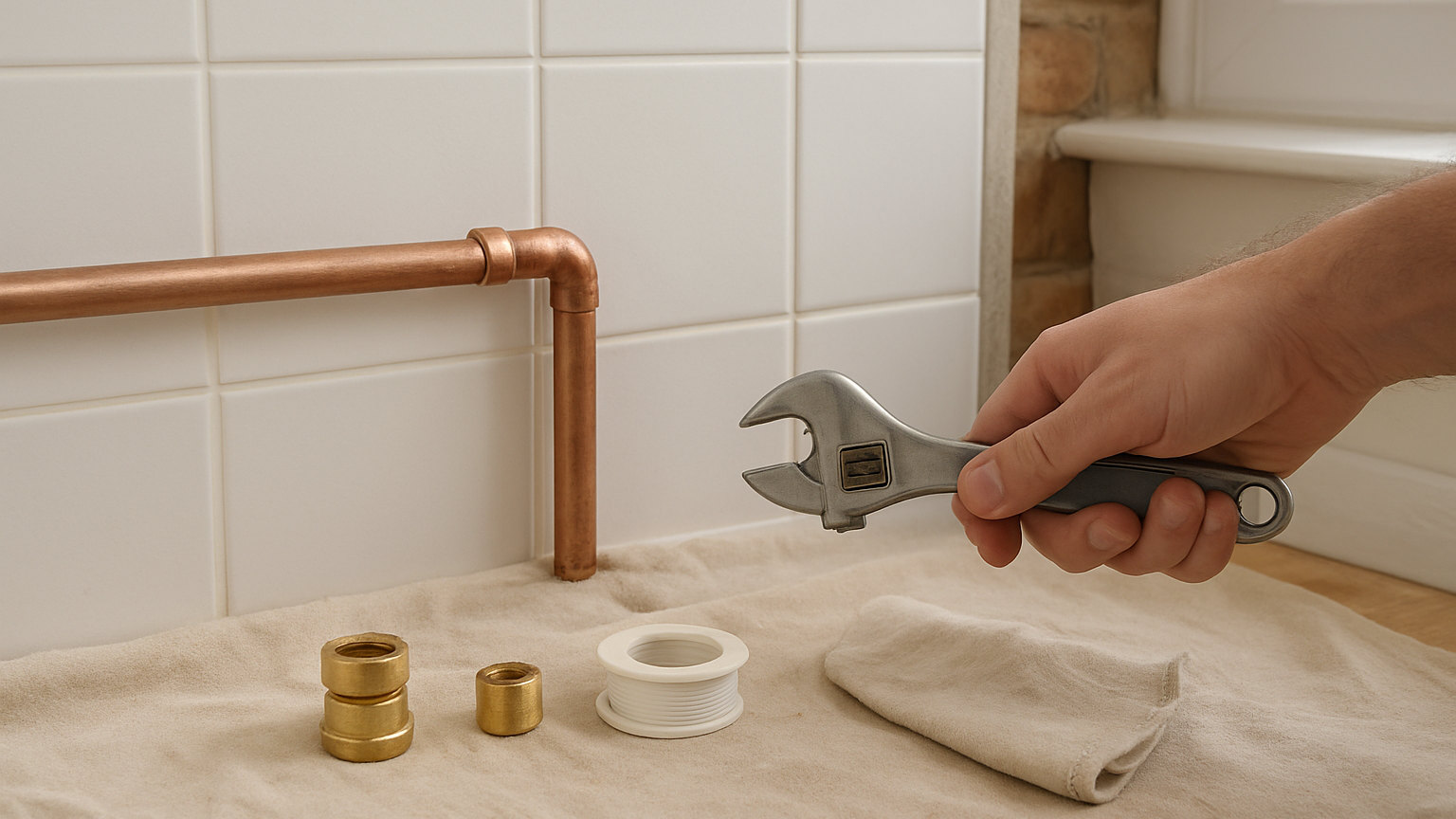
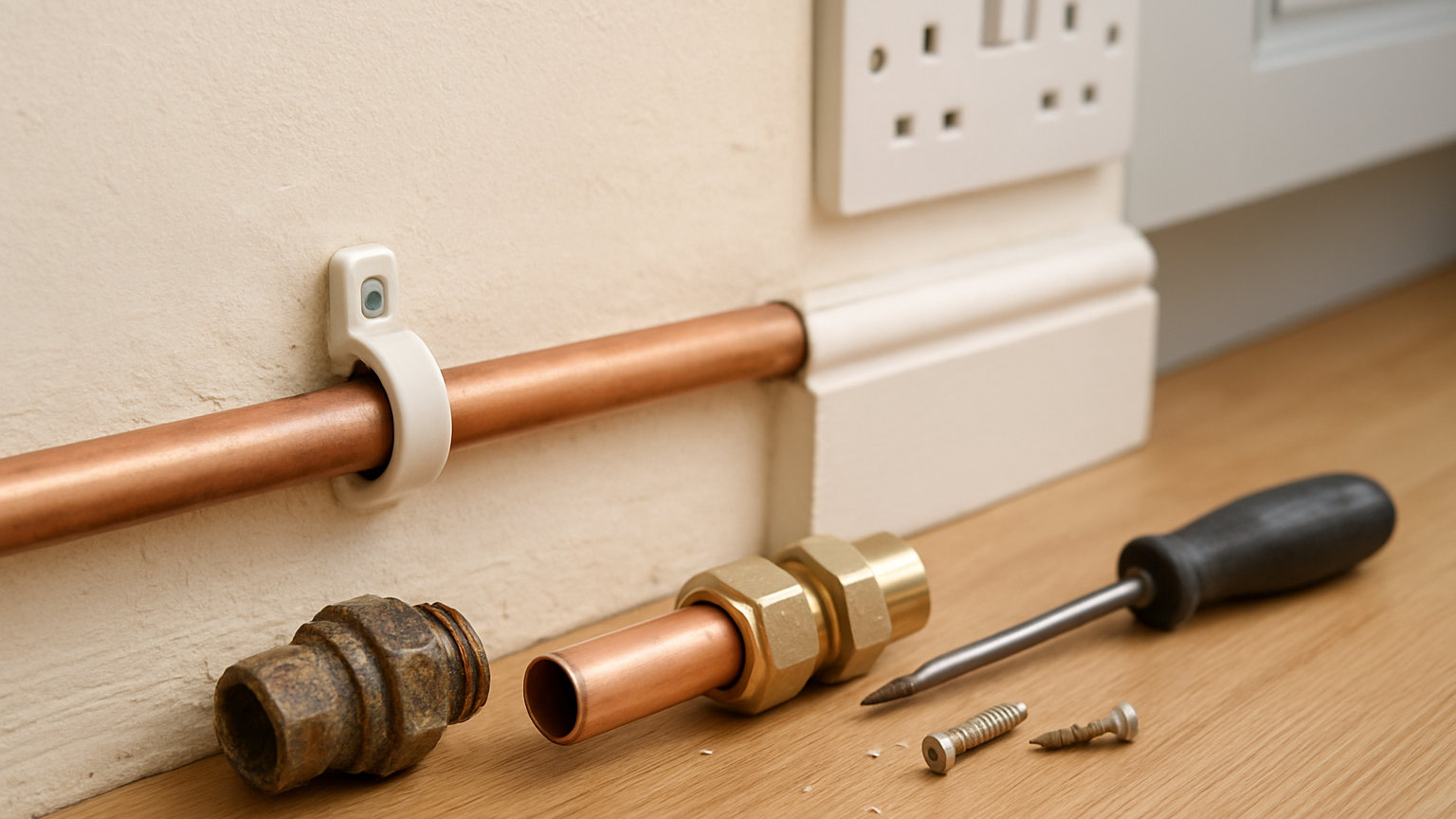
Compression joints usually need remaking rather than tightening. PTFE, jointing compound and olives, and when to stop and call someone.
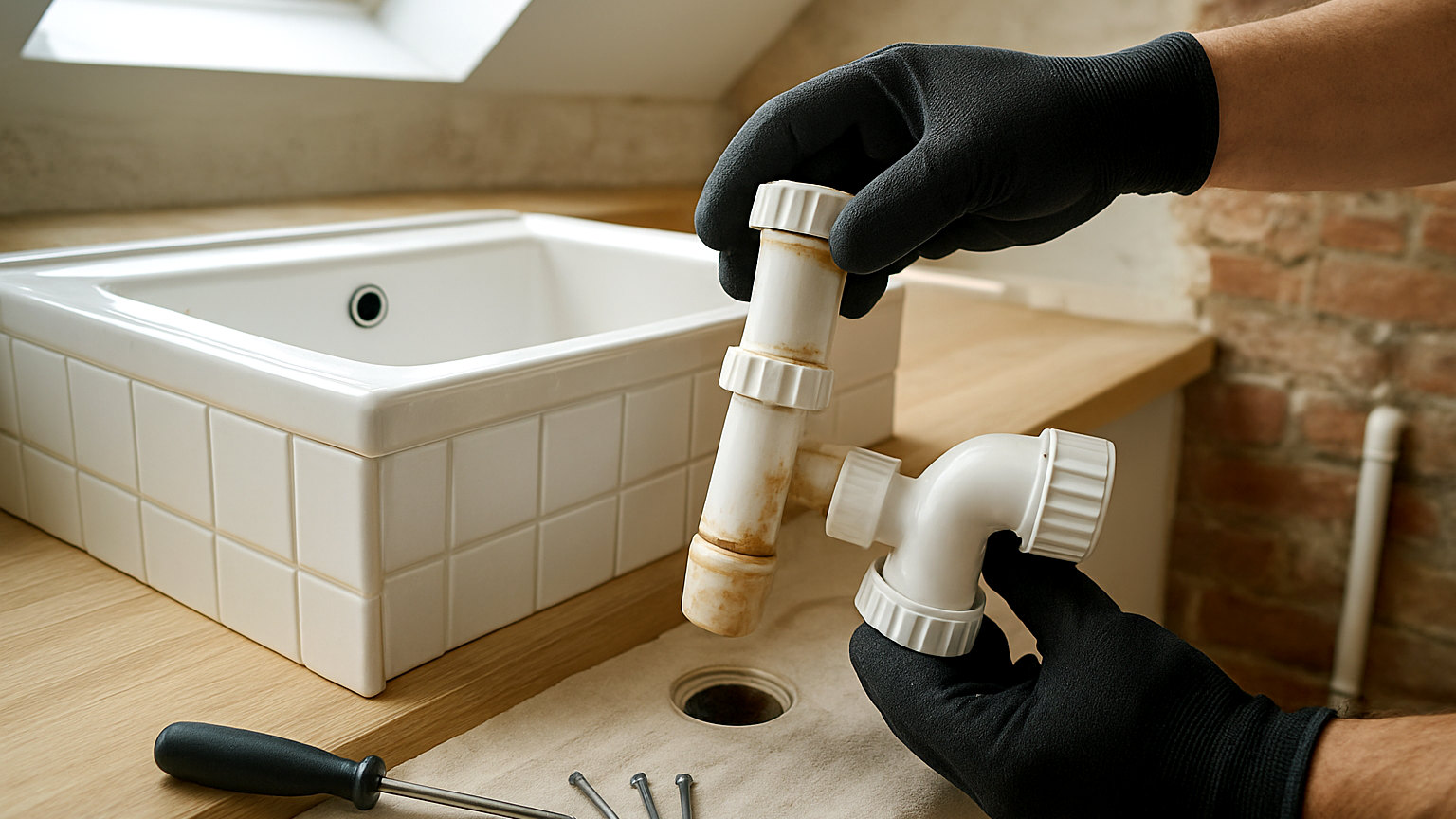
Work through the methods in order, cheapest first. Plunging properly, cleaning the trap, and why caustic drain cleaner is a last resort.
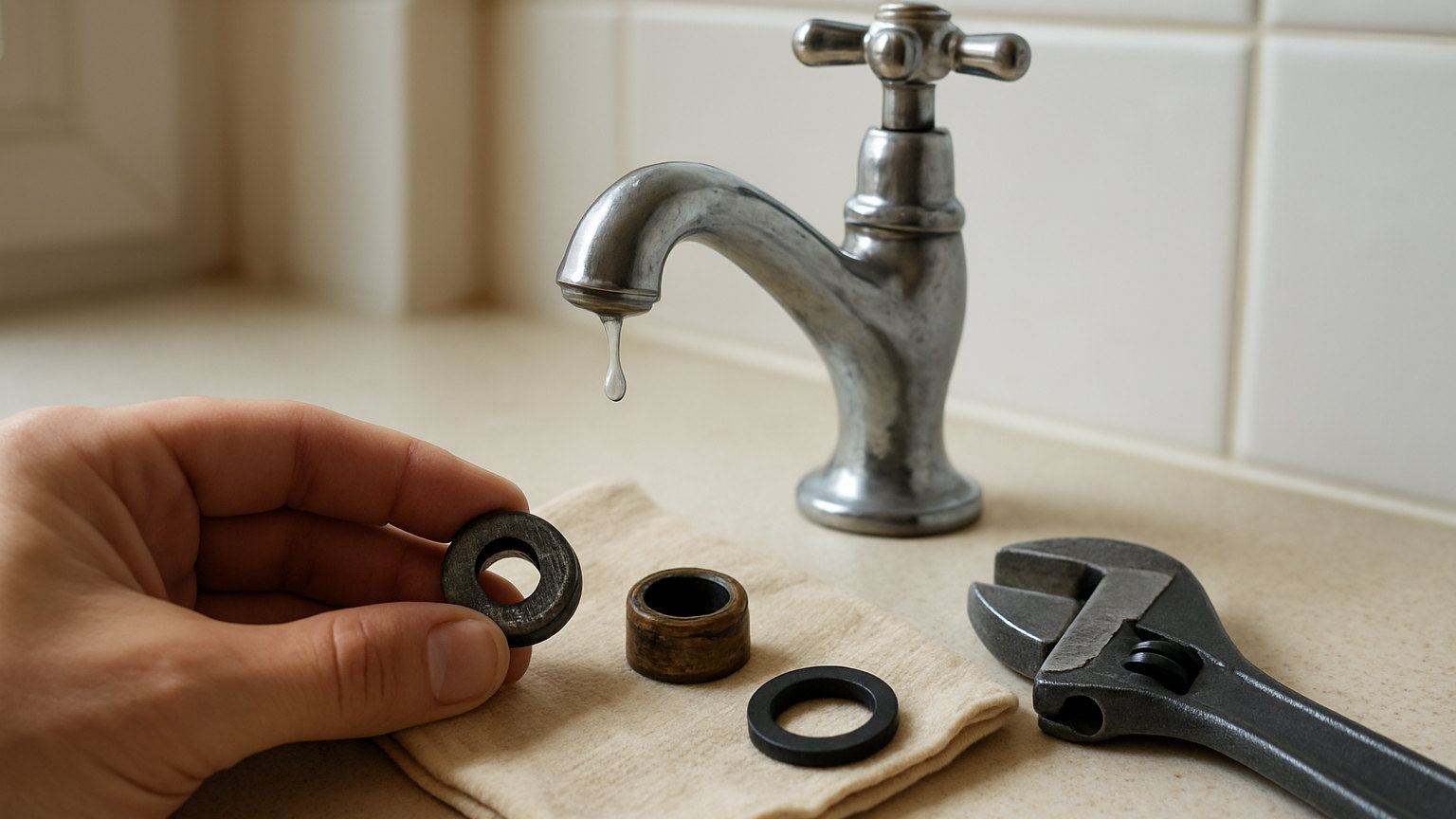
Traditional taps need a washer; modern ones need a ceramic cartridge. Identifying which you have, and the strip-down in order.
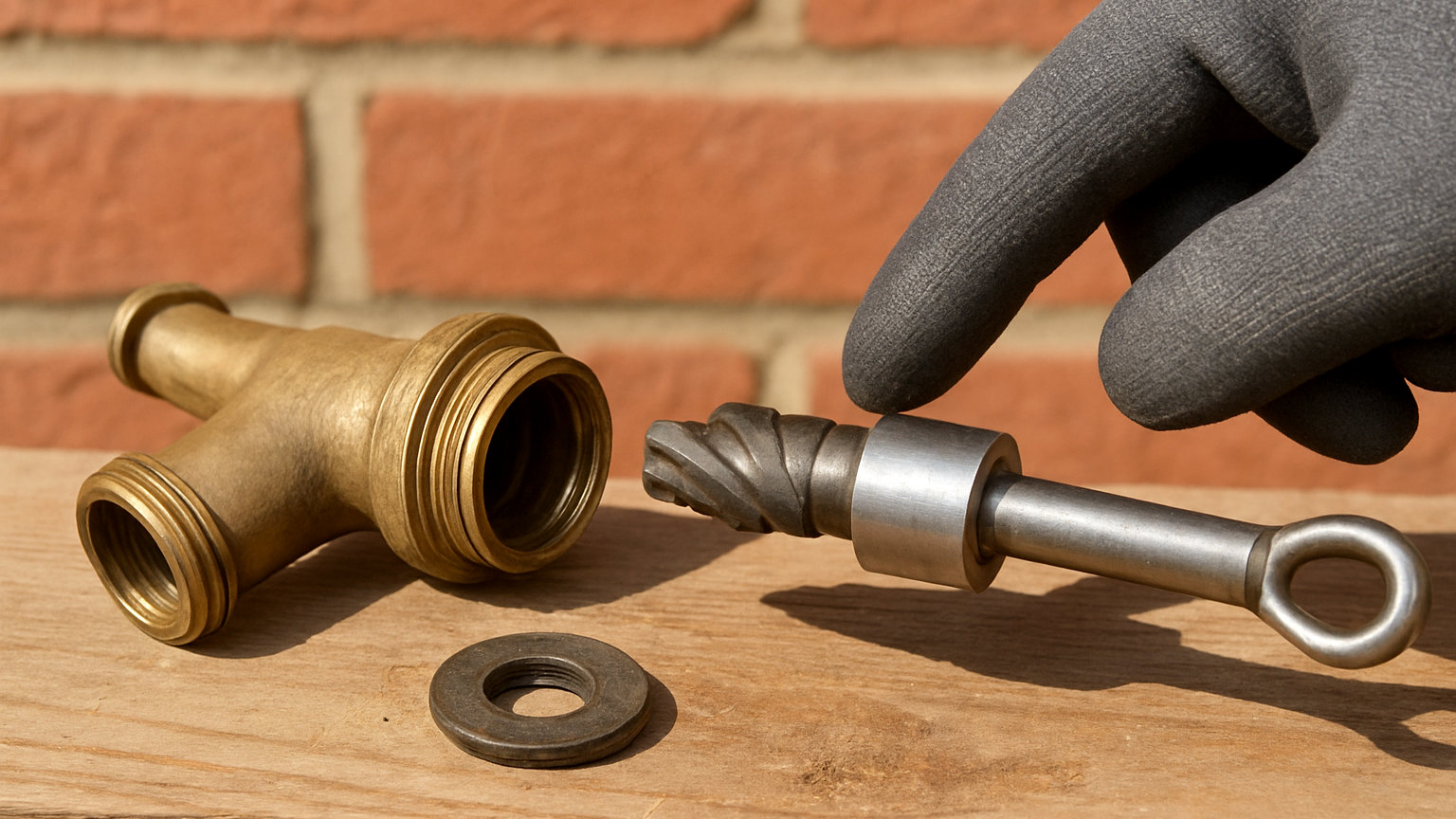
The seat matters as much as the washer, and a pitted seat means it drips again. Sizes, the reseating options, and doing it without twisting the tap.
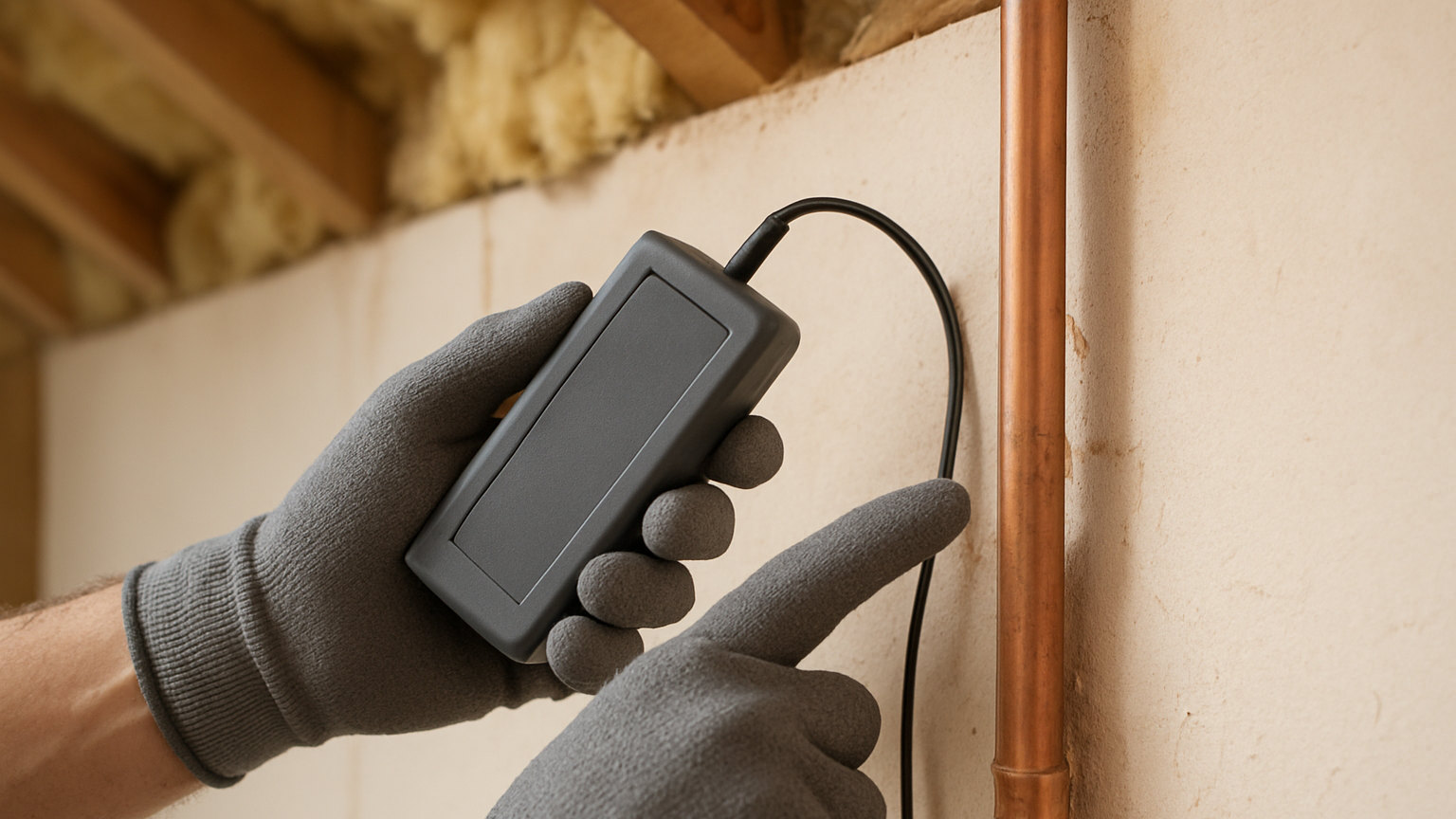
A conductance meter measures electrical resistance, not water, and salts and foil give false readings. How to use one and how to read it honestly.
A free survey from a company that also does the work is a sales visit. When an independent survey is worth paying for, and what to expect from one.
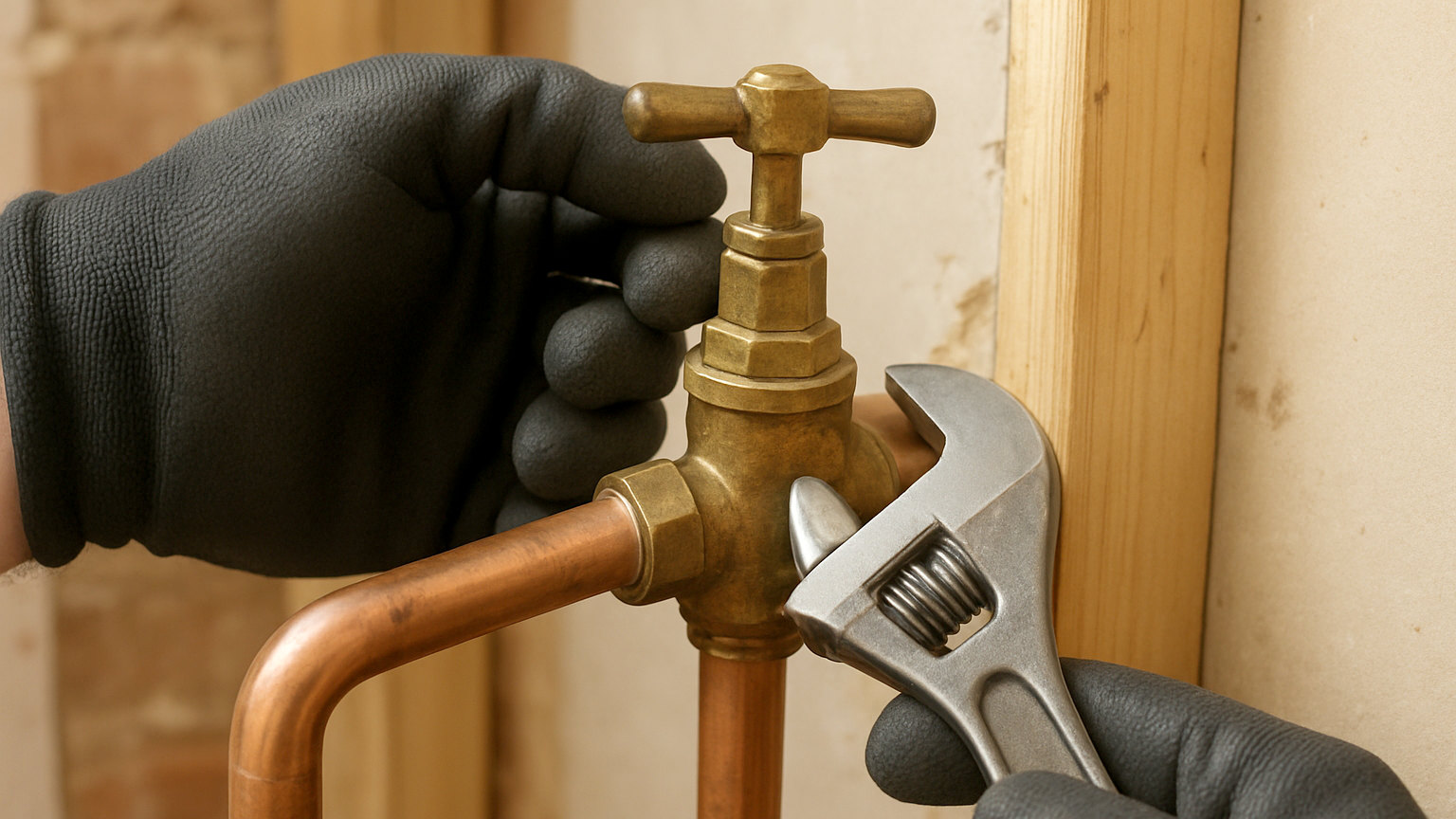
The one thing to know before anything else goes wrong. Where it is, how to turn it off, and what to do if it will not move.
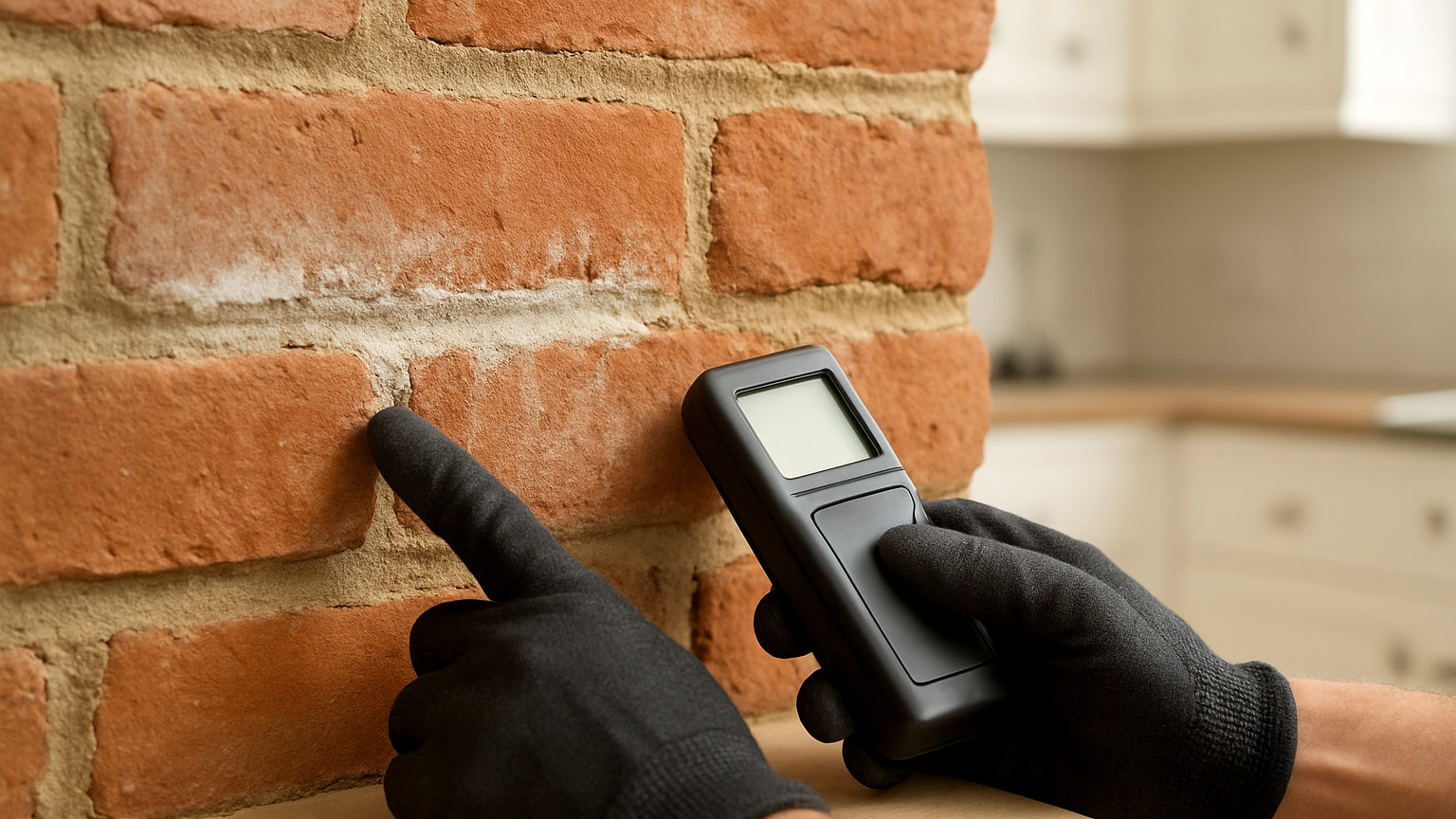
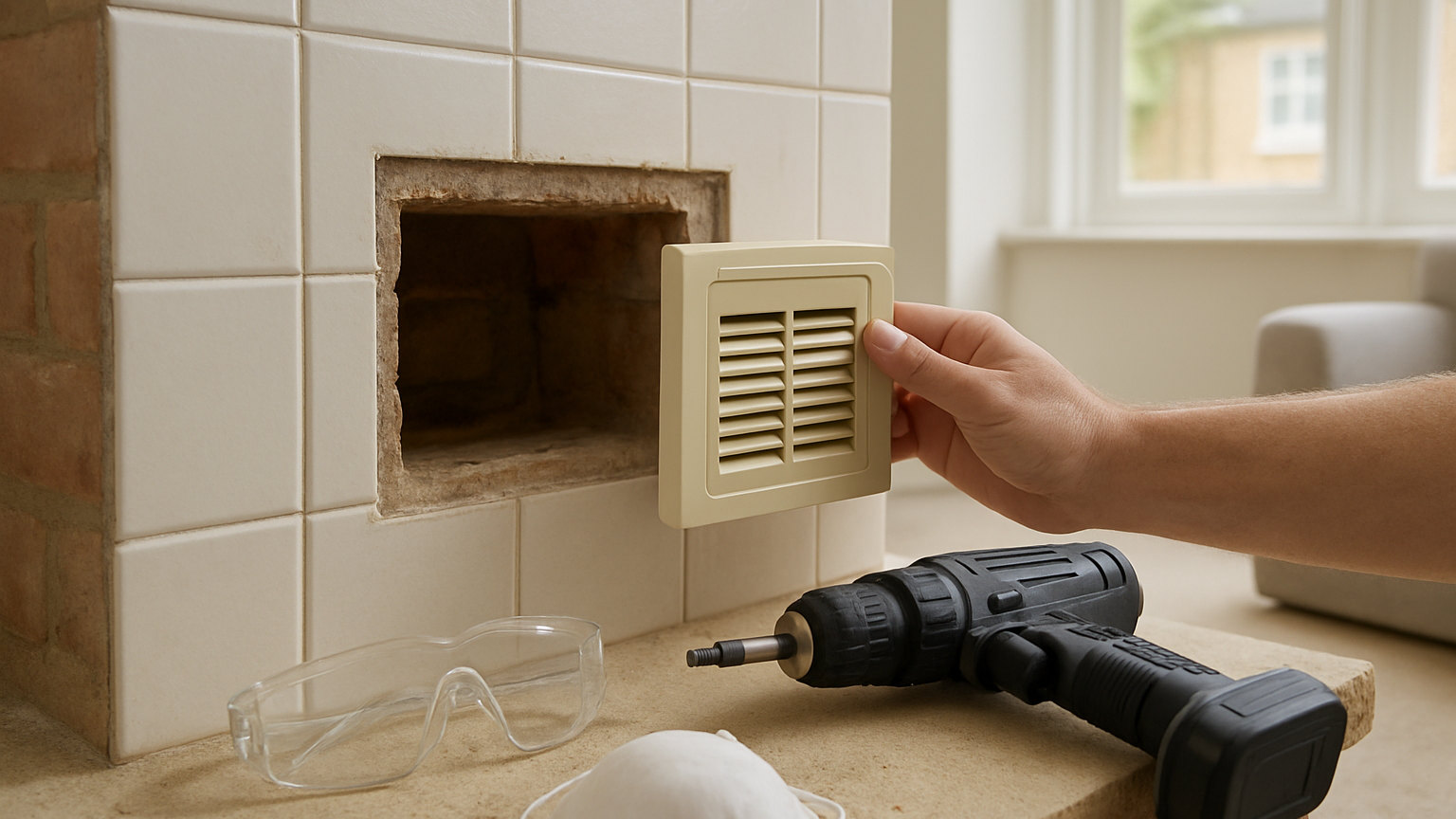
Staining on a chimney breast is usually salts from old soot, or a sealed flue with nowhere for moisture to go. Both are fixable.
Insulation in the wrong property can bridge the cavity and carry water inward. When it is suitable, when it is not, and what to do if it has failed.
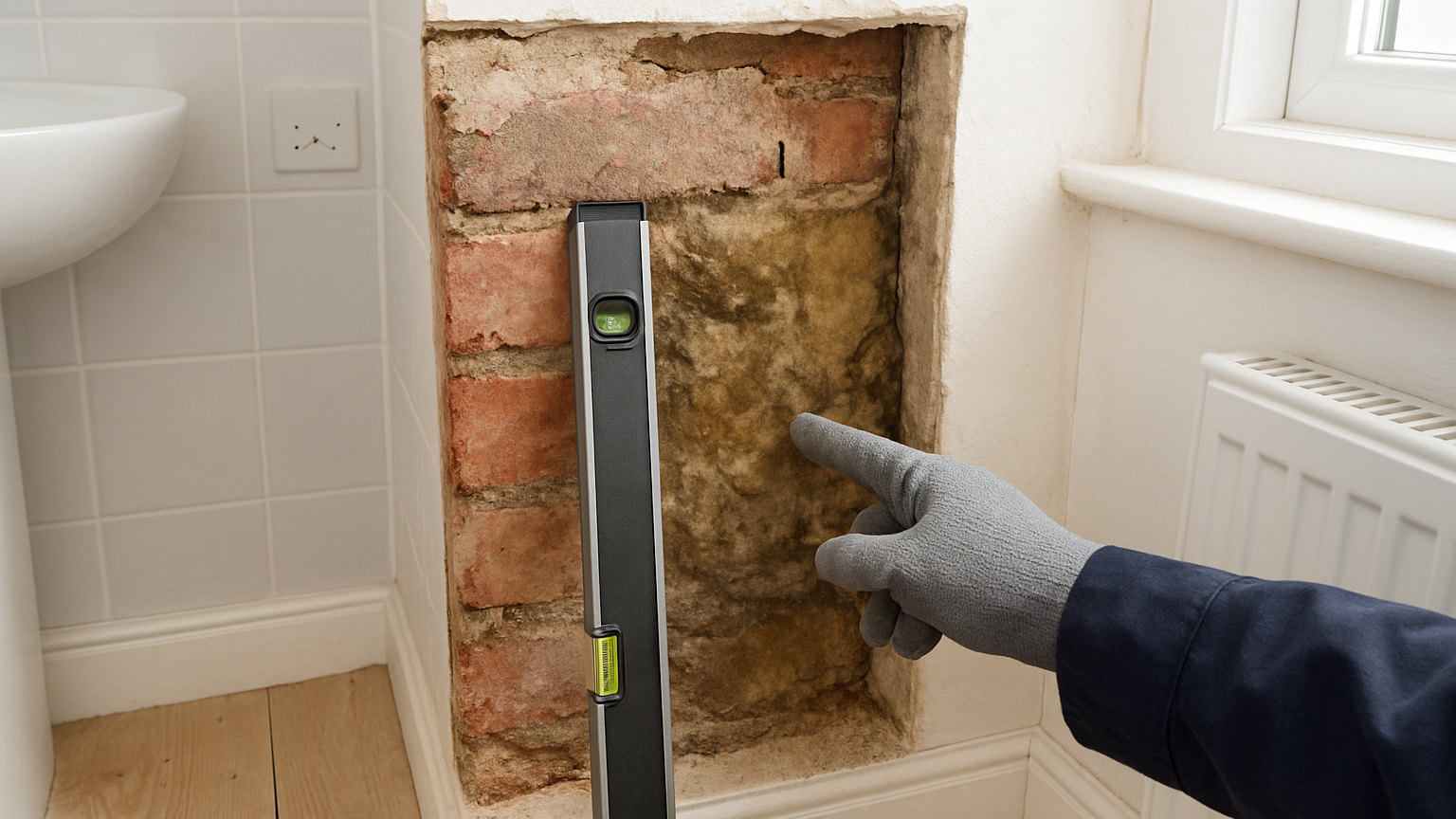
Genuine rising damp is uncommon and frequently over-diagnosed. What it actually looks like, and what is usually mistaken for it.
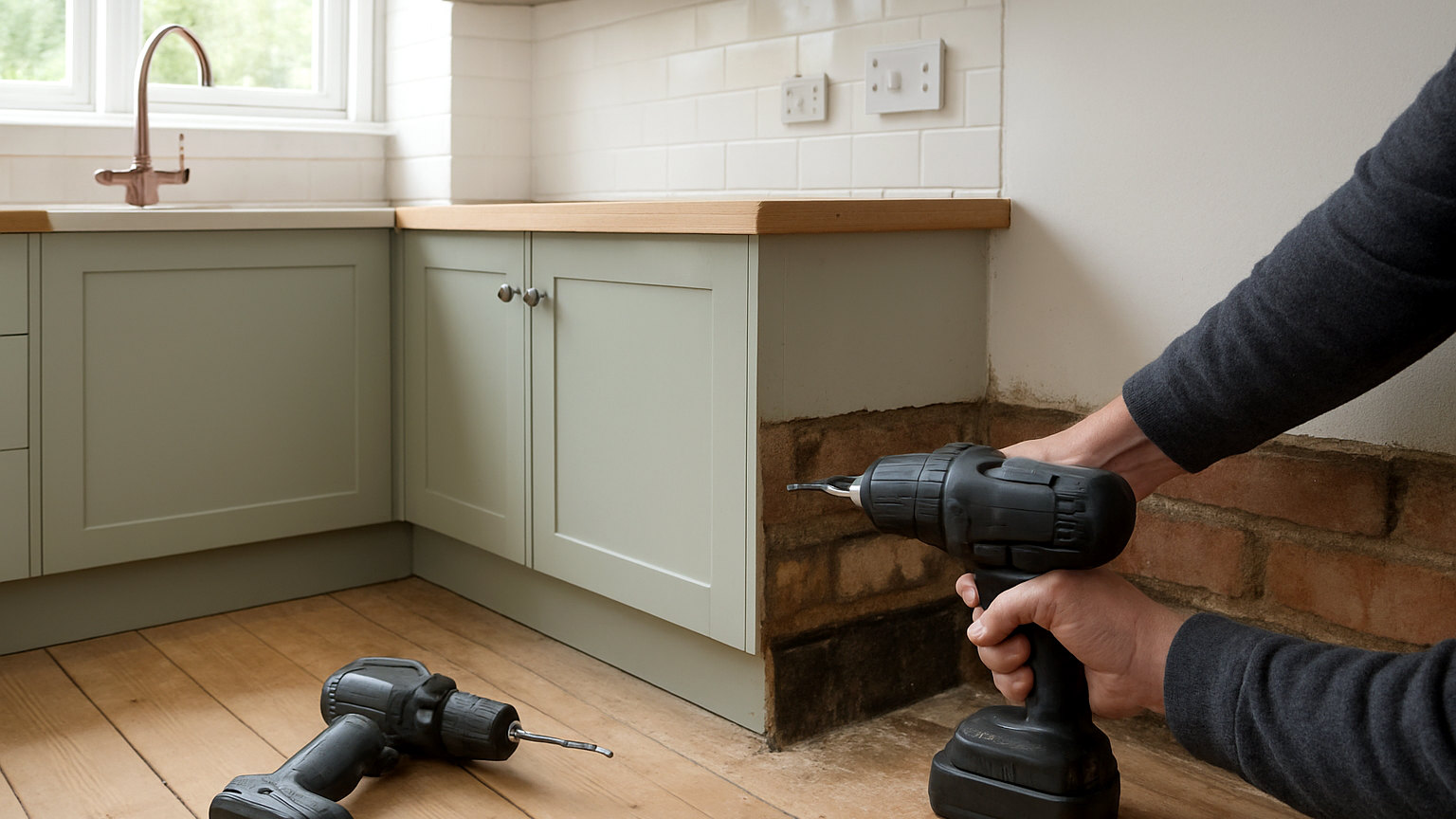
A barrier in the wall stopping ground moisture rising. Where to find yours, the 150mm rule, and the ways it gets bridged.