Dealing with a Roof Leak
Water travels a long way before it drips, so the stain is rarely below the hole. Limiting the damage now, and tracing the source properly.
By DIY Guides Editorial
11 Apr 2026

Most household repairs are smaller than they look, and a few are considerably more serious than they look. These guides deal with the ordinary run of things that go wrong, in the order of what to check first - and they are explicit about the line where a job stops being DIY. Anything involving gas, most electrical work, structural walls and roof work at height belongs to someone qualified, and we say so plainly each time.
Water travels a long way before it drips, so the stain is rarely below the hole. Limiting the damage now, and tracing the source properly.
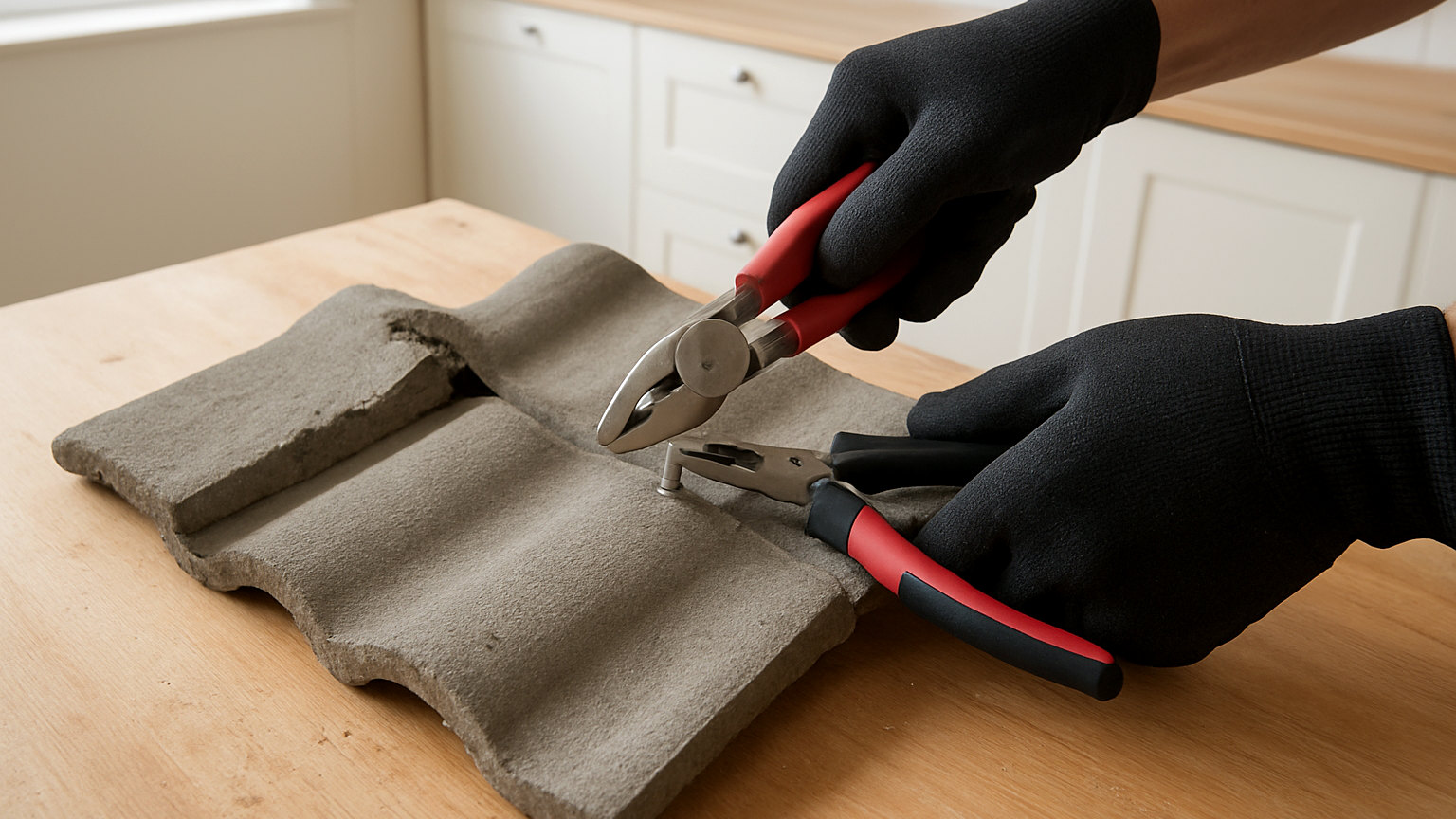
One slipped tile is a small job; several across a roof is a different conversation. What causes it, and why this is roofer's work.
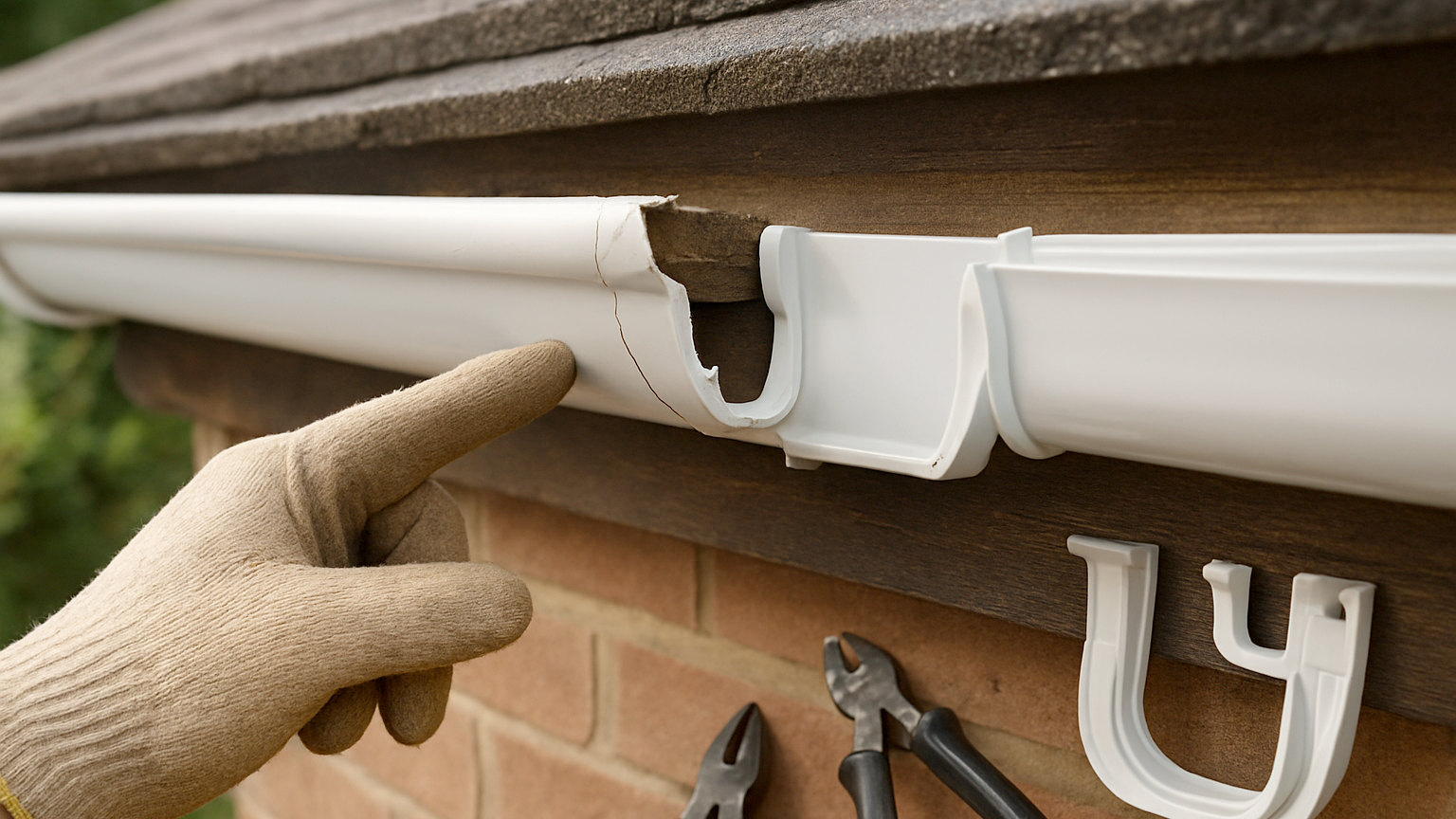
Plastic guttering is straightforward to replace and matching the profile matters. Setting the fall, spacing brackets, and allowing for expansion.
Rot behind a gutter is the usual cause. What each board does, why ventilation matters, and when to repair rather than cap over.
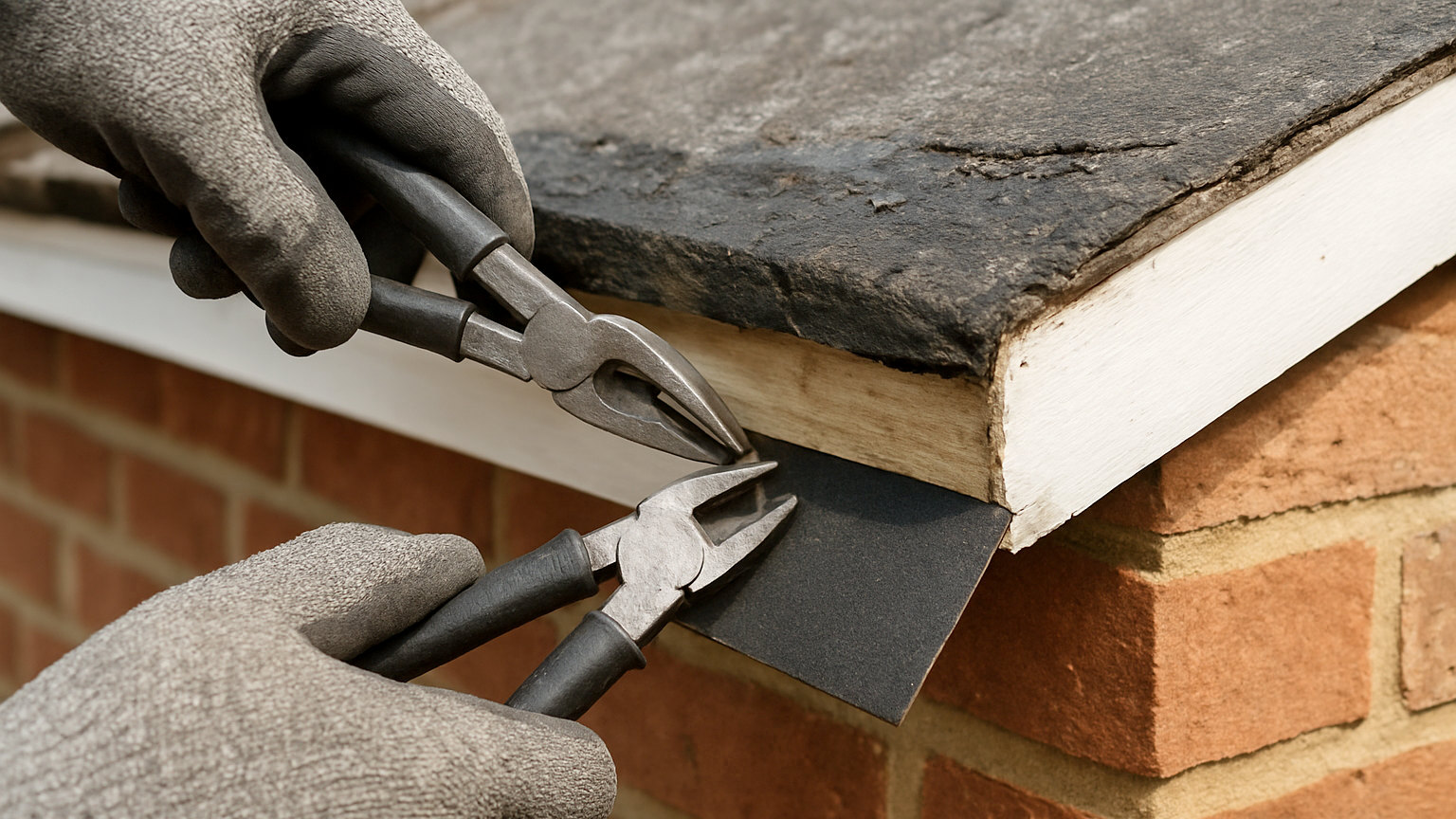
Ponding, blisters and failed upstands are the usual faults. What each covering is, what can be patched, and what needs replacing.
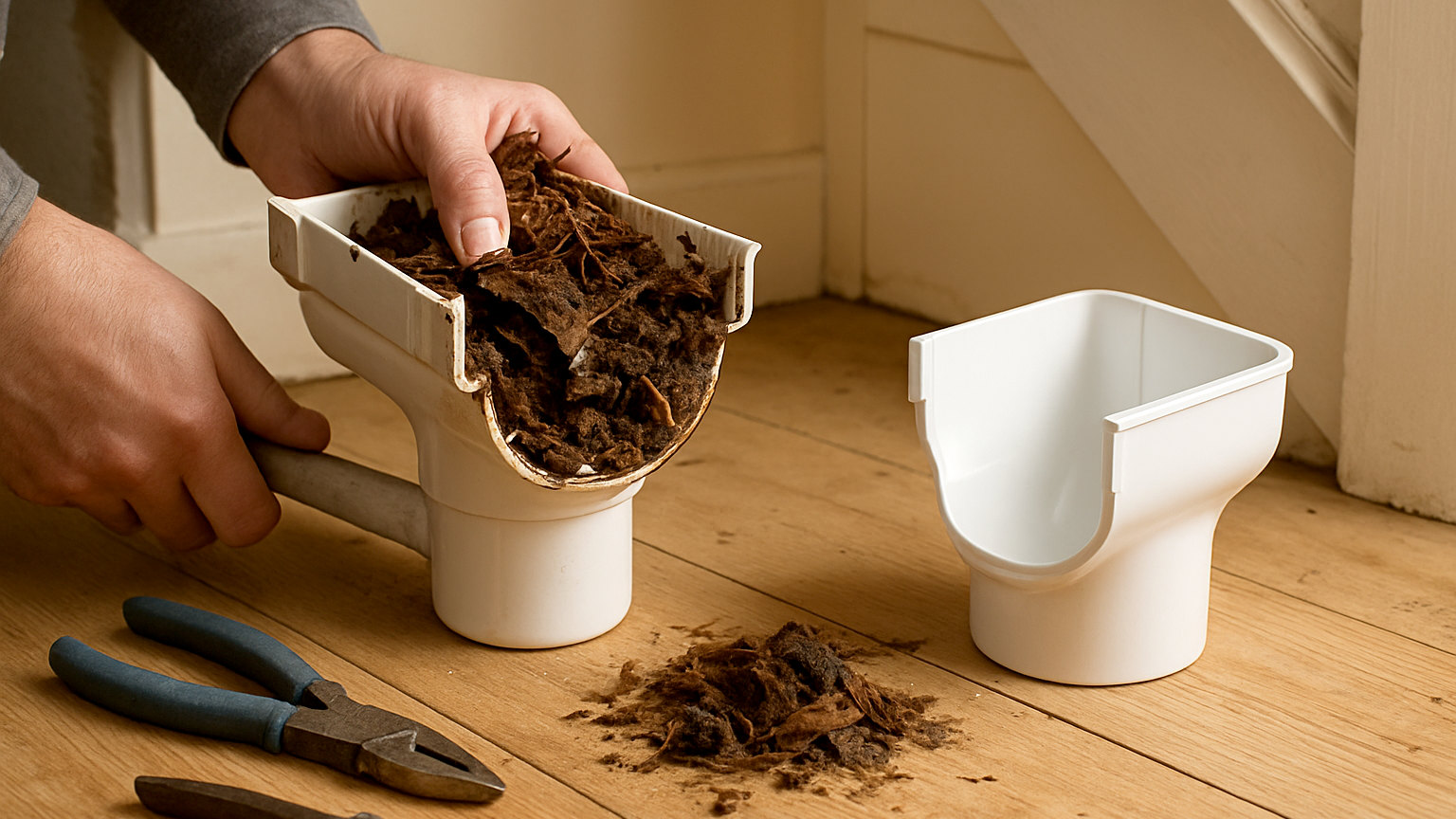
Blocked gutters cause more damp than any other single defect. Doing it safely, checking the fall, and the tools that keep you on the ground.
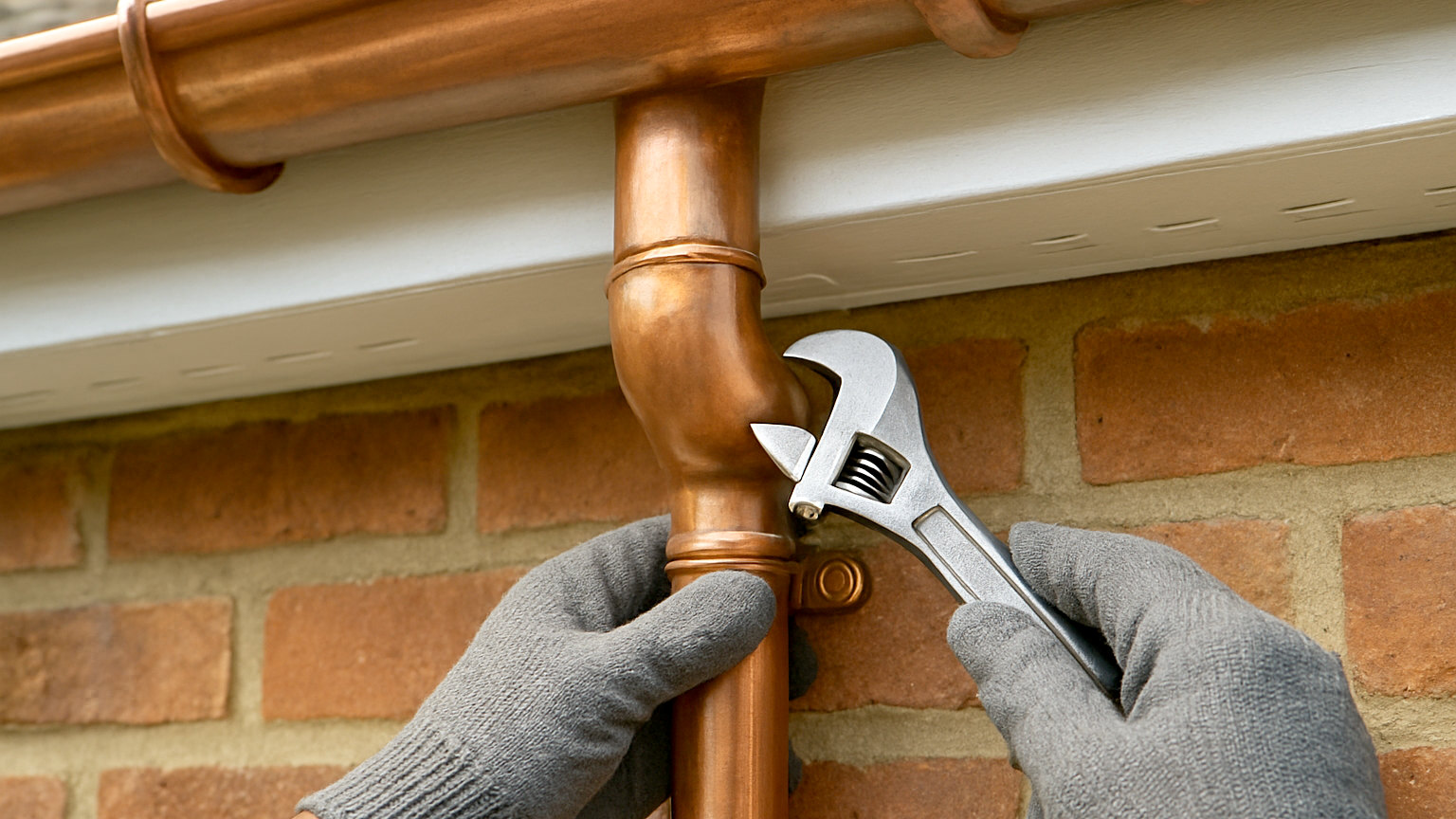
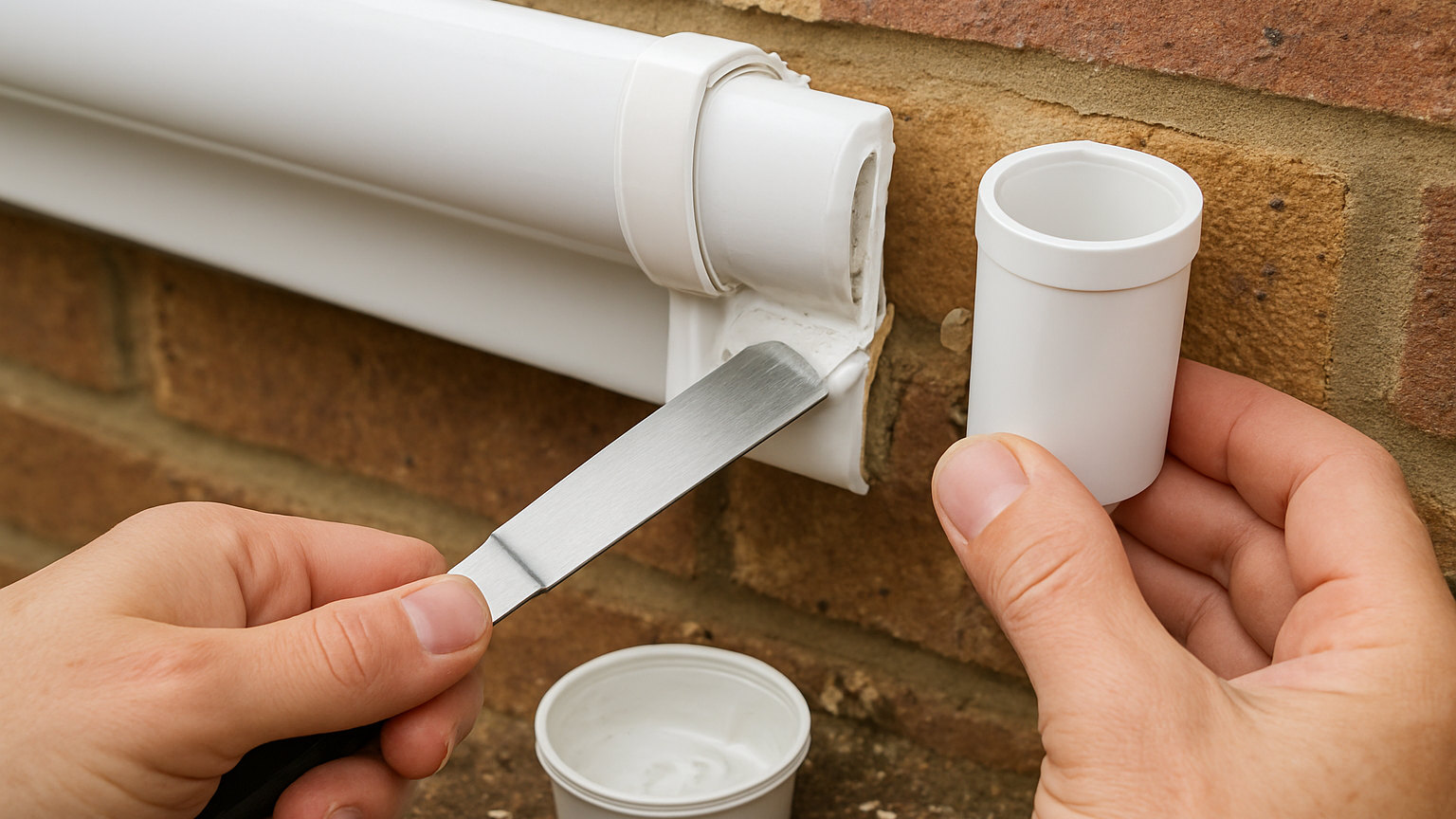
Most leaks are at a joint, and most joints leak because the seal has perished. Remaking a union, and dealing with sagging runs.
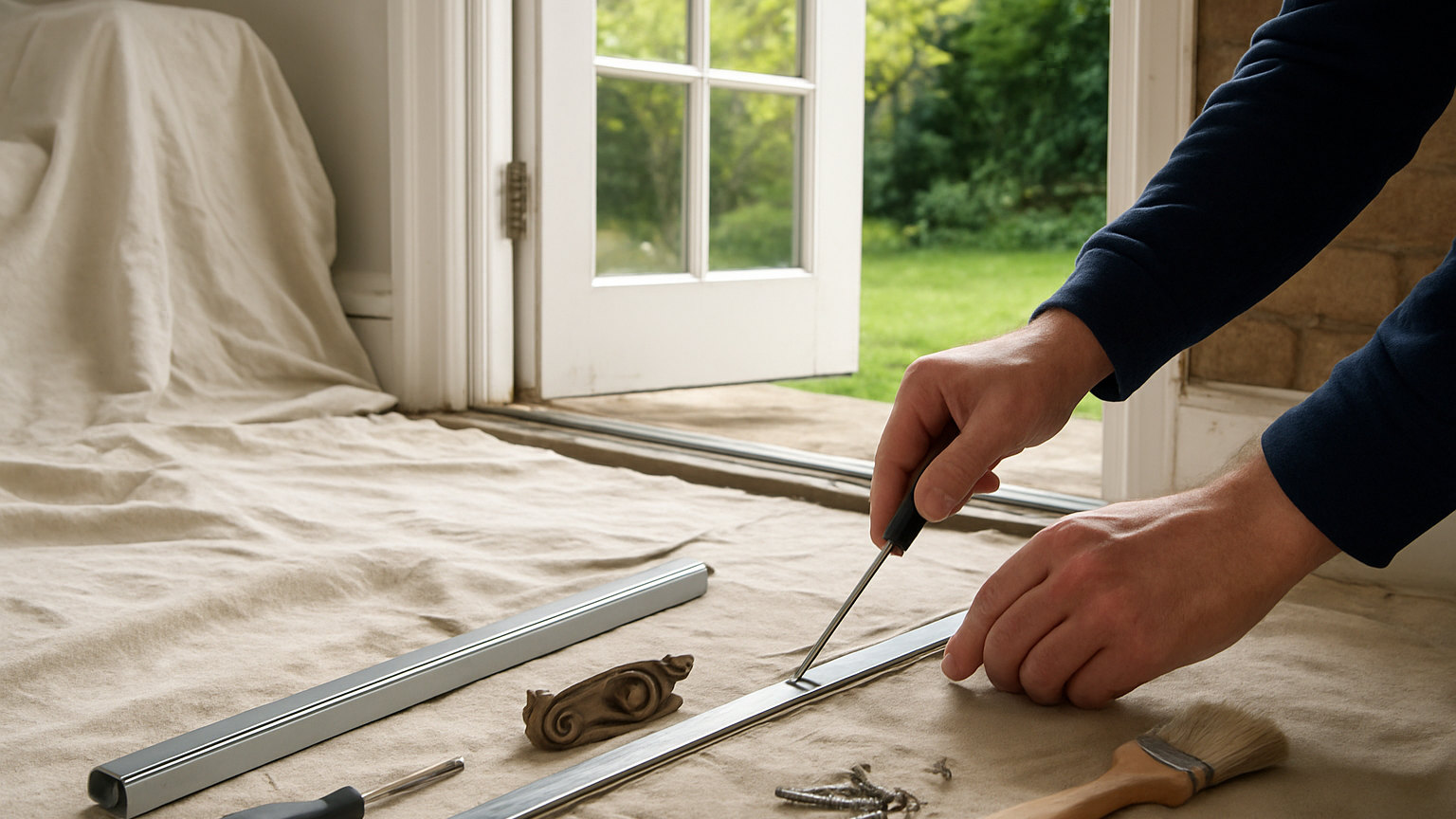
Sliding doors bind when the rollers wear or the track is dirty. Adjusting rollers, cleaning tracks, and aligning french door leaves.
Falls from height are the biggest cause of serious DIY injury. Ladder angles, footing, tower hire, and the jobs that are never worth doing yourself.
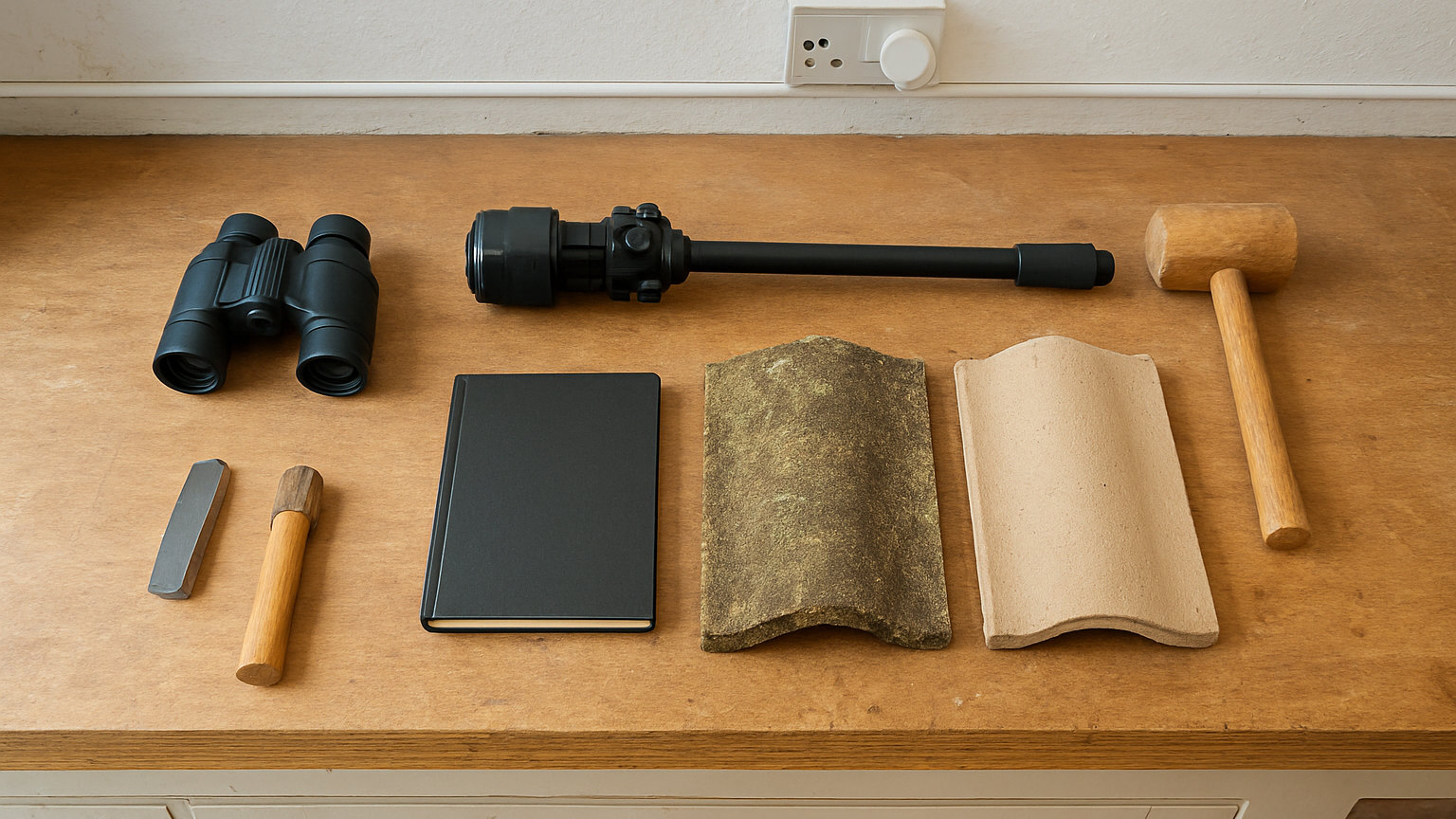
Binoculars and a camera on a pole show more than most people expect. What to look for, and the loft inspection that tells you as much.
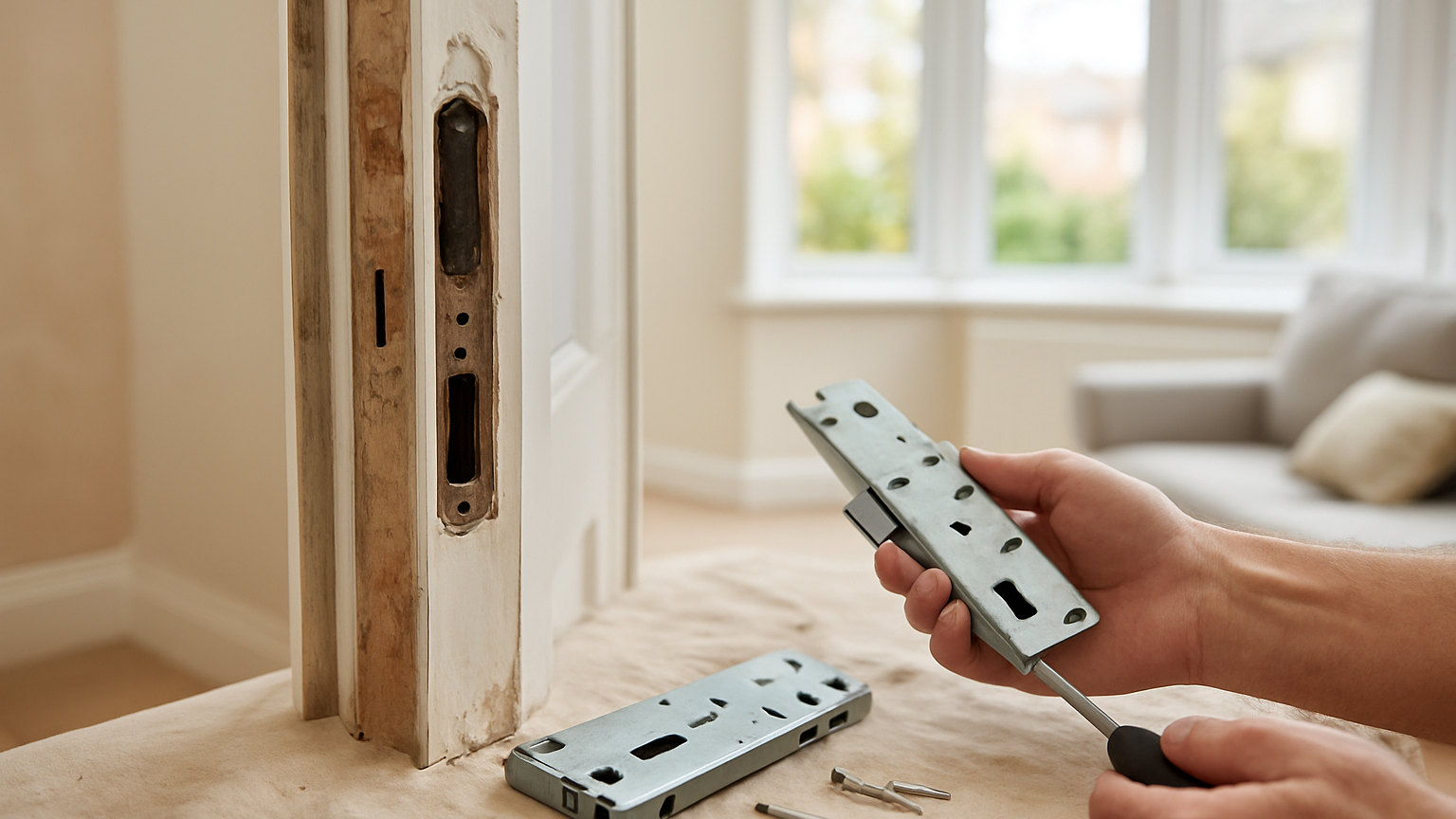
Most uPVC door faults are adjustment, not failure. Hinge adjustment in three directions, keeps, and recognising a failed gearbox.
The weakest point is rarely the lock itself. Frames, hinges, glazing and letterboxes, and the cheap upgrades that make the difference.