Fixing Penetrating Damp
Water coming in through a defect outside, so the repair is outside too. The inspection routine, the usual culprits, and how to confirm the source.
By DIY Guides Editorial
14 Mar 2026

Most household repairs are smaller than they look, and a few are considerably more serious than they look. These guides deal with the ordinary run of things that go wrong, in the order of what to check first - and they are explicit about the line where a job stops being DIY. Anything involving gas, most electrical work, structural walls and roof work at height belongs to someone qualified, and we say so plainly each time.
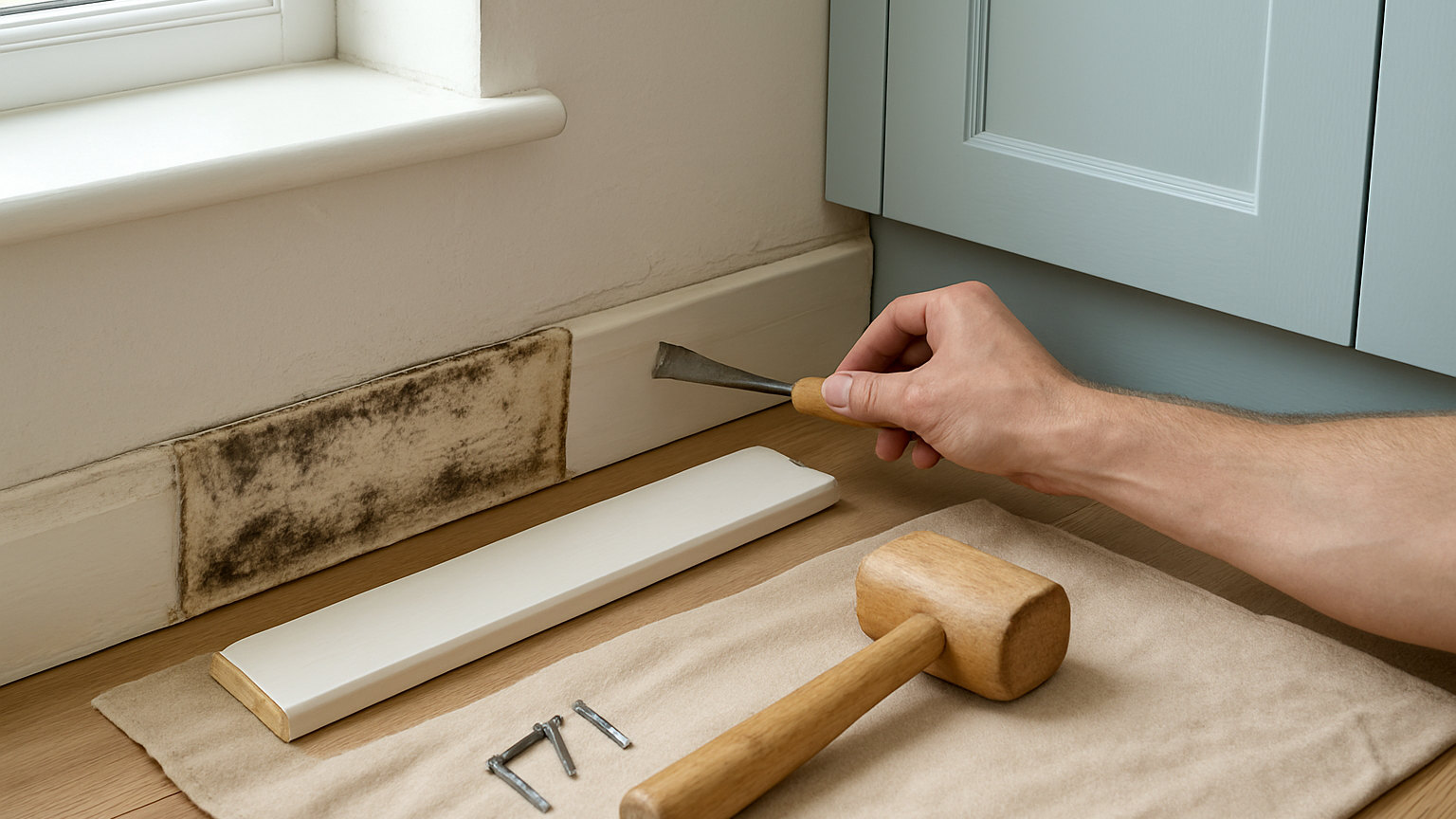
Water coming in through a defect outside, so the repair is outside too. The inspection routine, the usual culprits, and how to confirm the source.
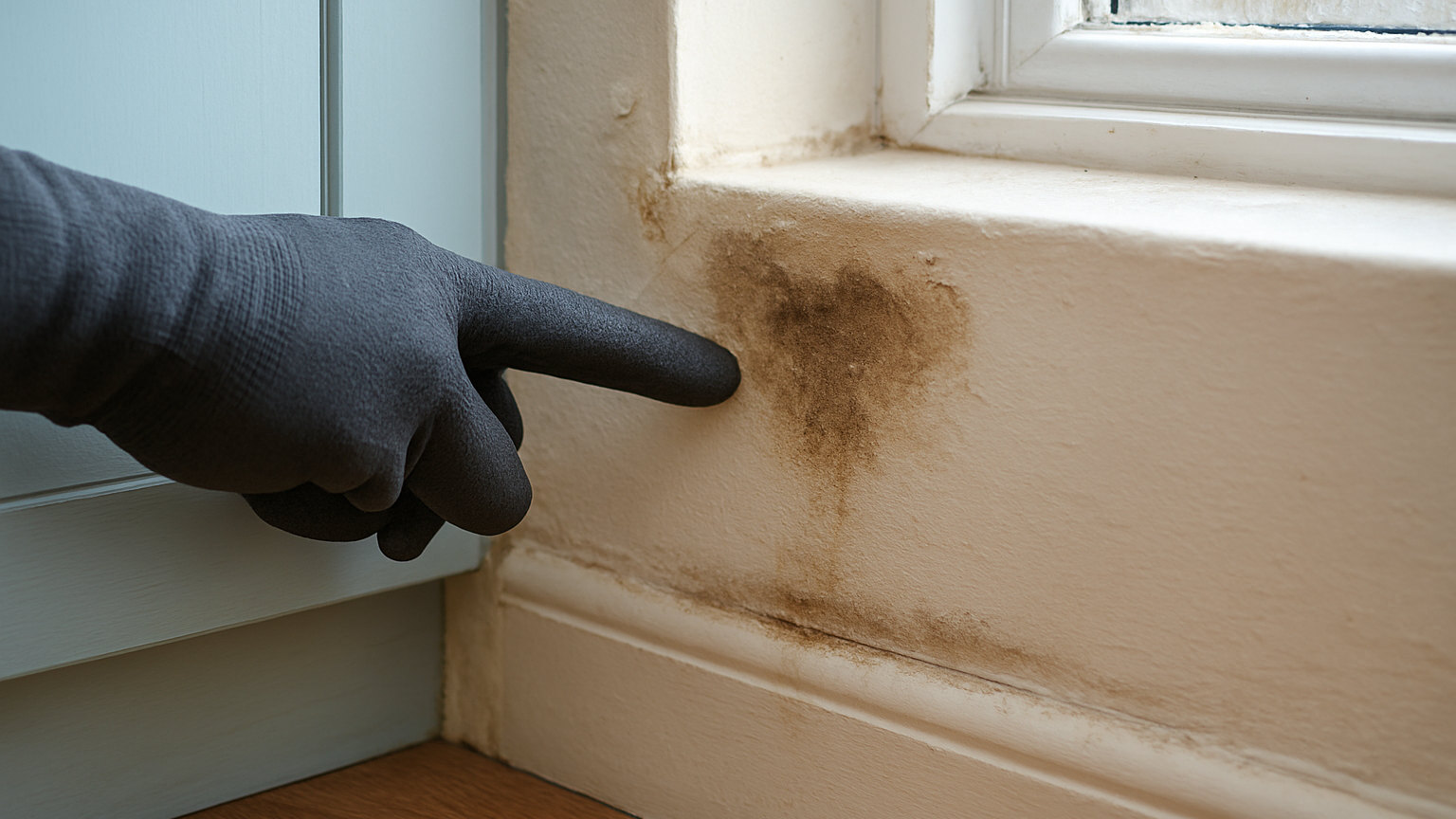
Cold spots with no air movement are where mould appears first. Why corners are colder, and the practical changes that stop it.
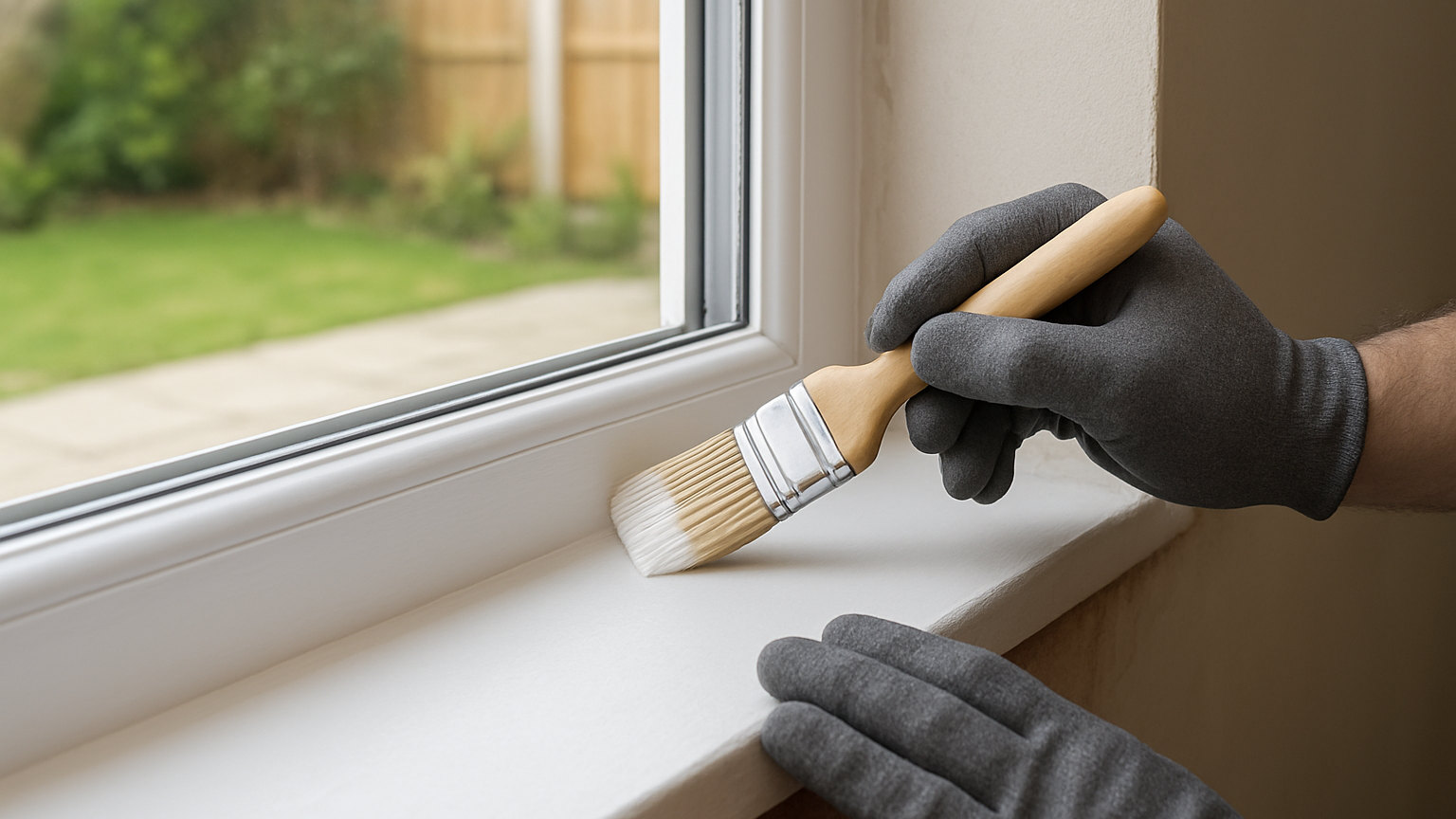
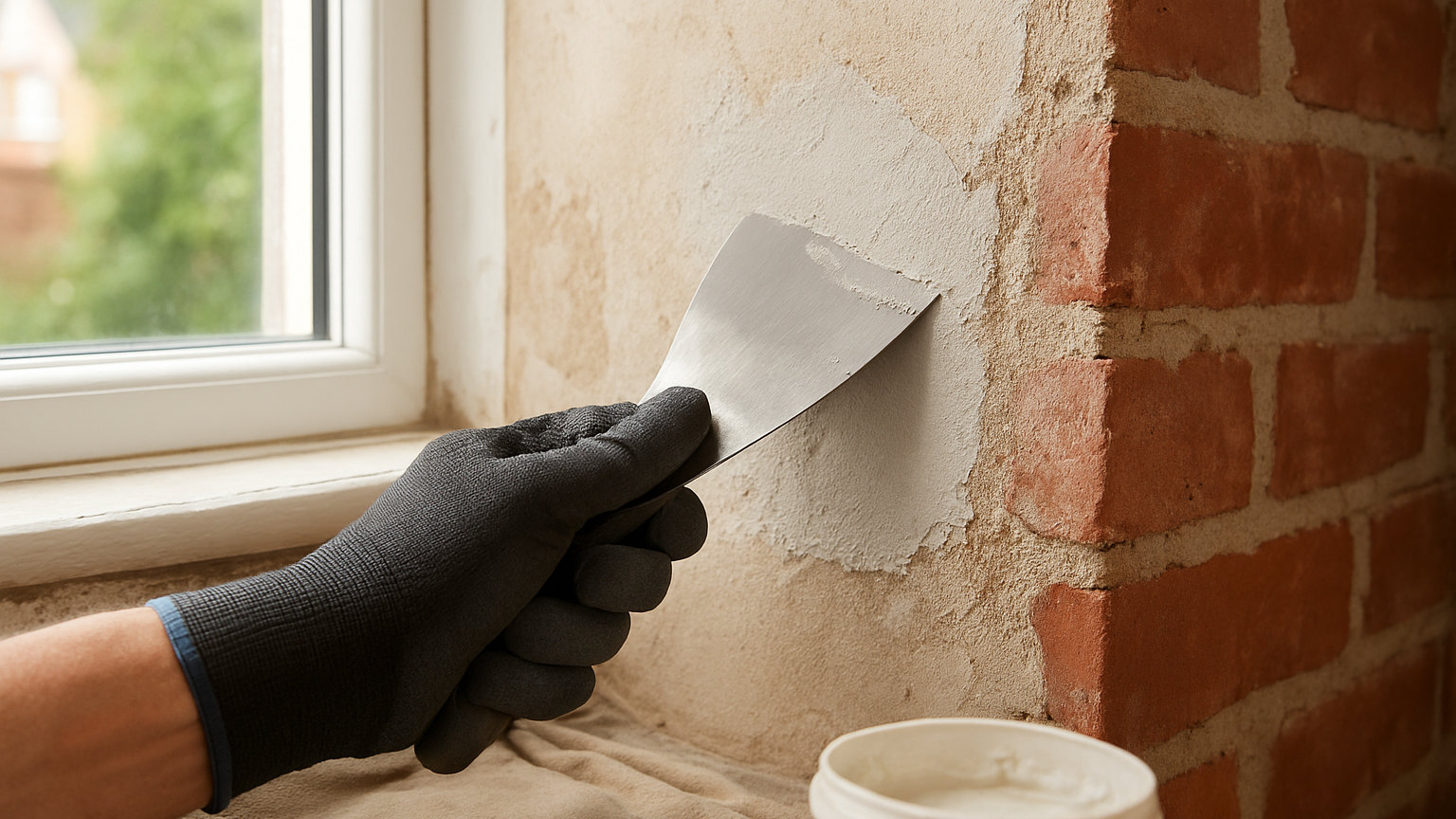
Reveals are the coldest part of a wall and sills are where water gets in. Telling condensation from a leak, and fixing each.
Modern homes are airtight, so moisture has nowhere to go. Trickle vents, extract fans and background ventilation, and what actually makes a difference.
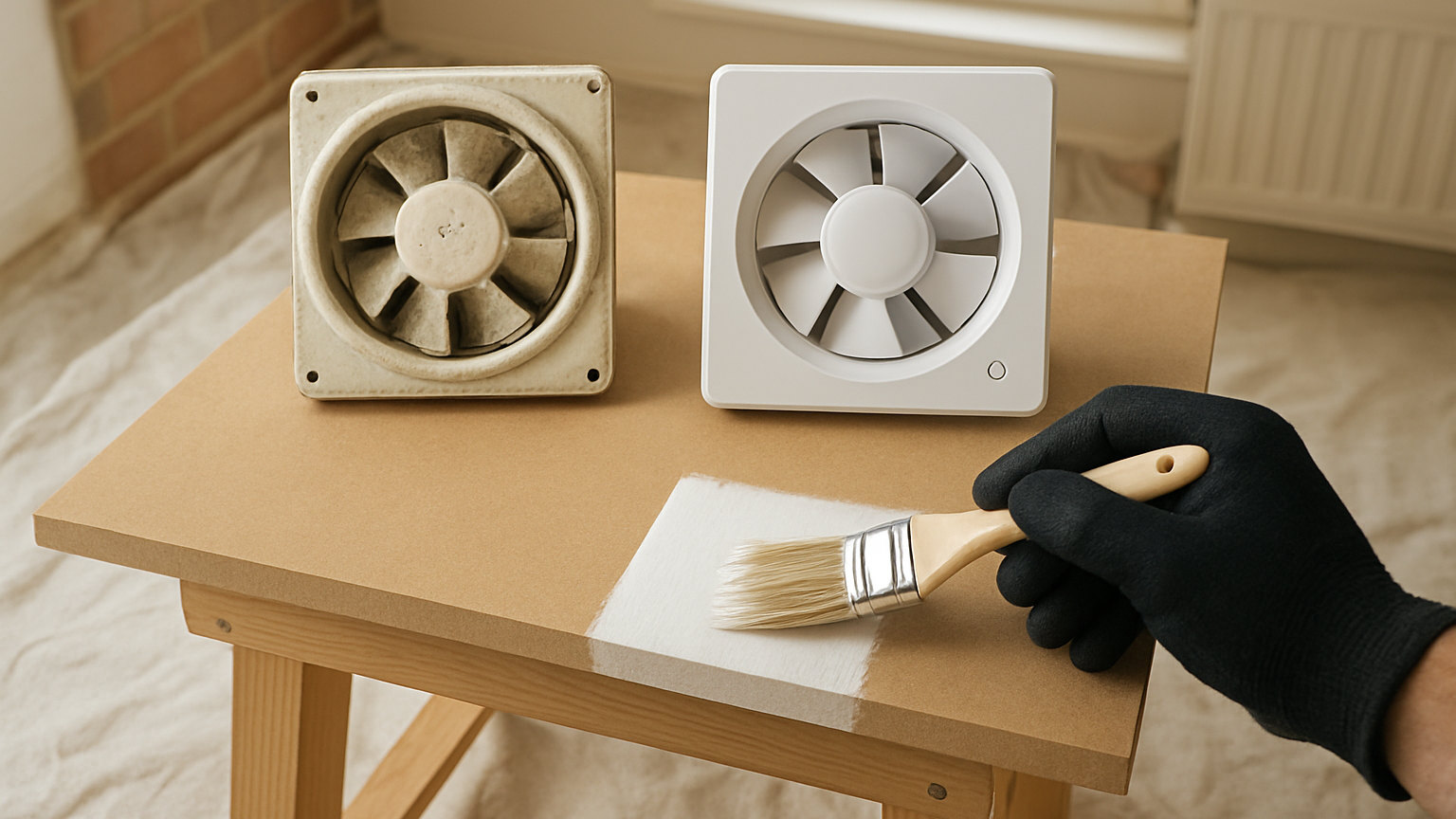
Extract rate, timer and humidity sensing matter more than price. What the figures mean, and why electrical work in a bathroom is not DIY.
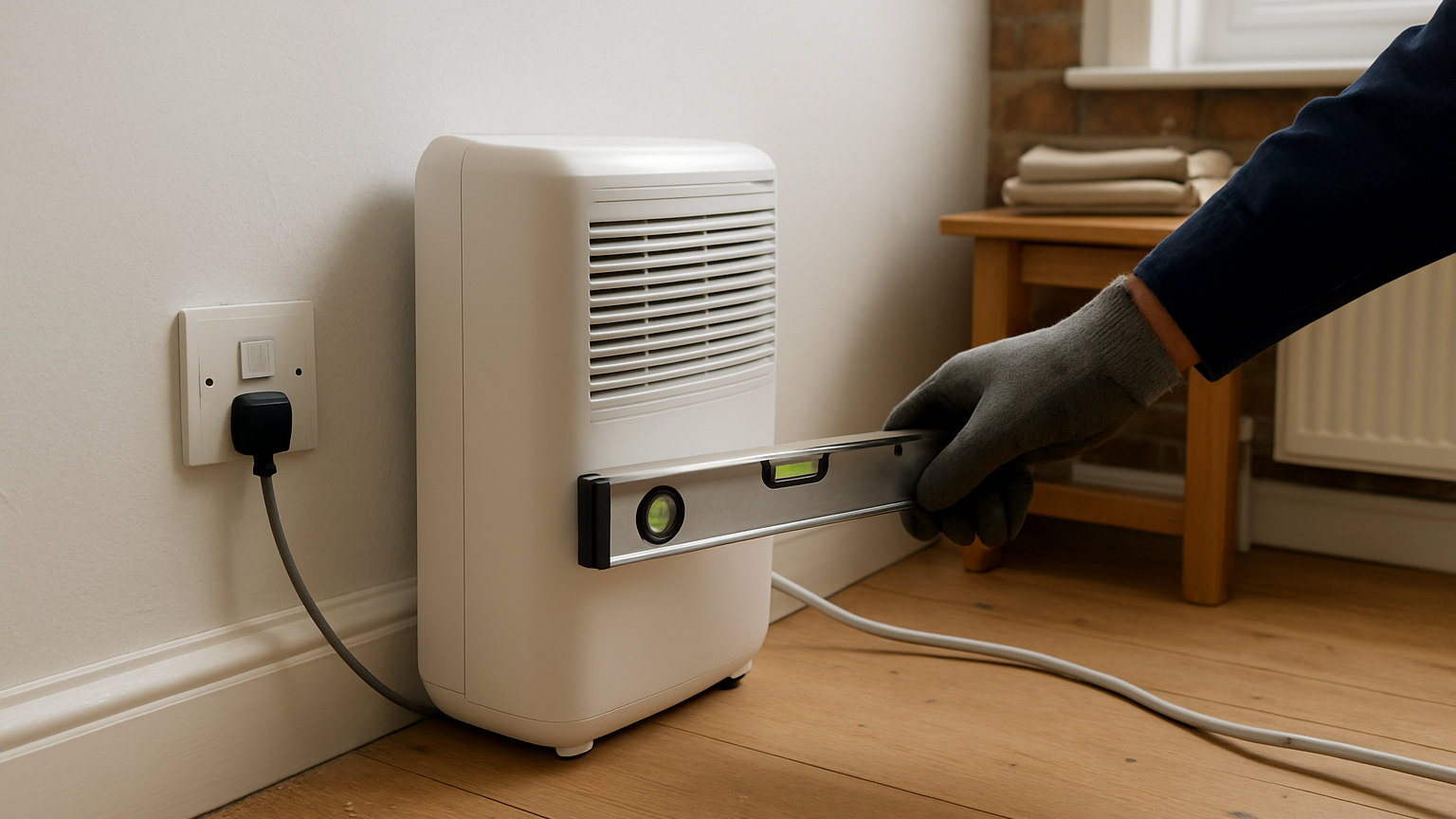
Useful for drying out a room and for indoor washing, and not a substitute for ventilation. Which type, where to put it, and what it costs to run.
Produce less moisture, remove what you produce, and keep surfaces warm. All three are needed, and ventilation is the one that matters most.
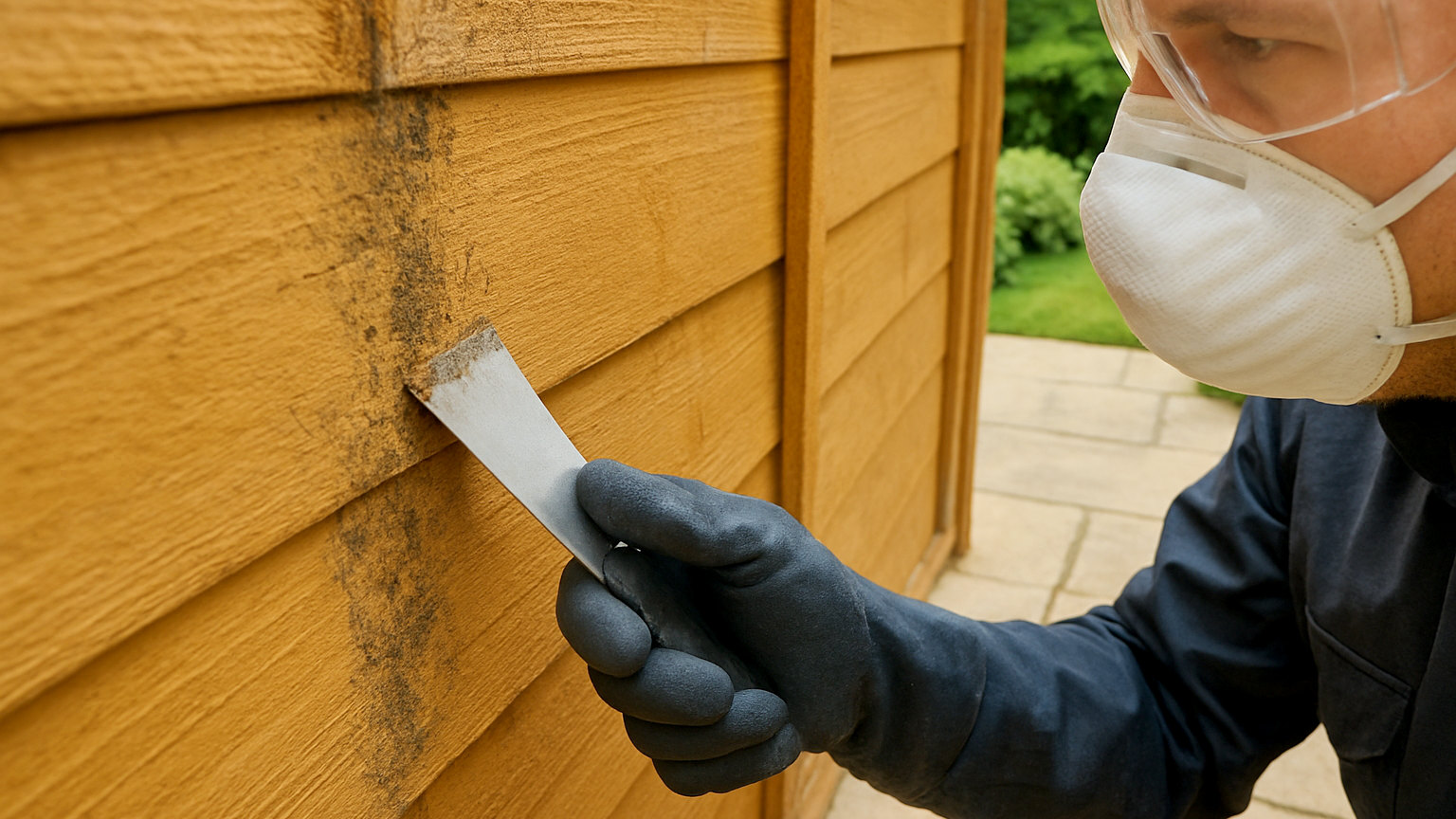
Cleaning mould without fixing the cause just delays it. The safe method, why bleach is not ideal, and the protection to wear.
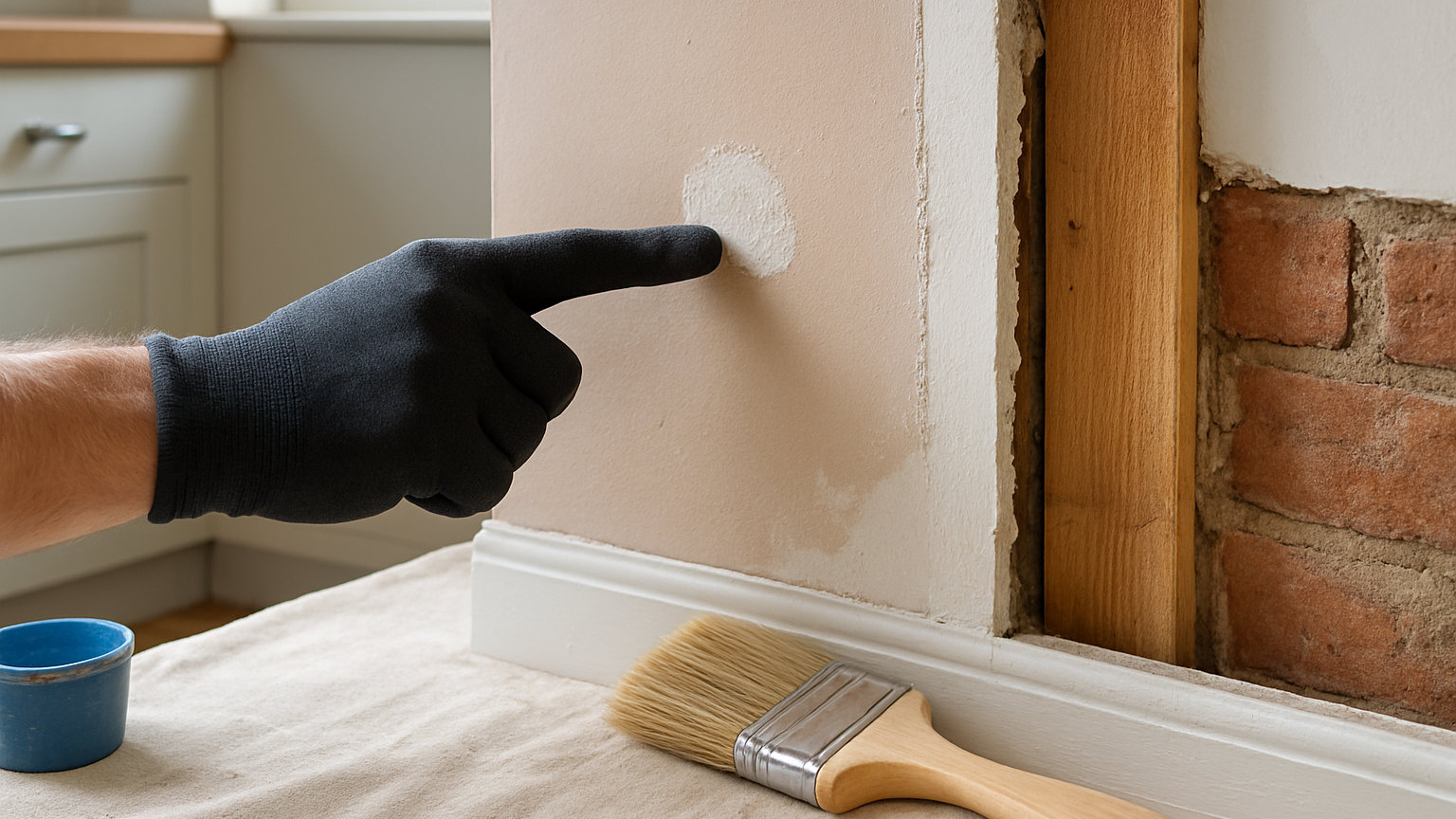
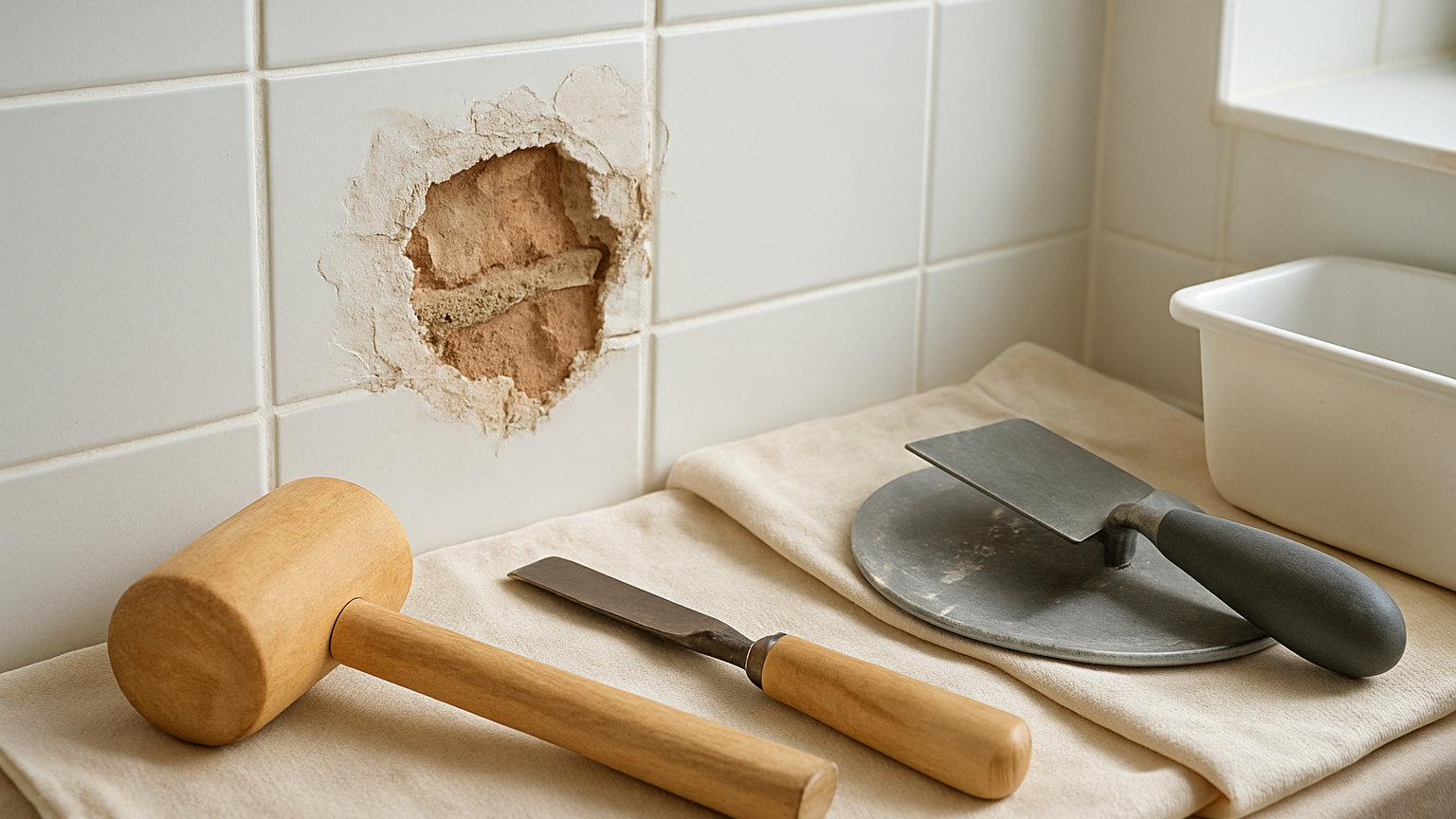
The kit for filling and patching, and the handful of errors that account for most repairs that show. Worth reading before starting.
Condensation, penetrating and rising damp look similar and need completely different fixes. The pattern, the season and the height tell you which.
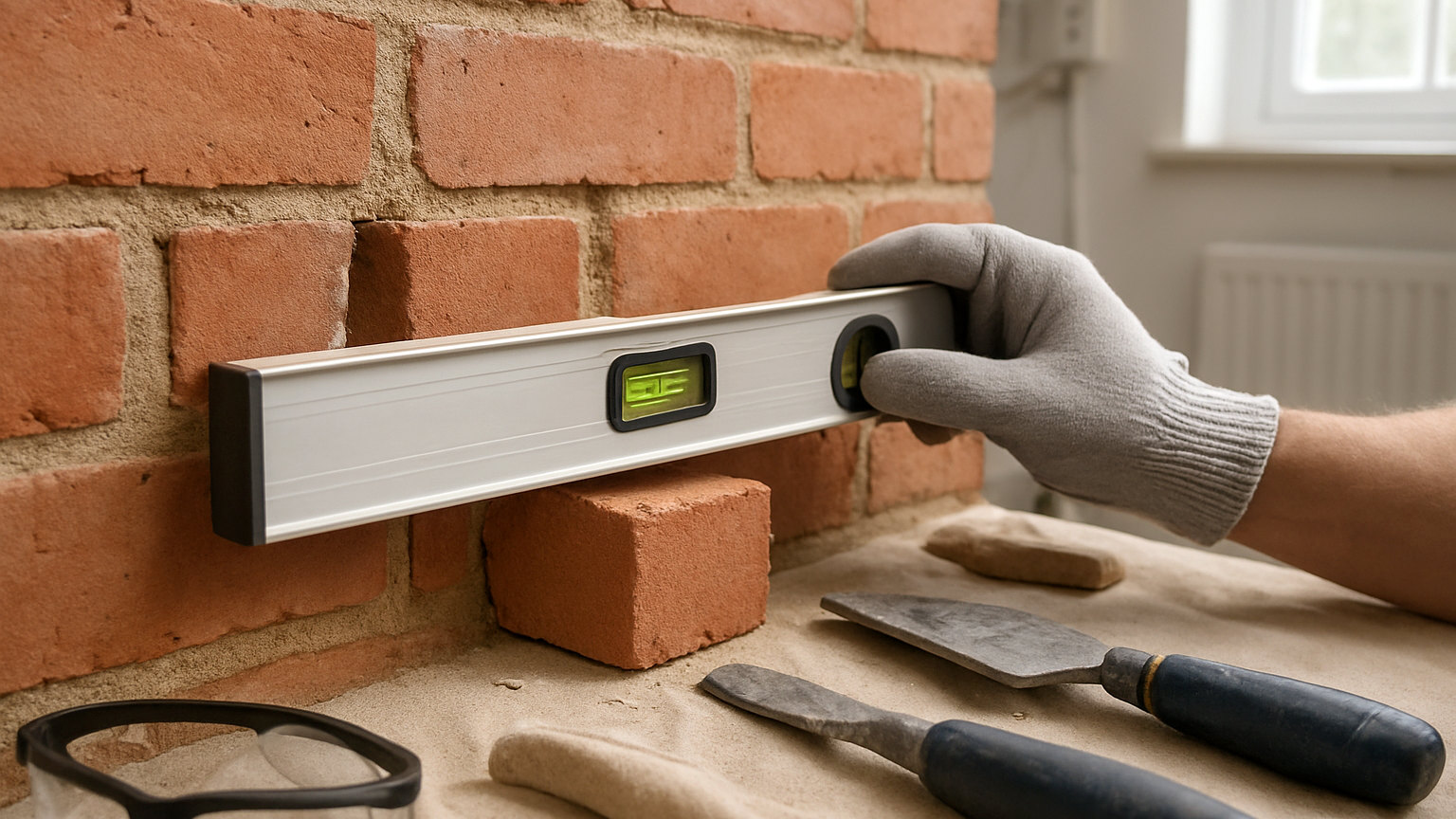
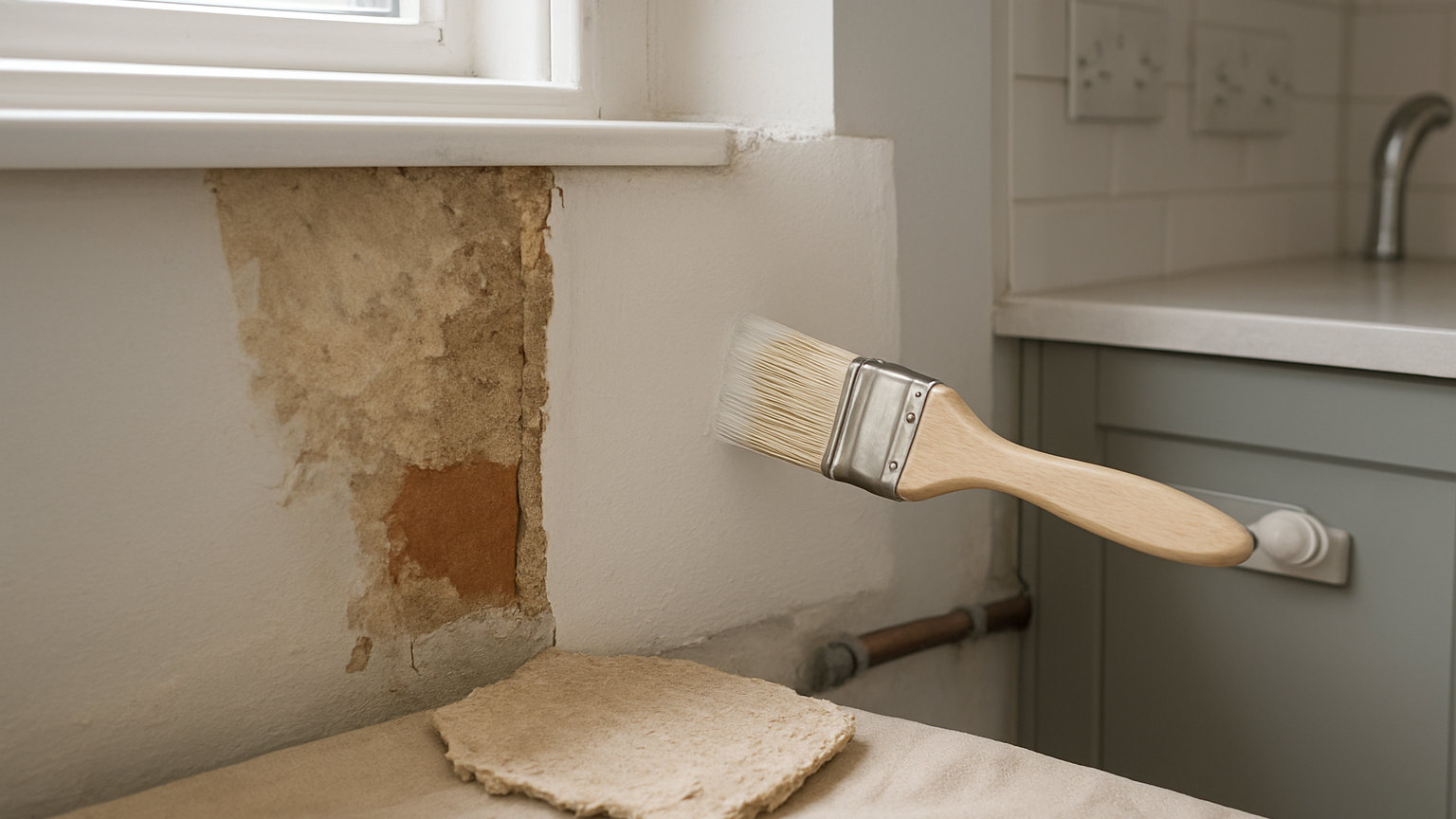
Check how bad it is with a straight edge before deciding. Filling, skimming, lining or overboarding, and which is worth the effort.
Timing is what makes plastering hard, and a small patch is where to learn it. Mixing, the two coats, and the trowelling passes as it sets.