Building a Fitted Wardrobe
A fitted wardrobe is a box scribed to a room that is not square. Framing, dealing with skirting and uneven walls, and hanging doors that line up.
By DIY Guides Editorial
25 Dec 2025

The difference between a project that finishes and one that lives half-done in a spare room is almost always the planning. These guides cover the bigger jobs - what order to do them in, what they realistically cost, how long they take when you are working evenings and weekends, and which parts you should be honest with yourself about handing to a trade. Every guide flags where building regulations or planning permission apply.
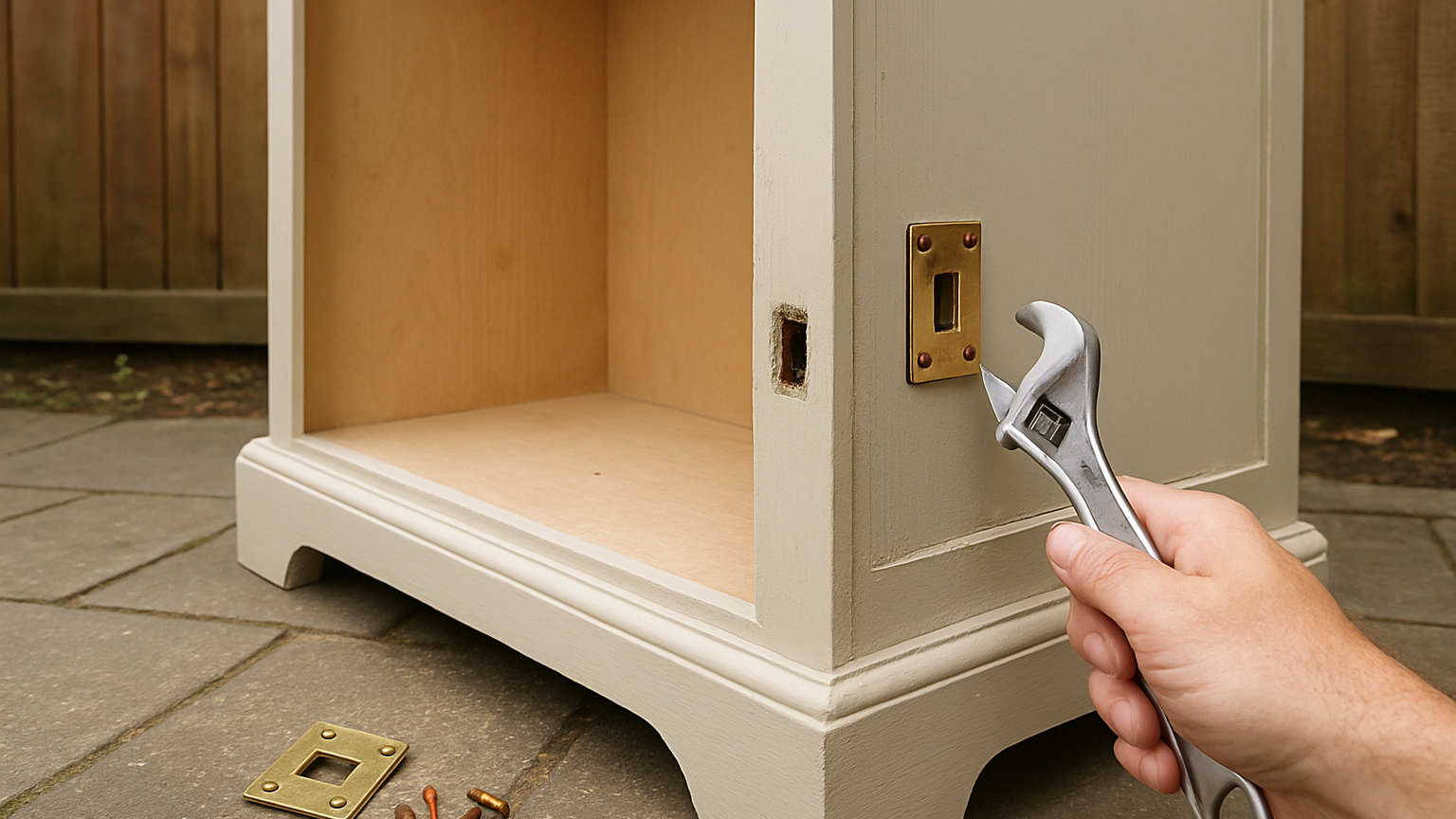
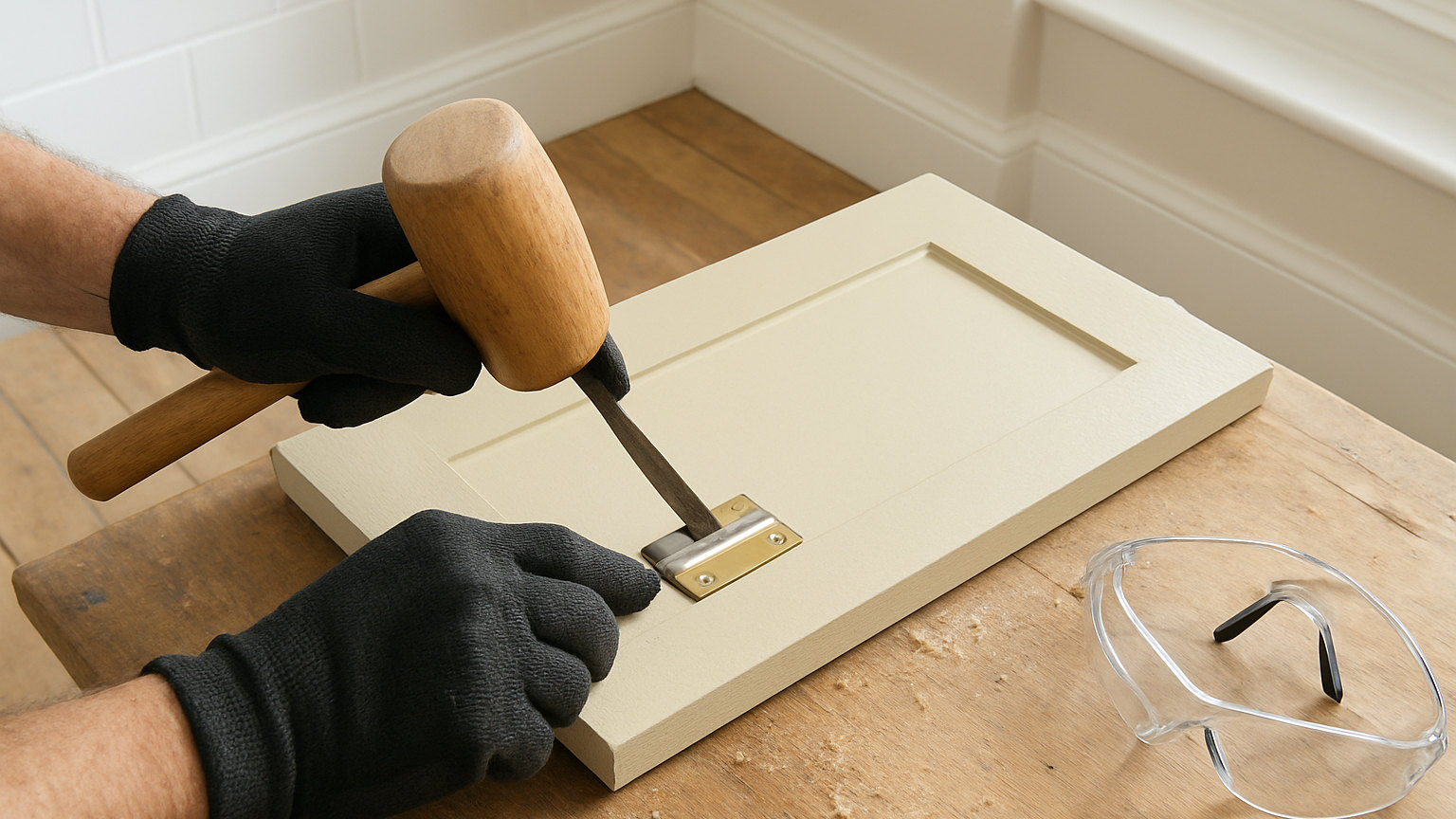
A fitted wardrobe is a box scribed to a room that is not square. Framing, dealing with skirting and uneven walls, and hanging doors that line up.
Hanging heights determine how much you actually fit in. Long hang, double hang, shelf depths and supporting a rail that will carry real weight.
An awkward triangle that usually holds a hoover and chaos. Options that work, and the fire safety rules that apply to a stairway cupboard.
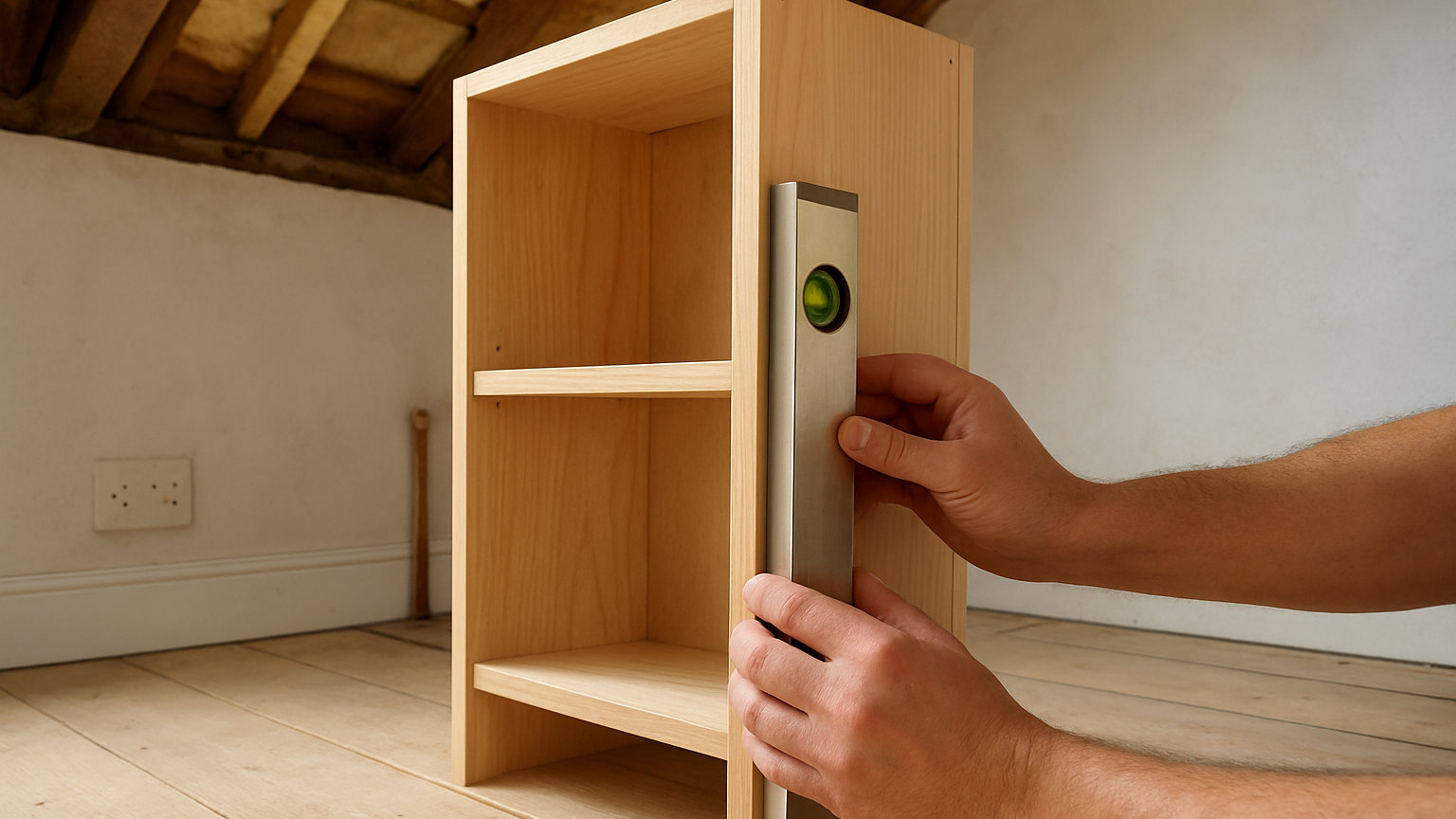
Books are heavy and a bookcase must be fixed to the wall. Carcase construction, shelf support methods, and the tipping risk that matters most.
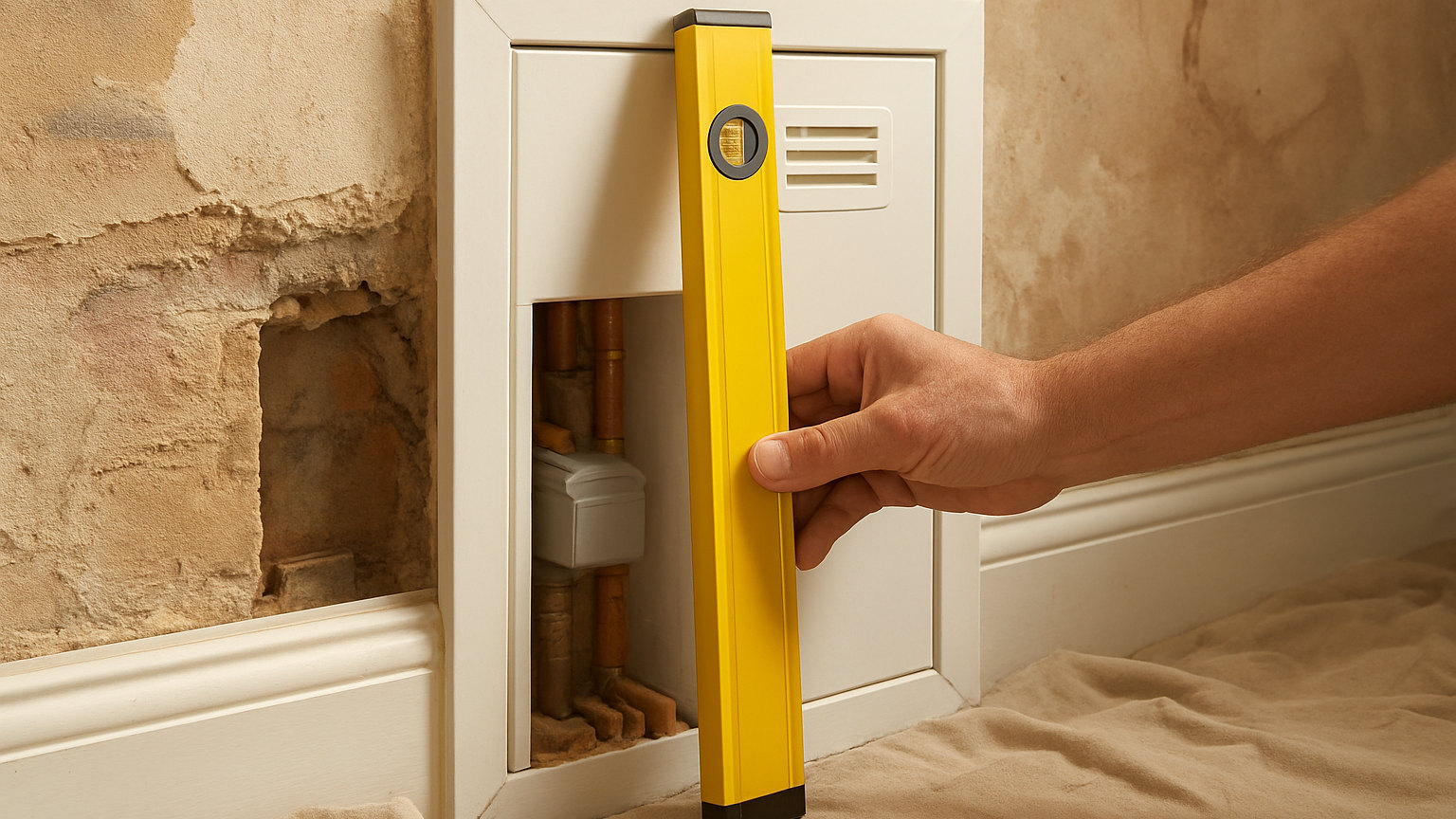
Anything boxed in still has to be reachable, and some things must stay ventilated. Building a neat box with proper access panels.
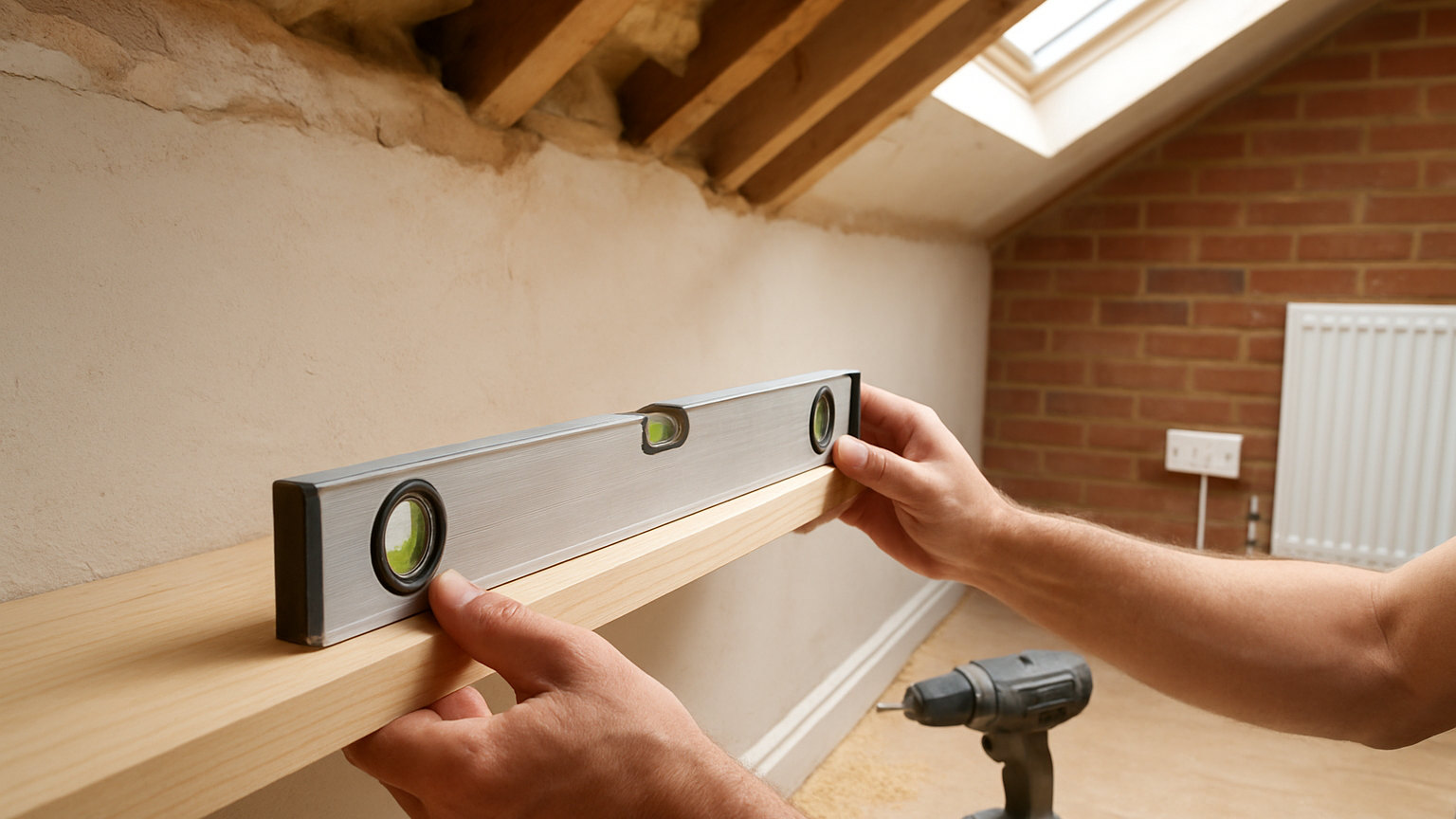
Every shelf sags eventually and the material decides how soon. Realistic spans for MDF, chipboard, ply and timber, and how to stiffen one.
Sheet materials chip on the wrong face and MDF dust needs a proper mask. Getting a straight cut, and finishing the edges neatly.
An alcove supports a shelf on three sides, which makes it the strongest and simplest shelving there is. Battens, scribing, and coping with walls that taper.
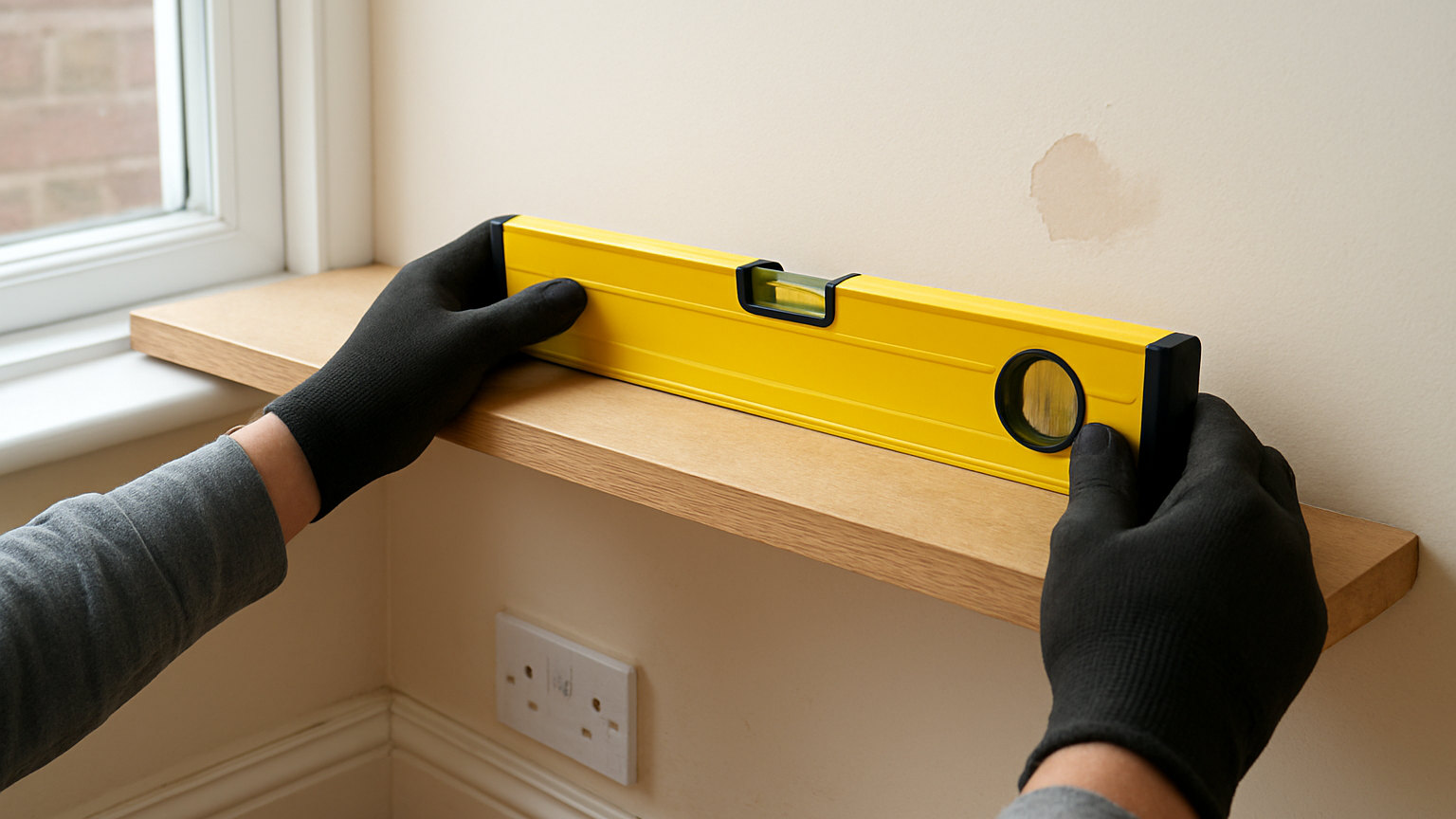
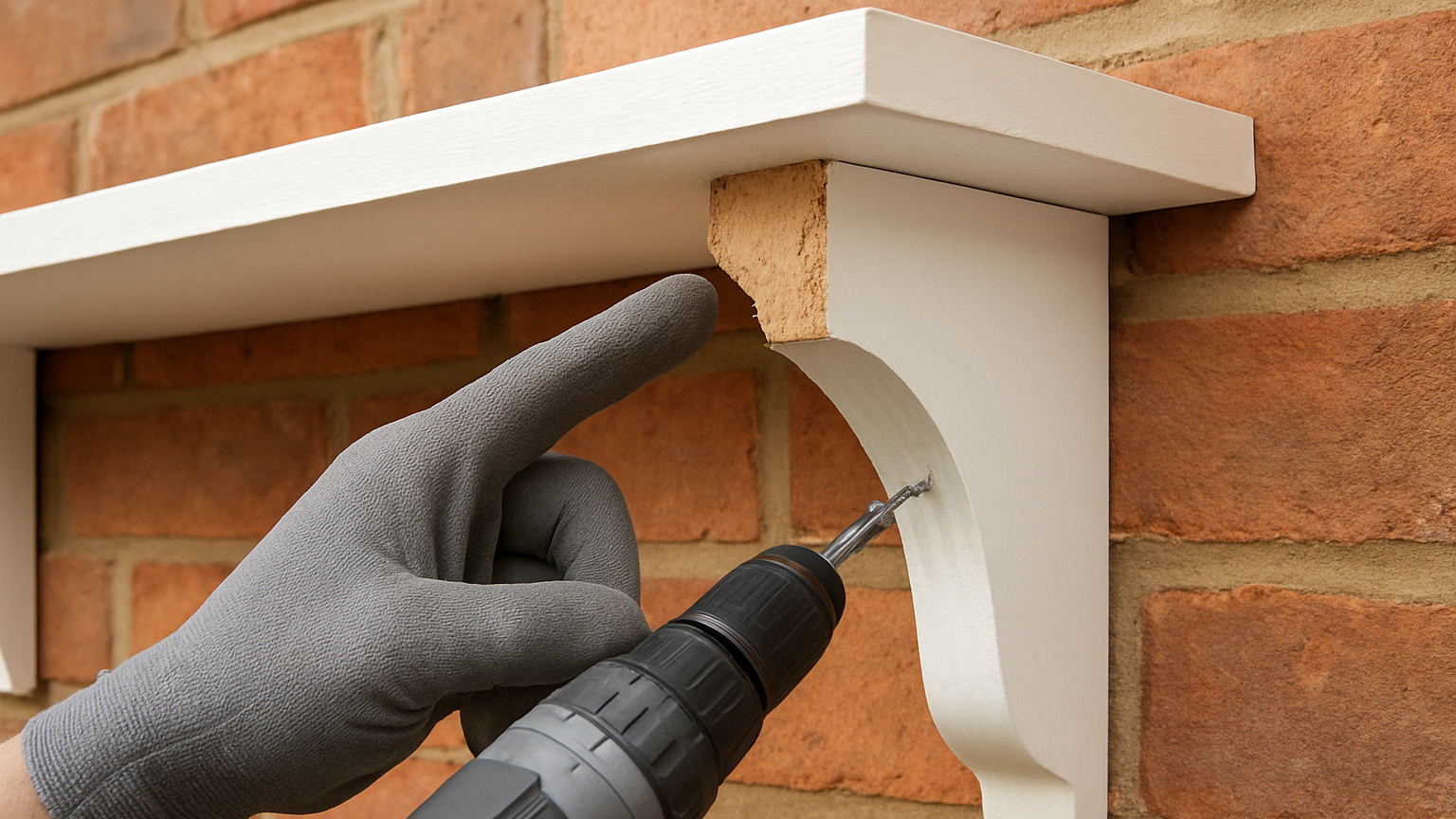
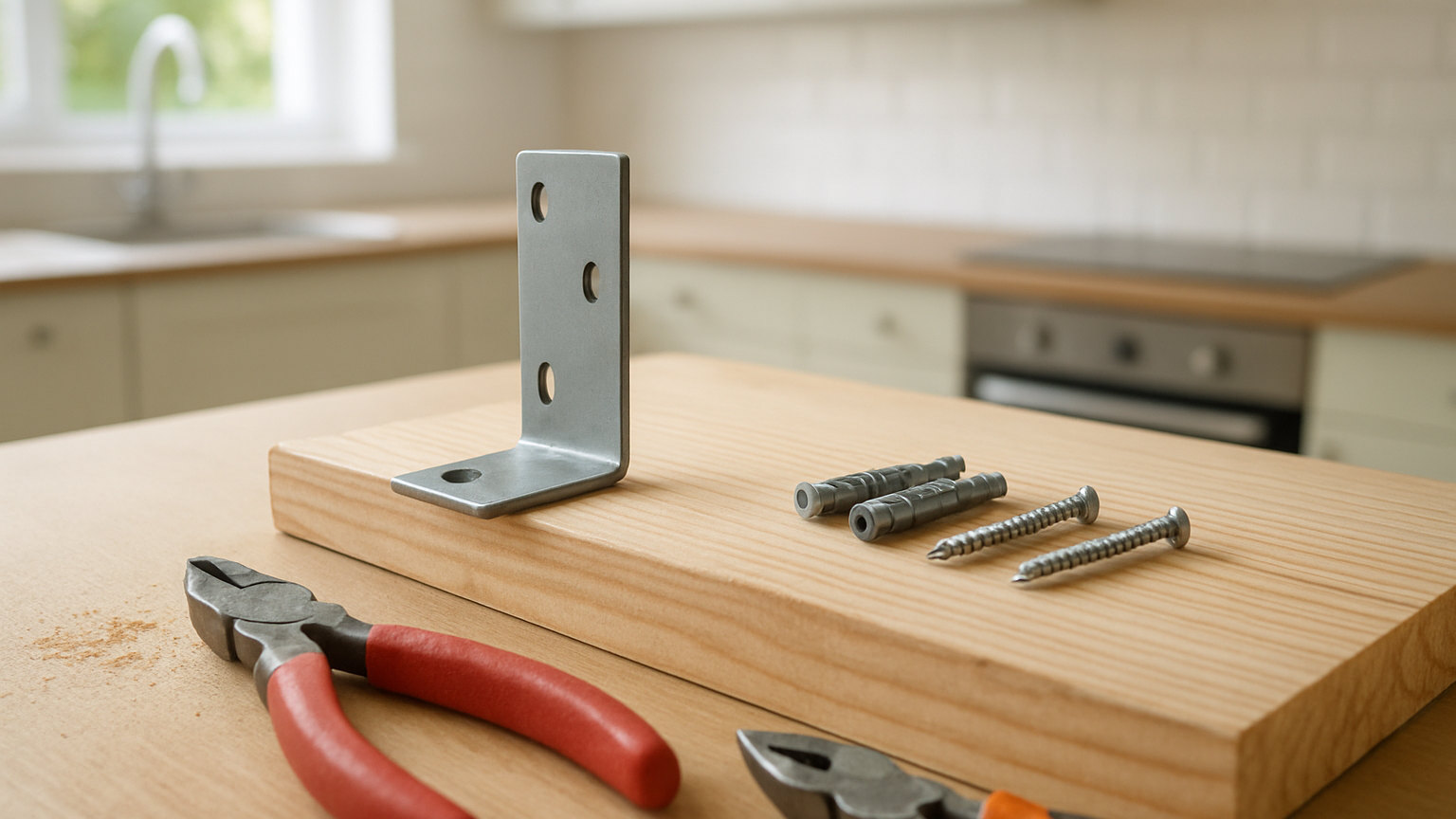
The fixing carries the load and the wall decides the fixing. Marking out level, drilling accurately, and matching the plug to what is behind.
The concealed fixing puts all the leverage on a few rods, so the wall has to be right. Where they work, where they do not, and realistic loads.
Hired sanders remove timber alarmingly fast and the dust is a real hazard. Preparation, grit sequence, and choosing between oil and lacquer.
The floor covering decides how well underfloor heating works. Tog limits, maximum surface temperatures, and which floors suit which system.