Fitting a Toilet and Cistern
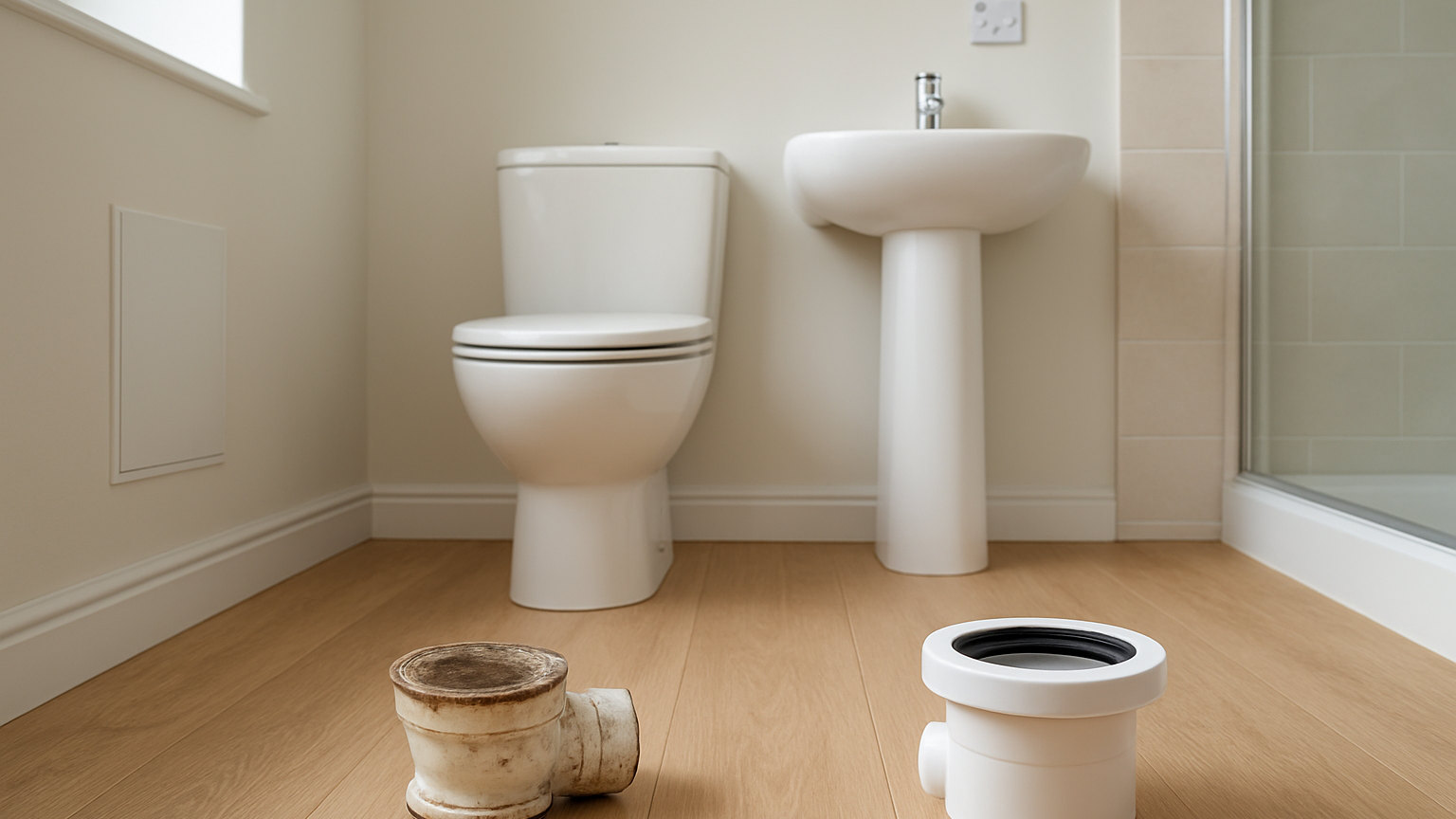
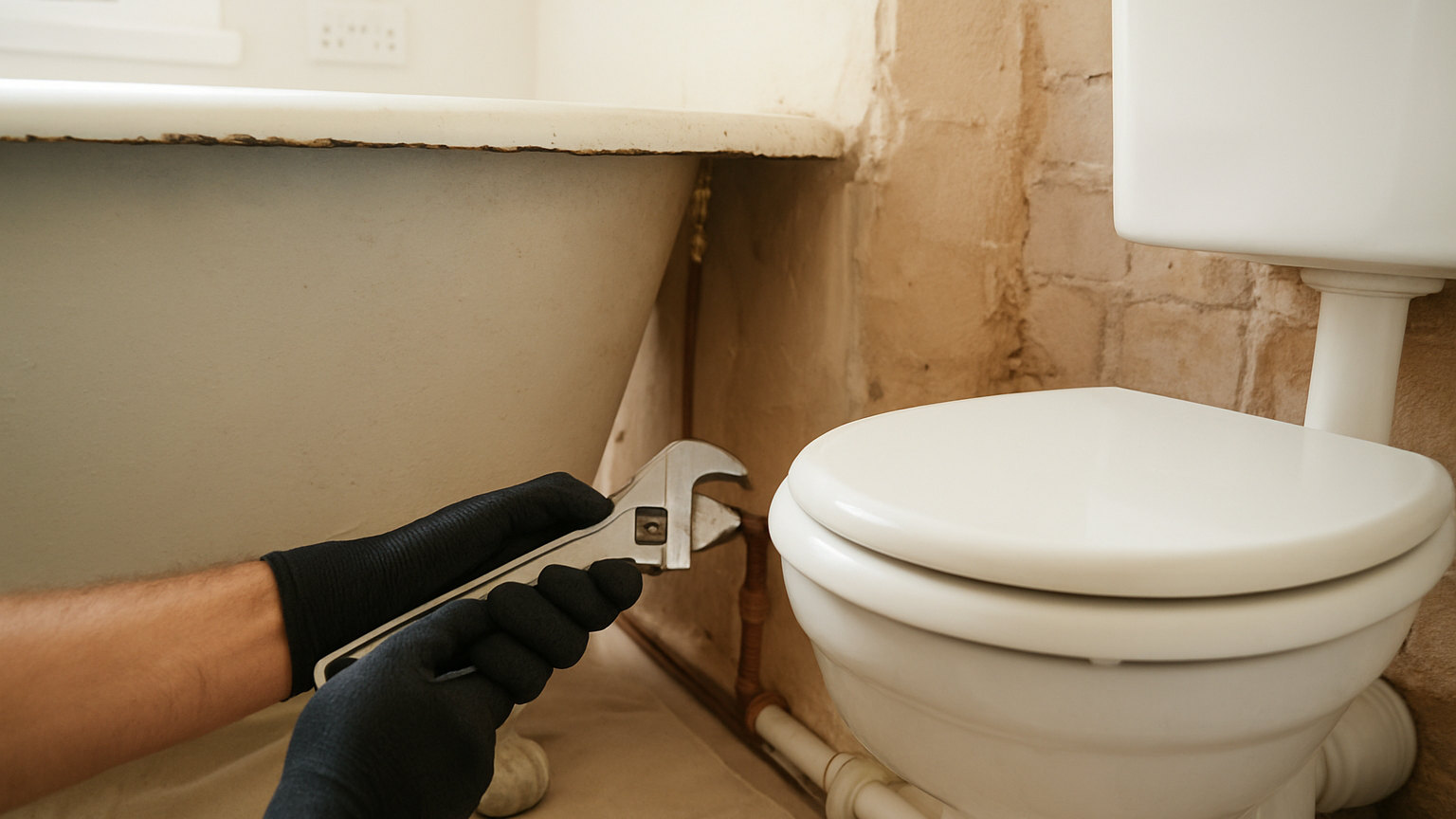
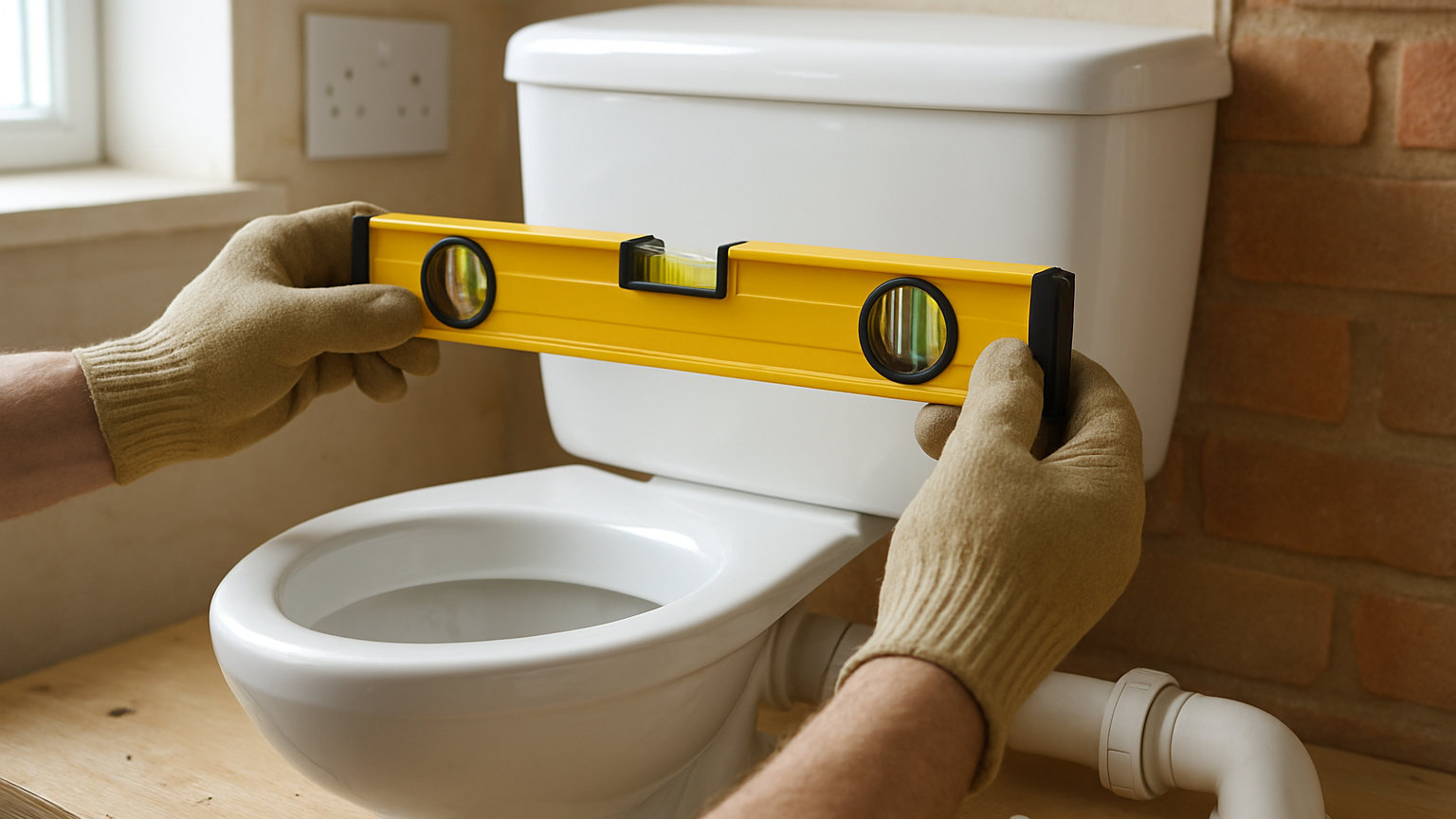
The pan connector does the work and the fixings must not crack the pan. Connecting to the soil pipe, fitting the cistern, and setting the flush.
By DIY Guides Editorial
9 Dec 2025

The difference between a project that finishes and one that lives half-done in a spare room is almost always the planning. These guides cover the bigger jobs - what order to do them in, what they realistically cost, how long they take when you are working evenings and weekends, and which parts you should be honest with yourself about handing to a trade. Every guide flags where building regulations or planning permission apply.
The pan connector does the work and the fixings must not crack the pan. Connecting to the soil pipe, fitting the cistern, and setting the flush.
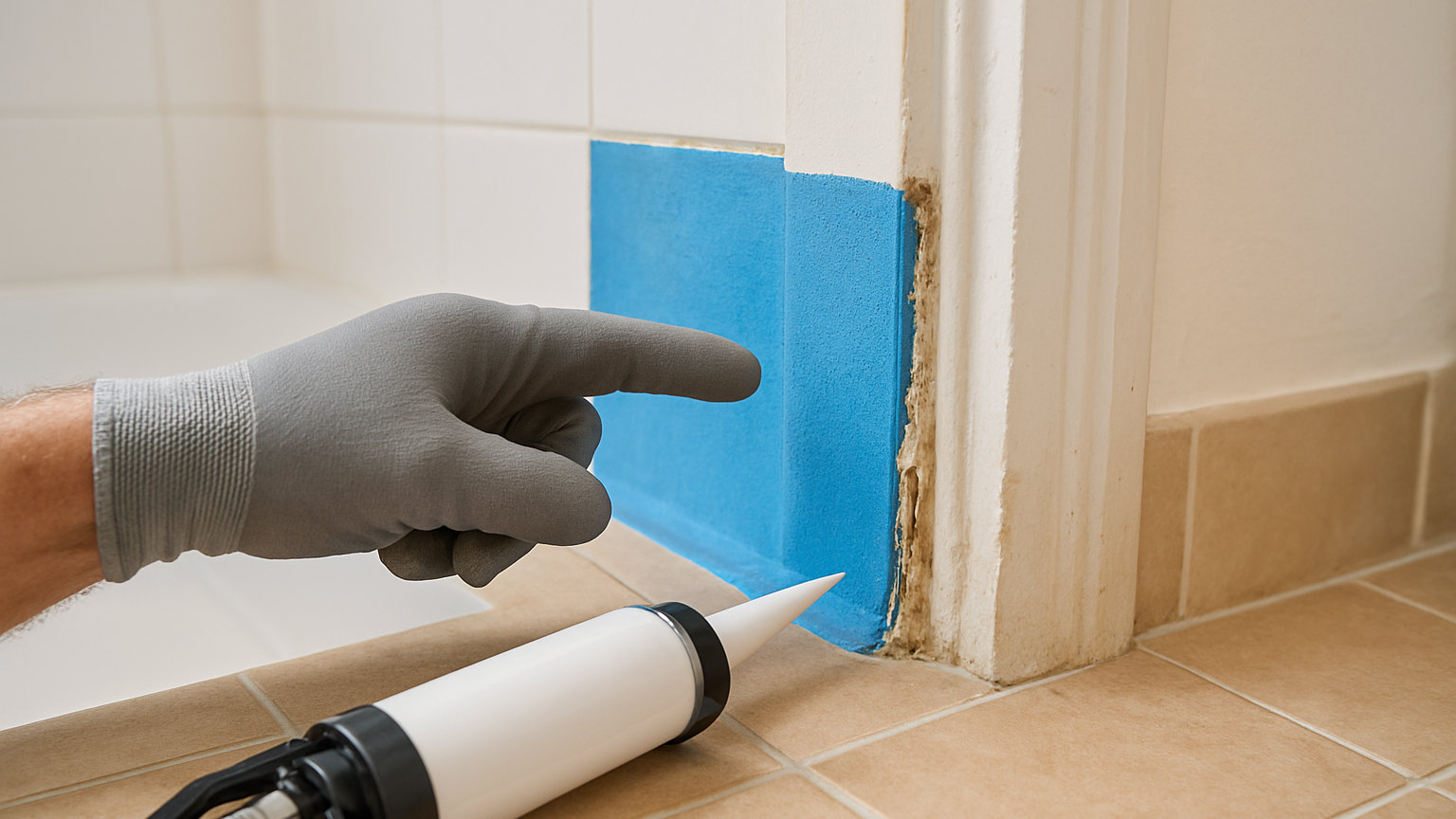
Tiles and grout are not waterproof, which surprises people. What tanking is, where it is essential, and how to apply a system properly.
Which shower works depends entirely on your plumbing. Electric, mixer, digital and power showers, and why pumps must not go on mains pressure.
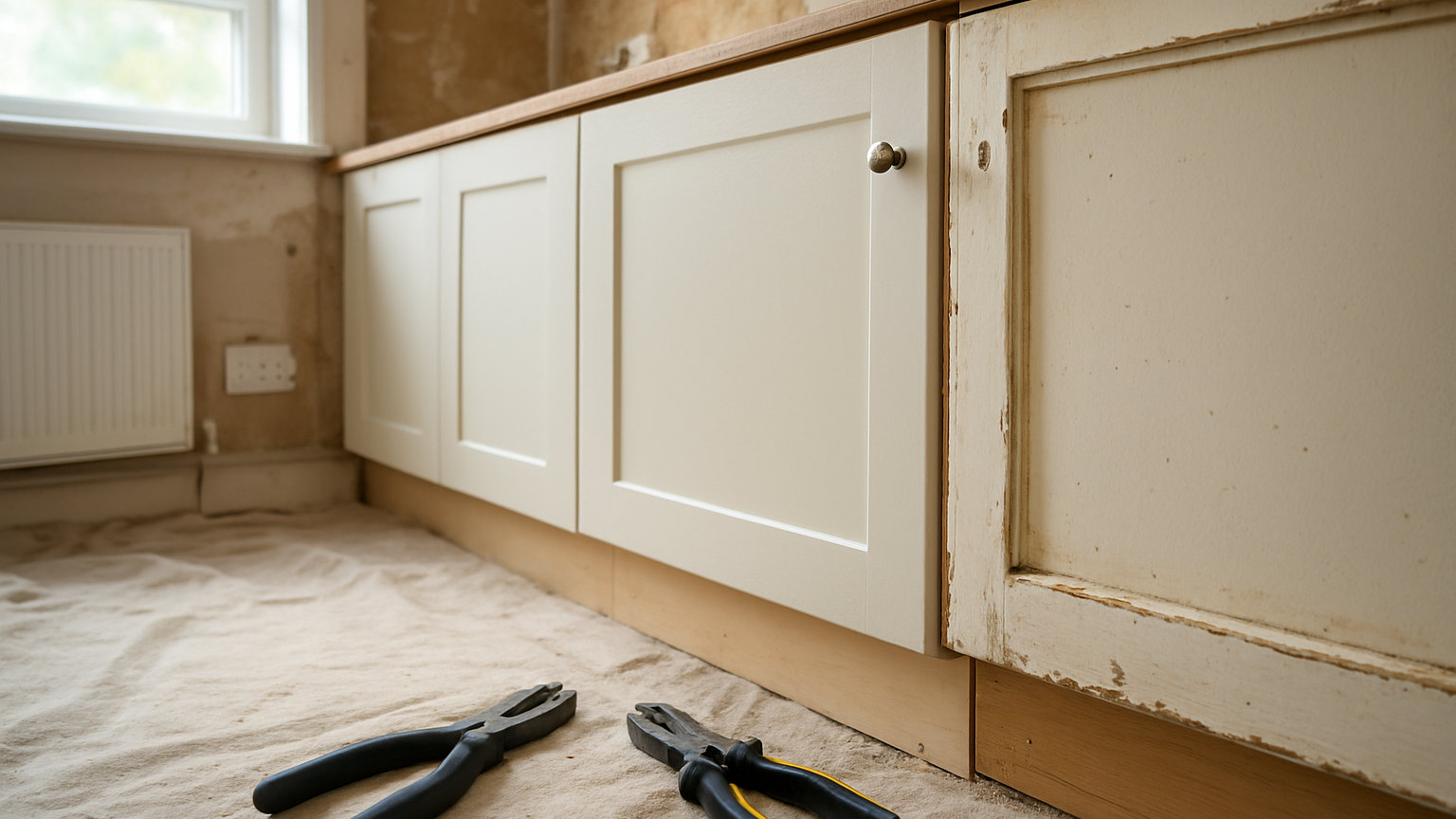
If the carcases are sound, new doors and a worktop transform a kitchen for a fraction of the cost. How to check, measure and order replacements.
Drainage decides more than taste. Where the soil pipe is, what clearances each fitting needs, and the electrical zones that limit what goes where.
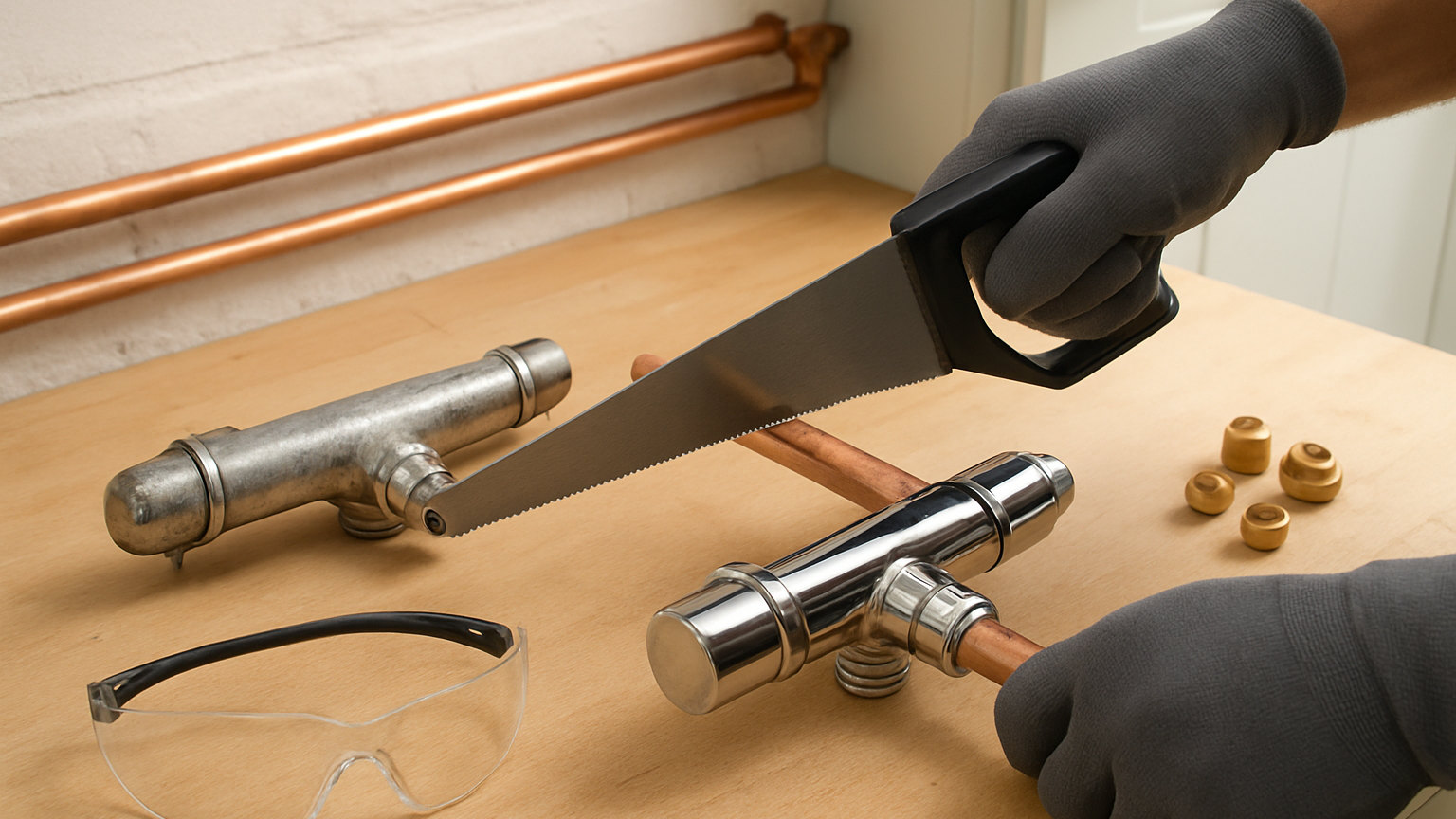
Isolate the water, drain the system and work from the top down. The strip-out order, handling a cast iron bath, and what to check underneath.
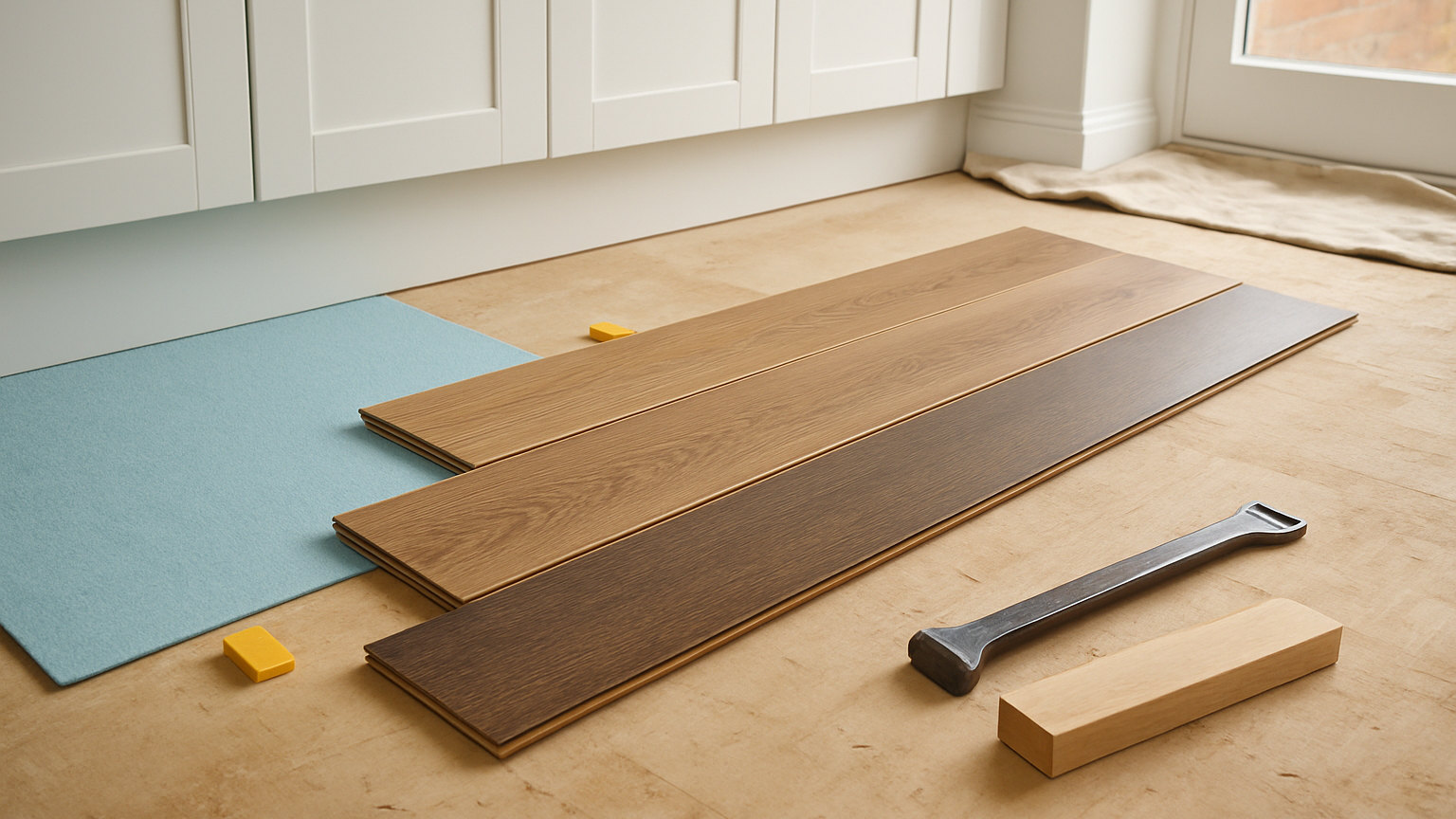
Water, dropped pans and constant traffic rule out several popular floors. What survives a kitchen, and whether to lay under the units or up to them.
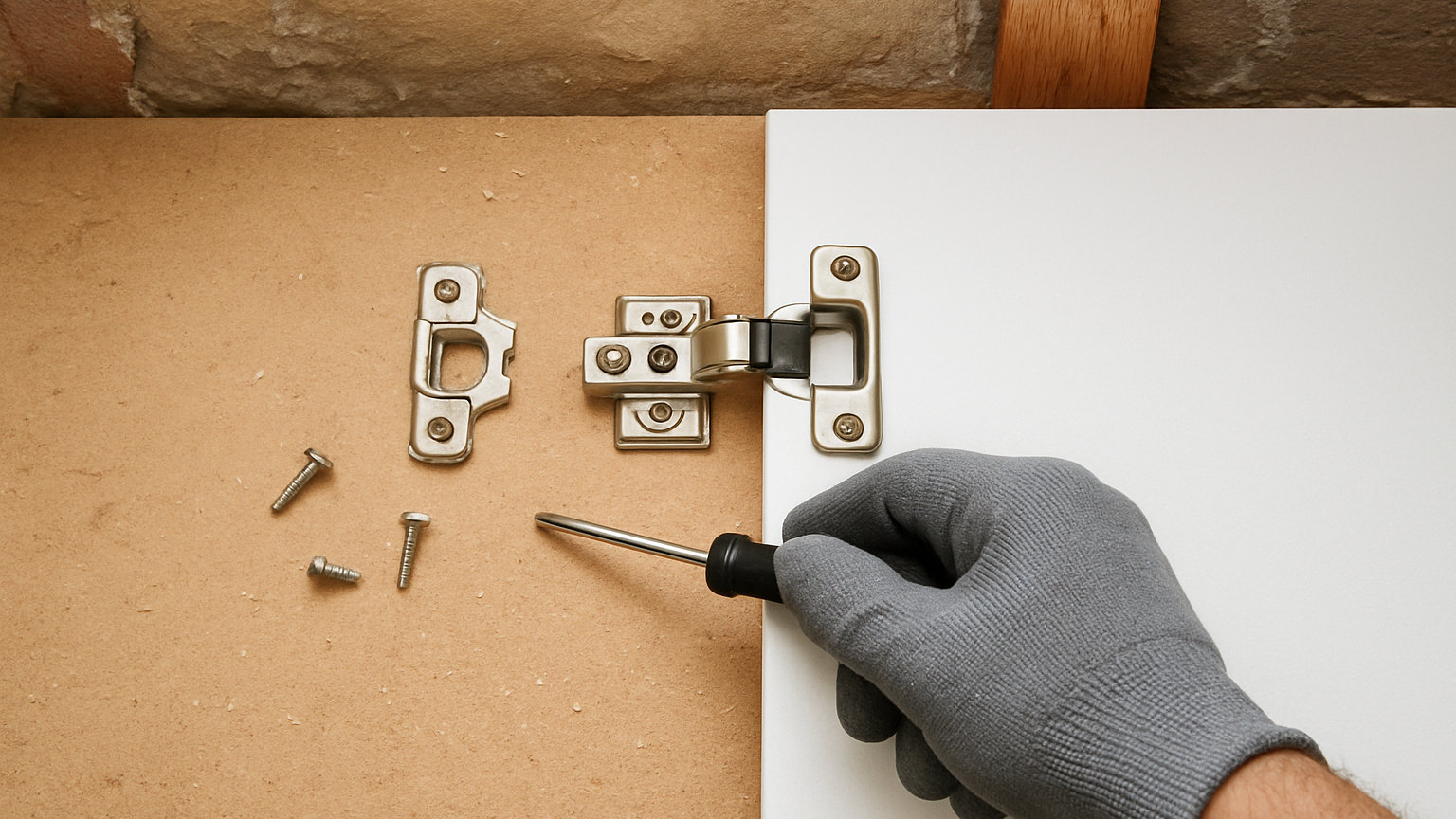
Modern hinges adjust in three directions and most misaligned doors are a two-minute fix. Which screw does what, and how to line up a whole run.
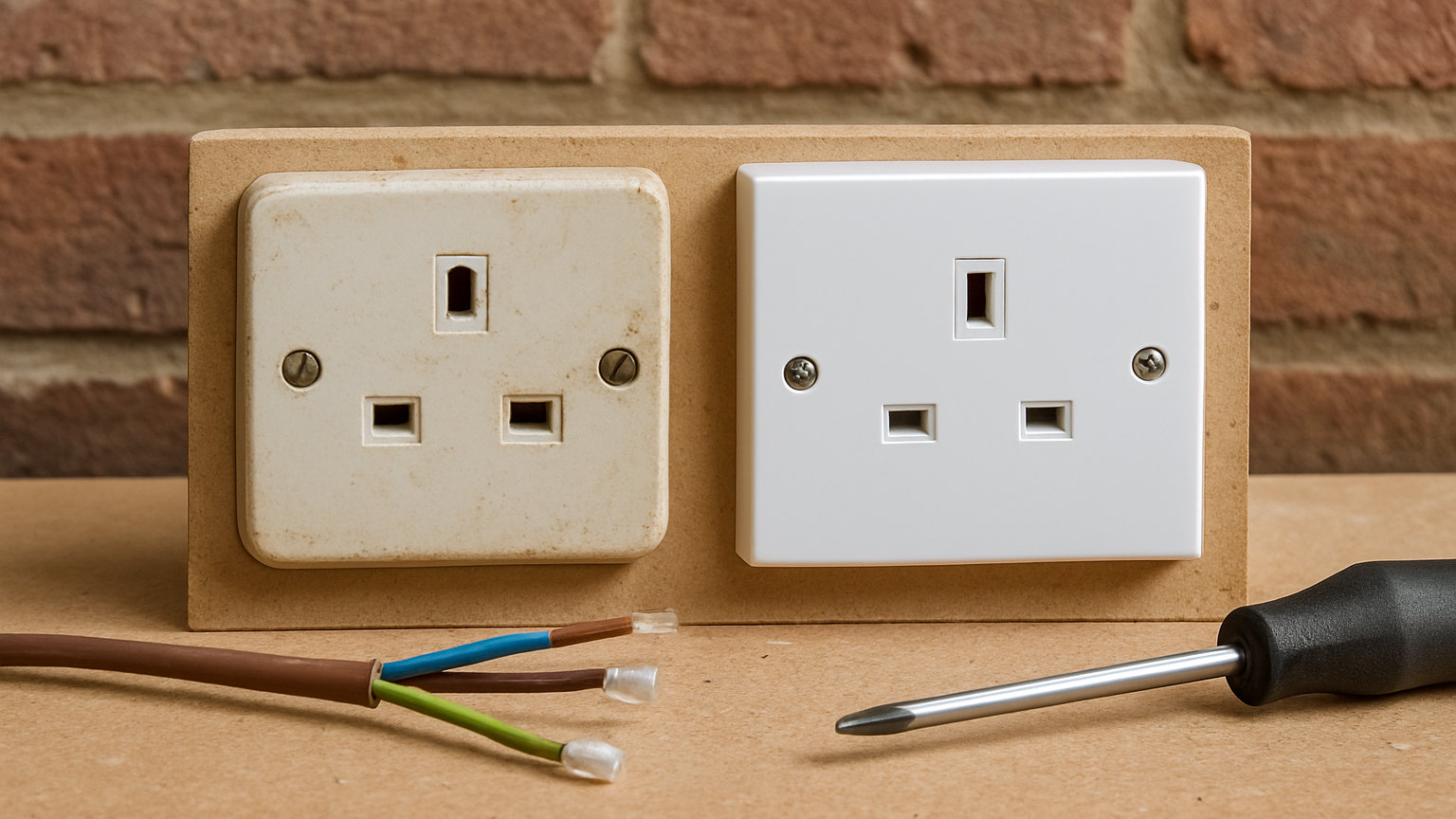
New circuits are notifiable, and a kitchen has more of them than any other room. What you may do, what must be certified, and planning socket positions.
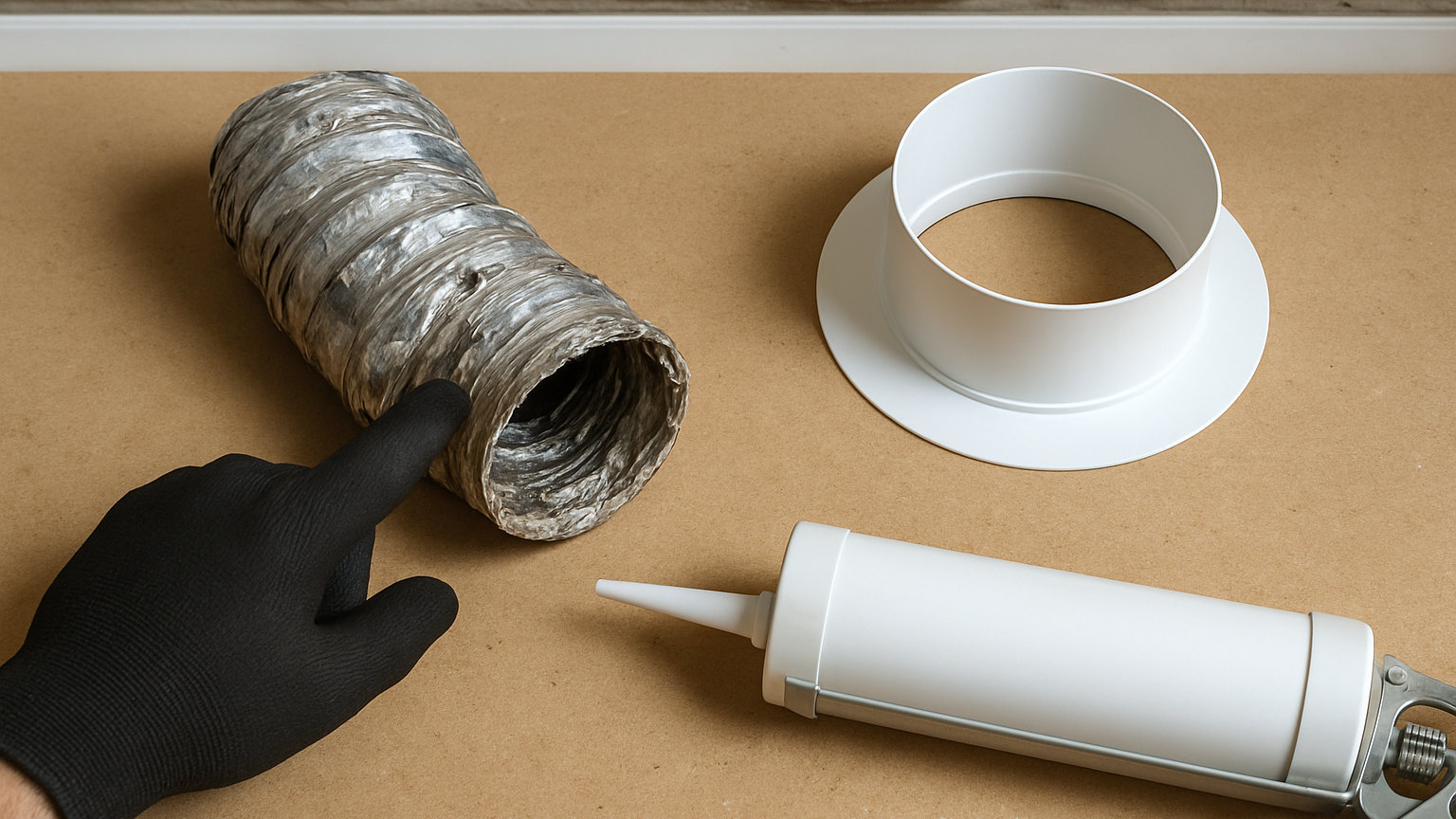
Ducted extraction removes moisture and grease; recirculating mostly moves it around. Duct routes, sizes, clearances and the ventilation requirement.
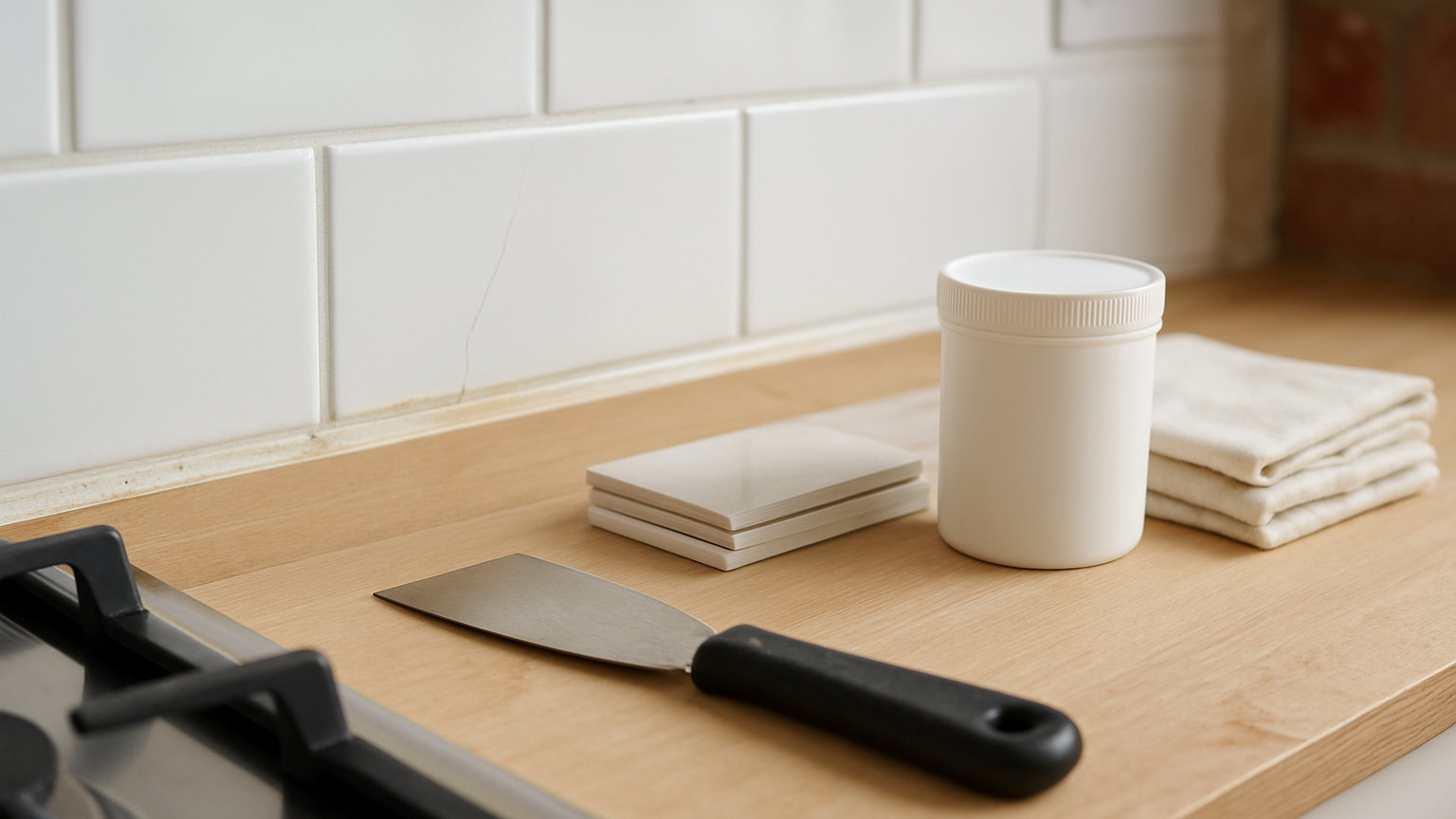
Glass, tile, acrylic or stainless, and heat resistance matters behind a hob. Choosing, setting out and fixing without cracking anything.
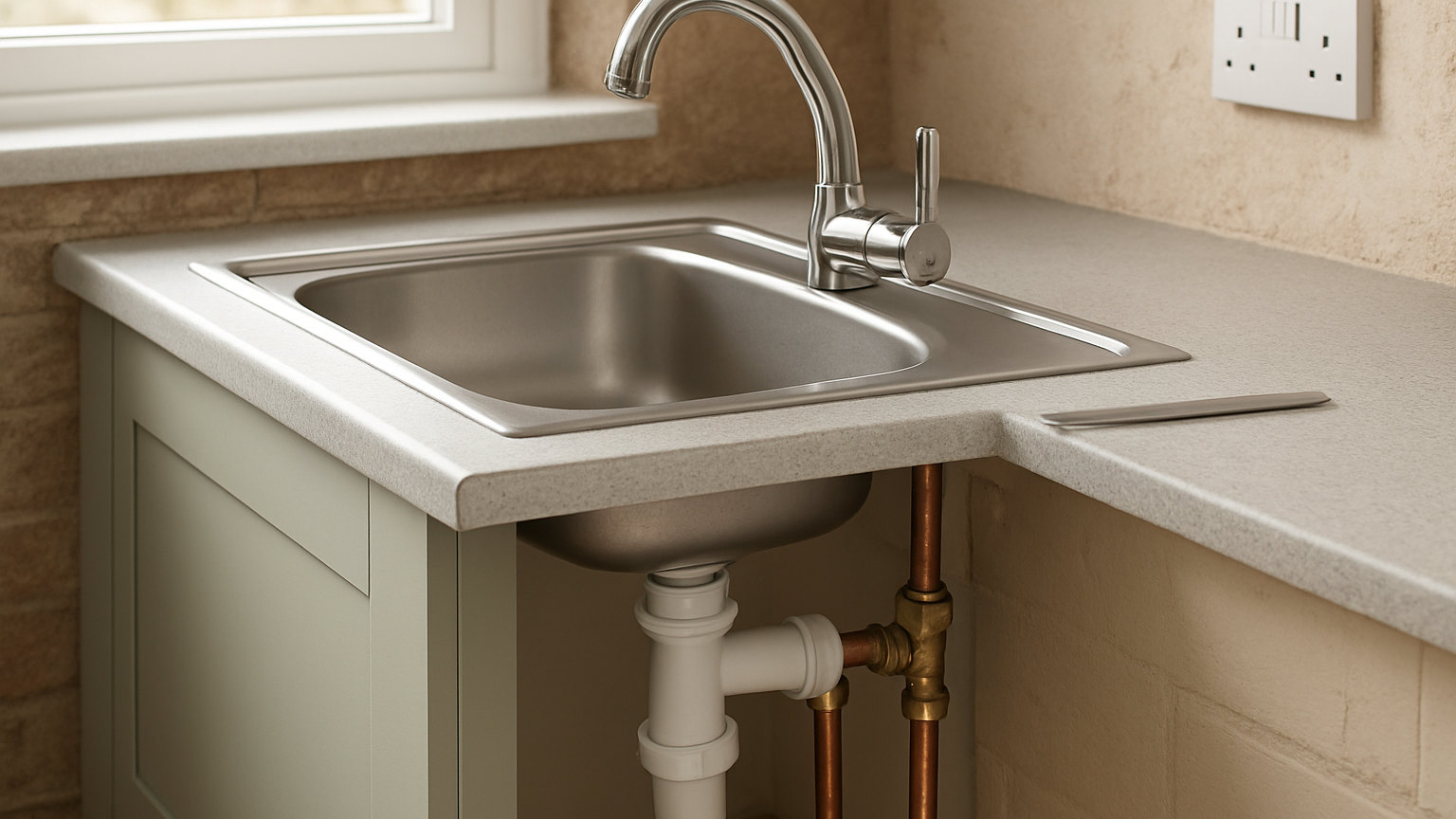
Assemble as much as possible before the sink goes in, because the space underneath is cramped. Connections, traps, and testing for leaks properly.