How to Find a Stud in a Wall
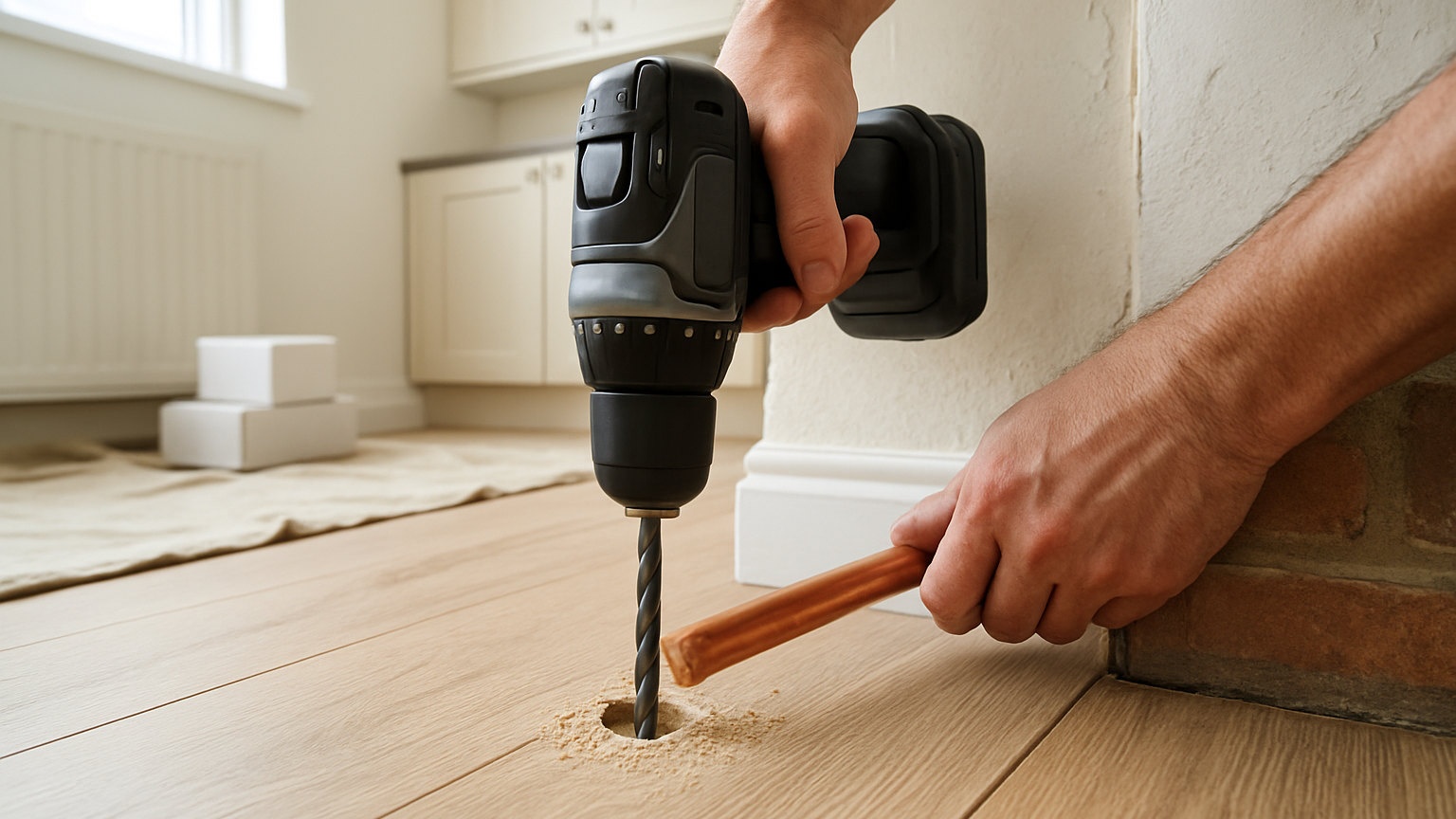
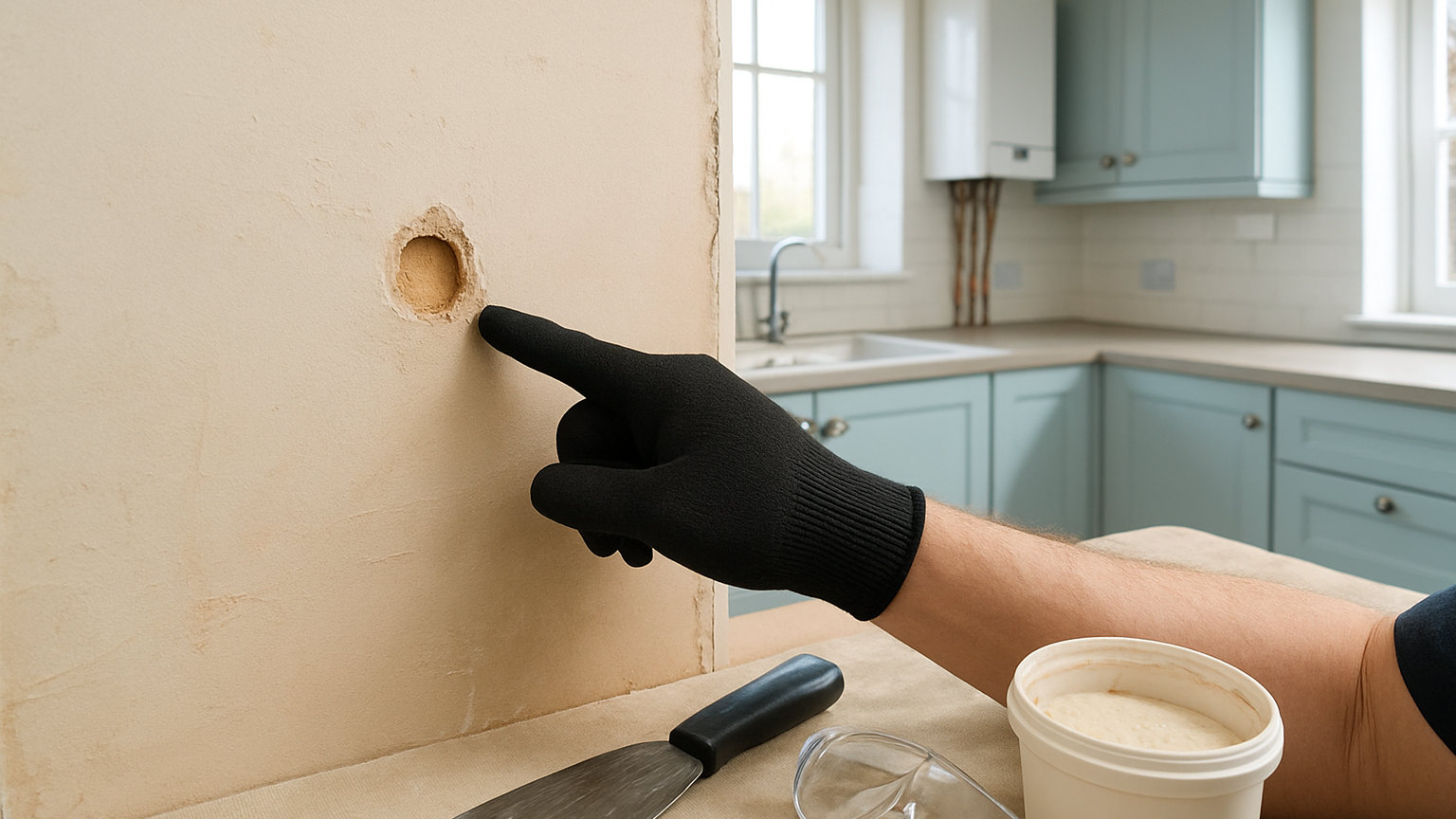
Knowing what a wall is made of decides which fixing to use. Detectors, knocking, socket boxes and the small test hole that settles it.
By DIY Guides Editorial
20 Dec 2025

The difference between a project that finishes and one that lives half-done in a spare room is almost always the planning. These guides cover the bigger jobs - what order to do them in, what they realistically cost, how long they take when you are working evenings and weekends, and which parts you should be honest with yourself about handing to a trade. Every guide flags where building regulations or planning permission apply.
Knowing what a wall is made of decides which fixing to use. Detectors, knocking, socket boxes and the small test hole that settles it.
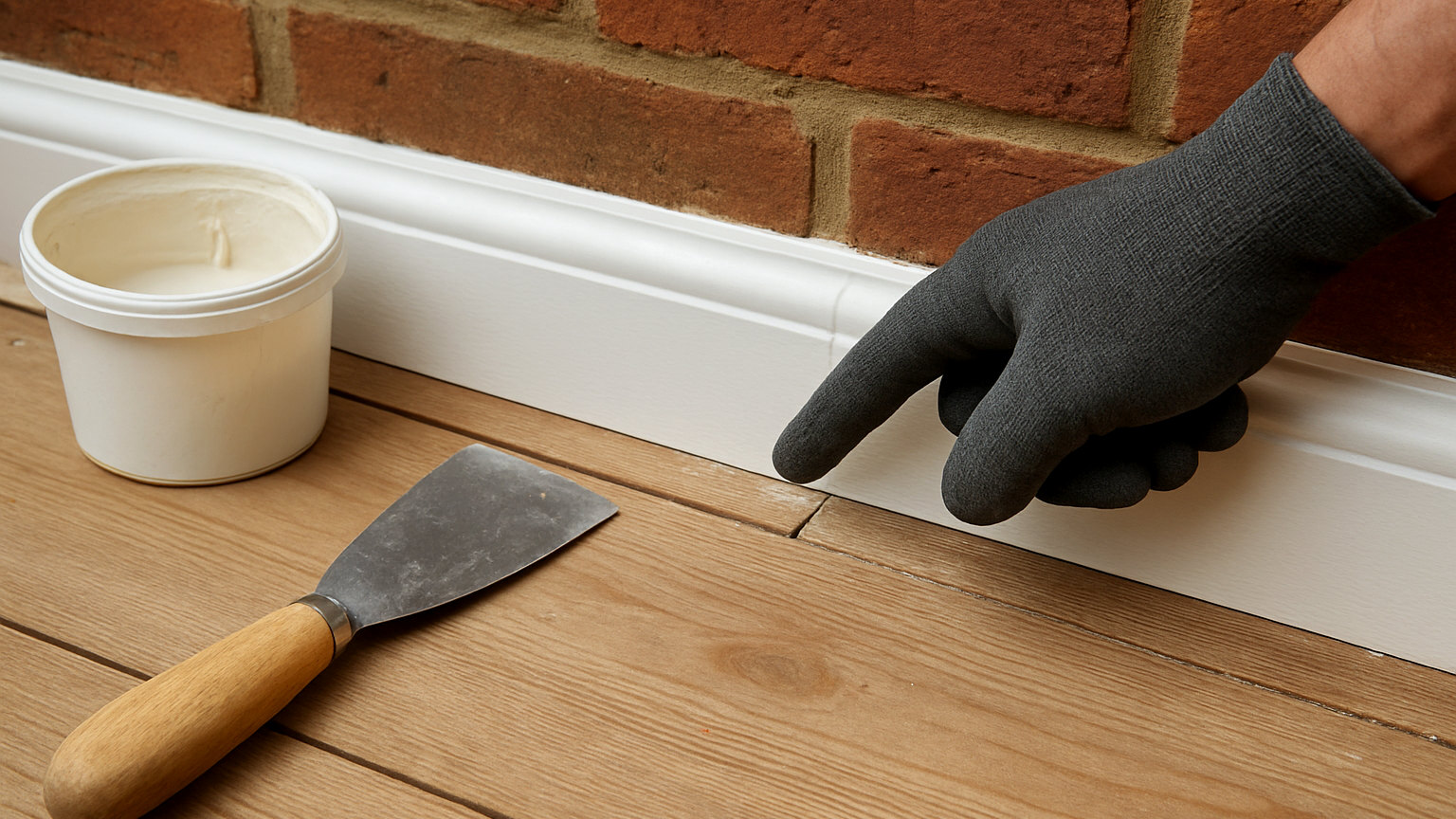
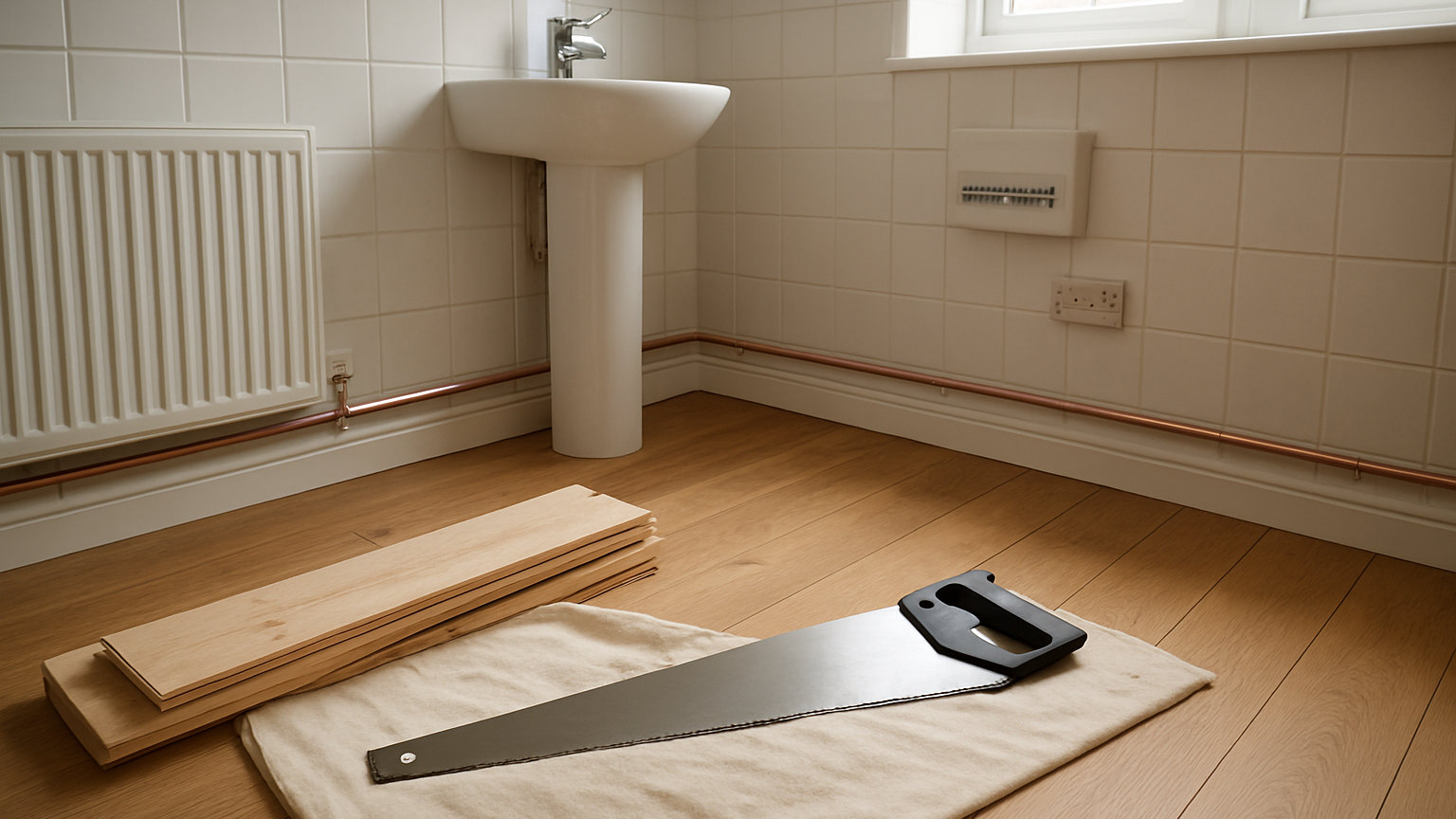
The trim covers the expansion gap and must not pin the floor down. Mitres, scribes, fixing to uneven walls, and which order to work in.
A squeak is movement, usually a board against a nail or a joist. Finding the source, and the fixes that work from above and below.
A ridge lifting across the middle of a room means the floor had nowhere to expand to. How much gap is needed, where, and how to fix a buckled floor.
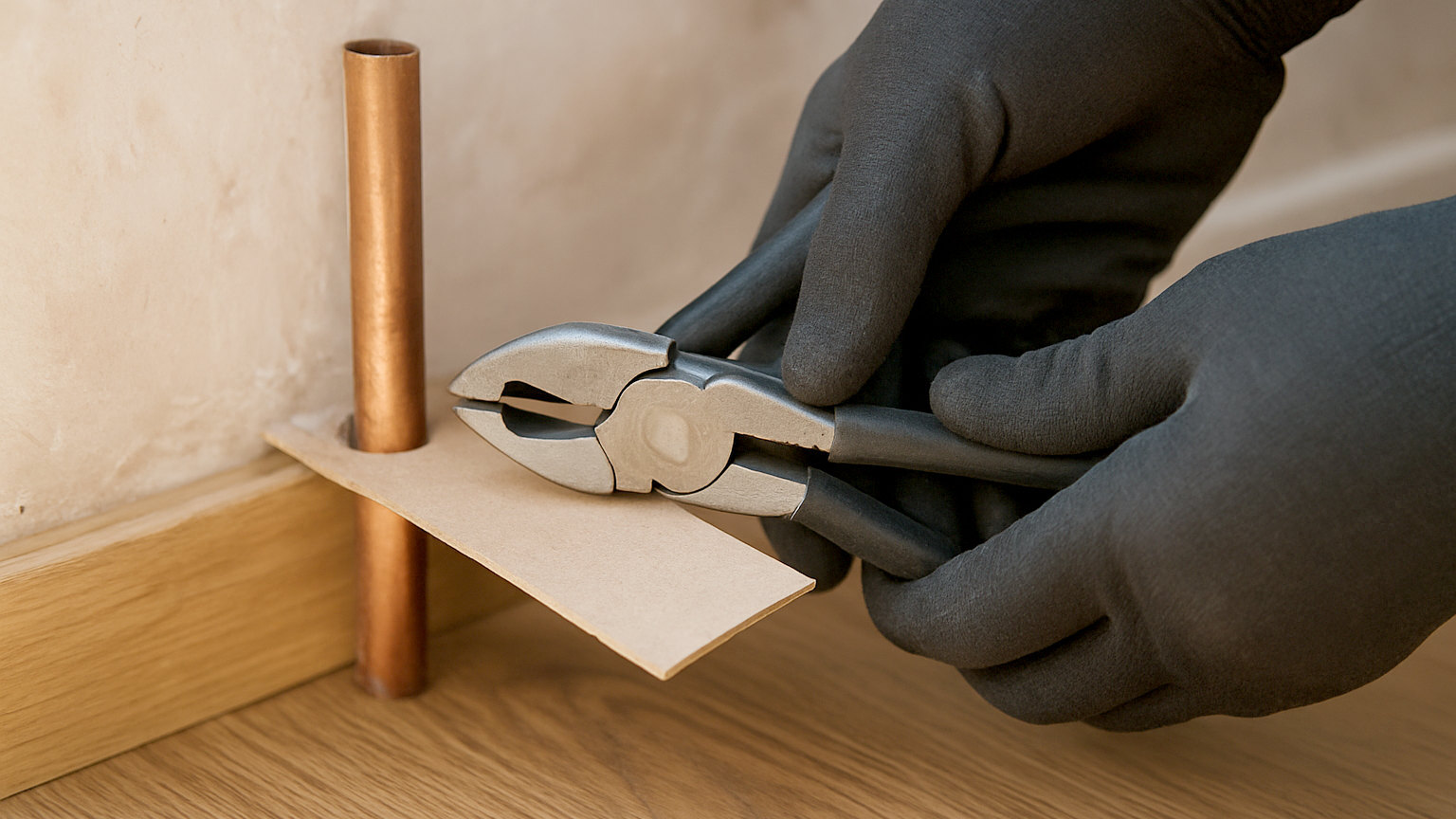
Door frames, pipes, toilets and awkward corners are what separate a neat floor from an obviously amateur one. Templates, undercutting and the tidy methods.
Floating, glued or secret nailed, and the choice depends on the subfloor. What differs from laminate, and why acclimatisation matters more here.
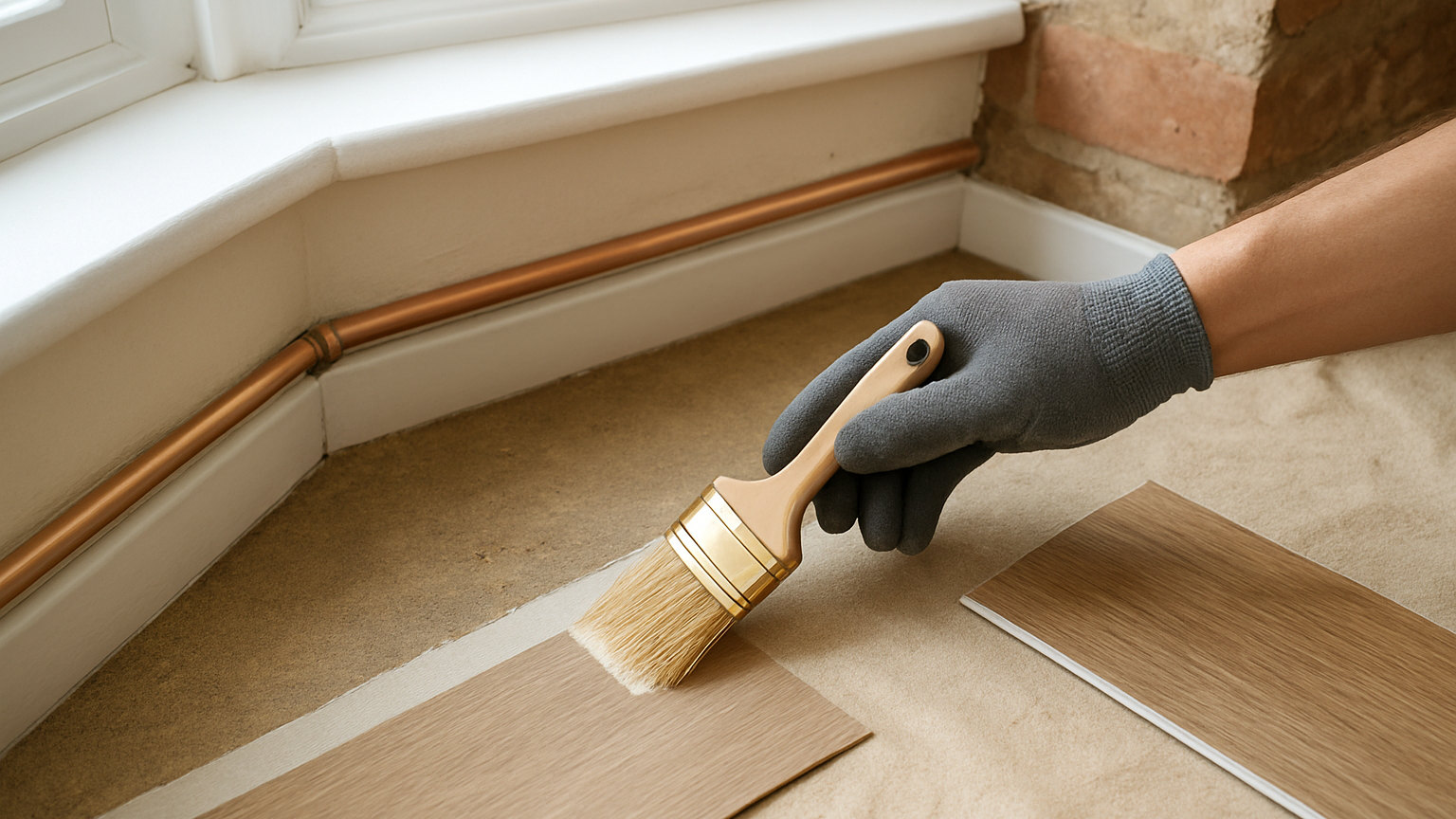
Both need a genuinely flat subfloor, since any imperfection shows through. Templating sheet vinyl, setting out LVT, and adhesive open times.
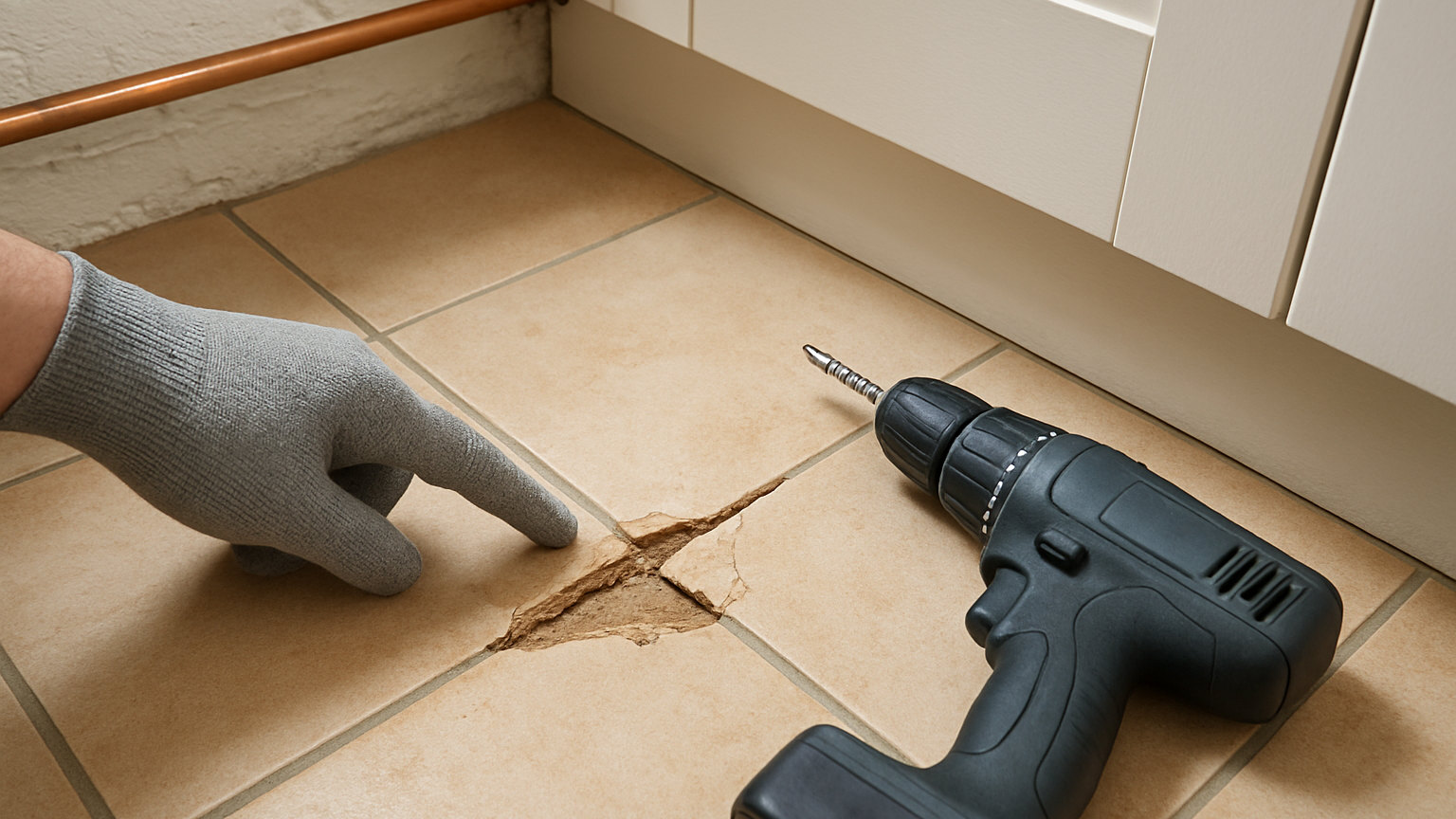
A floor that flexes cracks tiles, so the substrate matters more than the tiling. Overboarding, setting out from the centre, and getting tiles level.
Underlay absorbs small irregularities, quietens the floor and can carry a moisture barrier. Matching it to the covering, and where it is the wrong idea.
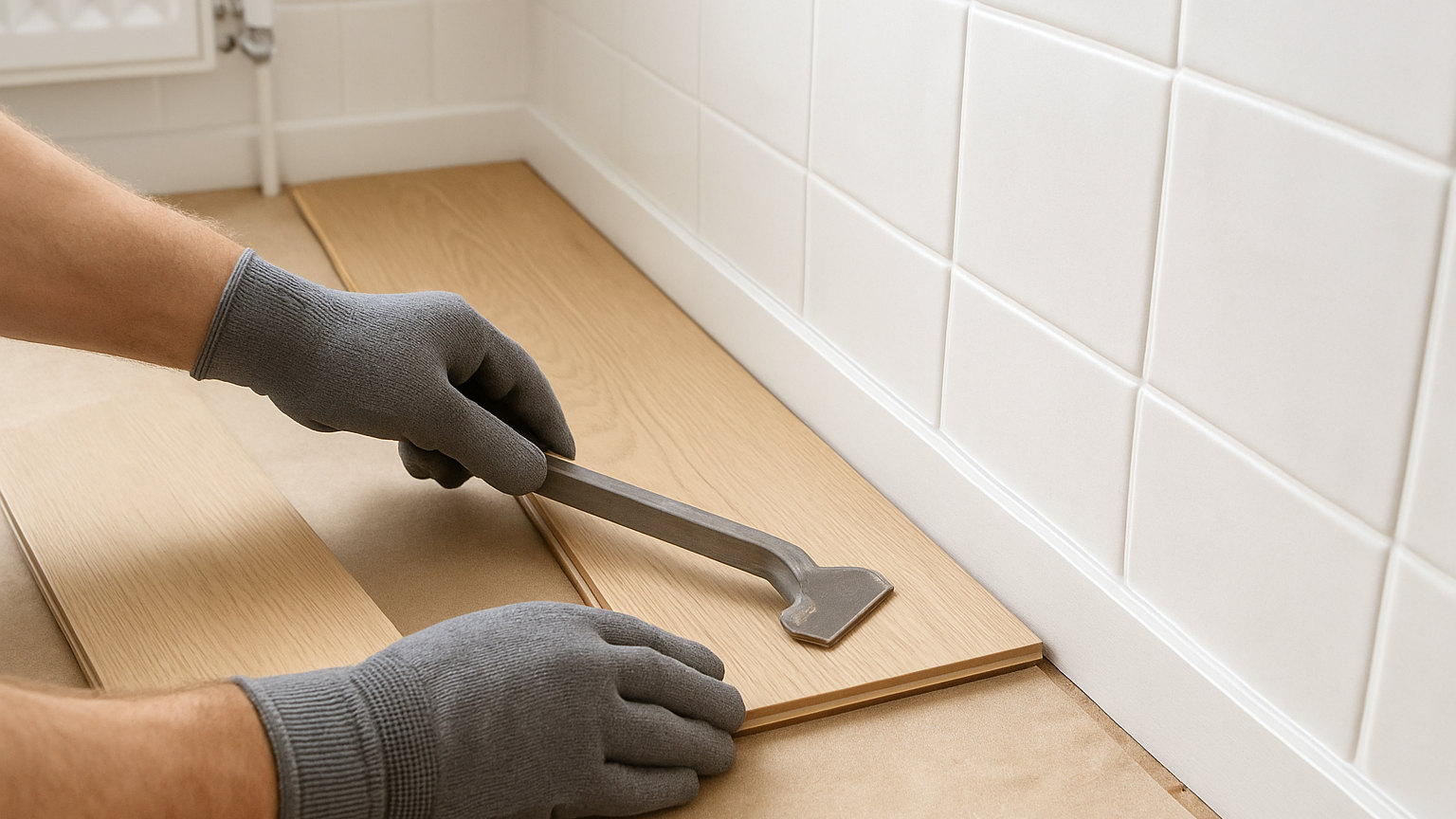
Acclimatise it, leave the expansion gap, and stagger the joints properly. The method, and the mistakes that cause a floor to lift or click.
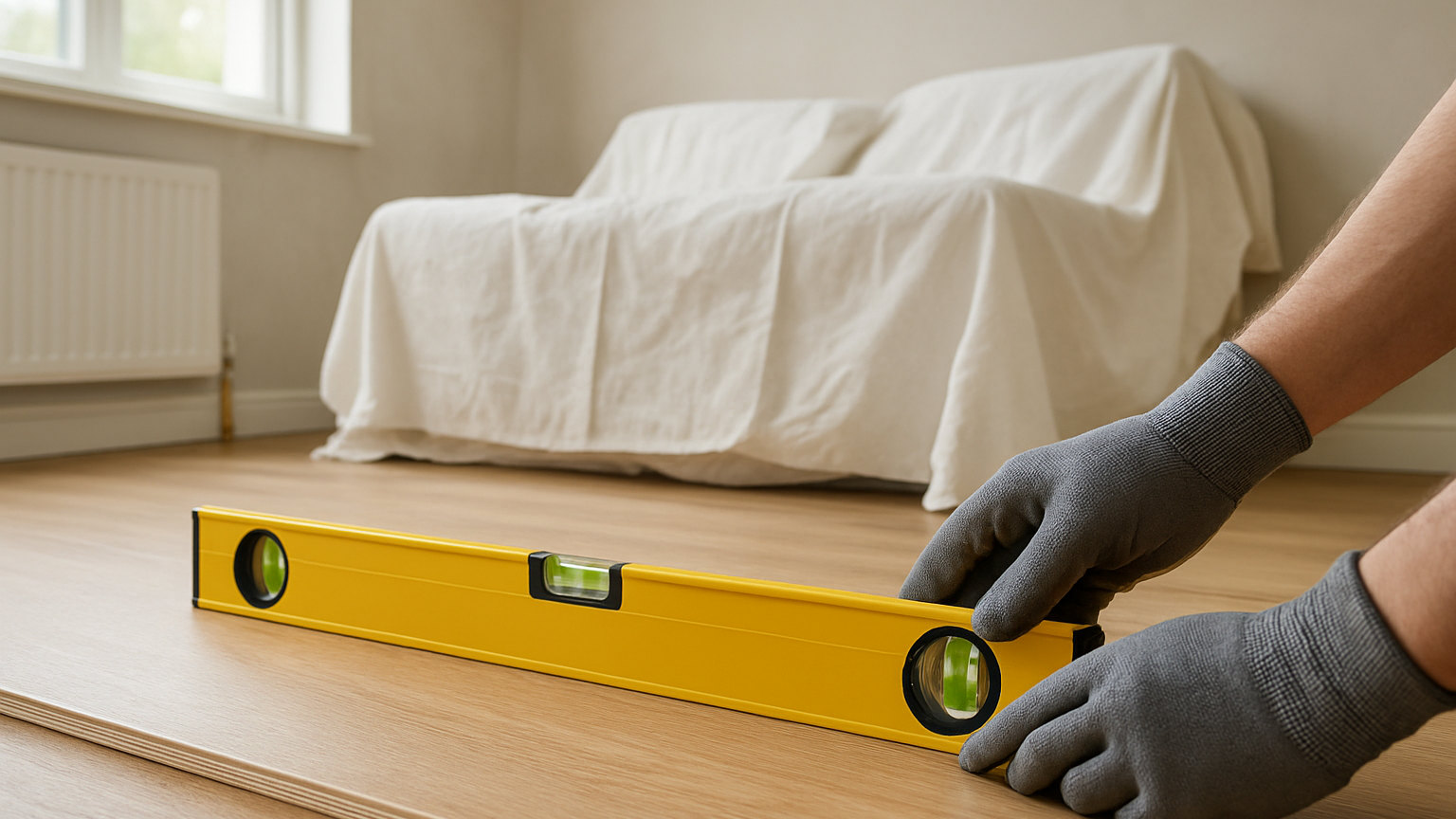
Every flooring failure that is not water is a subfloor failure. Checking for flatness, movement and damp, and what each covering needs underneath.
Self-levelling compound is not self-levelling if the preparation is wrong. Priming, mixing, depths, and dealing with a sloping floor rather than a bumpy one.