Damp Proof Membranes Under Floors
A concrete floor without a DPM will pass moisture into anything laid on it. When you need one, how to test, and where the membrane goes.
By DIY Guides Editorial
15 Dec 2025

The difference between a project that finishes and one that lives half-done in a spare room is almost always the planning. These guides cover the bigger jobs - what order to do them in, what they realistically cost, how long they take when you are working evenings and weekends, and which parts you should be honest with yourself about handing to a trade. Every guide flags where building regulations or planning permission apply.
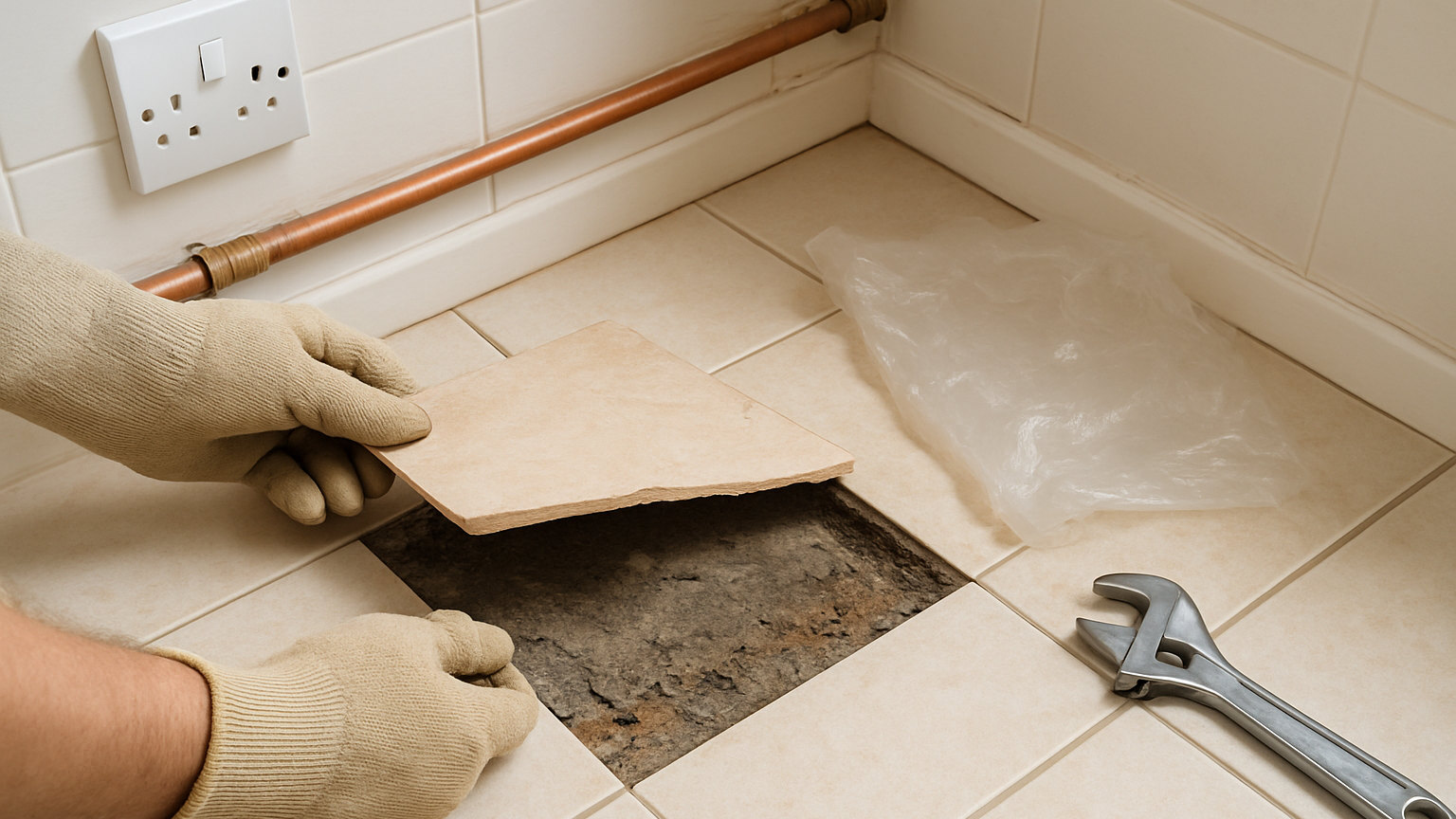
A concrete floor without a DPM will pass moisture into anything laid on it. When you need one, how to test, and where the membrane goes.
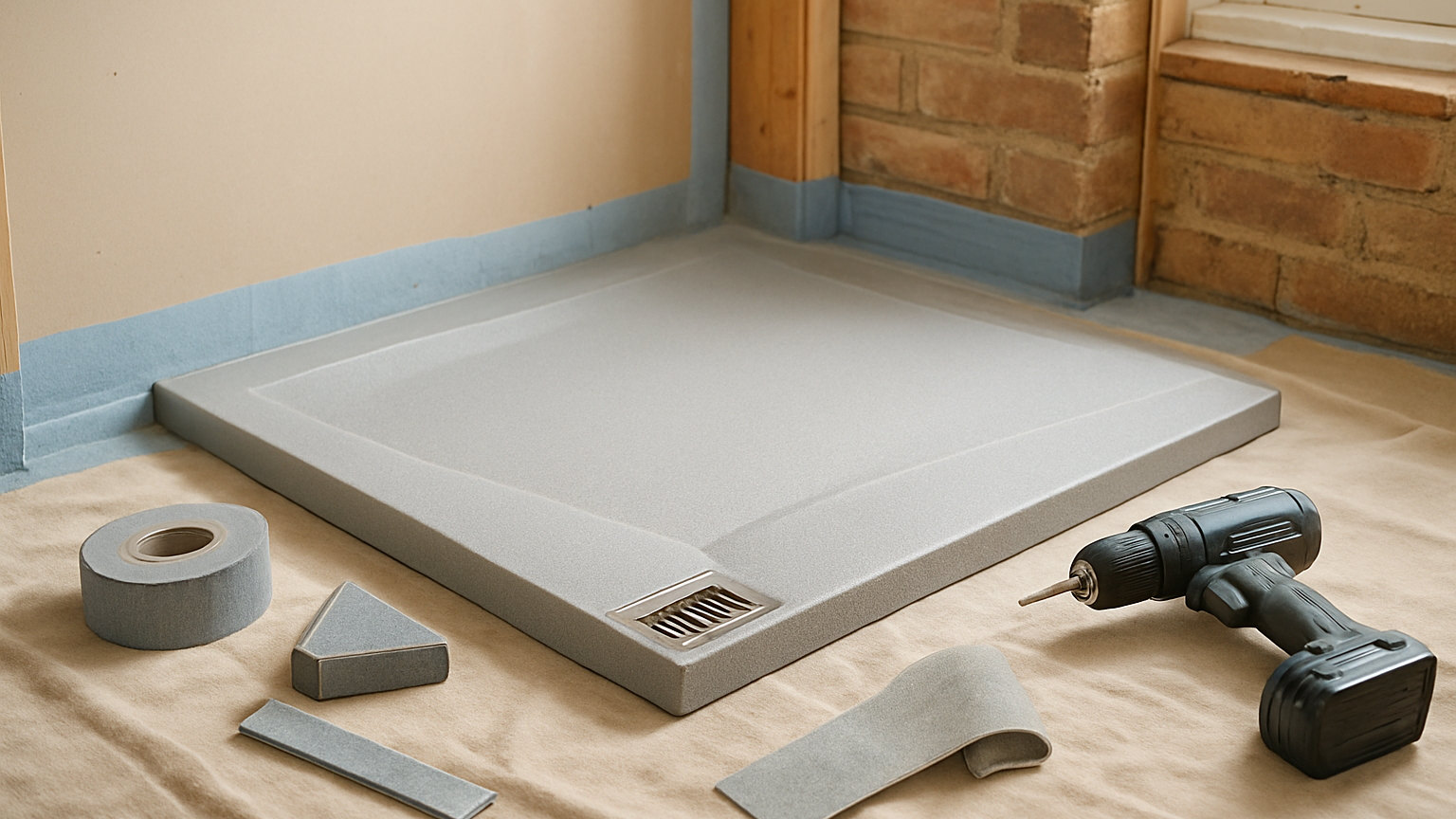
The whole floor is the shower tray, so the waterproofing and the falls have to be right everywhere. What a wet room actually requires.
Water, traffic and warmth pull in different directions. What suits a kitchen, a bathroom, a hall and a bedroom, and what to avoid where.
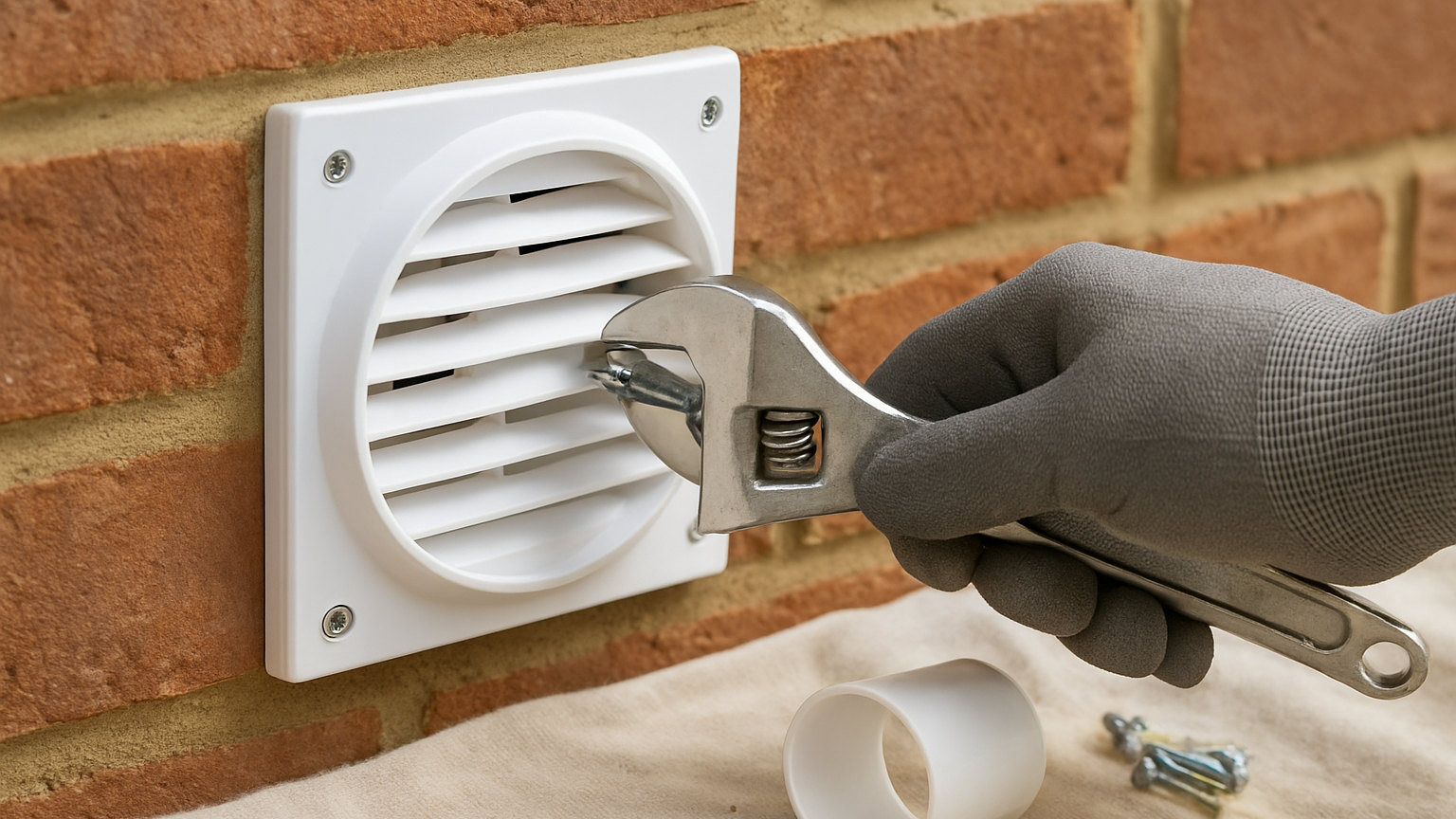
Extraction removes the moisture that causes mould everywhere else in the house. Required rates, duct routes, and why running the fan longer matters.
Water reaches the floor whatever you do, so the perimeter matters as much as the material. What survives a bathroom, and preparing the subfloor.
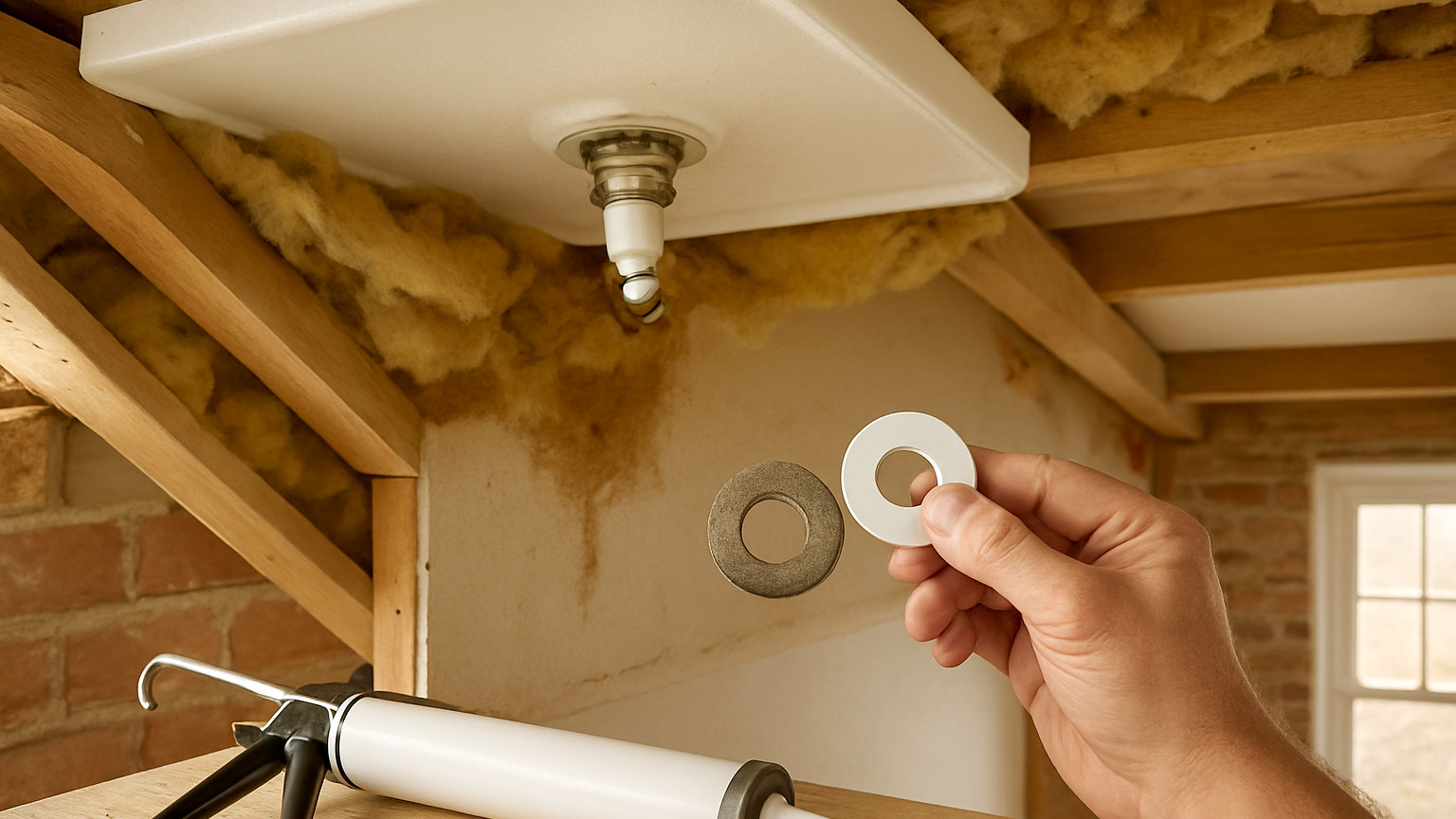
A stain on the ceiling below rarely appears under the leak. How to trace where water is actually getting in, and the usual culprits in order.
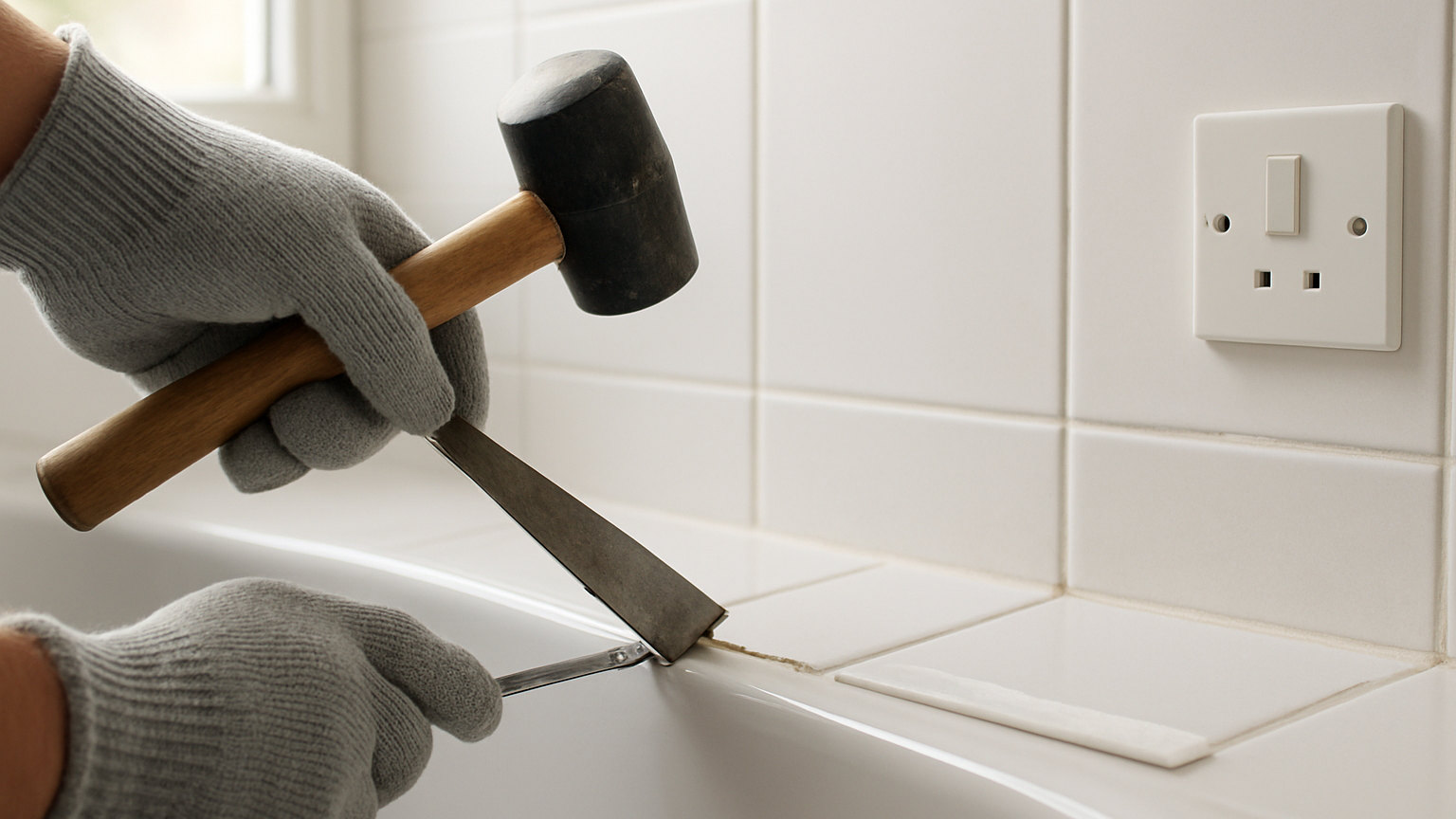
Silicone fails because the old sealant was not fully removed or the surface was damp. How to strip, prepare and apply a bead that lasts.
Water and electricity share a small room, so the rules are strict. What the zones mean, what may be fitted where, and why this is notifiable work.
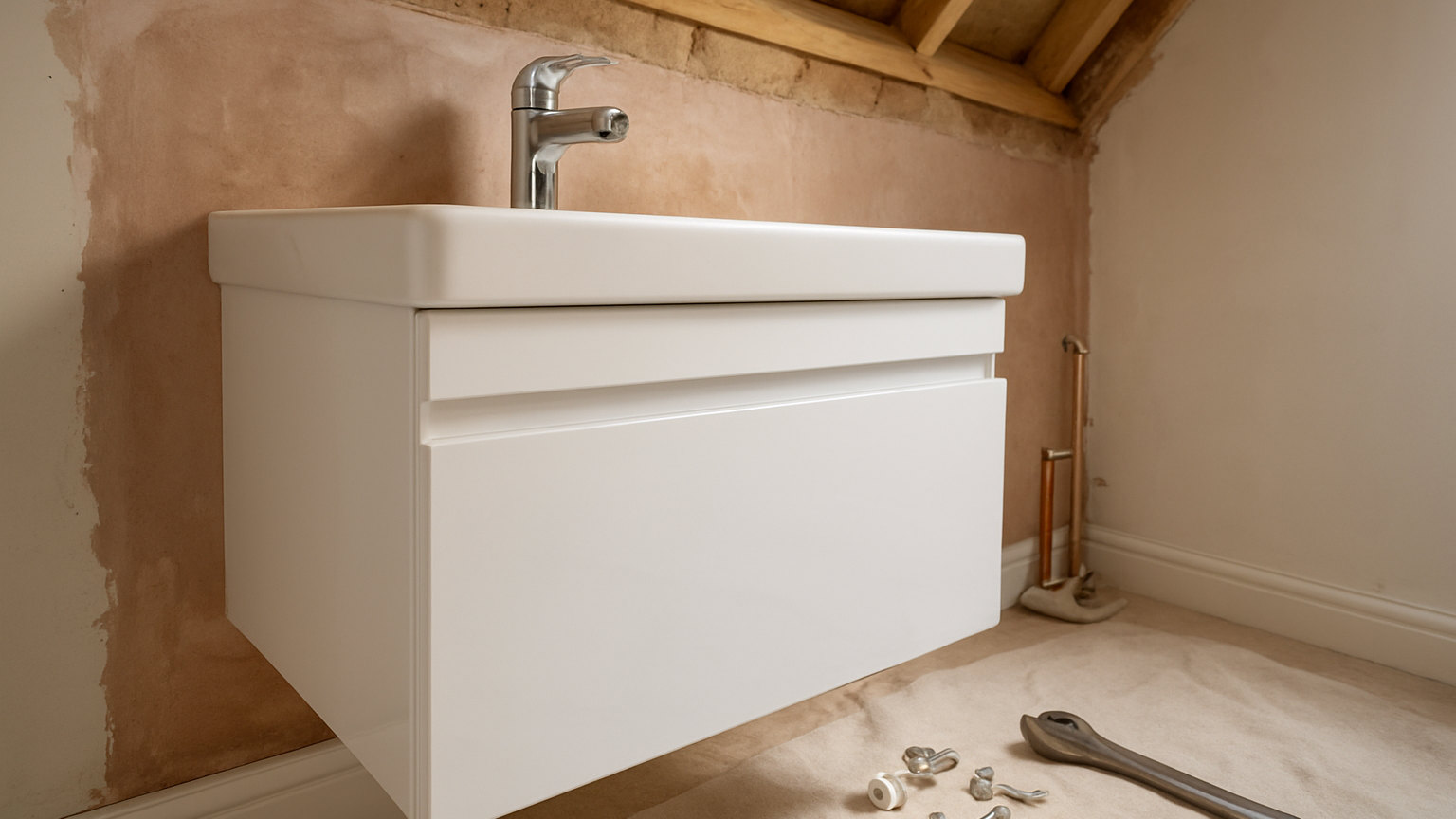
A wall-hung basin needs a fixing that will take a person leaning on it. Heights, fixings, and assembling the tap and waste before it goes up.
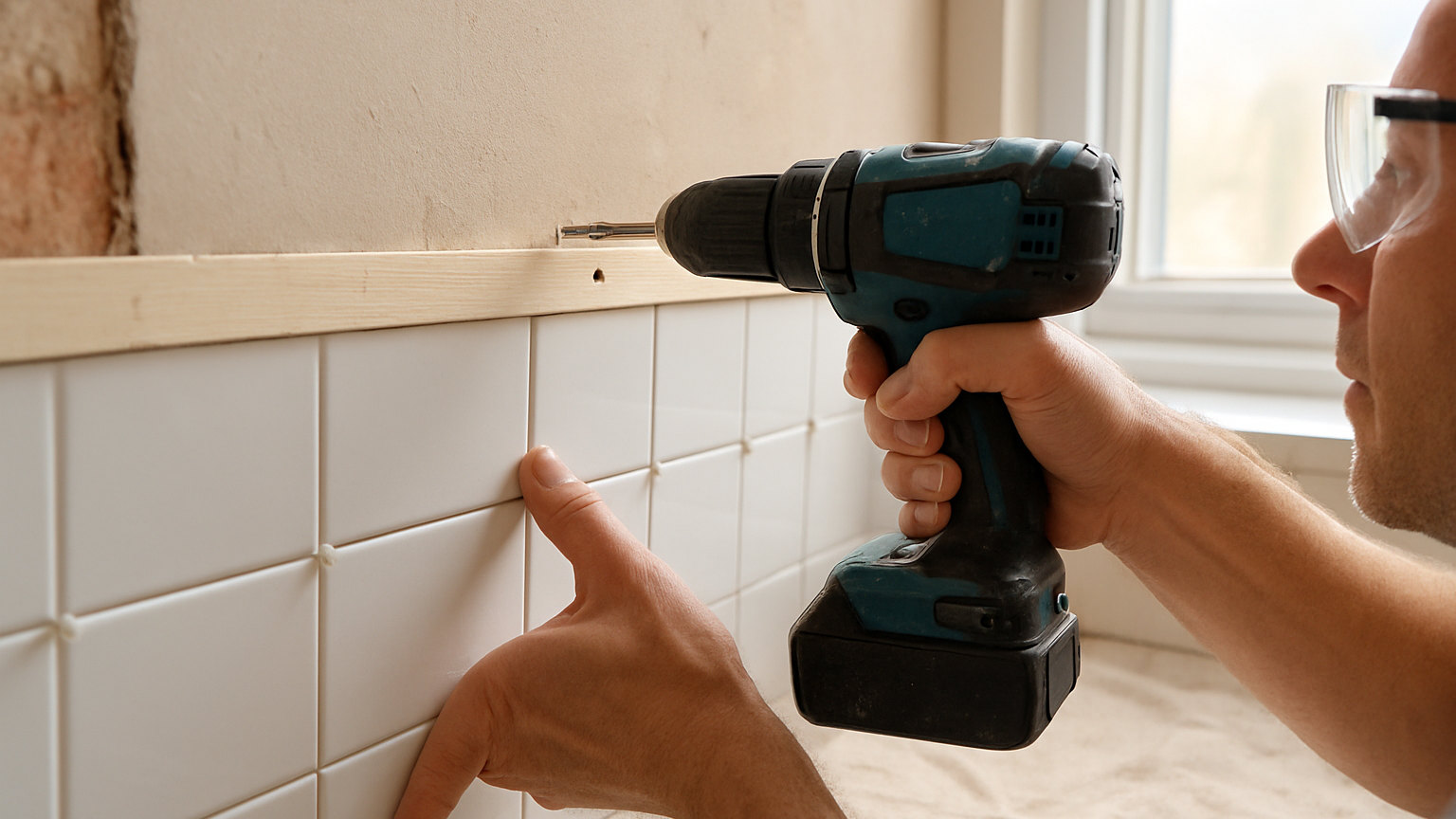
Setting out decides how a tiled wall looks, and it is done before any adhesive is mixed. Finding the centre, using a batten, and cutting neatly.
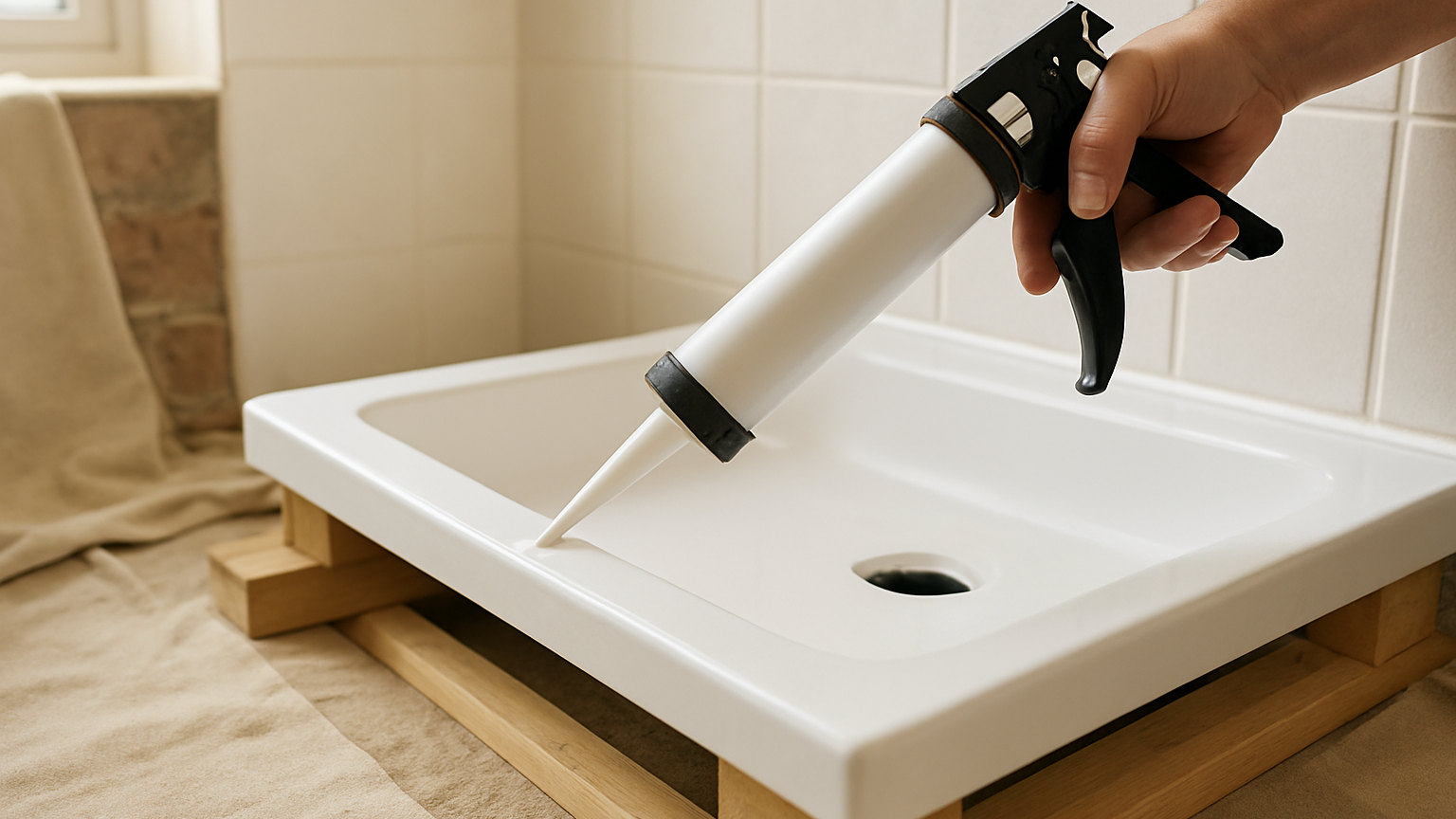
A tray must be level and fully supported, and the waste has to be reachable. Bedding the tray, setting out the enclosure, and sealing in the right order.
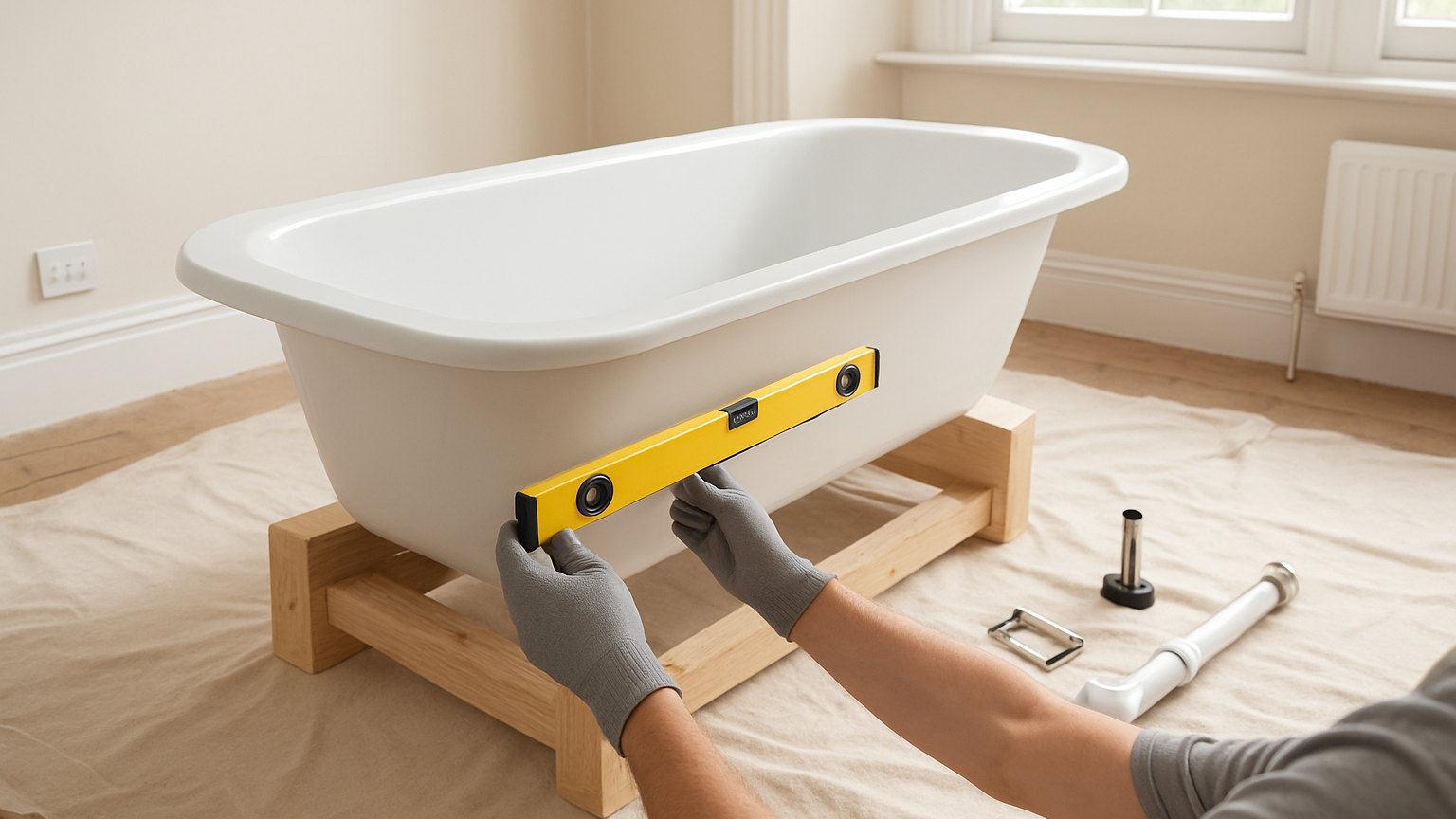
Support the cradle properly, connect the waste before it goes against the wall, and fill the bath before sealing. The sequence that avoids leaks.