A Toolkit for Decorating
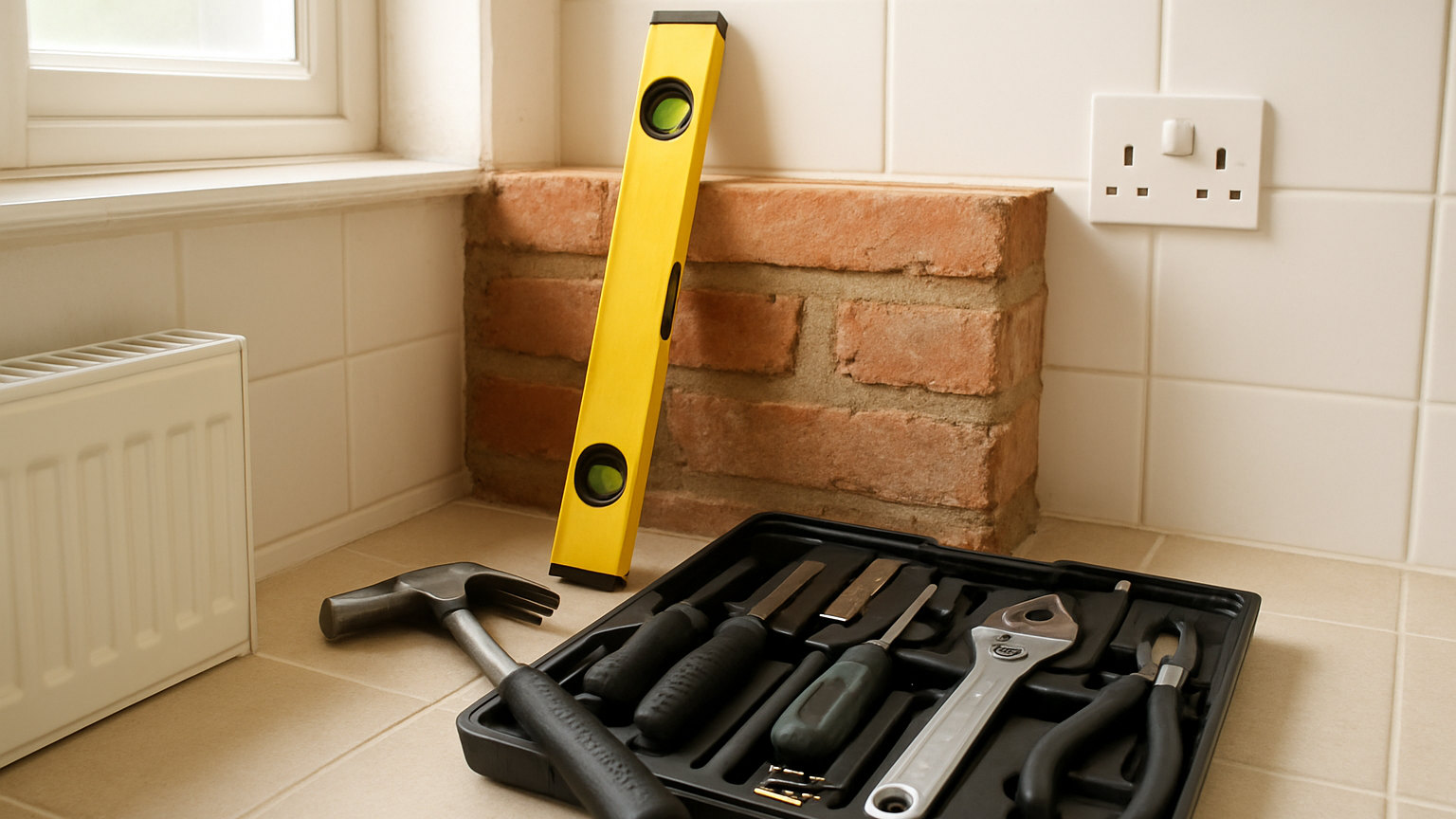
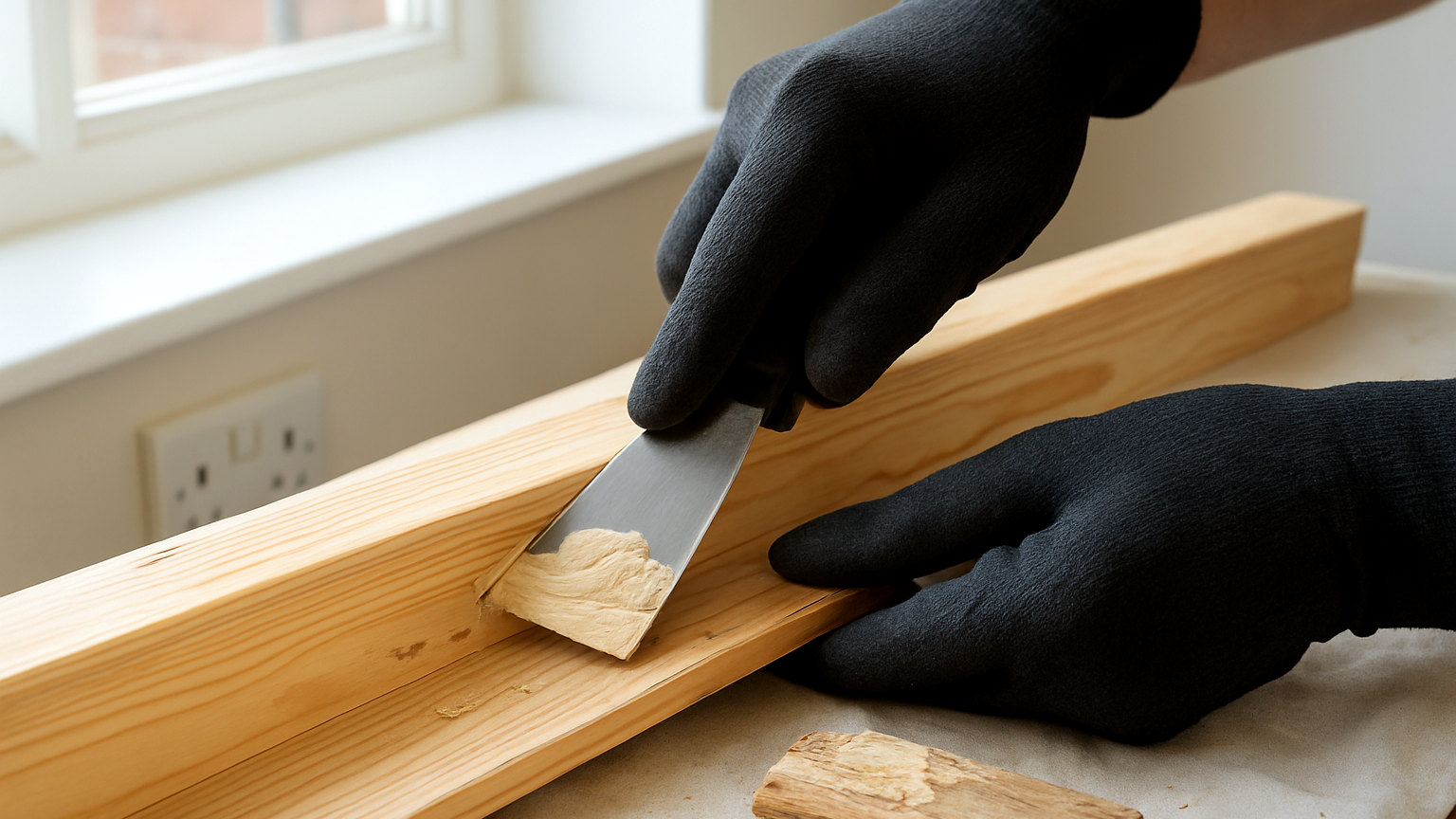
Most of a decorating kit is preparation tools, which is where the finish comes from. What to buy well and what to throw away.
By DIY Guides Editorial
22 Jul 2026

Tool advice is mostly written by people selling tools, which is why every list runs to forty items. These guides work out what genuinely earns a place in a domestic toolbox, where buying cheap is a false economy and where it makes no difference at all, and what to hire rather than own. There is also a straight guide to fixings, because using the wrong plug in the wrong wall is behind a remarkable number of failed jobs.
Most of a decorating kit is preparation tools, which is where the finish comes from. What to buy well and what to throw away.
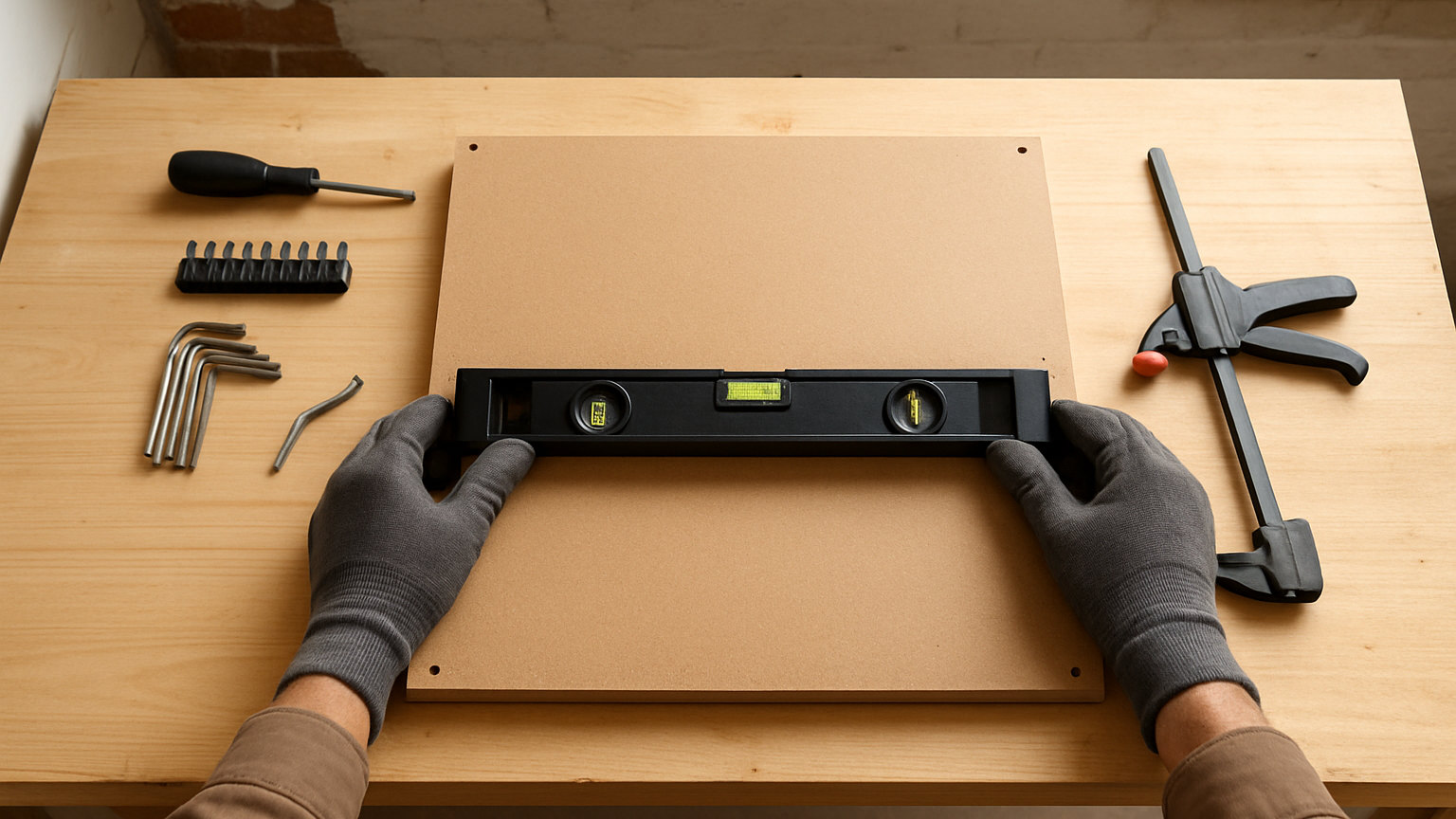
The supplied allen key is the problem, not the instructions. A handful of tools that turn an afternoon into an hour.
Limited storage, limited noise tolerance and a landlord who wants the walls back as they were. A kit that fits a drawer.
Old hand tools are frequently better than new ones at the same price. What to check, what to avoid, and where electrical safety matters.
Combination sets, single purpose gadgets and the things that look indispensable in a shop. What to leave on the shelf.
Cheap works fine for some tools and ruins the job for others. The line falls in a fairly predictable place.
Which to buy first, second and tenth, and why the order matters when the budget arrives a bit at a time.
Every starter list runs to forty items because it was written by someone selling tools. The short version that covers most household jobs.
Builders merchants, DIY sheds and online each suit different purchases. Trade accounts, quantities, delivery and what to check on arrival.
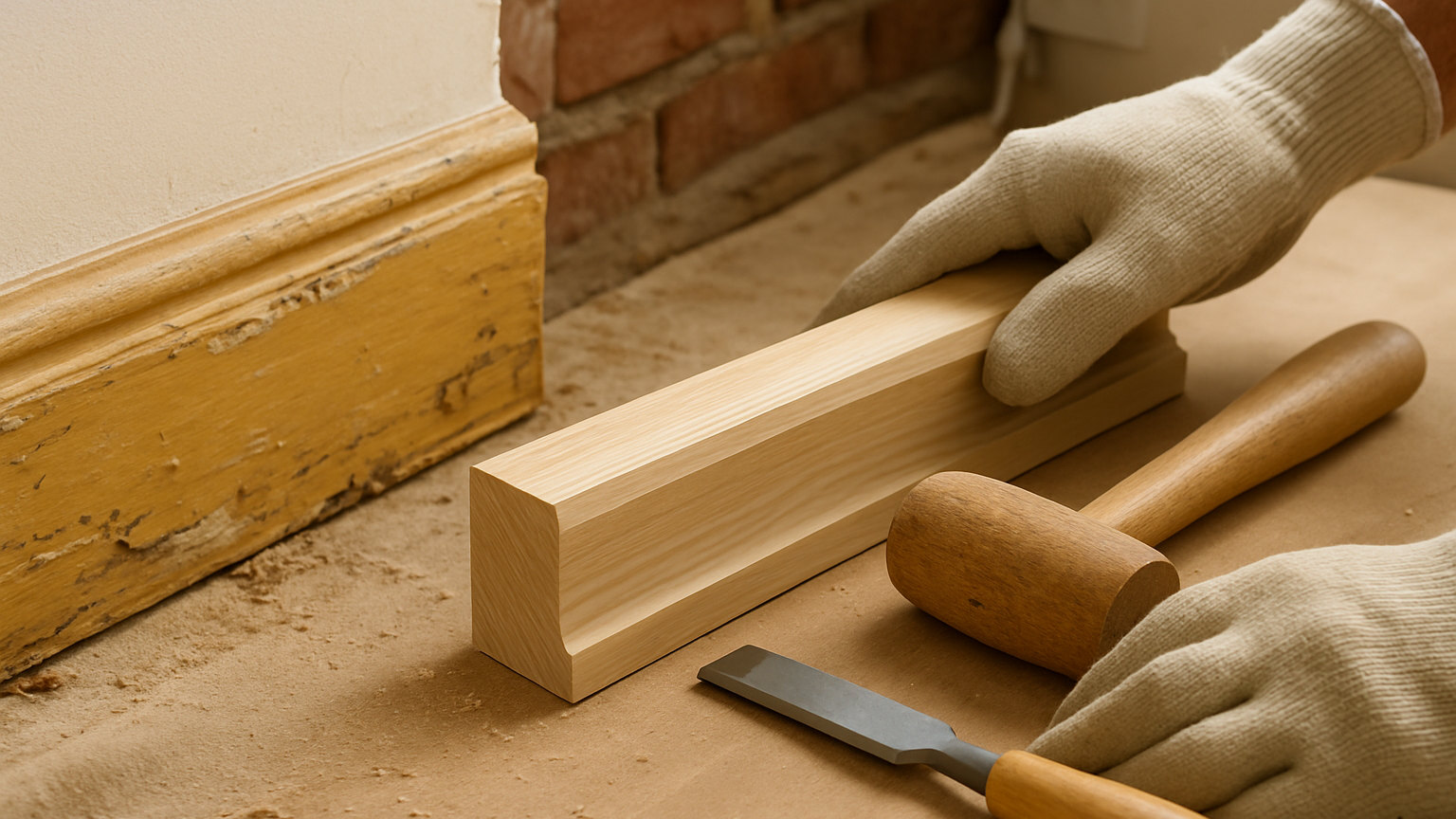
Reclaimed materials are frequently better quality and always more characterful. What to check, where to look, and the pitfalls.
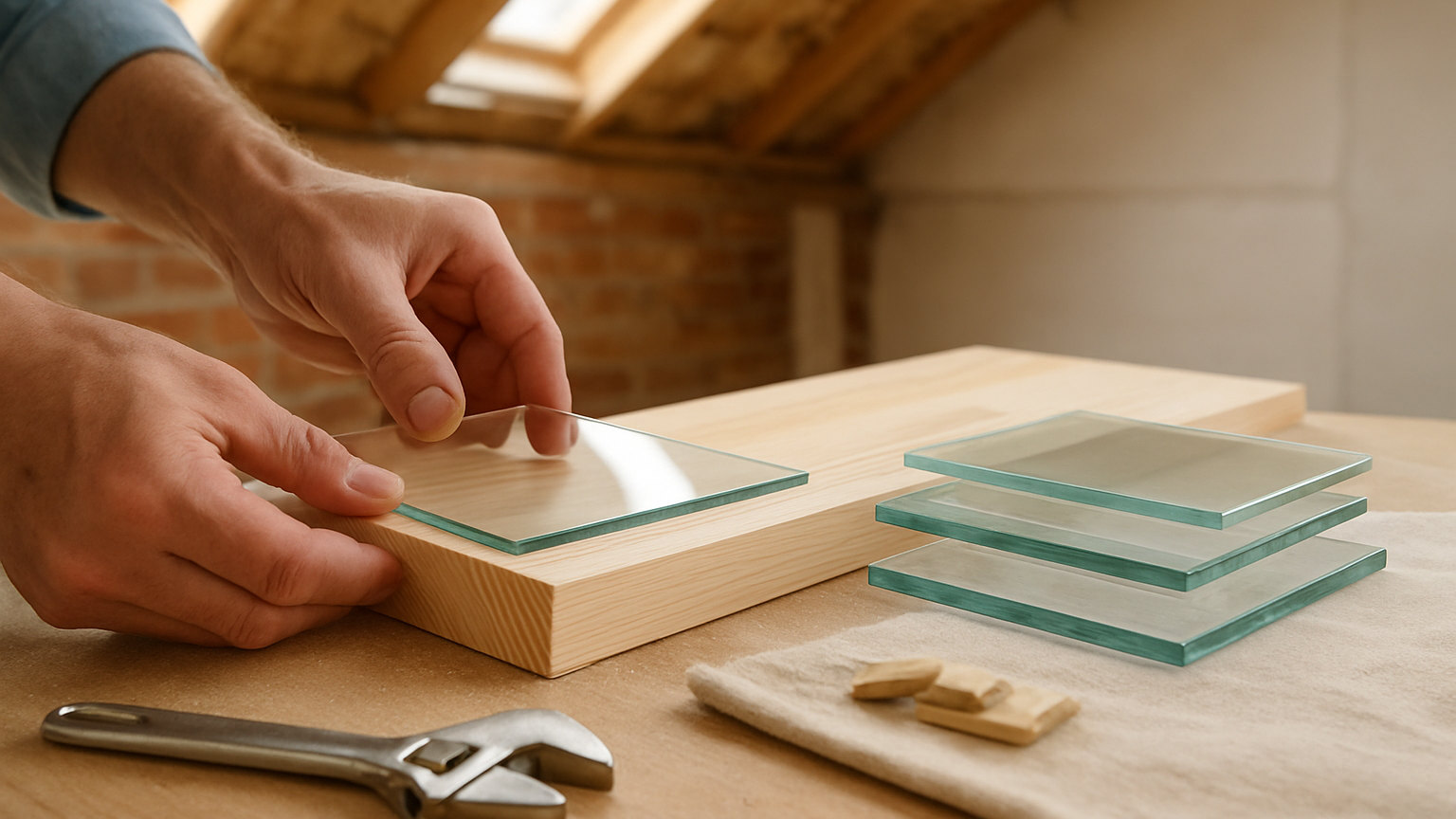
Toughened, laminated and float glass, and the critical locations where safety glass is required by law.
Coverage figures, drying times, batch numbers and hazard symbols. What the label actually tells you, and what it leaves out.