Papering Around Sockets
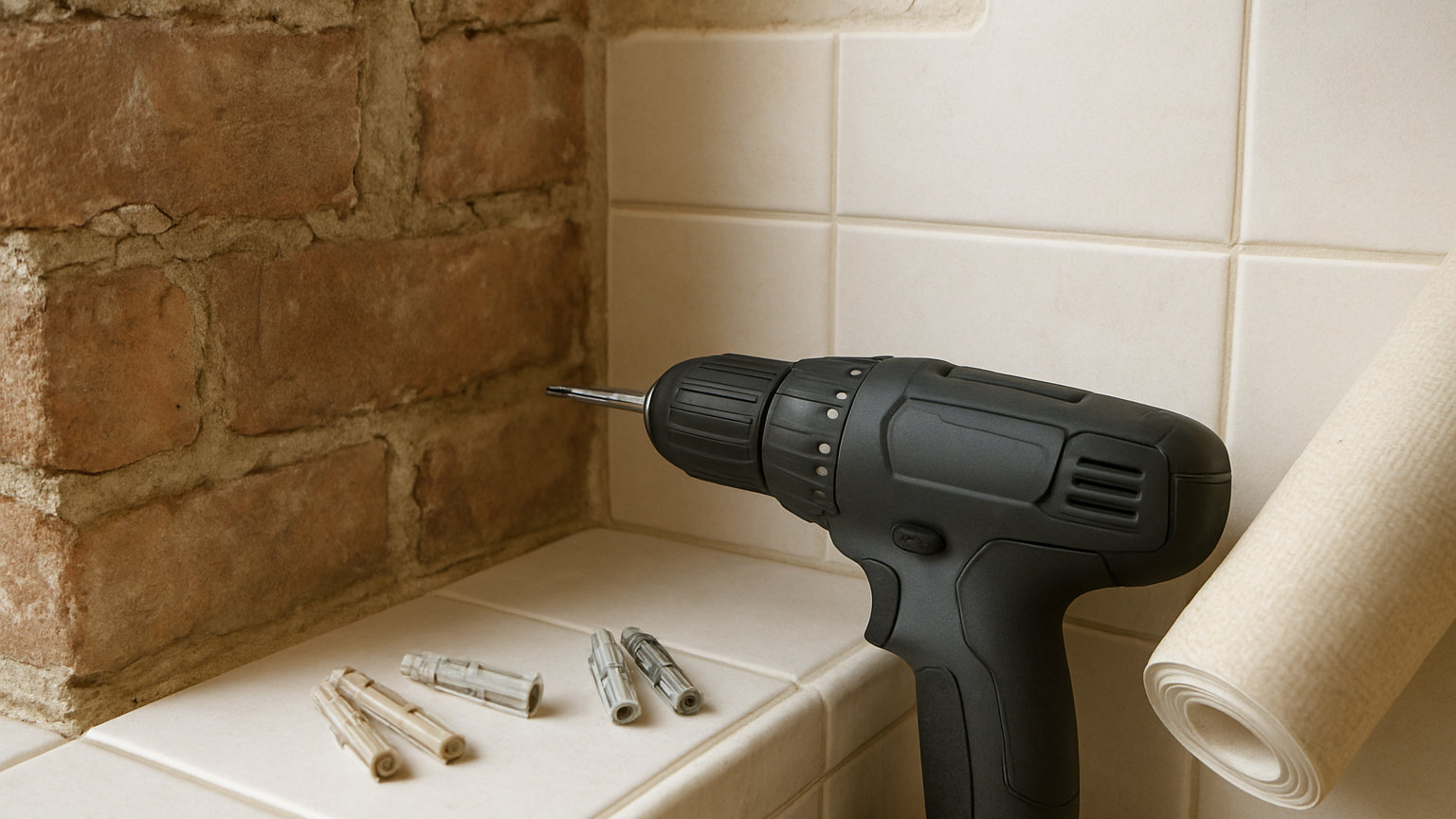
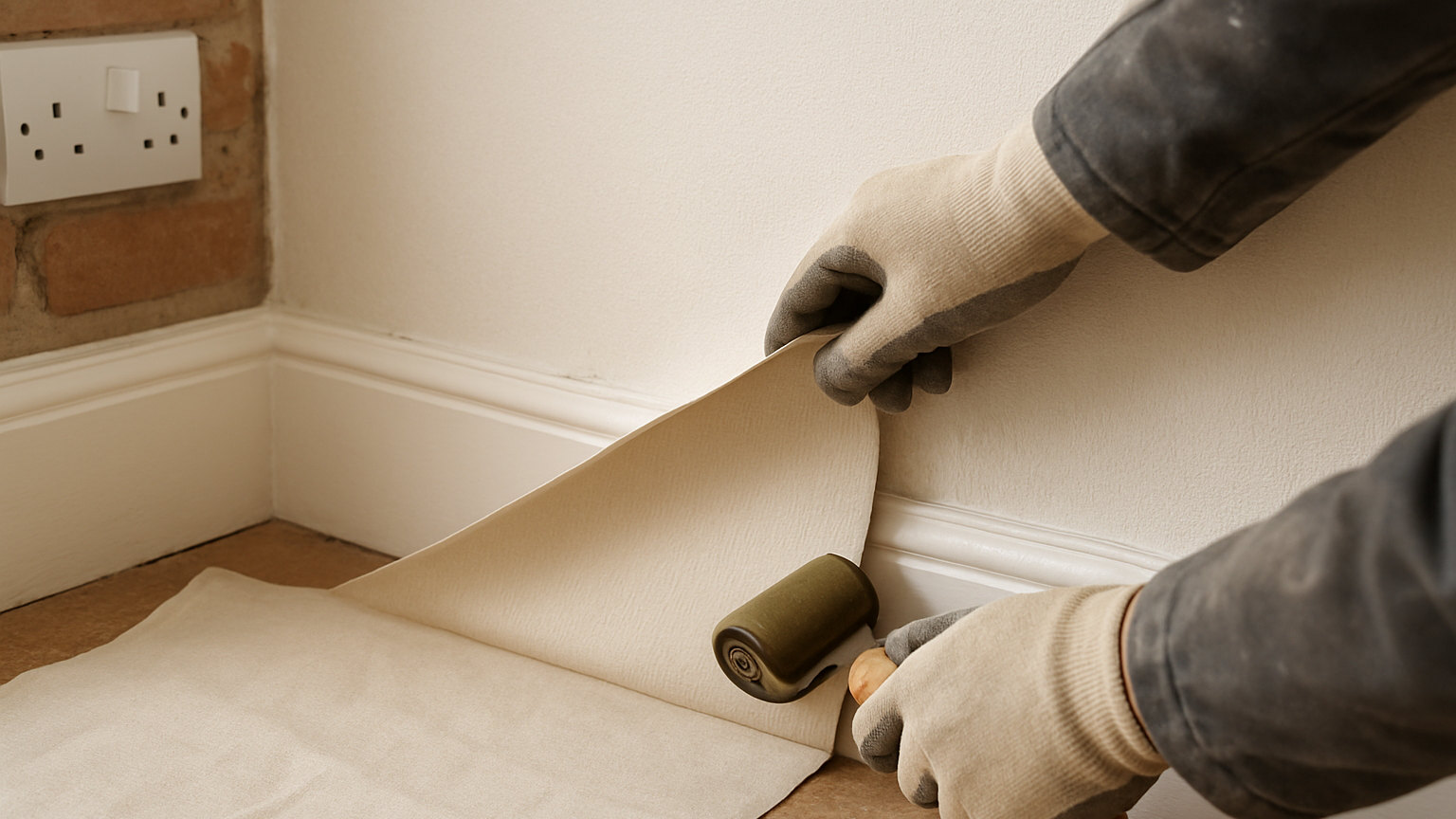
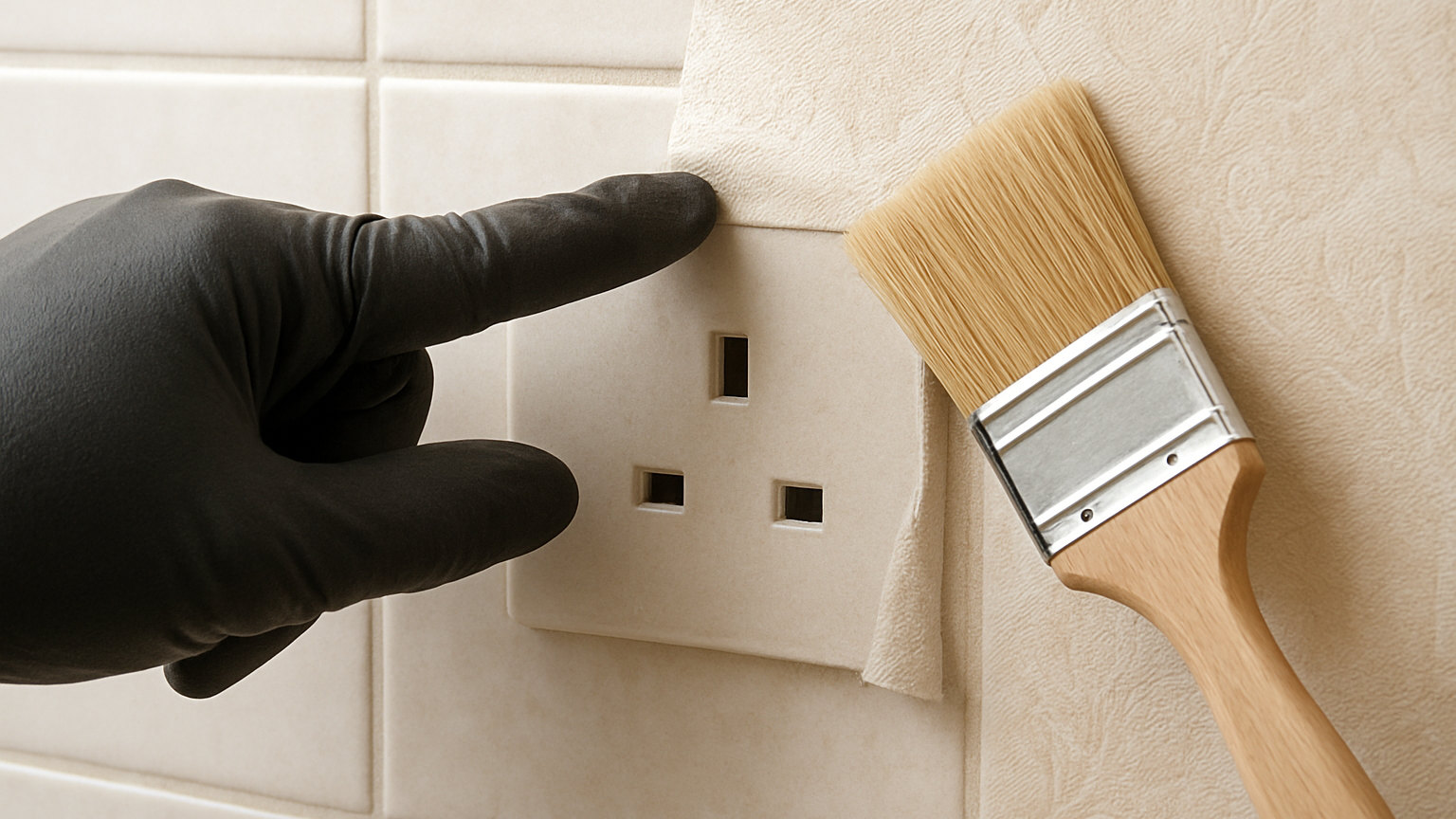
Isolate the circuit, loosen the faceplate and tuck the paper behind it. The cross-cut method, and why you never paper over a socket.
By DIY Guides Editorial
7 Feb 2026

Decorating is nine parts preparation and one part paint, and almost every disappointing finish traces back to the part that was skipped. These guides go through filling, sanding, caulking and priming before they get to the fun bit, explain which finish belongs on which surface, and cover the jobs - cutting in, hanging paper on a papered wall, tiling a wall that is not square - where technique genuinely matters.
Isolate the circuit, loosen the faceplate and tuck the paper behind it. The cross-cut method, and why you never paper over a socket.
The focal point of the room, so the pattern is centred here and worked outwards. Handling the two external corners and the alcoves beside them.
Awkward, and manageable with a support and a second pair of hands. Working away from the light, supporting long lengths and keeping the joints tight.
Never carry a full width round a corner. Cut it, turn a small tongue, and re-plumb on the new wall so errors cannot accumulate.
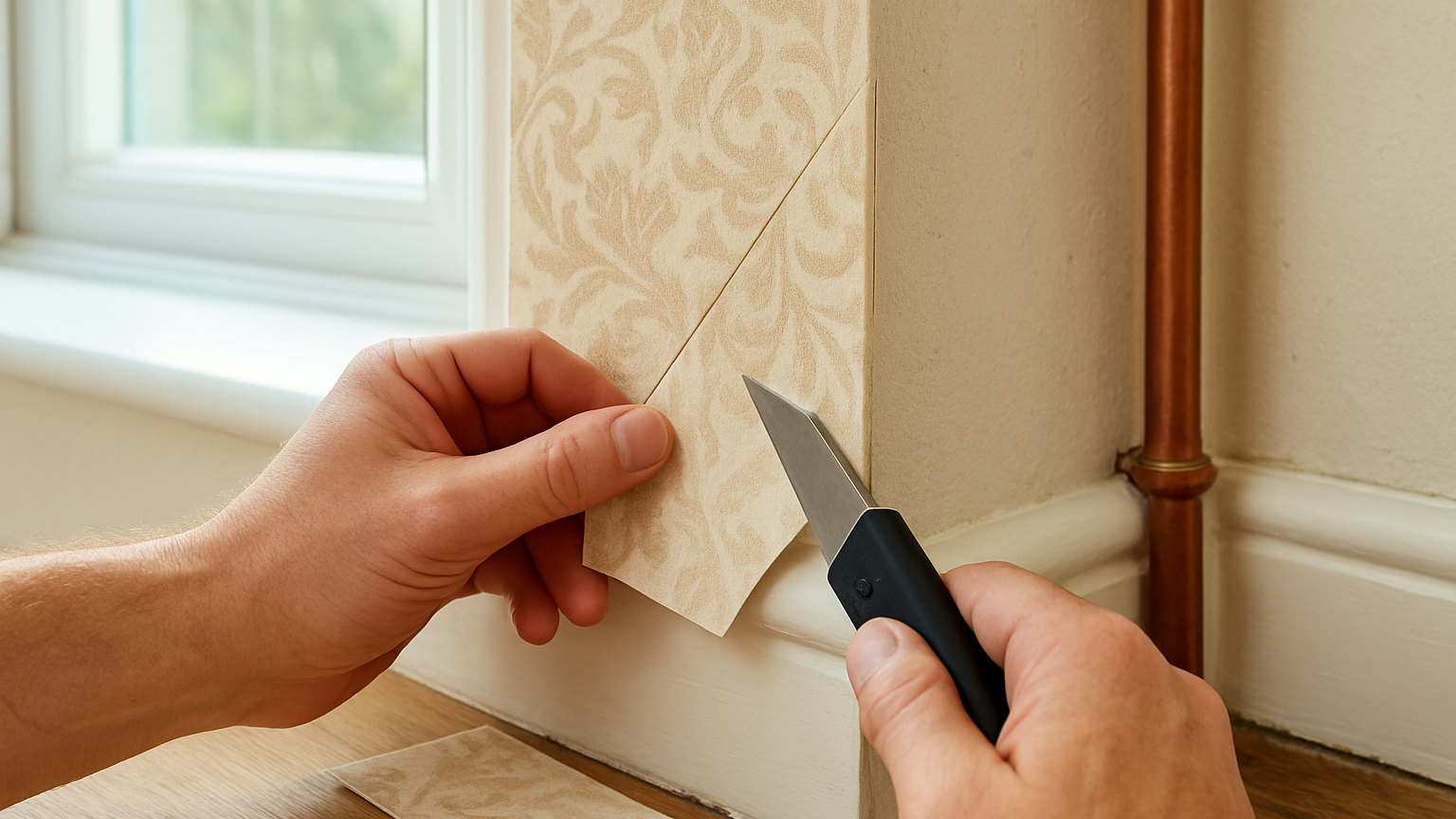
Diagonal cuts at the corners let the paper lie flat before trimming. The sequence for a window reveal, and how to use the offcuts above and below.
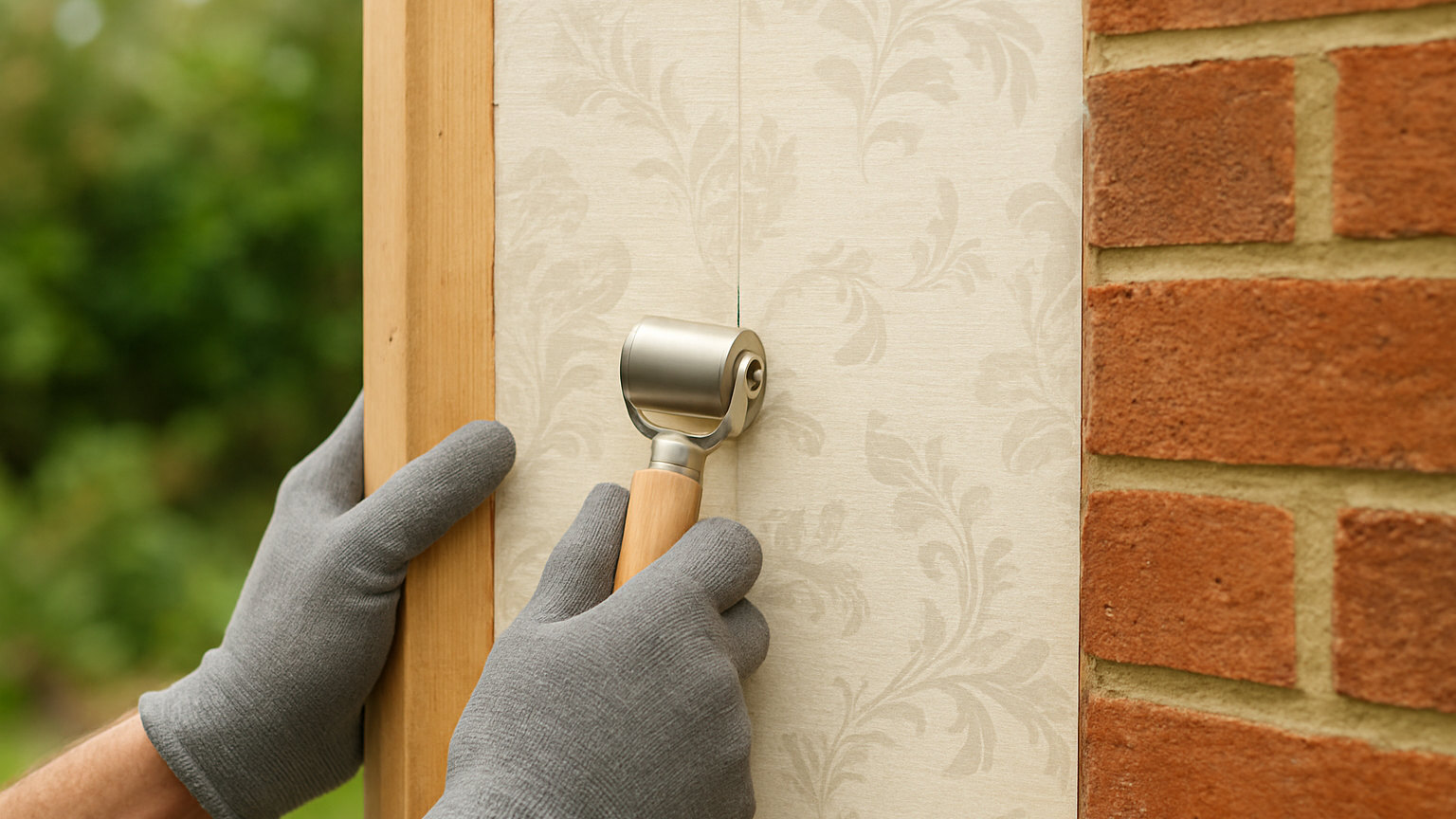
Everything after it follows the first drop, so it must be plumb rather than parallel to a corner. Marking the line, and where to start in the room.
Straight match, offset match and free match each waste a different amount. How to match at the joint, and where to position the pattern vertically.
Hung horizontally under paint so the joints never coincide with anything. The grades, the method, and why it beats filling a bad wall.
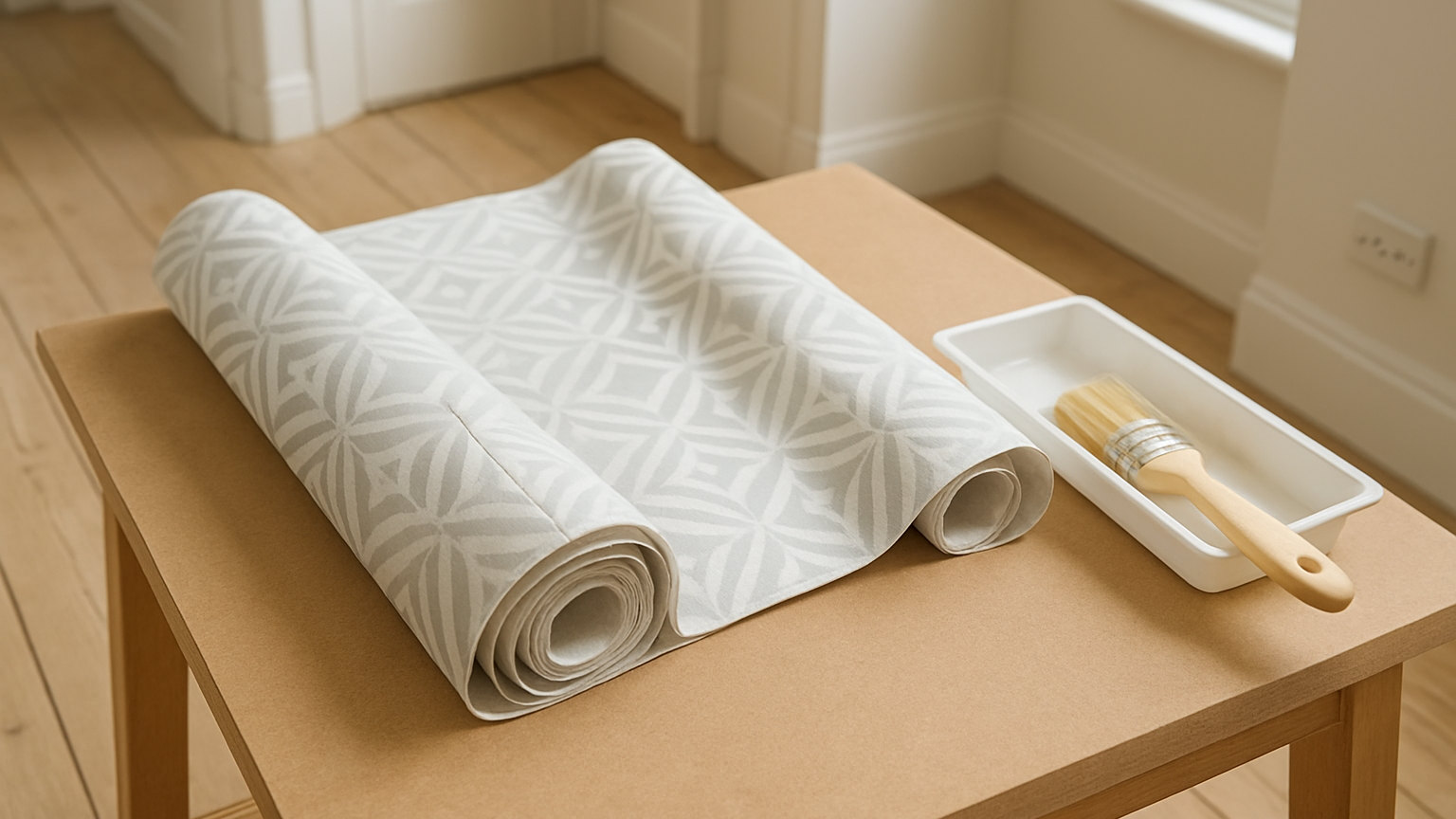
The soaking time must be identical for every length or the pattern will not match. Mixing paste, pasting technique and folding without creasing.
No table, no soaking and the paper does not expand. The method from the roll to the wall, and why it is the easier type to hang.
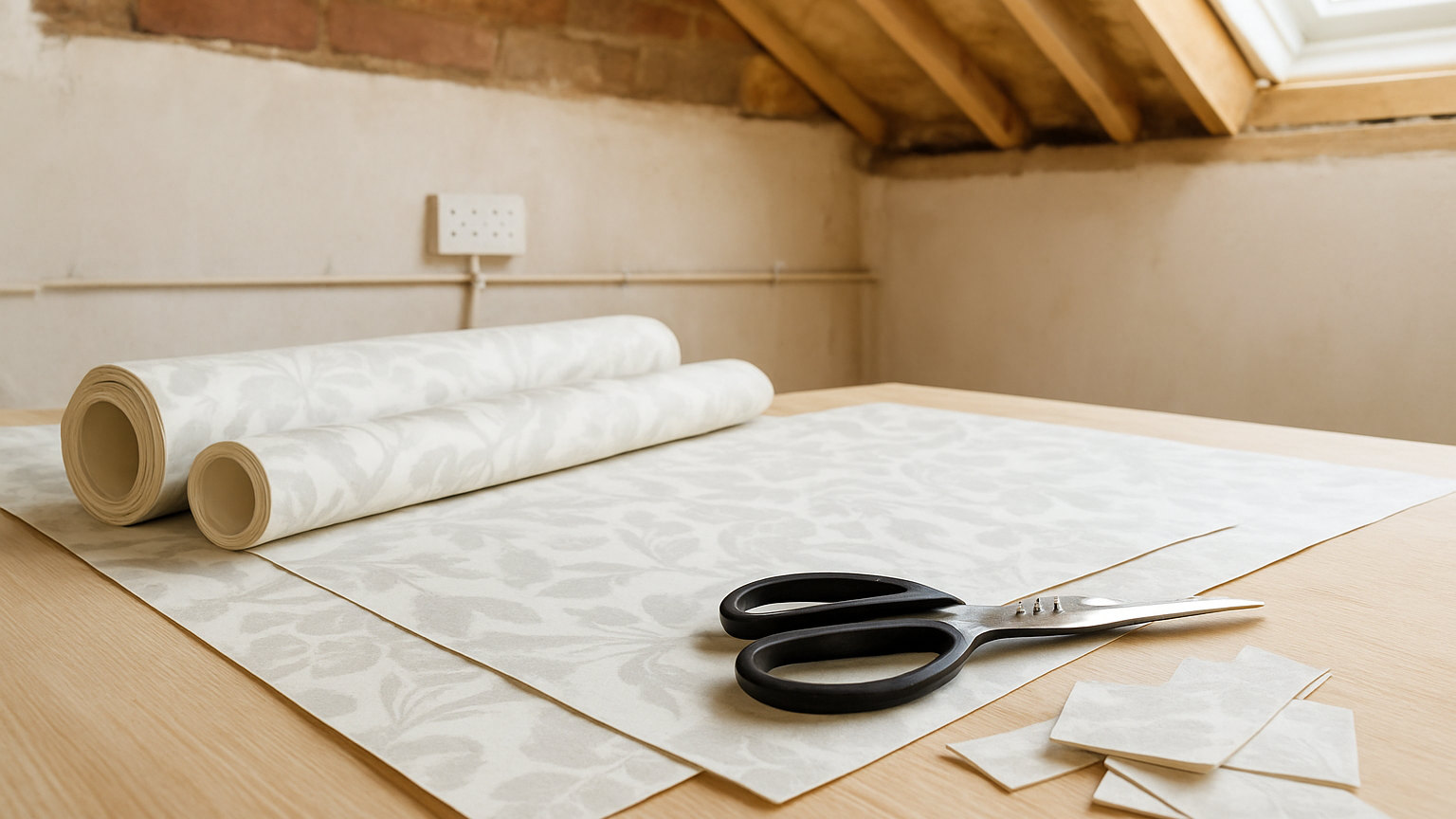
Work in drops, not square metres, because the pattern repeat decides the waste. The calculation, worked through, with the allowances that matter.
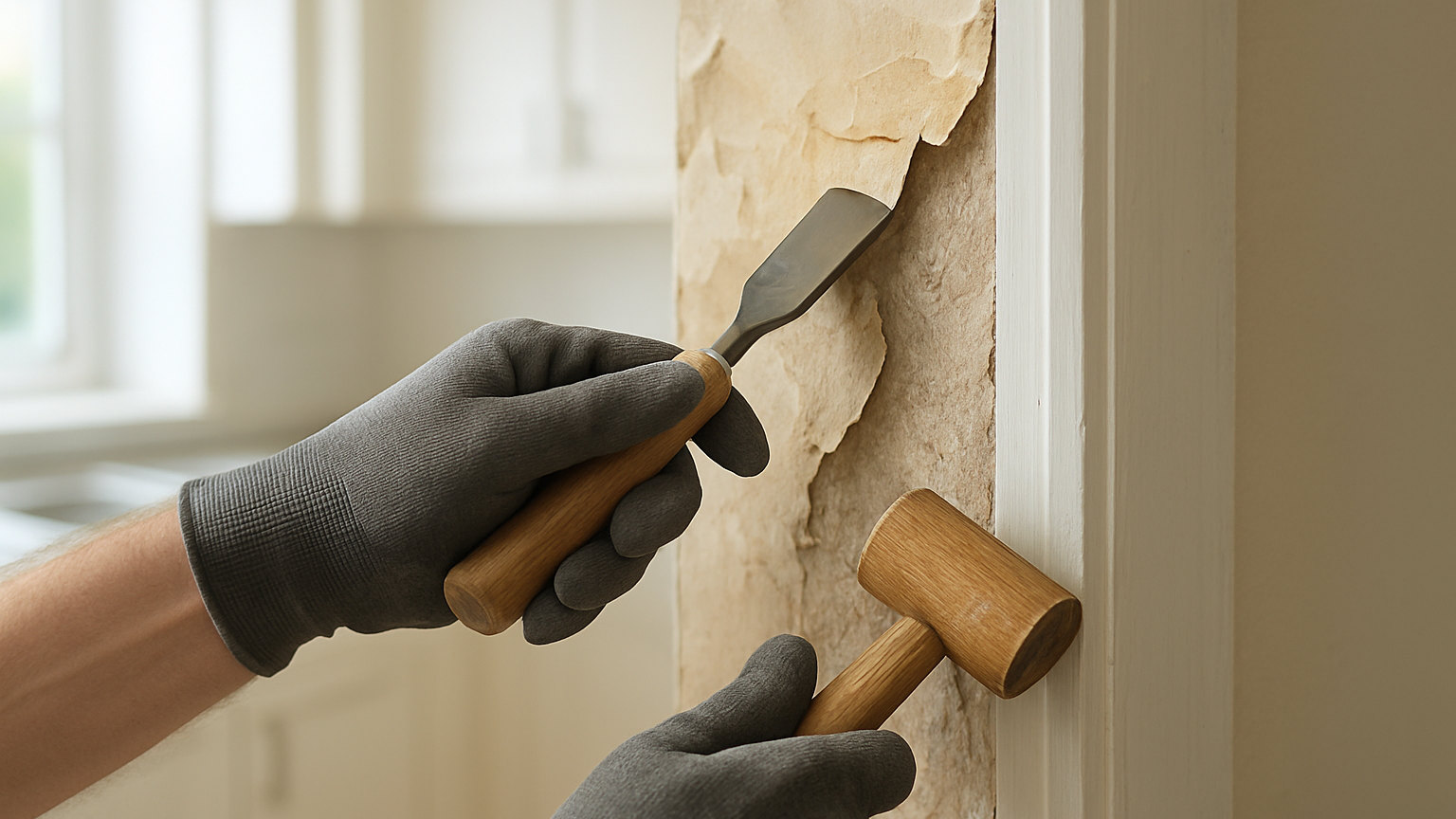
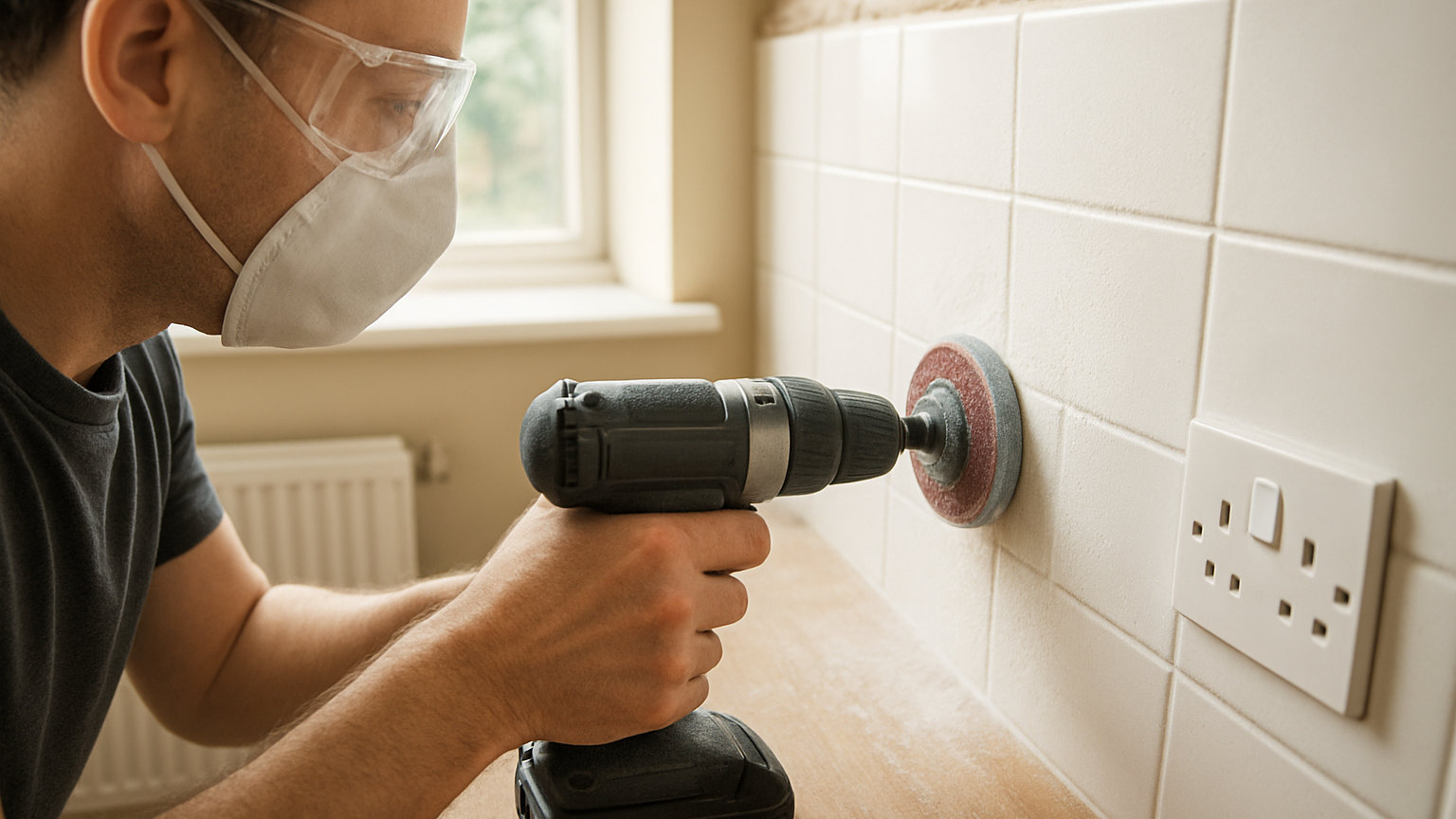
Paper sticks to what is underneath, so old paste, distemper and bare plaster all need dealing with. Filling, sizing and testing adhesion.