How to Paint Exterior Woodwork
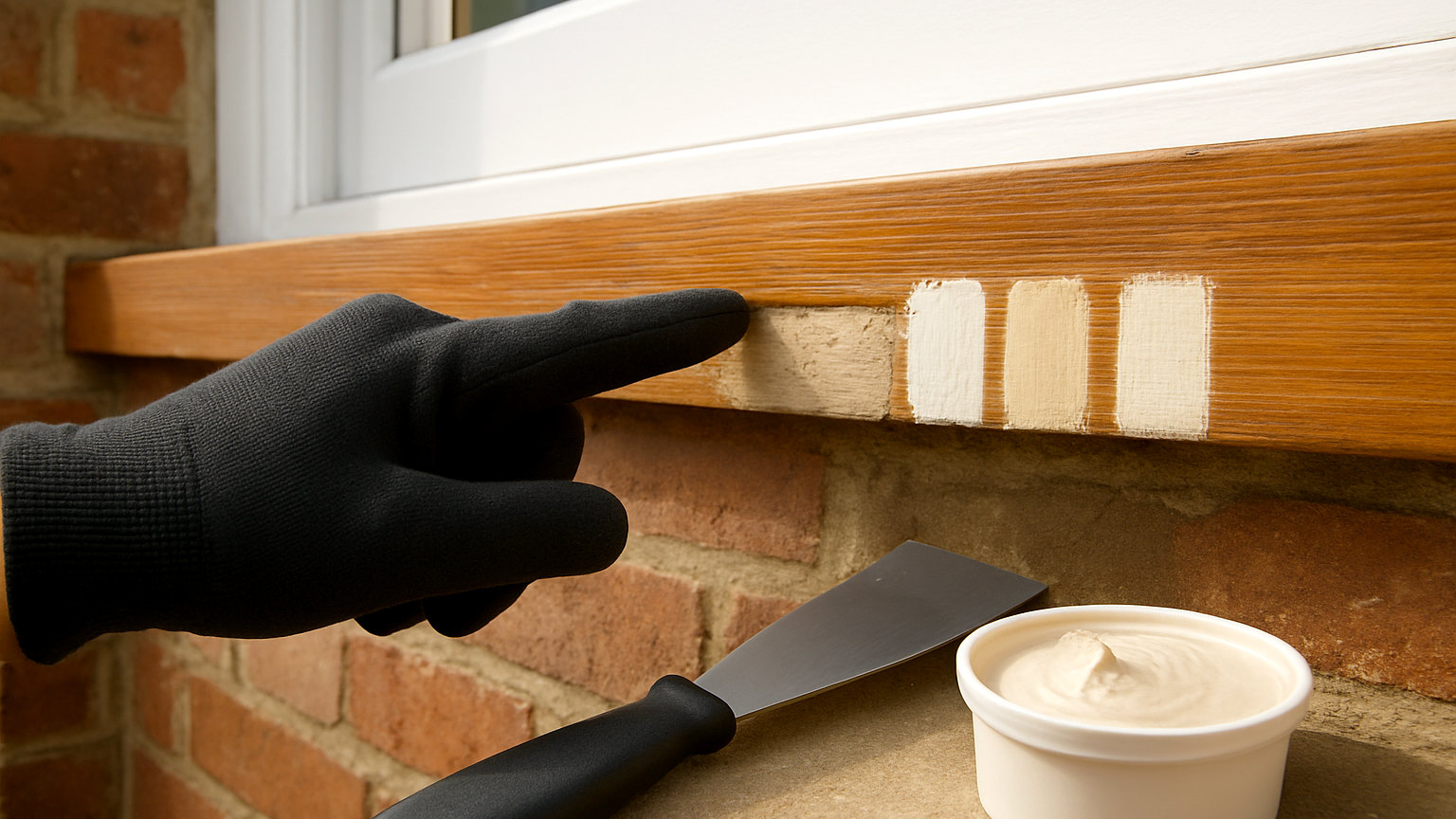
Weather governs everything and end grain is where rot starts. The preparation, the coat build, and the conditions you can and cannot work in.
By DIY Guides Editorial
2 Feb 2026

Decorating is nine parts preparation and one part paint, and almost every disappointing finish traces back to the part that was skipped. These guides go through filling, sanding, caulking and priming before they get to the fun bit, explain which finish belongs on which surface, and cover the jobs - cutting in, hanging paper on a papered wall, tiling a wall that is not square - where technique genuinely matters.
Weather governs everything and end grain is where rot starts. The preparation, the coat build, and the conditions you can and cannot work in.
Ridges left by the bristles mean the paint set before it could flow out. The four causes, how to correct a marked finish, and how to stop it recurring.
Paste-the-wall is far easier to hang than paste-the-paper, and the difference is the backing. What each type suits, and which rooms to avoid.
MDF edges drink paint and need sealing until they stop. How to prepare shelving, wardrobes and boxing so the finish looks factory-made.
Stain colours the timber and varnish protects it, and blotching is the usual problem. Conditioning the wood, applying evenly, and denibbing between coats.
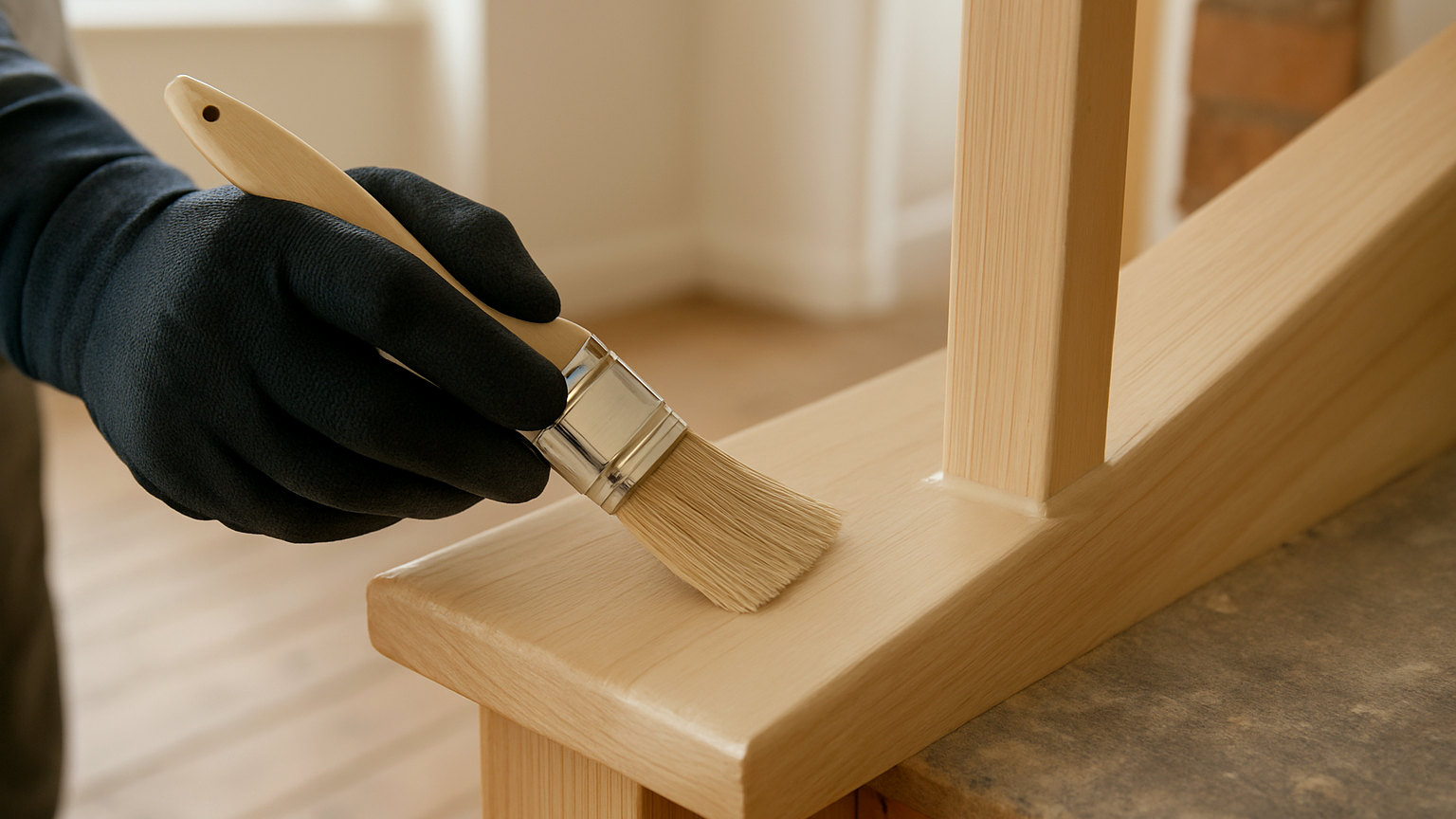
Spindles are slow and everything runs. The order that stops drips falling onto finished work, and how to keep using the stairs while they dry.
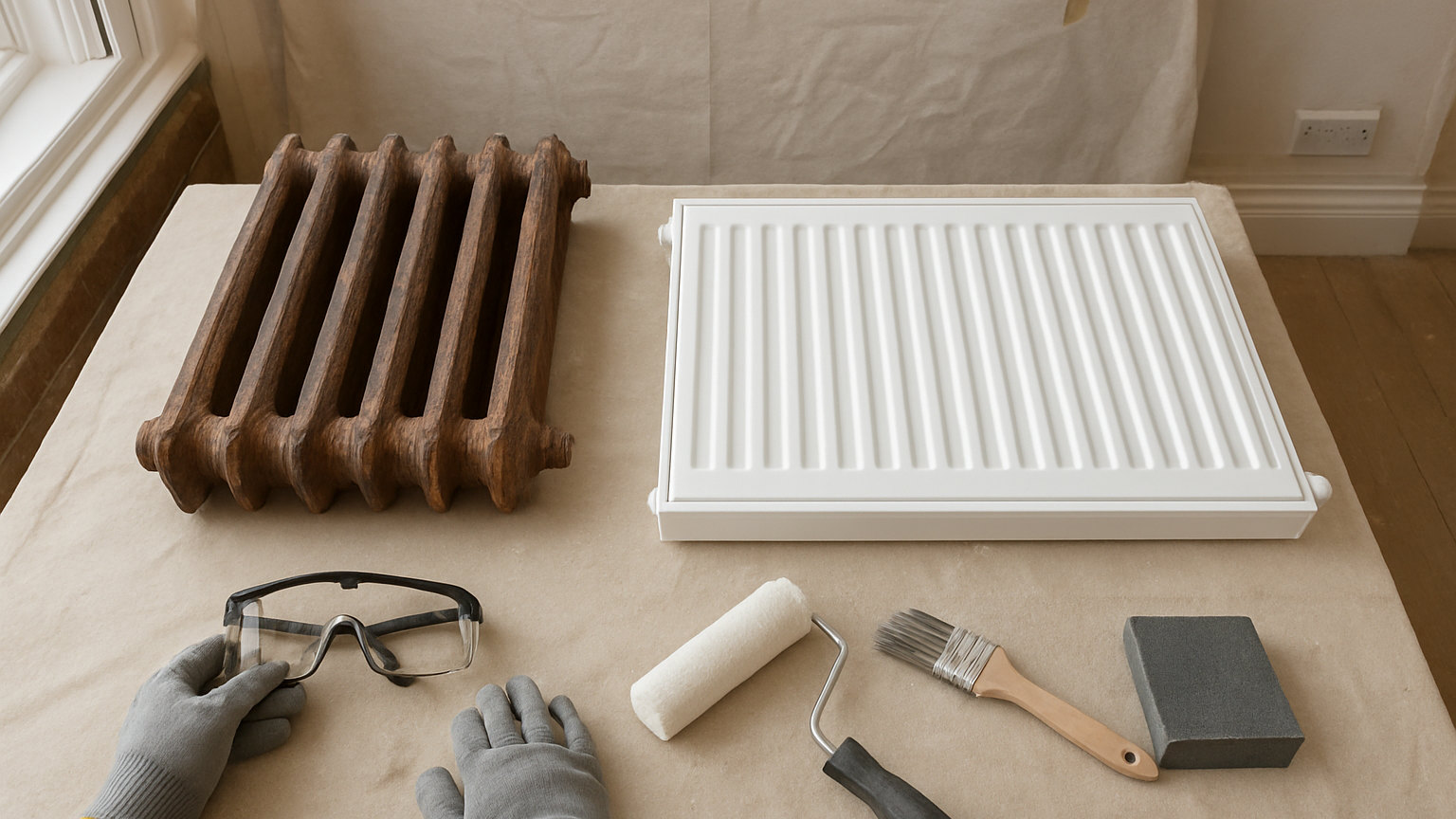
It must be completely cold, degreased and keyed, and rust treated before anything else. The full sequence, and the paints that survive the heat.
Degreasing is the whole job, and cure time is longer than you think. How to key a factory finish, which paints work, and what will not take paint at all.
Sheen level decides how hard-wearing the finish is and how much of the woodwork's condition it reveals. Choosing for the room and the state of the timber.
Paint will not stick to a shiny surface, and keying it is the whole job. How to sand, degrease and prime so the new coat stays on.
Undercoat hides the surface below and sands flat; the finish coat provides the sheen. Why skipping it shows, and how many coats you actually need.
Oil yellows and takes a day between coats; water-based dries fast and stays white. Which to use where, and how to change from one to the other.