Removing Artex and Textured Ceilings
Textured coatings in pre-2000 homes may contain asbestos and must be tested before anything disturbs them. What is safe, and what is not.
By DIY Guides Editorial
19 Feb 2026

Decorating is nine parts preparation and one part paint, and almost every disappointing finish traces back to the part that was skipped. These guides go through filling, sanding, caulking and priming before they get to the fun bit, explain which finish belongs on which surface, and cover the jobs - cutting in, hanging paper on a papered wall, tiling a wall that is not square - where technique genuinely matters.
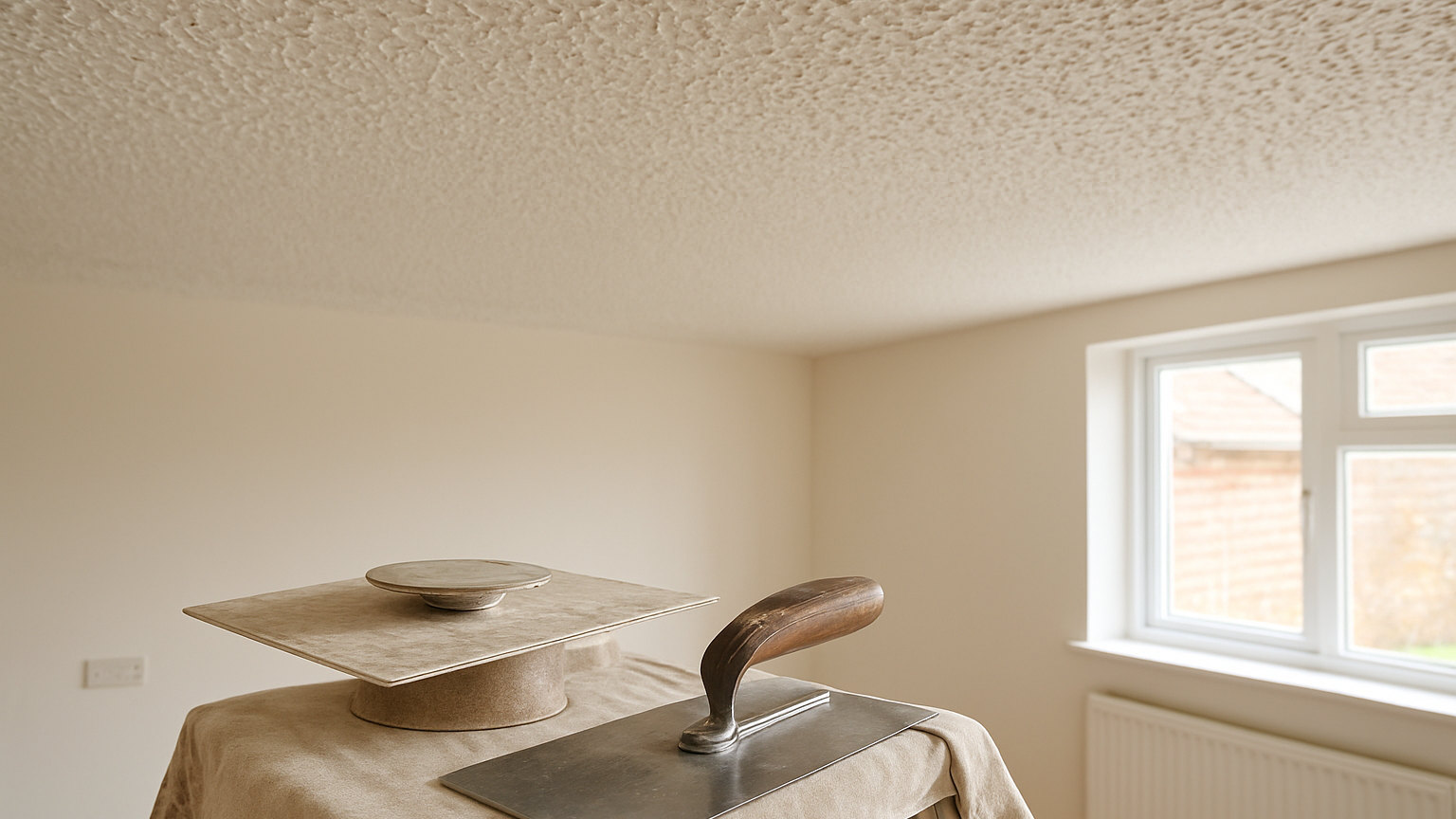
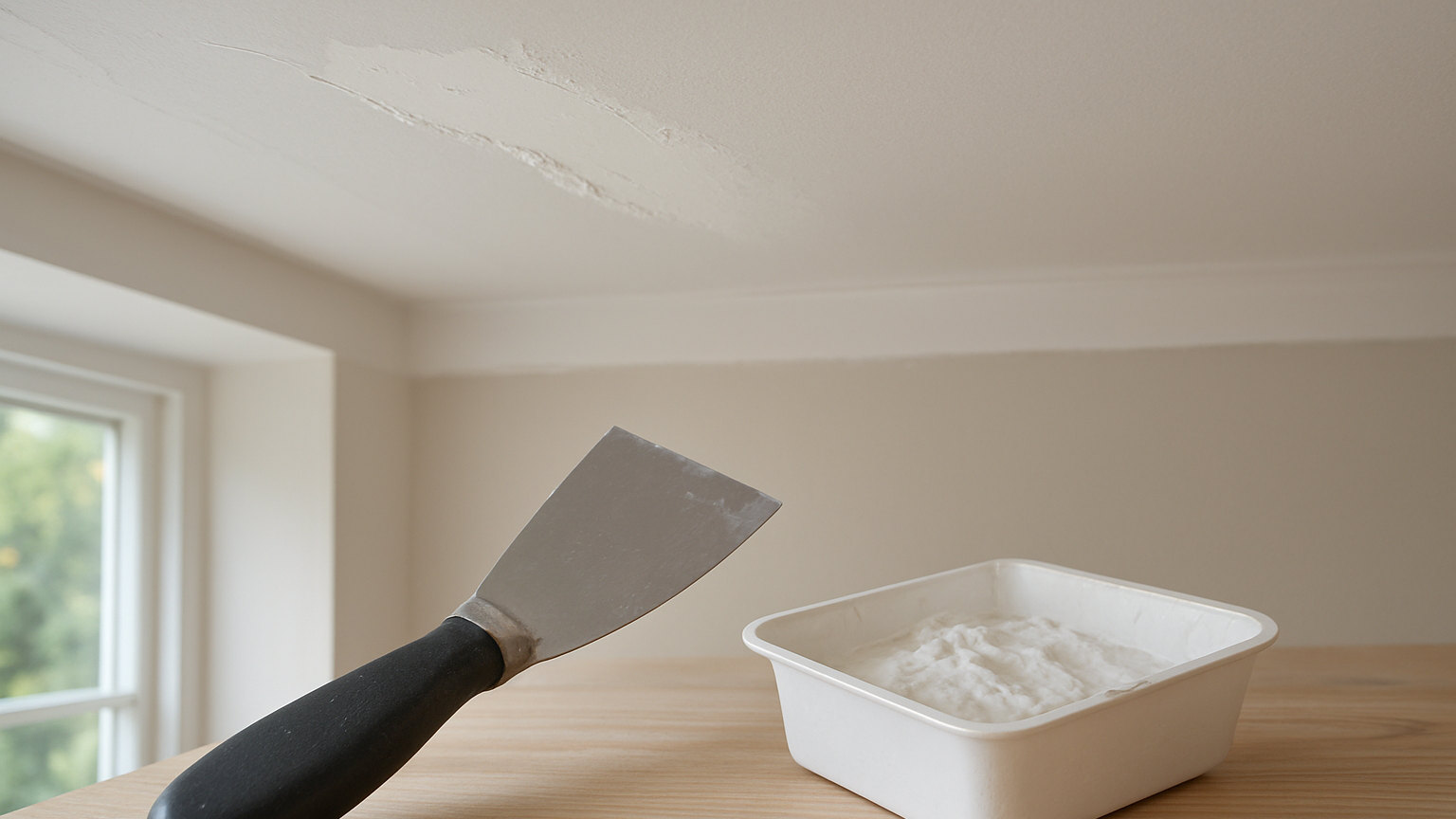
Textured coatings in pre-2000 homes may contain asbestos and must be tested before anything disturbs them. What is safe, and what is not.
Skimming or overboarding gives a flat ceiling without disturbing the coating. The options compared, and what each involves.
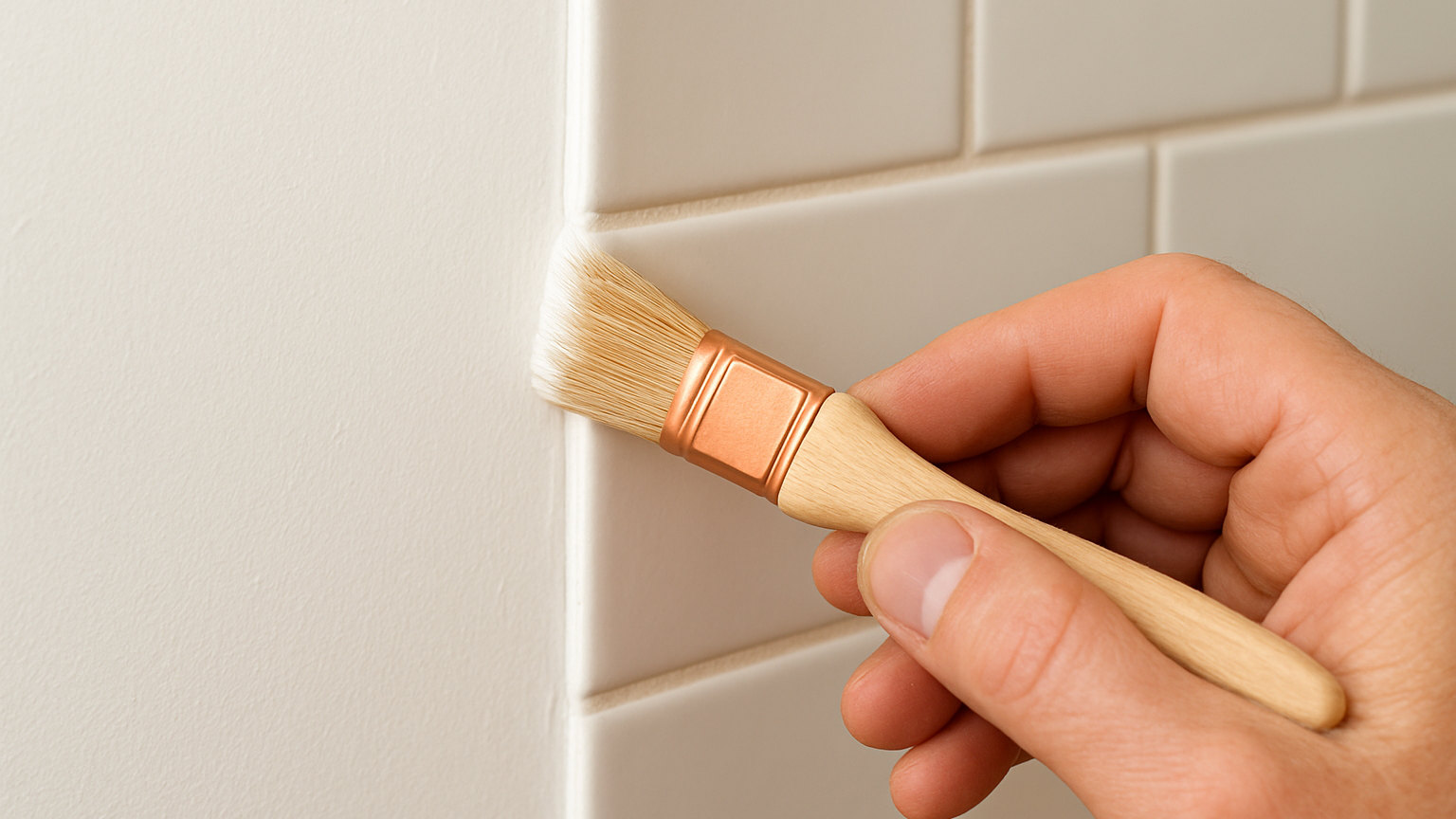
The hardest line in the room, because neither surface is straight. Caulking first, the two-pass brush method, and when masking helps rather than hinders.
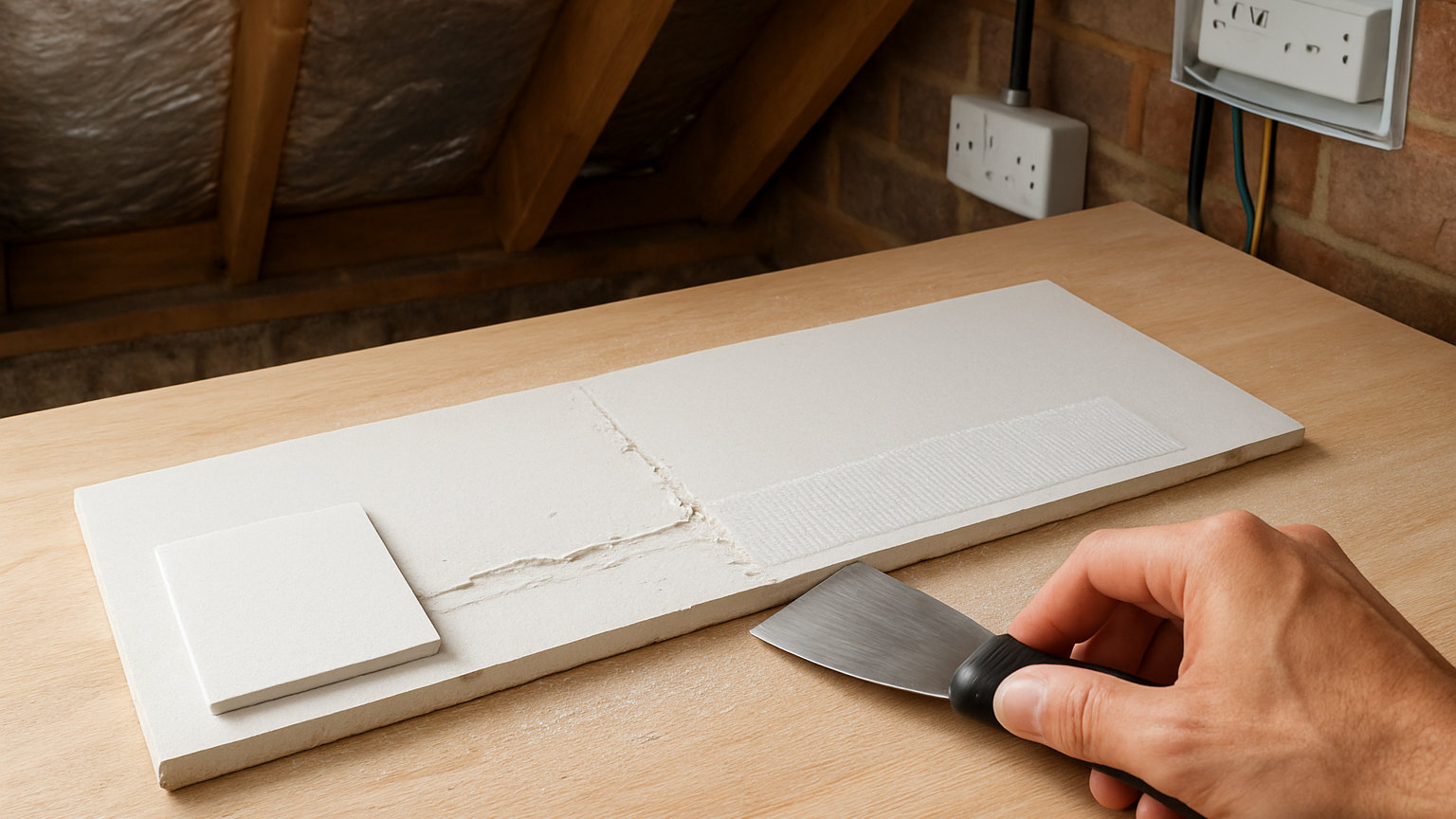
A crack along a board joint needs scrim tape, not filler. Reading what the crack is telling you, and the repair that will not reopen.
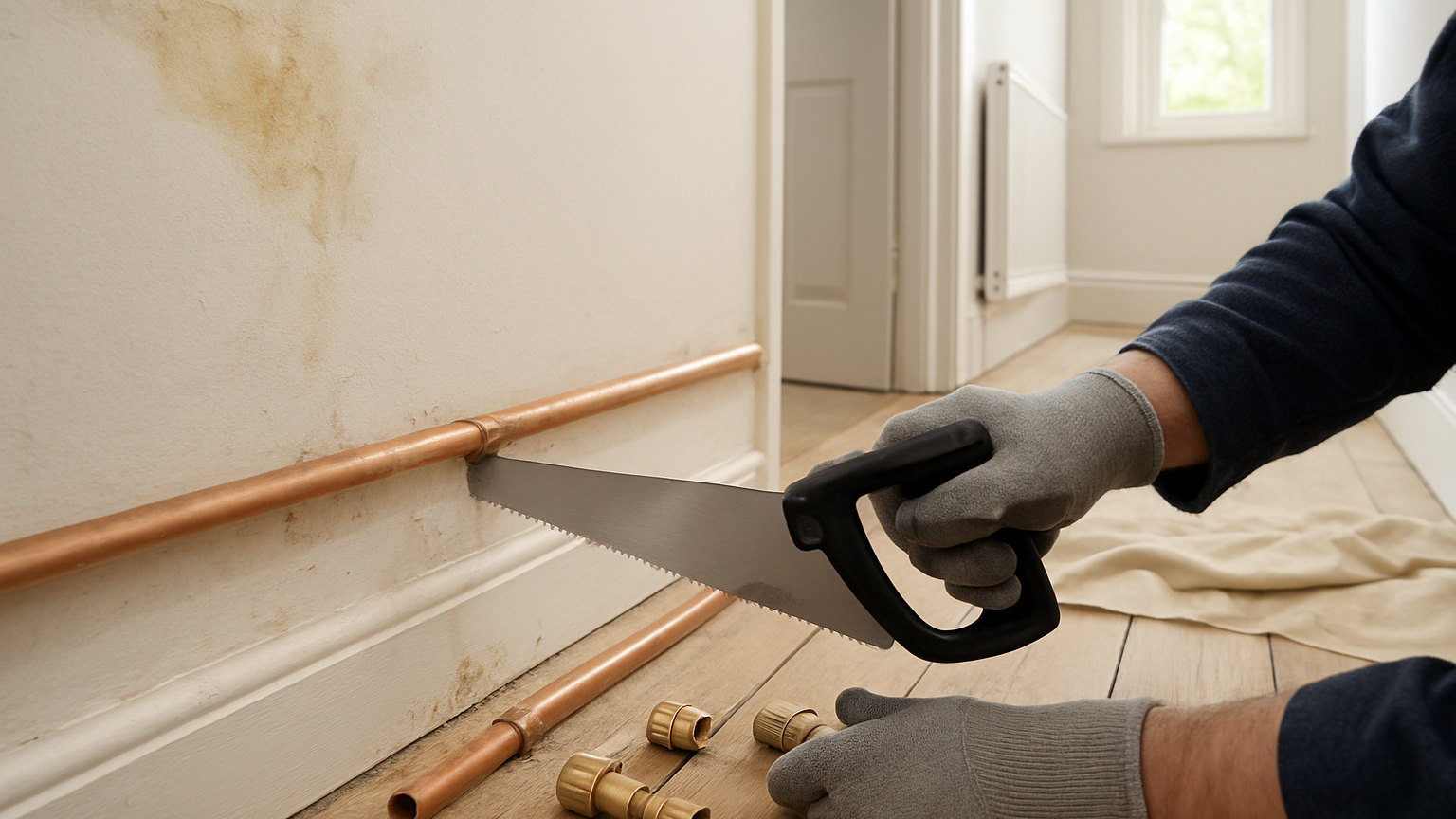
Emulsion will not cover a water stain, however many coats. Finding the source first, then sealing with the right primer so it never returns.
Ceiling emulsion is formulated not to drip and not to reflect. Why silk on a ceiling is a mistake, and how to mist coat new plaster properly.
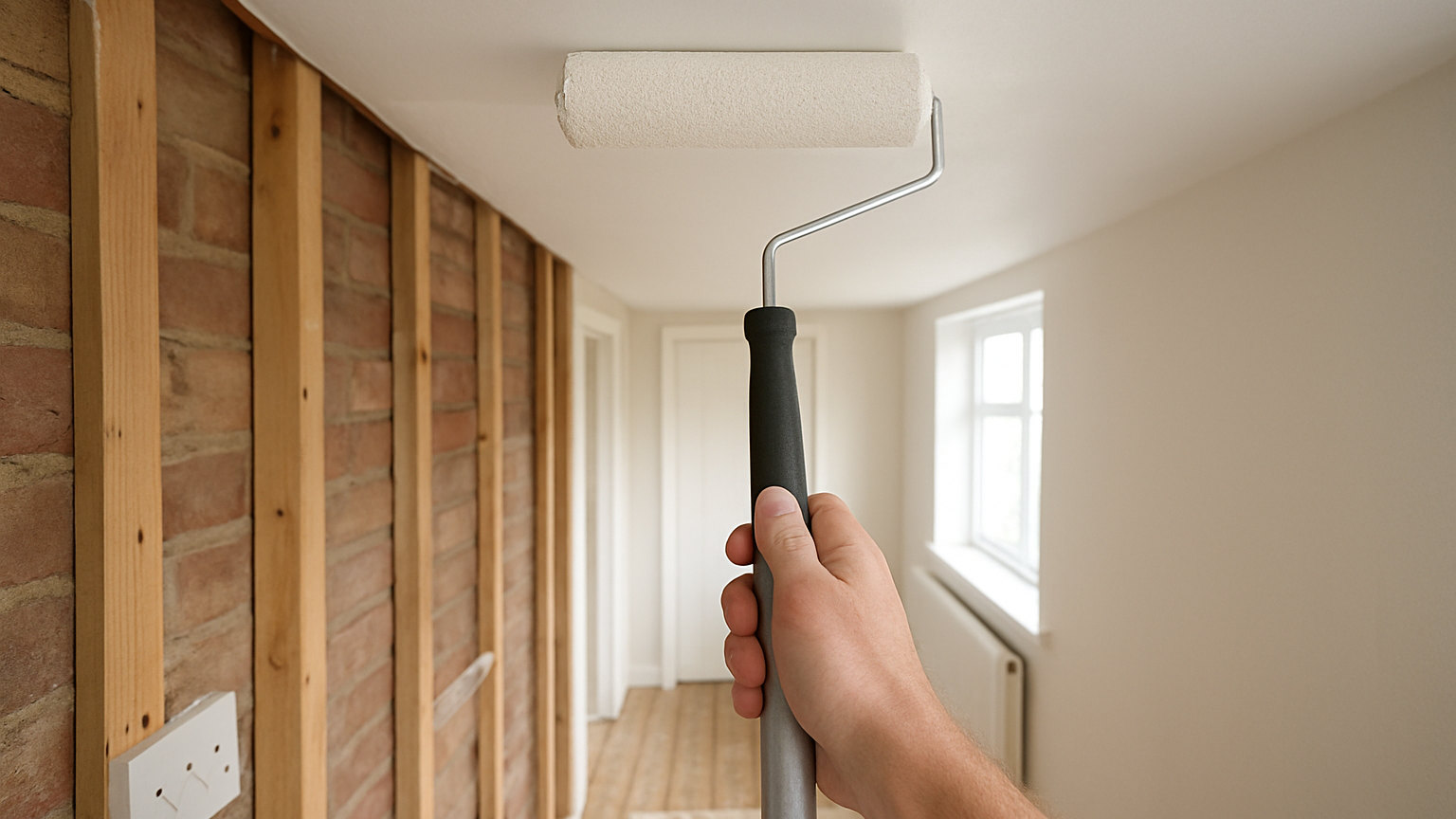
Work away from the light in metre-square sections and never lose the wet edge. Using an extension pole, and the order that avoids visible joins.
Possible if the existing tiles are genuinely sound, and it adds weight and thickness. How to test adhesion, key the glaze, and when to strip instead.
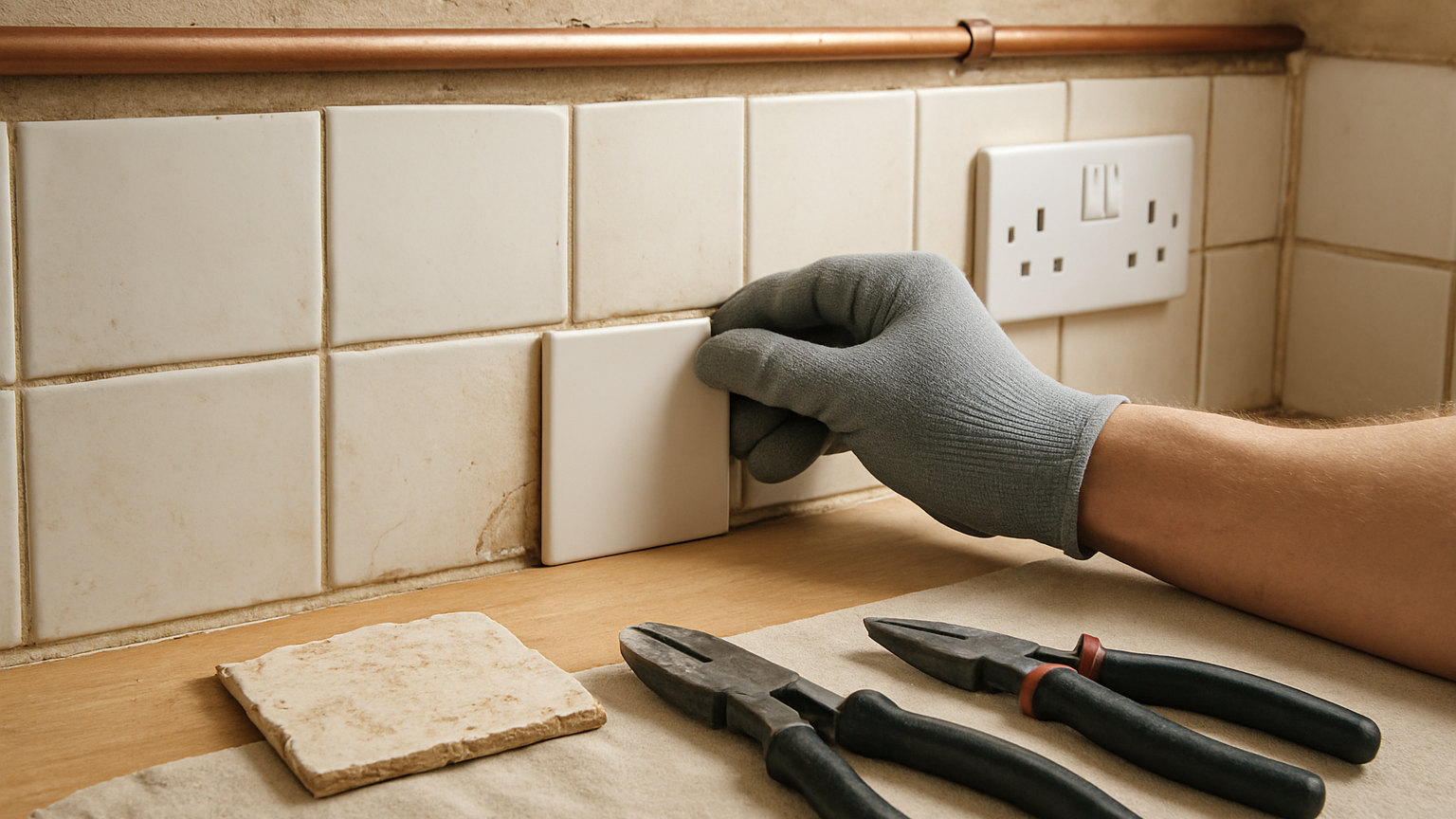
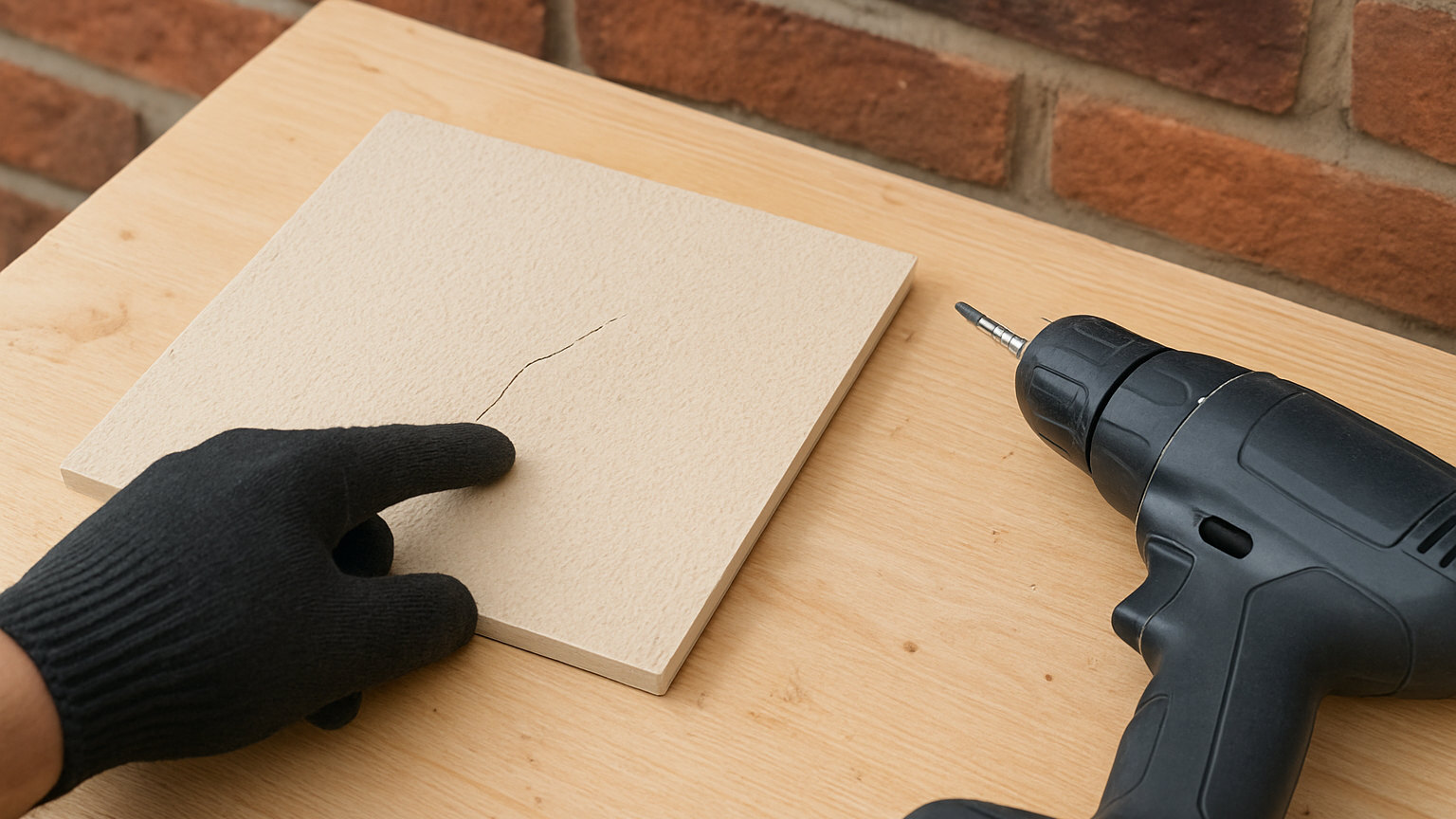
Rake the grout out first, break the tile from the centre, and clear the bed back to the substrate. Replacing one tile without cracking its neighbours.
The kit list, what each tool actually does, and the errors that account for most failures. Worth reading before the first tile goes on.
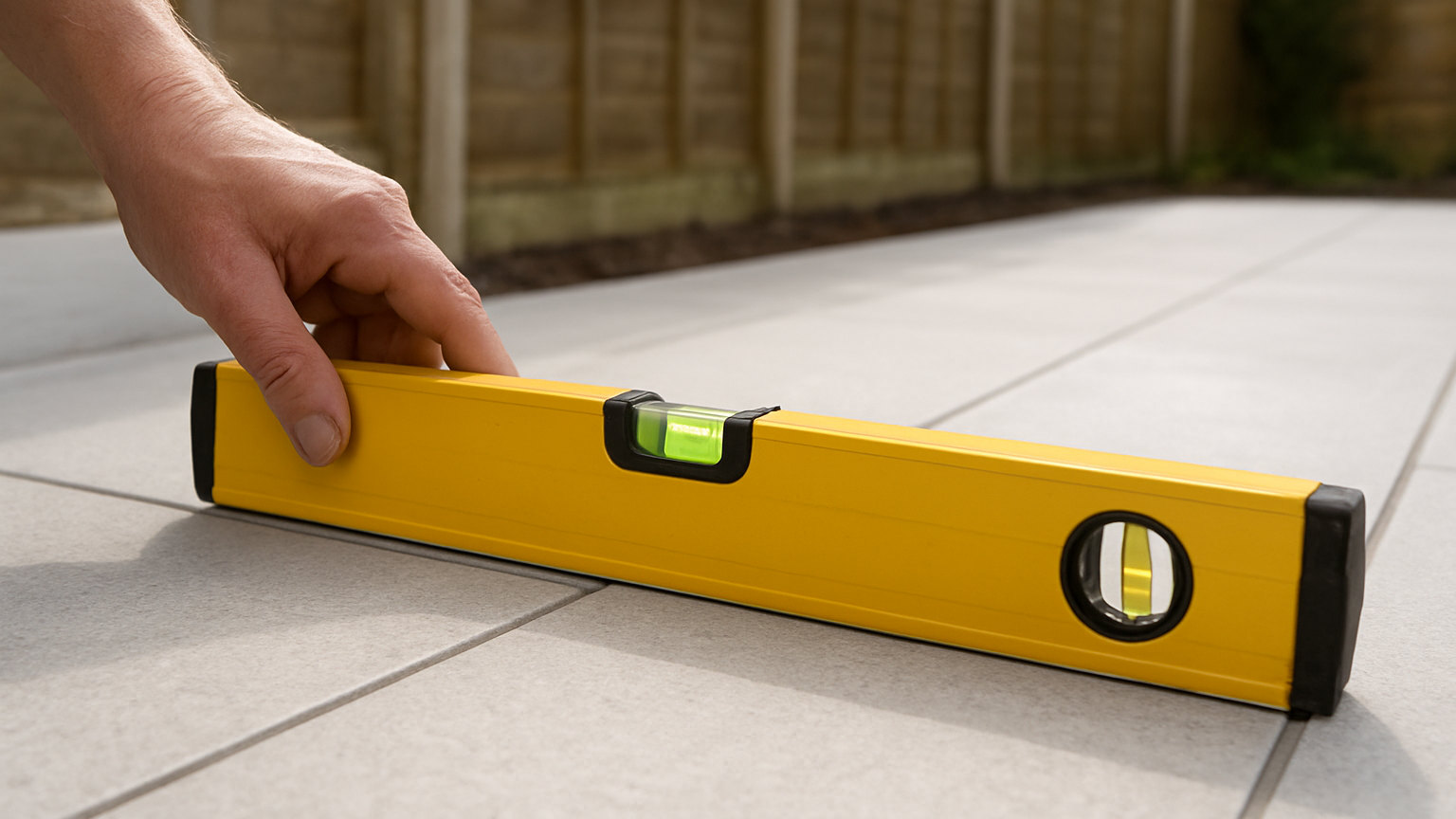
Deflection cracks tiles, so the substrate comes first. Overboarding, setting out from the centre, solid bed fixing and working yourself out of the room.
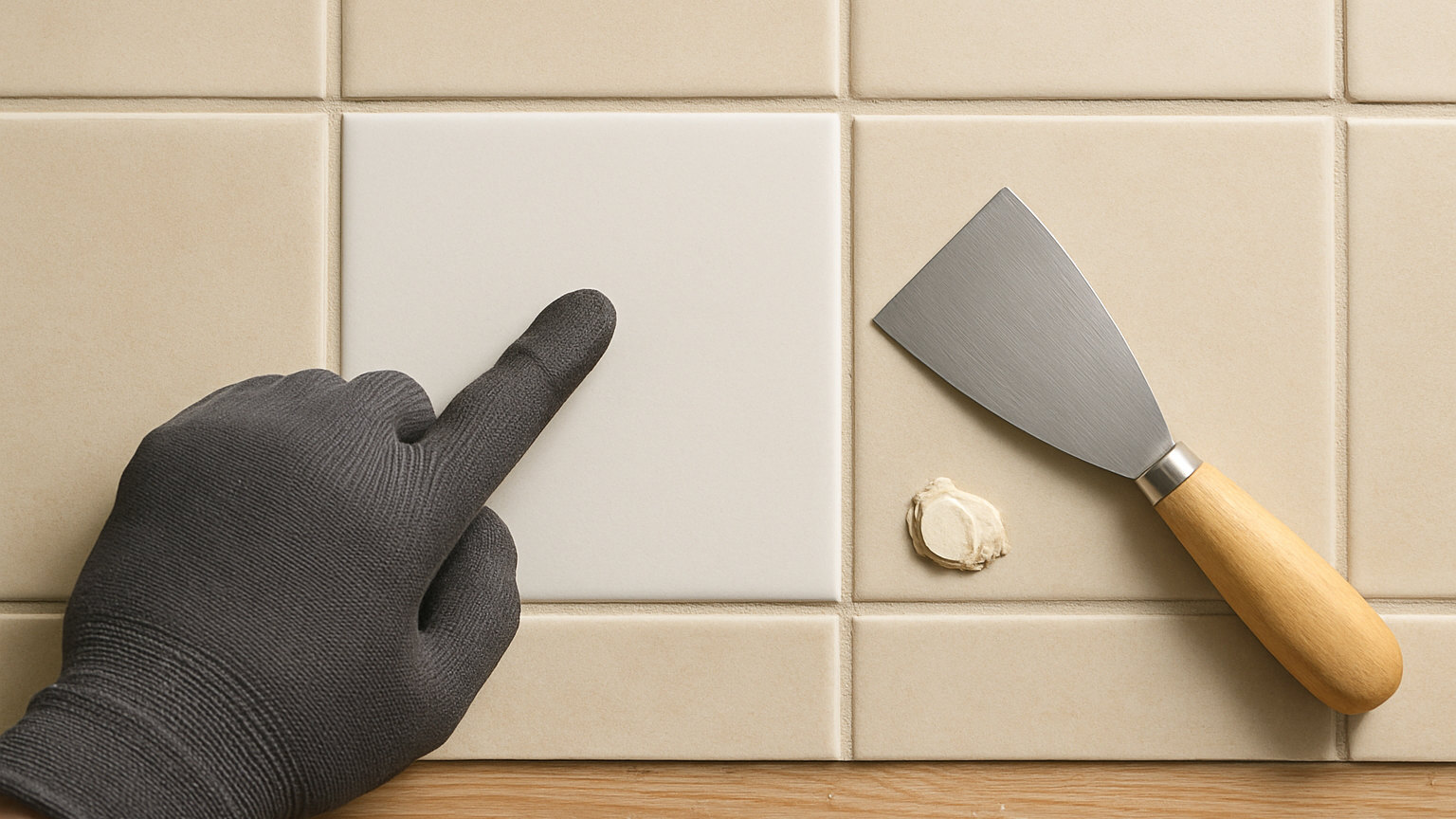
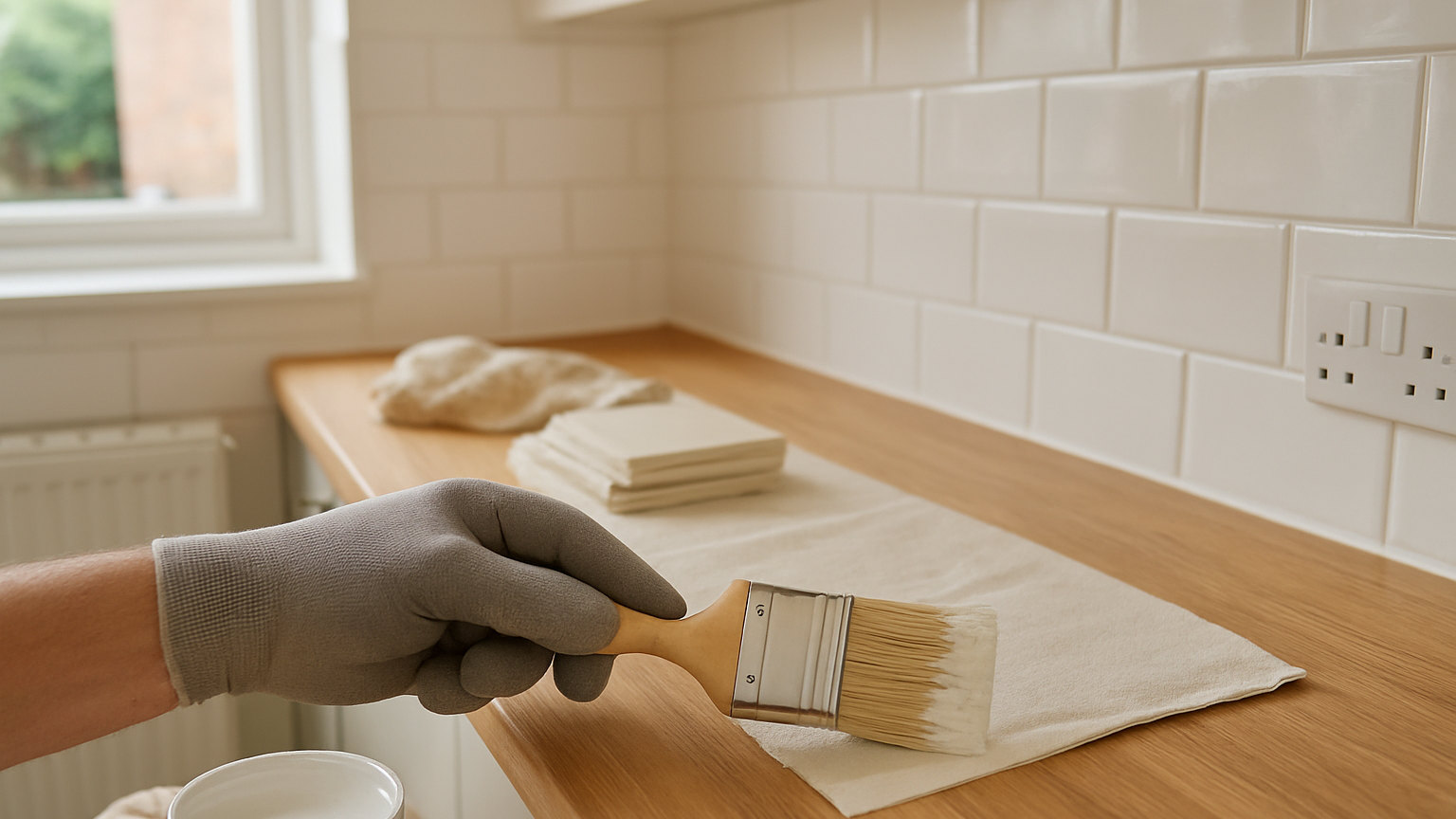
A small job with tight tolerances, since everything is at eye level. Setting out to the worktop, working around sockets, and finishing the edges.