How to Paint Behind a Radiator
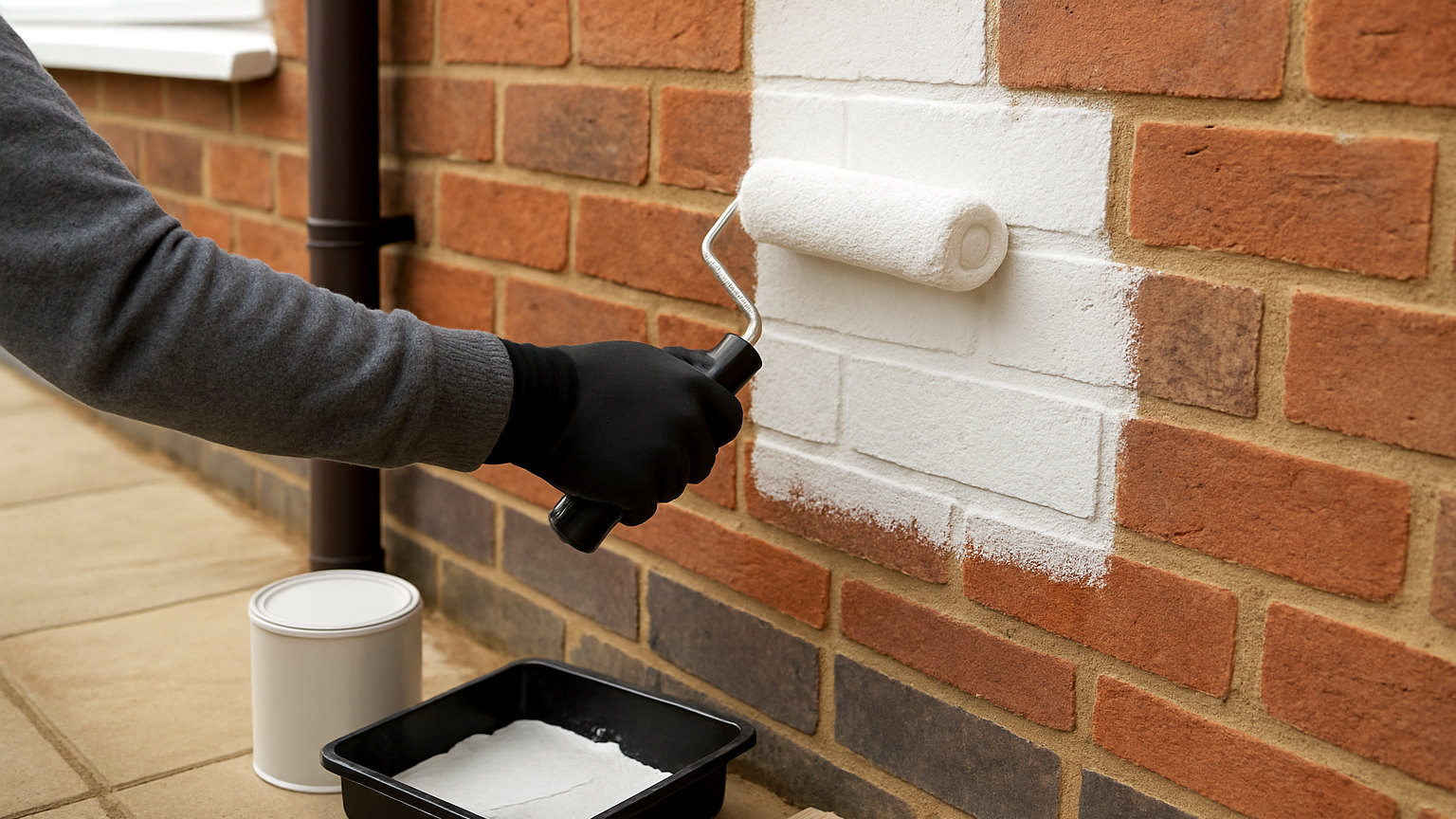
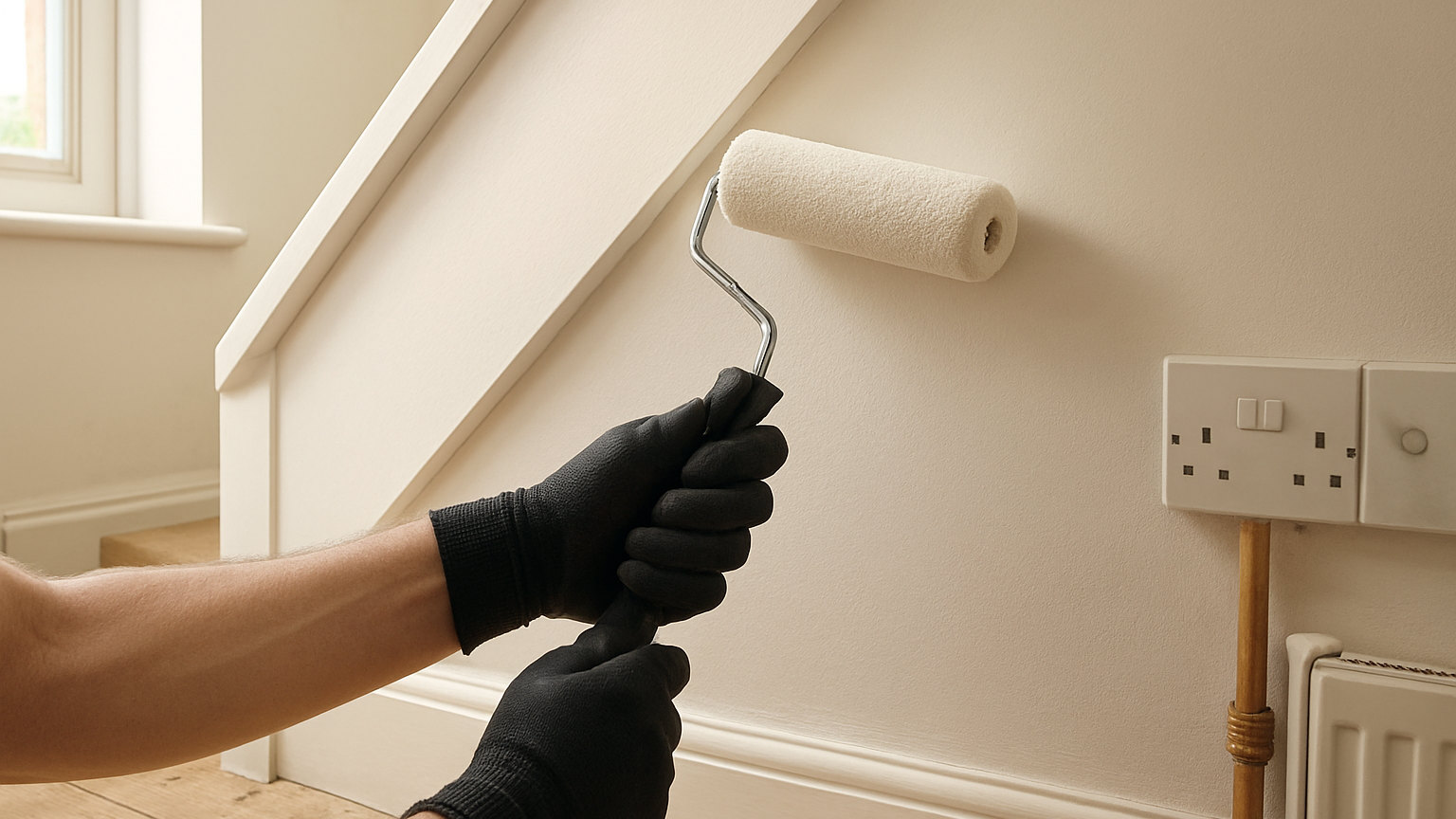
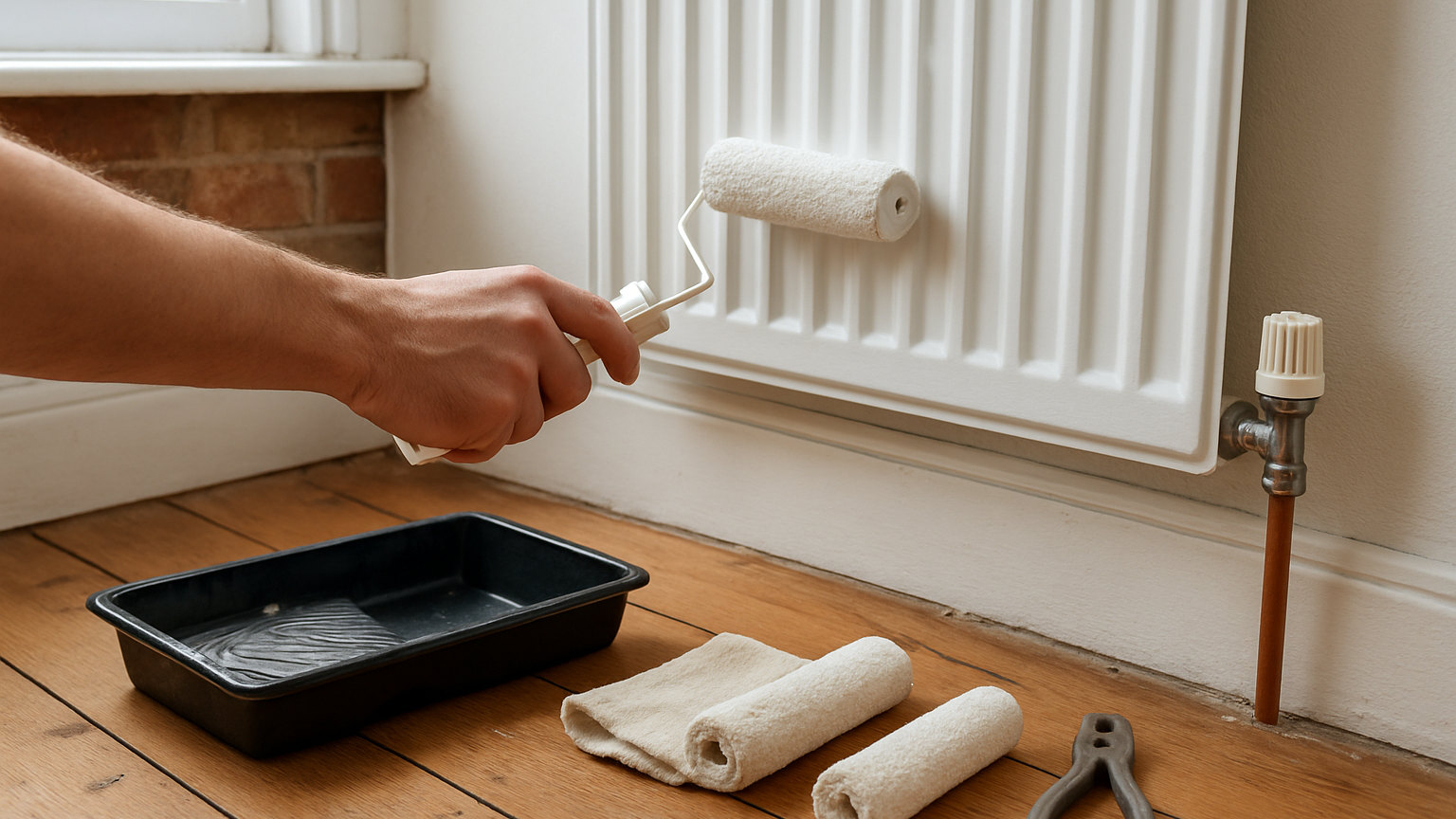
A long-handled mini roller reaches most of it, and removing the radiator gives a proper job. Both methods, and how to drain one down safely.
By DIY Guides Editorial
22 Jan 2026

Decorating is nine parts preparation and one part paint, and almost every disappointing finish traces back to the part that was skipped. These guides go through filling, sanding, caulking and priming before they get to the fun bit, explain which finish belongs on which surface, and cover the jobs - cutting in, hanging paper on a papered wall, tiling a wall that is not square - where technique genuinely matters.
A long-handled mini roller reaches most of it, and removing the radiator gives a proper job. Both methods, and how to drain one down safely.
Two is normal, three is common, one is almost never enough. What decides it, and why applying thicker coats does not reduce the number.
Matt hides defects, silk shows them, and durable paints go somewhere between. Which finish belongs in which room, and what each will and will not do.
Work in strips away from the light, keep the edge wet and never stop halfway. The method that avoids the roller marks ceilings always show.
Measure the walls, divide by the coverage, multiply by the coats. Why tin figures are optimistic, and what actually affects how far paint goes.
Doing preparation in the wrong sequence means repeating steps. The full order from clearing out to the final vacuum, and where each stage fits.
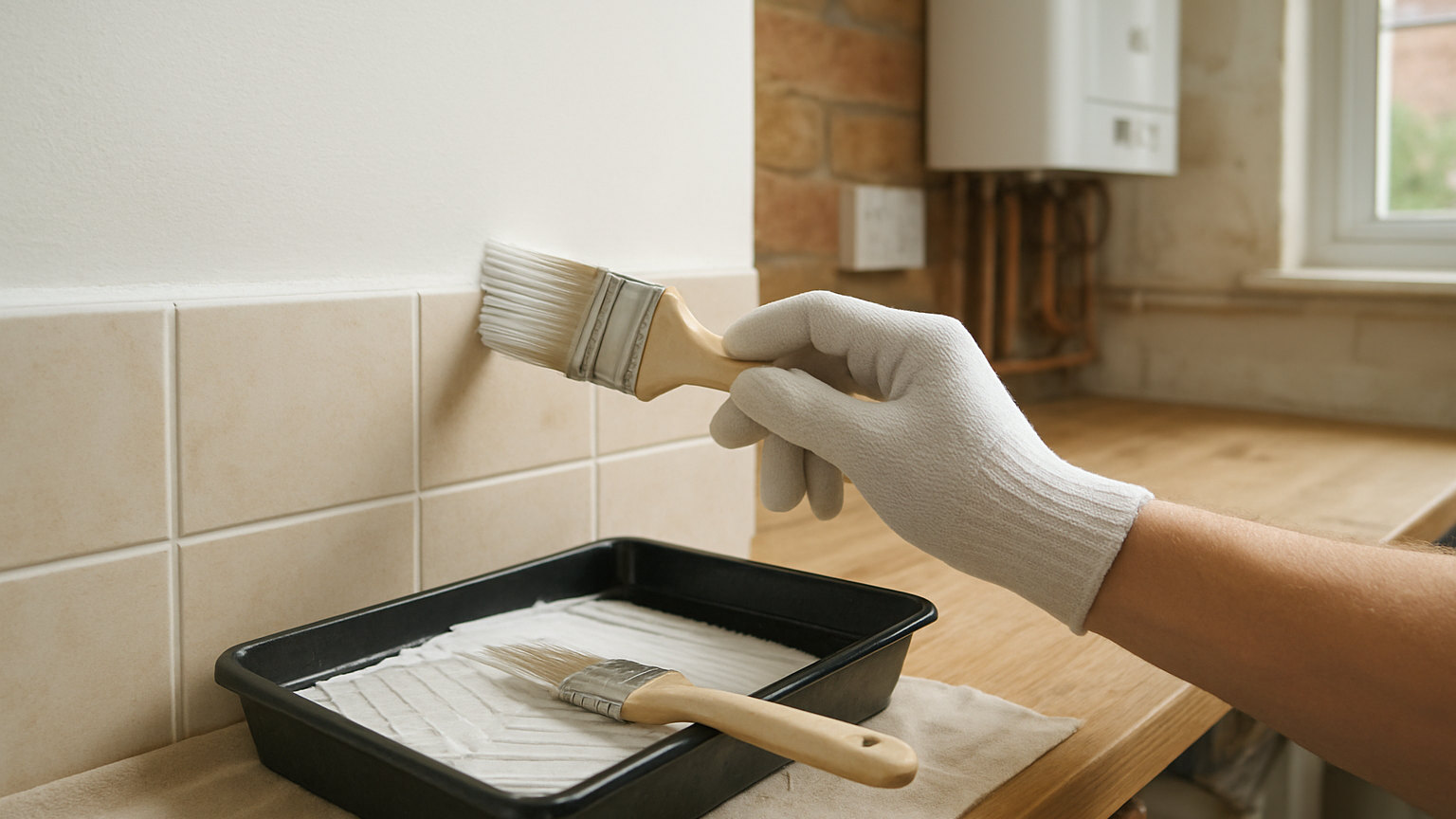
A steady line freehand is faster than taping and looks better. Loading the brush, the two-pass method, and why you cut in one wall at a time.
Nap length, loading, the W pattern and laying off. The technique that gets an even coat with no tramlines, ridges or missed patches.
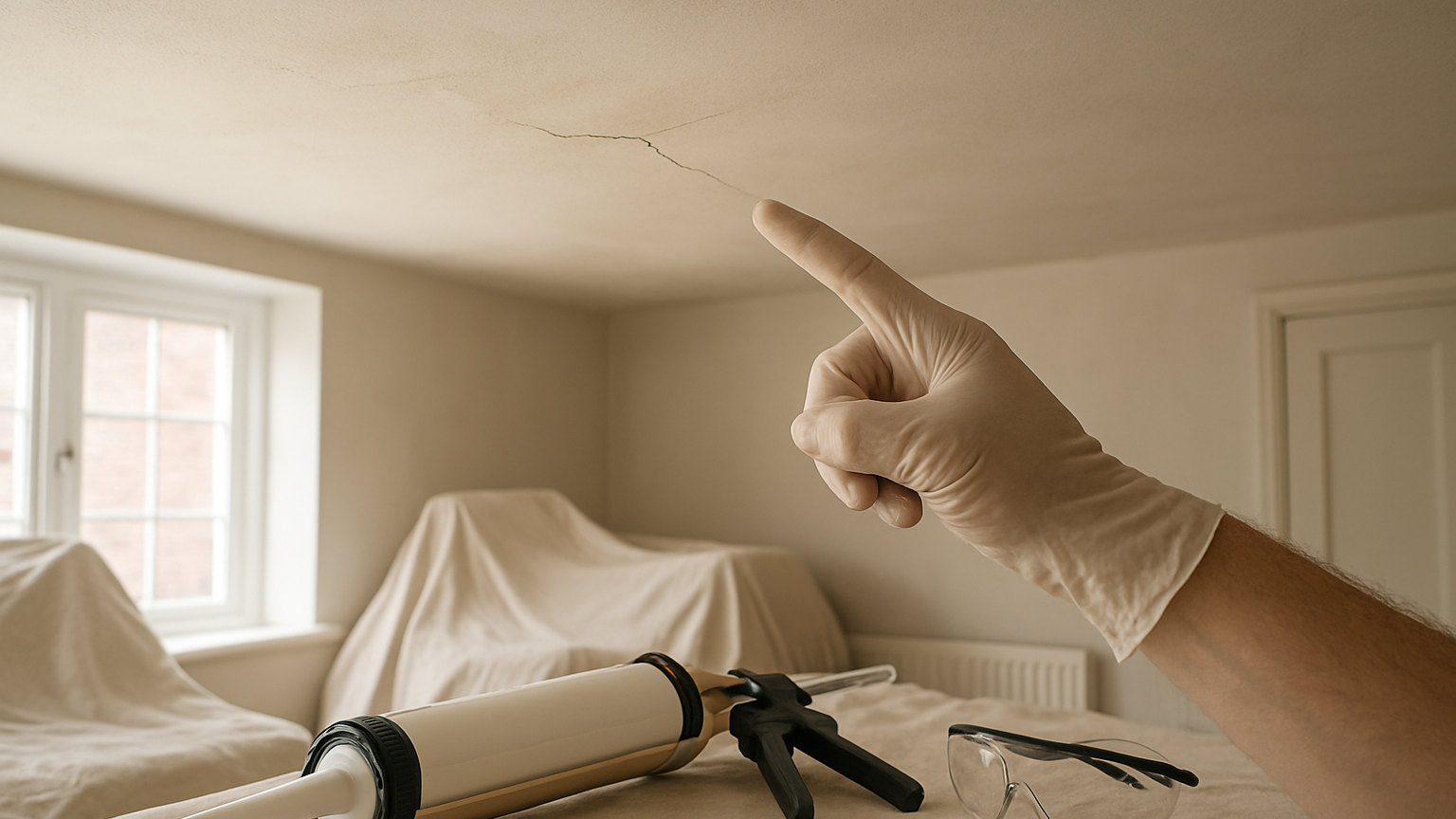
Working overhead with a pole saves your neck and gives a better finish. Dealing with cracks, stains and old textured coatings, including the asbestos check.
The quickest preparation job, and the one where people skip the two steps that matter. Testing what is on there, and keying it properly.
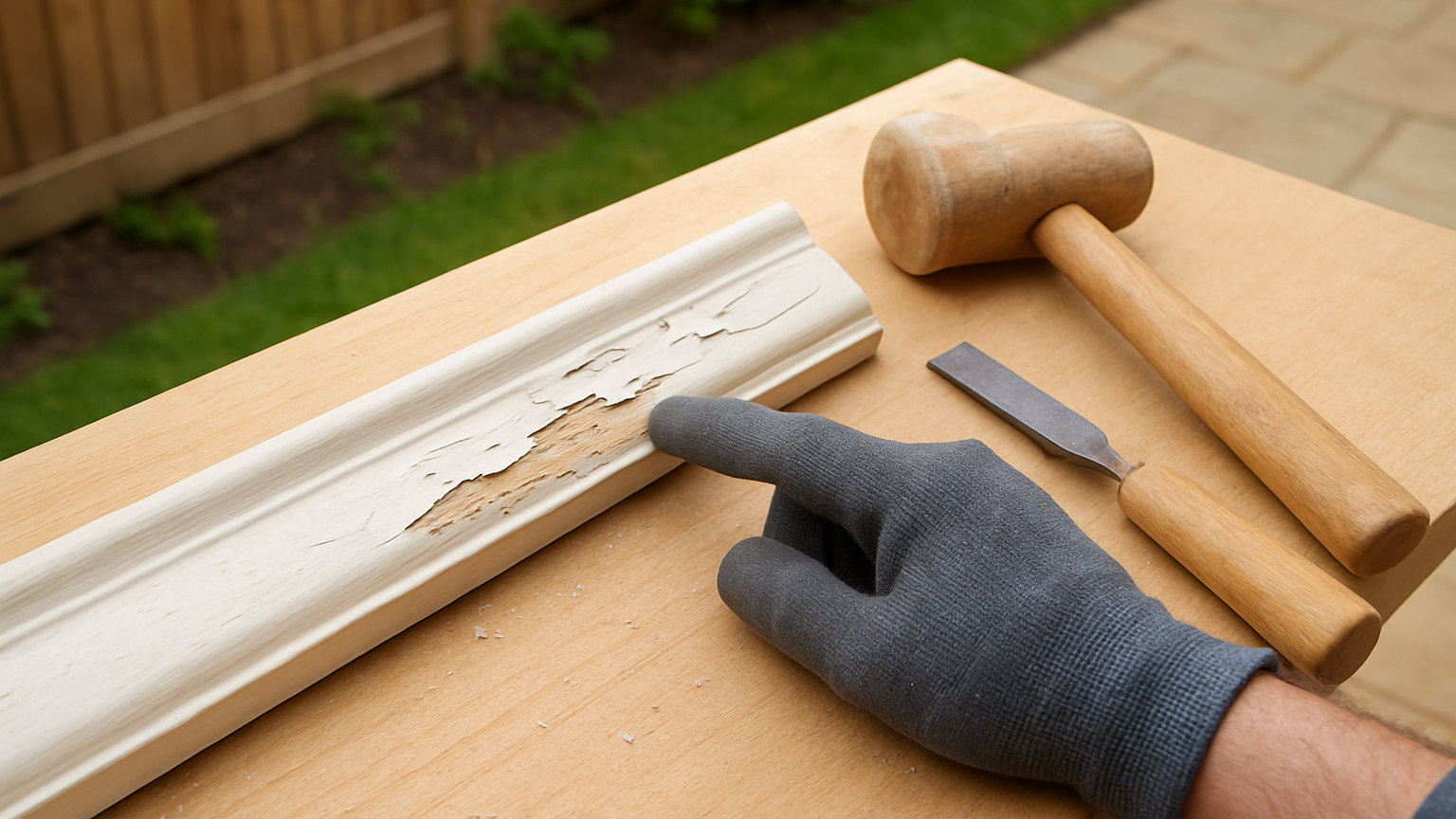
Heat, chemicals or abrasion, each suiting different situations. How to use each safely, and the lead paint check that comes before any of them.
Water marks, nicotine and pen bleed through emulsion however many coats you apply. Which sealer stops which stain, and how to apply it.