How to Paint Skirting Boards
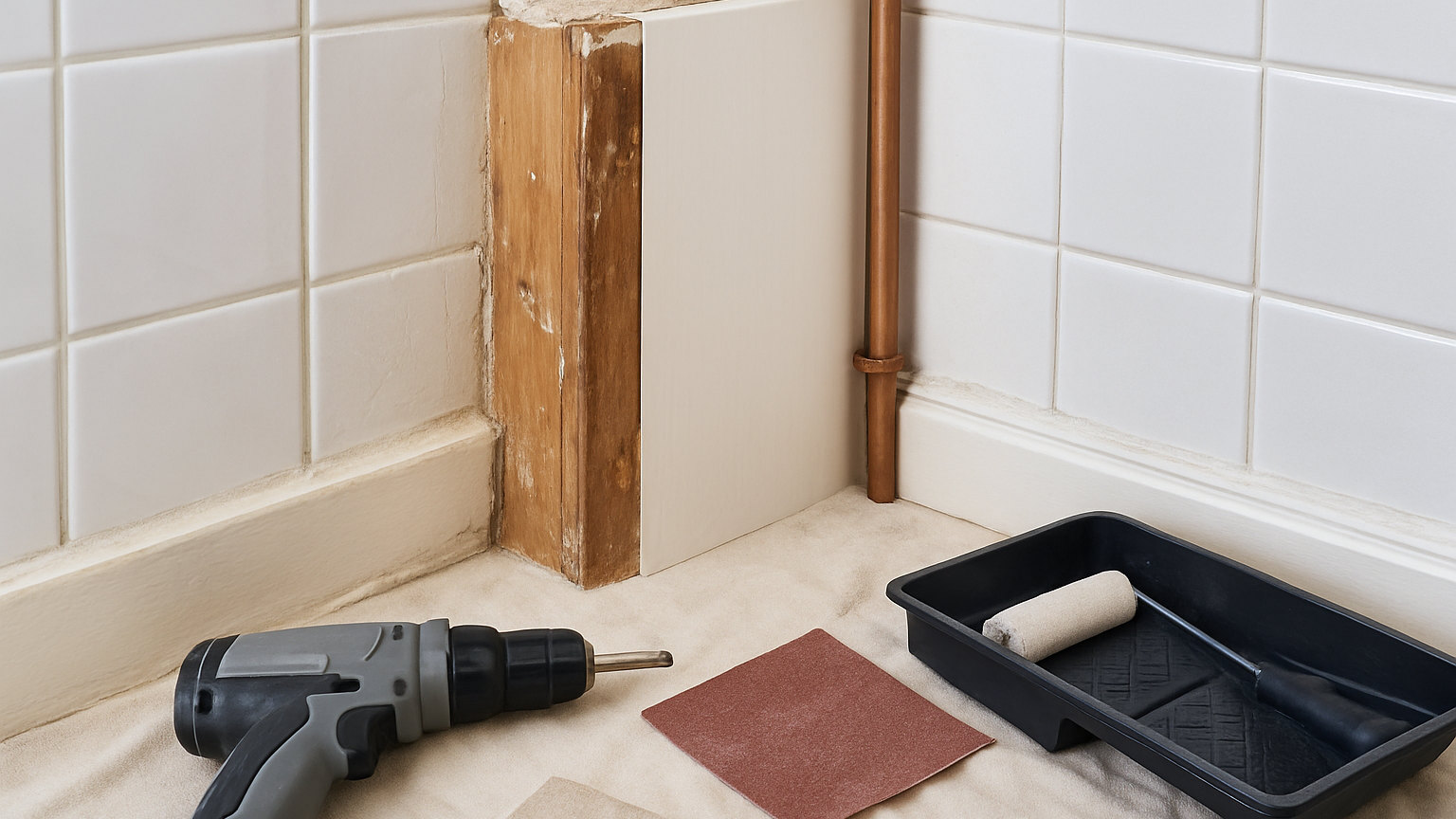
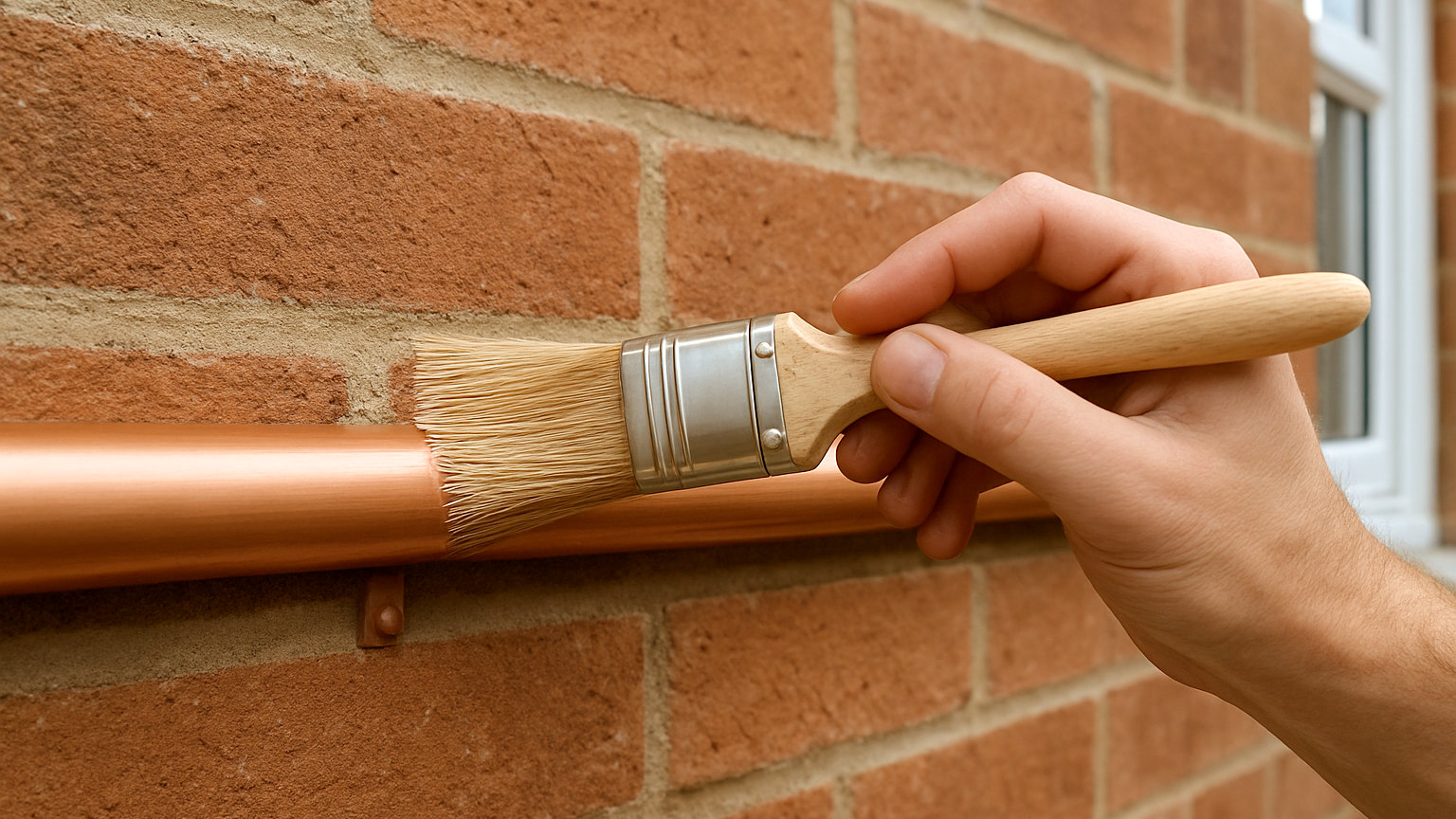
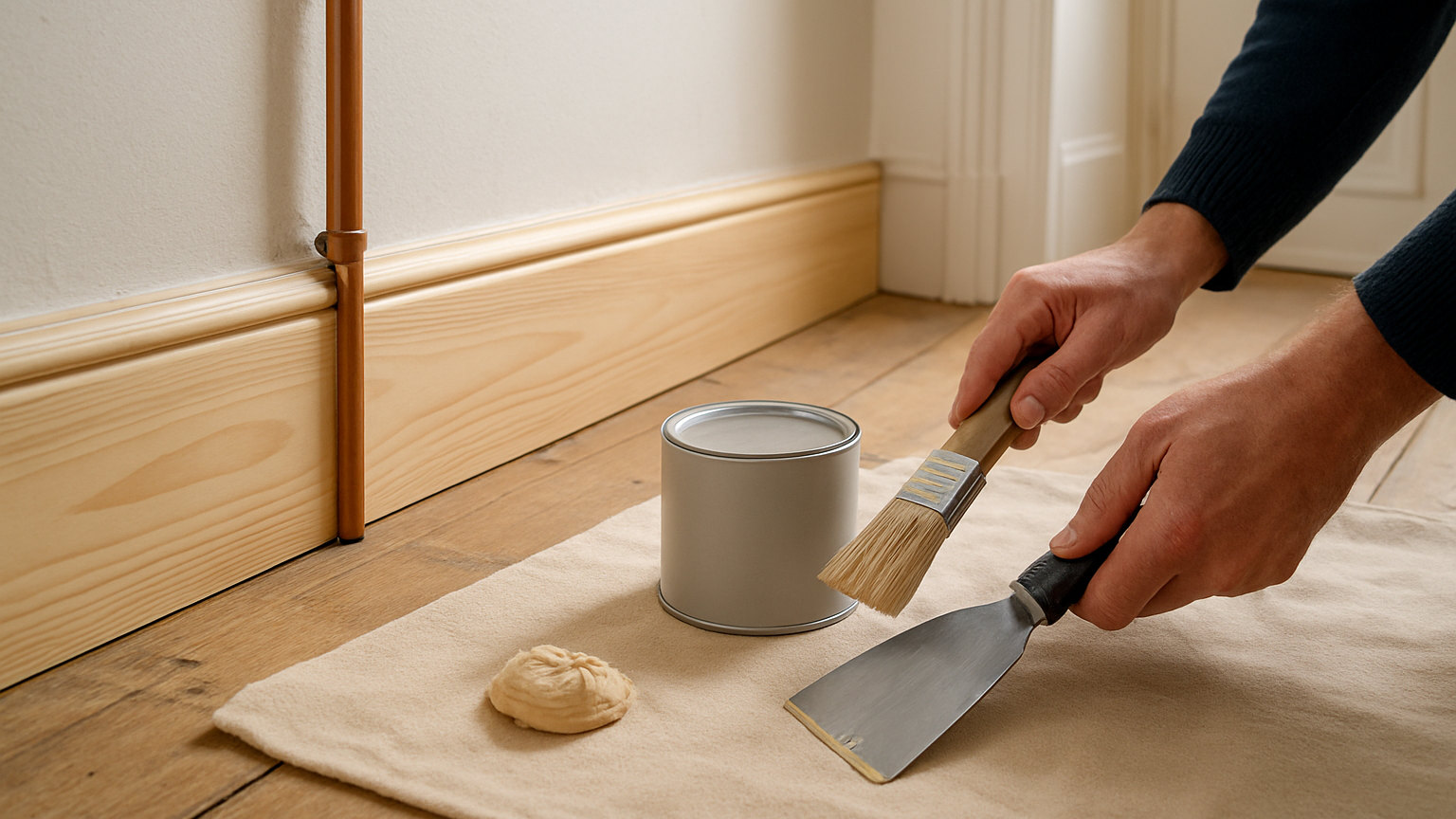
Working at floor level with a wall above and carpet below. Protecting the floor, cutting the top line, and getting a run-free finish along a long board.
By DIY Guides Editorial
27 Jan 2026

Decorating is nine parts preparation and one part paint, and almost every disappointing finish traces back to the part that was skipped. These guides go through filling, sanding, caulking and priming before they get to the fun bit, explain which finish belongs on which surface, and cover the jobs - cutting in, hanging paper on a papered wall, tiling a wall that is not square - where technique genuinely matters.
Working at floor level with a wall above and carpet below. Protecting the floor, cutting the top line, and getting a run-free finish along a long board.
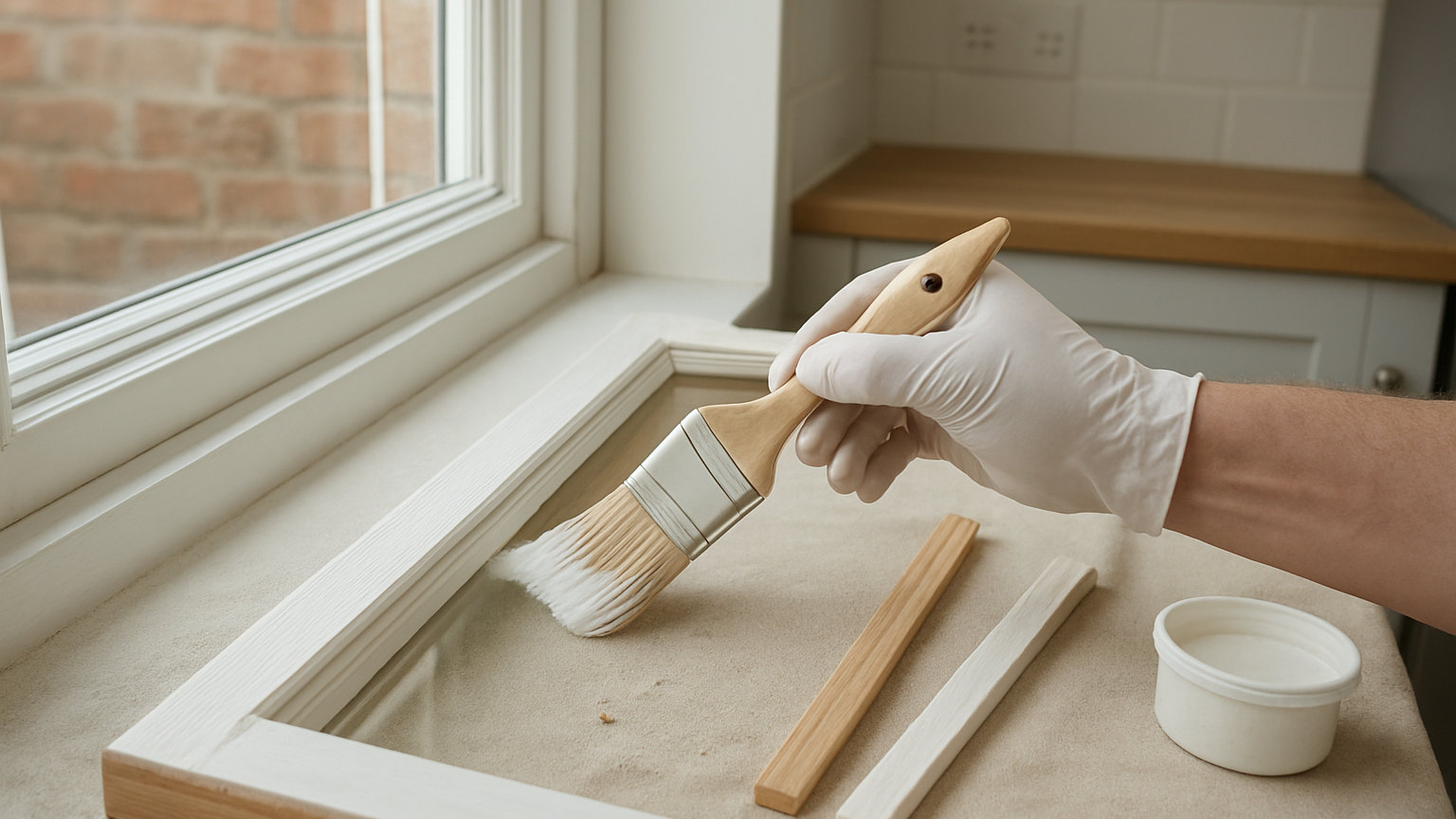
The order that keeps a wet edge on a casement, why you paint a fraction onto the glass, and how to stop the window being painted shut.
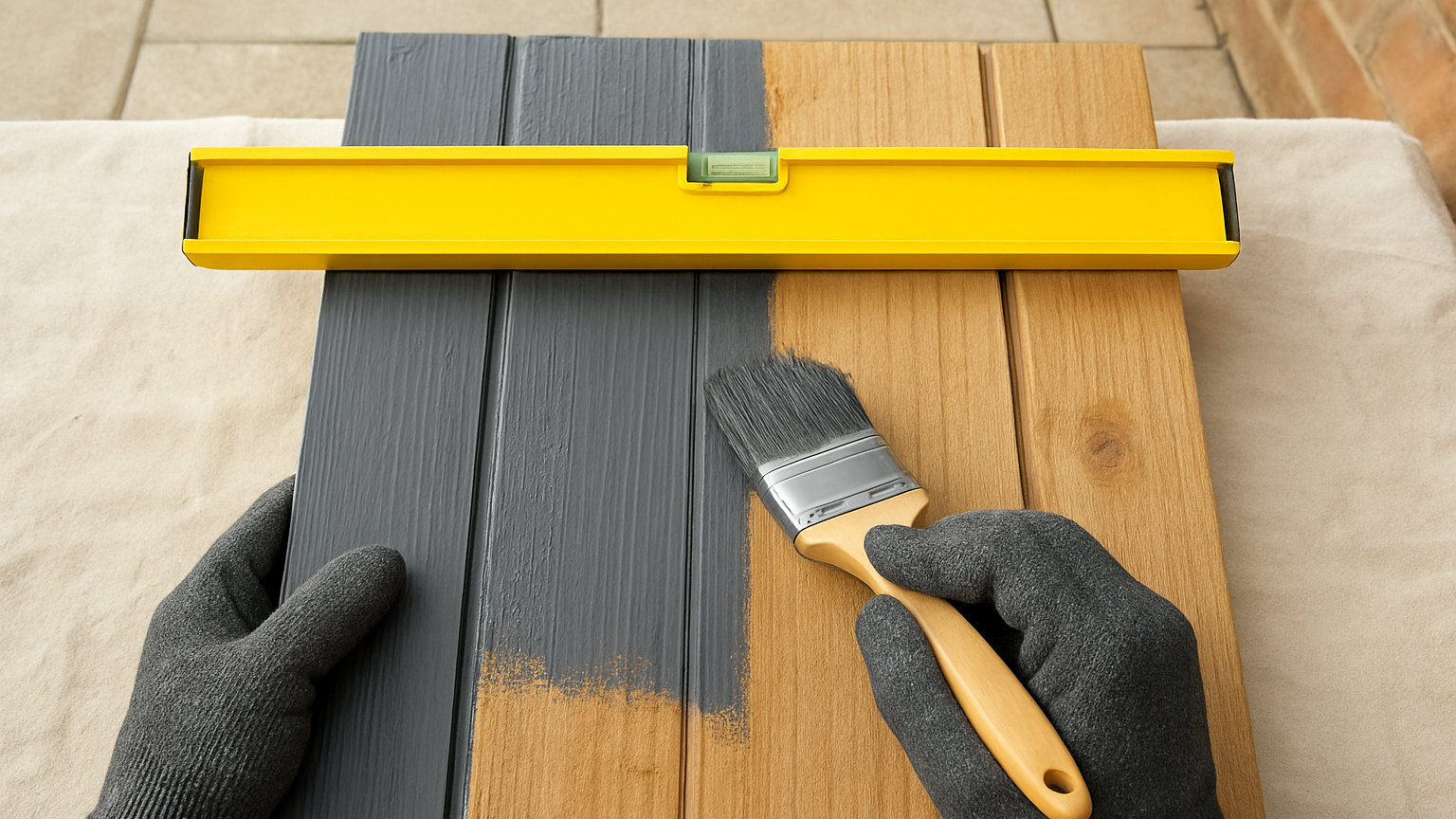
Gloss shows everything, so the finish is made in the preparation and the laying off. Thin coats, sanding between, and the roll and tip method.
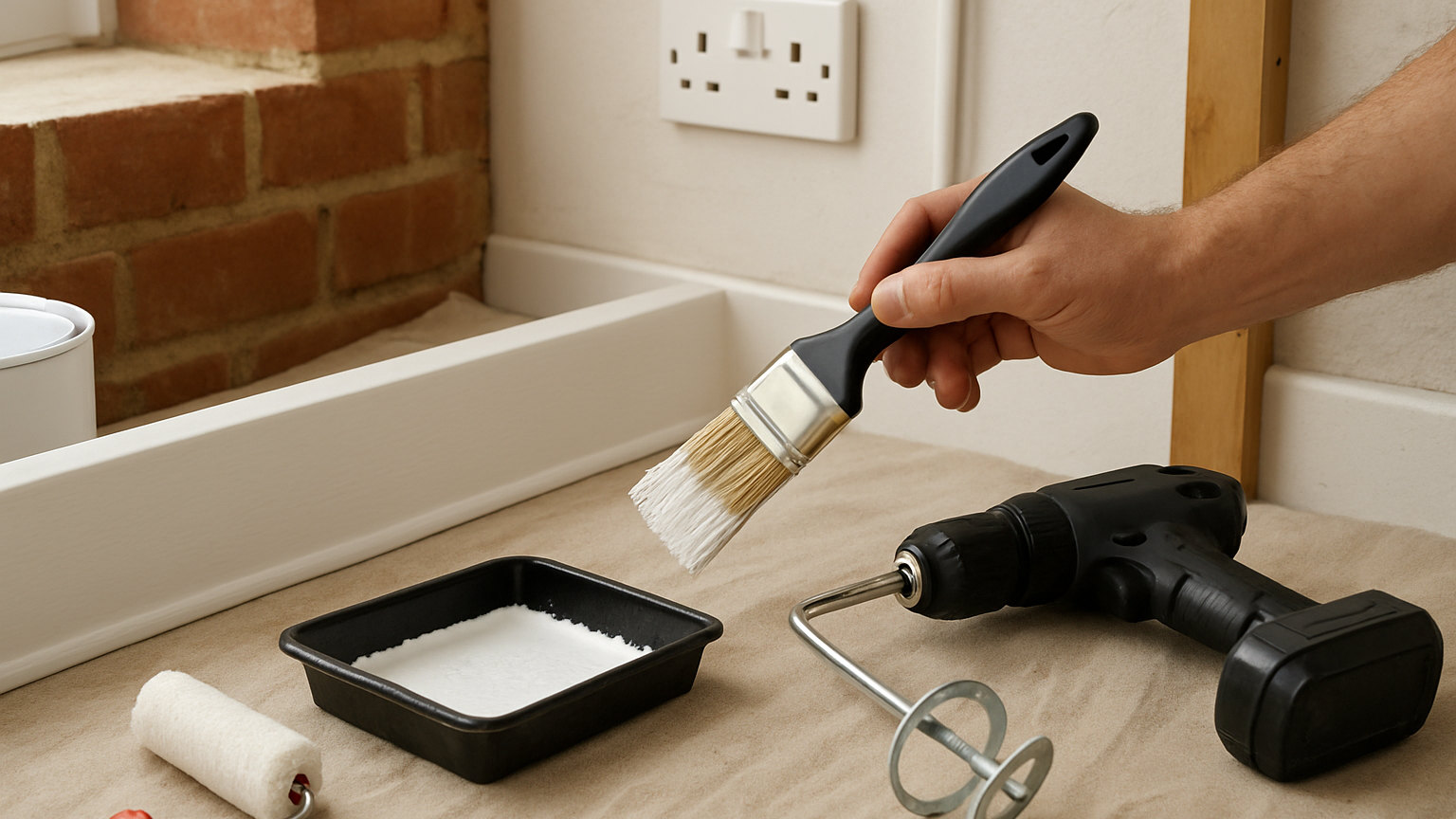
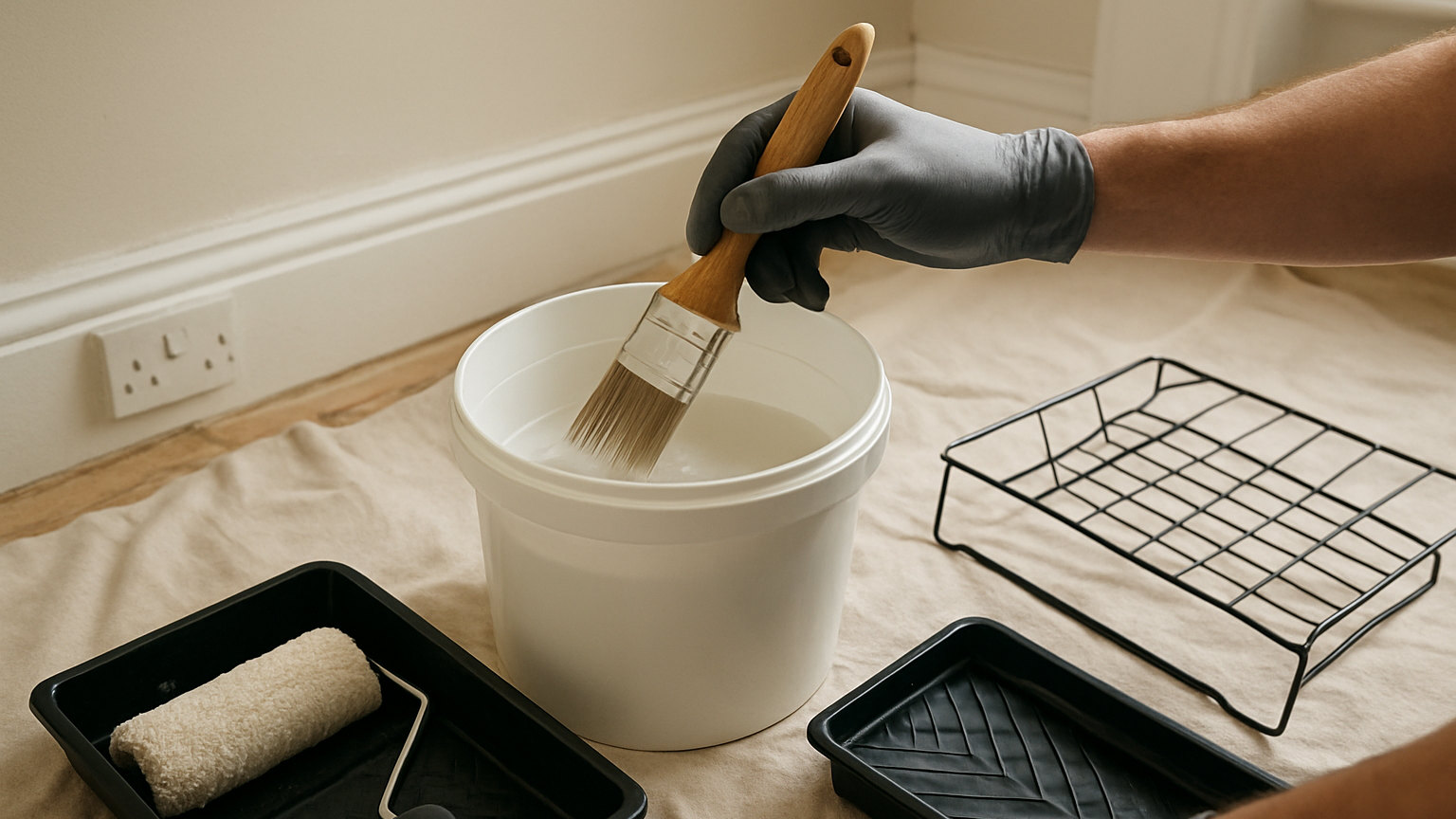
Synthetic for water-based, natural for oil, and the right nap for the surface. What to buy for a room, and where spending more genuinely pays.
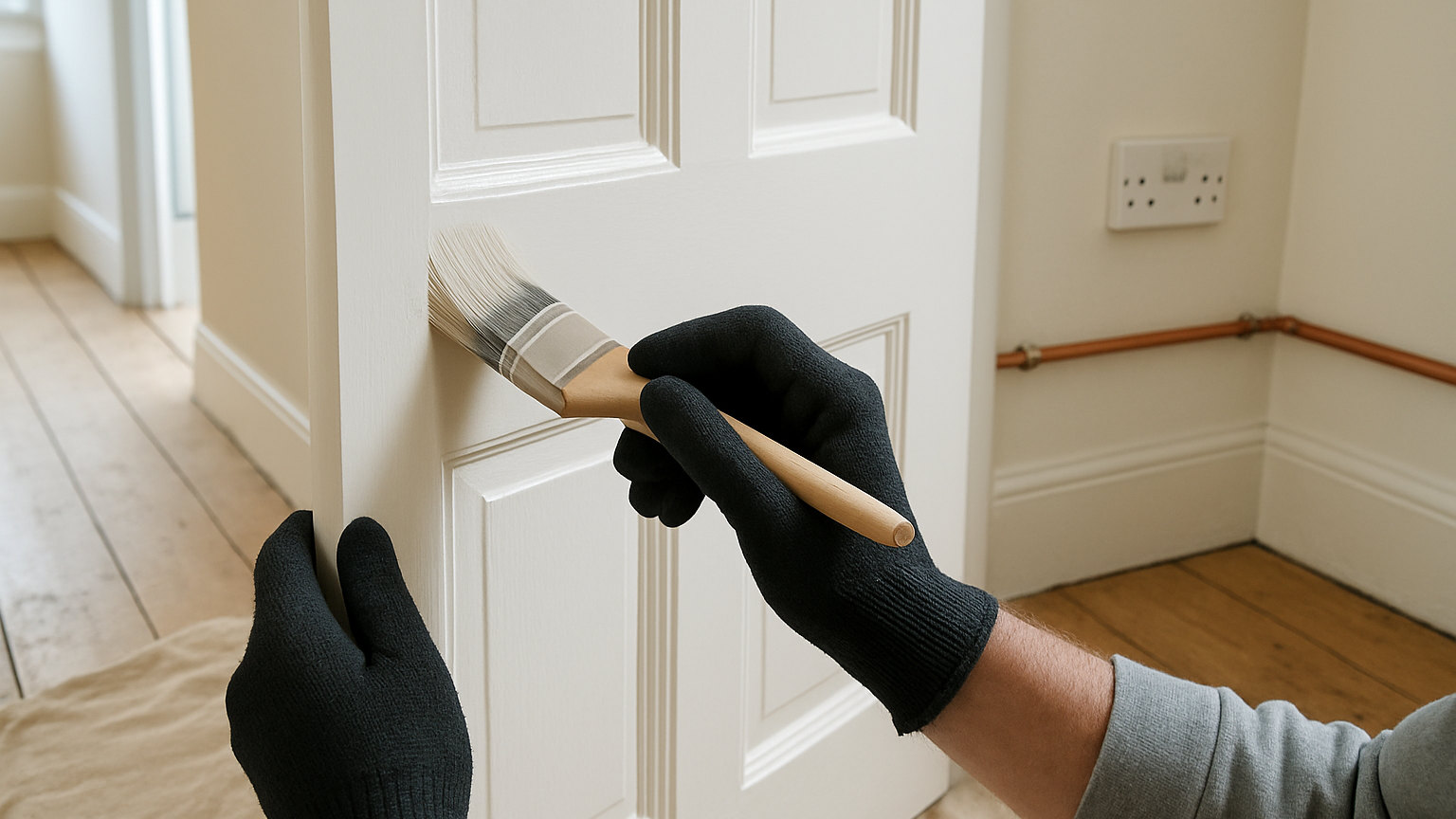
Panelled doors have a set order that keeps the wet edge alive. The sequence for panelled and flush doors, which edges to paint, and stopping it sticking.
Touch dry, recoat and fully cured are three different things. What each means, what slows them down, and what happens if you recoat too early.
A good brush lasts years if it is cleaned properly and is ruined in one session if it is not. The method for water and solvent paints, and storing between coats.
Catch a run in the first ten minutes and it brushes out. Leave it and it has to be cut back. How to spot faults early and correct each type.
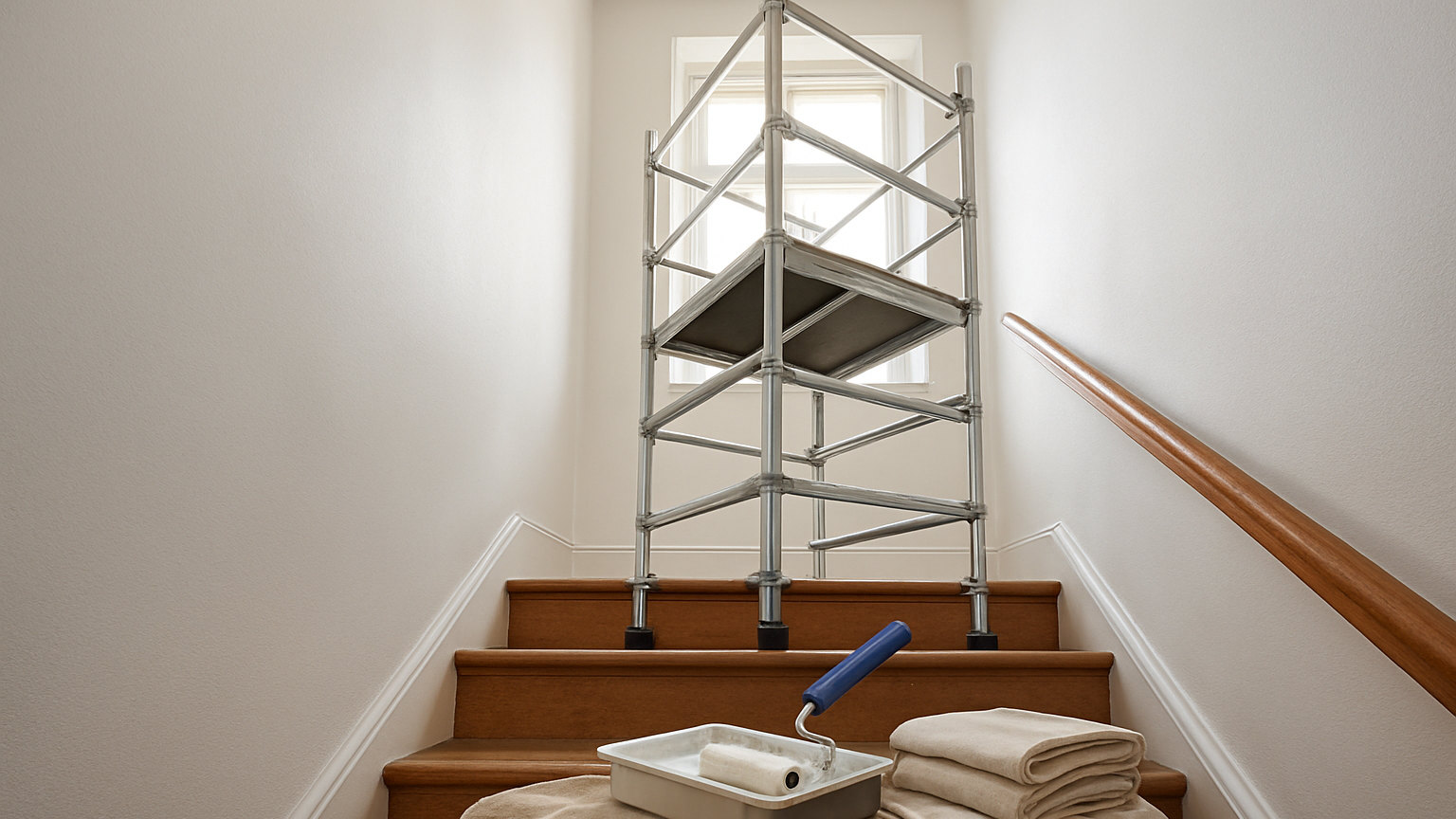
Never put a ladder on a staircase. The access equipment that works, how to set it up, and painting a tall wall without losing the wet edge.
Sometimes the sensible compromise, sometimes a mistake that costs more later. How to judge it, and the sealing that stops the paper lifting.
Flashing, hatbanding, tramlines and lap marks all have specific causes. How to identify which you have, prevent it, and fix a wall that already shows it.
Colour changes need a tinted base, not more coats of the finish. How to use a grey basecoat, and what to expect from strong reds and yellows.